

Top wine aerator picks of 2026 to help you pour like a pro
Bring out the flavors in your next glass of wine with our elite wine aerator selection. We have put together a curated list of tested aerators for wine from luxury to everyday options and tips on how to choose them.
By
Last updated:
Table of Contents

Coravin Limited Edition Six Plus Wine Preservation System with Aerator

Coravin Timeless Three Plus with Aerator

Robert Mondavi Wine Aerator Pourer

The Phoenix Noir Aerator for Wine and Purifier
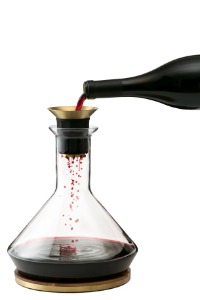
Rabbit RBT Wine Decanter with Aerator
Rabbit Wine Aerator & Opener Tool Kit

Rabbit Pura Wine Decanter with Aerator

Vinturi Red Wine Aerator

Coravin Aerator for Wine
Viski Harrison Aerating Pour Spout

Viski Warren Aerating Pour Spout
A wine aerator pourer is a tool that exposes wine to high levels of oxygen in a short period, causing compounds like ethanol to evaporate and oxidize. Wine aeration reduces unpleasant and harsh tastes in the wine and:
- Improves the aromas and tasting notes;
- Enhances the wine’s flavor profile;
- Softens wine’s alcohol and bold tannins (especially in younger types), making them easier on the palate.
The best wine aerator models recommended above have been proven to be quality examples highly appreciated by customers and expert users.
Spotlight on the top wine aerator brands
Coravin wine aerator
The Coravin wine aerator brings a different philosophy to the table: instead of exposing an entire bottle to oxygen, the aerator works seamlessly with the Coravin system to aerate only the wine that is poured, leaving the rest protected from oxidation. A very convenient choice for premium bottles and collectors who enjoy pairing different wines across a meal, without committing to open the entire bottle.
While the Coravin aerators come with a higher price than other options, its cost directly reflects what it delivers in the glass. The wine is channeled through a series of small apertures, creating dozens of micro-jets that mimic the effect of a long decant. What typically requires an hour in a traditional decanter happens almost instantly as the wine flows into the glass. The result is a more expressive bouquet, rounder tannins and a smoother impression on the palate (particularly with young, structured reds that benefit from accelerated softening).
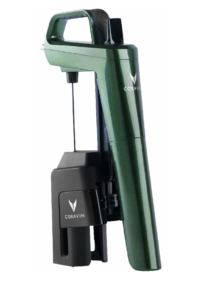
Coravin Limited Edition Six Plus Wine Preservation System with Aerator
Vinturi wine aerator
The Vinturi wine aerator has earned its reputation as one of the most effective tools for enhancing the tasting experience with minimal effort. Unlike traditional aeration the Vinturi aerator brings consistency: as the wine passes through its calibrated chamber, it meets controlled air pressure that accelerates the aeration process. What makes the Vinturi aerator especially appealing is its practicality: no waiting, no heavy decanters, no complex setup. The difference in the glass before and after aeration is often noticeable in both red and complex white wines.
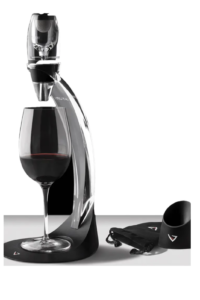
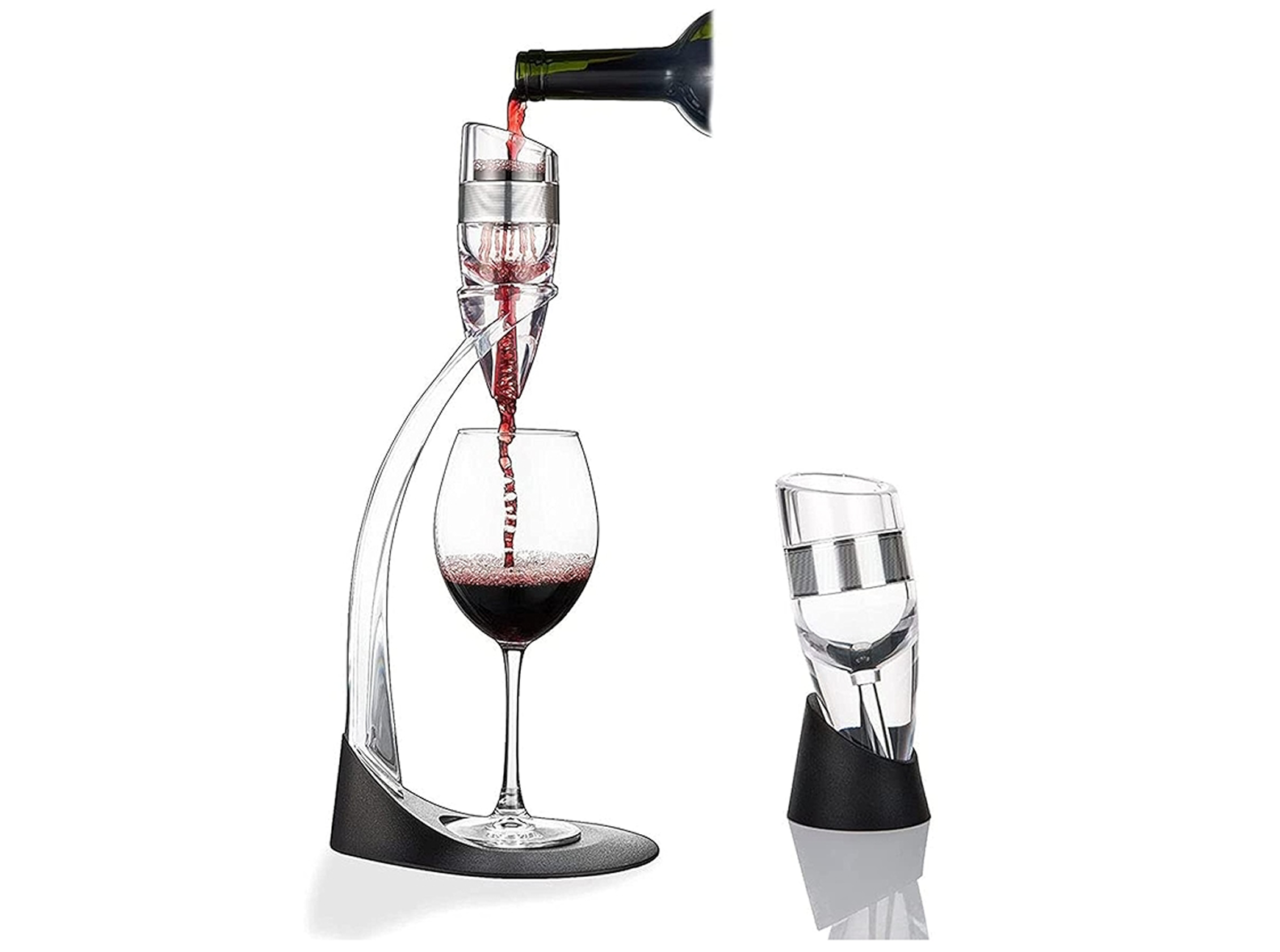
Vinturi Wine Aerator Tower Set
Vinturi Red Wine Aerator
Rabbit wine aerators and toolkits
Aeration is a central theme across Rabbit’s most innovative tools. The brand’s wine decanters, such as the Rabbit Pura Decanting System, add an engineered approach to a classic tool where the wine is directed through an internal aeration column that increases oxygen exposure during pouring for a quicker and more consistent result.
The aerating bottle stopper from the Rabbit Five Piece Tool Kit offers yet another solution, delivering gentle, measured aeration straight from the bottle. This smart accessory seals bottles securely while also delivering gentle aeration during pouring, an essential feature for aged wines that require only minimal oxygen.
Rabbit RBT Wine Decanter with Aerator
Rabbit Wine Aerator & Opener Tool Kit
What does a wine aerator do? A guide to the different types
A wine aerator improves a wine’s flavour and aroma by increasing its exposure to oxygen at the moment of serving. When oxygen meets the wine in a controlled way, volatile compounds lift more easily, tannins feel softer and reductive notes dissipate. If properly aerated, a $30 bottle of wine can develop qualities similar to those of a $75 bottle. Come along as we explore the different types of wine aerators, how they work and tips on how to choose the best option for your next glass.
- Handheld aerators are designed to be placed in home bars or kitchens; they are ergonomic and easy to use.
- Wine bottle stopper / wine aerator pourers are highly portable and can be fitted into the neck of wine bottles for aerating wines while pouring them.
- In glass/decanter aerators are placed inside wine glasses or built into decanters for more convenient wine aeration.
- Electric wine aerators are tech forward tools that use motors to pump air through wines and provide optimum aeration in record time.
- Wine aerator decanters are perfect for the lover of all time classics that prefer slow tasting and a bit of a show.
- Aerators that are also wine purifiers are dual function devices that aerate while filtering compounds such as sulfites or histamine related molecules for less headache.
We will go into more details regarding each type of wine aerator in the sections below, explaining how they work and which models are worth considering.
Timeless wine aerator decanters
A wine aerator decanter is a way of staying connected with the charm and rich tradition of wine in the present day. They can come in the form of decanters and modern pieces are intentionally crafted for precision, often targeting specific wine varietals. Recent designs, aka wine decanter with aerator, have taken this a step further by adding integrated aeration systems, which guide the wine through channels or columns that boost airflow as you pour, speeding up the process without overwhelming the bottle. Below, we have curated a list of 4 wine aerator decanters worth buying.
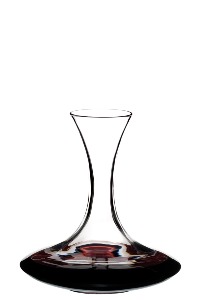
1. Riedel Ultra Wine Aerator Decanter
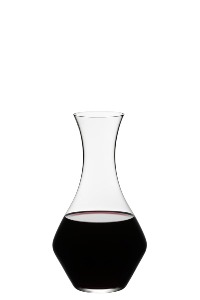
2. Riedel Cabernet Red Wine Aerator Decanter
3. Rabbit RBT Wine Decanter with Aerator
4. Rabbit Pura Wine Decanter with Aerator
Fun fact: some aerators amplify aromas so effectively that blind tasters often describe the same wine as “more expensive” after aeration.
Stopper aerators and wine purifiers: the new generation of smart devices
Aerating wine purifiers combine oxygenation and selective filtration in a single step. As the wine passes through the aeration chamber, controlled oxygen exposure accelerates the release of aromatic compounds and softens tight tannins. At the same time, the integrated purification medium filters out sulfites, histaminic compounds and phenolic irritants, reducing the likelihood of headaches, flushing or congestion in sensitive drinkers. This dual action improves clarity of the wine and lowers the presence of compounds that can trigger adverse reactions without altering the wine’s intrinsic profile.
Robert Mondavi Wine Aerator Pourer
The Phoenix Noir Aerator for Wine and Purifier
Electric wine aerators: enjoy high tech sips
Electric wine aerators are technologically forward devices that use a pump or motor to push wine through an aerating chamber. Some luxurious models act as both wine aerators and dispensers, giving you a hands free experience! They are very convenient to use and are best for red wines with harsh tannins or heavy oak influence. Wine enthusiasts who love to try out modern equipment and innovations are big fans of this type of aerator. Have a look at 3 of our expert selections below:

1. Vinxper Adjustable Wine Aerator
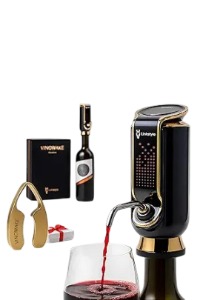
2. Vinowake Triovino Electric Wine Aerator
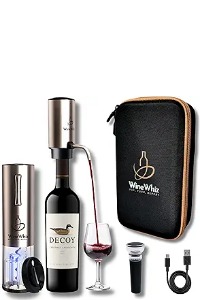
3. Electric Wine Aerator & Opener Set by WineWhiz
2 Luxury wine aerators for collectors
Luxury wine aerators for collectors sit at the intersection of technology and preservation. These tools are engineered for collectors who want to experience a wine’s evolution, allowing the wine to open in the glass while keeping the remaining contents untouched. This level of accuracy appeals mainly to collectors and professionals managing valuable bottles, older vintages or wines that require a delicate balance between aeration and protection. Below, we highlight two exceptional options carefully selected:
Coravin Limited Edition Six Plus Wine Preservation System with Aerator
Coravin Timeless Three Plus with Aerator
The Venturi effect and its impact on wine aeration
The Venturi effect (the principle behind many modern aerators for wine) dates back to the 18th century, when Italian physicist Giovanni Battista Venturi discovered that fluids speed up when forced through a narrow channel. As the liquid accelerates, pressure drops and air is naturally pulled into the flow.
Aerators apply this same principle to wine: when the wine is pushed through a constricted chamber, it moves faster, the pressure drops and air is drawn in through small vents. This creates a controlled burst of micro aeration allowing aromas to lift and tannins to soften almost instantly. What once was a physics experiment eventually became one of the most practical tools in the wine world, turning a scientific phenomenon into a simple device that can improve a glass of wine in seconds.
How to choose the right aerator for wine
Choosing the right wine aerator pretty much comes down on how you drink, serve and enjoy your wine. A few practical considerations can help you decide which style will work best for your routine:
- The wine you enjoy should be the starting point. Different wine styles require varying levels of aeration, while some don’t need to breathe at all.
- Think about whether you’re aerating a single glass after work or serving several bottles at a dinner with friends.
- Budget: you may go for affordable, mid priced or more premium designs.
- Read expert reviews to assess brand reputation and reliability, as well as customer feedback.
- Pick something that matches the design of your existing wine tools and looks at home on your bar or countertop.
What type of wine needs to be aerated?
Some wines, like young, tannic reds, benefit greatly from aeration, while others, such as Champagne, become flat and lose their edge if exposed to excess air. The most popular wines that require aeration include:
- Young red wines develop more balanced flavors with softened tannins and more mellow notes that shine after proper aeration.
- In mature red wines, aeration can open up aged flavors and reveal nuanced layers while separating the sediment from the wine.
- Full bodied white wines like a buttery Chardonnay could use some aeration to release complex aromas and enhance its flavors after brief aeration.
How long should I aerate wine for?
While wine aeration is key to expose the full bouquet and aromas, it is important not to overdo it. Here are some helpful tips to follow so as not to over aerate your wine:
- Know the type of wine you’re working with as some delicate whites don’t need to breathe at all while some others might need a short decanting period to fully open up. The same goes with red wines.
- Set a timer: 1 or 2 hours of aeration is good enough for most young red wines.
- Taste as you go to catch the perfect tasting window!
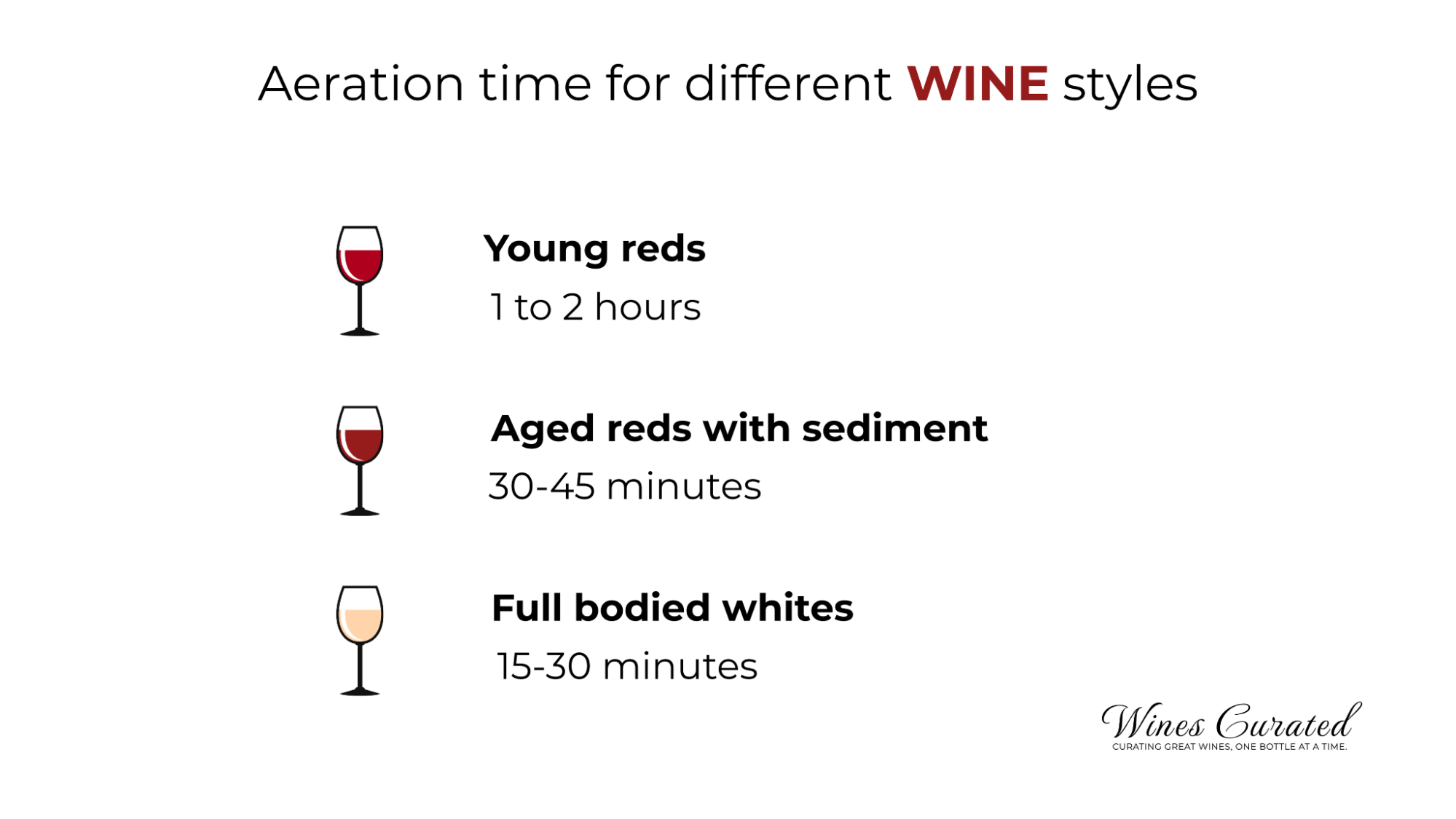
Here is a table summarizing the optimal aeration time for different wine styles:
| Type of Wine | Ideal Aeration Time |
|---|---|
| Young Reds | 1 – 2 hours |
| Aged Reds with Sediment | 30 – 45 minutes |
| Full-bodied Whites | 15 – 30 minutes |
What is the difference between a wine aerator and a decanter?
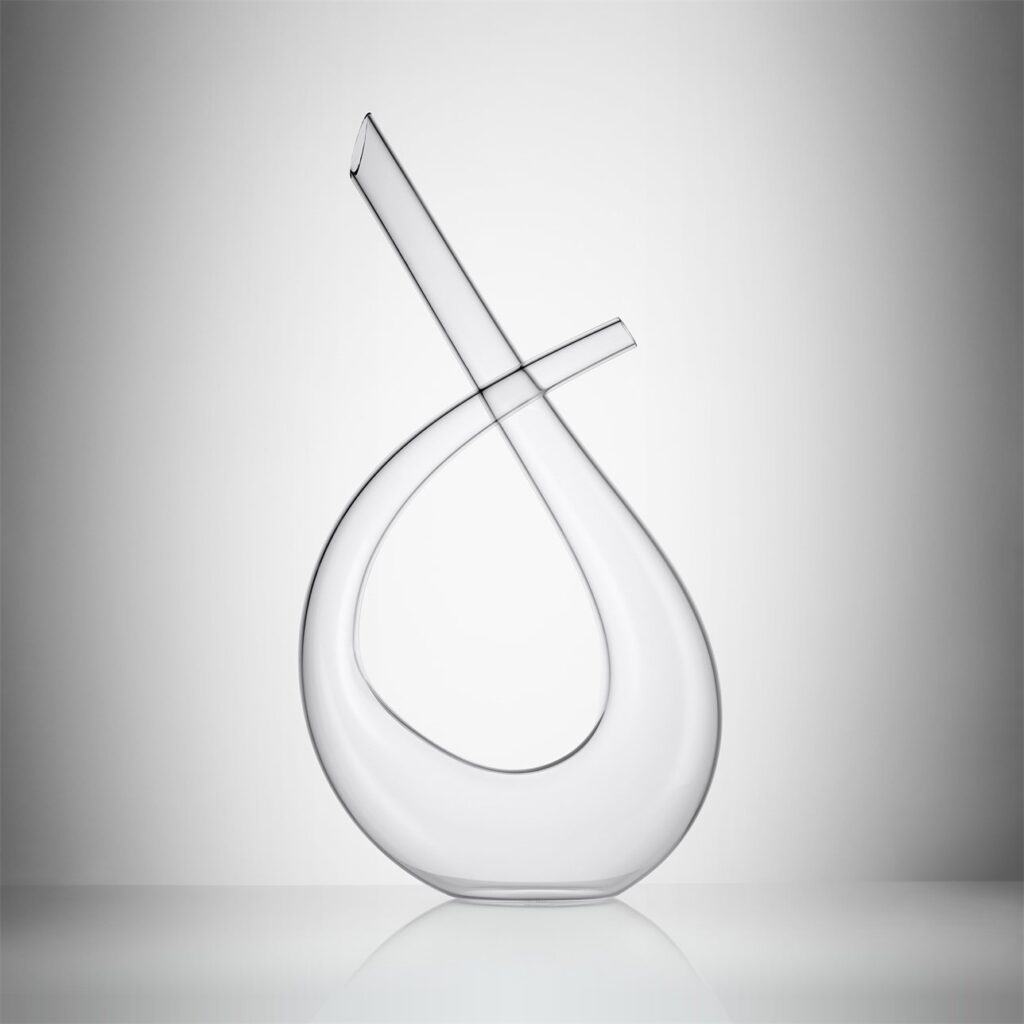
Wine aerators and decanters serve similar functions of improving the taste of wine but they’re used for different wine types. A wine aerator is perfect for closed off young wines that open up once they are quickly exposed to air. It also takes less time than a decanter. A wine decanter, on the other hand, is a vessel that you pour wine slowly into and allow it to sit for a while. It is good for filtering out the sediment of older wines.
You might also be interested in
FAQs Best wine fridges
What are some mid-priced aerating wine decanters?
Aerating wine decanters you can buy to open up the flavors of your next bottle of buttery Chardonnay without breaking the bank include the Areadivino Wine Aerator and Decanter set. It is an in-glass aerator that offers you instant aeration with little to no effort. Keep in mind that young red wines only need about 2 hours of aeration, while full-bodied whites are perfectly enhanced in 15 – 30 minutes.
Is it worth using an aerator for cheap wine?
Yes, an aerator is very beneficial to cheap wine. By exposing the wine to air, it develops complex flavors and qualities that improve the taste and give it a well-balanced flavor profile. With proper aeration, a $25 young vintage of Napa Valley Cabernet Sauvignon can taste as good as a $50 bottle.
What is a good white wine aerator?
A good white wine aerator should be gentle enough to enhance delicate aromas and flavors without overexposing the wine to oxygen, which can flatten its crispness. Amongst our favorites there are the Vinturi On-Bottle Aerator and the Airtender Wine Aerator Pro stealing the spotlight. While most white wines don’t need to be aerated due to their delicate flavors, more complex expressions like white Bordeaux will benefit from opening up through an aeration device.
What is a wine aerator?
A wine aerator is a device that improves the taste and aroma of wine by increasing its oxygen exposure while pouring. It does this by speeding up the oxidation and evaporation of undesirable compounds like ethanol and sulfites to balance the overall flavor of the wine.
What does a wine aerator do?
A wine aerator elevates the taste of wine by forcing it to interact with air. By doing this, harsh tannins and overpowering compounds such as ethanol evaporate and reduce, leaving behind more pleasant and approachable flavors.
How much is an electric wine aerator?
The price of an electric wine aerator ranges between $50 to above $1000. This depends on factors like the brand name and reputation, products used, extra features and the presence of additional accessories. Electric wine aerators that can act as wine dispensers and aerators may cost more than regular options.
Which is better between a wine aerator vs. a decanter?
The answer to the wine aerator vs decanter debate depends on the type of wine you need it for. Older, more delicate red wines will benefit from decanting for a while to allow the sediment to settle and open up nuanced flavors. In the same vein, younger, tannic reds are greatly enhanced by aeration with a wine aerator.
Which is the best wine decanter with an aerator?
One of our favorite picks of the best wine decanters with an aerator attached is the Vinturi Wine Aerator Deluxe Essential. It is a stylish 6-piece set comprising an aerator, tower and a sediment filter. It aerates wine optimally and quickly, and you can listen for the authentic Vinturi sound when you pour your wine in, to be sure you have the original product.
Where to find red wine aerator reviews?
You can read red wine aerator reviews on our site here at Wines Curated, on products that have been tested and reviewed by experts. Customer reviews on a shopping website such as Amazon can also help navigate your next decanter or red wine aerator purchase.
How to aerate wine properly with a wine aeration device?
The first step to learning how to use a wine aeration device to properly aerate wine is to know the style and vintage you’re working with. Helpful tips include setting a timer to avoid overaeration and tasting often as you go. Check out our section on “How long should I aerate wine for?” for more smart tricks to get the best out of your wine.
What is the benefit of using an aerating pourer for wine?
When you use an aerating pourer for your wine, it enhances the taste profile and aromas and reveals intricate layers that would have stayed hidden otherwise. It is also very easy to use, and all you have to do is attach it to the neck of an open bottle as you empty its contents into a glass. It is perfect for entertaining guests or dining out at a restaurant.
Why do we aerate wine?
Drinking wine is all about timing, and some bottles do not reveal all their flavors immediately after opening. Others, such as young red wines, are hard to drink because of harsh flavors and aeration helps to mellow these flavors. Why we aerate wines is to elevate the taste, improve the smell, and provide a better drinking experience overall.
