

Red wine: top bottles for 2026
Explore our selection of the world’s best red wines, featuring a mix of timeless classics and popular red wines that continue to win over wine lovers. This collection celebrates prestigious red wine brands from Italy, France and California highlighting their remarkable diversity and prestige.
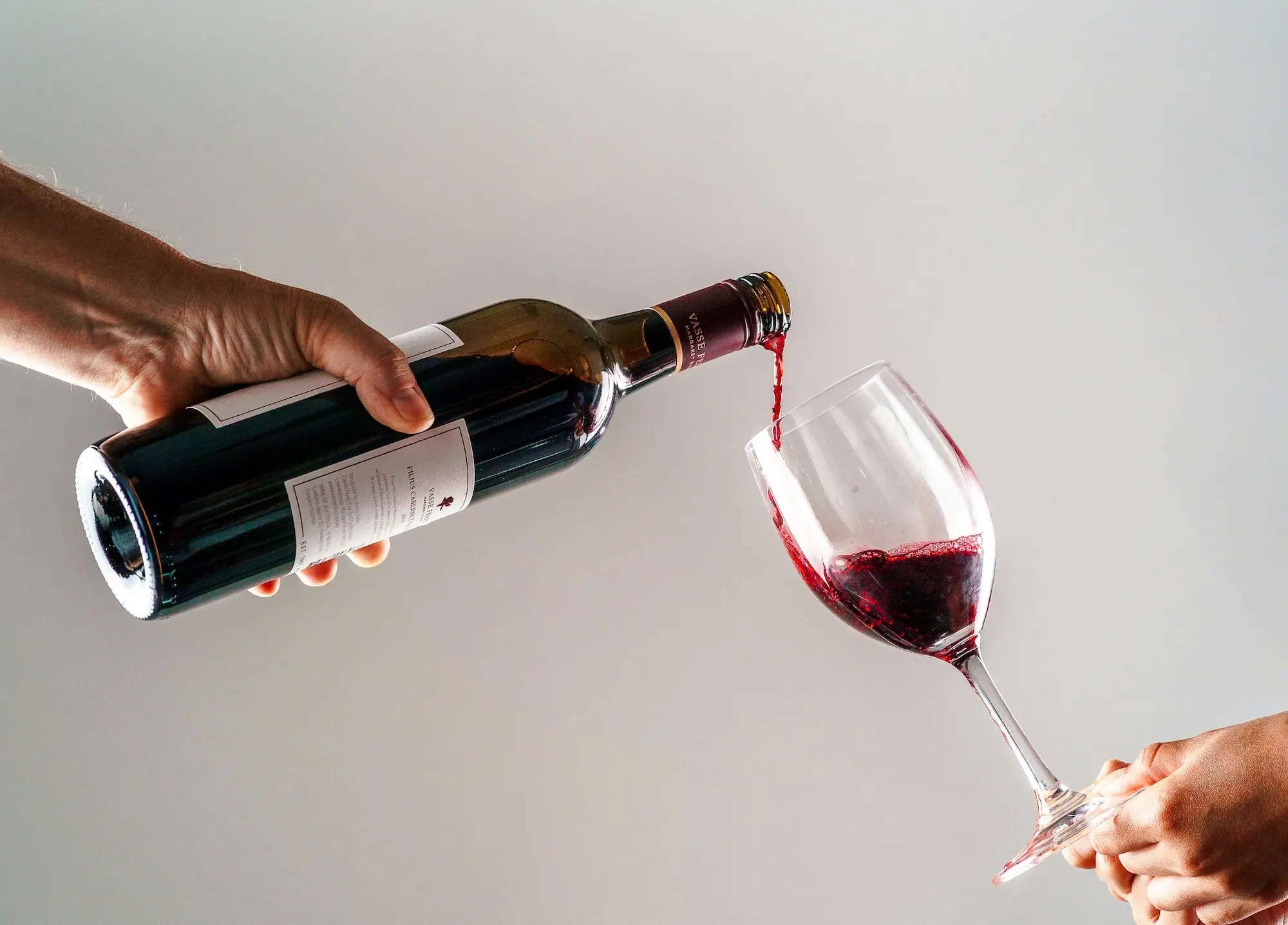

10 Top red wine bottles rated
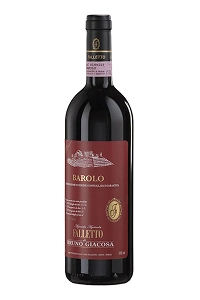
Barolo Le Rocche del Falletto Riserva – Bruno Giacosa 2016
Italy
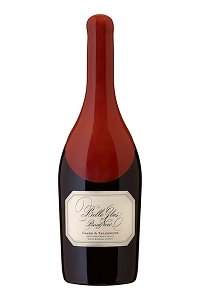
Bordeaux – Château Margaux 2010
France
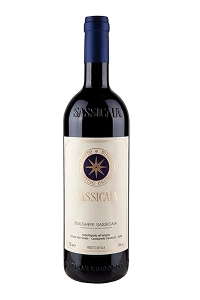
Tenuta Guido Sassicaia – Bordeaux Red Blends 2021
Italy
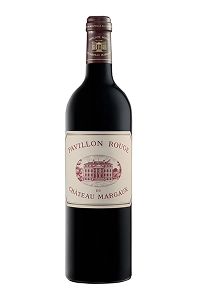
Pavillon Rouge – Château Margaux 2021
France
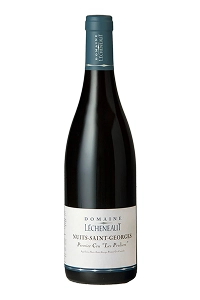
Les Pruliers Premier Cru – Lecheneaut Nuits-Saint-Georges 2018
France

Beringer Private Reserve Cabernet Sauvignon 2017
California
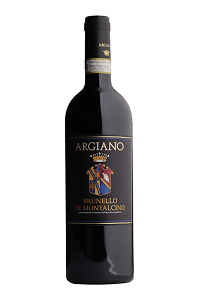
Brunello di Montalcino Vintage – Argiano 2018
Italy
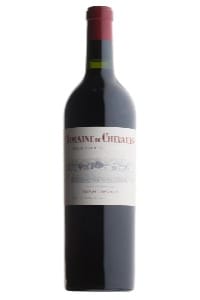
Bordeaux – Domain de Chevalier 2020
France

Badia a Passignano Chianti Classico gran Selezione – Marchesi Antinori 2021
Italy

Bordeaux – Dominus Estate 2021
California
Each of the bottles listed in our 10 best red wines has earned its spot thanks to their craftsmanship and the strong red wine ratings earned not only by wine critics, but also from the feedback of consumers worldwide. This ensures that our ranking reflects choices that truly resonate with our readers. Italian icons such as Barolo, Brunello and Chianti were selected for their depth and versatility with food pairings while popular red wine brands from Bordeaux and California secured their place thanks to their timeless prestige and elegance.
What are the most popular red wines in the world?
The world of red wine is broad but some of them stand out amongst others thanks to their flavors and quality. Let’s see together what are the most popular red wines to drink this year:
Cabernet Sauvignon red wine shines in the bottlings released from Bordeaux, Napa Valley (California) and the Chilean Maipo Valley. Its natural intensity, bold structure and firm tannins, accompanied by notes of blackcurrant, plum and cedar have made it one of the most popular wines, greatly appreciated worldwide. Here is a bottle recommendation to try:

Caymus Napa Valley Cabernet Sauvignon (50th Anniversary) 2022 – California
Pinot Noir red wine is one of the most elegant and fine red wines, especially for wines coming from Burgundy, Oregon and New Zealand. Pinot Noir reds are usually preferred by sommeliers worldwide but also a favorite amongst less experienced wine lovers thanks to its silky texture and graceful acidity. They are light to medium bodied with flavors of cherry and raspberry, combined with floral and earthy notes. To experience its finesse the bottle recommendation below is an excellent place to start:
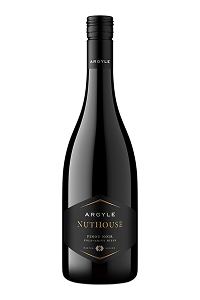
Argyle Nuthouse Pinot Noir 2022 – Oregon
Bordeaux red wine blends are perhaps the most famous amongst those who prefer fine red wine. Bordeaux red wines are the result of blending different grapes (mainly Cabernet Sauvignon, Merlot and Cabernet Franc) so that the resulting wine is more structured, complex and resistant to aging. Although the original wine is only produced in the French region Bordeaux, winemakers in California, Italy and Chile have successfully experimented with Bordeaux blends, creating wines that compete with the French ones. For an authentic taste of this style we recommend the following bottle:

Dominus Estate 2021 – California
Barolo red wine. Made 100% from Nebbiolo grapes is often called the “King of Wines” for a reason: it is powerful, noble and age worthy. Barolo is produced only in the Langhe hills of Piedmont (Italy) it is tannic and intense in younger versions, evolving into hauntingly beautiful aromas of truffle, rose and dark cherries as it matures. Here is our recommendation if you wish to experience its grandeur:
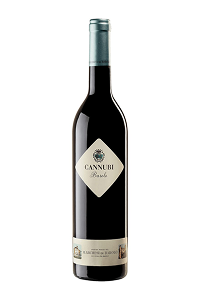
Barolo Cannubi – Marchesi di Barolo 2018 – Italy
Malbec red wine, despite having French origin, has become one of Argentina’s signature wines (especially in Mendoza). Deeply colored and full of lush fruit, it offers notes of blackberry, plum and cocoa, accompanied by a velvety texture that appeals to a wide range of palates and food pairings.
Chianti red wine is produced from Sangiovese grapes in the sunny hills of Tuscany (Italy). Chianti wines are a favorite worldwide thanks to their lively acidity balanced by aromas of cherry fruit, herbs and earthy depth. Its medium body and vibrant character make it a versatile choice to drink on their own or paired with food.
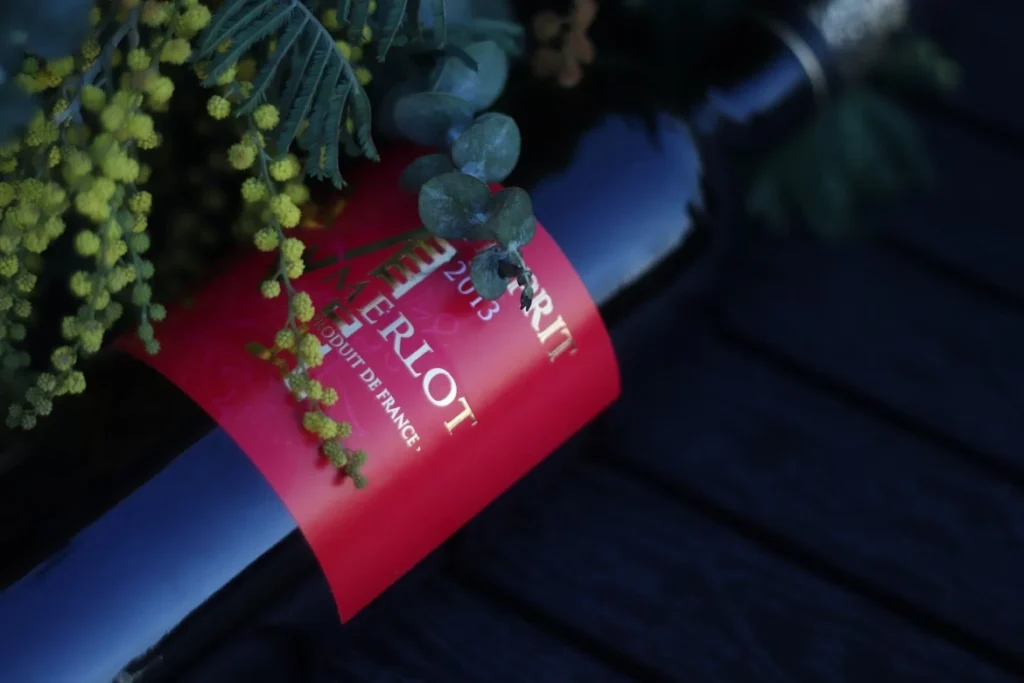
Merlot red wine is one of the most approachable and widely enjoyed red wines. Produced widely in the US (California), Italy, France and South America, Merlot red wines are smooth and medium bodied with soft tannins and a fruit forward style. The wine carries notes of plum, black cherry and chocolate that are enhanced by flavors of spice and cedar coming from oak aging.
Shiraz red wine, known as Syrah in France, is one of the boldest and most expressive red wines. Widely produced worldwide it takes a different personality according to the terroir: in the Rhône Valley (France) is structured and savory while in Australia is richer and with more fruity notes.
What are the types of red wine?
Red wines can be categorized in several ways, depending on their grapes, style, sweetness levels and body. Each category highlights a different aspect of how the wine is made and its final taste in the nose and palate. Still red wines are the most common type and include some of the best bottlings in the world (Bordeaux or Chianti for example). Sparkling red wines are bubbly and lively and undergo a secondary fermentation. Sweet red wines retain more residual sugar, giving them a rich dessert like profile. Dry red wines come in still or sparkling versions and contrary to the sweeter styles, they are fermented until little to no sugar remains.
Understanding the types of red wine by body
The term body refers to the wine’s structure and the sense of how dense and voluminous it feels on the palate. The structure i.e body of the wine is influenced by several factors like the soil in which the grapes are grown and the winemaking technique used for production (for example the use of yeasts, tanks and aging vessels).
The different types of red wines are typically grouped into light bodied, medium bodied and full bodied based on how “heavy” or “light” they feel. Light bodied red wines are brisk and transparent, they race across the tongue with a clean and quick finish. Medium bodied red wines are supple and balanced, they run on the palate without too much heaviness thanks to moderate alcohol and fine grained tannins. Full bodied red wines are instead dense and mouth filling, they run slower across the palate with a lingering and layered finish. Full bodied reds have higher alcohol, firmer tannins and sometimes a more noticeable sweetness towards the end.
| Red Wine Type | Top Producers | Grape Varieties | Structure & Flavor |
|---|---|---|---|
| Light bodied | Domaine Drouhin, Jean Foillard | Pinot Noir, Gamay, Frappato | Lower alcohol and tannins but higher acidity. Aromas of red fruits |
| Medium bodied | Château Petrus, Casanova di Neri | Merlot, Tempranillo, Sangiovese | Balanced, well integrated acidity, moderate tannins, red and dark fruits flavors |
| Full bodied | Napa Valley, Bruno Giacosa | Cabernet Sauvignon, Syrah, Nebbiolo | Rich and bold, deep acidity, robust tannins, intense notes of dark fruits and spices |
Pro tip: swirl the wine in your glass. The way it moves and the “legs” it leaves behind can give you clues about its body even before you take a sip! Thick and slow tears usually point to higher alcohol or glycerol which often correlates with a fuller body.
Light bodied red wine
A light bodied red wine is typically low in tannins, high in acidity and lower in alcohol. It often features fresh red fruit flavors and a crisp, refreshing profile. These wines are easy to drink and pair well with lighter dishes like salads, seafood or grilled vegetables.
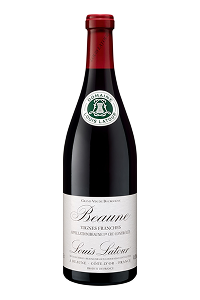
Louis Latour Beaune Vignes Franches Premier Cru 2022 – France
Medium bodied red wine
A good red wine with a medium body strikes a perfect balance between richness and lightness. They have moderate tannins, acidity and alcohol with flavors that often include ripe fruits, gentle spice and a smooth texture. Versatile and food friendly they pair well with everything from pasta to grilled vegetables.
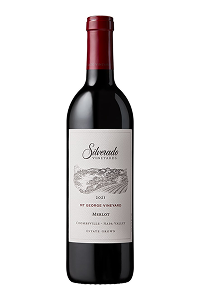
MT George Merlot from Silverado Vineyards 2021 – California
Full bodied red wine
Full bodied red wines are known for their richness, intensity and strong tannins. They often showcase deep fruit flavors and gain added complexity from oak aging. These are good red wines to pair with steak and are well suited for aging.
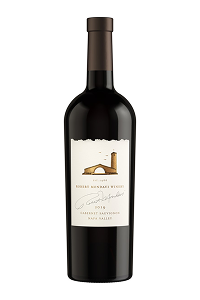
Cabernet Sauvignon from Napa Valley’s Robert Mondavi Winery 2019 – California
Best red wines to drink by sweetness
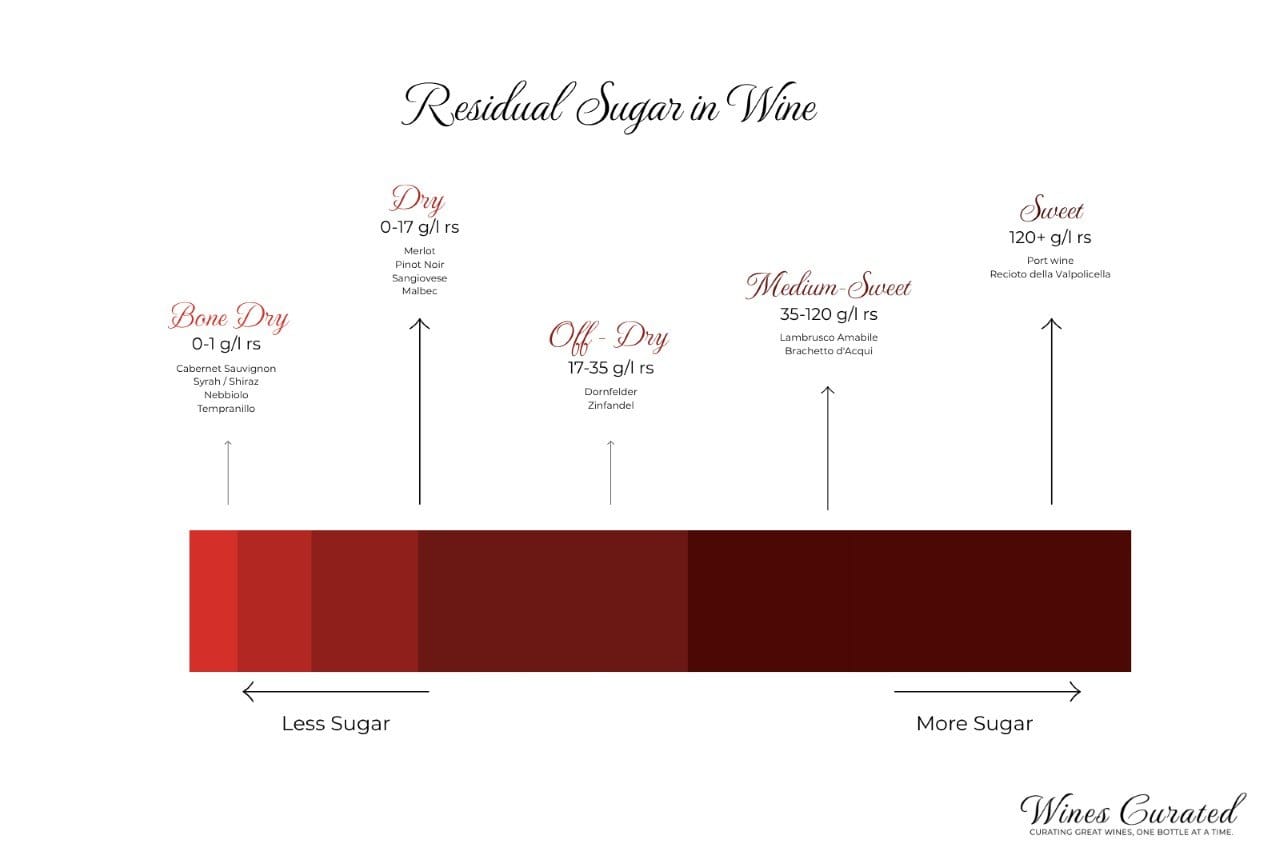
Understanding the types of red wine by sweetness is key to how you enjoy them, whether you pair them with food or sip them on their own. Sweetness refers to how much residual sugar is left after fermentation and most red wines fall into three categories. Sweet red wines are fruity, approachable and great for beginners, best enjoyed if paired with desserts. Semi sweet red wines offer a balance of sweetness and acidity that allows them to be sipped on their own but really shine when paired with soft cheese. Dry wines such as Nebbiolo or Cabernet Sauvignon are more structured and complex, with bold tannins. They can be enjoyable on their own but also pair perfectly with savory dishes that match their intensity.
Let’s see together some options for the best red wines to drink charted by sweetness.

1. Dry red wine. Cabernet Sauvignon by Silver Oak Alexander Valley 2020 – California
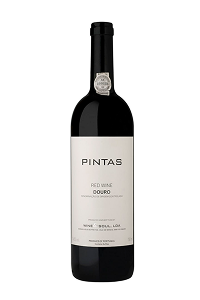
2. Semi sweet red wine. Wine & Soul Pintas 2021 – Portugal
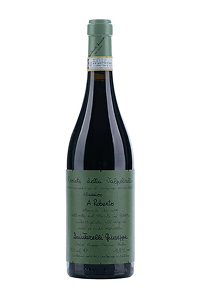
3. Sweet red wine. Giuseppe Quintarelli Recioto della Valpolicella Classico “A Roberto” 2015 – Italy
Red wine food pairing essentials: the perfect matches
To pair nice red wines with food you need to start from structure: tannins love fat and protein, acidity loves salt and tomatoes, oak and alcohol want richness. Full bodied red wines pair wonderfully with rich dishes such as steak or hearty stews. For lighter, more delicate dishes or pasta opt for light or medium bodied wines like Pinot Noir or Merlot.
Below is a table of the best red wine food pairing examples based on the wine body, designed to help you find the perfect match.
| Food | Best Red Wine | Why It Works |
|---|---|---|
| Chicken, turkey, duck, rabbit | Pinot Noir, Grignolino, Barbera d’Asti | Bright acidity and gentle tannins make these light to medium bodied reds a natural fit for poultry and game: present enough to add something, restrained enough not to take over. |
| Cured meats & charcuterie | Chianti Classico, Dolcetto, Beaujolais Villages | Fruit forward and refreshingly acidic, these wines slice right through the richness of cured meats and keep your palate sharp between bites. |
| Steak, roasts & braised meats | Cabernet Sauvignon, Barolo, Bordeaux, Malbec | Big structure, firm tannin and full bod, these are the reds that were built for red meat and the pairing has stood the test of time for good reason. |
| Pasta, grilled tuna & vegetable dishes | Merlot, Sangiovese, Côtes du Rhône | Versatile, smooth and reliably medium bodied, these bottles move easily across a wide variety of dishes without ever stealing the show. |
| Aged cheeses — parmesan, cheddar, gouda | Amarone, Syrah, Aged Rioja Gran Reserva | It takes a bold, full bodied red to hold its own against aged cheese: these deliver the smoky depth and complexity that mirror the umami intensity on the plate. |
| Pasta, club sandwiches & light bites | Barbera d’Alba, Valpolicella, Frappato | Easygoing but never boring, these medium bodied reds bring just enough fruit and acidity to elevate casual meals without overcomplicating them. |
| Comfort food (burgers, pizza, baked casseroles) | Zinfandel, Primitivo, Nero d’Avola | Dark fruit, full body and grippy tannins make these the go-to reds for satisfying, no fuss food that needs a wine to match its energy. |
| Fish, seafood & shellfish | Pinot Noir, Nerello Mascalese, Gamay | If red is non negotiable, keep it light: low tannins and lively acidity let these wines sit alongside delicate seafood without running roughshod over the flavor. |
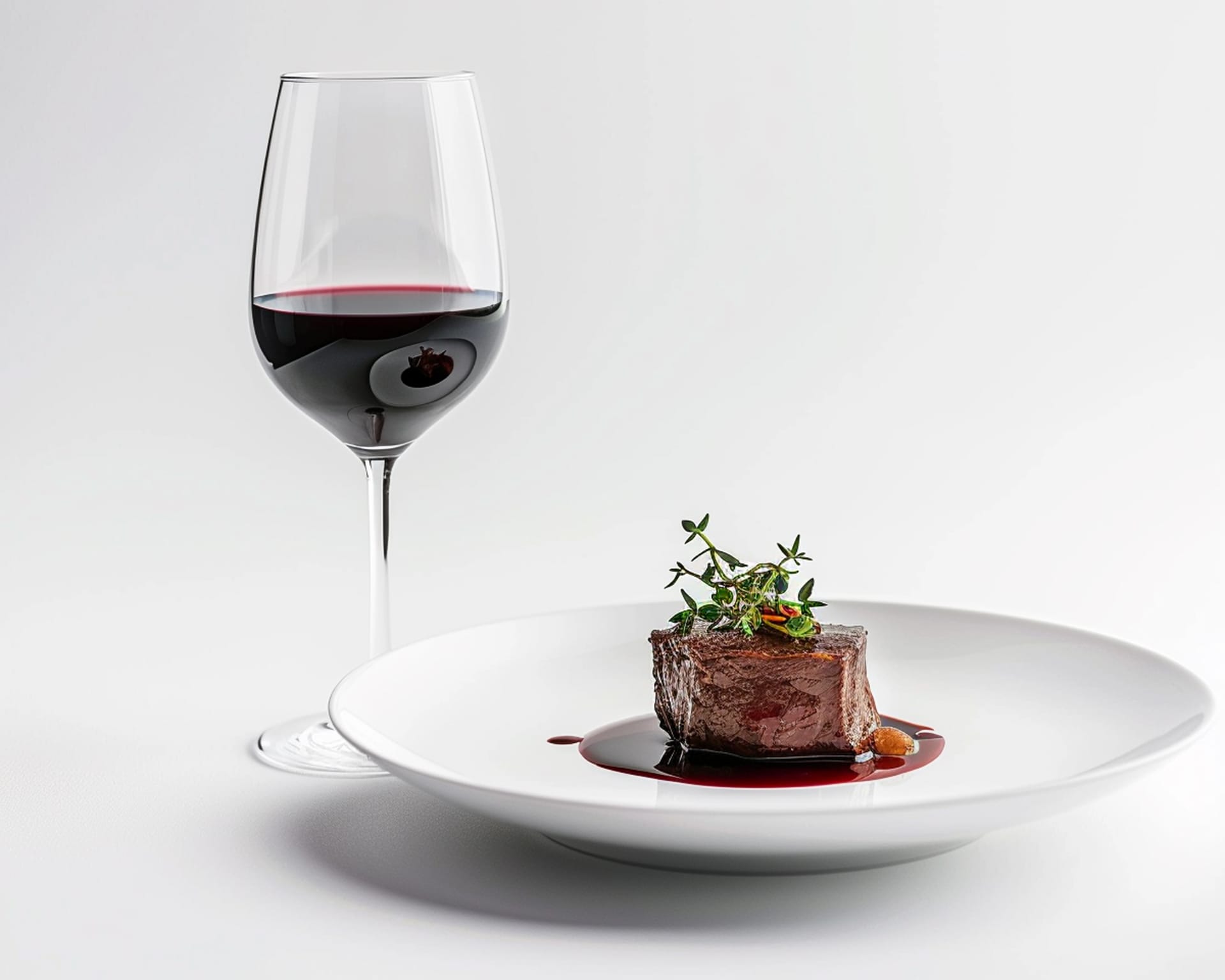
How long does red wine last once opened?
Pop the cork on a bottle of red wine and the countdown begins. Oxygen gets to work on the wine almost immediately and for the first hour or two, that’s not a bad thing. Tannins soften, aromas open up and the wine often tastes better than it did on the first pour. Leave it too long, though, and that same exposure will flatten the fruit, dull the freshness and leave you with something closer to vinegar than Burgundy.
How fast that happens comes down to the wine in your glass. Here’s what to realistically expect from each style:
| Wine Type | How Long It Lasts Once Opened | Storage Tips |
|---|---|---|
| Light bodied reds (Pinot Noir, Gamay) | 2 – 3 days | Recork and refrigerate. Pull it out 30 minutes before you’re ready to drink. |
| Medium-bodied reds (Merlot, Sangiovese, Tempranillo) | 3 – 4 days | Recork tightly and keep in a cool, dark spot. |
| Full-bodied reds (Cabernet Sauvignon, Syrah, Nebbiolo) | 4 – 5 days | Recork or use a wine stopper and keep it away from heat and light. |
| Fortified reds (Port, Maury, Banyuls) | 2 – 4 weeks | Recork and refrigerate: the higher alcohol does most of the preservation work for you. |
A few straightforward habits go a long way. Always recork as tightly as you can after pouring or pick up a vacuum wine stopper to pull excess air out of the bottle before you put it away. If finishing a bottle in one sitting is rarely in the cards, a wine preservation system using inert gas (argon is the most common) is a smart investment. It lays down a protective layer between the wine and the air, buying you several extra days without any noticeable drop in quality.
Good to know: what you really want to avoid: leaving an open bottle sitting out on the counter at room temperature and hoping for the best. That’s a shortcut to a very mediocre glass.
How many calories there are in a glass of red wine?
Red wine has calories, that much is true. But the range is wider than most people realize and where your glass lands depends almost entirely on what’s in it. Alcohol is the main driver, with residual sugar playing a supporting role. A light, low alcohol Pinot Noir or Gamay sits comfortably at the lower end of the spectrum; a rich, high octane Amarone or a fortified Port is a different story altogether. Here’s how the numbers break down across styles:
| Wine Type | Serving Size | Approximate Calories | ABV Range |
|---|---|---|---|
| Light bodied dry reds (Gamay, Pinot Noir) | 5 oz / 150ml | 110 – 125 kcal | 11 – 12.5% |
| Medium bodied dry reds (Merlot, Sangiovese, Tempranillo) | 5 oz / 150ml | 125 – 145 kcal | 12.5 – 13.5% |
| Full bodied dry reds (Cabernet Sauvignon, Syrah, Nebbiolo) | 5 oz / 150ml | 145 – 165 kcal | 13.5 – 15% |
| Sweet reds (Lambrusco Dolce, Brachetto d’Acqui) | 5 oz / 150ml | 160 – 180 kcal | 5 – 8% |
| Fortified reds (Port, Maury) | 2.5 oz / 75ml | 120 – 160 kcal | 18 – 20% |
A couple of things worth flagging. Fortified wines are served in smaller pours, which is why their calorie count stays in the same ballpark as a full glass of table wine despite the higher alcohol. Sweet reds work the same way in reverse: lower alcohol but enough residual sugar to push the numbers up regardless. And if you’re keeping track, know that a standard restaurant pour in the US often runs closer to 6 oz than the 5 oz used above, so the numbers can quietly add up faster than expected.
None of this should take the enjoyment out of a great bottle. Think of it as a useful context, not a reason to second guess your next pour.
How is red wine made?
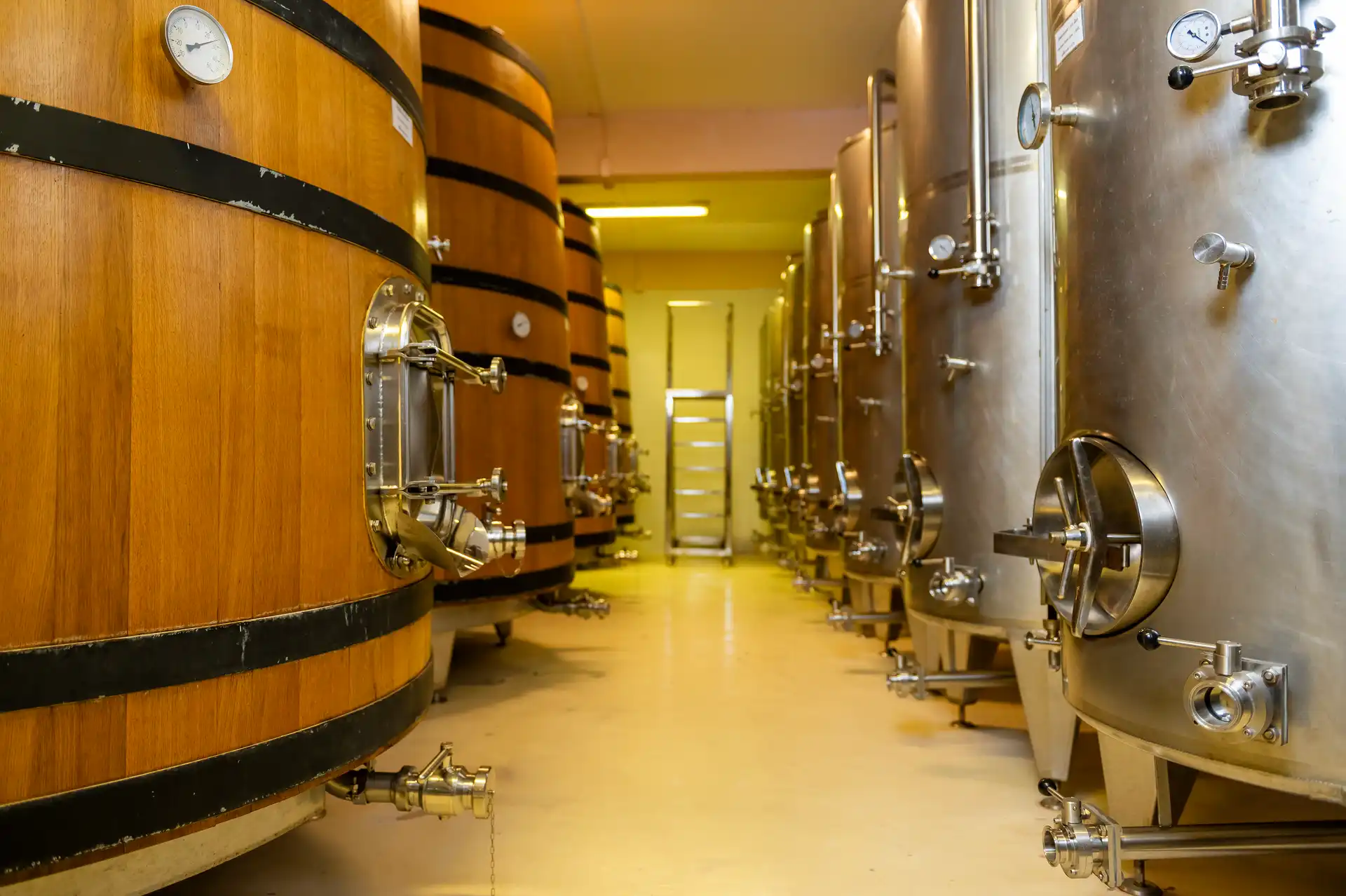
The winemaking of red wines stretches back thousands of years and while it has been refined over time, it is still rooted in essential stages. While some red wine styles require more complex stages (secondary fermentation, addition of yeasts or careful blending) the wine making follows mainly a series of key stages:
- Harvesting and sorting: winemakers carefully choose the timing of the harvesting to influence the style of the wine. Earlier pics yield fresher and less sugary wines while late picks create riper and fuller body reds. For some wines the grapes are sorted on harvesting to remove berries that are not ripe enough or rotten.
- Crushing and destemming: once harvested, grapes are gently pressed to release the juice while keeping the skin intact. The grapes are removed from the stems to prevent excessive bitterness although some wine makers might leave a portion of them to add structure and complexity to the wine.
- Fermentation: natural grape sugars are converted into alcohol by yeast. During this process a thick layer of skins called cap forms on top of the tank. Winemakers regularly push it down or pump juice over it to ensure that more flavor and color are extracted.
- Pressing: once fermentation is nearly complete, the wine is pressed to separate the solid elements of the cap. Gentle pressing preserves freshness while heavier pressing extracts more tannins and gives more body.
- Aging: red wine rests in barrels or stainless steel developing complexity and harmony. Aging can last from a few months for fresh wines to several years for more structured reds (think Bordeaux wines).
- Fining and filtration: winemakers may choose to clarify the wine to remove haze, sediment or harsh tannins and then filter for a more polished finish.
- Bottling: the finished red wine is transferred to bottles with a small dose of sulfur dioxide for stability (some winemakers might choose not to perform this step. The wine can then be enjoyed immediately or cellared for further development.
Did you know? The rich red hue comes naturally from the grape skins which release pigments during fermentation. The longer the contact with the skins the deeper and more intense the color.
Red wine grapes
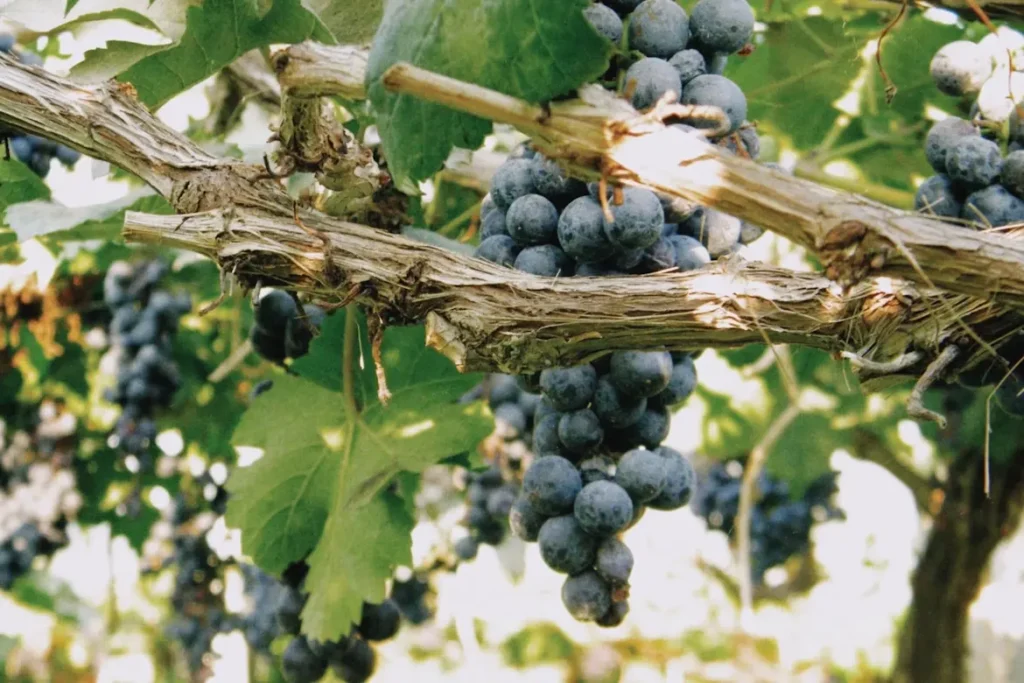
The choice of grape variety is one of the most important factors in defining the character of a red wine, shaping its body, flavor, aroma and aging potential. Let’s see in detail the grapes most commonly used in red wines:
Together, these grapes demonstrate the immense variety within red wine: some lead to light bodied red wines (with a delicate and smoother texture), others yield medium bodied red wines (with moderate alcohol and tannins) and full bodied red wines (with higher tannins, alcohol and structure).
Leading red wine producing countries worldwide
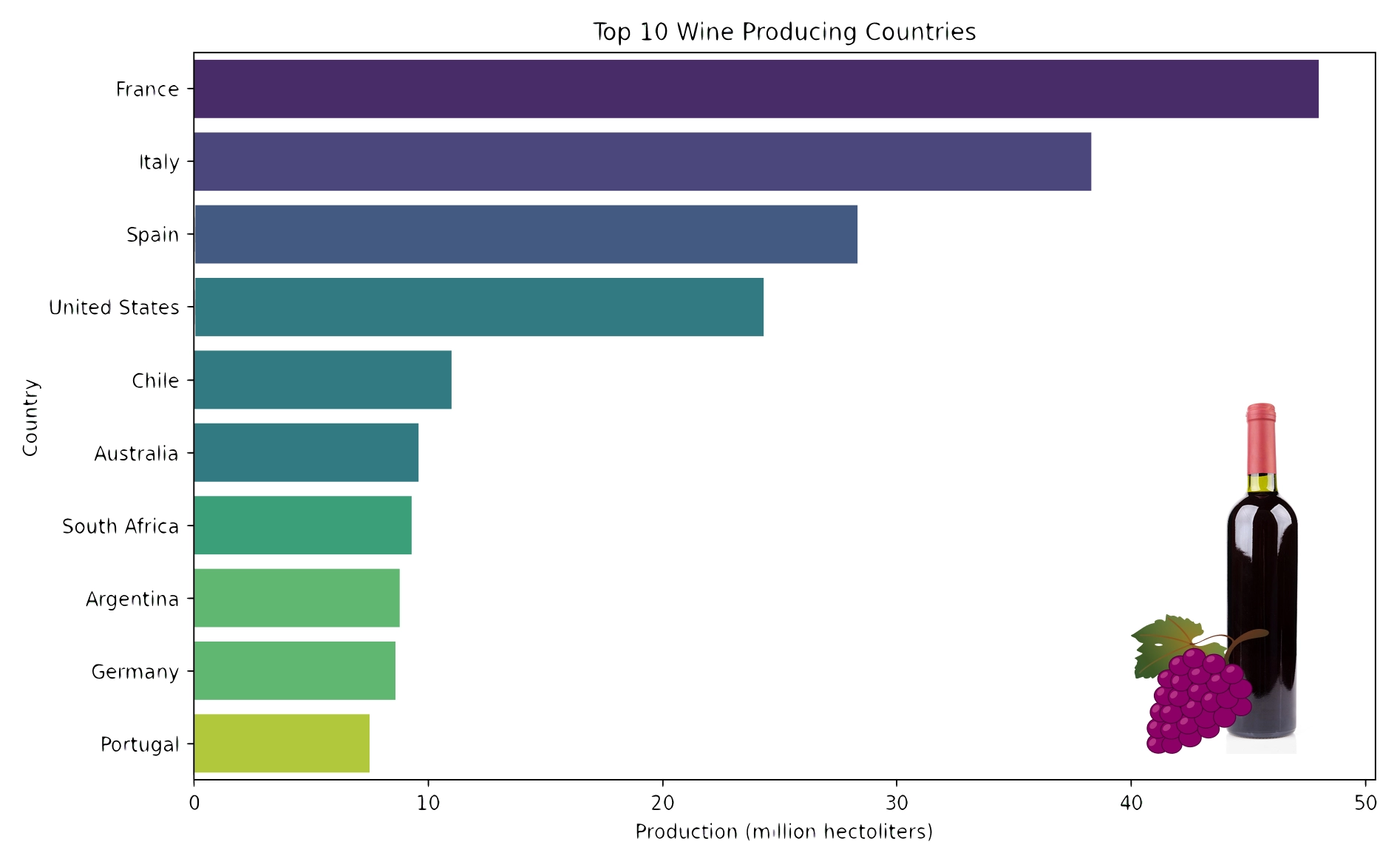
The global wine industry continues to wield significant economic and cultural influence. While total production has recently dipped due to adverse weather conditions, a few countries remain dominant in volume, exports and reputation.
| Rank | Country | Production (million hl) | World % | Best Regions |
|---|---|---|---|---|
| 1 | France | 48.0 | 20.2% | Bordeaux, Burgundy, Rhône and Champagne |
| 2 | Italy | 38.3 | 16.1% | Tuscany, Piedmont and Veneto |
| 3 | Spain | 28.3 | 11.9% | Rioja, Ribera del Duero, Priorat |
| 4 | United States | 24.3 | 10.2% | Napa Valley, Sonoma and Willamette (PN) |
| 5 | Chile | 11.0 | 4.6% | Maipo, Colchagua, Maule |
| 6 | Australia | 9.6 | 4.1% | Barossa Valley, McLaren Vale, Margaret River |
| 7 | South Africa | 9.3 | 3.9% | Stellenbosch, Swartland, Paarl |
| 8 | Argentina | 8.8 | 3.7% | Mendoza, Patagonia, Salta |
| 9 | Germany | 8.6 | 3.6% | Mosel, Rheingau, Pfalz |
| 10 | Portugal | 7.5 | 3.2% | Douro, Alentejo, Dão |
Collectively, France, Italy, Spain and the U.S. produce over half of the world’s wine, while just 28 countries account for 85% of global production.
Famous red wine brands worth collecting
Red wines have long been at the heart of fine wine collecting. Famous red wine brands are so revered that many of their bottles are bought even prior to being released as they represent the pinnacle of winemaking. Fine red wines are often reserved for life’s most special moments, chosen as luxury gifts or as long term investments.
Here are the categories of most collected and famous red wines brands:
- Bordeaux: Château Lafite Rothschild, Pauillac — 2000
After being released with a price of $300 – $365 its value skyrocketed peaking at $480 per bottle in 2011 before stabilizing at around $1600. Has a deep global buyer base and very active secondary market turnover. - Barolo: Giacomo Conterno “Monfortino” Riserva — 2019
Monfortino’s 2019 vintage is legendary for its quality and premium status. Has great longevity and auction demand, trading robustly across venues. - Sangiovese / Chianti: Soldera Case Basse di Gianfranco Soldera — 2020
Archetypal collectible Sangiovese with long aging narrative and reliable liquidity due to its strong reputation amongst serious collectors.
What truly makes high end red wine so collectible?
Many of them are often crafted in small batches and under exclusive labels, making them highly rare and difficult to obtain even if purchased prior to release. Many collectible red wines originate from historic vineyards that impart a distinctive character further enhancing their prestige and investment value over time.
Did you know? Wine futures (known as en primeur in French) are a way to buy prestigious wines before they’re even bottled. The practice is mostly associated with Bordeaux where each spring the newest vintage is tasted and offered to merchants and collectors. Buying futures gives first access to rare and limited wines.
Red wine record bottles sold at auctions
Here ‘s a quick peek at the wildest price tags paid by collectors for a fancy bottle of red wine. Records happen when rarity, perfect storage conditions and famous vintages line up. Big formats usually add value and charity auctions can push prices higher hence treat this as fun trivia, a glimpse of how far wine passions (and wallets) can stretch.
- French red wine: 1945 Domaine de la Romanée-Conti, Romanée-Conti – Price $558,000 (750 ml), Sotheby’s New York, October 13, 2018.
- U.S. red wine: Screaming Eagle Cabernet Sauvignon 1992 – Price $500,000 (6 liter Imperial), Auction Napa Valley (charity), June 2000.
- Italian red wine:Ornellaia 2010 “Vendemmia d’Artista” – Price $120,400 (9 liter Salmanazar), Sotheby’s London, May 16, 2013, widely cited as an Italian single bottle auction record.
Red wine serving temperature and other tips
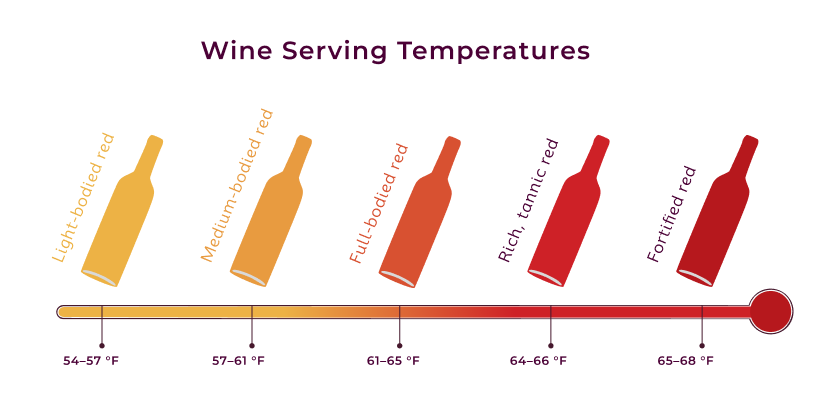
Choosing the perfect red wine involves understanding its body, structure and how it matches your preferences. But don’t worry, you don’t need to be an expert! In the table below we make this process easy by providing key details like, deal red wine serving temperature, alcohol content (ABV), tannins, acidity levels and ging potential.
| Wine Name | ABV | Tannin / Acidity | Aging Potential | Serving Temp |
|---|---|---|---|---|
| Tenuta di Capraia Chianti Classico riserva 2019 | 14% | High tannin, medium acidity | 5 – 10 years | 60.8°F – 64.4 °F |
| Pala Essentija Bovale 2020 | 14% | Medium tannins, high acidity | 10 – 15 years | 60.8°F – 64.4 °F |
| Produttori del Barbaresco Barbaresco 2020 | 14% | High tannins, high acidity | 15 – 20 years | 60-65 °F |
| Catena Zapata Argentino Vineyard Malbec 2022 | 13,8% | High tannins, medium acidity | 5 – 10 years | 60-65 °F |
| Pio Cesare Barolo 2020 | 14,5% | Soft tannins, balanced acidity | 15 – 25 years | 60-65 °F |
How to properly store red wine?
To preserve the full flavor and aging potential of red wine, proper storage is key. Here’s 5 tips to abide by:
- Store wine in a cool, dark place between 55 and 65 °F.
- Lay bottles on their side to keep the cork moist and maintain a humidity level of about 60 -70%.
- Use a vacuum pump or inert gas to preserve the wine in opened bottles.
- Avoid fluctuating temperatures, direct sunlight and vibrations.
Essential red wine glasses and accessories
Serving red wine at its best depends on the right glasses and accessories. A proper red wine glass enhances the expression of various grapes, while decanters and wine aerators help open up young or structured wines. We’ve compiled a curated list of high end essential accessories available on Amazon, combining quality with the convenience of quick delivery.
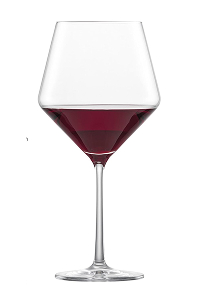
ZWIESEL GLAS Pure Burgundy Red (Set of 6)
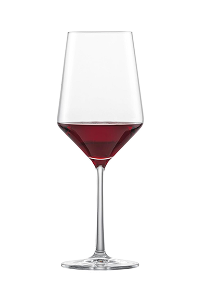
ZWIESEL GLAS Pure Cabernet (Set of 6)
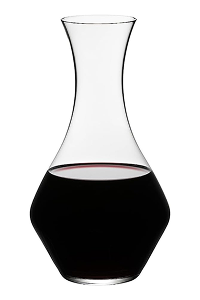
Riedel Cabernet Decanter
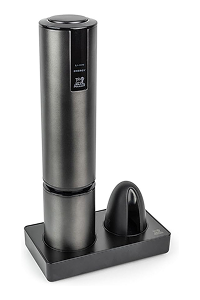
Peugeot Elis Touch Rechargeable Electric Corkscrew With Foil Cutter
Red wine for beginners and how to get started
Choosing the right red wine for beginners can be funny and joyful. Start with easy drinking, more fruity reds that keep tannins gentle and alcohol moderate. Pinot Noir is always a friendly starting point. Pick recent bottles and aim for an ABV between 12.5 and 13.5% maximum. Serve slightly cool (between 59 and 64 °C) to sharpen fruit and keep the palate fresh. Pair with everyday food so that the wine has familiar anchors and hold off on very tannic or heavily oaked styles at first because they can feel austere.
Here’s our selection of beginner friendly red wines to start with:
- Pinot Noir
Body: light and smooth, with soft red fruit.
Best for: seafood, salmon or veggie dishes. - Merlot
Body: medium, soft, and fruity.
Best for: pasta, burgers or grilled veggies. - Zinfandel
Body: bold, jammy, with a hint of spice.
Best for: BBQ, pizza or spicy foods.
How we rate red wine
Every red wine on our list has been tasted and scored by our editorial team through a process that’s entirely our own: independent, consistent and uncompromising. What ends up in your glass speaks for itself, no exceptions. We’re deliberate about what we recommend: our picks rarely fall below 4.6 out of 5 and nothing makes the list without earning it.
We run a 50 point scoring system behind the scenes, which we convert into a straightforward 5 point scale:
- 5 = Exceptional
- 4 = Excellent
- 3 = Very Good
- 2 = Good
- 1 = Fair
What goes into the score?
- Appearance (up to 5 points): the first read on a wine before it even hits your lips. Clarity, color depth and brightness are small details that tell you a lot about what’s coming.
- Aroma & bouquet (up to 15 points): where a wine starts to reveal itself. We’re after intensity, genuine complexity and a nose clean enough to keep drawing you back in.
- Flavor & palate (up to 20 points): the core of everything. Acidity, tannin, alcohol and mouthfeel need to work together. A great red wine feels cohesive, not like competing elements fighting for attention.
- Overall impression (up to 10 points): the full picture. Harmony, typicity, finish length and whether the wine still has room to grow and surprise.
One last thing: scores matter but they’re a starting point, not a verdict. They reflect our palates, our tasting conditions and our honest call on a given day, nothing more. The tasting notes are where the real story lives and we’d encourage you to spend more time there than on the numbers. At the end of the day, the only score that counts is whether you love what’s in your glass.
You might also be interested in
FAQs Best red wines
Which red wine is the best?
Pinot Noir is often considered the best red wine for its elegance, smooth texture and versatility. Nevertheless, Barolo and Bordeaux wines tend to win most international competitions thanks to their structure, aging potential and complexity, earning top spots among wine lovers.
What are the top 10 types of red wine?
The top 10 types of red wine include Barolo, Cabernet Sauvignon, Merlot, Pinot Noir, Syrah/Shiraz, Zinfandel, Malbec and Sangiovese. These red wine types differ in flavor, body and tannin levels, offering a wide range of taste experiences making them favorites for various pairings and wine lovers worldwide.
Are red wines sweet or dry?
Red wines can range from dry to sweet, depending on residual sugar levels. Most, like Cabernet Sauvignon and Pinot Noir, are dry. However, some types such as Lambrusco or certain styles of Zinfandel can be semi sweet or sweet. The final taste depends on the winemaking process and the amount of sugar left after fermentation.
Do organic red wines contain sulfites?
Yes, organic red wines may contain natural sulfites but they usually have fewer added sulfites than conventional wines. For a truly low sulfite option, look for bottles labeled "no added sulfites" or "sulfite free." Keep in mind though that such wines are less common and may have limited availability depending on the region.
Does red wine have health benefits?
In moderation, red wine may offer health benefits due to antioxidants like resveratrol and flavonoids, which support heart health. However, excessive intake can be harmful. To enjoy any potential advantages, red wine should be consumed responsibly and always within the context of a balanced, healthy lifestyle and not as a health remedy.
Can red wine be aged?
Yes, many red wines, especially bold types like Barolo, Bordeaux, and Cabernet Sauvignon, age well, gaining complexity and depth. In contrast, lighter red wines such as Beaujolais are best enjoyed young, when their fresh, fruity profiles shine. Aging potential depends on structure, tannins and how the wine was made.
How long does red wine last after opening?
After opening, red wine usually stays fresh for 3 to 5 days when properly sealed and refrigerated. Lighter reds like Pinot Noir may spoil faster, while fuller bodied wines with more tannins can last longer. Using a wine stopper or vacuum pump can help preserve flavor and aroma.
What is a full bodied red wine?
A full bodied red wine offers a rich, weighty texture with higher alcohol content, typically above 13.5%. These wines feel dense on the palate and deliver bold, concentrated flavors, often featuring dark fruit, spice and oak notes. Classic examples of full bodied red wines include Cabernet Sauvignon, Syrah and Malbec.
What is a medium bodied red wine?
Medium bodied red wines offer a balanced texture with moderate alcohol and tannin levels. They provide smooth, versatile drinking experiences making them ideal for pairing with a variety of dishes. Merlot and Sangiovese are classic examples of medium bodied reds, known for their easy drinking style and compatibility with diverse foods.
What does light bodied red wine mean?
Light bodied red wines are characterized by their delicate nature, with lower alcohol and tannin levels. They offer a soft, refreshing mouthfeel and often feature vibrant red fruit flavors like cherry or cranberry. Popular examples of light bodied reds include Pinot Noir and Gamay which are known for their finesse and drinkability.
How much sugar is in red wine?
The sugar content in red wines varies by style. Most dry red wines contain less than 2 grams of sugar per glass. However, sweeter varieties may have higher sugar levels depending on fermentation. If you are mindful of your sugar intake, it is best to check the label for specific details.
Red vs white wine what is the difference?
Red wine is made from dark colored grapes, with skins left during fermentation, giving it its color and tannins. White wine is made from green or yellow grapes with skins removed early. Red wines are typically fuller bodied and richer while white wines are lighter and crisper with varying sweetness levels.
