

Wine decanter essentials: top pics and designs for 2026
Along with meticulously preserving prestigious vintages, the process of decanting is the very moment where the wine is allowed to express its ultimate aromas. Explore our expertly curated list of wine decanters, featuring maisons like RIEDEL, Waterford and Zalto which embody the quintessence of glassware design.

Table of Contents
Best wine decanters to buy online
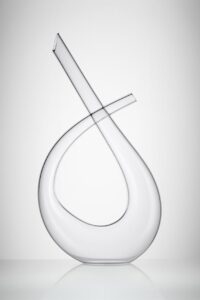
Waterford Elegance Accent Decanter
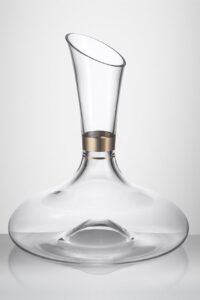
Waterford Elegance Carafe Decanter
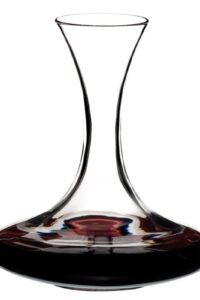
RIEDEL Ultra Decanter
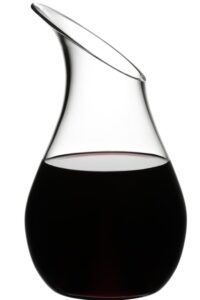
Riedel O Single Decanter
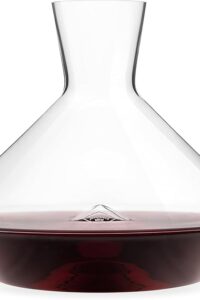
Josephinenhütte – Wine Decanter
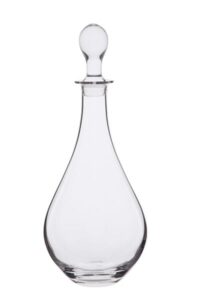
Wine Master Decanter
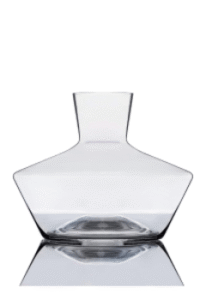
Zalto Denk’Art Mystique Hand-Blown Crystal Decanter
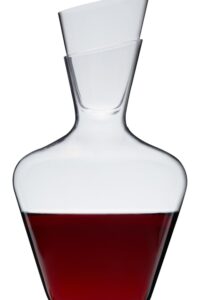
Spiegelau Definition Wine Decanter and Stopper
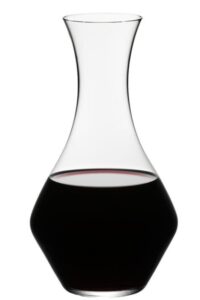
Riedel Cabernet Magnum
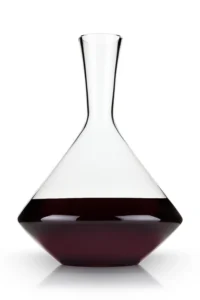
Raye Angeled Crystal Wine Decanter
Luxury wine decanters from high end brands
Amongst high end brands we have tested, a few have captivated our attention for different reasons: Eto stands out for its modern engineering and minimalist aesthetic, falling in the “cool wine decanter” category. Waterford remains synonymous with cut crystal artistry, offering decanters that recall retro charm. Riedel continues to produce handcrafted pieces that combine scientific precision with modern minimalist style. Each brand represents a distinct philosophy, yet all share the same pursuit of excellence in how fine wine should be served, displayed and enjoyed. Let’s dive in and discover some of the best luxury wine decanter options.
- Red wine decanters are essential for any serious wine tasting. Designed with a broad base that increases the wine’s exposure to air, they’re ideal for both light and bold reds such as Syrah, Cabernet or Merlot. Among the most versatile options, Waterford’s Optic Carafe stands out for its refined proportions and fluid design. While originally engineered for full bodied fine reds, its balanced structure and gentle pour dynamics make it a versatile choice for all red wines ensuring optimal oxygen exposure without over aerating lighter styles.
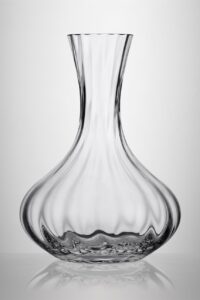
Waterford Optic Caraffe
- Crystal wine decanters are the best choice if you’re looking for endurance, brilliance and clarity. Unlike ordinary glass, crystal contains minerals such as titanium, that give the crystal its signature sparkle and resilience, allowing it to withstand frequent use without losing clarity. Crystal’s transparent surface beautifully highlights the wine’s color while remaining completely neutral in taste. One of our preferred options for both quality and value is definitely the Spigelau Crystal Wine Decanter that comes with a stopper.
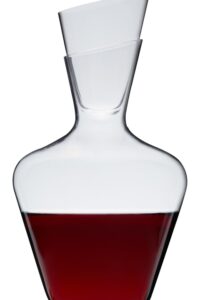
Spigelau Definition Crystal Wine Decanter and Stopper
- Vintage wine decanter: crafted with nostalgic charm and timeless elegance, this decanter style is a decorative object for a great choice for collectors or wine enthusiasts who admire aged wines and traditional aesthetics. Waterford’s vintage inspired wine decanter below impeccably summarizes the traditional aesthetic while keeping a modern vibe:
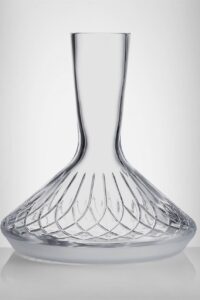
Waterford Vintage Wine Decanter Carafe
Spotlight: Eto wine decanter
ETO The company was established with a desire to enjoy a bottle of wine without the pressure of time. Designed by award winning designer Tom Cotton, Eto’s wine decanter is a complete innovation as it aerates wines but also preserves them for days, locking their character and freshness. With its sleek silhouette and patented sealing system, ETO is both a functional innovation and a sculptural centerpiece.
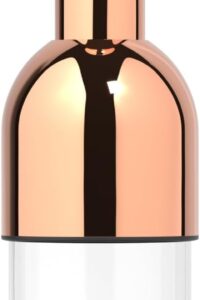
ETO Wine Decanter in Copper
Riedel wine decanters
RIEDEL has been at the forefront of glassmaking for over 270 years. Since their establishment, the brand’s decanters flawlessly merge functionality with artistry .The RIEDEL’s Ultra decanter, with its sinuous curves and wide base, represents the reminiscence of traditional style. Due to its size, it is ideal for young wines like Cabernet Sauvignon and Syrah, as it has a generous surface area that allows the wine to be exposed to oxygen after decanting.
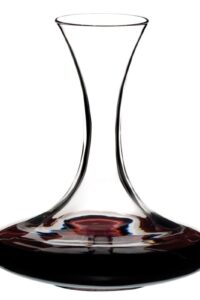
RIEDEL Ultra Decanter
Waterford wine decanter
Established in 1783, Waterford is known for crafting exquisite crystal and offers a range of wine decanters that blend timeless elegance with exceptional functionality. With its slender neck and curved body, the Lismore Essence silhouette maximases the process of aeration. Based on its shape, it is best for full bodied young reds as well as for aged Bordeaux (+10 years). Its wider base makes it a choice for aged wines like Aged Rioja or Bordeaux (10+ years) , which require gentle sediment handling and control:
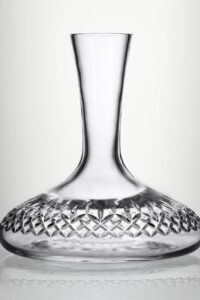
Waterford Lismore Essence Wine Decanter
A brief history of wine decanters and the different types available
The practice of wine decanting has existed for millennia, with origins tracing back to ancient Greece and Rome. Among the Roman elite, decanting became commonplace due to the simple reality of winemaking at the time: wine was often unfiltered and contained a heavy deposit of sediment. During banquets, Roman noblesse would pour wine from its original amphora into a secondary vessel, leaving the thick crust residue at the bottom of the original container. What began as a practical step soon evolved into a ritual associated with wealth and luxury, marking the birth of what we now call the decanter.
The real transformation occurred in the Middle Ages, particularly during the rise of Venetian glassmaking. When glass production expanded from the Near East to Europe, Venice emerged as a hub of innovation. Decanters began to be crafted with elegance, turning into decorative staples of the table rather than purely functional tools.
Between the 15th and 17th centuries, Venetian glassmakers revolutionized the craft by introducing cristallino, an exceptionally clear and delicate glass that elevated the visual purity of wine. This transparent material marked a significant leap away from earlier opaque vessels and reaffirmed the decanter’s place at the intersection of utility and beauty.
These advancements would soon reach Northern Europe. In England, George Ravenscroft, after years spent studying Venetian techniques, refined the use of leaded glass in the 1660s. His work led to the creation of modern lead crystal, which ultimately gave rise to the classic wine decanter shapes still beloved today.
Choosing the best wine wine decanter according to the type of wine
Choosing a wine decanter involves knowing the wines you are pouring. Different shapes are specifically designed to meet the functional needs of the wine: some enhance oxygen exposure to soften young, bold wines others are made to preserve delicate flavors in older vintages. Below is an overview of the most popular decanter types and their ideal wine pairings:
- Universal wine decanter have what is considered a classic shape with wide base and a narrow neck, providing balanced aeration without overwhelming the wine. These decanters are ideal for full bodied reds such as Cabernet Sauvignon and smoother structured whites like Chardonnay.
- Long necked wine decanters have a slender profile allowing for minimized oxygen exposure in wine. This type of decanter is perfect for aged wines (10+ years) that require gentle aeration such as Barolo, Burgundy Pinot Noir or vintage Bordeaux.
- Wide bottom decanters are crafted with a wide bottom that promotes vigorous aeration, ideal for young, full bodied reds that need time to open up like Syrah, Malbec and Nebbiolo.
- U shaped or swan decanters are characterized by a graceful and curved form that allows aeration while being aesthetically appealing. This shape enhances the character of bold reds such as Zinfandel and Syrah as well as rich white wines like oaked Chardonnay.
- Crystal wine decanters can take any of the different shapes mentioned above. They’re an elegant and luxurious option, perfect for decanting and displaying the hues of red and complex white wines, where showcasing color and texture is part of the experience (e.g. Brunello di Montalcino or aged White Burgundy)
- Carafe wine decanters are a more classic alternative. They’re tall and slender in shape with a narrow neck and wider bottom, making it easier to handle and pour the wine from. They are ideal for light reds like Beaujolais and fresh whites such as Sauvignon Blanc.
- Red wine decanters are generally wide based with a generous surface area designed to maximize aeration. Ideal for powerful styles like Syrah, Cabernet Franc or Amarone della Valpollicella.
- White wine decanters have a slimmer profile that helps maintain cooler temperatures and provide gentle aeration that softens acidity and enhances floral notes. Ideal for crisp or aromatic whites like Riesling, Albariño or Vermentino.

Wine decanter sets
A well designed wine decanter set enhances both aeration and presentation, turning wine service into an effortless ritual. Some sets pair a decanter with matching glasses for a unified tasting experience, while others feature aeration tools or a rotating base that improve aroma release. Below, you’ll find our curated selection of the best wine decanter sets, chosen for their craftsmanship, balance and ability to let each wine express its full character.

1. Lismore Arcus Entertaining Wine Decanter Set
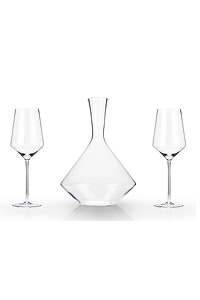
2. Raye Gift Wine Decanter Set

3. Rotating Wine Decanting Set For Fast Oxygenation
3 Luxury wine carafes and decanters to elevate collection bottles
When we think about luxury wine carafes and decanters, few maisons jump to mind as those that have for centuries represented the zenith of crystal production. For instance, Riedel and Waterford are the match made in heaven for aged wines where sediment removal and minimal aeration is vital. Riedel’s fine decanters, such as the Amadeo Decanter or the Wine Carafe Decanter are ideal for aerating aged Bordeaux like a Château Pétrus or a mature Burgundy. Their narrow surface area preserves the wine from long oxygenation, thereby safeguarding its delicacy and filtering the crust (sediment). Houses like Riedel, Waterford or Zalto are pioneers in the art of synchronizing the wine decanter with the wine type and vintage. Explore our recommended luxury wine decanter options to elevate your cabinet:

Riedel Amadeo Decanter
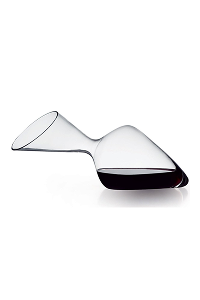
RIEDEL Tyrol Decante
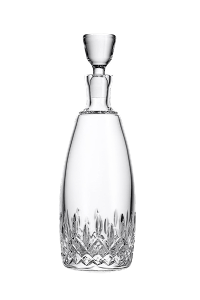
Waterford Carafe Wine Decanter
How to properly decant wine
Decanting wine involves transferring wine from its bottle into another container, called a decanter, for enhancing its flavor and aroma through aeration. Decanting wine also allows the removal of its sediment, also called separation in sommelier jargon. The process of decanting is especially key for complex reds or for wines which have reached the maximum natural sediment over time. Some full bodied white wines can also benefit from it, think mature Riesling.
Here’s how to do it properly:
- Position the bottle upright for several hours (ideally overnight) to let sediment settle at the bottom. This step is essential for older wines and Vintage Ports, which contain heavy deposits. Younger wines like Cabernet or Syrah can be decanted immediately.
- Open the bottle carefully and remove the cork avoiding vibrations that could disturb the sediment.
- Slowly pour the wine into the decanter in one steady motion. For older wines, watch closely and stop when you see sediment near the bottle’s neck to keep the wine clear and smooth.
- Allow for aeration time: let the wine sit in the decanter at least for 15 to 30 minutes to breathe. This step will enhance the wine’s aroma and taste before serving.
- Pour your chosen wine from the decanter into the glass and enjoy!
Pro tip: always thoroughly rinse the decanter after the usage. This helps remove any leftover sediments, keeping your decanter clean and ready for your next wine bottle.
How long to decant different wine types for?
Decanting is a fundamental process to taste wine and unfortunately the ‘one fits all rule’ does not apply. Decanting times can drastically vary depending on the wine’s age, style and structure and should be adjusted based on their tannin level.
As a broad guideline, younger and structured reds may need from 30 minutes up to 3 hours to fully open, while mature and aged reds may require 30 minutes to 2 hours. For white and rosé wines, decanting may not be needed at all; around 15-20 minutes at most can help release the aromas of oaked and more structured styles.
Here are some useful pointers for selecting an appropriate decanting time:
- Structured full bodied reds (Cabernet Sauvignon, Nebbiolo or Syrah), especially those aged in oak, should definitely be decanted. Decanting time between 60 to 120 minutes is ideal for allowing tannins to soften and aromas to develop.
- Young or medium bodied reds usually do not contain sediment but aerating them for 30 to 60 minutes max, definitely improves their aromas, depth and texture.
- For aged wines the process of decanting should be performed with extra care. These wines are often fragile, so a gentle pour is essential to avoid disturbing any sediment and to preserve their structure. Older wines need only a short decanting time, maximum 20-30 min, so their subtle aromas and flavors remain intact.
- For white and rosé wines, unless oak aged or particularly full bodied, decanting is usually rare. However, some full bodied styles and more structured companions (notably white Burgundy or Bandol rosé) can also benefit from a brief decanting, around 30 minutes, enough to let them express their character without losing freshness.
- Aged sparkling wines (mature Champagne or Vintage Cava) can be subjected to gentle decanting to release some of the carbonation trapped in the bottle, allowing the wine’s texture to soften and flavors to open better. A short decanting period, no more than 30 minutes, is usually sufficient to preserve effervescence while allowing complex flavors to open.
- Natural wines and other styles can also benefit from decanting, though the ideal time often varies. Because these wines can be unpredictable in aroma and flavor, it’s best to start with a shorter decant and adjust based on taste.
A caveat: young classic method sparkling wines, such as non vintage Champagne or Franciacorta, should not be decanted as this process would make them lose their signature bubbles and freshness dissipate.
The table below is a quick guide regarding recommended decanting time for different wine types and recommended :
| Wine Type | Typical Decanting Time | Recommended Decanter Type & Shape |
|---|---|---|
| Young structured reds Cabernet Sauvignon, Nebbiolo, Syrah | 30 min – 3 h | Wide bottom decanter maximises surface area for strong aeration (example: Riedel Cabernet Decanter) |
| Mature/aged reds 10+ years | 20 min – 1 h | Long necked or small base decanter for gentle pour and minimal oxygen exposure (example: Waterford Elegance Carafe) |
| Young or medium-bodied reds Pinot Noir, Sangiovese, Malbec | 30 min – 60 min | Universal decanter (classic tulip shape) offers balance aeration (example: Riedel Merlot Decanter) |
| White or rosé (light or non oaked) Pinot Grigio, Provence rosé | 0 – 20 min | Slim necked chiller carafe or small universal decanter maintains temperature while adding slight aeration |
| White or rosé (oak aged or structured) White Burgundy, Bandol rosé | ~30 min | Medium base, wide mouth decanter allows subtle oxidation and aroma release (example: Waterford Elegance Optic Carafe) |
| Aged sparkling wines Vintage Champagne, aged Franciacorta | Up to 30 min | Narrow spout or swan neck decanter reduces bubble loss while opening aromas. (example: Riedel Swan Decanter) |
| Young traditional method sparkling Champagne, Cava, Franciacorta | Do not decant | Serve directly from bottle in chilled flute or tulip glass to preserve effervescence. |
| Natural wines unfiltered reds, orange wines, pét nats | Start 15 – 30 min, adjust by taste | Universal or wide base decanter with open mouth helps volatile aromas settle and oxygen integrate gradually. |
How long is too long for an aged wine to be decanted?
Aged reds are fragile wines, hence the duration between decanting and pouring must be a delicate operation to prevent oxidation, which causes alteration of refined aromas. For masterpieces like a Château Lafite Rothschild (aged red Bordeaux) or a bottle of aged Giacomo Conterno Barolo, decanting should be done mainly for sediment removal. They should be served immediately thereafter to preserve their ephemeral character. Aeration for more than 30 minutes can be detrimental and could put at risk and all their decade developed aromas (such as leather, tobacco and mushroom) could vanish instantly.
What material is best for a wine decanter?
If we consider the leading master craftsmen, what contributes to their luxurious allure lies in the material used to produce them: the regal crystal.
The structure of crystal can promote oxygenation and help subtle aromas to unfold beautifully.
It’s no coincidence that sommeliers and high end restaurants routinely employ crystal, especially for aged and fine wine, where presentation and meticulous sediment control is paramount.
Fun fact: sommeliers place and light a candle beneath the neck of the bottle while pouring the wine into the crystal decanter. The aim of this candle ritual is not solely for creating an evocative atmosphere, it is a traditional sommelier technique called ‘candling’. The light of the candle, along with the clarity of the crystal, allows the pourer to spot the exact thick crust reaching the neck, ensuring it does not flow into the decanter and remains trapped in the bottle. This delicate maneuver is reserved for decade aged reds where removing the sediment is the primary objective.
You might also be interested in
FAQs Wine decanter
How long can wine stay good in a decanter?
Wine can generally remain in good condition in a decanter for 2 to 3 hours, though the exact time depends on the wine’s age and structure. Young, tannic reds often stay fresh for several hours, while mature wines may begin to fade after just 30 to 60 minutes. Leaving wine in a decanter for days is not recommended as exposure to air leads to oxidation and flavor loss. If you need to store it longer, return the wine to its bottle and seal it tightly with a vacuum stopper then refrigerate. Always keep the decanter in a cool, dark place and avoid extended air contact, especially with delicate or aged wines.
How do you properly decant wine?
Proper decanting depends on the wine’s style and age. For mature wines, pour the wine slowly and steadily into the decanter, stopping as soon as sediment approaches the neck of the bottle. The goal is clarity,not vigorous aeration. For young, bold reds, pour more confidently to allow oxygen to mix and soften the wine’s tannins. You can even gently swirl the decanter to speed up aeration. Avoid turning the bottle upside down or splashing forcefully — this risks bruising the wine and disturbing sediment.
How to clean a wine decanter?
To clean a wine decanter, rinse right after use with warm water as it will prevent strains from setting. Fill it with warm water and a few drops of mild, fragrance free dish soap, then swirl gently. Use decanter cleaning beads or a soft brush for any hard to reach residue always checking the manufacturer’s instructions first. Rinse thoroughly then air dry upside down on a cotton towel. Once dry, polish gently with a microfiber cloth to restore brilliance before the next use.
What is the difference between a wine decanter and a wine carafe?
A decanter is designed primarily for aerating wine and separating sediment. Its wide base maximizes the wine’s contact with air, allowing aromas and flavours to develop fully, particularly beneficial for structured red wines. A wine carafe, by contrast, is a more versatile vessel used for serving wines that require minimal or gentle aeration, as well as for table presentation. Carafes are often slimmer and lighter than traditional decanters, making them ideal for white, rosé or young red wines that benefit from a brief exposure to air without extended decanting.
Does every wine type need to decant?
No, not every wine benefits from decanting. Full bodied reds (like Cabernet Sauvignon, Syrah and Nebbiolo) usually improve with aeration. Aromatic whites (like Sauvignon Blanc and Riesling) as well as sparkling wines should not be decanted, as they can lose freshness or effervescence. Some full bodied whites (like oaked Chardonnay, Viognier) can gain expressiveness from 15 to 30 minutes of aeration. Always consider the wine’s age: the older or more delicate it is, the shorter the decanting time should be.
What does a wine decanter do?
A decanter serves two key purposes: aeration and sediment separation. By pouring wine into a vessel with a wide surface area, oxygen gently interacts with the liquid, softening tannins, opening aromas and enhancing texture. At the same time, sediment remains in the bottle, ensuring a clear, smooth pour. The result is a more harmonious and expressive glass, especially for young, bold reds or structured whites.
How to use a wine decanter?
To use a wine decanter, open your bottle and gently pour the wine into it. Allow the wine to sit for at least 30 minutes, depending on the wine type. Swirling gently can also help to speed up the aeration process. Serve the wine directly from the decanter once it’s properly aerated.
How to remove red wine stains from decanters?
To remove red wine stains from a decanter, white vinegar or baking soda can be an excellent natural help. Mix a tablespoon of baking soda with warm water and pour the mixture into the decanter. Leave it to stand for an hour, then gently scrub it with a special brush before rinsing. Another method is to soak the decanter with a mixture of half water and half white vinegar. This mixture is highly effective at dissolving mineral deposits. Soak the used decanter for a few hours, or overnight if necessary. After soaking, rinse thoroughly with hot water to remove any vinegar residue.
What wines should you not decant?
You should not decant young sparkling wines like Champagne, delicate light bodied red wines and some aged red wines if the wine is too fragile to handle the aeration process. While the purpose of decanting is to separate sediment and to aerate wines to soften tannins and open flavors, these types of wines typically lose their desired characteristics or can be harmed by the process.
Does the shape of a wine decanter matter?
Yes,shape matters a great deal. The design dictates how much oxygen the wine is exposed to. Wide bottom decanters maximize aeration and are ideal for young, tannic reds. Tall, narrow decanters minimize air exposure resulting perfect for aged or delicate wines. Medium or tulip shapes are versatile options for everyday use and balanced aeration. Matching the decanter to the wine ensures optimal development without risking oxidation or loss of character.
