

The ultimate guide to Australian wine and the 10 best bottles to buy in 2026
In half a century, Australia has moved from a bulk wine producer to one of the world’s most respected fine wine nations. We assessed bottles from top Australian brands, including Barossa’s ancient Shiraz and elegant Margaret River Chardonnays, rating each over 5. Our 5/5 top pick: Penfolds Grange 2021.

The 10 best Australian wines ranked
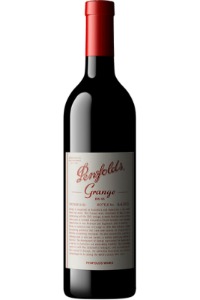
Grange – Penfolds Winery 2021
South Australia, Australia
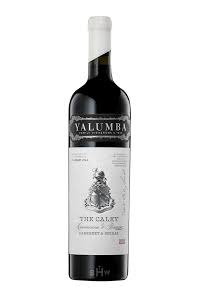
The Caley Cabernet Shiraz – Yalumba 2016
South Australia, Australia
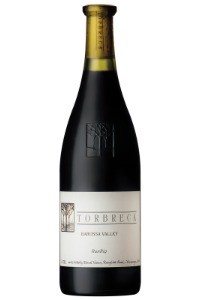
RunRig – Torbreck 2020
Barossa Valley, South Australia
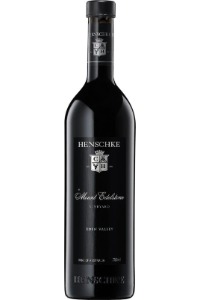
Mount Edelstone Shiraz – Henschke 2018
Barossa Valley, South Australia
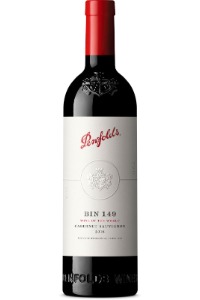
Bin 149 Cabernet Sauvignon – Penfolds Winery 2019
South Australia, Australia
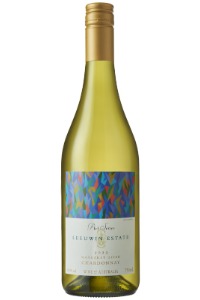
Art Series Chardonnay – Leeuwin Estate 2022
Margaret River, Western Australia
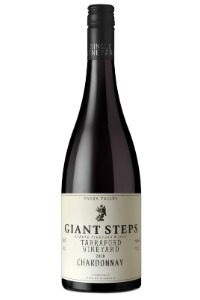
Tarraford Vineyard Chardonnay – Giant Steps 2020
Yarra Valley, Victoria
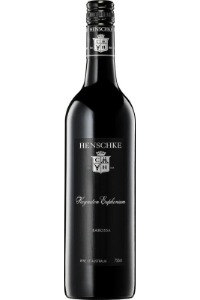
Keyneton Euphonium – Henschke 2021
Barossa, South Australia
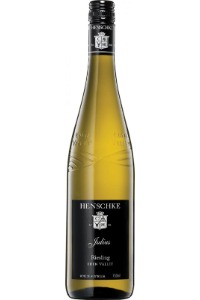
Julius Eden Valley Riesling – Henschke 2024
Eden Valley, Barossa, South Australia
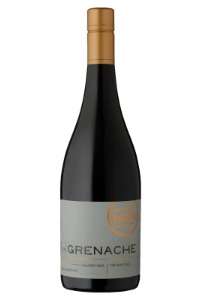
Grenache – Oliver’s Taranga Vineyards 2021
McLaren Vale, South Australia
This month’s ranking brings together ten exceptional Australian wines at prices ranging from $38 to $850.You will find nice bottles like Oliver’s Taranga Vineyards Grenache 2021 for approximately $38, alongside 5/5 top rated cult wines such as the Penfolds Grange 2021, valued roughly at $850. Each bottle in this selection offers outstanding quality for its price point, spanning the country’s finest appellations from South Australia to Western Australia and Victoria, while covering Australian red wine, Australian white wine and everything in between.
A continent of vines: understanding the Australian wine regions
Australia is the world’s fifth largest wine producing nation and home to some of the planet’s oldest continuously producing vineyards. Stretching across the southeast corner of the continent and reaching into the cooler climates of Western Australia and Tasmania the Australian wine region map is vastly more complex and diverse than its popular image suggests. Australia does not belong to a single climatic tradition: its wine regions include the scorching Mediterranean warmth of the Barossa Valley, the Mornington Peninsula’s cool maritime freshness, the high altitude elegance of the Adelaide Hills and Tasmania’s near continental cold.
The country benefits from two crucial natural advantages that Europe cannot replicate:
- Phylloxera has never reached many of its finest wine regions, meaning that the Barossa Valley still farms Shiraz vines planted in the 1840s and 1860s on their own rootstocks. These ancient, low yielding vines are a national treasure, used to produce extraordinarily concentrated and complex wines.
- In addition, the absence of strict appellation laws that govern European winemaking gives Australian producers remarkable creative freedom to blend across regions, experiment with varieties and prioritize quality over tradition.
The south: South Australia and the wine heartland
South Australia is the engine room of Australian wine, home to the Barossa Valley, the Eden Valley, the Clare Valley, McLaren Vale and Coonawarra.
- The Barossa Valley, located just north of Adelaide, is the most important fine wine region in the country and the spiritual home of Australian Shiraz. Here, vines that pre-date European cultivation in most of the New World produce wines of enormous density, richness and age worthiness.
- The Eden Valley is a cooler elevated ridge above the Barossa, where elegance and spice are added to Shiraz while also producing Australia’s finest Rieslings. The Eden Valley is home to Henschke’s legendary estate, an iconic producer of age worthy, single vineyard wines.
- McLaren Vale, south of Adelaide on the Fleurieu Peninsula, produces opulent, chocolate tinged Shiraz and some of the country’s best Grenache and GSM blends. Its Mediterranean climate is shaped by cooling breezes from the Gulf of St Vincent.
- Coonawarra, far to the southeast on a narrow strip of terra rossa soil over limestone, is Australia’s premier address for Cabernet Sauvignon. Cab Sauvs from here are structured, minty and built for decades of ageing
Did you know? Some Barossa Valley Shiraz vines date back to the 1840s and 1850s, making them among the oldest continuously producing wine vines on the planet. Because phylloxera never spread to these vineyards, they have never been replanted and remain on their original rootstocks. This viticultural miracle gives Barossa Shiraz its unparalleled depth and character.
The west: Margaret River and the great Australian white wine
Western Australia is geographically remote but displays similarities to the climate in Bordeaux.
Margaret River is a narrow coastal strip roughly 280 kilometres south of Perth which enjoys a near perfect maritime climate cooled by the Indian and Southern Oceans. The result is some of Australia’s most elegant and structured wines: Cabernet Sauvignons with Médoc like restraint, Chardonnays of remarkable purity and longevity and outstanding blends of Sauvignon Blanc and Semillon that age into something extraordinary over time. Leeuwin Estate’s Art Series Chardonnay is one of the most iconic Australian white wines ever produced and it holds its own against the finest white Burgundies in blind tastings.
The east: Victoria and cool climate refinement
Victoria is Australia’s most diverse wine state, encompassing the cool Yarra Valley and Mornington Peninsula, both renowned for producing Pinot Noir and Chardonnay of growing international recognition, alongside the warmer Rutherglen and Heathcote regions.
The Yarra Valley, just east of Melbourne, is the birthplace of Australian Pinot Noir, with producers like Giant Steps, Yering Station and Bass Phillip now challenging the best cool climate expressions in the world.
Tasmania, Australia’s island state, is attracting enormous attention for its elegant sparkling wines, crisp Chardonnays and refined Pinot Noirs produced in climates just like Europe’s.
A complete Australian wine list: every region worth knowing
Australia produces wines across more than 65 officially recognised geographical indications. Here are the key regions every wine drinker should know.
| Region | Type | Key Grapes | What to Expect |
|---|---|---|---|
| Barossa Valley, SA | Red / White | Shiraz, Cabernet, Grenache, Riesling, Viognier | Home of Australia’s most powerful old vine Shiraz. Deep, dark and opulent reds from vines over 100 years old alongside aromatic Riesling and Viognier. |
| Eden Valley, SA | Red / White | Shiraz, Riesling | Elevated sibling to Barossa, producing more elegant and restrained Shiraz alongside Australia’s finest Riesling. Home of Henschke Hill of Grace. |
| Clare Valley, SA | White / Red | Riesling, Shiraz, Cabernet | One of the world’s great Riesling regions. Searingly pure, dry and mineral Rieslings that age magnificently alongside structured Shiraz and Cabernet. |
| McLaren Vale, SA | Red | Shiraz, Grenache, Cabernet, Mourvèdre | Warm Mediterranean climate producing opulent, chocolatey Shiraz and superb GSM blends. Growing reputation for old vine Grenache. |
| Coonawarra, SA | Red | Cabernet Sauvignon, Shiraz | Famous terra rossa soils over limestone produce Australia’s most elegant and structured Cabernet Sauvignon, with great aging potential. |
| Margaret River, WA | Red / White | Cabernet Sauvignon, Chardonnay, Semillon-Sauvignon Blanc | Australia’s Bordeaux. World class Cabernet and Chardonnay with elegance, minerality and extraordinary longevity. Also outstanding Semillon and Sauv Blanc blends. |
| Yarra Valley, VIC | Red / White | Pinot Noir, Chardonnay, Syrah | Victoria’s most celebrated cool climate region. Burgundian Pinot Noir and Chardonnay of finesse and precision, gaining fast global recognition. |
| Mornington Peninsula, VIC | Red / White | Pinot Noir, Chardonnay | Small, cool peninsula south of Melbourne producing increasingly outstanding Pinot Noir and Chardonnay with Burgundy like detail and restraint. |
| Hunter Valley, NSW | Red / White | Semillon, Shiraz | Australia’s oldest wine region. Produces unique, light bodied Semillons that transform with age into honeyed, toasty classics and earthy Shiraz of great longevity. |
| Adelaide Hills, SA | White / Red | Sauvignon Blanc, Chardonnay, Pinot Noir, Shiraz | Cool altitude vineyards above Adelaide that produce aromatic, crisp whites and elegant cool climate reds. Growing reputation for Syrah. |
| Great Southern, WA | Red / White | Riesling, Cabernet, Shiraz, Chardonnay | Diverse, expansive cool climate region. Outstanding Riesling, structured Cabernet and elegant Shiraz from sub regions including Frankland River and Mount Barker. |
| Tasmania | Red / White / Sparkling | Pinot Noir, Chardonnay, Riesling | Australia’s coldest wine region. Vibrant sparkling wines, elegant Pinot Noir and pristine Chardonnay and Riesling with refinement comparable to Europe. |
The three Australian wine brands that define the country’s fine wine identity
Australian wine brands range from household names producing millions of cases to boutique family estates making only a few thousand bottles of a single iconic wine. The three producers below represent the absolute pinnacle of Australian winemaking, brands that have shaped the global reputation of the country and whose flagship bottles belong on any serious fine wine list.
Penfolds: Australia’s greatest wine dynasty
Founded in 1844 by Dr Christopher and Mary Penfold in Adelaide, Penfolds is the single most important name in Australian wine history. It was Penfolds’s legendary winemaker Max Schubert who, inspired by visits to Bordeaux in the early 1950s, conceived and created Grange Bin 95, a wine that would go on to become Australia’s first internationally recognised fine wine and one of the most sought after and collected bottles in the world. Today, Penfolds operates as both a guardian of tradition and a restless innovator: its portfolio spans from the accessible Bin 28 and Bin 389 through to the rarefied Grange, Bin 707 and the ultra premium RWT and Magill Estate Shiraz. What makes Penfolds unique is its unwavering house style, a recognisable signature of bold fruit, judicious oak and extraordinary longevity that runs through every wine in the range, regardless of price.
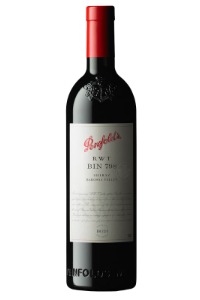
RWT Bin 798 Shiraz 2019 – South Australia, Australia
Henschke: Eden Valley’s living legend
Henschke is the most celebrated family winery in Australia and the source of what many consider to be the country’s greatest individual wine. Founded in 1868 by Johann Christian Henschke in the Eden Valley, the estate has been in the same family for six generations. Fifth generation winemaker Stephen Henschke and his viticulturalist wife, Prue, are in charge of running the estate today on fully biodynamic principles. The winery’s crown jewel is Hill of Grace, a single vineyard Shiraz sourced from ungrafted vines planted in the 1860s on the Grandfather’s Block. First released in 1958, Hill of Grace is produced from vines so old and so low yielding that the wine has become, alongside Grange, one of the two symbolic expressions of Australian red wine. The estate also produces outstanding Riesling, Semillon and a full range of Barossa and Eden Valley reds, including the exceptional Mount Edelstone Shiraz and Cyril Henschke Cabernet Sauvignon.
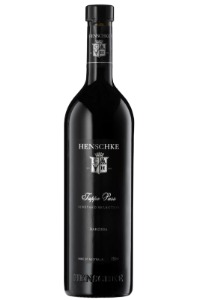
Tappa Pass Shiraz – Henschke 2020 – Barossa, South Australia
Torbreck: the standard bearer for old-vine Barossa Shiraz
Torbreck was founded in 1994 by David Powell at Marananga on the western ridge of the Barossa Valley. In less than a decade, it became one of the most celebrated Shiraz producers in the world. Powell drew inspiration from great Rhône Valley producers, particularly Guigal and Chapoutier, to develop a philosophy centred on sourcing Shiraz from the oldest possible dry grown vines in the Barossa. Many of these vines are between 80 and 160 years old, with incredibly low yields that are measured in fractions of a ton per acre. The resulting wines possess almost mythical density and complexity. The flagship RunRig, a blend of Shiraz and a small percentage of Viognier aged in French oak for 30 months, is consistently rated among the finest Shiraz wines in the world. The estate also produces exceptional value across its more accessible range, including bottles such as The Struie, Descendant and Juveniles, making it one of the most reliable names in Australian wine at any price point.
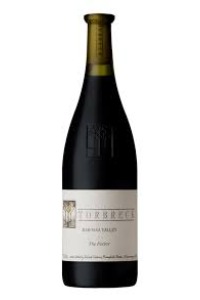
The Factor – Torbreck 2021 – Barossa Valley, South Australia
Understanding recent vintages in the Australian wine region
Australia’s diverse geography means that vintage variation affects the regions very differently. In South Australia, the Barossa, Eden Valley and Coonawarra can experience markedly different seasons, while the cool climate regions of Victoria and Western Australia follow their own distinct patterns.
The 2018 vintage in South Australia was exceptional. It was warm and dry, producing wines of extraordinary concentration and freshness across the Barossa and Eden Valley. Both Penfolds and Henschke regard 2018 as one of the finest vintages in a generation.
The 2019 vintage delivered wines of remarkable balance and energy, particularly in the Barossa and McLaren Vale, with fruit purity and natural freshness that make them some of the most compelling drinks of recent years.
The 2020 vintage was significantly impacted by bushfires in some eastern Australian regions, particularly in Victoria and parts of South Australia. Many producers in less affected areas such as the Barossa and Margaret River, produced wines of high quality, though buyers should check individual producer notes.
The 2021 and 2022 vintages in cooler regions such as the Yarra Valley and Mornington Peninsula were outstanding, producing some of the finest Pinot Noirs and Chardonnays in decades.
For collectors building a cellar of Australian red wine, the standout recent vintages to prioritise are 2018 and 2019 across the board, with 2021 and 2022 being particularly strong for Victoria’s cool climate reds. In Margaret River, the 2020 and 2021 vintages for Cabernet Sauvignon and Chardonnay were both excellent.
What food pairs well with Australian wines?
The bold, muscular Australian red wines of the Barossa and McLaren Vale, particularly Shiraz and Cabernet Shiraz blends, are tailor made for the Australian barbecue tradition, pairing magnificently with grilled and slow cooked meats of all kinds. The elegant Cabernets of Margaret River and Coonawarra sit naturally alongside classic French inspired preparations. Meanwhile, the world class Australian white wine styles Clare Valley Riesling, Margaret River Chardonnay and Hunter Valley Semillon offer extraordinary versatility with seafood, lighter proteins and Asian cuisines.
Our top food combinations with Australian wines include:
- Bold Shiraz and Cabernet Shiraz blends: roast lamb, slow cooked short ribs, beef brisket
- Elegant Cabernets: rack of lamb, mushroom risotto, duck breast
- White wines: butter poached halibut, Southeast Asian cuisine, soft cheeses
| Australian Wine Style | Key Characteristics | Ideal Food Pairings |
|---|---|---|
| Barossa Shiraz | Full bodied, opulent, dark fruit, chocolate, spice | Roast lamb with rosemary, braised lamb shanks, beef brisket, venison, aged hard cheese, slow cooked short ribs |
| Margaret River Cabernet | Firm structure, blackcurrant, cedar, herbaceous | Grilled ribeye, rack of lamb, duck breast, mushroom risotto, aged Cheddar and Gruyère |
| Australian Red Blends (Cab-Shiraz, GSM) | Round, generous, plum and spice | Beef burgers with caramelised onion, BBQ ribs, spiced lamb chops, pizza, charcuterie boards |
| Australian Pinot Noir (Yarra, Mornington) | Elegant, silky, red cherry, earthy | Roast duck, pork tenderloin, salmon, mushroom based pasta, grilled quail, brie and soft cheeses |
| Margaret River Chardonnay | Rich, complex, stone fruit, toasted oak, creamy | Lobster thermidor, butter poached halibut, roast chicken, creamy pasta, crab cakes, Camembert |
| Clare / Eden Valley Riesling | Dry, crisp, lime, mineral, electric acidity | Pan fried snapper, Thai seafood curry, crab, oysters, asparagus, Southeast Asian cuisine |
| Hunter Valley Semillon | Light, bone dry, lemony, evolves into honeyed complexity | Grilled prawns, oysters, sushi, lightly dressed salads, goat’s cheese, smoked salmon |
Big Barossa Shiraz and Cabernet Shiraz blends benefit from at least 30 to 60 minutes of decanting and can be served slightly warmer than European reds (around 63-64°F or 17-18°C) to allow their complex aromatics to fully open. Old vine wines in particular reward patience and time in the glass.
How to shop for Australian wines
When shopping for Australian wine, pay particular attention to region, producer philosophy and vintage year. The range of quality and style is enormous and the country’s wine regions produce very different expressions even from the same grape variety. See below a few practical tips:
- For Australian red wine priced above $80, focus on South Australia’s benchmark estates such as Penfolds, Henschke, Torbreck, Clarendon Hills and d’Arenberg in McLaren Vale and Wynns or Balnaves in Coonawarra for Cabernet Sauvignon.
- For Australian white wine, Leeuwin Estate Art Series and Cullen Kevin John from Margaret River are benchmarks for Chardonnay. Grosset and Pewsey Vale lead for Riesling, while Tyrrell’s and Brokenwood are the names to seek in Hunter Valley Semillon.
- For Australian Pinot Noir under $60, look to producers like Giant Steps, Yering Station and Paringa Estate in the Yarra Valley and Mornington Peninsula. For quality at any price, the mention of old vine, dry grown, or single vineyard on the label is generally a mark of serious intent.
Cellaring and collecting Australian wines
Australia is one of the most undervalued fine wine regions from a collecting standpoint. While Bordeaux and Burgundy command enormous premiums, the finest Australian red wines: Penfolds Grange, Henschke Hill of Grace, Torbreck The Laird, offer comparable aging potential and emotional complexity at a fraction of the price. A great Grange can evolve for 30 to 50 years. Hill of Grace develops extraordinary complexity over two decades or more. Even the more accessible Penfolds Bin 389 ages beautifully for 15 to 20 years in a good cellar.
For serious collectors, the Australian fine wine market is also one of the most dynamic and globally connected. Penfolds releases are closely watched events, with the annual Collection Release generating international anticipation. The secondary market for top Grange vintages has grown steadily and Hill of Grace consistently appreciates. These wines regularly appear at Christie’s and Sotheby’s international wine sales.
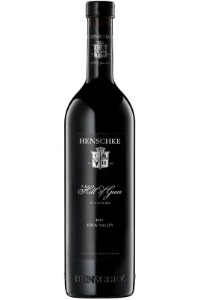
Hill of Grace Shiraz – Henschke 2019 – Eden Valley, South Australia
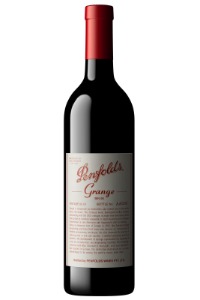
Grange – Penfolds 2019 – South Australia, Australia
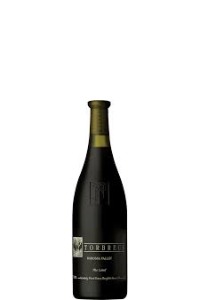
The Laird Shiraz – Torbreck – Barossa Valley, South Australia
Final thoughts: why Australian wine deserves a place on your list
Australian wine is, in many respects, the great misunderstood chapter of the fine wine world. Overseas, its reputation was long overshadowed by the flood of inexpensive branded wines that dominated the export market in the 1990s and 2000s. But that narrative has changed completely at the top end. The finest Australian red wines and white wines now compete confidently on the international stage and a Barossa Valley Shiraz from a great vintage and a great producer is as profound and collectible a wine as anything France or Italy can offer.
The 10 wines in our ranking represent the very best of what we love across the full price spectrum, from the magnificent Penfolds Grange at the premium end to the extraordinary value of the Oliver’s Taranga Vineyards Grenache. Each one is a worthy ambassador for a country that continues to surprise, inspire and delight wine lovers across the world.
You might also be interested in
FAQ on Australian wines
What makes Australian Shiraz different from Syrah elsewhere?
Australian Shiraz is unlike any other in the world because of its ancient, dry grown vines, some over 160 years old. They produce tiny quantities of incredibly extraordinarily concentrated, complex fruit. The resulting Shiraz possesses greater density, opulence and ripeness than the Rhône's Syrah, with signature notes of dark berry, chocolate, mocha and exotic spice. Eden Valley Shiraz is more restrained and perfumed, closer in spirit to northern Rhône Syrah, while McLaren Vale tends towards plush, chocolatey richness.
Which is better: Penfolds Grange or Henschke Hill of Grace?
This is Australian wine's greatest perennial debate and the answer is genuinely subjective. Grange is assembled from multiple regions across South Australia and represents an artistic vision of what Shiraz can achieve when blended and matured with absolute precision. Hill of Grace is a single vineyard, single vintage expression of one ancient block of Eden Valley vines planted in the 1860s. Grange is the benchmark for power and consistency; Hill of Grace is the benchmark for terroir and singular expression. Both are five star wines of extraordinary longevity and serious collectors seek out both.
What is the best Australian white wine for aging?
Clare Valley and Eden Valley Riesling are among the most remarkable aging white wines in the world. Bone dry with electric acidity and piercing citrus fruit, they transform over a decade into something honeyed, complex and toasty that recalls aged German Riesling. Margaret River Chardonnay is another outstanding candidate: full bodied with great fruit intensity and the natural acidity to evolve beautifully for 15 to 20 years. Hunter Valley Semillon also has a unique claim as the world's most ageable dry white wine outside of Burgundy or Germany.
Is Australian wine good value compared to European fine wine?
At the top end, yes, dramatically so. A bottle of Penfolds Grange or Henschke Hill of Grace at $750 to $800 offers ageing potential and critical acclaim that rivals Burgundy Premier Cru or Napa Valley Cult Cabernet that cost several times more. Further down the range, Australia offers extraordinary value: the Penfolds Bin 389 at around $85 delivers the house style and genuine quality that would cost three times more in Bordeaux or Burgundy equivalents. The Clare Valley Rieslings, Margaret River Cabernets and Yarra Valley Pinots available between $30 and $70 represent some of the most exciting drinking in the world at their price points.
Do I need to decant Australian red wine?
For big Barossa Shiraz and Cabernet Shiraz blends, particularly young vintages, decanting for one to two hours is strongly recommended. These wines are built with substantial tannin structures and concentrated fruit that genuinely benefit from air exposure. Older vintages may show sediment and should be decanted carefully. Elegant cool climate Pinot Noirs from the Yarra Valley or Mornington Peninsula generally need less time, 20 to 30 minutes is often sufficient. For Australian white wines like aged Hunter Valley Semillon, a brief 15 minutes of air can work wonders.
What is Australia’s most popular wine?
Shiraz is Australia’s most popular wine and most widely planted wine grape, representing 25% of total production. Australian Shiraz is bold, fruity and spicy, with enough versatility to be paired with different food types. In addition to Shiraz, other top Australian varieties include Cabernet Sauvignon, Merlot, Chardonnay and Semillon.
What are some good Australian wines?
Penfolds Grange 2021, Yalumba Caley Cabernet Shiraz 2016 and Torbreck RunRig 2020 are some of our top ten Australian wines. These wines represent the finest quality across different price ranges and regions. For the full list of the best Australian wines to buy this month, have a look at our top ten rankings.
