

Gaja wines: the definitive guide to Piedmont’s greatest producer
Gaja wines represent the pinnacle of Italian winemaking. Founded in 1859 in the hilltop village of Barbaresco (Piedmont, Italy), the Gaja family has spent five generations transforming the Nebbiolo grape into some of the most sought after wines on the planet. In this article we will discover the full Gaja portfolio, including some of the Tuscan gems that rival Bolghieri’s.
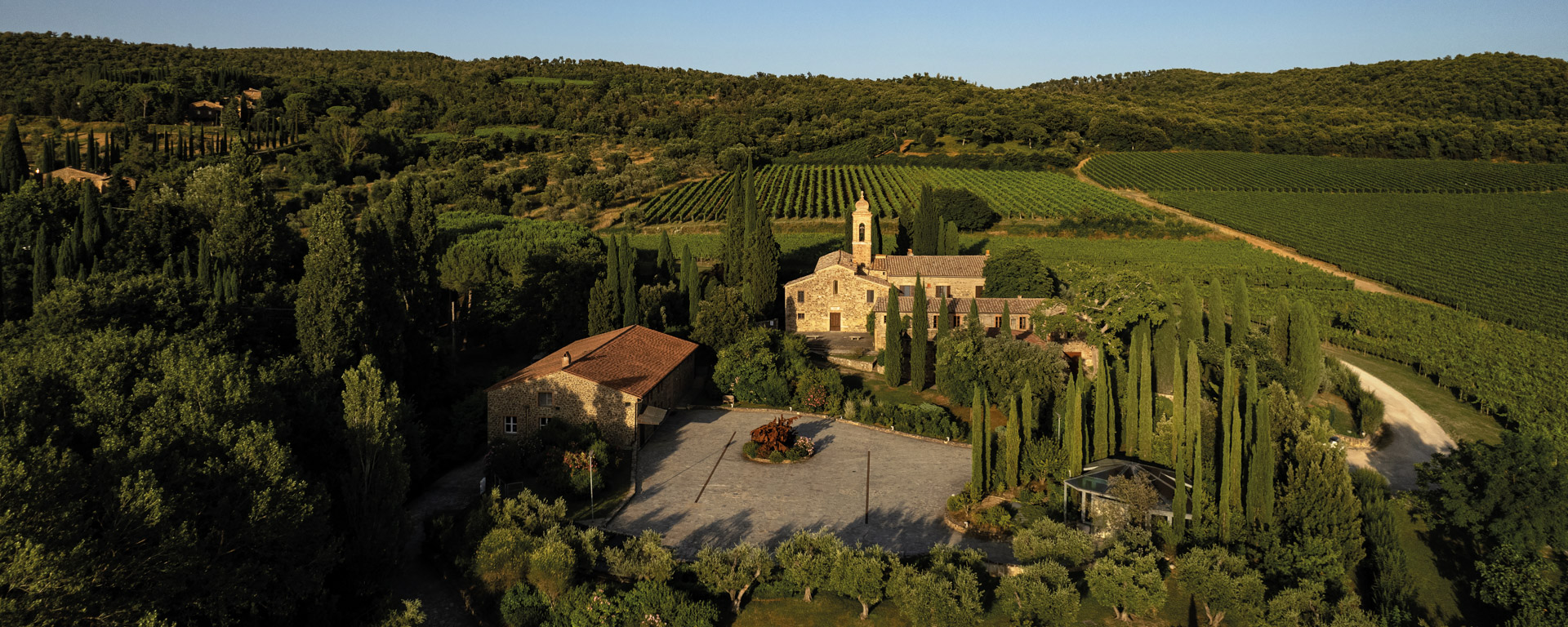

Table of Contents
Best Gaja wines to buy online in 2026
*Because Gaja’s single vineyard wines are produced in small quantities, availability can change quickly, so we recommend purchasing promptly when you spot a vintage you want.
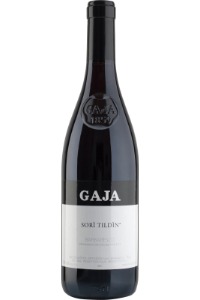
Gaja Sorì Tildin Barbaresco 2020
Piedmont, Italy
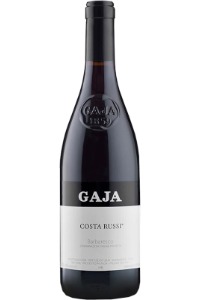
Gaja Costa Russi Barbaresco 2021
Piedmont, Italy
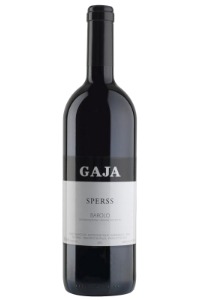
Gaja Sperss Barolo DOCG 2019
Piedmont, Italy
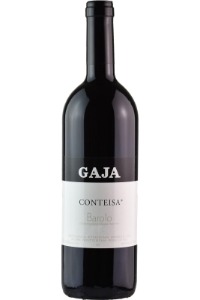
Gaja Conteisa Barolo 2020
Piedmont, Italy
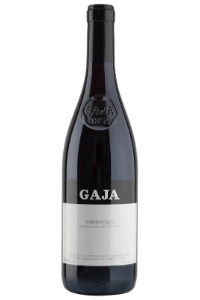
Gaja Barbaresco 2021
Piedmont, Italy
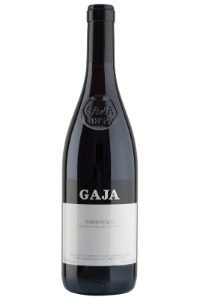
Gaja Barbaresco DOCG 2021
Piedmont, Italy
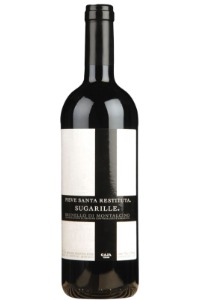
Gaja Pieve Restituta Sugarille Brunello di Montalcino 2020
Tuscany, Italy
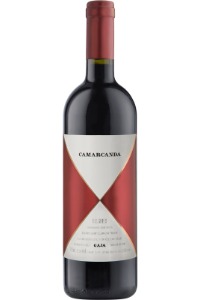
Gaja Ca’Marcanda Magari Bolgheri 2022
Tuscany, Italy
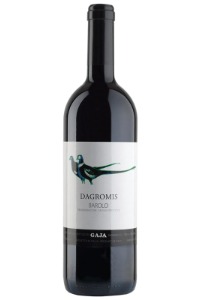
Gaja Dagromis Barolo DOCG 2021
Piedmont, Italy
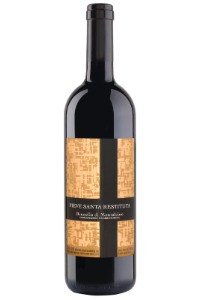
Gaja Pieve Santa Restituta Brunello di Montalcino 2019
Tuscany, Italy
This ranking covers the full breadth of the Gaja wine production, ranging from Gaja’s Brunello Pieve Santa Restituta at $102 to the monumental Sorì Tildin at $850. What connects every bottle is the same estate grown approach and five generations of accumulated knowledge. Gaja delivers extraordinary quality at every price tier, ensuring that you are drinking Italian winemaking at its absolute peak.
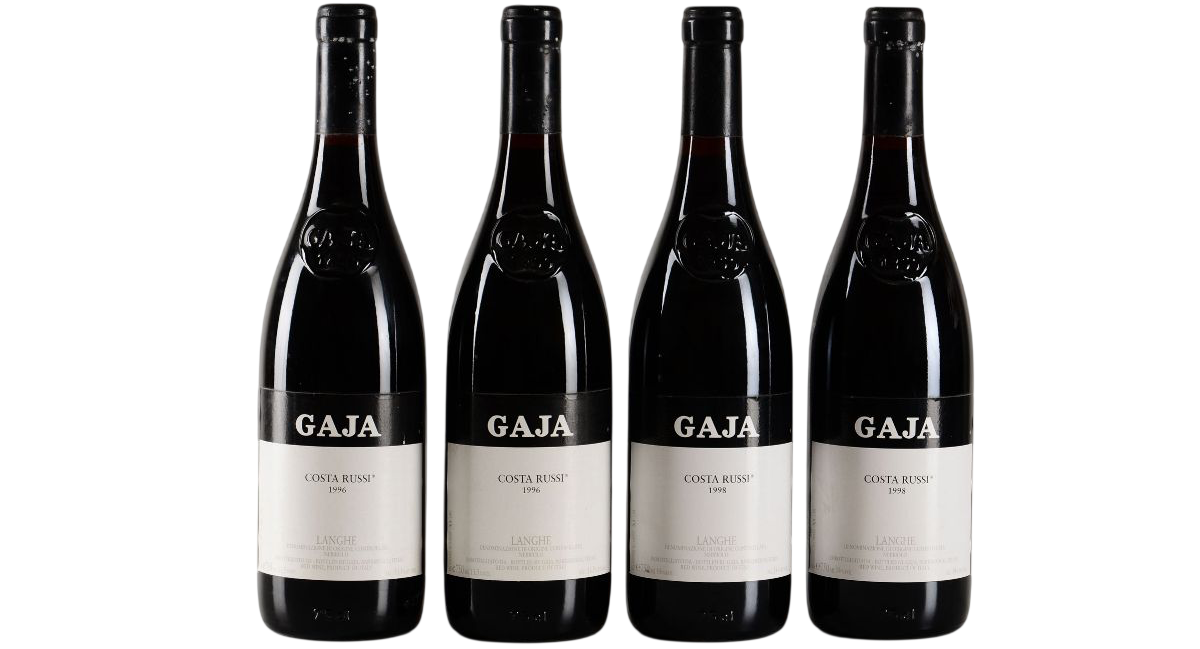
Gaja wine types and varietals
Gaja produces 18 distinct wines across Piedmont and Tuscany, alongside three grappas (Sperss, Darmagi and Gaia & Rey). While the house is synonymous with Nebbiolo, Barbaresco and Barolo, the full range reflects Angelo Gaja’s conviction that great terroir should express itself through both indigenous and international varietals. The portfolio breaks down into three categories that we are going to break down below.
Gaja red wines
The heart of Gaja’s production is in Piedmont, where the Nebbiolo grape takes centre stage. This is the variety behind both Barbaresco and Barolo, two of Italy’s most celebrated wines.
On the Barbaresco side, the flagship is the Gaja Barbaresco DOCG, a blend of fruit from 14 estate vineyards that captures the full character of the appellation in a single bottle. Then come the three single vineyard crus, each with its own distinct identity (Sorì San Lorenzo is the boldest and most powerful; Sorì Tildìn, named after Angelo Gaja‘s grandmother Clotilde, is the most refined, while Costa Russi is the most sensual and approachable of the three).
In the Barolo region, Gaja makes two wines that represent two very different sides of the appellation. Sperss comes from Serralunga d’Alba, a site the family purchased in 1988 after decades of longing (the name means “nostalgia” in Piedmontese dialect). It’s dark, powerful and tannic, built for serious cellaring. Conteisa, by contrast, comes from the Cerequio cru in La Morra and is graceful, floral and ethereal. If Sperss is the fist, Conteisa is the silk glove.
Then there’s Darmagi, arguably the most controversial wine in the portfolio. When Angelo planted Cabernet Sauvignon on a prime Barbaresco hillside in 1978, his father looked at the uprooted Nebbiolo vines and muttered “Darmagi”, Piedmontese for “what a shame.” The name stuck and the wine went on to become a rich, structured red that rivals top Bordeaux, built on 95% Cabernet Sauvignon with small additions of Merlot and Cabernet Franc.
Sito Moresco is a different beast entirely, it’s Gaja’s most versatile everyday red, blending Nebbiolo with Merlot and Cabernet Sauvignon from vineyards in both the Barbaresco and Barolo zones. It is a bridge between Piedmont tradition and international style: concentrated fruit, soft tannins and enough structure to pair with just about anything on the dinner table.
Down in Tuscany, Gaja runs two estates. Ca’Marcanda in Bolgheri (where the family produces three Bordeaux style reds) and Pieve Santa Restituta in Montalcino (where Gaja produces Brunello).
Promis is the lightest and most approachable blend made of Merlot, Syrah and Sangiovese, perfect for casual drinking. Magari steps things up with a Cabernet Franc predominant blend that has real depth and polish. The top tier Camarcanda is the estate’s flagship: a bold, concentrated wine that competes with the best Super Tuscans.
Pieve Santa Restituta’s Brunello bottlings blend fruit from multiple vineyard plots, while the single vineyard Sugarille comes from a historic south facing site that has been growing grapes since 1541. It’s one of the most respected Brunellos on the market.
Spotlight on Gaja Barbaresco, the flagship
The Gaja Barbaresco DOCG is the wine that started it all and the only bottling that has been produced continuously since the winery’s founding in 1859. Made from 100% Nebbiolo sourced across 14 estate vineyards in the Barbaresco zone, it undergoes a long maceration of approximately three weeks, followed by 12 months in French barriques and a further 12 months in large traditional oak casks. The result is a wine that balances modern polish with classical Piedmontese architecture: rose petal, wild strawberry, mineral, bright acidity and silky yet structured tannins. Starting with the 2022 vintage, the family introduced 10% whole cluster fermentation, a technique Giovanni Gaja says reinforces freshness, especially in warmer years. Pair with braised short ribs, aged Parmigiano Reggiano, truffle risotto or Tomahawk steak.
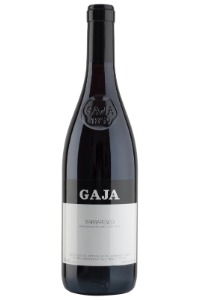
Gaja Barbaresco DOCG 2022 – Piedmont, Italy
Gaja white wines
White wines represent a smaller but distinctive part of the portfolio. The Gaia & Rey Chardonnay, first produced in 1983, proved that Piedmontese terroir could rival Burgundy for barrel fermented white complexity. The Rossj-Bass (primarily Chardonnay with a touch of Sauvignon Blanc) and the Alteni di Brassica (a crisp Sauvignon Blanc from Serralunga d’Alba vineyards) round out the white range. In Tuscany, the Vistamare, a coastal white from Ca’Marcanda, has been gaining attention.
Gaja winemaking methods and vineyard sourcing
Gaja’s approach marries traditional Piedmontese techniques with carefully chosen modern innovations, a philosophy that Angelo Gaja pioneered in the 1960s and the fifth generation continues to refine. Understanding how these wines are made and where the grapes come from, is key to understanding why Gaja commands the prices it does.
How Gaja makes its wines
All Gaja wines are produced exclusively from their estate grown grapes: no purchased fruits, no third party vineyards, only commitment to quality in the bottle. The family owns approximately 100 hectares in Piedmont (across Barbaresco, Treiso, Serralunga d’Alba, and La Morra), 27 hectares in Montalcino and 110 hectares in Bolgheri, for a total production of around 350,000 bottles per year. Core grapes across the vineyards are: Nebbiolo (predominant in the Piedmont estates), Cabernet Sauvignon, Merlot, Chardonnay, Sauvignon Blanc, Cabernet Franc, Syrah, Sangiovese, Barbera and Petit Verdot.
In the cellar, maceration periods for Nebbiolo wines run up to 30 days: a deliberately traditional approach that extracts deep colour, complex flavour compounds and structured tannin. This is followed by 12 months of aging in French barriques then a further 12 months in large traditional Slavonian oak botti (barrels). The barrique stage adds aromatic complexity and softens tannins while the botti stage rounds and allows the wine to develop its characteristic Nebbiolo elegance. White wines like Gaia & Rey are barrel fermented in French oak for richness while preserving varietal purity. For the Tuscan reds at Ca’Marcanda, winemaking follows Bordeaux inspired protocols adapted to the Mediterranean coastal climate, with shorter macerations and a greater emphasis on fruit.
Starting in 2021, the family began experimenting with whole cluster fermentation, initially at 10% for the Barbaresco. Giovanni Gaja has said this technique reinforces freshness, particularly in warmer vintages, and adds a structural spine without extracting harsh tannin. The 2022 vintage continued this approach, though the 2023 did not (due to more challenging fruit selection), suggesting Gaja will apply it selectively rather than as a blanket rule.
How vineyard sourcing impacts Gaja wine prices
Gaja’s pricing reflects a clear hierarchy based on vineyard source, production volume and aging potential. Understanding these tiers will help you buy smarter:
- Single vineyard Barbaresco (Sorì San Lorenzo, Sorì Tildìn, Costa Russi) come from a single named estate vineyard in the Barbaresco zone, produced in tiny quantities from vines averaging 50 years old. These are serious collector wines with 30–40+ years of aging potential. Expect $560 to $900 per bottle.
- Single vineyard Barolo (Sperss, Conteisa) represent two distinct expressions coming from highly ranked parcels of the Barolo terroir. Both command prices in the range of $450 – $550.
- Estate flagships (Barbaresco DOCG, Darmagi, Gaia & Rey) are multi vineyard blends or distinctive single varietal wines from the estate’s finest plots. These range from $300 to $450 and deliver the core Gaja experience.
- Barolo & Langhe (Dagromis, Sito Moresco) are more approachable estate wines blending fruit from multiple Piedmontese zones. Designed for earlier drinking than the single vineyard bottlings, they cost $75 to $130.
Beyond the winery – Gaja Distribuzione
In 1977, Angelo Gaja founded Gaja Distribuzione, a separate business that imports and distributes high end wines, spirits and wine accessories from around the world into the Italian market. The portfolio includes prestigious labels from Champagne, Sauternes, Bordeaux, Spain and California, as well as premium glassware and accessories. This venture reflects Angelo’s broader vision: he wanted to elevate Italian wine culture by exposing the domestic market to the best the world had to offer. By importing top Champagnes and Bordeaux, Gaja helped Italian consumers (and Italian restaurateurs) develop a more international palate, which in turn raised the bar for what Italian producers needed to achieve. Gaja Distribuzione remains active today and is an often overlooked but critical part of the family’s influence on Italian wine.
A family built on controversy and conviction
The Gaja family arrived in Piedmont from Spain in the 17th century. In 1859, Giovanni Gaja founded the winery in Barbaresco, bottling wine at a time when virtually no one in the region did so. In 1937, Angelo’s father Giovanni Gaja first displayed the family name in bold red capital letters on the label, an early flair for branding that would prove prophetic.
Angelo Gaja, born in Alba in 1940, studied oenology at the Enological Institute of Alba and at the University of Montpellier in France before joining the family business in 1961 at just 21 years old. He immediately began challenging convention. He introduced 225 litre French barriques to the cellar, scandalous at the time. He dramatically reduced yields, prioritising intensity over volume. He pioneered single vineyard Barbaresco bottlings: Sorì San Lorenzo (first vintage 1967), Sorì Tildìn (1970) and Costa Russi (1978). And in 1978, in one of Italian wine’s most legendary provocations, he ripped out Nebbiolo vines on a prized hillside next to his father’s house and planted Cabernet Sauvignon.
His father Giovanni’s reaction became the wine’s name: “Darmagi”, Piedmontese for “what a shame.” But Angelo’s gamble paid off. He later explained that he planted Cabernet not because he loved the grape but because he believed that only by succeeding on international terms could he redirect the world’s attention to Italy’s own great varietals. The strategy worked. By the 1990s, Angelo was being called “the undisputed king of Barbaresco” and critics were comparing his wines to First Growth Bordeaux and Grand Cru Burgundy.

Always in the 1990s, Angelo had his sights set beyond Piedmont. In 1994, he acquired the Pieve Santa Restituta estate in Montalcino, followed by Ca’Marcanda in Bolgheri in 1996. But true to form, he didn’t arrive loudly. Both acquisitions took years of patient negotiation because the owners were reluctant to sell. After the deals closed, the family kept a deliberately low profile in Tuscany, conscious that they were outsiders entering established wine communities. It’s a very Piedmontese approach: Angelo has always believed that “less is more” not just in winemaking but in how you carry yourself. Let the wine do the talking.
In 2004, Angelo handed the reins to his daughters Gaia and Rossana and son Giovanni. The transition wasn’t a clean break; Angelo remains involved but the strategic direction now belongs to his children. And they’ve already left their mark. One of their most significant moves was returning the single vineyard Barbarescos to full DOCG classification starting with the 2013 vintage, ending years of deliberate declassification to Langhe DOC that Angelo had initiated in the 1990s. They’ve also begun experimenting with whole cluster fermentation, a technique that adds freshness and structural complexity, particularly in warmer vintages.
Gaja awards and global recognition
Gaja holds the all time record for the most Tre Bicchieri awards, Italy’s highest wine honour, bestowed annually by Gambero Rosso. Wine Spectator famously called the 1985 Barbarescos “the finest wines ever made in Italy.” The 1985 Barbaresco DOCG was also named #20 in Wine Spectator’s Top 100. Individual vintages routinely score 95 – 100 points from James Suckling, Jeb Dunnuck, Robert Parker’s Wine Advocate, and Vinous. Angelo Gaja is widely described as the man who dragged Piedmont into the modern world and the entire 1984 vintage of Barbaresco (12,000 cases) was famously sold off as bulk because it didn’t meet his quality standards. That uncompromising philosophy defines the house to this day.
Fun fact: The Barbaresco winery opened to the public in 2014, but only by appointment and entry requires a sizeable charitable donation. The fully personalised tour of vineyards, cellars and a bespoke tasting selection is, by all accounts, worth every cent.
You might also be interested in
FAQs on Gaja wine
What is Gaja famous for?
Gaja is a world renowned Italian wine producer, primarily famous for revolutionizing Piedmontese winemaking and producing iconic, high quality Barbaresco and Barolo wines. Under Angelo Gaja, the estate introduced modern techniques like barrique aging, increased international renown for Italian wine and established top tier, collectible status for its Barbaresco, notably for its single vineyard labels. Today, Gaja is considered Italy's most prestigious wine producer, holding the all-time record for Tre Bicchieri awards (the country's highest wine honour) and producing some of the most sought after bottles in the world. The family also runs Gaja Distribuzione, an import business founded in 1977 that brings top Champagnes, Bordeaux and spirits into the Italian market, further cementing their influence on Italian wine culture as a whole.
Is Gaja a super Tuscan?
No, Gaja is not a Super Tuscan. The house is first and foremost a Piedmontese producer, rooted in Barbaresco since 1859 and best known for its Nebbiolo based Barbaresco and Barolo wines. Gaja does also make wine in Tuscany but calling them a Super Tuscan would be misleading. The Ca'Marcanda estate in Bolgheri produces three reds built on Bordeaux varieties like Cabernet Sauvignon, Cabernet Franc, Merlot and Syrah, which on paper sounds a lot like the super Tuscan playbook. But the wines themselves are classified under the Bolgheri DOC and Toscana IGT appellations, not as super Tuscans. The family has always seen their Tuscan operation as a separate chapter, an extension of the Gaja philosophy into a different terroir, not an attempt to join a movement that was already well underway when they arrived in the region in 1996.
Is Gaja a good wine?
Good is an understatement. Gaja is widely considered one of the greatest wine producers in the world. Individual vintages routinely score 95 to 100 points from critics like James Suckling, Jeb Dunnuck, Robert Parker's Wine Advocate and Vinous. Wine Spectator called the 1985 Barbarescos "the finest wines ever made in Italy." The single vineyard crus (Sorì San Lorenzo, Sorì Tildìn, Costa Russi) and the Sperss Barolo are genuine collector wines that can age for 30 to 40 years and appreciate significantly in value over time. But you don't need to spend $500 or more to experience Gaja quality. The Ca'Marcanda Promis at around $55 and the Magari at around $90 are polished, well made Tuscan reds that carry the same meticulous estate grown philosophy as the top Piedmontese bottlings. At every price point, Gaja delivers consistency, complexity and a sense of place that very few producers anywhere in the world can match.
Where is Gaja wine from?
Gaja comes from the little village of Barbaresco, in the Langhe hills of Piedmont, northwest Italy. The family owns estate vineyards in four key zones: the Barbaresco district (Barbaresco and Treiso), the Barolo district (Serralunga d’Alba and La Morra), Montalcino in Tuscany (the Pieve Santa Restituta estate, producing Brunello), and Bolgheri on the Tuscan coast (the Ca’Marcanda estate, producing Bordeaux varietal blends). Total vineyard holdings across all estates span approximately 300 hectares.
Who owns Gaja wines?
Gaja is fully family owned with no outside investors, now in its fifth generation. Angelo Gaja, the visionary who transformed the estate from the 1960s onward, formally passed leadership to his three children in 2004: Gaia (who leads commercial operations and brand representation), Rossana (who oversees production across all estates) and Giovanni (who is increasingly involved in winemaking decisions, including the recent whole cluster fermentation experiments). Angelo remains involved but has stepped back from day-to-day management. The family’s total independence, no corporate parent, no outside shareholders, is a critical factor in their ability to make bold, long term decisions without short term commercial pressure.
Is Gaja wine worth the price?
For serious wine collectors and enthusiasts, absolutely. Gaja wines are produced exclusively from estate grown grapes, made in relatively small quantities (350,000 bottles annually across all labels) and consistently rated among the world’s finest by every major critic. The single vineyard Barbarescos and Sperss Barolo compete directly with First Growth Bordeaux and Grand Cru Burgundy and at current prices, they remain considerably more affordable than top Burgundy. Entry level bottles like the Ca’Marcanda Promis at $55 and Magari at $90 offer genuine Gaja quality at accessible prices. As an investment, Gaja wines have shown strong appreciation: the Barbaresco DOCG saw a 33% price increase within 12 months of release and the 1968 Sorì San Lorenzo jumped 405% in a single year.
What is Gaja’s best wine?
Most critics and collectors consider Sorì San Lorenzo the estate’s greatest wine, a single vineyard Barbaresco of extraordinary power, complexity and 40+ year aging potential. The vineyard’s proximity to the Tanaro River gives it the warmest microclimate of the three crus, producing the most concentrated and structured wine. However, Sorì Tildìn is often considered the most “classic” in style, and the Sperss Barolo has arguably received the highest individual scores in recent vintages (99 points from Jeb Dunnuck for the 2019). For newcomers seeking the definitive Gaja experience at a more accessible price, the flagship Barbaresco DOCG at around $300 is the essential starting point.
How much does Gaja wine cost?
Prices vary significantly depending on the tier. At the entry level, the Ca’Marcanda Promis starts at around $55 and Magari at around $90. The Dagromis Barolo sits at around $129.99. The flagship Barbaresco DOCG is approximately $300. Moving into the single vineyard territory, Conteisa Barolo is at around $500 together with the Sperss Barolo, while the three cru Barbarescos range from $660 to $850. The Darmagi Cabernet is around $450. Rare older vintages of the single vineyard wines can fetch several thousand dollars on the secondary market, the 1968 Sorì San Lorenzo has traded above $2,000 per bottle.
Where can I buy Gaja wine?
You can buy Gaja wines right on this page. We select bottles from several wine websites like wine.com, Wine Access, Reserve Bar and Total Wine, ensuring tha you get them at the best price point and delivery conditions. The single vineyard Barbarescos (Sorì San Lorenzo, Sorì Tildìn, Costa Russi) appear periodically but sell out quickly due to limited production. Specialist fine wine merchants, auction houses and import specialists like K&L Wines also carry allocations. For buyers in Europe, the wines are distributed through Gaja’s network and available at fine wine retailers across the continent.
How long can Gaja wines age?
Aging potential varies by wine tier. The single-vineyard Barbarescos (Sorì San Lorenzo, Sorì Tildìn, Costa Russi) and the Sperss Barolo can age 30 to 40+ years in optimal cellar conditions. The Conteisa Barolo and Darmagi Cabernet have 25 - 35 year windows. The flagship Barbaresco DOCG drinks well from 5 to 30 years. Dagromis and Sito Moresco are best within 5 to 15 years of release. The Tuscan wines from Ca’Marcanda, Magari and Promis, are designed for earlier enjoyment, typically within 5 to 10 years, though the top tier Camarcanda can age for 15 to 20 years. The best recent vintages for cellaring include 1989, 1990, 1997, 1999, 2004, 2007, 2010, 2013, 2016 and 2019.
Does Gaja only make wine?
No. In addition to its 18 wine labels and three grappas, Gaja operates Gaja Distribuzione, a separate import and distribution company founded in 1977. Gaja Distribuzione imports premium wines from Champagne, Bordeaux, Sauternes, Spain and California into the Italian market, as well as high end spirits and wine glassware. This distribution arm reflects Angelo Gaja’s broader mission to elevate Italian wine culture as a whole, not just the family’s own bottles. The business continues to operate today and represents some of the most prestigious wine labels in the world within Italy.