

Natural wine: top bottles to buy in 2026
Natural wine is produced with minimal intervention, no pesticides and little to no added sulfites. We selected premium red, white and sparkling options for people looking to buy natural wine online from producers in France, Italy, Germany, Argentina and beyond. Dynamis Estate Alpha Red Wine 2021, rated at 5/5, is our top natural wine pick of 2026.
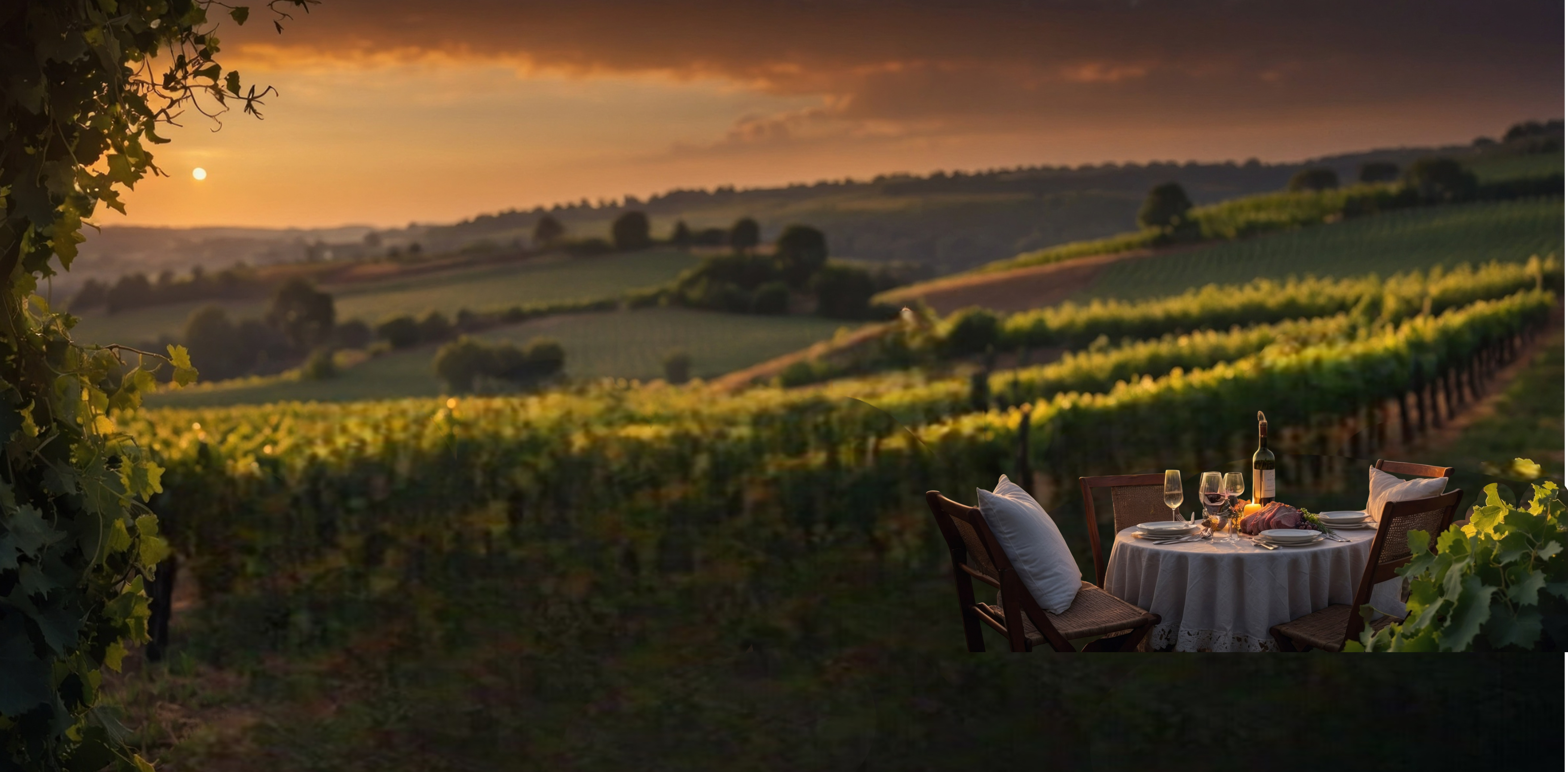

Best natural wine picks for your home cellar
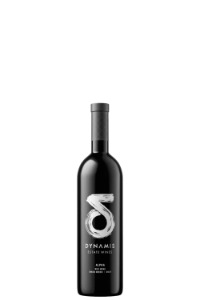
Alpha Red Wine – Dynamis Estate 2021
North Carolina, US
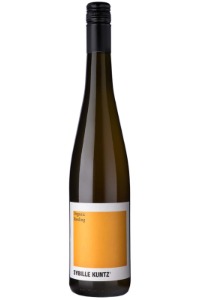
Mosel Organic Orange Riesling Trocken – Sybille Kuntz Estate 2021
Mosel, Germany
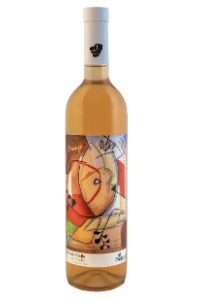
Ribolla Gialla Orange – Poderi Di Carlo
Friuli Venezia Giulia, Italy
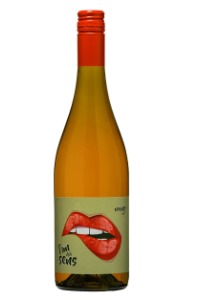
Orange Wine – L’un Des Sens
France
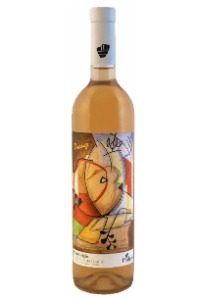
Pinot Grigio Orange Wine – Poderi DiCarlo
Friuli Venezia Giulia, Italy
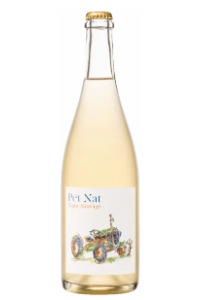
Vigne Sauvage Organic Pet Nat – Pierre & Antonin
France
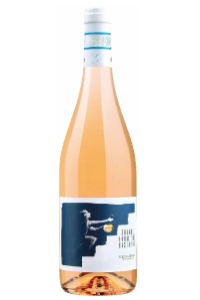
Orange From The Basement – Albino Armani
Veneto, Italy
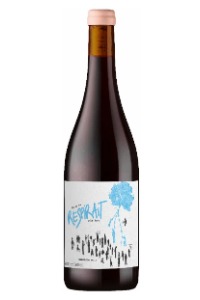
“Respirait” Organic Natural Grenache Noir – Les Indigènes
France
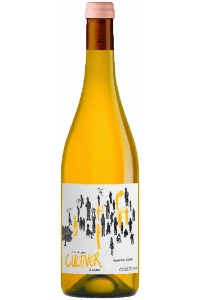
“Cultiver” Organic Natural Grenache Blanc – Les Indigènes 2023
France
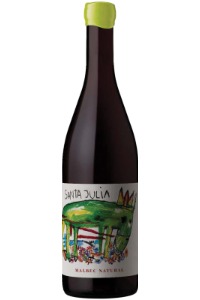
El Burro Natural Malbec – Santa Julia 2024
Mendoza, Argentina
Our 10 best natural wines range from $19 to $95, including easy drinking Pet Nats like Vigne Sauvage Organic Pet Nat by Pierre & Antonin, which costs $19 and luxurious options such as Dynamis Estate Alpha Red Wine 2021, a 5 point wine that is available for about $95. Every bottle was chosen for its certified minimal intervention in the vineyard and cellar. New to natural wine or looking to deepen your exploration? These brands offer approachable entry points without compromising on quality.
What is natural wine?
- Natural wine
Natural wine is wine that is produced with minimal intervention in the vineyard and cellar, using organically or biodynamically grown grapes, fermented with wild/native yeasts and little to no additives, sulfites or filtration. There is no legally binding natural wine definition, but rather it is a winemaking philosophy.
Natural wine tastes brighter and earthier than regular wines, with some displaying savory notes of cider and yogurt due to wild yeast fermentation and lively acidity. The flavor profile may also be juicy and fresh, displaying raw fruit notes, but it is different for every bottle, depending on the grapes and region. In most cases, natural wine also looks different from regular wines, appearing hazy or cloudy due to being unfiltered or unfined.
There is no single legal standard that answers the question “what is a natural wine?”, but various certifications exist to provide transparency, such as the Vin Méthode Nature in France, RAW Wine fair and VinNatur in Italy.
As a rule of thumb, natural wine is any wine that meets the following winemaking criteria:
- Grapes are typically grown by small scale and independent producers.
- Grapes are hand picked from sustainable, organic or biodynamic farms (no synthetic pesticides are involved in farming).
- It is fermented with native yeasts only i.e no commercial/selected yeast strains are used.
- No additives are included in fermentation (including sugar, tannin powder, coloring, or flavor agents)
- Very little or no sulfites are added (under ~30 ppm).
Natural wine, organic wine and biodynamic wine are all eco friendly and sustainable, but there are some key differences.
- Organic wine is low intervention wine crafted from grapes grown without synthetic chemicals, but there may still be some manipulation in the winery. There are strict limits on sulfites in certified organic wines.
- Biodynamic wine is a higher level of organic farming that treats the vineyard as a holistic system, using specific preparations (such as compost) and following lunar calendars for farming. These wines are certified by Demeter.
- Natural wine incorporates the above principles, but also involves minimal intervention in the winery.
How is natural wine made?
Natural wine is crafted with the sole purpose of expressing the grapes and terroir as much as possible. The natural wine making process follows these key principles:
- Organic or biodynamic farming, where the grapes are grown without synthetic pesticides, herbicides, or fertilizers to promote soil health.
- Hand harvesting grapes to minimize damage and ensure that only high quality fruit is vinified.
- Fermentation relies solely on native/wild yeasts naturally present on the grape skins and in the cellar environment. Whole cluster fermentation and foot treading are common, with purist styles adopting no temperature control.
- No additives are permitted in natural wine. Winemakers avoid the 60+ legal additives used in conventional wine production, such as added sugars, acids, tannins, or enzymes.
- Minimal or no sulfites: sulfur dioxide is not used by many natural winemakers and those that add it do so at bottling only, keeping it under ~30 ppm (conventional wines may contain up to 150/350 ppm depending on the wine style and region).
- The wine is neither fined nor filtered, resulting in a cloudy appearance but retaining its natural texture, flavor and microbial population.
What are the differences between natural wine vs regular wine?
- No commercial yeasts are used, thus fermentation is slower.
- There is no flavor manipulation and what you taste is purely the grape and its terroir expression.
- It is unfined and unfiltered.
- There are lower sulfite levels compared to regular wine.
Which regions of the world produce natural wine?
Natural wine is produced worldwide, with major producers located in France, Italy, California and Georgia. It originated in France in the 1960s with the French Natural Wine movement, which gained traction after World War II. It was pioneered by Jules Chauvet and the “Gang of Four” in Beaujolais as a reaction against the widespread use of chemicals in modern winemaking. Marcel Lapierre, Jean Foillard, Guy Breton and Jean-Paul Thévenet made up this group and they focused on hand harvesting, refusing chemical pesticides and avoiding the use of sugar or sulfites in their wines. Together, they shifted the reputation of Beaujolais wines from cheap, candy scented bottlings to serious, terroir driven natural wines.
Today, it is produced worldwide and the key production regions are:
- France, with major producers in the Loire Valley, Beaujolais, Jura and Languedoc crafting unique crisp and fresh natural wines.
- Italy: Friuli winemakers specialise in orange wines, while Sicily is a major hub for natural wine due to its volcanic soil.
- The US states of California, North Carolina and Oregon are home to a growing scene of small scale, independent producers interested in low intervention techniques.
- Georgia is also at the forefront of the global natural wine movement, home to winemakers who use the UNESCO recognized “Qvevri method” to vinify indigenous grapes.
What are the types of natural wine?
Natural wine includes various still red, white and sparkling wine styles made with minimal intervention, crafted to showcase the grape and its terroir. The major types of natural wine are:
- Natural red wines: the most common style. They are lighter bodied, with savory and brighter fruit notes than conventional reds. Popular varieties used are Gamay (Beaujolais), Cabernet Franc (Loire) and Nerello Mascalese (Sicily).
- Natural white wines range from pale straw to amber hues, especially if they are skin contact (orange) wines. They have a richer and more textured mouthfeel than regular white wines and are often made from Chenin Blanc (Loire), Riesling and Macabeo grapes.
- Natural sparkling wine (pét nat): Pétillant naturel is made using the “méthode ancestral,” where it is bottled before the end of primary fermentation, resulting in a cloudy, light and fizzy wine. It is the signature sparkling style for natural wine, created from Chenin Blanc or Gamay.
Did you know? “Glou glou” is a French term for light bodied and easy drinking natural wines, which may be red, rosé, orange or white and served slightly chilled.
| Type | Style | Common Grapes | Serve At | Key Regions |
|---|---|---|---|---|
| Natural red wine | Light, crunchy, fruit forward | Gamay, Cabernet Franc, Nerello Mascalese | 54-60°F (12-16°C) | Beaujolais, Loire (France); Sicily (Italy) |
| Natural white wine | Crisp or skin contact (orange) | Chenin Blanc, Riesling, Macabeo | 46-54°F (8-12°C) | Loire, Alsace (France); Catalonia (Spain) |
| Natural rosé | Fresh, saline, dry | Cinsault, Grenache, Pinot Noir | 46-54°F (8-12°C) | Provence, Languedoc (France) |
| Natural sparkling (pét nat) | Rustic, gentle fizz, cloudy | Chenin Blanc, Gamay, Grolleau | 41-46°F (5-8°C) | Loire, Jura (France); Emilia-Romagna (Italy) |
| Orange wine | Tannic, amber, textured | Rkatsiteli, Ribolla Gialla, Malvasia | 50-55°F (10-13°C) | Georgia; Friuli (Italy); Slovenia |
What food pairs well with natural wine?
Natural wine is characterized by bright acidity, low alcohol and light body, making it a highly versatile wine for food pairing. Enjoy lighter natural reds with charcuterie and grilled vegetables, natural whites with seafood and soft cheese and pét nat with fried food or sushi.
Here are some of our top recommendations for each wine type:
- Natural red wine (Les Indigènes “Respirait” Organic Natural Grenache Noir): charcuterie, cheese boards, truffle dishes
- Natural white wine (Les Indigènes “Cultiver” Organic Natural Grenache Blanc 2023): oysters, goat cheese, fresh green vegetables
- Natural sparkling wine (or pét nat) (Pierre & Antonin Vigne Sauvage Organic Pet Nat): potato chips, cheese croquettes, fried chicken
- Orange wine (Poderi Di Carlo Ribolla Gialla Orange): roasted vegetables, curries, kimchi, hard cheeses
- Sweeter natural wine (L’un Des Sens Orange Wine): fruit based, nutty desserts and dark chocolate
| Food | Best Natural Wine Style | Our Recommendation | Rating | Type & Structure |
|---|---|---|---|---|
| Steak au poivre, roasted venison, aged cheddar and blue cheese | Bold, tannic natural red wines (e.g., Cabernet Sauvignon) | Alpha Red Wine 2021 – Dynamis Estate – North Carolina, US | 5/5 | Bold, creamy, grippy tannins, intense dark fruit notes. |
| Grilled sea bass, sashimi, risotto, Pecorino, sauerkraut | Skin contact (orange) Natural wines | Ribolla Gialla Orange – Poderi Di Carlo – Friuli, Italy | 4.9/5 | Dry and savory, firm acidity and intensely aromatic. |
| Apple tarte tatin, lemon meringue, cheesecake, peach cobbler, dark chocolate | Sweeter Natural wines | Orange Wine – L’un Des Sens – France | 4.9/5 | Aromatic, dried fruit notes, medium bodied, moderate acidity. |
| Brie, ceviche, smoked salmon bagels, prosciutto, fresh summer salads | Natural sparkling wines (e.g., pét nat) | Vigne Sauvage Organic Pet Nat – Pierre & Antonin – France | 4.8/5 | Light bodied, fresh, aromatic, frothy bubbles |
| Pad Thai, Katsu curry, Roquefort, salami, tempura, ramen | Skin contact (orange) Natural wines | Orange From The Basement – Albino Armani – Veneto, Italy | 4.7/5 | Dry, high acidity, vibrant aromatics, nutty undertones. |
| Grilled corn, charcuterie board with salami and Manchego, BBQ ribs, tomato based pasta | Lighter natural red wines (e.g., Grenache Noir, Gamay) | “Respirait” Organic Natural Grenache Noir – Les Indigènes – France | 4.7/5 | Soft, silky tannins, medium body, bright acidity. |
| Creamy risotto, grilled prawns, roasted pork tenderloin, arugula salad with fresh goat cheese, Gruyère | Natural white wines (e.g., Grenache Blanc) | “Cultiver” Organic Natural Grenache Blanc 2023 – Les Indigènes – France | 4.6/5 | Medium bodied, juicy, crisp acidity |
Notable natural wine brands from around the world
Notable natural wine brands include Germany’s biodynamic Sybille Kuntz Estate, the elegant Poderi di Carlo from Italy and Les Indigènes, France’s Languedoc based winehouse. Other notable producers include Albino Armani (Italy) and L’un Des Sens (France). These brands have earned their reputations by producing terroir expressive wines with a focus on organic/biodynamic farming, the use of wild yeasts and minimal sulfites.
- Sybille Kuntz estate: a woman led European winery that has been Demeter certified since 2016, with a focus on biosustainability and low intervention winemaking.
- Poderi di Carlo is a Friuli based winery deeply rooted in traditional viticulture. The estate relies on ancient farming methods and sustainable practices to craft its natural wines.
- Les Indigènes, a French natural wine company owned by the Laguedoc based winehouse Artisans Partisans. Their philosophy is “Nature, Terroir, Liberté,” and they create high quality, authentic wines with minimal intervention.
Some of our recommended natural wine gifts to buy online from these brands are:
Mosel Organic Orange Riesling Trocken – Sybille Kuntz Estate 2021 – Mosel, Germany
Ribolla Gialla Orange – Poderi Di Carlo – Friuli, Italy
“Respirait” Organic Natural Grenache Noir – Les Indigènes – France
Natural wine serving temperature and storage tips
Natural wine serving temperature is usually cooler than that of conventional wine, ranging between 8°C and 16°C, depending on whether it is a red, white or sparkling wine.
| Natural Wine Style | ABV Range | Acidity | Serve At | Aging Potential |
|---|---|---|---|---|
| Natural red (still) | 12-15% | Medium to high | 54-60°F (12-16°C) | 1-5 years |
| Natural white (still) | 8-14.5% | High | 46-54°F (8-12°C) | 1-3 years |
| Orange wine | 11-15% | Bright | 50-55°F (10-13°C) | 5-10+ years |
| Pét nat (sparkling) | 9.5-12.5% | High | 41-46°F (5-8°C) | 1-3 years |
Here are some of our storage tips for natural wine:
- Store the wine in a consistently cool and dark place at 55-65°F (12-18°C).
- Keep the bottle lying on its side to keep the cork moist and prevent air from getting into the bottle.
- Drink it within a few years of release, as many natural wines are not meant for extended cellaring.
- Once you’ve opened a bottle, reseal and store it in the refrigerator to slow down the oxidation process. Be sure to finish it within 2-3 days.
Unfiltered wines may throw sediment and appear cloudy. Before opening the bottle, keep it upright for at least 24 hours to let the sediment settle at the bottom, then decant the wine before drinking.
How we rate and score natural wine
We rate wines based on their appearance, aroma/bouquet, flavor/palate and overall impression on the palate, assigning scores based on a 5 point scale. Our expert panel blind tastes each bottle of natural wine before evaluating it over a total of 50 points, which we then convert to the simple 5 point scale that we present to you.
The 5 point rating scale can be interpreted as:
- 5 = Exceptional
- 4 = Excellent
- 3 = Very Good
- 2 = Good
- 1 = Fair
What do we look for?
- Appearance (up to 5 pts): clarity, color, brightness
- Aroma & bouquet (up to 15 pts): intensity, complexity, absence of flaws
- Flavor & palate (up to 20 pts): balance of acidity, tannin, alcohol; depth, mouthfeel
- Overall impression (up to 10 pts): harmony, complexity, typicity, finish
In addition to the standard criteria, we also assess natural wines based on the:
- Balance between fruit notes, vibrant acidity, savory flavors and structure.
- Authenticity of the wine and how well it reflects its terroir, climate and vintage.
We compared natural wines only to wines in the same category to maintain objectivity. Natural red wines were compared to other reds and not orange or white wines, while sparkling pét nats were stacked against their peers.
A note from our team: natural wines show more bottle variation than conventional wines. Our scores reflect the taste of the bottle tested. We recommend reading tasting notes to find bottles that align with your personal preferences.
You might also be interested in

FAQs on natural wine
Is natural wine better than regular wine?
Whether natural wine is “better” is a subjective opinion that depends on your personal preferences. If you value authenticity and environmentally friendly practices, then natural wine may be better for you, as it is produced with minimal intervention. On the other hand, if you love consistent and technically perfect wines, then regular wines are your ideal option.
How to identify a natural wine?
To identify a natural wine, look for a savory wine with vibrant acidity and a cloudy appearance that indicates a lack of filtration. You can also check the label for sulfite levels, or “Vin Méthode Nature” in France, which guarantees that the wine is made from organic grapes, hand picked, unfiltered and fermented with wild yeasts. Pét Nats and Orange wines are common natural wine styles.
Is natural wine a good gift idea?
Natural wine makes a great gift idea for someone who values sustainable practices, unique flavors and loves supporting small scale producers. It also contains fewer additives, minimal sulfites and is free from synthetic chemicals, making it the ideal gift idea. Check out our list of the 10 best natural wines to get started on selecting the right bottle to gift your loved ones.
What is natural wine?
Natural wine is wine produced with minimal intervention in the vineyard and in the cellar, often described as “nothing added, nothing removed”. It focuses on purity, allowing the grape and terroir to express themselves without the use of chemical additives and little to no added sulfites.
Does natural wine have sulfites?
Yes, natural wine contains low amounts of sulfites, approximately 30 ppm compared to conventional wines, which may contain up to 350 ppm. While producers may not add sulfites to natural wines or only add minimal amounts at bottling, all wines naturally produce small amounts of sulfur dioxide during fermentation.
Is natural wine the same as organic wine?
No, natural wine is not the same as organic wine, although the two terms are interrelated. Organic winemaking focuses on sustainable grape cultivation practices without the use of synthetic pesticides, chemical fertilizers and herbicides. Natural wine producers emphasize a minimal intervention approach that extends from the vineyard to the cellar.
What does natural wine taste like?
Natural wine tastes vibrant, acidic, or “alive”, with earthy flavors and a textured mouthfeel. The wines may showcase complex raw fruit, yeast and mineral notes. Because they are unfiltered and produced with no additives, natural wines often look hazy and have sediment.
What is a good natural wine for beginners?
Dynamis Estate Alpha Red Wine 2021 (5/5, ~$95) is a good natural wine for beginners, with its creamy texture and bold cassis, clove, cinnamon and chocolate notes. Another ideal wine for beginners from our top 10 list is the Vigne Sauvage Organic Pét Nat by Pierre & Antonin (4.8/5, ~$19), a light bodied and clean sparkling wine.
Can natural wine be sparkling?
Yes, natural wine can be sparkling. The most common form is Pétillant Naturel (or “Pét Nat), a naturally sparkling style made using the “méthode ancestrale”. The wine is bottled before the initial fermentation is completed, trapping carbon dioxide in the bottle to create bubbles. It is lower in alcohol than other sparkling wines like Champagne, with a hazy appearance and fruity taste.
What is the difference between natural wine vs regular wine?
Natural wine is made with minimal intervention and no additives, while regular wine is produced using a variety of modern technologies and additives. Natural wine uses organically or biodynamically grown grapes that are hand harvested and only native yeasts are used for fermentation. The wine is also left unfiltered and unfined, giving it sediment and a cloudy appearance.
