

Organic wine bottles not to miss in 2026
Organic wine is wine produced from grapes grown according to organic farming principles. We selected certified wines from leading French, Californian and Italian producers rated on a 5 point scale. From scores of red, white, rosé and sparkling options, our first choice is Kamen Cabernet Sauvignon 2018 (5/5, ~$100).
By
Last updated:
Table of Contents
10 of the best organic wines to buy online
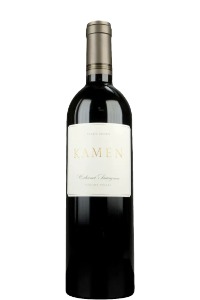
Cabernet Sauvignon – Kamen Estate 2018
California, US
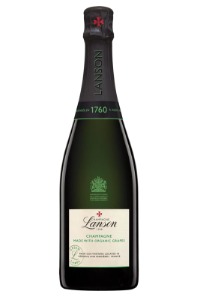
Le Green Label Organic – Lanson
Champagne, France
Cabernet Sauvignon – Frog’s Leap Winery
California, US
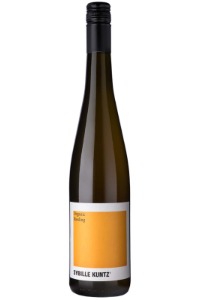
Mosel Organic Orange Riesling Trocken – Sybille Kuntz Estate 2021
Mosel, Germany
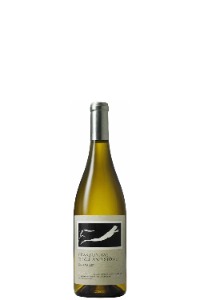
Chardonnay – Frog’s Leap Winery
California, US
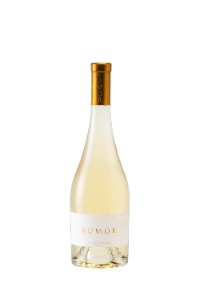
Cȏtes de Provence Blanc – Rumor Rosé
Côtes de Provence, France
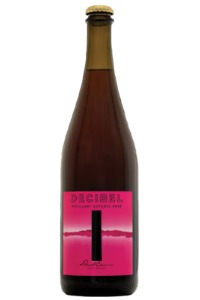
Organic Pétillant Naturel Rosé – Decibel Wines 2023
Hawkes Bay, New Zealand
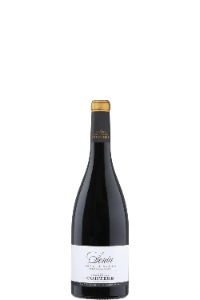
Organic La Selezione Senia Nero d’Avola Sicilia DOC – Azienda Agricola Cortese 2022
Sicily, Italy
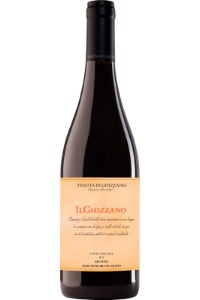
Il Ghizzano Made with Organic Grapes – Tenuta di Ghizzano 2020
Tuscany, Italy
“Toujours” Organic Natural Cinsault – Les Indigènes 2023
Languedoc, France
We handpicked each organic wine for its distinct terroir expression and favorable critic ratings, from the approachable Tenuta di Ghizzano Il Ghizzano Made with Organic Grapes 2020 (4.6/5, ~$25) to outstanding expressions like Kamen Cabernet Sauvignon 2018 (5/5, ~$100). Our expert selection of the best organic wines includes lively red, white and sparkling bottlings from France, Italy, California,Germany and New Zealand.
What is organic wine?
- Organic Wine
Organic wine is made from grapes grown without the use of synthetic fertilizers, pesticides, herbicides and fungicides. Genetically modified varieties are not allowed and tight regulations guide additive and sulfite levels. Due to reduced chemical manipulation, the grape’s natural character and terroir are well expressed in the wine.
An organic wine can taste crisp, fruity, clean, or rich, depending on the wine style and varieties present. What differentiates it from conventional wine is the sense of vibrancy and authentic grape expression that it offers. The organic certification governs farming, not flavor, so you may only notice that an organic wine reflects a stronger sense of terroir than regular wine because of less manipulation.
In the US, the USDA’s National Organic Program states that certified “organic” wine must not contain added sulfites, but any wine labelled as “wine made from organic grapes” can have up to 100 mg/L.
The European Union also sets harmonised rules for its member countries, allowing limited amounts of sulfites to be used as preservatives. To be awarded the official European “Organic” label:
- The grapes must be organically grown and
- The methods, equipment and ingredients used to make and bottle the wine must comply with the label’s requirements.
In France, some organic wines may also be certified Agriculture Biologique (AB), Haute Valeur Environnementale (HVE), Biodyvin, or Vin Méthode Nature.
While organic wine definitions vary slightly by region, the certification guarantees that the wine was produced from organic grapes and with restricted additives in the cellar.
Organic biodynamic wine production is more demanding, incorporating all organic practices, but also adhering to stricter biodynamic principles. This approach requires natural inputs for soil treatment and considers the influence of the moon on wine. Biodynamic wines are certified by the Demeter or Biodyvin labels.
How is organic wine made?
Organic wine is produced with emphasis on environmental sustainability and minimal intervention in the vineyard, guided by specific certification standards: the US Department of Agriculture (USDA) through its National Organic Program in the US and the EU Organic label in Europe. The organic wine making process involves two main stages: organic viticulture and organic vinification.
What makes wine organic?
- Farming is certified organic. Winemakers are banned from using artificial chemical fertilizers, pesticides, herbicides, or fungicides in the vineyard.
- Cultured or commercial organic yeasts and some additives (like bentonite clay) are permitted.
- Regulations on sulfites vary by country; the European Union allows limited sulfites (up to 100 mg/L for red, 150 mg/L for whites and rosés). In the US, “organic wine” contains no added sulfites and naturally occurring sulfites must be below 20mg/L, but wines labeled “made with organic grapes” may have up to 100mg/L.
The key differentiator between natural and organic wines is that organic wine focuses on farming without synthetic chemicals (the grapes), but natural wine involves further restrictions in winemaking. All natural wine starts with organic grapes, but not all organic wine is natural.
On the other hand, organic biodynamic wine is produced by treating the vineyard as a living ecosystem. The principle bans the use of synthetic chemicals, genetically modified grapes and fertilizers, while incorporating spiritual and astrological practices such as following a lunar calendar.
Where is organic wine produced?
The majority of the world’s certified organic vineyards (about 75%) are located in Europe, particularly in France, Italy and Spain. These countries remain at the forefront, together with other key producers in California, Austria, Chile and Argentina.
- France: Languedoc-Roussillon is the French region that produces the most organic wines with ~50,000 acres (20,000 ha) under vine. Provence, Loire, Alsace and Bordeaux are also noteworthy areas.
- Italian organic wine is also rapidly growing in popularity as more wineries in Tuscany, Sicily and Puglia adopt sustainable viticulture.
- Spain is one of the world leaders, with over 150,000 hectares of organic vineyards. Today, winemakers in Catalonia, La Mancha and Rioja represent the majority of the country’s production.
- In the US, the states of California, Washington and Oregon are significant hubs of winemakers who focus on organic wine making.
Austria & Germany also have a notably high percentage of organic vineyards relative to their size, while the organic wine production community in Chile and Argentina is growing quickly due to the dry climates that reduce the need for pesticide use.
Explore the different organic wine styles
Organic wine styles include all the traditional categories of red, white, rosé and sparkling wines produced from grapes grown without synthetic chemicals. The common types of organic wine are:
- Organic red wines are a very common style crafted from Cabernet Sauvignon, Shiraz, Pinot Noir and Malbec grapes. They feature bolder, more pronounced fruit notes and a more rustic mouthfeel than conventional wines.
- Organic white wine is often made from the common grape varieties used for crisp and dry aromatic whites. Chardonnay, Sauvignon Blanc, Chenin Blanc and Riesling make some of the best organic white wines.
- Organic rosé wines are made from Grenache Noir, Cinsault, Shiraz and other red or black grape varieties. They are typically harvested earlier than those meant for red wines to preserve acidity and freshness.
- Organic orange wine is a skin contact white wine with a bold flavor profile, grippy tannins and savory notes of dried white fruits and nuts. Ribolla Gialla and Malvasia are common grapes used.
- Organic sparkling wines can be Prosecco, Cava, Champagne or Moscato d’Asti, depending on the production method, grape varieties used and region. Organic practices contribute to a balanced taste profile and allow the grape’s character to shine through.
| Type | Style | Common Grapes | Key Regions | Price Range |
|---|---|---|---|---|
| Organic red wine | Bold, structured, fruit driven | Cabernet Sauvignon, Merlot, Shiraz, Pinot Noir, Malbec, Nero d’Avola | Tuscany (Italy); Languedoc (France); Mendoza (Argentina); Oregon, California (US) | $40-$100 |
| Organic white wine | Crisp, aromatic, fruit forward, high acidity | Sauvignon Blanc, Chardonnay, Pinot Grigio, Riesling, Chenin Blanc | Catalonia (Spain); Sicily (Italy); Loire Valley, Alsace (France); Austria | $20-$50 |
| Organic rosé wine | Light, dry, soft, fruity | Cinsault, Grenache Noir, Shiraz, Sangiovese, Pinot Noir | Tuscany, Sicily (Italy); Alsace, Loire Valley (France), Spain, California (US) | $15-$40 |
| Organic orange wine | Grippy tannins, high acidity, nutty | Rkatsiteli, Ribolla Gialla, Malvasia | Italy, Slovenia, Georgia, Germany | $20-$50 |
| Organic sparkling wine | Balanced, zippy acidity, fresh | Chardonnay, Pinot Noir, Glera, Pinot Meunier, Macabeo | Italy, Spain, France, Austria | $15-$40 |
3 notable organic red wine brands from around the world
Organic red wine is the most popular category in this type of winemaking. Pinot Noir, Malbec, Cabernet Sauvignon, Sangiovese and Nero d’Avola are some widely available grape varieties used. Italian and French producers are at the forefront of this space and some of the best organic red wine brands include:
- Frog’s Leap Winery is based in Napa Valley, California, US and they have farmed all their vineyards organically since 1988. The estate focuses on dry farming techniques to produce environmentally conscious red wines.
- Azienda Agricola Cortese: a vegan friendly and organic Italian wine brand based in Sicily. The estate focuses on native Sicilian grape varieties like Nero d’Avola, producing the best organic red wines without sulfites using traditional techniques.
- Les Indigènes is a line of French organic wines produced by the Languedoc based wine company Artisans Partisans. Their minimal intervention wines are a blend of Languedoc grape varieties crafted in lighter styles.
Our top organic red wines to buy online are:
Cabernet Sauvignon – Frog’s Leap Winery – California, US
Organic La Selezione Senia Nero d’Avola Sicilia DOC – Azienda Agricola Cortese 2022 – Sicily, Italy
“Toujours” Organic Natural Cinsault 2023 – Les Indigènes – Languedoc, France
Organic wine brands worth exploring
The best organic wine brands include Tuscany based Tenuta di Ghizzano, organic certified Rumor Rosé in France and California’s Kamen Estate. Other notable producers include Sybille Kuntz Estate and Frog’s Leap Winery. Some of these brands have been certified organic since the early 2000s. Today, they are known for the sustainable, chemical free and biodynamic farming methods they use to craft high end and accessible wines.
- Kamen Estate is located in Sonoma Valley, California. The 300 acre estate is certified organic and biodynamic farming techniques are used to produce luxury, terroir driven Cabernet Sauvignon and Sauvignon Blanc.
- Rumor Rosé: an organic French wine brand that crafts vegan friendly rosés and white wines in Côtes de Provence.
- Tenuta di Ghizzano: fully certified Organic since 2008, this Italian organic wine brand is located in Tuscany, where they craft sustainable, high quality wines like Veneroso.
Below, you will find some of our recommendations to buy organic wine online:
Cabernet Sauvignon – Kamen Estate 2018 – California, US
Cȏtes de Provence Blanc – Rumor Rosé – Cȏtes de Provence, France
Il Ghizzano Made with Organic Grapes – Tenuta di Ghizzano 2020 – Tuscany, Italy
What food pairs well with organic wine?
Organic wine food pairings follow the same foundational principles as conventional wine, of matching weight, acidity and flavor intensity. Enjoy bold organic reds with grilled meats, crisp organic whites with seafood and organic rosés with charcuterie and cheese boards. Our top recommendations are:
- Organic red wine ( Kamen Estate Cabernet Sauvignon 2018): ribeye steak, aged cheeses, stewed meat
- Organic white wine (Frog’s Leap Chardonnay): creamy cheeses, seafood, roasted poultry
- Organic rosé (French Bloom Le Rosé 0.0% Alcohol Sparkling Wine): soft cheeses, cured meat, grilled vegetables
- Organic sparkling wine (Lanson Le Green Label Organic): ceviche, baked white fish, creamy pasta
- Organic orange wine (Sybille Kuntz Mosel Organic Orange Riesling Trocken 2021): curries, grilled vegetables, roasted light meats
| Organic Wine Food Pairing | Best Organic Wine Style | Our Recommendation | Rating | Type & Structure |
|---|---|---|---|---|
| Grilled ribeye steak, garlic roasted lamb, mac and cheese, aged cheddar | Organic red wine (Cabernet Sauvignon, Malbec, Pinot Noir) | Cabernet Sauvignon 2018 – Kamen Estate | 5/5 | Full bodied, mouthwatering acidity, firm tannins. |
| Smoked salmon, grilled lobster, goat cheese, prosciutto, pasta with mushroom sauce | Organic sparkling wine | Le Green Label Organic – Lanson |
5/5 | Lively acidity, saline fruity. |
| Pad Thai, roast duck, soy glazed dishes, kimchi and lamb tagine | Organic Orange wine | Mosel Organic Orange Riesling Trocken 2021 – Sybille Kuntz Estate | 4.9/5 | Aromatic, dry and vibrant palate, white fruit notes, high acidity |
| Caesar salad, pan fried cod, lemon butter chicken, creamy Brie, pork tenderloin | Organic white wine (Chardonnay, Chenin Blanc) | Chardonnay – Frog’s Leap Winery |
4.8/5 | Medium bodied, tangy acidity, vibrant white fruit notes |
| Charcuterie with salty cured meats, goat cheese, brie and salad with vinaigrette dressing | Organic rosé wine | Le Rosé 0.0% Alcohol Sparkling Wine – French Bloom | 4.8/5 | Floral, fruity, crisp minerality, lively acidity |
How to serve and store organic wine
The serving temperature for organic wine varies depending on the wine’s color, body and style. Serving at the proper temperature highlights each wine’s nuanced aromas and flavors.
| Organic Wine Style | ABV Range | Serve At | Aging Potential |
|---|---|---|---|
| Organic red wine (still) | 12-15% | 55-65°F (13-18°C) | 2-10+ years |
| Organic white wine(still) | 10-13.5% | 45-55°F (7-13°C) | 2-10+ years |
| Organic rosé | 11-13.5% | 45-50°F (7-10°C) | 1-3+ years |
| Organic orange wine | 11-15% | 55-60°F (12-16°C) | 2-10+ years |
| Organic sparkling wine | 10.5-12.5% | 40-46°F (5-8°C) | 1-10+ years |
Here are some of our storage tips to get the best out of your organic wine:
- Store the wine in a consistently cool and dark place at 50-59°F (10-15°C).
- Keep the bottle lying horizontally to keep the cork from drying out and prevent air from getting into the bottle.
- Once you’ve opened a bottle, reseal and store it in the refrigerator to slow down oxidation. Be sure to finish it within 2-3 days.
- Organic wines with lower sulfites may be more sensitive to heat and light, so take extra care by storing them far away from vibrations or UV lights.
How we rate and score organic wine
We rate wines based on their appearance, aroma/bouquet, flavor/palate and overall impression on the palate, assigning scores based on a 5 point scale. Our expert panel blind tastes each bottle of organic wine before evaluating it over a total of 50 points, before converting it to the simple 5 point scale that you see. What does the 5 point scale mean?
What does the 5 point scale mean?
- 5 = Exceptional
- 4 = Excellent
- 3 = Very Good
- 2 = Good
- 1 = Fair
What do we look for?
- Appearance (up to 5 pts): clarity, color, brightness
- Aroma & bouquet (up to 15 pts): intensity, complexity, absence of flaws
- Flavor & palate (up to 20 pts): balance of acidity, tannin, alcohol; depth, mouthfeel
- Overall Impression (up to 10 pts): harmony, complexity, typicity, finish
In addition to the standard assessment criteria, we also evaluate organic wines based on the:
- Vibrancy of the aromas, such as earthy notes and strong, clear fruity expressions
- Authenticity of the wine and how well it reflects its terroir and climate
We compared organic wines only to wines in the same category to maintain objectivity. Organic red wines were compared to other reds, white wines were stacked against white wines and sparkling wines were evaluated against their peers.
A note from our team: wine preferences are highly dependent on personal tastes and opinions and our scores reflect the palate of our tasting team. We recommend reading tasting notes to find bottles that align with your personal preferences.
You might also be interested in

FAQs on organic wine
What are the organic wine benefits?
The main benefit of organic wine is that it is produced without artificial chemicals and fertilizers, which reduces harmful environmental impacts. These wines often contain fewer chemical residues and lower sulfite levels that may appeal to people looking to reduce their dietary exposure to additives.Also, they support sustainable farming, thus leading to a cleaner ecosystem.
What is the best organic red wine without sulfites?
Our best organic red wine without additional synthetic sulfites is the Kamen Estate Cabernet Sauvignon 2018. This wine is certified organic in the US, indicating that no additional sulfites were used in its production and its sulfite levels are below 20 mg/L. We recommend checking out our list of the 10 best organic wines to find certified organic sulfite free wines.
What is organic wine?
Organic wine is wine made from grapes grown without synthetic fertilizers, pesticides, herbicides, or fungicides. Its production follows certified organic farming standards, which vary from country to country. In the US, organic wines do not have added sulfites.
Does organic wine have sulfites?
Yes, all organic wine contains some naturally occurring sulfites as a result of sulfur dioxide production during the fermentation process. However, US regulations prohibit additional sulfites in organic wines. Wines labeled as “Made with organic grapes” in the US may have up to 100 mg/L of added sulfites. In the European Union, wines labeled as organic may contain restricted levels of added sulfites.
What does organic wine taste like?
Organic wine tastes just like any other well made wine, but generally it may offer clearer terroir expression and fresh fruit flavors. The tastes vary depending on the grapes used and winemaking technique.
Is organic wine the same as natural wine?
No, organic wine is not the same as Natural wine. Organic wine is any wine made from organically grown grapes and it has a legal certification, whereas natural wine is a winemaking philosophy that involves minimal intervention in the vineyard and cellar. All natural wines are made from organic grapes, but not all organic wines are natural.
What is a good organic wine for beginners?
Frog's Leap Chardonnay (4.8/5, ~$39) is a good organic white wine for beginners.It is a medium bodied with tangy acidity and vibrant notes of lemon zest and green apple. If you prefer something bolder, Kamen Estate Cabernet Sauvignon 2018 (5/5, ~$105) is a full bodied red with firm tannins and hints of plum sauce, dark chocolate and spices. Check out our top 10 selection for the full list of picks at every price point.
What is the difference between organic and biodynamic wines?
The major difference between organic and biodynamic wine is the philosophy of cultivation. Organic wine focuses on the absence of artificial chemicals in the vineyard, while biodynamic wine follows a holistic approach. It treats the vineyard as a self sustaining living organism, following spiritual, astrological and ecological principles.
Can organic wine be sparkling?
Yes, organic sparkling wine does exist. Lanson Le Green Label Organic (5/5, ~$95) is our favorite organic sparkling wine, a classic Champagne blend made from Chardonnay, Pinot Meunier and Pinot Noir. It is lively and saline with ripe fruit flavors and a toasty finish, perfect when paired with seafood and creamy cheeses.
What is the difference between organic wine and regular wine?
Organic wine differs from regular wine in its production methods. While regular winemaking involves the use of synthetic chemicals to control pests, weeds, fungi and diseases to maximise yields, organic wine prohibits them. Regulations also exist that limit the amount of additives that can be added to organic wine, while a wider range may be present in conventional wine.