

A connoisseur’s guide to Piedmont wine (2026)
Nestled at the foot of the Alps in northwestern Italy, Piedmont is the land of rolling hills, centuries old winemaking practices and the noble grape, Nebbiolo. This guide takes you deep into the Piedmont wine region, including winemaking philosophies and outstanding bottles, led by our ace: Gaja Sperss Barolo 2019.

The 10 best Piedmont wines to try today
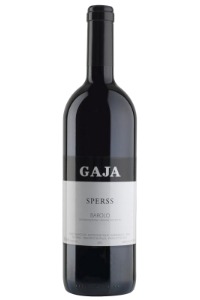
Sperss Barolo – Gaja 2019
Barolo, Piedmont, Italy
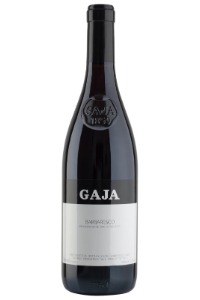
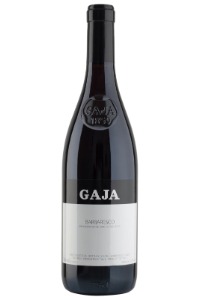
Barbaresco – Gaja 2021
Barbaresco, Piedmont, Italy
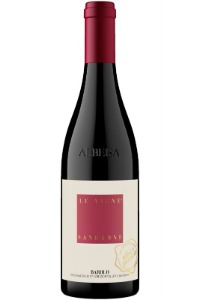
Barolo Le Vigne Sibi Et Paucis – Sandrone 2014
Barolo, Piedmont, Italy
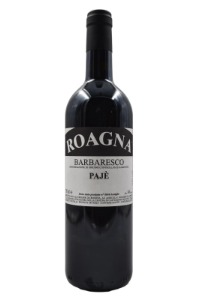
Barbaresco Paje – Roagna 2020
Barbaresco, Piedmont, Italy
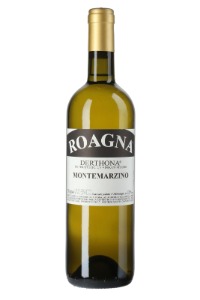
Derthona Montemarzino Timorasso – Roagna 2023
Piedmont, Italy
Vigna Francia Barbera d’Alba – Giacomo Conterno 2023
Alba, Piedmont, Italy
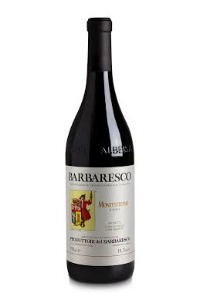
Montestefano Riserva – Produttori del Barbaresco 2020
Barbaresco, Piedmont, Italy
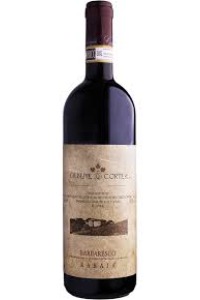
Barbaresco Rabaja DOCG – Giuseppe Cortese
Barbaresco, Piedmont, Italy
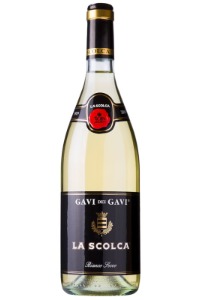
Gavi dei Gavi Black Label – La Scolca 2024
Roero, Piedmont, Italy
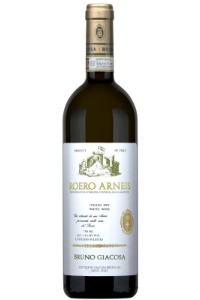
Roero Arneis – Bruno Giacosa 2024
Roero, Piedmont, Italy
The ranking above brings together ten exceptional Piedmont wine bottles at prices ranging from $55 to $600. Dominating our rankings is the Sperss Barolo 2019 by Gaja, priced at approximately $600 and rated 5/5. Its extraordinary structure marks it as a wine built for decades. Each selection represents outstanding quality for its price point and appellation, spanning Barolo, Barbera, Arneis, Gavi, Barbaresco and Timorasso and covering a variety of styles and communes within the Langhe hills.
A region of kings and queens: Barolo, Barbaresco and beyond
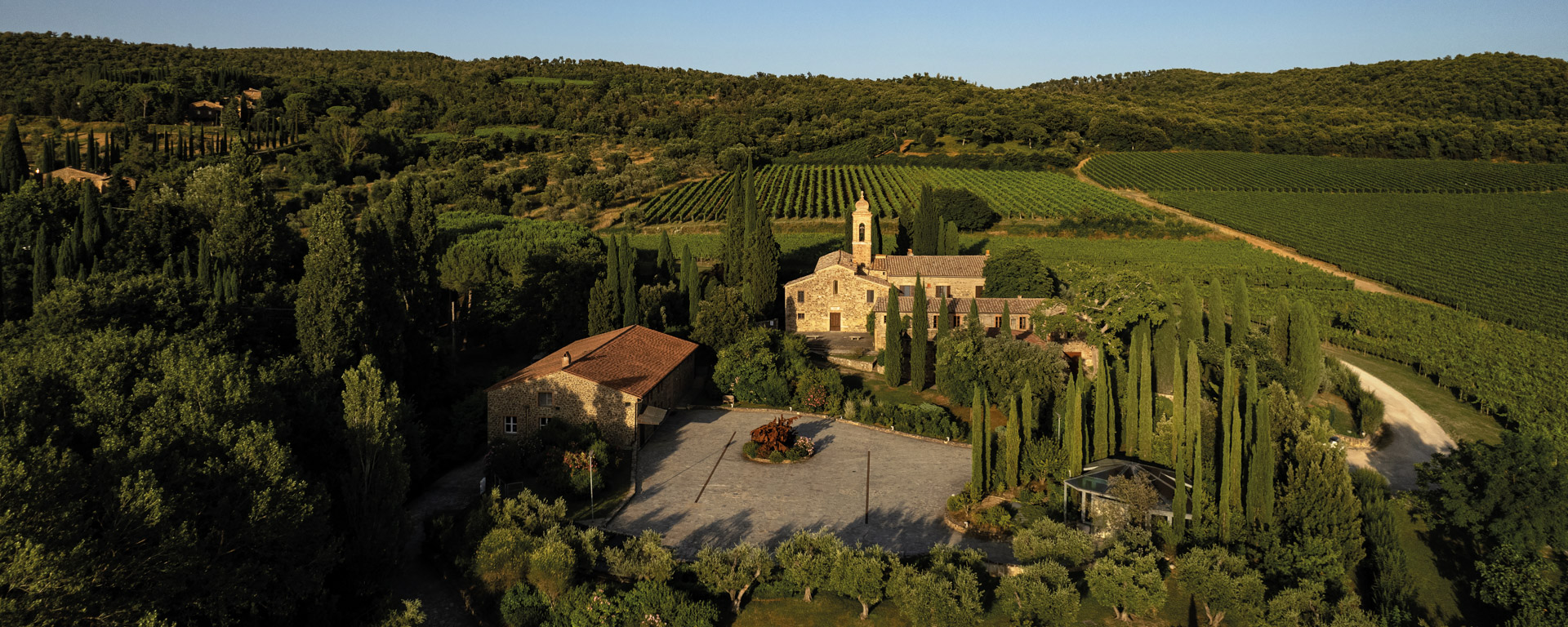
Stretching across the foothills of the western Alps in northwestern Italy, Piedmont (Piemonte in Italian) is one of the great wine regions of the world and arguably the single most compelling source of age worthy red wines on the planet outside of Bordeaux and Burgundy. Where France commands the headlines, Piedmont rewards those who look deeper: a region of extraordinary complexity and tradition, built around one of the world’s most challenging and rewarding grape varieties.
Piedmont is best understood through the lens of Nebbiolo, a grape so demanding, so terroir sensitive and so capable of transcendence that it has shaped the entire agricultural and cultural identity of the Langhe hills around the town of Alba. But Piedmont is far more than Nebbiolo alone. Barbera and Dolcetto offer everyday pleasure; Moscato d’Asti provides ethereal sweetness; Gavi and Arneis deliver refreshing whites. Together, these grapes make Piedmont one of the most complete wine regions in the world.
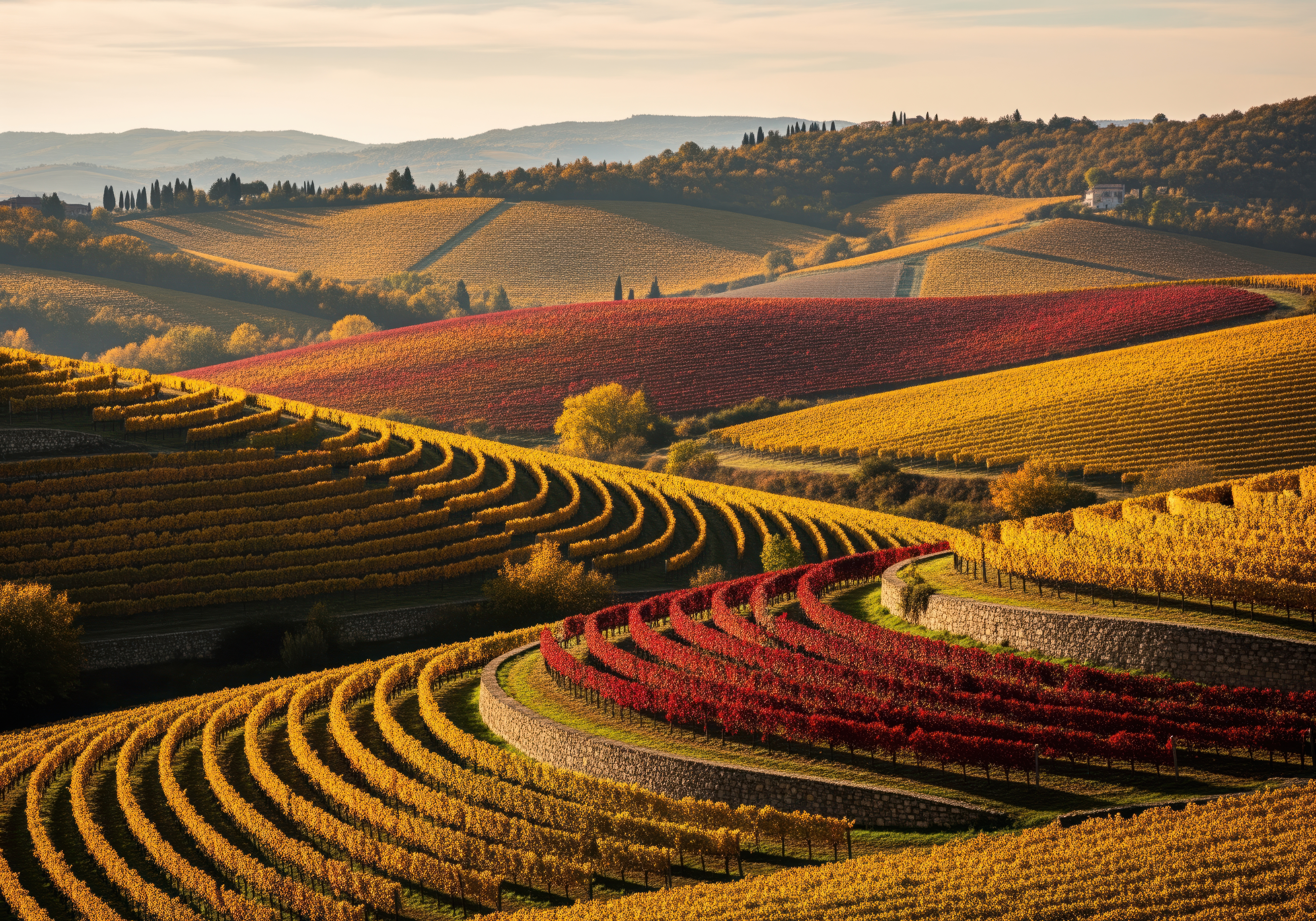
Barolo: the King of Italian wine
Barolo, produced in five core townships, namely La Morra, Barolo, Castiglione Falletto, Serralunga d’Alba and Monforte d’Alba, is widely regarded as Italy’s greatest red wine. Made exclusively from Nebbiolo, it is a wine of paradoxes: a pale, almost translucent garnet colour that belies an enormous structure; aromatics of rose petal and dried violets that give way to tar, tobacco, leather and truffle with age; and tannins that seem impenetrable in youth yet evolve into extraordinary silkiness over decades of cellaring.
The two dominant soil types of the Barolo DOCG produce markedly different wines. Tortonian soils in La Morra and Barolo village yield rounder, more perfumed and earlier drinking wines. Helvetian soils in Serralunga d’Alba and Monforte d’Alba produce wines of iron fisted power, dense tannins and extraordinary longevity. Understanding this east west axis is key to navigating the Barolo landscape.
Did you know? Barolo must be aged for a minimum of 38 months before release, with at least 18 of those months in oak. Riserva Barolo requires 62 months of ageing. This extended maturation is one of the reasons Barolo commands such reverence and patience from collectors.
Barbaresco: the Queen of Piedmont
Just a few miles east of Alba, in the four townships of Barbaresco, Neive, Treiso and San Rocco Seno d’Elvio, a wine of entirely different character emerges from the same Nebbiolo grape. Barbaresco is often called the Queen to Barolo’s King: more perfumed, silkier, more approachable in its youth, yet no less capable of extraordinary complexity and longevity.
The slightly warmer microclimate near the Tanaro River and the more nutrient rich soils of Barbaresco encourage earlier ripening, resulting in Nebbiolo with softer tannins and a more delicate, floral aromatic profile. Where Barolo can feel austere and reserved in its youth, a well made Barbaresco opens with an almost seductive immediacy, displaying rose petal, cherry, strawberry and violet, before revealing deeper notes of tobacco, leather and mineral with time spent in the glass. Barbaresco requires only 26 months of aging before release, compared to Barolo’s 38, making it more accessible to enthusiasts who cannot wait a decade before pulling a cork.
A complete Piedmont wine list: every appellation worth knowing
Piedmont produces wines across more than 40 appellations, yet most drinkers only ever encounter Barolo and Barbaresco. Beyond these icons lies a world of vibrant reds, refreshing whites and irresistible sparkling wines that reward curiosity. Here is every key Piedmont wine you should know.
| Appellation | Type | Key Grapes | What to Expect |
|---|---|---|---|
| Barolo | Red | Nebbiolo 100% | The King of Italian wine. Full bodied, tannic and perfumed with tar and roses, demanding long ageing to reveal extraordinary complexity. |
| Barbaresco | Red | Nebbiolo 100% | The Queen of Piedmont. Softer and more approachable than Barolo, with silky tannins, floral perfume and elegant red fruit. |
| Barbera d’Asti DOCG | Red | Barbera | Piedmont’s most widely planted grape. Rich colour, high acidity, bright cherry and plum flavours. Excellent with food. |
| Barbera d’Alba DOC | Red | Barbera | More structured than Asti, often from hillside sites near Barolo. Versatile, juicy and food friendly. |
| Dolcetto d’Alba DOC | Red | Dolcetto | Soft, fruity and approachable. Black cherry and licorice with gentle tannins. The everyday wine of the Langhe. |
| Moscato d’Asti DOCG | Sweet / Sparkling | Moscato Bianco | Delicate, low alcohol frizzante. Peach, apricot and honey. Italy’s most charming dessert wine. |
| Gavi DOCG | White | Cortese | Crisp, mineral driven whites with citrus and almond. A refreshing counterpoint to the region’s powerful reds. |
| Roero DOCG | Red / White | Nebbiolo, Arneis | Lighter, perfumed Nebbiolos from sandy soils across the Tanaro River. Arneis white is aromatic and mineral. |
| Langhe DOC | Red / White | Nebbiolo, Barbera, Chardonnay | A versatile umbrella designation. Langhe Nebbiolo is an excellent approachable entry point to the region. |
| Alta Langa DOCG | Sparkling | Pinot Noir, Chardonnay | Piedmont’s finest metodo classico sparklers. Elegant and precise, produced from high altitude vineyards in the southern Langhe. |
| Gattinara DOCG | Red | Nebbiolo (Spanna), Vespolina | Northern Piedmont Nebbiolo of historic pedigree. Austere, complex and long lived wines from volcanic soils. |
| Ghemme DOCG | Red | Nebbiolo (Spanna) | Structured, earthy reds from the Novara hills. Underrated by collectors and often has remarkable value. |
The families and estates that define Piedmont
No discussion of Piedmont wine is complete without recognising the families whose generations of work have shaped the region’s reputation. Gaja, founded in 1859 in the village of Barbaresco, is arguably the single most transformative name in modern Italian wine. Under Angelo Gaja’s revolutionary leadership from the 1960s onwards, the estate pioneered single vineyard Barbaresco, introduced French barriques to Piedmont and brought the region to global attention. Today, the Gaja family produces wines across Barbaresco, Barolo and beyond, from the legendary Sorì San Lorenzo and Sorì Tildìn to their entry level Barbaresco, which remains one of the most sought after bottles in the appellation.
Giacomo Conterno, established in Monforte d’Alba and now run by Roberto Conterno, is the standard bearer for traditional Barolo. Their Monfortino Riserva, aged for over seven years in large Slavonian oak and only produced in exceptional vintages, is considered by many critics to be the greatest Barolo ever made and one of the finest wines in the world.
At the opposite stylistic pole, Elio Altare pioneered the modernist Barolo movement in the 1980s, reducing maceration times and introducing French barriques to craft wines of immediate charm and seductive fruit.
Vietti, run from the hilltop cellar in Castiglione Falletto, produces a comprehensive range of Barolos and Barbarescos from some of the finest crus in the Langhe, including Ravera, Brunate and Roncaglie.
Bruno Giacosa, whose legendary red label Riservas from the Falletto vineyard in Serralunga d’Alba command cult prices at auction, represents the pinnacle of traditional craftsmanship.
Produttori del Barbaresco, the celebrated cooperative of Barbaresco, remains one of the most reliable sources of benchmarked, terroir expressive Nebbiolo at accessible prices, their single vineyard Riservas ranking among the finest bottles in the appellation.
Understanding recent vintages in the Piedmont wine region
Vintage variation is perhaps more significant in Piedmont than in almost any other major wine region. Nebbiolo is notoriously sensitive to the particulars of each growing season and the difference between a great year and a merely good one can be dramatic in terms of depth, structure and ageing potential.
The 2016 vintage in Barolo and Barbaresco is widely regarded as one of the greatest ever recorded: a long, cool growing season produced wines of extraordinary aromatic purity, perfectly ripe tannins and exceptional balance. Buy 2016 Barolo now while there is still stock available.
The 2019 vintage is shaping up to be another long distance runner, with freshness, depth and concentration from a near ideal growing season.
The 2020 vintage in Piedmont was warm and generous, producing wines of ripe fruit, supple tannins and early approachability. This vintage is excellent for drinking now and over the next decade, offering seductive charm rather than the strictest structure.
The 2021 vintage saw a difficult spring; cold, wet and subject to frost, followed by an outstanding summer and autumn. The result was wines of remarkable elegance, precision and aromatic intensity, potentially rivalling 2016 in the finest producers’ cellars.
For collectors and long term investors, the vintages to prioritise are 2010, 2013, 2016 and 2019, each offering superb quality and the structural backbone to evolve for decades. In general, wines from these years represent outstanding choices for both drinking now and laying down for the future.
What food pairs well with Piedmont wines?
One of the great pleasures of Piedmont wines is their extraordinary affinity with the regional cuisine. Barolo, with its tannic power and earthy complexity, is tailor made for the rich, slow cooked dishes of northern Italian cooking, including braised beef, venison, wild boar stew and the famous brasato al Barolo.
Barbaresco, slightly more approachable, pairs magnificently with roasted meats, veal, duck and the truffle laced pasta dishes of the Langhe.
The region’s lighter reds, Barbera and Dolcetto, are perfect everyday companions for pizza, pasta and cured meats.
And no meal is more purely Piedmontese than a plate of tajarin with butter and white truffle alongside a well aged Barolo from Serralunga.
Our top food pairings with Piedmont wine include:
- Barolo with braised beef, venison stew and white truffle risotto
- Barbaresco: roast lamb, rabbit, pasta with rich meat ragù
- Barbera d’Asti paired with pizza, grilled sausages and fresh cheese
Have a look at the table below for more food pairing ideas with the different wines from Piedmont.
| Wine Style | Key Characteristics | Ideal Food Pairings |
|---|---|---|
| Barolo (Nebbiolo) | Full bodied, tannic, tar and roses, age worthy | Braised beef in Barolo, venison stew, lamb chops with rosemary, white truffle risotto, aged Parmigiano-Reggiano |
| Barbaresco (Nebbiolo) | Elegant, silky, perfumed, approachable earlier | Roast lamb, duck confit, veal with mushrooms, rabbit, pasta with rich meat ragù, semi aged Toma |
| Barbera d’Asti / d’Alba | Bright acidity, juicy red fruit, medium body | Pizza, pasta with tomato sauce, grilled sausages, antipasto, roasted chicken, fresh Robiola cheese |
| Dolcetto | Soft, fruity, low tannin, easy drinking | Cured meats, soft cheeses, pasta al pesto, light pasta dishes, aperitivo platters |
| Moscato d’Asti | Light, sweet, gently sparkling, floral | Panettone, fresh berries, peach tart, almond biscotti, foie gras, blue cheese such as Gorgonzola |
| Gavi / Arneis | Crisp, mineral, citrus driven, refreshing | Pan seared sea bass, grilled shrimp, crudités, light seafood antipasto, fresh goat’s cheese |
Barolo and structured Barbaresco benefit from at least one to two hours of decanting, which allows their tightly wound tannins and aromatics to fully unfold. Older vintages may benefit from careful decanting or simply opening the bottle an hour before serving.
How to shop for Piedmont wines
When shopping for Piedmont wines, pay particular attention to producer reputation, commune and vintage year. See below a few practical tips:
- For Barolo priced above $80, look for bottles from established estates like Vietti, Paolo Scavino, Sandrone, Pio Cesare and Massolino, as well as smaller artisan producers such as Luigi Pira, Elio Grasso and Giovanni Rosso.
- For Barbaresco, Gaja, Produttori del Barbaresco, Bruno Giacosa, Sottimano and Castello di Neive represent the appellation’s finest expressions. Prunotto and Massolino offer excellent entry level bottles without sacrificing quality.
- Look for wines from named crus (Menzioni Geografiche Aggiuntive) such as Brunate, Cannubi, Serralunga, Rabajà, Asili and Gallina.These single vineyard wines are the clearest expression of Nebbiolo’s terroir sensitivity and often represent the best value relative to prestige.
Cellaring and collecting Piedmont wines
Among Italy’s major wine regions, Piedmont stands alone for the ageing potential and collectability of its finest bottles. A great Barolo from Giacomo Conterno or Bruno Giacosa can evolve for 40 to 60 years. A top Barbaresco from Gaja or Produttori del Barbaresco holds beautifully for 20 to 30 years. The finest Piedmont wines regularly appear at international auction and appreciate steadily in value, yet they remain significantly underpriced relative to comparable Burgundy Grand Crus.
For collectors, the most investable bottles come from Barolo estates with long track records: Giacomo Conterno’s Monfortino Riserva (the most revered wine in the appellation), Gaja’s single vineyard crus, Bruno Giacosa’s red label Riservas and Bartolo Mascarello‘s uncompromising traditional Barolos. In Barbaresco, Gaja’s Sorì San Lorenzo and Sorì Tildìn are benchmark collectibles. These wines all benefit from at least 10 to 15 years of cellaring and will reward patience with extraordinary complexity.
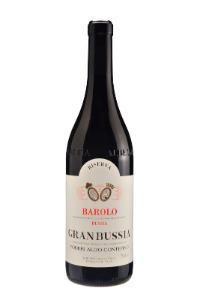
Granbussia Barolo Riserva – Aldo Conterno 2012 – Barolo, Piedmont, Italy
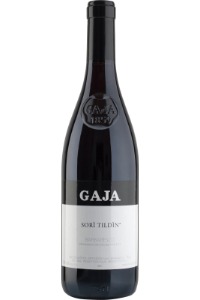
Sori Tildin – Gaja 2021 – Barbaresco, Piedmont, Italy
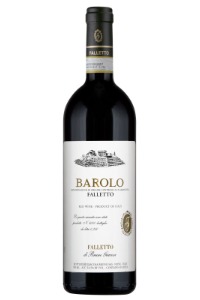
Barolo Falletto – Bruno Giacosa 2020 – Barolo, Piedmont, Italy
Final thoughts: why Piedmont wines deserve a place on your list
Piedmont is, in many respects, the great undercelebrated region of European fine wine. While Burgundy and Bordeaux dominate the headlines and the auction rooms, Piedmont quietly produces wines of comparable depth, longevity and emotional resonance, often at a fraction of the price. Nebbiolo is a grape of rare beauty: capable of conveying place with the precision of Pinot Noir while delivering the structural power of Cabernet Sauvignon.
The ten wines in our ranking represent the very best of what we love across the full price spectrum, from the magnificent Gaja Sperss Barolo 2019 at the top to the outstanding value Bruno Giacosa Roero Arneis 2024. Each one is a worthy ambassador for a region that continues to inspire and astonish wine lovers worldwide. Explore these bottles, invite friends to the table and let Piedmont do what it has always done best: turn a meal into a memory.
You might also be interested in
FAQ on Piedmont wines
Why is Barolo called the King of Italian wines?
The title comes down to power, longevity and complexity. Barolo is made from 100% Nebbiolo and must be aged for over three years before release, with the finest bottles capable of evolving for 30 to 50 years. Its combination of robust tannins, high acidity, extraordinary aromatic depth from tar, roses, truffle, leather; and the ability to express individual vineyard sites with Burgundy like precision places it in a category of its own in the Italian wine hierarchy.
What is the difference between Barolo and Barbaresco?
Both are made from 100% Nebbiolo grown in the Langhe hills of Piedmont, but they differ fundamentally in character and style. Barolo is firmer, more structured and deeply tannic, requiring extended ageing to reveal its full beauty. Barbaresco is generally softer, more perfumed and approachable earlier, with lower minimum ageing requirements. Think of Barolo as the power and Barbaresco as the elegance, though the finest bottles of each achieve both.
Which Piedmont wine should I start with if I am new to Nebbiolo?
Start with a Langhe Nebbiolo or a well made Barbaresco from a reliable producer such as Produttori del Barbaresco or Massolino. These wines offer Nebbiolo's hallmark cherry, rose and earthy notes in a more approachable, less tannic format. From there, move to a village level Barolo before progressing to single cru bottles and aged Riservas. Barbera d'Asti is also a wonderful gateway to Piedmont, less tannic than Nebbiolo but full of personality.
Can Piedmont wines age as well as Burgundy or Bordeaux?
Absolutely, and this is one of the region's best kept secrets. A great Barolo from Conterno or Giacosa can evolve for 40 to 60 years. Top Barbaresco from Gaja holds beautifully for two to three decades. The difference is that you are not paying Burgundy Grand Cru prices for that kind of longevity, which makes Piedmont one of the smartest and most rewarding regions in which to build a cellar.
Is the 2016 vintage as exceptional as critics claim?
Yes. The 2016 vintage in Barolo and Barbaresco is considered by many experts to be one of the greatest of the modern era: a long, cool growing season with no heat stress produced wines of extraordinary aromatic definition, perfectly ripe tannins and superb natural acidity. They have everything, a structure for decades of evolution and the fruit purity to be magnificent along the way. Buy them now before they disappear from the secondary market.
Do I need to decant Piedmont wines before serving them?
For Barolo and structured Barbaresco, decanting for at least one to two hours is strongly recommended. These wines are built with firm tannins and tightly wound aromatics that genuinely benefit from air exposure. Young Barolos from powerful vintages may need three or more hours. More accessible Barbaresco and wines from lighter vintages can be opened shortly before serving. When in doubt, pour a small taste first and give the rest time to open up in the decanter.
