The ultimate guide to Portuguese wine 2026
One of the wine world’s oldest secrets, Portugal is home to unique indigenous grapes and diverse wine regions. Portuguese wine has evolved from quaffable Vinho Verde bottles into fine wines for collectors. This is our guide to the best Portuguese wines, led by our top pick: D’Oliveira Sercial Madeira 1977.

The 10 best Portuguese wines to add to your cellar
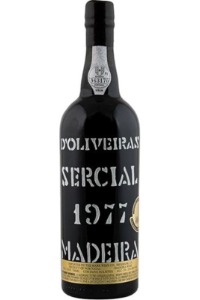
Sercial Madeira – D’Oliveira 1977
Madeira, Portugal
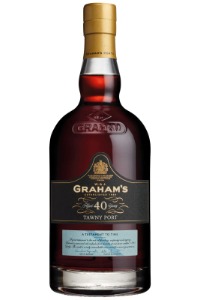
40 Year Old Tawny Port – Graham’s
Douro, Portugal
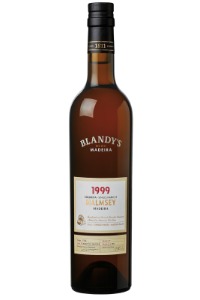
Colheita Malmsey Single Harvest Madeira – Blandy’s 1999
Madeira, Portugal
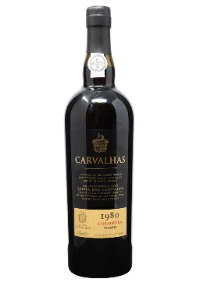
Colheita Port – Quinta Das Carvalhas
Douro, Portugal
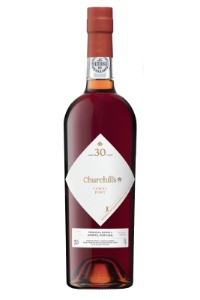
30 Year Old Tawny Port – Churchill’s
Douro, Portugal
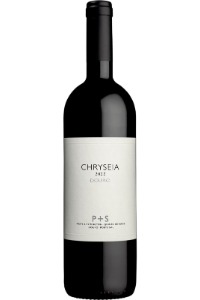
Chryseia Duoro – Prats & Symington 2022
Douro, Portugal
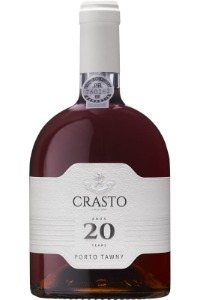
20 Years Old Tawny Port – Quinta do Crasto
Douro, Portugal
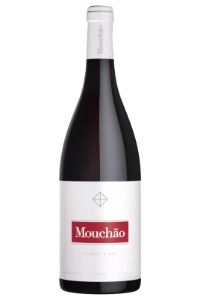
Tinto – Herdade do Mouchão 2017
Alentejo, Portugal
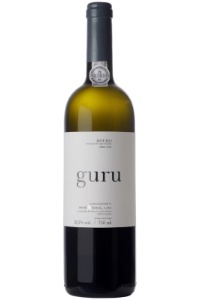
Guru – Wine & Soul 2023
Douro, Portugal
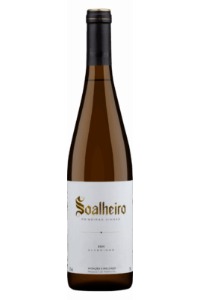
Vinhas Alvarinho – Soalheiro Primeiras 2024
Vinho Verde, Portugal
This month’s selection is a curated list of ten exceptional Portuguese wines, priced from $37 to $560. They include D’Oliveira Sercial Madeira 1977, our 5/5 ace pick, which you can buy for approximately $560. This is a vintage wine of exceptional structure and longevity, having matured for over 20 years in oak casks before bottling. Every bottle you find here represents outstanding quality for its price point, spanning the finest Portuguese wine regions for Portuguese red wine, white wine and green wine (vinho verde).
A country of diversity: understanding the Portuguese wine regions
Portugal is a country of astonishing viticultural diversity for its size. In an area smaller than the state of Indiana, it encompasses wine regions that range from one of the coolest and rainiest in Western Europe to some of the driest and hottest, often separated by no more than a mountain range. This extraordinary climatic range, combined with the country’s stubborn commitment to its own native grape varieties rather than the international blending grapes that have homogenised much of the world’s wine production, gives Portuguese wine an identity that is genuinely unlike anything else.
Portugal also holds a place of unique historical significance in the wine world. The Douro Valley was the world’s first officially demarcated wine region in 1756 (predating Bordeaux by a century), and its UNESCO protected terrace landscape is one of the great viticultural wonders of the world. The country has also preserved, largely through geographical and political isolation during the 20th century, hundreds of indigenous grape varieties that have yet to be fully explored by the international market. This indigenous diversity is now one of the most compelling reasons to drink Portuguese wine: it offers flavours, textures and terroir expressions that cannot be found anywhere else on the planet.
The Douro: the beating heart of Portuguese red wine
The Douro Valley is the most celebrated of all the Portuguese wine regions and the spiritual home of Portuguese red wine at its most ambitious and age worthy. The region’s vineyards cling to vertiginously steep terraces above the rushing Douro River, carved from schist, which is a dark, heat absorbing slate like rock that forces vine roots deep into the earth in search of water, producing wines of extraordinary concentration and minerality. Summers are searing and winters brutal, the valley effectively isolated from Atlantic influence by the Serra do Marão mountains.
The great Portuguese red wines of the Douro are built around a small group of noble indigenous grapes: Touriga Nacional, celebrated for its intense violet aromatics, dark fruit and firm, polished tannins; Tinta Roriz (Spain’s Tempranillo), which adds red fruit and bright acidity; Touriga Franca for floral perfume and persistence; and Tinta Barroca for texture and generosity. These are the same varieties that make Port, the Douro’s great fortified wine, but in the hands of pioneers like Dirk Niepoort and the Roquette family at Quinta do Crasto, they produce still wines of extraordinary finesse and longevity.
Did you know? The Douro Valley’s terraced vineyards, many of them still worked entirely by hand, were designated a UNESCO World Heritage Site in 2001. Some of the schist walls supporting these terraces were built by the Romans over 2,000 years ago and are still in use today. The valley also holds the distinction of being the world’s oldest demarcated wine region, established in 1756 by the Marquis of Pombal.
Vinho Verde: the world’s most refreshing Portuguese green wine
Vinho Verde, literally “green wine” in Portuguese, takes its name not from its colour but from its youth and freshness: these are wines meant to be drunk young, when their aromatics and citrus vitality are at their most vibrant. Produced in the Minho region of northwest Portugal, where Atlantic rainfall is generous and granite soils give wines their characteristic mineral freshness, Vinho Verde is one of the most versatile and food friendly wine styles in the world. The classic style is light, dry, low in alcohol and kissed with a slight natural effervescence, making it refreshing in a way that is almost unique among table wines.
But the finest Portuguese green wine, particularly from the Monção e Melgaço sub region along the Minho River, is a different proposition entirely. Here, the Alvarinho grape (known as Albariño in neighbouring Galicia) produces wines of remarkable body, aromatic richness and longevity.
Soalheiro, the benchmark estate of the region, has been producing single varietal Alvarinho since 1974 and its wines now command international recognition as some of Portugal’s finest whites. A great Soalheiro Alvarinho is not a quaffing wine, it is a serious, complex and ageworthy white that evolves beautifully over five to ten years.
Alentejo: the generous soul of Portugal
Drive south from Lisbon through fields of wheat, cork oaks and olive groves and you enter the Alentejo. This is a vast, golden plain that covers roughly a third of Portugal’s landmass and produces some of its most approachable and internationally successful wines. The climate here is Mediterranean, warm and dry, with long sunny summers that encourage full ripeness and generous, mouth filling fruit. The principal red grapes are Aragonez (Portugal’s name for Tempranillo), Trincadeira and Alicante Bouschet, producing wines of ripe plum, mocha, dark cherry and spice. Herdade do Esporão, one of the most important and admired estates in the Alentejo, farms nearly 700 hectares of organic vineyards and olive groves, the largest certified organic estate in Portugal, and produces Portuguese red wine and Portuguese white wine of consistently outstanding quality at highly accessible price points.
Dão and Bairrada: the elegant heartlands of central Portugal
Inland from Coimbra, sheltered by mountain ranges from both the Atlantic and the hot Alentejo plains, the Dão region is one of the most exciting in Portugal’s current wine renaissance. Its granite and schist soils and cool, balanced climate produce reds of notable elegance, perfume and structure. These wines are lighter boned than the Douro but no less complex, with Touriga Nacional showing a floral, refined side quite different from its Douro character.
The white Encruzado grape of the Dão is regarded by many critics as one of Portugal’s finest white varieties, producing rich, textured, Burgundian style wines of real depth. The Bairrada, to the west of the Dão on clay limestone soils near the Atlantic coast, has long been the home of Baga, a deeply tannic, high acid red variety that in the right hands produces wines of extraordinary longevity and complexity and an increasingly celebrated tradition of traditional method sparkling wine.
A complete guide to Portuguese wine regions: every appellation worth knowing
Portugal produces wines across more than 30 demarcated regions and regional designations. Here are the key Portuguese wine regions every drinker should know.
| Region | Type | Key Grapes | What to Expect |
|---|---|---|---|
| Douro | Red / White | Touriga Nacional, Tinta Roriz, Touriga Franca, Tinta Barroca, Gouveio, Viosinho | Portugal’s most prestigious Portuguese wine region. Steep schist terraces along the Douro River produce powerful, age worthy Portuguese red wines of extraordinary complexity alongside increasingly celebrated whites. |
| Vinho Verde (Portuguese green wine) | White / Rosé / Red | Alvarinho, Loureiro, Arinto, Azal, Trajadura | The home of Portuguese green wine. Light, fresh, slightly effervescent whites with zesty acidity. The Monção e Melgaço sub region produces serious, fuller bodied Alvarinho of international renown. |
| Dão | Red / White | Touriga Nacional, Alfrocheiro, Tinta Roriz, Encruzado | Elegant, granite influenced reds and some of Portugal’s finest whites from Encruzado. Dão wines are cooler, more refined and aromatic than their Douro counterparts. This is a region on the rise. |
| Alentejo | Red / White | Aragonez, Trincadeira, Alicante Bouschet, Antão Vaz, Arinto | Vast sun drenched plains produce some of the best value Portuguese red wine and increasingly impressive whites. Ripe, generous and approachable, ideal for everyday drinking and premium collectors alike. |
| Bairrada | Red / Sparkling | Baga, Touriga Nacional, Arinto | Baga driven reds of powerful tannin and bright acidity with excellent ageing potential. Also known for Portugal’s finest traditional method sparkling wines. The Filipa Pato revolution has brought international attention to this region. |
| Tejo | Red / White | Touriga Nacional, Aragonez, Fernão Pires, Arinto | Riverine vineyards east of Lisbon that produce fresh, approachable Portuguese red wine and white wine at excellent value. Some more serious estates are pushing quality to new heights. |
| Lisboa (Estremadura) | Red / White | Castelão, Touriga Nacional, Arinto, Fernão Pires | Coastal wine region northwest of Lisbon. Broad and varied in style, from light everyday reds and whites to serious single quinta wines. Sub regions include Colares, with its unique ungrafted sandy soil vines. |
| Setúbal Peninsula | Red / White | Castelão, Moscatel de Setúbal, Fernão Pires | Home to the renowned Moscatel de Setúbal fortified wine and increasingly impressive dry reds and whites from the Arrábida hills overlooking the Atlantic. |
| Madeira | Fortified | Sercial, Verdelho, Bual, Malmsey (Malvasia), Tinta Negra | Island wines of legendary longevity. Unique volcanic terroir and deliberate oxidation produce fortified wines that can last for a century or more. One of the world’s most underappreciated fine wine styles. |
| Azores (Pico) | Red / White | Arinto, Verdelho, Terrantez do Pico | Extraordinary volcanic wines from centuries old basalt curretos on the island of Pico, a UNESCO World Heritage Site. Some of the most unique and mineral driven whites in Europe. |
Three Portuguese wine producers that define the country’s fine wine identity
Portuguese wine is produced by hundreds of quintas (wine estates), ranging from historic family estates dating back centuries to a new generation of natural winemakers working with abandoned old vine vineyards. The three producers below represent the essential pillars of Portugal’s wine identity, the names that have shaped the country’s international reputation and whose wines belong on any serious list.
Niepoort: the revolutionary genius of the Douro
Few names in Portuguese wine command more admiration internationally than Niepoort. The family arrived in Porto from the Netherlands in 1842 and spent five generations producing outstanding Port wines. Then, in the late 1980s, the fifth generation’s Dirk Niepoort did something that at the time seemed almost eccentric: he began making dry, unfortified table wines from the Douro’s ancient vineyards. His 1991 Redoma Tinto, the first release, is now recognised as a landmark moment in Portuguese wine history. It was this bottle that helped launch the modern Douro fine wine revolution. Today, Niepoort owns 80 hectares of organically farmed vines across the Douro, Dão, Bairrada and Vinho Verde, producing a range of wines that spans from the entry level Twisted to the extraordinary Batuta single quinta red. What unites the entire range is Dirk’s guiding philosophy: low alcohol, minimal intervention, maximum freshness and a profound respect for the old vines and indigenous grapes of Portugal.
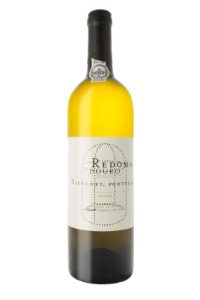
Redoma Branco – Niepoort 2024
Douro, Portugal
Quinta do Crasto: the Douro’s finest estate red
Founded in 1615 and located on one of the most privileged sites in the entire Douro Valley, a sweeping curve of the river in the Cima Corgo at an elevation of 250 metres, Quinta do Crasto is the standard bearer for premium Portuguese red wine from the Douro. The estate was purchased in the early 20th century by Constantino de Almeida, founder of one of Oporto’s great Port houses, and today is run by the Roquette family, the same family behind Herdade do Esporão, with a level of viticultural precision that rivals the finest estates in Europe. Their flagship Reserva Old Vines, made from a blend of more than 30 grape varieties sourced from vines with an average age of 70 years, is consistently rated among the finest Portuguese wines produced anywhere in the country. The estate also produces outstanding white Douro wines, single variety Touriga Nacional and a superb Douro Superior bottling from their higher-altitude vineyards.
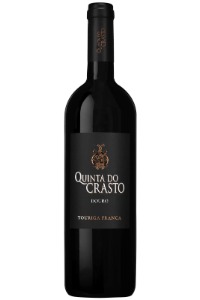
Douro Touriga Franca – Quinta do Crasto 2019
Douro, Portugal
Herdade do Esporão: Alentejo’s organic standard bearer
Herdade do Esporão is not merely one of the finest estates in the Alentejo, it is one of the most important wine properties in Portugal and a trailblazer for organic viticulture across the entire country. The estate’s boundaries have remained unchanged since 1267 and today it farms nearly 700 hectares of certified organic vineyards and olive groves, making it the largest organic estate in Portugal. The iconic white tower on the label, built in the 1400s, is one of the most recognisable symbols in Portuguese wine. Under the Roquette family ownership (the same family as Quinta do Crasto), Esporão has become a benchmark not only for Portuguese red wine but also for Portuguese white wine. Their Reserva White, made from Antão Vaz, Roupeiro and Arinto, is one of the finest full bodied whites in the country. The estate also produces outstanding Moscatel de Setúbal, olive oil and a range of wines spanning every price point from the entry level Monte Velho to the premium Esporão Reserva.
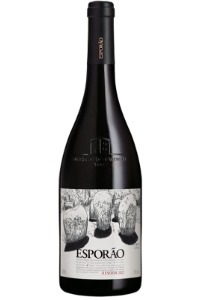
Reserva Red – Herdade do Esporao 2021
Alentejo, Portugal
Understanding recent vintages in the Portuguese wine regions
Vintage variation is significant in Portugal, particularly in the Douro, where the continental climate produces pronounced differences from year to year. The south (the Alentejo) is generally more consistent, benefiting from its Mediterranean conditions and less dramatic seasonal variation.
The 2017 vintage in the Douro was outstanding: a warm, dry year that produced deeply concentrated Portuguese red wines of exceptional balance and aging potential. Critical scores were among the highest recorded for the region in two decades and 2017 Douro reds from the top quintas are wines to seek out now before they disappear from the secondary market. The 2019 vintage was similarly excellent, perhaps more elegant and aromatic than 2017, with outstanding freshness and mineral definition in both reds and whites.
The 2020 vintage in the Douro and Alentejo produced wines of generosity and approachability. They are warm and ripe, ideal for drinking now and over the next decade.
The 2021 vintage across Portugal was cooler and more elegant, producing wines of exceptional aromatic precision and freshness that many critics regard as the finest across all Portuguese wine regions since 2017.
For Vinho Verde and Alvarinho, the 2022 vintage was particularly celebrated for its balance of richness and natural acidity.
For Portuguese Port wine, the 2017 and 2016 vintages were both declared exceptional by the major Port houses, producing Vintage Ports of extraordinary concentration and longevity. The 2011 and 2007 vintages are also regarded as among the finest of the modern era.
What food pairs well with Portuguese wines?
Portugal’s wines are extraordinarily well adapted to its national cuisine, a rich tradition built on fresh Atlantic seafood, cured meats, slow cooked stews and some of the most versatile cheeses in Europe.
Portuguese green wine, with its fresh citrus acidity and gentle fizz, is one of the great seafood wines in the world, pairing magnificently with grilled sardines, percebes (barnacles) and any number of fresh fish preparations.
The full bodied Portuguese red wines of the Douro demand robust partners: braised lamb, wild boar, game birds and the extraordinary diversity of Portuguese cured sausages.
Alentejo reds, warmer and more generous in texture, are perfect with the region’s own slow cooked pork and lamb dishes.
And Madeira, one of the world’s most versatile wines at the table, bridges the gap between an aperitif and a partner for the richest and most complex dishes imaginable.
Our top food pairings with Portuguese wines are:
- Douro red wines with roast lamb, wild boar stew, aged Serra da Estrela cheese.
- Alentejo red: grilled pork, Alentejo cured meats, pizza
- Portuguese white wines with grilled seafood, creamy bacalhau dishes, white asparagus
- Portuguese green wines: grilled fish, light salads, seafood platters
| Portuguese Wine Style | Key Characteristics | Ideal Food Pairings |
|---|---|---|
| Douro red (Touriga Nacional blends) | Full bodied, dark fruit, violet, tobacco, firm tannins | Roast lamb with garlic and herbs, bacalhau (salt cod) à brás, wild boar stew, aged Serra da Estrela cheese, beef tenderloin |
| Alentejo red (Aragonez, Trincadeira) | Warm, ripe, plum, mocha, generous texture | Grilled pork with piri piri, Alentejo cured meats (enchidos), slow roasted kid, bean and sausage stews (cozido), pizza |
| Dão red (Touriga Nacional, Alfrocheiro) | Elegant, perfumed, red cherry, granite minerality | Roast suckling pig (leitão), partridge, mushroom risotto, mild sausages, medium aged cheeses |
| Bairrada red (Baga) | Firm tannins, bright acidity, cherry, earthy | Leitão (suckling pig), grilled chicken, pork ribs, smoked sausages, aged goat’s cheese |
| Portuguese white wine (Douro Branco, Dão Encruzado) | Complex, mineral, stone fruit, textured | Grilled sea bass, barnacles (percebes), octopus with olive oil and paprika, white asparagus, creamy bacalhau dishes |
| Portuguese green wine (Vinho Verde, Alvarinho) | Light, fresh, citrus, floral, gentle fizz | Grilled sardines, fried sea bream, ceviche, chilled seafood platters, sushi, light salads, grilled prawns |
| Madeira (Verdelho/Sercial) | Nutty, complex, saline, long lived | Consommé, smoked fish, crab soup, mushroom dishes, foie gras, aged cheese boards, rich meat reductions |
Structured Douro reds, particularly from older vintages, benefit from at least one hour of decanting before serving. The tightly wound tannins and complex aromatics of Touriga Nacional based blends genuinely reward patience. Portuguese green wine and Alvarinho should always be served well chilled, between 46-50°F or 8-10°C, to preserve their aromatics and acidity.
How to shop for Portuguese wines
When shopping for Portuguese wine, pay particular attention to the region, the estate name and the vintage year. The country’s diversity means that a Douro red and an Alentejo red are essentially different wine experiences and the best approach is to explore widely. See below a few practical tips:
- For Portuguese red wine priced above $30, focus on single quinta Douro estates. Quinta do Crasto, Niepoort, Quinta do Vale Meão, Ramos Pinto and Quinta dos Avidagos represent outstanding quality and value. In the Alentejo, Esporão, Mouchão and Herdade do Mouchão produce the region’s most serious bottles.
- For Portuguese white wine, the best Douro whites from Niepoort and Quinta do Crasto offer remarkable mineral complexity at accessible prices. Esporão’s Reserva White is the Alentejo benchmark. For serious Encruzado from the Dão, look for labels from Quinta dos Roques or Casa da Passarella.
- For Portuguese green wine and Alvarinho, the essential names are Soalheiro, Anselmo Mendes and Quinta de Santiago from the Monção e Melgaço sub region. For everyday Vinho Verde, look for Loureiro based wines from the Lima Valley, fragrant, delicate and perfect for warm evenings.
Cellaring and collecting Portuguese wines
Portugal is among the most underrated wine regions in the world from a collecting standpoint. The finest Douro reds, particularly single vineyard expressions like Niepoort’s Batuta or the Barca Velha from Ferreira, rival the best Bordeaux and Rhône wines in terms of ageing potential and complexity at a fraction of the price. A great Douro red from 2017 will still be evolving beautifully in 2040. Vintage Port from declared years has been proven to age for 50 to 100 years. And old Madeira, genuinely one of the longest lived wines ever produced, can outlast virtually anything else made by human hands, with bottles from the 19th century still drinking magnificently today.
For collectors building a Portuguese wine cellar, the focus should be on single quinta Douro reds from declared vintages (2017, 2019, 2021 above all), Vintage Port from the great houses (Taylor’s, Graham’s, Fonseca, Niepoort, Quinta do Crasto) and ambitious Dão and Bairrada reds from the new generation of producers. These wines represent some of the most compelling value in fine wine collecting anywhere in the world.
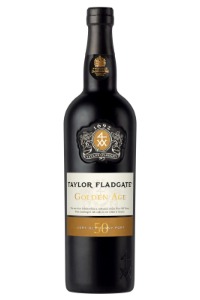
50 Year Old Tawny Golden Age – Taylor Fladgate
Douro, Portugal
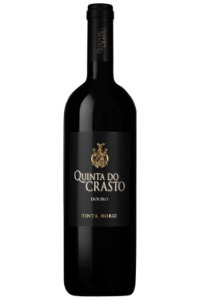
Tinta Roriz – Quinta do Crasto 2018
Douro, Portugal
Colheita – Niepoort 2009
Douro, Portugal
Final thoughts: why Portuguese wine deserves a place on your list
Portugal is, in many respects, the great undiscovered country of European fine wine. It has everything that the most celebrated wine regions offer: ancient vineyards, passionate producers, unique indigenous grapes, dramatic terroir and a winemaking tradition stretching back millennia, yet it has somehow escaped the price inflation that has made equivalent wines from France, Italy or Spain increasingly inaccessible. A great Douro red at $48, a benchmark Alvarinho at $22, a complex old vine Portuguese white wine at $30; these are prices that offer extraordinary drinking at any table.
The ten wines in our ranking represent the very best of what we love across the full spectrum of Portuguese wine: Portuguese red wine, Portuguese white wine, Portuguese green wine and Portuguese Port. Each bottle is a window into a country of astonishing diversity, ancient tradition and boundless excitement. Explore these bottles, share them with friends over bacalhau and slow roasted lamb and let Portugal do what it has always done best: surprise you with its generosity, its depth and its irreplaceable sense of place.
FAQs on Portuguese wines
What are the best Portuguese wines to drink this year?
The best Portuguese wines to drink this year include D’Oliveira Sercial Madeira 1977, Graham’s 40 Year Old Tawny Port and Soalheiro Primeiras Vinhas Alvarinho 2024. Our top ten ranking is a selection of the finest Portuguese wines available on the market this month, rated from 4.6/5 to 5/5 by experts and covering reds, whites and Portuguese green wines from the finest wine regions.
What is Portuguese green wine (Vinho Verde) and why is it called green?
Vinho Verde or Portuguese green wine, gets its name not from its colour (it can be white, rosé or even red) but from its youth and freshness. The "green" refers to the wine's vitality: it is made to be drunk young, while its aromatics, acidity and gentle natural effervescence are at their most vibrant. Produced in the Minho region of northwest Portugal from indigenous grapes including Alvarinho, Loureiro and Arinto, Vinho Verde is low in alcohol, high in acidity and genuinely refreshing in a way that few wines can match. The finest expressions, particularly the Alvarinho from Monção e Melgaço, are fuller, more complex and entirely capable of ageing.
Which Portuguese wine regions produce the best red wines?
The Douro Valley is widely regarded as Portugal's premier source of Portuguese red wine for cellaring and collecting. Its ancient schist vineyards, intense continental climate and indigenous grape varieties, particularly Touriga Nacional, produce wines of extraordinary power, complexity and longevity. The Alentejo produces the most approachable and internationally popular everyday Portuguese red wine, with ripe, generous, immediately pleasing styles. The Dão and Bairrada are increasingly exciting regions for more elegant, age worthy reds, with a new generation of producers generating serious international attention.
What makes Touriga Nacional special?
Touriga Nacional is widely regarded as Portugal's noblest and most distinctive indigenous grape variety. It produces wines of intense violet and dark berry aromatics, concentrated fruit, firm but polished tannins and extraordinary ageing potential. It is the backbone of most serious Douro table wines and the most prized component in Vintage Port blends. Outside Portugal, Touriga Nacional is grown in very few other places, which means that the flavour it produces is genuinely unique to the country. A great Touriga Nacional based Portuguese red wine from a top vintage can evolve for 20 to 30 years.
Is Port still worth drinking in 2026?
Absolutely! And the current generation of Vintage Ports and LBV Ports from the top houses represents some of the finest Portuguese wine being produced anywhere in the country. The 2017 and 2016 declared vintages are outstanding, with structure, concentration and fruit purity that will see them developing for decades. At the accessible end, Late Bottled Vintage Port from Niepoort, Graham's or Taylor's offers remarkable complexity and pleasure for $25 to $35, extraordinary value for wines of this character and craftsmanship. The fashion for serving Port lightly chilled as an aperitif has also given the category a new relevance with younger wine drinkers.
What is the best food to pair with Portuguese wine?
Portuguese wine and Portuguese food are made for each other in a way that is genuinely symbiotic. Vinho Verde and Alvarinho are among the world's great seafood wines, pair them with grilled sardines, percebes, fresh sea bass or any simply prepared Atlantic fish dish. Douro reds demand robust, slow cooked meat preparations: braised lamb, wild boar, roast kid. Alentejo reds, warmer and more generous, are perfect with the region's pork and sausage traditions. And Madeira, which is uniquely versatile, can bridge the gap from aperitif to dessert, pairing brilliantly with everything from smoked fish and consommé to Stilton, crème brûlée and dark chocolate.