

Cabernet Sauvignon buying guide for 2026
Cabernet Sauvignon is the world’s most recognized red wine, originally from Bordeaux (France), now cultivated in major wine regions worldwide. We evaluated Cabernet Sauvignon from leading producers, rating them on a 5 point scale. Our top pick is Paul Hobbs Beckstoffer To Kalon Vineyard Cabernet Sauvignon 2018 (5/5, ~$550).
By
Last updated:
Table of Contents
Best Cabernet Sauvignon wines to purchase this month ranked
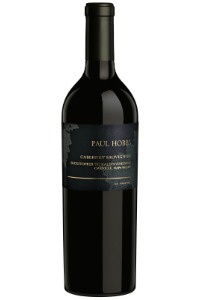
Beckstoffer To Kalon Vineyard Cabernet Sauvignon – Paul Hobbs 2018
California, US
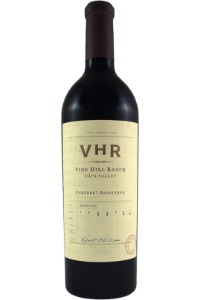
VHR Cabernet Sauvignon – Vine Hill Ranch 2022
California, US
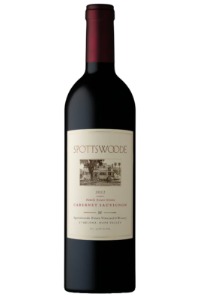
Cabernet Sauvignon – Spottswoode Estate Vineyard & Winery 2022
California, US
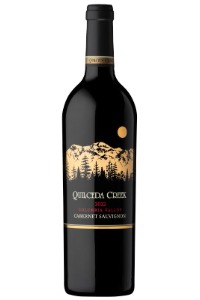
Cabernet Sauvignon – Quilceda Creek 2022
Washington, US
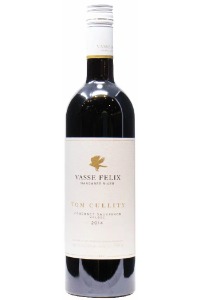
Tom Cullity Cabernet Sauvignon – Vasse Felix 2017
Australia
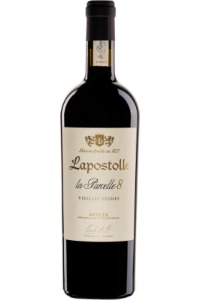
Apalta La Parcelle 8 Cabernet Sauvignon – Lapostolle 2020
Chile
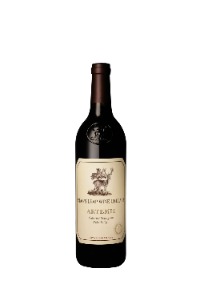
Artemis Cabernet Sauvignon – Stag’s Leap Wine Cellars 2019
California, US
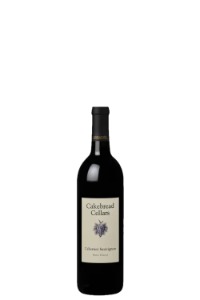
Cabernet Sauvignon – Cakebread Cellars 2022
California, US
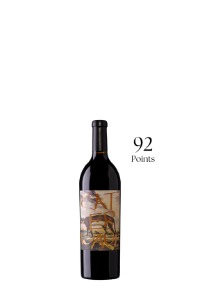
Cabernet Sauvignon – Caterwaul 2022
California, US
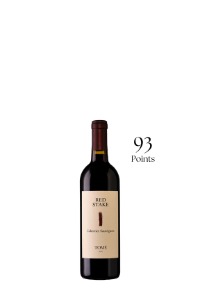
Red Stake Cabernet Sauvignon – Tomé 2020
Washington, US
This month’s selection of best Cabernet Sauvignons includes vibrant bottles from California, Washington, Australia and Chile. You’ll find easy drinking picks like Tomé Red Stake Cabernet Sauvignon 2020 at around $35 alongside standout icons such as Mondavi’s Paul Hobbs Beckstoffer To Kalon Vineyard Cabernet Sauvignon 2018 rated at 5/5 for about $550. Every wine in the ranking is chosen for its balance, approachability and strong 90+ critic ratings.
What does Cabernet Sauvignon taste like?
Cabernet Sauvignon wine tastes bold and dry with flavors of cassis, black cherries and plum. The name refers to both the grape and the wine, which is full bodied, highly acidic and has grippy tannins. When aged in oak, Cabernet Sauvignon wine develops savory notes of cedar, tobacco and vanilla.
| Cabernet Sauvignon Attributes | Details |
|---|---|
| Grape Variety | Cabernet Sauvignon |
| Origin | Bordeaux, France; now notably grown in California and Washington (US), Italy, Australia, South Africa and Chile. |
| Serving Temperature | 60-65°F (15-18°C) |
| Decanting | Yes, 1 to 2 hours for young Cabernet Sauvignon; minimal for older vintages |
| Aging Potential | 10–20+ years (depending on producer and vintage) |
| Flavor Profile | Blackcurrant, black cherry, plum, cedar, tobacco, green pepper |
| Structure | Full bodied, medium to high tannins, medium to high acidity |
| Alcohol Content | 13.5% to 15.5% |
| Ideal Glass | Large red wine glass |
| Food Pairing | Ribeye steak, lasagna with beef, gorgonzola, dark chocolate |
| Top Communes | Napa Valley (California), Washington State (USA), Bordeaux (France), Coonawarra (Australia), Tuscany (Italy) |
| Notable Producers | Paul Hobbs, Caymus Vineyards, Stag’s Leap (Napa Valley, US); Vasse Felix (Australia); Quilceda Creek (Washington, US) |
Quick Facts about Cabernet Sauvignon red wine:
- Its flavor profile typically features blackcurrant, black cherry, plum and green pepper.
- Its structure is that of a bold and full bodied red wine, high in tannins and acidity.
- Cabernet Sauvignon is highly age worthy, evolving with time to reveal savory notes of cedar and spices.
- The grape grows in various climates, with Napa Valley producers leaning towards ripe and rich single varietal wines, while Bordeaux winemakers craft restrained expressions blended with Merlot, Cabernet Franc and other grapes.
Did You Know? International Cabernet Day is celebrated every year the Thursday before Labor day. The event is observed in France, South Africa, USA and Canada.
Best Cabernet Sauvignon brands from around the world
The best Cabernet Sauvignon brands include winemakers from California, Washington and Australia that produce bold Cabernet and old world producers in Bordeaux and Tuscany who craft Bordeaux red blends and Super Tuscans, respectively.
The best winemakers for good Cabernet Sauvignon are:
- Stag’s Leap Wine Cellars: a Napa Valley winemaker with mid to high level bottles priced at $100+. Our best bottle is the 2022 Cask 23 Cabernet Sauvignon.
- Tenuta San Guido who pioneered the creation of Super Tuscans in Italy. This premium winemaker offers the flagship Sassicaia from $400 and above and our top pick is the Sassicaia 2022.
- Screaming Eagle: a luxury winemaker of Napa “first growth wines”, with bottles commanding $2000+. The Cabernet Sauvignon 2014 is our favorite, rated 5/5 by our tasting panel.
Here’s a closer look at these celebrated producers:
Stag’s Leap Wine Cellars – Napa Valley, California, US
Stag’s Leap Wine Cellars was established in 1970 when Warren Winiarski purchased a 44 acre (18 hectares) block of land in the Stag’s Leap district. His vision was to produce structured and elegant Cabernet Sauvignon wines from grapes grown in the volcanic soil of the area. The winery released its first commercial vintage in 1973, a Cabernet Sauvignon that was entered into the Judgement of Paris in 1976, where it was named the top red wine internationally. This achievement placed Napa Valley Cabernet Sauvignon on the winemaking map and established Stag’s Leap’s as a critically acclaimed winery. Today, the winery is owned by Marchesi Antinori and they are famous for their good Cabernet Sauvignons, namely: S.L.V., Fay and Cask 23.
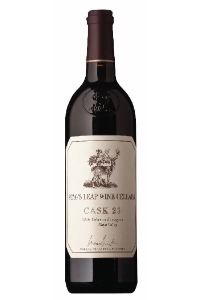
Cask 23 Cabernet Sauvignon – Stag’s Leap Wine Cellars 2022 – California, US
Tenuta San Guido – Bolgheri, Tuscany, Italy
In 1968, Tenuta San Guido revolutionized Italian winemaking when the estate released the iconic “Sassicaia”, but the story did not start here. The wine estate was established by Marchese Mario Incisa della Rocchetta, who planted the Bordeaux varietal Cabernet Sauvignon in his stony vineyards and used it to create his personal wines. This went on for 20 years, until his son Nicolò and nephew Piero Antinori convinced him to sell the 1968 vintage commercially, thus creating a new category of wines: the Super Tuscans. These wines defied existing Italian winemaking norms, which dictated the prominent use of Sangiovese grapes. In 1978, a Decanter tasting panel awarded the 1972 Sassicaia first place over 33 wines from 11 countries, expanding its fame worldwide. By 1994, Bolgheri Sassicaia was granted DOC status, the only wine from a single estate in Italy to enjoy this privilege to this day.
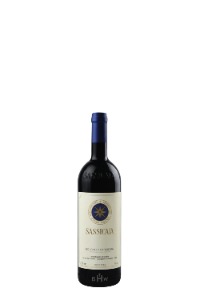
Sassicaia – Tenuta San Guido 2022 – Tuscany, Italy
Screaming Eagle Winery and Vineyards – Napa Valley, California, US
Screaming Eagle is a Napa Valley winery that has achieved “cult” status among oenophiles worldwide. Its story began in 1986 when Jean Phillips, a real estate agent, purchased a 57 acre (23 hectares) vineyard in Oakville. She sold most of it to wineries in Napa Valley, except 1 acre (0.4 hectares) of Cabernet Sauvignon. With Heidi Peterson Barrett as chief winemaker, the winery released the 1992 vintage to highly positive reviews (including 99 points from Robert Parker). With less than 500 cases of this wine produced annually, it is highly sought after by collectors. It once held the record for “most expensive wine ever sold at an auction”, when a 6 liter bottle was sold for $500,000 at the 2000 Napa Valley Charity Auction. Today, Screaming Eagle Cabernet Sauvignon remains one of the most celebrated and expensive Napa Valley wines, beloved for its intense fruit, complexity and elegance. It is often referred to as a Napa “premier cru”.
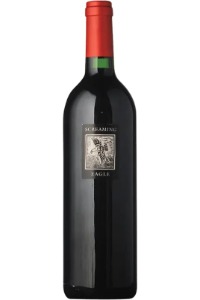
Cabernet Sauvignon 2014 – Screaming Eagle – California, US
Cabernet Sauvignon wine price broken down
Cabernet Sauvignon wine prices range from $20 for accessible, easy drinking wines to $1000+ for ultra premium collector bottles.
What influences Cabernet Sauvignon red wine price?
- Wines from renowned regions like Napa Valley and Bordeaux command premium prices due to their unique terroir and high quality bottlings.
- The production techniques used in making Cabernet Sauvignon also matter. For instance, bottles that are aged in new oak barrels will cost more than those that are not.
- The length of bottle aging before release also influences Cabernet wine prices. Bordeaux classified growths are aged for years in the bottle to evolve nuanced tasting notes, thus driving up their costs.
- Wineries with a high reputation or cult status, such as Opus One or Screaming Eagle, have a higher demand and this leads to higher market prices for their wines.
- Exceptional vintages and limited production wines are highly sought after by collectors and expensive.
Cabernet Sauvignon price tiers:
- Entry Level: $20–$50, everyday drinking (e.g., Mazzei Philip Cabernet Sauvignon 2021)
- Mid Tier: $50–$100, special occasions (e.g., Chappellet Signature Cabernet Sauvignon 2022)
- Premium: $100–$500, cellar worthy (e.g., Beringer Eighth Maker Cabernet Sauvignon 2015)
- Luxury: $500+, collectors (e.g., Eisele Vineyard Cabernet Sauvignon 2021)
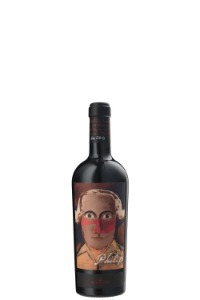
1. Entry Level Cabernet Sauvignon: Philip Cabernet Sauvignon – Mazzei 2021 – Tuscany, Italy
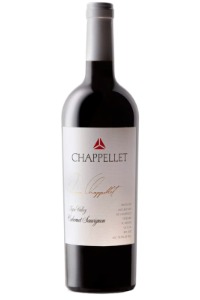
2. Mid Tier Cabernet Sauvignon: Signature Cabernet Sauvignon – Chappellet 2022 – Napa Valley, California, US
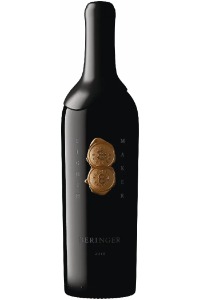
3. Premium Cabernet Sauvignon: Eighth Maker Cabernet Sauvignon – Beringer 2015 – Napa Valley, California, US
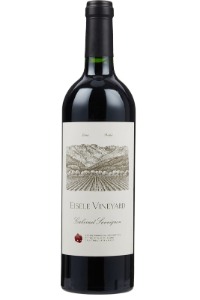
4. Luxury Best Cabernet Sauvignon wine: Cabernet Sauvignon – Eisele Vineyard 2021 – Napa Valley, California, US
Did you know? The most expensive Cabernet Sauvignon ever sold at an auction is a 6 liter bottle of The Setting Wines Cabernet Sauvignon 2019 from Glass Slipper Vineyard, which sold for a whopping $1 million in November 2021.
What is Cabernet Sauvignon and how is it made?
- Cabernet Sauvignon
Cabernet Sauvignon is the world’s most popular full bodied red wine, originally from Bordeaux, France, but now grown in every major wine region. It is made from grapes of the same name and is famously used in Bordeaux’s “Left Bank” blends, Italy’s Super Tuscans and Napa Valley wines. ABV: 13.5%-15.5%.
Cabernet Sauvignon was first identified in southwest France in the 1600s in the Bordeaux region; today its grape is cultivated in every major wine region.
DNA analysis conducted in the 1900s confirmed that it is the result of a natural cross between Cabernet Franc and Sauvignon Blanc. It is often used in single varietal wines or blended with other Bordeaux varieties like Merlot, Cabernet Franc, Malbec and Petit Verdot to soften its firm structure.
Cab Sauv is highly tannic, with bold dark fruit, cedar and tobacco flavors and exceptional aging potential. It sometimes displays subtle smells of green bell pepper due to the pyrazines present in the grapes. It is crafted using the general red wine production method and it tastes slightly different depending on where it was made; Bordeaux winemakers craft savory expressions, while New World producers (USA, Australia) craft fruitier wines.
Cabernet Sauvignon winemaking process includes:
- Harvesting of the late ripening grapes in cool weather, then sorting to remove low quality or damaged berries.
- The grapes are then transported to the winery, where they are destemmed and crushed into must to release their juices.
- Maceration: Cabernet Sauvignon grapes remain in contact with the skins for a while to allow the extraction of color, flavor and tannins.
- Fermentation involves the transformation of grape sugars into alcohol in the presence of yeast. In this phase, the grape skins give the wine its deep color and tannins.
- Winemakers may punch down or pump over wines to mix the solids that float to the wine’s surface back into the liquid.
- Aging is significant in Cabernet Sauvignon production, as oak barrels soften its high tannins and add complex notes of vanilla, cedar and spices which complement its natural dark fruit flavors.
- Before bottling, the wine may be blended with other varieties like Merlot or Cabernet Franc, where it contributes a structural backbone and robust tannins.
Some winemakers practice sustainable viticulture, producing organic Cabernet Sauvignon with enhanced taste and rich flavors, untarnished by pesticides or harmful fertilizers.
Fun Fact: while Cabernet Sauvignon is strictly a red wine grape, Cabernet blanc is a rare white version produced from its cross with the hybrid grape variety, Regent, in Switzerland.
Where is Cabernet Sauvignon grown?
Cabernet Sauvignon is grown and produced across the world, with iconic and age worthy styles originating in Bordeaux, while Napa Valley winemakers have established themselves as the creators of intense, fruit forward versions. Other notable Cabernet Sauvignon regions are Coonawarra and Margaret Valley in Australia, Tuscany in Italy and Maipo Valley in Chile.
The Cabernet Sauvignon grape is late ripening, thick skinned and small berried, a versatile variety that thrives in diverse climates and soil types, although it performs best in gravelly soils. It is the most widely planted grape variety in the world, with a total vineyard surface area of ~840,000 acres (~340,000 hectares). This is distributed among the top regions as seen below:
- France: 123,552 acres (50,000 hectares)
- USA: ~100,000 acres (40,500 hectares)
- China: 148,263 acres (60,000 hectares)
- Chile: 92,700 acres (37,500 hectares)
- Australia: 62,000 acres (25,000 hectares)
- Argentina: 35,000 acres (14,000 hectares)
- South Africa: 23,000 acres (9,500 hectares)
Cabernet Sauvignon food pairing: from meat to aged cheese
Grilled ribeye steak, aged cheeses, gourmet burgers and dark chocolate pair well with Cabernet Sauvignon. These savory and high protein dishes soften the wine’s strong tannins and complement its bold structure perfectly. Some of our top Cabernet Sauvignon food pairing recommendations are:
- Grilled red meat and game: ribeye steak, filet mignon, venison and wild boar
- Aged, hard cheeses like Gouda, white cheddar, Parmesan and blue cheese
- Earthy portobello mushrooms, grilled vegetables and mushroom risotto
| Cabernet Sauvignon Food Pairing | Best Cabernet Sauvignon Bottle | Aged | Rating | Type & Structure |
|---|---|---|---|---|
| Grilled ribeye, New York Strip, slow roasted lamb, bacon wrapped beef tenderloin | Beckstoffer To Kalon Vineyard Cabernet Sauvignon 2018 – Paul Hobbs – California, US | 1-2 years | 5/5 | Full bodied, polished tannins, dark fruit notes |
| Mushroom risotto, portobello mushrooms, truffle pasta, eggplant parmesan | VHR Cabernet Sauvignon 2022 – Vine Hill Ranch – California, US | 1-2 years | 5/5 | Full bodied, lively, spice and floral notes |
| Aged Gouda, Roquefort, Parmigiano Reggiano, Sharp Cheddar | Cabernet Sauvignon 2022 – Spottswoode Estate Vineyard & Winery – California, US | 1-2 years | 4.9/5 | Full bodied, silky tannins and dark fruit, flowers and graphite aromas |
| Short rib ragù with rigatoni, lasagna with beef, garlic and herb linguine with parmesan | Cabernet Sauvignon 2022 – Quilceda Creek – Washington, US | 1-2 years | 4.9/5 | Full bodied, velvety tannins, fresh acidity with a long finish. |
| Slow cooked chicken, hoisin glazed duck, coq au vin, herb roasted chicken | Tom Cullity Cabernet Sauvignon 2017 – Vasse Felix – Australia | 1-2 years | 4.8/5 | Powdery tannins, savory and refined aromas of dark fruit and green pepper, long, complex finish |
| Pastrami sandwich, gourmet burger, mozzarella pizza, short rib empanada | Apalta La Parcelle 8 Cabernet Sauvignon 2020 – Lapostolle – Chile | 1-2 years | 4.8/5 | Full body, ripe tannins and intense notes of chocolate, black fruit and a lasting finish. |
How to serve and store Cabernet Sauvignon wine
Cabernet Sauvignon is best served slightly below room temperature in an oversized wine glass to enhance its aromas. After opening a bottle of red wine Cabernet Sauvignon, refrigerate it with a stopper to keep the wine from going bad.
Here are our tips to serve and store Cabernet Sauvignon properly:
- Store bottles lying horizontally in a dark place with consistently cool temperature and moderate humidity.
- Pour at a serving temperature between 60-65°F (15-18°C). If it is too warm, the wine tastes flabby; if it is too cold, the flavors become muted.
- Decant young and bold Cabernet Sauvignons for 1-2 hours to soften harsh tannins.
- As for aged wines, letting it sit for about 30 minutes is enough to open up the flavors.
- Re seal opened bottles with a wine stopper or vacuum pump and refrigerate to slow down oxidation.
Pro tip: do not leave an open bottle of Cabernet Sauvignon for more than a few hours, as this can alter the taste and aromas of the wine, a process known as oxidation.
What type of Cabernet Sauvignon glasses should you use?
Cabernet Sauvignon serving glasses are large, tall red wine glasses with a generous bowl and a slightly tapered rim, often referred to as Bordeaux glasses. This specific shape is designed to maximise aeration, soften high tannins and concentrate complex aromas in Cabernet Sauvignon red wine. Our top recommendations include:
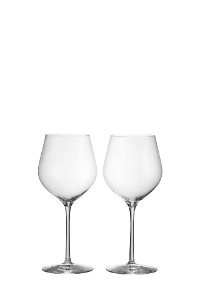
Elegance Cabernet Sauvignon Wine Glass (Set of 2) 25 oz – 10 inches
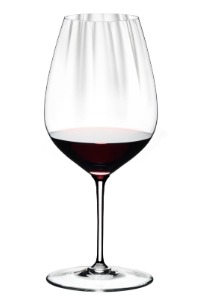
Riedel Performance Bordeaux-Cabernet-Merlot Wine Glasses (Set of 2) 29 oz – 10 inches
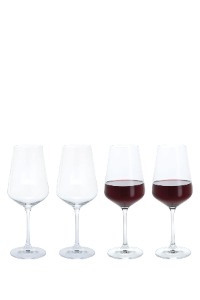
Dartington Cheers! Red Wine Glasses (Set of 4) 15 oz – 9.3 inches
In addition to Bordeaux style glasses for robust reds like Cabernet Sauvignon, you can find other types of red wine glasses for medium and light bodied red wines in our guide.
Cabernet Sauvignon for beginners
Cabernet Sauvignon is bold and high in alcohol with intense flavors, but with the following tips, even beginners can savor it like a connoisseur.
- Start with a Cabernet Blend, which is often smoother and more approachable.
- Open the bottle 1-2 hours before drinking, or pour it into a decanter to improve the flavor.
- Do not serve it hot. A cool room temperature of 60-65°F (15-18°C) is best!
- Serve it in a large bowl Bordeaux style glass that allows the wine to breathe
- Pair Cabernet Sauvignon with fatty, savory food like grilled red meats and aged cheese that balances its intensity
Cabernet Sauvignon is bold and high in alcohol with intense flavors, but with the following tips, even beginners can savor it like a connoisseur.
How we rate and score Cabernet Sauvignon
Our editorial team rates wines based on their appearance, aroma/bouquet, flavor/palate and overall impression on the palate, assigning scores based on a 5 point scale. We have walked the vineyards, sat in the rooms where these Cabernet Sauvignons are produced and blind tasted scores of bottles to bring you the best without any bias. Our expert panel rates each wine over a total of 50 points, which is then converted to the simple 5 point scale that we present to you.
The 5 point rating scale can be interpreted as:
- 5 = Exceptional
- 4 = Excellent
- 3 = Very Good
- 2 = Good
- 1 = Fair
What exactly do we look for?
- Appearance (up to 5 pts): clarity, color, brightness
- Aroma & Bouquet (up to 15 pts): intensity, complexity, absence of flaws
- Flavor & Palate (up to 20 pts): balance of acidity, tannin, alcohol; depth, mouthfeel
- Overall Impression (up to 10 pts): harmony, complexity, typicity, finish
To assess the Cabernet Sauvignon wines specifically, we considered:
- Complex aromas of dark fruits, oak driven cedar and vanilla (New World) vs earthiness and herbal notes like green bell pepper (Old World)
- Structure: firm yet smooth tannins, full body and high acidity
- Finish: a lingering finish that doesn’t leave a bitter taste is an indicator of quality
To keep our ratings fair and context appropriate, we compared bottles against others in their category. We rated New World Cabernet Sauvignon against its peers, Bordeaux red blends to other premium left bank bottlings and Super Tuscan wines to other Toscana blends.
A note from our team: when it comes to drinking Cabernet Sauvignon, preferences are determined by personal taste and our scores reflect the subjective opinions and palate of our tasting panel. To find the bottles that you will enjoy the most, we recommend that you read our tasting notes.
You might also be interested in
FAQs on Cabernet Sauvignon
Is Cabernet Sauvignon sweet or dry?
Cabernet Sauvignon is a dry, full bodied red wine with minimal residual sugar and high tannins that create a “grippy” mouthfeel. Although it is intensely fruity and smells and tastes like black fruit, Cabernet Sauvignon is not a sweet red wine.
What is another name for Cabernet Sauvignon?
Cabernet Sauvignon is called Bouchet, Bouche or Petit-Bouchet in the Bordeaux region of France, particularly in Pomerol and Saint-Émilion. In Médoc and Graves, it was historically referred to as Petit-Cabernet, Petit-Vidure, Vidure. Occasionally, winemakers in the Loire Valley call the grape Sauvignon Rouge to distinguish it from the white Sauvignon Blanc.
Should Cabernet Sauvignon be chilled?
Yes, Cabernet Sauvignon should be slightly chilled, but not served as cold as a white wine. The ideal serving temperature for Cabernet Sauvignon is 60-65°F (15-18°C) as it balances fruit notes, aciidty and tannins. If it is too warm, put it in the wine fridge for 15-20 minutes or a wine bucket for 5-10 minutes before serving to enhance its flavors.
Is Cabernet Sauvignon a red wine?
Yes, Cabernet Sauvignon is a red wine. It is made from dark, thick skinned grapes of the same name and is characterized by its robust tannins, deep color and dark fruit flavors like blackcurrant, plum and black cherry.
How long does Cabernet Sauvignon last once opened?
An opened bottle of Cabernet Sauvignon typically lasts for 3 to 5 days as long as it is properly recorked and stored in a wine fridge or in a cool dark place (like a wine cellar!). It can maintain its quality for that long because of its slower oxidation due to its high tannins and high acidity.
What is the best Cabernet Sauvignon red wine?
The best Cabernet Sauvignon red wine is Paul Hobbs Beckstoffer To Kalon Vineyard Cabernet Sauvignon 2018 (5/5, ~$550). This Napa Valley Cab stood out to us because of its deep garnet purple color, polished tannins and balanced fruit notes. Some other Cabernet Sauvignon wines that impress us are VHR Cabernet Sauvignon 2022 by Vine Hill Ranch (5/5, ~$350) and Spottswoode Estate Vineyard & Winery Cabernet Sauvignon 2022 (4.9/5, ~$280).
What does Cabernet Sauvignon mean?
Cabernet Sauvignon is a French word that is derived from the words “sauvage”, which means “wild” and “cabernet”, which translates loosely to “black head” or “black vine”. The “wild Cabernet” is a key grape in French red wine blends, particularly on the Left Bank of Bordeaux, where it is mixed with Merlot, Cabernet Franc and other varieties.
Is Cabernet Sauvignon good for beginners?
Yes, Cabernet Sauvignon is a good wine for beginners. Its dark fruit notes of blackcurrant and plum, as well as hints of vanilla and coffee from oak aging, contribute to its reputation as a crowd pleaser. While its bold and highly tannic structure may be challenging, simply pair it with rich foods like steak and hard cheeses to mellow the tannins!