

Best dry red wine suggestions and pairings in 2026
Did you know that the dryness of red wine isn’t about how it feels but how much sugar is left after fermentation? Dry red wines like Cabernet Sauvignon, Merlot and Syrah remain popular in 2026 for their bold flavors and versatility.


Table of Contents
10 Best dry red wines from around the world
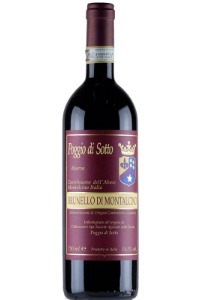
Brunello di Montalcino Riserva Vigna Paganelli – Poggio di Sotto 2018
Italy
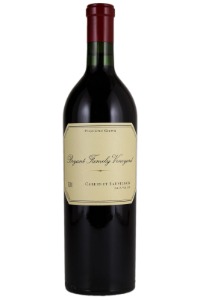
Cabernet Sauvignon – Bryant Family 2021
California, US
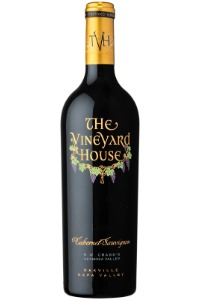
Cabernet Sauvignon – The Vineyard House 2019
California, US

Oakville Estate Proprietary Red – Rudd 2020
California, US

Pauillac – Chateau Pichon-Longueville Baron 2014
France
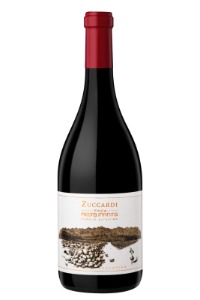
Finca Piedra Infinita Altamira – Familia Zuccardi Vineyards 2019
Argentina
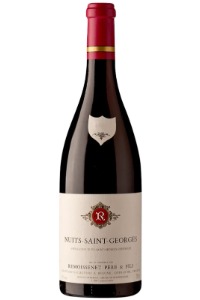
Nuits-Saint-Georges – Remoissenet 2022
France
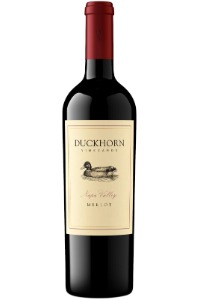
Napa Valley Merlot 2022 – Duckhorn
California, US
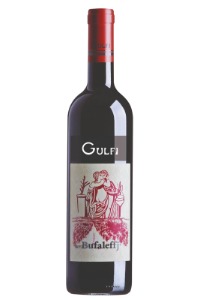
BeroBufaleffj – Gulfi 2019
Italy
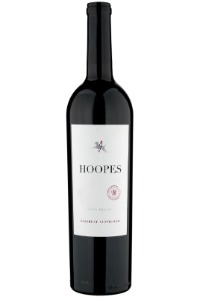
Napa Valley Cabernet Sauvignon – Hoopes Vineyard 2019
California, US
These 10 best dry red wines are incredibly diverse in grape varieties, production methods and tasting notes. What unites them is their level of dryness (some more, some less), making them classic dry reds that pair perfectly with rich, fatty foods. Ratings come from expert critics, wine scores (all above 90 on the TWA rating system) and from broad customer reviews, reflecting a more balanced and accurate sense of overall quality
Top dry red wine brands for true collectors
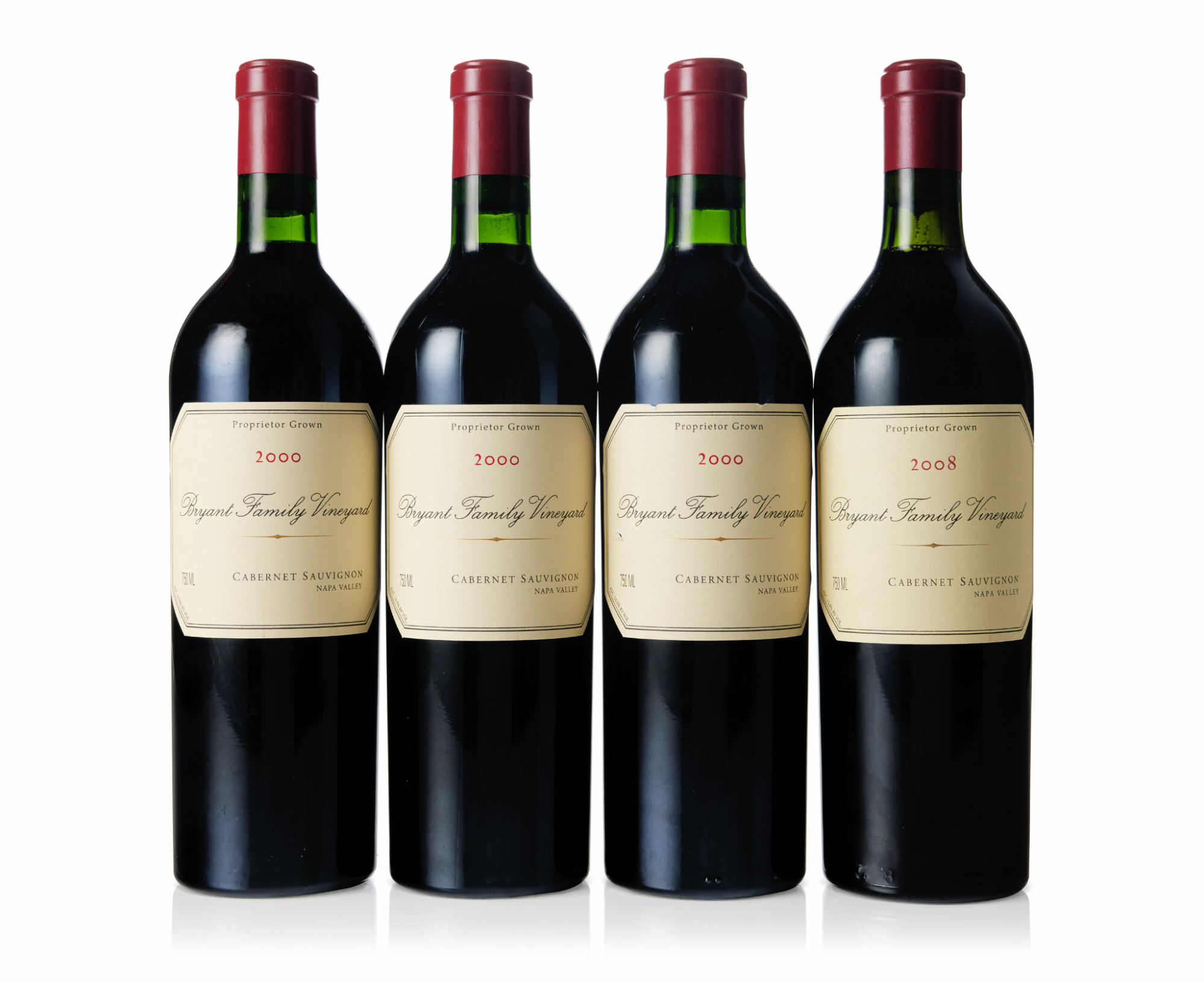
For collectors who seek depth, rarity and long term aging potential, a few dry red wine producers stand out for their consistent excellence and distinctive style. Masseto’s Massetino offers a refined expression of Merlot with remarkable precision, while Le Macchiole’s Messorio delivers density and elegance that reward patient cellaring. In Napa Valley, Bryant Family remains a benchmark for opulent Cabernet Sauvignon and The Vineyard House continues to impress with wines that balance structure and age-worthy finesse. These producers have earned a loyal following among collectors who value craftsmanship and wines that evolve beautifully over time.

Merlot Massetino Masseto 2023 – Italy
Tasting notes: Intense Tuscan Merlot wine with fine grained tannins and aromas of vanilla, bramble fruit, leather and cloves.
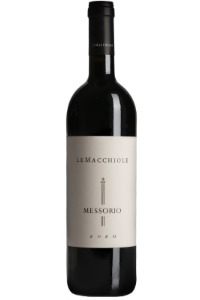
Merlot Messorio – Le Macchiole 2020 – Italy
Tasting notes: Pure and elegant Merlot with flavors of blackberry, iron, oak spice and toast.
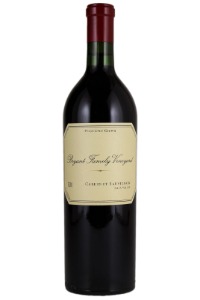
Cabernet Sauvignon – Bryant Family 2021 – California (US)
Tasting notes: Intense and refined with notes black cherry and graphite aromas, layered with smoked tobacco and crushed stone. Finely grained tannins support a long, mineral finish.
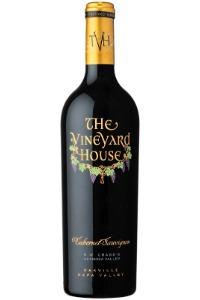
Cabernet Sauvignon – The Vineyard House 2019 – California (US)
Tasting notes: Brilliant and layered with notes of cocoa, lavender, rock and tobacco.
But what makes a dry red wine collectible?
- They’re usually produced in very small quantities, often handcrafted with meticulous attention to detail.
- These wines come from vineyards with a rich history where the land’s unique qualities have proven their worth over generations.
- Release volumes are limited, frequently reserved for dedicated buyers through exclusive channels, making them difficult to obtain and highly desirable.
Dry red wine types and what sets them apart
Dry red wine types are distinguished by few key elements. The body can range from light to full, depending on the grape variety and the winemaking approach. The level of dryness varies too: dry red wine varietals vary in tannin strength and acidity, affecting how dry they feel on the palate. Production methods such as fermentation length, the amount of skin contact and the use of oak, further define each wine’s flavor, texture and overall complexity.
Understanding these elements helps explain the wide types of dry red wines available.
Good dry red wines by body
Good dry red wines come in a spectrum of “bodies,” which describes the sensation of weight and fullness on your palate:
- Light bodied red wines are typically lower in alcohol and tannins, resulting in a lighter mouthfeel that makes them refreshing and approachable.
- Medium bodied red wines are the middle ground between light and full bodied wines; they possess enough structure and tannins to provide complexity but maintain a smooth character.
- Full bodied red wines: with higher alcohol levels (often over 13.5%) and robust tannins that create a mouth coating sensation, these wines are perfect companions for hearty dishes like grilled meats.
This classification is crucial because it shapes how the wine feels when you sip it and influences the types of dishes it complements. Below are a few examples of dry red wine classified by body.
| Dry Red Wine Body Type | Dry Red Wine Top Picks | Grape Varieties |
|---|---|---|
| Light bodied | Chambertin-Clos de Beze Grand Cru 2021 – Domaine Drouhin-Laroze | Pinot Noir, Gamay |
| Medium bodied | Chianti Classico Gran Selezione Vigna del Sorbo 2019 – Fontodi | Merlot, Sangiovese, Grenache |
| Full bodied | Reserve Cabernet Sauvignon 2022 – DAOU | Cabernet Sauvignon, Syrah, Malbec |
Light bodied dry red wine
Light bodied good red wines present a lively acidity, delicate tannins and refreshing profile. They typically highlight bright red fruit flavors like cherry, cranberry and raspberry making them great for warm days or lighter meals. Interestingly, these wines often come from cooler climates or early harvest grapes, preserving their crispness.

Chambertin-Clos de Beze Grand Cru 2021 – Domaine Drouhin-Laroze – France
Medium bodied dry red wine
Medium bodied red wines offer a harmonious middle ground: enough tannin to add structure but soft enough for easy drinking. Their versatility shines in food pairings, adapting from rich pasta sauces to grilled veggies. This balance often comes from careful fermentation and aging choices, making them some of the most popular reds worldwide.
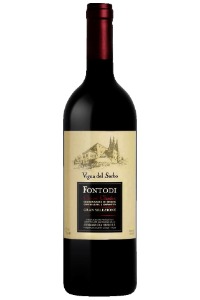
Chianti Classico Gran Selezione Vigna del Sorbo 2019 – Fontodi – Italy
Full bodied dry red wine
A dry full bodied red wine delivers power and complexity with bold tannins, concentrated dark fruit, and spice layers from oak aging. These wines often develop fascinating flavors over time, making them ideal for aging and pairing with hearty, fatty dishes. Their intensity stems from riper grapes and extended maceration periods.

Reserve Cabernet Sauvignon – DAOU 2022 – California (US)
What is dry red wine and how is it made?
Dry red wine is characterized by very low residual sugar (typically under 4 grams per liter), highlighting bold flavors, tannins and rich aromas rather than sweetness. Its deep red color naturally comes from prolonged contact with grape skins during fermentation.
So, what’s a dry red wine? Popular grape varieties include Cabernet Sauvignon, Merlot, Syrah, Cabernet Franc and Pinot Noir, each with its distinct flavors shaped by the growing region.
The dry red wine production techniques involve several key steps:
- Harvesting and crushing: grapes are picked at optimal ripeness and gently crushed to release juice and skins. Winemakers remove damaged grapes and stems to ensure the quality of their wines. Harvested grapes are separated from stems and then they are crushed to break their skins and release the juice; this mixture is referred to as the must.
- Maceration is the next step in making red wines, where the crushed grape skins are kept in contact with the must. This is where the wine gets its color and tannins that define its taste and texture.
- Fermentation: yeast is added to the must to consume the grape sugars and convert them into alcohol and carbon dioxide. During fermentation, the skins may form a “cap” on top of the liquid. Winemakers “punch down” this cap to keep the mixture moist and properly extract flavor compounds from the skins.
- After fermentation, the liquid of the wine is pressed and separated from the skins and seeds.
- A secondary fermentation, or malolactic fermentation, may be carried out to add complexity and stability to the wine. Here, bacteria convert malic acid into lactic acid, which is softer and creamier. After fermentation, the wine is separated from the grape solids.
- Aging: the wine matures in stainless steel tanks or oak barrels, which can influence texture and add flavors like vanilla or spice. The aging process can last for months or years, depending on how many oak notes the winemaker wishes to add to the wine.
- Clarification and filtering: clarification can be done through racking, a process where the wine is moved to a new container to leave the sediment behind, or fining, which involves adding binding substances like bentonite clay or egg whites to the wine that will help settle particles. Filtering then passes the wine through a membrane to physically trap the remaining solids and prevent spoilage.
- Blending and bottling are performed once the wine is clarified and filtered. Producers may blend different barrels or different types of wine to achieve a consistent flavor profile, and then the finished wine is bottled, corked and ready to be enjoyed.
This process ensures dry red wines maintain their characteristic dryness while showcasing the complexity and depth that make them a favorite worldwide.
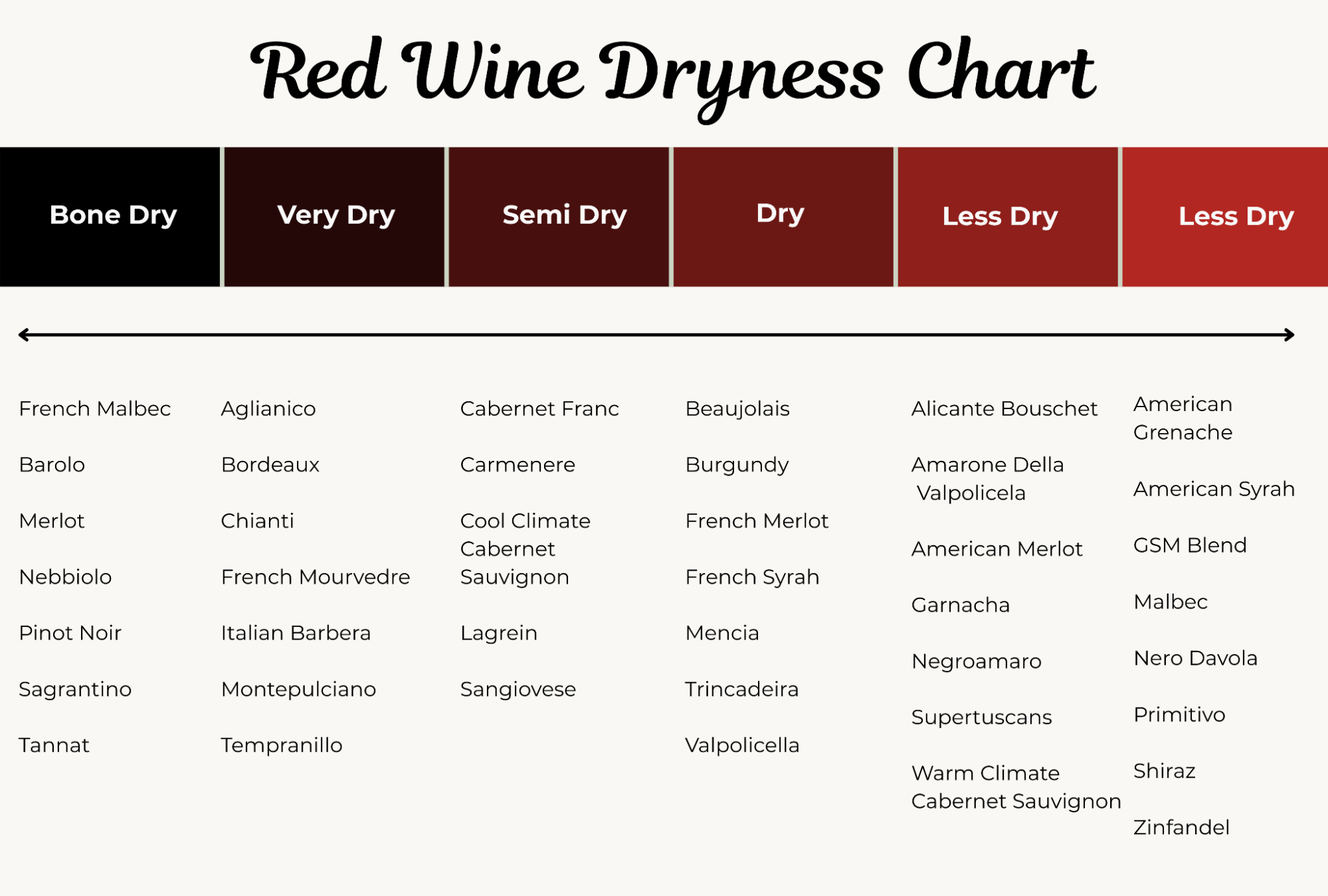
The different levels of the red wine dry scale
Red wines vary widely in their dryness and the red dry wine scale organizes them based on their residual sugar and tannin structure. This scale is essential for understanding the subtle differences and flavors to expect at each level:
- Less dry red wines have a slight smoothness, featuring approachable fruitiness balanced by mild tannins.
- Off dry red wines result in a rounder, slightly fuller mouthfeel.
- Semi dry red wine presents a perfect balance between moderate dryness and smoothness.
- Very dry red wines have almost no residual sugar, strong tannins and an intense, austere character.
The dry red wine chart below helps you navigate the different dryness levels and gives you a few dry red wine names for each style.
| Dry Red Wine Scale | Dry Red Wine Top Picks | Common Varietals | Residual Sugar (g/L) |
|---|---|---|---|
| Less Dry Red Wine | Faustino Gran Faustino I Gran Reserva 2004 | Merlot, Grenache, Barbera, Montepulciano, Tempranillo | 3-7 g/L |
| Off Dry Red Wine | Antica Mountain Select Cabernet Sauvignon 2018 | Lambrusco (dry styles), Dornfelder, Gamay, Brachetto | 2-4 g/L |
| Semi Dry Red Wine | Ferrari-Carano Cabernet Sauvignon 2021 | Primitivo (Appassimento), Cabernet Sauvignon (some styles), Valpolicella | 1-2 g/L |
| Very Dry Red Wine | Dry Creek Vineyard The Mariner 2021 | Cabernet Sauvignon, Nebbiolo, Syrah, Pinot Noir, Sangiovese | 0 g/L |
Dry red wine food pairing suggestions
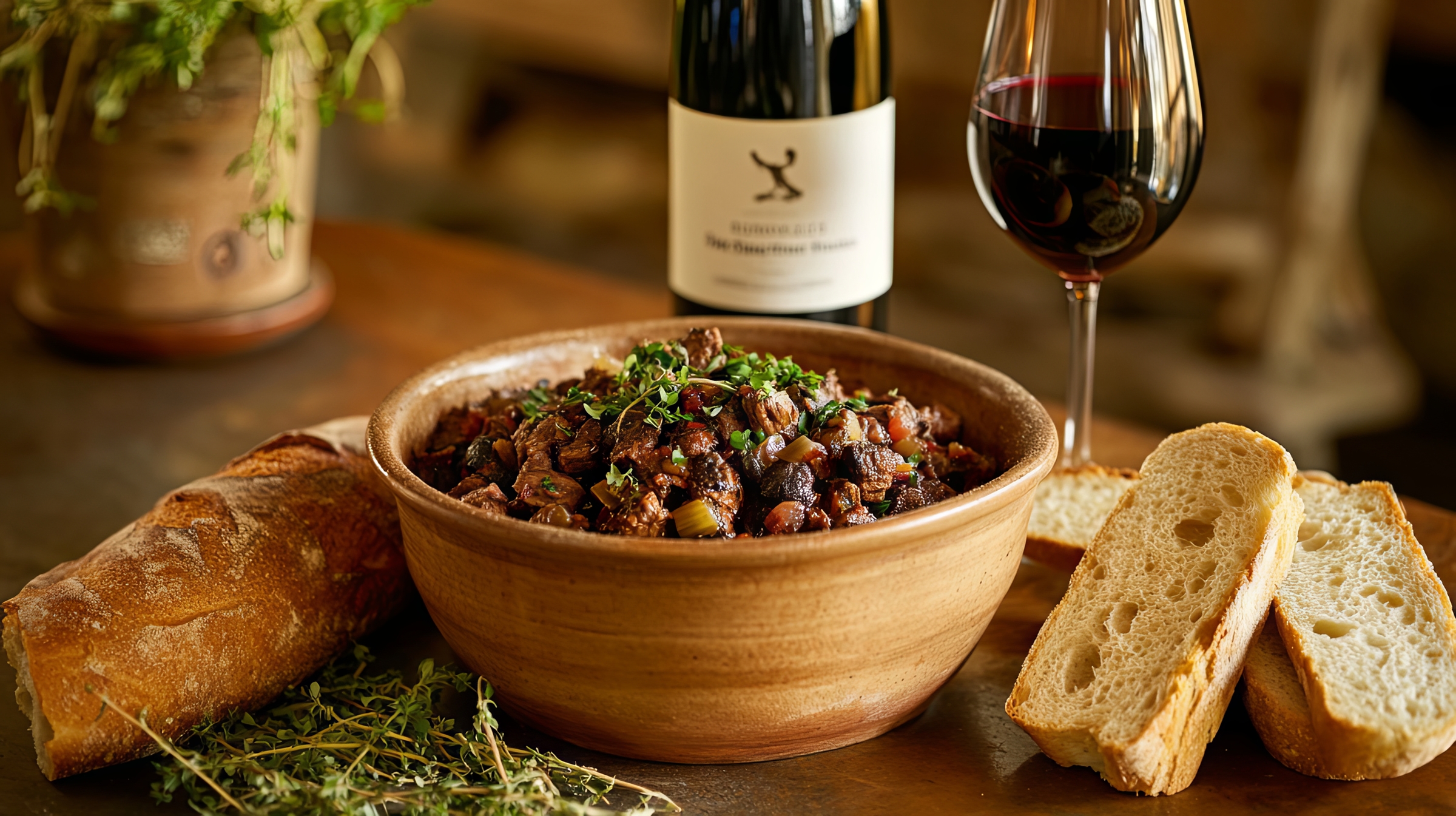
Pairing food with dry red wine starts with understanding the wine’s body. It’s the body that determines whether the wine will lift a dish or overpower it! A full bodied dry red can stand up to rich flavors, while a lighter style works best with more delicate dishes. In the table below, you’ll find a mix of timeless classics and clever dry red wine food pairings that never miss the mark.
| Food | Dry Red Wine / Grape | Type & Structure |
|---|---|---|
| Moroccan Lamb Tagine, Duck with Orange Glaze | Ojai Roll Ranch Syrah 2020 (Syrah) | Full bodied, rich tannins, bold dark fruit, peppery spice |
| Wild Mushroom Risotto, Porcini Ravioli | Argiolas Turriga Isola dei Nuraghi 2020 (Grenache) | Medium bodied, soft tannins, ripe red fruit, subtle spice |
| Black Bean Chili, Lentil Stew, Curries | Occidental Freestone-Occidental Pinot Noir 2023 (Pinot Noir) | Light bodied, lively acidity, red berry fruit, gentle spice |
| Charcuterie, Spiced Chorizo and Bresaola | Remelluri Granja Rioja Gran Reserva 2015 (Tempranillo) | Medium bodied, balanced tannins, savory and smoky undertones |
| Pumpkin Gnocchi, Butternut Squash Lasagna, Sweet Potato | Duckhorn Three Palms Merlot 2020 (Merlot) | Medium bodied, plush tannins, plum and chocolate notes |
| Dark Chocolate, Brie with Figs, Aged Gouda with Walnuts | Beringer Private Reserve Cabernet Sauvignon 2017 (Cabernet Sauvignon) | Full bodied, firm tannins, blackcurrant and dark chocolate |
Did you know? Dry reds are also among the best wines for tricky foods! Combine them with those plates you’re never quite sure what to serve with.
An overview of dry red wine grapes and varietals
Dry red wines come from a wide variety of styles, each offering unique flavors and structures. Here’s an overview of key dry red wine grapes and their origins:
- Tempranillo is Spain’s flagship grape, known for balanced tannins and cherry, plum and earthy notes. It is used to produce dry red wine from northern Spanish regions like Bierzo, where Tempranillo shows fresher, more floral qualities.
- Sangiovese is Italy’s most planted red grape, key to dry red Italian wine from Tuscany like Chianti and Brunello di Montalcino offering bright acidity, cherry fruit and savory earthiness.
- Merlot is widely grown in France’s Bordeaux region, the US (California, Washington) and Italy’s Friuli, producing medium to full bodied wines with soft tannins, plum and chocolate notes.
- Cabernet Sauvignon: globally grown (France’s Bordeaux, California’s Napa Valley, Australia’s Coonawarra, Chile) full bodied with blackcurrant, cedar and herbal notes.
- Pinot Noir is light bodied and elegant, with red fruit and earthy tones. It is grown worldwide and used alone or in blends. Key regions include Burgundy (France), Oregon and California (USA) and Central Otago (New Zealand).
- Syrah/Shiraz is traditionally grown in the Rhône Valley (France), Australia and parts of South Africa giving bold, full bodied and spiced wines.
- Grenache is found in Spain (Priorat, Rioja), southern France (Southern Rhône, Languedoc) and Italy’s Sardinia. It produces medium bodied red wines with flavors of ripe red fruits and spice.
The region shapes dry red wines just as much as the grapes. Climate, soil and altitude influence ripeness, acidity and aroma. Winemaking techniques also impact texture, flavor and complexity. Together, these factors create the wide variety of styles found even within the same grape.
What is the ideal serving temperature for dry red wines?
Dry red wines are not served chilled like whites or rosés. The ideal serving temperature for most dry reds falls between 55°F and 65°F (13 to 18°C).
However, small temperature differences can make a big impact, so it’s worth adjusting based on the specific varietal:
- Cabernet Sauvignon is best served at 60 – 65°F (16°C – 18°C) to highlight its bold tannins and complex fruit.
- Merlot benefits from serving at 58 – 62°F (14°C – 17°C) to maintain its smooth texture and ripe plum notes.
- Pinot Noir is best served around 55 – 60°F (13°C – 16°C) to emphasize its delicate red fruit and earthiness.
- Syrah thrives at 60 – 65°F (16°C – 18°C), bringing out spicy, peppery and dark fruit flavors.
- Tempranillo performs beautifully between 58 – 64°F, (14°C – 18°C) balancing its savory and fruity elements.
Serving temperature also influences how ABV, acidity and residual sugar express themselves on the palate. For a detailed dry red wine list with perfect serving temperatures and aging potential, you can use the table below as a reference.
| Dry Red Wine & ABV | Tannin / Acidity | Serving Temp | Aging Potential |
|---|---|---|---|
| Favia Oakville Cabernet Sauvignon 2019 (ABV 14.8%) | Full bodied with tight, velvety tannins and balanced acidity | 60-65°F | 20+ years |
| Hourglass Blueline Vineyard Merlot 2021 (ABV 15.2%) | Rich texture, supple tannins, vibrant acidity and minerality | 58-62°F | 10 years |
| RAEN Royal St. Robert Cuvee Pinot Noir 2023 (ABV 13%) | Mid weight with crunchy acidity, tight tannins and elegant framework | 55-60°F | 10+ years |
| DuPuis Baker Ranch Syrah 2019 (ABV 13%) | Bright with great acidity; balanced, floral, spicy notes, depth and richness | 60-65°F | 3-4 years |
| Catena Zapata Argentino Vineyard Malbec 2022 | High tannins, medium acidity | 58-64°F | 20+ years |
5 Expert tips for storing dry red wine
Proper storage is essential for maintaining the complexity and longevity of dry red wines. Expert winemakers agree that temperature stability, humidity control and minimal light exposure are critical to preserving a wine’s delicate balance of tannins, acidity and aromatics.
Follow these steps and you will never go wrong:
- Keep a consistent temperature between 55-65°F (14°C-18°C). Frequent and large temperature swings cause expansion and contraction of the wine, disturbing its aging process.
- Store bottles horizontally to ensure the cork stays moist, as drying out would allow air to seep in and spoil the wine.
- Maintain humidity between 60-70%. Too moist conditions may cause the growth of mold on the cork and labels, while dryness may cause the cork to shrink.
- Avoid light and vibrations which can negatively affect the wine’s quality and aging process.
- Isolate the wine from strong odors like those from garlic, paint and cleaning supplies, as they may penetrate the cork and taint its taste.
Curiosity: in the 1800s, dry red wines were deliberately shipped upside down to keep the cork wet and prevent spoilage during long sea voyages, an early precursor to modern horizontal storage practices!
You might also be interested in
Best dry red winesBest dry red winesBest dry red winesBest dry red wines
What is the best dry red wine?
One of the best dry red wines is the Brunello di Montalcino Riserva Vigna Paganelli from Poggio di Sotto (Italy). It is praised for its complexity, elegance and depth. This Tuscan classic offers rich fruit flavors balanced with refined tannins and an impressive aging potential, making it a top choice for both collectors and simple wine lovers.
Which red wine is considered the driest?
Cabernet Sauvignon is often regarded as one of the driest red wines. Its high tannin levels and low residual sugar contribute to its dry profile. Other dry reds like Merlot and Nebbiolo also fit this category. The dryness depends largely on fermentation but Sangiovese and Cabernet Sauvignon consistently remain amongst the least sweet options.
What is the best red wine that is not sweet?
The best red wines that are not sweet are typically dry varieties such as Pinot Noir, Merlot and Syrah. These wines have minimal residual sugar, emphasizing tannins, acidity and fruit flavors. Dry reds provide structure and complexity without sweetness, making them ideal for those who prefer wines that are crisp and balanced rather than fruity or sugary.
Which red wines are dry?
Many popular red wines are dry, including Cabernet Sauvignon, Merlot, Pinot Noir, Syrah and Tempranillo. Dry reds have very little residual sugar after fermentation, which gives them a crisp, tannic structure. Their dryness enhances food pairing options and highlights flavors like berries, spice and earthiness without sweetness masking the taste.
How many calories are in a glass of dry red wine?
A typical 5 ounce glass of dry red wine contains approximately 120 to 130 calories. The exact calorie count depends on alcohol content and residual sugar with higher alcohol content increasing calories. Dry red wines generally have very low sugar, keeping calorie counts moderate. Alcohol content affects calories more than sugar, so higher alcohol wines usually have slightly more calories per serving.
What is a good dry red wine for drinking?
A good dry red wine for everyday drinking includes options like Merlot, Grenache or Malbec. These wines offer smooth tannins, moderate acidity and pleasant fruit flavors. They are generally well balanced, easy to enjoy on their own or with food and often available at reasonable prices. They offer consistent quality and affordability, perfect for casual drinkers looking for smooth dry reds.
How many carbs are in dry red wine?
Dry red wine typically contains about 3 to 4 grams of carbohydrates per 5 ounce serving. Carbs come mostly from residual sugars left after fermentation. Since dry reds have very low sugar content, their carb levels remain low compared to sweet wines or other alcoholic beverages, making them a popular choice for low carb diets.
What are dry red wines called?
Dry red wines are often called simply dry reds or table wines. They are classified by having little to no residual sugar, resulting in a crisp, less sweet taste. They are also identified by their grape variety or region, such as Cabernet Sauvignon, Merlot or Chianti, which helps describe their style and origin.
What is dry red wine sugar content?
Dry red wines generally contain less than 1 gram of residual sugar per liter. This minimal sugar level creates the dry sensation on the palate. Residual sugar above 4 grams per liter would classify a wine as off dry or sweet. Most dry reds emphasize tannins and acidity over sweetness, making them crisp and balanced.
What is a good dry red wine from Italy?
Merlot Massetino from Masseto (Italy) is a standout dry red wine from Italy. This collectible Merlot is admired for its elegance, intense aromas and firm tannins. It balances power and finesse, with great aging potential, making it one of Italy’s finest dry red wines for collectors.
What is a good dry red wine from a region of Spain?
Dominio de Pingus 2022 is an exceptional dry red wine from Spain’s Ribera del Duero region. Made primarily from Tempranillo grapes, it is known for its richness, depth and complexity. This prestigious wine represents the best of Spanish dry reds, offering bold flavors and impressive aging capacity favored by collectors worldwide.
How long can dry red wine last once opened?
Once opened, dry red wine generally lasts between three to five days if properly stored. Recork the bottle tightly and keep it in a cool, dark place. Using a vacuum pump to remove air can extend freshness. Exposure to oxygen causes gradual flavor loss and softening of tannins, so consume within this timeframe for the best taste.
