

French Pinot Noir wines tested & reviewed (2026)
French Pinot Noir is a prestigious red wine originating from Bourgogne with high acidity, low tannins and impressive terroir expression. We assessed bottles from classic producers, scoring each on a 5 point scale. Our ace French Pinot Noir of 2026 is Domaine Ponsot Chapelle-Chambertin Grand Cru 2018 (rated 5/5, ~$600).

Best French Pinot Noirs to buy right now
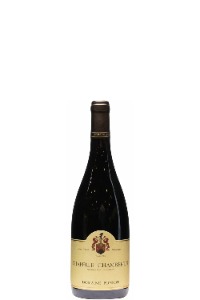
Chapelle-Chambertin Grand Cru – Domaine Ponsot 2018
Bourgogne, France
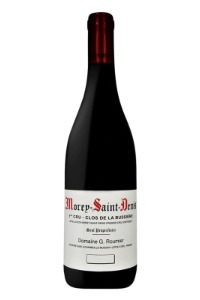
Morey-Saint-Denis Clos de la Bussière Premier Cru – Domaine Georges & Christophe Roumier 2020
Bourgogne, France
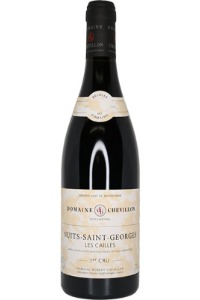
Nuits-Saint-Georges Les Cailles Premier Cru – Domaine Robert Chevillon 2023
Bourgogne, France
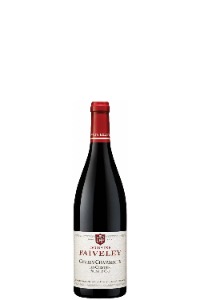
Gev Chamb Cazetiers – Domaine Faiveley 2021
Bourgogne, France
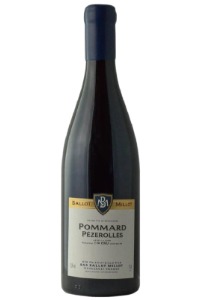
Pommard Pezerolles Premier Cru – Ballot Millot 2022
Bourgogne, France
Pierry Rouge Premier Cru Les Gouttes d’Or – Champagne J-M Seleque 2021
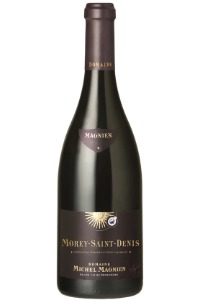
Morey-Saint-Denis – Domaine Michel Magnien 2023
Bourgogne, France
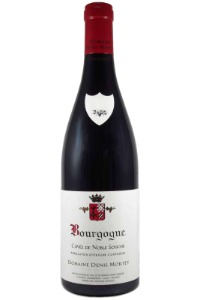
Bourgogne Cuvée de Noble Souche Rouge 2023 – Domaine Denis Mortet 2023
Bourgogne, France
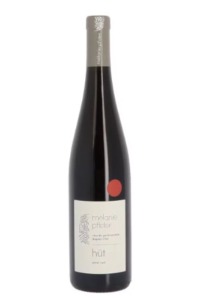
Hüt Pinot Noir – Mélanie Pfister 2022
Alsace, France
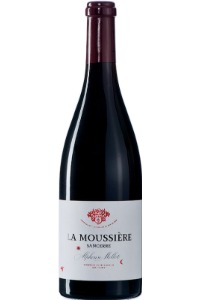
La Moussière Sancerre Rouge – Alphonse Mellot 2022
Loire, France
Our editorial team curated this selection of the best French Pinot Noir wines after careful tasting of each one of them. We factored in ratings by wine critics like James Suckling, as well as customer feedback, to ensure that the wines we choose reflect what you truly love. Including traditionally good French Pinot Noir wines from Burgundy winemakers, new world Alsace Pinot Noir, as well as Sancerre Rouge from the Loire, these bottles range from the affordable La Moussière Sancerre Rouge 2022 – Alphonse Mellot (rated 4.6/5, ~$50) to the premium Domaine Ponsot Chapelle-Chambertin Grand Cru 2018 (rated 5/5, ~$600+).
French Pinot Noir tasting notes and characteristics
French Pinot Noir typical flavours include red cherry, raspberry, strawberry, forest floor and mushroom. Its elegant yet refined style is complex and always balanced by earthy undertones and subtle spice.
| French Pinot Noir | Details |
|---|---|
| Grape Variety | 100% Pinot Noir |
| Origin | Burgundy, France |
| Serving Temperature | 55°F-60°F (12-15°C) ideal at 60°F (16°C) |
| Decanting | Recommended for 15 – 30 minutes |
| Aging Potential | 5-20+ years |
| Flavor Profile | Red cherry, strawberry, mushroom, forest floor, truffles |
| Structure | Light to medium bodied, high acidity, silky tannins |
| Alcohol Content | 12%-13.5% |
| Ideal Glass | Burgundy style glass |
| Food Pairing | Roast turkey, pork tenderloin, grilled salmon, mushroom risotto |
| Top Communes | Côte de Nuits, Côte de Beaune (Bourgogne), Champagne, Alsace, Loire Valley |
| Notable Producers | Domaine de la Romanée-Conti, Domaine Roumier, Domaine Méo-Camuzet, Mélanie Pfister, Alphonse Mellot |
Quick facts about French Pinot Noir taste:
- Its flavour profile is dominated by red fruit notes, primarily raspberry and strawberry. Its notes of forest floor, mushroom and tobacco are tied to its terroir.
- Structure: French Pinot Noir is light to medium bodied, high acidity and silky tannins.
- Bourgogne Rouge has an aging potential of 3-7 years, Premier Cru 8- 15 years, while Grand Cru develops further complexity over 30+ years.
- Decant young French Pinot Noirs for at least 30 minutes, while aged Burgundy benefit from 1-2 hours aeration.
Did you know?In 1395, Philip the Bold, Duke of Burgundy, issued a decree prohibiting the cultivation of Gamay grapes, considered as ‘’disloyal’’ and inferior to Pinot Noir. This law helped establish Pinot Noir as Burgundy’s premier red grape ever since.
French Pinot Noir brands to look out for
The top French Pinot Noir brands typically craft wines in the “Old World” style, emphasizing finesse to create silky wines with red fruit and earthy notes. Although most of them are located in Burgundy (Bourgogne), other 90+ point producers rated by James Suckling include Mélanie Pfister (Alsace) and Alphonse Mellot (Sancerre, Loire).
The best French Pinot Noir brands by region include:
- Burgundy: Domaine de la Romanée-Conti, Domaine Roumier, Domaine Méo-Camuzet, Domaine Leroy, Domaine Dujac
- Alsace: Mélanie Pfister, Albert Mann
- Loire: Alphonse Mellot
- Champagne: J-M Sélèque (producing still Pinot Noir)
Here are three premium French Pinot Noir brands and their best bottles:
Domaine Roumier – Burgundy, France
The story of Domaine Roumier began in 1924, when Georges Roumier married Geneviève Quanquin and received a collection of vineyards as part of her dowry. He introduced the practice of domaine bottling, which he passed on to his son, who then passed it on to his own son, Christophe Roumier, the present head of the estate. Domaine Roumier believes that its success is due to a deep respect for terroir, maintaining impressive Premier Cru and Grand Cru vineyards with a commitment to sustainable viticulture. Domaine Roumier’s Pinot Noir wines are known to age gracefully, with Robert Parker describing their wines as “the holy grail for collectors”.
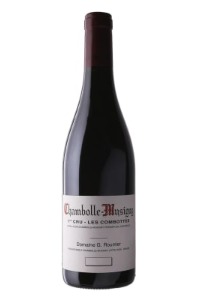
Chambolle-Musigny Les Combottes Premier Cru 2020 – Domaine Georges & Christophe Roumier – Burgundy, France
Domaine Méo-Camuzet – Burgundy, France
The Méo family’s history in viticulture started as early as the 17th century in Selongey, Burgundy, where they owned choice vineyards in Cote d’Or. However, the estate was not named Domaine Méo-Camuzet until 1981, releasing its first vintage in 1983. Under the guidance of Jean-Nicolas Méo, the winery combines tradition and modern innovation to create its long lived French Pinot Noir wines. The winemaking process is optimized for minimal intervention from planting to bottling. Today, the critically acclaimed winery has received various awards, including Jean-Nicholas being named a “Winemaker at the Top of His Art” by Wine Spectator and its 2023 Vosne-Romanée Premier Cru Aux Brûlées being recognized at 96 points by critics.
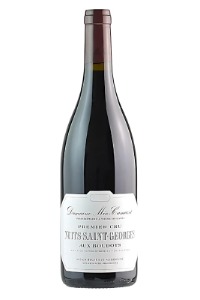
Nuits-Saint-Georges Aux Boudots Premier Cru 2023 – Domaine Meo-Camuzet – Burgundy, France
Domaine de la Romanée-Conti – Burgundy, France
Domaine de la Romanée-Conti is arguably one of the world’s most important vineyards, with an 800 year history and the most expensive wines. Not only are their vineyards UNESCO World Heritage sites, but all of their wines are also designated Grand Cru, with Pinot Noir as their flagship wine. The legendary Domaine de la Romanée Conti 1945 has set two records as the most expensive wines ever sold at an auction, selling for $496,000 and $558,000 in 2018. The Duvault-Blochet family has operated the winery since the 1800s, only producing about 6000 cases per year. Today, the estate remains committed to expressing terroir through its exceptional wines using organic farming methods.
Did you know? Some Gran Cru vineyards have been producing French Pinot Noirs for over 900 years continuously. This is longer than most European countries have existed!
Bourgogne Pinot Noir: the global benchmark
AOC Bourgogne Pinot Noir is a French regional appellation created in 1937 to describe the 100% Pinot Noir French red wines made exclusively in the Burgundy region. It is the global benchmark for the variety because of its history and mastery of the terroir, where winemakers combine the unique limestone soils with meticulous vineyard management techniques. French Pinot Noirs from Burgundy command prices that vary widely based on their classifications, namely:
- Entry level Bourgogne Rouge: usually priced between $15-$50
- Village Pinot Noirs between $50-$150
- Premier Cru and Grand Cru bottles that range between $150 to $1000+
For beginners to Bourgogne Pinot Noir, brands like Louis Jadot and Joseph Drouhin are good entry points. Their Bourgogne Rouge wines are light and versatile, with soft tannins and red fruit flavors. It is classified below Village, Premier and Grand Cru and typically costs less than $30. Compared to other entry level wines, Bourgogne Rouge prices are high due to widespread demand and limited supply, increased production costs and the prestigious nature of the region. However, you can be sure that French Pinot Noir from Burgundy is worth every penny, showcasing the unique terroir while representing a more approachable style than the higher classifications.
- AOC established: 1937
- Vineyard acres: 7,400 acres
- Elevation: 650-1640 ft
- Growing season: 213 days
- Avg. temperature: 37°F-70°F (3°C-21°C)
- Top vintages: 2015, 2019, 2022
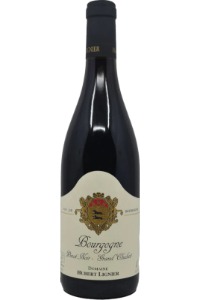
Bourgogne Grand Chaliot 2023 – Hubert Lignier – Burgundy, France
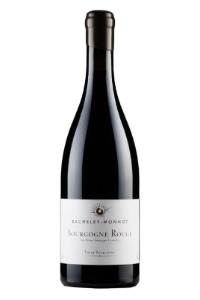
Bourgogne Rouge 2023 – Domaine Bachelet-Monnot – Burgundy, France
What pairs well with French Pinot Noir?
Roast chicken, grilled salmon and other savory, earthy dishes pair best with French Pinot Noir because of its high acidity and light tannins. Avoid extremely spicy dishes or heavy cream sauces that may mask its delicate taste. Some of our top food pairing recommendations for French Pinot Noir are:
- Poultry & light meats: roast turkey, pork tenderloin, lamb chops
- Fish: grilled salmon, trout, tuna
- Vegetarian: mushroom risotto, lentils, roasted beets
Match food and wines from the existing 10 wines named in the top 10 ranking.
| French Pinot Noir Food Pairing | Best Pinot Noir Bottle | Rating | Aged | Type & Structure |
|---|---|---|---|---|
| Roasted duck, guinea fowl, herb roasted chicken, quail with balsamic glaze | Chapelle-Chambertin Grand Cru 2018 – Domaine Ponsot – Burgundy, France | 5/5 | 2-3 years | Dry, red fruit, silky, fresh acid |
| Grilled salmon, trout with herbs, seared tuna, sushi | Morey-Saint-Denis Clos de la Bussière Premier Cru 2020 – Domaine Georges & Christophe Roumier – Burgundy, France | 5/5 | 1-2 years | Its savory and medium body works well with the fat and bold taste of grilled oily fish. |
| Mushroom risotto, grilled portobello, truffle popcorn, butternut squash | Nuits-Saint-Georges Les Cailles Premier Cru 2023 – Domaine Robert Chevillon – Burgundy, France | 4.9/5 | 1-2 years | The wine’s integrated earthy and spicy notes complement the umami flavors of mushroom dishes. |
| Brie, Époisses de Bourgogne, Comté, Gruyère | Gev Chamb Cazetiers 2021 – Domaine Faiveley – Burgundy, France | 4.9/5 | 1-2 years | Its rich palate and earthy, complex notes are a classic match for mild, flavorful soft cheeses. |
| Charcuterie, pâté, pepperoni pizza, prosciutto di Parma, mild salami | Pommard Pezerolles Premier Cru 2022 – Ballot Millot – Burgundy, France | 4.8/5 | 1-2 years | It has a graceful floral bouquet that pairs excellently with the salt and fat in artisanal charcuterie. |
| Coq au Vin, Beef Bourguignon, Duck Confit | Pierry Rouge Premier Cru Les Gouttes d’Or 2021 – Champagne J-M Seleque – Champagne, France | 4.8/5 | 2-3 years | This Pinot Noir dominant wine has enough acidity and red fruit notes to match the rich, saucy flavors of classic French dishes. |
| Lamb chops, barbecued pork ribs, filet mignon | Morey-Saint-Denis 2023 – Domaine Michel Magnien – Burgundy, France | 4.7/5 | 1-2 years | The red fruits and silky tannins of this wine complement delicate and tender meats, especially those prepared with a subtle mushroom sauce. |
What is French Pinot Noir and how is it made?
- French Pinot Noir
French Pinot Noir is a red wine made from thin skinned Vitis vinifera grapes, primarily harvested in Burgundy, France. The name arises from the French words for “pine” and “black”, in reference to the pinecone shaped grape bunches.
How French Pinot Noir is made:
- Undamaged and healthy grapes are hand harvested to ensure quality, often in the cool hours of the morning.
- Most winemakers in Burgundy carry out whole cluster fermentation for added structure and aromatic complexity, but many others sort and destem the grapes before fermentation to reduce harsh tannins and craft fruit forward Pinot Noirs.
- Fermentation occurs in open topped fermentation vats made of oak or ancient concrete. Winemakers use natural wild yeasts to convert the sugars to alcohol at moderate temperatures (~30°C).
- Pigeage involves punching down the cap of skins that have floated to the top of the vat. It is usually done by hand for superior tannin structure and maximal flavor extraction than “pumping over”.
- Aging is done in French oak barrels for 12-18 months for added structure, delicate spicy notes and a velvety mouthfeel.
- Terroir focus: Burgundy winemakers keep their interventions to a minimum, prioritizing vineyard expression to craft styles that range from light and delicate to structured and age worthy.
Beyond Burgundy, French Pinot Noir grows in the Loire Valley, Champagne (where it is a key grape used in Blanc de Noirs and rosés) and cooler southern valleys.
French Pinot Noir is special due to its unmatched ability to express terroir, which is the unique characteristics of the specific climate where it is grown. “Old World” style wines known for their pure and complex Pinot Noir bottlings, they are native to the cooler Burgundy climate and its limestone soils, making them the benchmark worldwide. French wine Pinot Noir is classified by vineyard quality into Village, Premier Cru and Grand Cru wines, with strict AOC rules defining production.
Key differences between French Pinot Noirs and New World Pinot Noirs
French Pinot Noir (Old World, primarily Burgundy) offers higher acidity, lower alcohol (12% – 13.5%) and mineral, earthy notes that are not detectable in New World versions. New World Pinot Noirs (from California, Oregon, NZ) are generally riper, with higher ABV (13.5% – 14.5%) and pronounced sweet oak character. NW Pinot Noir tannins are, generally, more robust. The difference lies in the winemaking techniques.
Traditional winemaking techniques from Burgundy, such as oak vat fermentation, long skin maceration and extended barrel aging, give life to lighter bodied wines with softer tannins. New World winemakers, on the other hand, ferment the must in stainless steel tanks with selected yeasts. These practices aren’t set in stone and today, techniques often overlap. Burgundy (Old World) producers are experimenting with modern techniques while California and Oregon winemakers adopt traditional methods. The long contemplated terroir focus of the Old World is spreading. New World Pinot Noir excels in cooler climates and Willamette Valley, Sonoma Coast and Russian River are the proof.
| Factors | French Pinot Noir | New World Pinot Noir |
|---|---|---|
| Style | Earthy, savory, terroir driven | Fruit forward, riper, bolder |
| Body | Light to medium | Medium to full |
| Tannins | Silky, soft | Robust |
| Acidity | High, bright | Moderate |
| Flavor profile | Red cherry, strawberry, earth, mushroom, floral | Ripe berry, vanilla, cocoa, black cherry |
| ABV | 12-13.5% (lower) | 13.5 – 14.5% (higher) |
| Aging | 10 – 25+ years (Grand Cru) | 5 – 10 years |
| Price entry point | ~$25 (Bourgogne AOC) | ~$15 (California, Chile) |
| Best for | Collectors, food pairing, oenophiles | Casual drinking, fruit lovers |
Key differences between French and New World Pinot Noirs:
- Climate and Terroir: the cool climate and limestone soils in Burgundy create distinct wines while Pinot Noir from warmer regions like California and New Zealand is riper and fruitier.
- Flavour: French Pinot Noir shows bright red fruit, forest floor and mushroom flavors. New World wines, on the other hand, feature bolder red fruits with sweet oak influence.
- Structure: French Pinot Noir is lighter bodied with refined tannins, whereas the New World versions are lush and fuller bodied.
How we rate French Pinot Noirs
We rate French Pinot Noirs based on a 5 point scale, assigning scores following criteria such as the appearance, aroma and flavor. Our editorial team has visited the wineries, travelled the vineyards and sat at the tables where these wines are produced. We have personally tasted and scored every single wine we recommend through blind tests: no price tags, labels or bias included.
At first, each bottle is scored on a 50 point system, which we then convert to the simple 5 point rating as seen below:
Rating Scale (1-5):
- 5 = Exceptional
- 4 = Excellent
- 3 = Very Good
- 2 = Good
- 1 = Fair
The scoring criteria include:
- Appearance (up to 5 pts): clarity, color, brightness
- Aroma & Bouquet (up to 15 pts): intensity, complexity, absence of flaws
- Flavor & Palate (up to 20 pts): balance of acidity, tannin, alcohol; depth, mouthfeel
- Overall Impression (up to 10 pts): harmony, complexity, typicity, finish, aging potential
A wine that is rated between 4 and 5 has been determined to be one of unmatched quality, impressing us by sight, smell, sipping and swirling.
In addition to the standard assessments, we also rate French Pinot Noir based on criteria specific to the “Old World” style:
- Terroir expression: mineral notes that reflect Burgundy’s limestone soils, not the fruit forward ripeness of “New World” expressions.
- Aromatic profile: layers of red fruit, savory earthy undertones and integrated spice notes, instead of bold oak or vanilla.
- Structure: delicate tannins on a light to medium bodied palate, emphasizing elegance instead of raw power.
To ensure that our scores remain fair across price points, we compare French Pinot Noir bottles only against those in their Burgundy classification. Bourgogne Rouge wines are stacked against similar bottlings, Premier Cru is judged against other first growth vineyards and Grand Cru rated against the finest classified sites.
A note from our team: with wine drinking and tasting, it all comes down to personal palate and our scores reflect our palate and taste. Read our tasting notes to find bottles that you will enjoy the most, which is what matters to us more than any number.
You might also be interested in
FAQs on French Pinot Noir
Where is French Pinot Noir made?
French Pinot Noir is grown primarily in Bourgogne (Burgundy) in eastern France, particularly in the Côte d’Or region. It is also produced in Champagne, the Loire Valley, Alsace and in the south near Perpignan and Nîmes. Burgundy accounts for over 30% of global Pinot Noir production, known for its structured and age worthy reds.
How to drink French Pinot Noir?
French Pinot Noir is best enjoyed slightly chilled, served at 55°F-60°F (12-15°C) {ideal at 60°F (16°C) in a large, aroma collector Burgundy style glass that accentuates its delicate aromas. It is a versatile wine that pairs perfectly with duck, roasted chicken and soft cheeses. To better enjoy aged Pinot Noir French wines, decant for 30 minutes.
What is French Pinot Noir?
French Pinot Noir is a light to medium bodied red wine that is made from thin skinned grapes of the same name. Its wines are elegant, with high acidity, red fruit and earthy flavors, as well as silky tannins. It primarily originates from Bourgogne in eastern France, but it is also grown in parts of Champagne, Alsace and the Loire Valley.
What is French Pinot Noir called?
French Pinot Noir is called Red Burgundy (Bourgogne Rouge) after its originating region. This is because French wines are labeled by region, rather than by grape variety, like Californian wines are. French Pinot Noir from the Sancerre area in the Loire Valley is known as Sancerre Rouge, while a Champagne wine that is crafted exclusively from Pinot Noir is referred to as Blanc de Noirs.
Is French Pinot Noir popular?
Yes, French Pinot Noir is very popular and sought after worldwide due to its elegance, high quality, silky texture and terroir expression. French Pinot Noir is a global benchmark for the grape by sommeliers and winemakers alike. It is also important in France, where it has been the most widely cultivated red grape in Burgundy for centuries. It is a key component in Champagne, with growing popularity in Alsace.
