

Merlot vs Cabernet Sauvignon: which red should you go for (2026)
Merlot and Cabernet Sauvignon are popular red wines from Bordeaux, France, but Merlot is softer with plum and cherry flavors, while Cabernet Sauvignon is bolder and highly tannic with dark fruit notes. We evaluated Cabernet Sauvignon vs Merlot bottles on a 5 point scale to bring you our top picks.

10 Best Merlot and Cabernet Sauvignon bottles to buy now
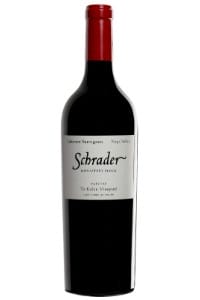
Monastery Block To Kalon Vineyard Cabernet Sauvignon – Schrader Cellars 2023
California, US
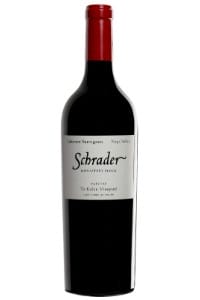
Palazzi – Tenuta di Trinoro 2022
Tuscany, Italy
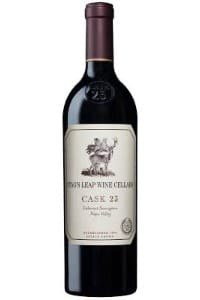
Cask 23 – Stag’s Leap 2019
California, US
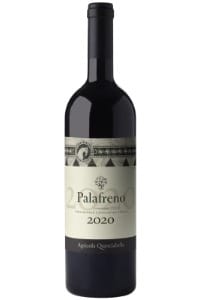
Palafreno – Querciabella 2020
Tuscany, Italy
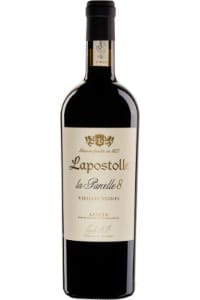
Apalta La Parcelle 8 Cabernet Sauvignon – Lapostolle 2021
Rapel Valley, Chile
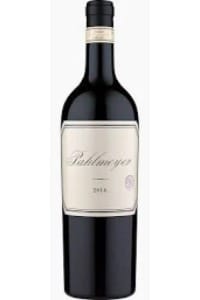
Napa Merlot – Pahlmeyer 2022
California, US
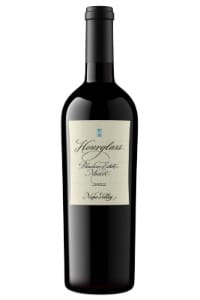
Blueline Vineyard Merlot – Hourglass 2022
California, US
Napa Valley Cabernet Sauvignon – Cakebread 2022
California, US
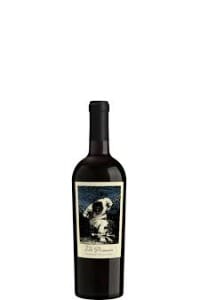
Cabernet Sauvignon – The Prisoner Wine Company 2023
California, US
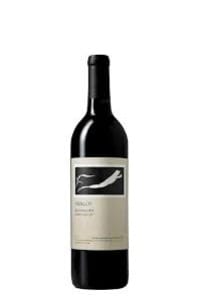
Merlot – Frog’s Leap 2021
California, US
The best Merlot and Cabernet Sauvignon bottles to buy now include cellar worthy investments such as the 5/5 rated Schrader Cellars Monastery Block To Kalon Vineyard Cabernet Sauvignon 2023 and Tenuta di Trinoro Palazzi 2022, an Italian Merlot also rated 5/5. These wines are placed alongside everyday pours, all handpicked by our expert panel after a series of tastings.
- Best premium Merlot to buy: Tenuta di Trinoro Palazzi 2022; its attractive aromas, balanced and velvety texture make it worth the splurge.
- Best Value Cabernet to buy: Lapostolle Apalta La Parcelle 8 Cabernet Sauvignon 2021; provides exceptional quality under $200.
- Best cellar worthy Merlot: Querciabella Palafreno 2020; ages beautifully due to its firm structure and super fine tannins.
- Best all rounder: Schrader Cellars Monastery Block To Kalon Vineyard Cabernet Sauvignon 2023; intensely inky and flawless, it is a consistent crowd favorite around $600.
What is the difference between Merlot vs Cabernet Sauvignon?
The main differences between Merlot and Cabernet Sauvignon lie in their body, tannins, flavor profile, aging potential and price.
Merlot has a smooth and plush character, with a velvety mouthfeel due to its soft tannins that create a round texture. It displays ripe, red fruit notes like juicy plum, cherry, raspberry and hints of chocolate. Merlot grapes have thinner skins and ripen earlier, producing a more approachable wine, especially if you’re just getting into red wine.
Cabernet Sauvignon, on the other hand, brings a bolder intensity with its firm structure, darker fruit flavors and complexity. Expect notes of blackberry, cassis, cedar and green pepper, especially when it is oak aged. Cabernet Sauvignon is high in tannins, which contribute to its exceptional age worthiness and “grippy” mouthfeel.
The Merlot vs Cabernet Sauvignon taste can be different, depending on where they’re grown. For instance, cool climate Merlot from Bordeaux will be more savory and fruitier than Californian Merlot.
Have a look at the table below for a detailed Cabernet vs Merlot comparison.
| Factor | Merlot | Cabernet Sauvignon |
|---|---|---|
| Origin | Bordeaux, France | Bordeaux, France |
| Grapes | Merlot | Cabernet Sauvignon |
| Body | Medium to full | Full bodied |
| Tannins | Softer, rounder | Firmer, structured |
| Taste | Fruit forward, with plum and cherry notes | Robust, with flavors of blackberry, green pepper and cedar |
| Acidity | Moderate | Moderate to high |
| Aging | Good, often meant to be drunk young | Excellent, ages beautifully for decades |
| Price | $20-$300+ | $30-$400+ |
| Best for | Poultry, mushroom risotto, soft cheeses | Red meat, savory dishes and stews, aged cheeses |
Where are the Merlot vs Cabernet Sauvignon regions?
Both Merlot and Cabernet Sauvignon originate from Bordeaux in France, where they are often combined with other varieties to create Bordeaux blends. Merlot dominates the Right Bank blends, particularly in Pomerol and Saint-Émilion, while Left Bank blends emphasize Cabernet Sauvignon’s fuller bodied profile, especially in regions like Médoc and Pauillac.
Both grapes also thrive in the New World, with producers like Frog’s Leap Winery and The Prisoner Wine Company in Napa Valley, California, producing world class versions of both. Maipo Valley in Chile is known for crafting high quality Cabernet, while Colchagua Valley in the same country specializes in Merlot production.
| Factor | Merlot | Cabernet Sauvignon |
|---|---|---|
| Country (Old World) | France | France |
| Key Region (Old World) | Bordeaux Right Bank (Saint-Émilion, Pomerol) | Bordeaux Left Bank (Médoc, Pauillac, Margaux) |
| Country (New World) | USA, Chile, Italy | USA, Australia, Chile |
| Key Region (New World) | Napa Valley, Colchagua, Tuscany | Napa Valley, Coonawarra, Maipo Valley |
| Climate | Cooler to moderate | Warm to moderate |
| Effect on wine | Softer, fruitier, approachable | Structured, tannic, age worthy |
Winemakers all over the world craft exceptional expressions of both Merlot and Cabernet Sauvignon and you should try a bottle or two of each red wine for a taste of the best. To experience elegant, cool climate Cab Sauvs, go for Australian expressions from Coonawarra and the Margaret River region.
Merlot or Cabernet Sauvignon: when to choose one over the other?
Choose Merlot for casual, easy drinking evenings, to be paired with lighter dishes, or when you want a taste of something that is both smooth and approachable. Buy Cabernet Sauvignon when you’re planning long term cellaring, steak dinners, or bold food pairings that require depth and complexity. The Merlot and Cabernet taste profiles are perfect for different occasions, and here is a scenario based guide to know when to choose either:
- For a weeknight dinner where you just want to enjoy without overthinking, reach for Merlot.
- A formal dinner party or corporate dinner will benefit from the structure and prestige that Cabernet Sauvignon brings.
- The uncertainty that comes with first dates requires the safe bet that is Merlot.
- Cabernet’s bold fruit and spicy flavors stand up nicely to the smoke and charred flavors of barbecues and steaks.
- Are you a wine beginner with no prior experience drinking red wines? Merlot is what you need!
- Want to start your journey as a wine collector? Cabernet Sauvignon matures and evolves for over 10-25 years in the wine cellar.
A Merlot vs Cabernet Sauvignon taste comparison
Merlot tastes softer, fruit forward and smoother, featuring ripe plum, cherry, chocolate and vanilla notes with lower tannins. Cabernet Sauvignon is bolder, higher in tannins and offers blackcurrant, cedar, tobacco, mint and earthy flavors with a longer finish.
If both red wines are produced in the same area using the same winemaking techniques, Cabernet Sauvignon tastes bolder. However, cooler climate wines are more structured, with higher tannins, acidity and herbaceous flavors. Cool climate Merlot is more elegant and closer to Cab Sauv in taste.
The same philosophy applies to warm climate wines; the grapes ripen earlier and develop riper fruit flavors and less tannins. Warm climate Cabernet Sauvignon is bolder and fruitier and can be mistaken for Merlot.
In Bordeaux, Cabernet Sauvignon and Merlot are frequently blended to create a complex and balanced wine. Cabernet Sauvignon brings structure and aging potential, while Merlot adds softness and fruitiness.
Why is Cabernet Sauvignon more expensive than Merlot?
- Growing risks: Cabernet Sauvignon grapes ripen later than Merlot grapes, increasing the risk of their getting damaged by frost and bad weather conditions, raising the production costs.
- Limited production: premium Cabernet Sauvignon also often has lower yields per vine when compared to Merlot, which leads to increased prices.
- Oak aging: the higher tannin content in Cabernet Sauvignon requires extensive aging, often in French oak barrels, to soften them and add complexity. Merlot, on the other hand, is often processed faster and released commercially as soon as possible.
- The market positioning of Napa Cabernets and Left Bank Bordeaux blends as luxury wines sets market expectations for the entire category.
- There is a large community of collectors who look for iconic bottles such as Screaming Eagle and Opus One Cabernet to add to their cellars. They drive demand and hold auctions where highly sought after bottles are sold to the highest bidders, contributing to increased retail prices in the secondary market.
- Merlot offers excellent QPR (quality-price ratio). It is less hyped and offers the same quality at lower price points.
Cabernet Sauvignon has established itself as the world’s most planted red grape variety, roughly covering 850,000 acres (340,000 hectares), while Merlot is a close second at 657,300 acres (266,000 hectares). Merlot is particularly popular among people seeking out a softer alternative to Cabernet Sauvignon.
How we compared Merlot vs Cabernet Sauvignon
We rate wines on a 5 point scale, evaluating the appearance, aroma/bouquet, flavor/palate and overall impression of the red wine. Any bottle of Cabernet Sauvignon or Merlot that we recommend has been tasted and scored personally by our expert panel without bias. The scores are aggregated over 50 points, before being converted to the simple 5 point scale shown below:
- 5 = Exceptional
- 4 = Excellent
- 3 = Very Good
- 2 = Good
- 1 = Fair
What do we look for?
- Appearance (up to 5 points): clarity, color, brightness
- Aroma & bouquet (up to 15 points): intensity, complexity, absence of flaws
- Flavor & palate (up to 20 points): balance of acidity, tannin, alcohol; depth, mouthfeel
- Overall impression (up to 10 points): harmony, complexity, typicity, finish, aging potential
Being red wines with different styles and flavor profiles, we evaluated each bottle of Cabernet and Merlot based on:
- Aromas: Cabernet offers classic dark fruit aromas accompanied by savory notes and sometimes green pepper, while Merlot’s bouquet is more fruit forward, with plum, cherries and chocolate.
- Mouthfeel: Merlot should feel smooth and plush on the tongue, while Cabernet Sauvignon may feel firm and grippy.
- Structure: higher acidity and a longer finish in Cabernet vs Merlot’s medium acidity and smoother, shorter finish.
To keep our ratings context appropriate, each wine is compared to bottles in its category. Merlot is stacked against its peers and Cabernet Sauvignons against other Cab Sauvs
A note from our team: the scores we assign are subjective opinions of our tasting panel and a reflection of their palates and tastes. We advise that you read our tasting notes to find the red wines you will enjoy the most.
You might also be interested in

FAQs on Merlot vs Cabernet Sauvignon
What is the difference between Merlot and Cabernet Sauvignon?
Merlot is a soft, medium bodied and fruit forward wine with smooth tannins and flavors of plum, cherry and chocolatey hints. Cabernet Sauvignon is bolder, fuller bodied and higher in tannins, with savory notes of black currant, tobacco and cedar. Merlot is more approachable when young, while Cabernet Sauvignon is ideal for aging.
Is Merlot sweeter than Cabernet Sauvignon?
Yes, Merlot is perceived as sweeter than Cabernet Sauvignon, although both of them are dry red wines with minimal sugar. This is because of Merlot’s softer tannins, lower acidity and fruit forward profile, with flavors of plums, cherries, chocolate and vanilla.
Which is better Merlot or Cabernet Sauvignon?
Neither Merlot nor Cabernet Sauvignon is objectively “better”; the choice depends on your preferences. Cabernet Sauvignon is full bodied, highly tannic and intense, best paired with fatty steaks and aged cheeses. Merlot is more approachable, fruit forward and softer, making it perfect for casual drinking and lighter meats or pasta.
Is Merlot or Cabernet Sauvignon better for beginners?
Merlot is better for beginners due to its soft and plush texture and lower tannins, which makes it less drying. It is also versatile for food pairing, enjoyable with a wide range of foods, including pasta, poultry and light meats. You can choose Cabernet Sauvignon if you prefer a bolder and more structured wine.
Can you blend Merlot and Cabernet Sauvignon?
Yes, some of the world’s finest wines, including Bordeaux blends, combine Merlot and Cabernet Sauvignon. Cabernet adds structure, tannins and aging potential, while Merlot contributes softness and lush plum flavors. The resulting wine is versatile, medium to full bodied with a smooth texture, moderate tannins and good aging potential.
