

Shiraz wine bottles that steal the spotlight in 2026
Shiraz, also called Syrah, is a rich and powerful red wine from France’s Rhône Valley, now one of Australia’s most widely planted grapes. We tasted scores of Shiraz wines, rating them over 5 points to bring you our 5/5 top pick, E.Guigal’s stunning Ex Voto Ermitage Rouge 2020.

Table of Contents
10 of the best Shiraz wine bottles chosen by sommeliers
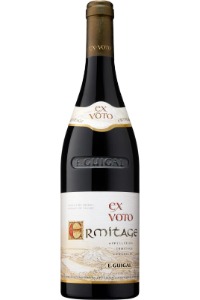
Ex Voto Ermitage Rouge – E.Guigal 2020
Rhône, France
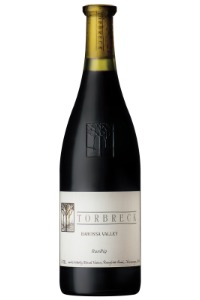
RunRig – Torbreck 2021
South Australia, Australia
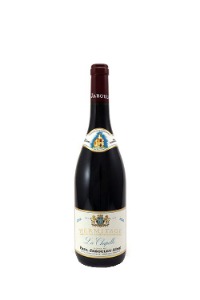
Hermitage La Chapelle Rouge – Paul Jaboulet Aîné 2016
Rhône, France
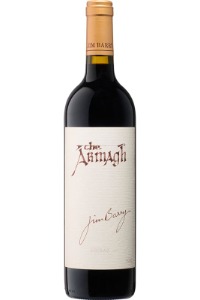
The Armagh Shiraz – Jim Barry 2018
South Australia, Australia
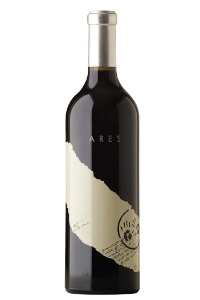
Shiraz Ares – Two Hands 2007
Barossa, Australia
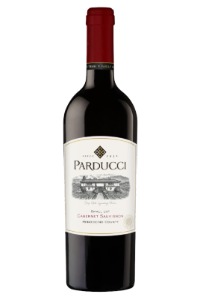
Armada Syrah – Cayuse 2022
Washington, US

Fracture Syrah – Booker Vineyard 2019
California, US
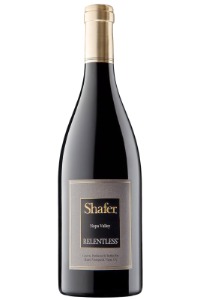
Relentless – Shafer Vineyards 2019
California, US
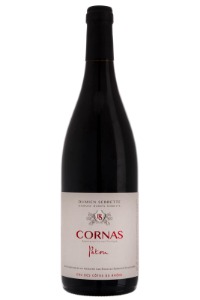
Cornas Patou – Domaine Dumien-Serrette 2023
Rhône Valley, France
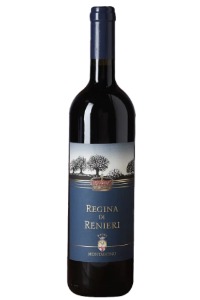
Regina Di Renieri Syrah – Renieri 2020
Tuscany, Italy
Our best Shiraz wines this month include bold and jammy Australian wines, elegant old world Syrah bottlings from France, as well as some of the finest expressions from US winemakers. This list ranges from the 5/5 top rated E.Guigal’s Ex Voto Ermitage Rouge 2020, available for approximately $450, to the bold and intense 2020 Regina di Renieri, rated at 4.6 and valued roughly at $45. Every Shiraz wine bottle in the ranking was selected for its balanced flavors, structure and high critic scores.
What does Shiraz wine taste like?
Shiraz wine tastes bold and velvety, with intense flavors of dark fruits like blackberry, plum and blueberry alongside savory notes of black pepper, chocolate and baking spices. Regional variations exist depending on the climate; Shiraz from warm Australia displays jammy fruit flavors, while the cool climate of the Rhône Valley yields more refined Syrah with higher acidity and an earthier flavor profile.
| Attribute | Details |
|---|---|
| Grape Variety | 100% Shiraz |
| Origin | Rhône Valley (France), now widely grown in Australia, South Africa and the US. |
| Serving Temperature | 60-65°F (16-18°C) |
| Decanting | 30 minutes to 1 hour for young and bolder versions; decant aged Shiraz just before serving to remove sediment. |
| Aging Potential | 5-20+ years, especially for structured wines |
| Flavor Profile | Blackberry, plum, black pepper, smoked meat, violet, dark chocolate, licorice |
| Structure | Full bodied, medium to high tannins, medium to high acidity |
| Alcohol Content | 13%-16%. Higher in warmer climates like Australia |
| Ideal Glass | A large, round bowled glass with a pronounced taper, such as the Bordeaux or Burgundy wine glass |
| Food Pairing | Grilled meats, barbecue, lamb, aged cheeses, sausages and spicy dishes |
| Top Communes | Côte-Rôtie AOC, Hermitage AOC, Cornas AOC (Rhône Valley, France); Barossa Valley, McLaren Valley (Australia) |
| Notable Producers | M.Chapoutier, E.Guigal, Marius Gentaz-Dervieux, Jean Louise Chave, Penfolds, d’Arenberg, Henschke, Sine Qua Non |
What makes the Shiraz flavor profile so special?
- Its signature aromas of black and white pepper, due to the presence of the compound “rotundone.” These peppery notes are more pronounced in cool climate wines like Rhône Syrah.
- Its versatility and “chameleon” ability, which allow it to be crafted into savory, earthy wines with intense gamey notes or fruity expressions.
- Syrah has very dark and thick skins, resulting in one of the “inkiest” and most opaque red wines on the market.
Did you know? DNA profiling has revealed that Syrah is a native French grape, the product of a natural cross of two rare varieties, Dureza and Mondeuse Blanche.
What is Shiraz wine?
- Shiraz
Shiraz, also called Syrah, is a popular, full bodied and spicy red wine, originally from the Rhône Valley in France, but now widely cultivated in Australia and other major wine regions. It is made from grapes of the same name, crafted into single varietal wines or blends like GSM. ABV: 13.5%-15%.
Shiraz and Syrah are alternate names for the same, genetically identical red grapes. It is one of the world’s most popular dark skinned grape varieties, with aromas of smoke, black fruit and peppery, spicy notes.
It thrives worldwide and expresses itself differently depending on the climate, soil and regional winemaking style. The name “Syrah” is used in Europe (especially Northern Rhône in France) and the Old World, while it is called “Shiraz” in Australia, the US and other New World regions.
Old World Syrah is crafted in cool climate regions, where it is dry, with high acidity, moderate to high alcohol levels (13-14.5% ABV), earthy and tannic. Australian Shiraz wine is bold, jammy and fruit forward, with elevated alcohol content (14%-16% ABV) due to the higher residual sugar in the grapes grown in the hot climate.
Shiraz wines are some of the most color concentrated among the world’s red wines, ranging from deep ruby red to purple.
How is Shiraz red wine made?
Shiraz red wine is made following several steps, starting from grape cultivation to fermentation and blending.
- Shiraz grapes are picked at peak ripeness, usually around mid harvest in warm climates. In cooler climates, it may require a longer growing season to ripen completely and achieve the ideal balance of sugar and acidity.
- The harvested grapes are crushed to release the juice. Some winemakers practice extended maceration, which involves leaving the juice on the skins to maximize extraction of flavor, color and tannins.
- Whole cluster fermentation is a common practice in Shiraz winemaking. The stems are left in contact with the grapes as they ferment in stainless steel or concrete tanks at controlled temperatures. Whole cluster fermentation improves the finished wine’s depth and may boost its aging potential.
- Maturation or aging: Shiraz is often matured in oak barrels (either French or American) for 20 months or longer. Australian winemakers prefer to use new oak, which can impart vanilla, smoke and coconut notes to Shiraz. In France, Syrah is typically aged in old oak barrels for a more subtle complexity.
- Winemakers may blend grapes from different barrels, vineyard plots and regions to achieve a specific, more sophisticated flavor profile.
- Finishing touches include filtering and the addition of fining agents for clarification, to remove impurities and enhance the wine’s visual appeal before bottling and commercial release.
Did you know? Barossa Valley in Australia is home to some of the world’s oldest, continuously producing Shiraz vines, with some dating back to 1843! Older vines produce lower crop yields, but their grapes are very concentrated in flavor and intensity.q
Shiraz grape: double name, single grape!
The Shiraz grape is one of the top 10 grape varieties worldwide. Initially, it was mostly used to soften the harsh tannins in other wines like Cabernet Sauvignon, or to add body and its deep color, but over time it became a valid standalone varietal used to make bold and spicy Shiraz red wines.
Beyond the classic red, it also comes in different styles and sometimes different colors:
- The classic red Shiraz wine is typically full bodied, rich and spicy, with signature black pepper and dark fruit notes.
- Sparkling Shiraz wine: made only in Australia, it is often produced via secondary fermentation in the bottle using the méthode traditionelle, although some producers prefer tank fermentation. Styles range from dry to moderately sweet, with typical concentrated fruit notes, soft tannins and fine bubbles..
- Rosé Shiraz is a vibrant, often deeper hued rosé wine that gets its color from a quick maceration (or soaking) of the skins in the juice. It is fruity and aromatic, ranging from dry and crisp to slightly sweet. Pink Shiraz is ideal as an aperitif, or it can be paired with pizza, pasta and seafood.
- Shiraz based blends use Syrah as the dominant grape variety, with classic examples including the GSM blend (Grenache, Shiraz and Mataro/Mourvèdre) and Shiraz and Cabernet Sauvignon in Australia, as well as the northern Rhône’s Shiraz and Viognier blends.
Did you know? Rare sweet Shiraz wines do exist! Common variations include late harvest Shiraz and sweet Shiraz rosés from Australia. You can enjoy them slightly chilled as dessert wines, use them as cocktail bases, or pair with spicy food.
Top 5 Syrah wine brands you can’t ignore
There are plenty of excellent Shiraz wine brands out there, so to make your choice easier, we have selected three of the most iconic producers from France and Australia. They include
- E. Guigal: a French négociant and winery that placed Côte-Rôtie on the map with its “La La” Shiraz dominant wines. E. Guigal wines have received more 100 point ratings from Robert Parker than any other winery.
- Penfolds Wines: winemakers since 1844, pioneers of premium, age worthy red wines, most notably the Penfolds Grange, setting the global benchmarks for Shiraz quality.
- Henschke Winery: 150+ year old Australian wine producer, best known for the iconic, single vineyard Hill of Grace Shiraz, a cult wine and one of Australia’s finest.
Here is a closer look at these celebrated producers:
E. Guigal – Rhône Valley, France
E. Guigal was established by Étienne Guigal in 1946 and it has been managed by his son Marcel Guigal since 1962. It is a winery and négociant (wine merchant) business in the northern part of the Rhône Valley in France. Guigal is notable for its Côte-Rôtie wines, gaining international recognition in the early 1980s when Robert Parker and other wine critics praised the three single vineyard “La La wines”, namely La Mouline (89% Syrah and 11% Viognier), La Landonne (100% Syrah)and La Turque (93% Syrah and 7% Viognier). In 2007, the 2003 vintage of Guigal’s “La La” wines was released, setting the record for the most expensive release of any Rhône wines, with some bottles retailing for as high as $800. The winery remains one of the world’s leading Syrah wine producers, renowned for placing Côte-Rôtie on the global winemaking map.
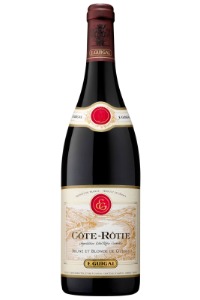
Côte-Rôtie Brune et Blonde – E. Guigal 2021 – Rhône, France
Penfold Wines – South Australia, Australia
Founded in 1844 by Dr. Christopher and Mary Penfold in Adelaide, Australia, Penfolds began as a maker of medicinal wine tonics. They cultivated the land surrounding their cottage, named “The Grange” and produced fortified wines in the style of sherry and port, but as demand increased, they expanded to crafting rieslings and clarets (dry red wines like Shiraz). In 1948, Max Schubert became the first chief winemaker, creating the iconic Penfolds Grange (Bin 95), a collectible Shiraz dominant red wine that cemented the brand’s reputation as a top Shiraz producer. Beyond Grange, Penfolds also produces Bin 28 Kalimna Shiraz, Bin 128 Coonawarra Shiraz and RWT Shiraz, all wines that now serve as the benchmark for New World Shiraz wines.
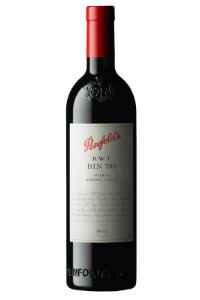
RWT Bin 798 Shiraz – Penfolds Wines 2019 – Barossa Valley, Australia
Henschke Winery – South Australia, Australia
Henschke is a premier, family owned Australian winery established in 1868 in South Australia in the Eden Valley wine region by Johann Christian Henschke. The winery has passed through six generations of winemakers with an unwavering commitment to sustainable dry grown viticulture and innovation. In 1958, Cyril Henschke launched the Hill of Grace Shiraz, one of Australia’s finest cult wines. Hill of Grace was sourced from ancient, pre-phylloxera vines planted in the 1860s and it has been classified as “Exceptional”, the highest ranking in Langton’s Classification of Australian Wine since 2005. Today, Henschke remains a top tier Shiraz producer, crafting elegant, age worthy wines with a focus on organic and biodynamic practices.
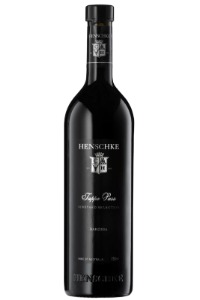
Tappa Pass Shiraz – Henschke 2020 – Barossa Valley, Australia
How much is the Shiraz wine price?
The Shiraz wine price spans a wide range, typically starting around $20 for everyday bottles to $500+ for 5/5 premium, collectible bottles. The Shiraz wine prices vary widely based on brand, region and quality, influenced by:
- Vine age and yield: old vines produce fewer grapes with highly concentrated flavors, leading to expensive Shiraz wines, while higher yielding and easier to harvest vines tend to produce cheaper wines.
- Winemaking techniques like the use of new oak barrels (which can cost thousands per one), hand sorting grapes and fermentation in smaller batches tend to drive up production costs.
- The brand and producer reputation also play a part in determining the prices of Syrah red wine. Highly reputable producers with a history of high critic scores and high demand, such as Penfolds or E. Guigal, can charge premium prices.
- Regional prestige: Syrah wine from renowned areas like the Barossa Valley and McLaren Vale in Australia, or Côte-Rôtie in France’s Rhone Valley command higher prices due to their reputation for high quality wines.
The Shiraz wine price can be split into the following tiers:
- Entry level: you can find bottles like L’Ecole 41’s Seven Hills Vineyard Estate Syrah 2021 for less than $50.
- Mid tier: Côte-Rôtie La Porchette 2017 by Julien Pilon is a great pick in this range.
- Premium, single vineyard bottlings like Jonata’s La Sangre de Jonata 2021 typically range from $100 to $200.
- Luxury, collector bottles include cult wines such as Penfolds Grange 2019.
Fun fact: A 1951 Penfolds Grange Hermitage Bin 1 Shiraz recently sold for $157,624 at a 2021 Langton’s Auction, the highest price ever for an Australian wine!
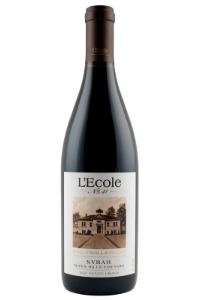
Entry Level Shiraz: Seven Hills Vineyard Estate Syrah – L’Ecole 41 2021- Washington, US
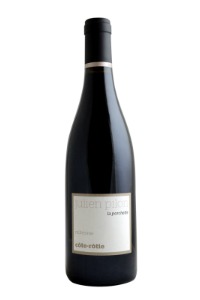
Mid Tier Shiraz: Côte-Rôtie La Porchette – Julien Pilon 2017 – Rhône Valley, France
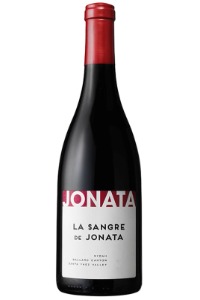
Single Vineyard: La Sangre de Jonata – Jonata 2021 – California, US
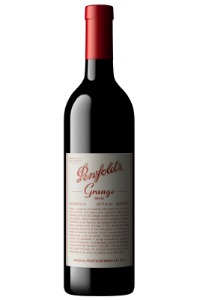
Prestige-Collector Bottles: Grange – Penfolds Wines 2019 – South Australia, Australia
How to serve and store Shiraz
Like other reds, Shiraz wine will taste better when poured at the right temperature. Here are some of our top tips to truly enjoy your bottle of Syrah:
- Store unopened bottles horizontally, in a cool and dark spot (between 54-59°F or 12-15°C) to avoid oxidation or premature aging.
- Serve Syrah between 60-65°F (16-18°C), as this slightly chilled temperature prevents its high alcohol content from tasting “hot”.
- Pour into a wide bowled, tulip shaped red wine glass like the Bordeaux or Burgundy wine glasses to enhance nuanced aromas.
- Decant young, robust Shiraz for 30 to 60 minutes to soften harsh tannins, while you can decant aged wines just before serving to remove sediment.
And if that is not enough, here’s one last piece of advice: invest in a simple vacuum wine saver! It will keep your bottle fresh for a couple of more days after opening.
If you are trying Shiraz red wine for the first time, you might want to start with a younger Shiraz (around 3/7 years old) that offers softer tannins and juicy notes.
Top Shiraz wine regions
French Syrah is where it all started, specifically in the Rhône Valley on those steep hills and cooler climates where it grows really well. In France Syrah covers around 65,000 acres and is the only red grape allowed in fancy appellations like Côte-Rôtie and Hermitage.
Let’s take a closer look at the main French communes for Syrah:
- Côte-Rôtie is known for its elegant and floral Syrah with lots of violets and spices. Here, producers grow Syrah grapes on steep, sun drenched vineyards known as “roasted slopes”, often blending in a small percentage of white Viognier grapes with Syrah to add finesse and floral aromatics.
- Hermitage is situated on the Rhône’s eastern bank, where winemakers craft some of the world’s most powerful and long lived Syrah based red wines. The wines here are known for their deep colors, intense aromas of smoke, spice and dark fruit and strong tannins.
- Cornas is one of the few appellations in the Northern Rhône that is strictly dedicated to producing 100% Syrah. These wines are grown on steep, sunny granite terraces, beloved for their rustic charm and notes of dark fruits, spice and minerality.
Then came Australia! When the grape arrived there in the 19th century, it got a new name: Shiraz. Down there, some communes really stand out for the best Australian Syrah:
- Barossa Valley (South Australia) is one of the oldest Shiraz regions down under, with pre-phylloxera vines and a warm climate that gives rich red, bold and full bodied Shiraz wines with high alcohol, velvety tannins and dark berry flavors. .
- McLaren Vale (South Australia) is a bit different, with cooling coastal breezes and distinct geological diversity producing wines that are softer in feel, yet complex, characterized by dark fruit aromas, fine tannins and chocolatey notes.
- Hunter Valley (New South Wales) is home to a lighter and more elegant Shiraz with earthy or leathery notes and often lower in alcohol than the southern regions. Hunter Shiraz possesses firmer structure, longevity and lower tannins than the others, making it a highly versatile wine for food pairings.
So, what’s the deal with Shiraz vs Syrah? It is basically the same grape grown in different climates, terroirs and winemaking that change the vibe.
We can describe Australian Shiraz as fuller, fruitier and bolder, especially when compared to Syrah from France which is typically more savory, structured and earthy.
Fun fact: due to pronunciation, some people type chiraz wine when they mean Shiraz. Watch out for the spelling!
Shiraz food pairings
Shiraz pairs best with savory, high protein dishes that match its intensely fruity and peppery profile. The lighter style of cool climate Syrah is ideally paired with a delicate dish like grilled lamb, while a bolder Shiraz wine from Australia can hold up to the intense flavors of slow roasted pork.
Top Shiraz food pairings include:
- Grilled red meats and game: ribeye steak, smoked brisket and venison
- Spicy dishes like Moroccan lamb, Tandoori chicken and chili Colorado
- Aged cheeses such as Cheddar, Gouda, Manchego and blue cheese
Find more pairing suggestions for our top five bottles below:
| Shiraz Food Pairing | Best Shiraz Bottle | Rating | Aged & ABV | Type & Structure |
|---|---|---|---|---|
| Roast veal tenderloin, venison, ribeye steak, smoked brisket, soy marinated wagyu | Ex Voto Ermitage Rouge 2020 – E.Guigal – Rhône, France | 5/5 | 3-4 years ABV 14.5% | Full bodied with bold tannins, black fruit and spicy notes. |
| Spicy dishes like Moroccan lamb, Tandoori chicken, chili Colorado, beef curry | RunRig 2021 – Torbreck – South Australia, Australia | 5/5 | 3-4 years ABV 15% | Full bodied and aromatic, with integrated tannins and focused acidity. |
| Slow cooked and braised dishes, such as beef bourguignon, veal and onion casserole, lamb stew, braised oxtail | Hermitage La Chapelle Rouge 2016 – Paul Jaboulet Aîné – Rhône, France | 4.9/5 | 2-3 years ABV 14.5% | Full bodied, with juicy tannins and lengthy finish. |
| Aged cheeses such as Cheddar, Gouda, Manchego, Parmigiano-Reggiano, Pecorino, blue cheese | The Armagh Shiraz 2018 – Jim Barry – South Australia, Australia | 4.9/5 | 1-2 years ABV 13.8% | Powerful and intense, with fine tannins and dark fruit notes. |
| Hearty dishes like a mushroom risotto, eggplant parmigiana, bolognese with game meat and pasta all’ubriaco | Shiraz Ares 2007 – Two Hands | 4.8/5 | 2-3 years ABV 14.2% | Full bodied, velvety and rich with grippy tannins and spice flavors. |
How we rate Shiraz wines
We rate wines by assigning scores on a 5 point scale, assessing their appearance, aroma or bouquet, flavor (or palate) and overall impression. Our editorial team tastes and personally scores every wine we recommend and you can be sure that no bias was involved. The scores are aggregated into 50 points, which we then convert into the simple 5 point scale as follows:
- 5 = Exceptional
- 4 = Excellent
- 3 = Very Good
- 2 = Good
- 1 = Fair
What do we look for?
- Appearance (up to 5 points): clarity, color, brightness
- Aroma & bouquet (up to 15 points): intensity, complexity, absence of flaws
- Flavor & palate (up to 20 points): balance of acidity, tannin, alcohol; depth, mouthfeel
- Overall impression (up to 10 points): harmony, complexity, typicity, finish, aging potential
In addition to the standard criteria, we evaluate Shiraz wines specifically on:
- Flavor profile: notes of leather, mocha and savory spice in warm climate versions, while cool climate Syrah should display white pepper and herbaceous notes.
- Taste and body: a full bodied, fruit driven palate, with high alcohol and rich tannins is a good quality indicator.
- Balance between concentrated fruit notes, acidity and the tannin structure is also important.
To maintain consistency, we rate each bottle within its category. A cool climate Syrah from Côte-Rôtie is compared to other bottlings from Old World producers and not an Australian Shiraz.
A note from our team: wine preferences are a reflection of personal taste and our scores reflect the palate and taste of our expert tasting panel. To find the bottles you will truly enjoy, we recommend you read through the attached tasting notes for each wine recommendation.
You might also be interested in

FAQs on Shiraz wine
Which brand of Shiraz is the best?
The best Shiraz brand depends on personal taste, but E. Guigal from France’s Rhône Valley is a standout. Their Côte-Rôtie wines, especially La Landonne, La Mouline, and La Turque, are legendary Syrah expressions, known for depth and elegance. For bolder styles, Australia’s Penfolds Winery and Henschke vineyards are iconic. Exploring different regions is the best way to find your favorite.
What country has the best Shiraz?
The country with the best Shiraz depends on your flavor preferences. Australia is famous for bold, fruit forward Shiraz, especially from the Barossa Valley. France offers elegant, spicy Syrah wines from the Rhône Valley. The United States also produces top quality Shiraz. While each region offers something unique, Australia is often considered the leader.
Is Shiraz wine sweet?
Shiraz wine is typically dry, although its ripe fruit flavors can give the impression of sweetness. Most Shiraz wines have little to no residual sugar, but they taste rich and fruity because of the ripe grapes and higher alcohol content. While a few sweet or fortified versions exist, they're rare. The majority of Shiraz wines on the market are dry, bold reds with a lush, juicy mouthfeel.
What is a Shiraz wine?
Shiraz wine is a red, dry wine made from the Syrah grape variety. It's known for being full bodied with intense flavors of blackberry, plum, and black pepper. It often has a high alcohol content and moderate to high tannins. Shiraz can range from juicy and approachable to rich and age worthy, depending on where and how it’s made. It’s especially well suited for red meat dishes and hearty meals.
What are wines similar to the red wine Shiraz?
If you enjoy the red wine Shiraz, you might also like other bold reds such as Zinfandel, Merlot, Barolo and Cabernet Sauvignon. These wines share similar traits like full body, dark fruit flavors, and spicy or smoky notes. Petite Sirah is another great option, offering similar intensity and richness. Wines from the Rhône Valley in France, like Côtes du Rhône, often feature Syrah and provide a good stylistic match as well.
What is the difference between Zinfandel vs Shiraz?
Both are bold red wines, but they differ in flavor and structure. Zinfandel, mostly from California, is often fruitier and sometimes has a jammy sweetness with flavors of raspberry, black cherry, and spice. Shiraz is usually drier, spicier and more structured, with darker fruit and black pepper notes. Zinfandel tends to be more approachable, while Shiraz is often more complex.
Are Syrah/Shiraz the same grape?
Yes, Syrah/Shiraz are the same grape variety, but the name changes depending on the region and winemaking style. Syrah is the French name, used mainly in Europe for wines with more restrained and earthy profiles. Shiraz is used in Australia and New World countries, where the wines are often richer, fruitier and more full bodied. The grape is genetically identical; it’s just a stylistic and cultural difference.
Is Shiraz a red wine?
Yes, Shiraz is a red wine. It is made from the Syrah grape, a dark skinned variety that produces deeply colored red wines. You might occasionally see a Shiraz rosé or a sparkling red made with Shiraz, but traditionally and most commonly, Shiraz refers to a red wine. It’s known for its bold flavors, dark fruit, peppery spice and firm structure, making it a favorite among red wine lovers.
Where can I buy Shiraz wine online?
You can buy Shiraz wine online by clicking on our wine recommendations right here on this page. We have provided ranked bottles in our top ten, as well as tasting notes to guide you in selecting the best wines. They are all available at great prices on websites that offer timely delivery.
What is the difference between Petite Sirah vs Shiraz?
Petite Sirah and Shiraz are two different red wines. Shiraz (the Australian name for Syrah) is a bold and often spicy wine. Petite Sirah, widespread mainly in California, is a distinct grape variety (often Durif) which is a blend of Syrah and Peloursin. Petite Sirah is known for being an inky black, high tannin and "chewy” red. Shiraz is smoother, whereas Petite Sirah is a more concentrated, tannic wine.
