

Valpolicella wine uncorked: from Ripasso to Superiore
Valpolicella wine is a dynamic expression of Veneto’s signature red wine grapes, including a variety of wine styles like velvety Valpolicella Ripasso and intense Classico Superiore. In this guide, we uncover the best Valpolicella wines of 2026, perfect food pairings and how to elevate your tasting experience.


Table of Contents
10 Best Valpolicella wines to drink right now
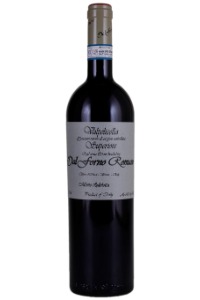
Valpolicella Superiore – Dal Forno Romano 2019
Italy
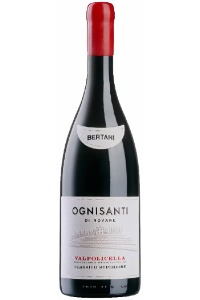
Ognisanti Valpolicella Classico – Bertani 2020
Italy
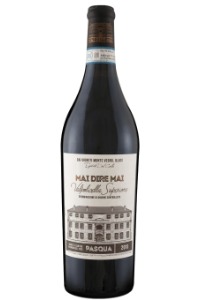
Mai Dire Mai Valpolicella Superiore – Pasqua 2015
Italy
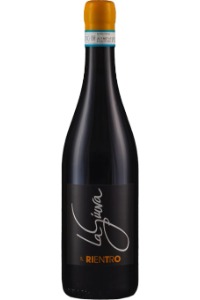
Valpolicella Superiore Rientro – La Giuva 2018
Italy
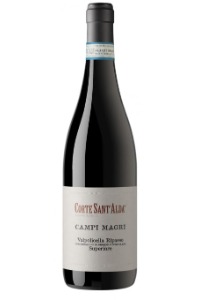
Campi Magri Valpolicella Ripasso Superiore – Corte Sant’Alda 2019
Italy
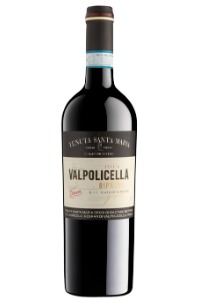
Valpolicella Ripasso Superiore – Tenuta Santa Maria alla Pieve 2020
Italy
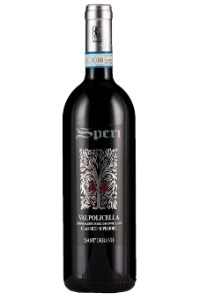
Sant’Urbano Valpolicella Classico Superiore – Speri 2019
Italy
Valpolicella Superiore Campo Lavei – Ca Rugate 2022
Italy
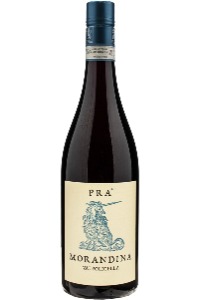
Valpolicella Morandina – Pra 2022
Italy
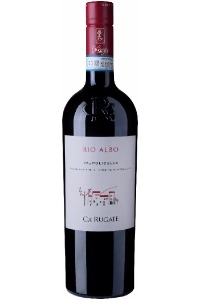
Valpolicella Rio Albo – Ca Rugate 2023
Italy
We’ve selected our list of the best Valpolicella wines based on reviews from wine lovers, expert scores and critic consensus, ensuring broad agreement among our readers and an accurate reflection of their tastes.
Valpolicella wine taste at a glance
| Valpolicella wine | Details |
|---|---|
| Grape Variety | Corvina, Rondinella, Corvinone, Molinara. Negrara, Oseleta and Barbera may be used in smaller percentages. |
| Origin | Valpolicella DOC, Veneto, Italy |
| Serving Temperature | 55-64°F (12-18°C) |
| Decanting | Recommended for 1 to 2 hours for younger styles. Older vintages might need more. |
| Aging Potential | 10 to 30+ years, depending on the style. |
| Flavor Profile | Cinnamon, cherries, strawberries, chocolate, almond, green peppercorn |
| Structure | Medium bodied, low tannins, high acidity |
| Alcohol Content | 11% to 15% |
| Ideal Glass | Large Burgundy glass |
| Food Pairing | Pastries, aged cheese, steak, game and braised meat. |
| Top Communes | Pescantina, San Pietro in Cariano, Negrar, Marano di Valpolicella, Fumane, Sant’Ambrogio di Valpolicella, Sant’Anna d’Alfaedo |
| Notable Producers | Giuseppe Quintarelli, Dal Forno Romano, Allegrini |
Valpolicella wine is a rich red wine produced from several native grapes, including Corvina Veronese, Molinara and Rondinella. It can be vinified into various wine styles like sweet Recioto, velvety Ripasso, fruity Classico and the bold Amarone.
An overview of the Valpolicella wine taste profile reveals red fruit notes, which could be either predominantly red cherries, strawberries or raspberries, depending on the style. Spice notes are also present, including hints of vanilla, clove, black pepper and cinnamon, as well as a balanced acidity that perfectly matches the sweetness of some of the wine styles. Valpolicella wines are full bodied and velvety with a luxurious mouthfeel.
Types and styles of Valpolicella wine
All Valpolicella wines start the same way, with Corvina and other grapes harvested in late September. However, the key to unlocking the unique taste profile of each style lies in the winemaking process.
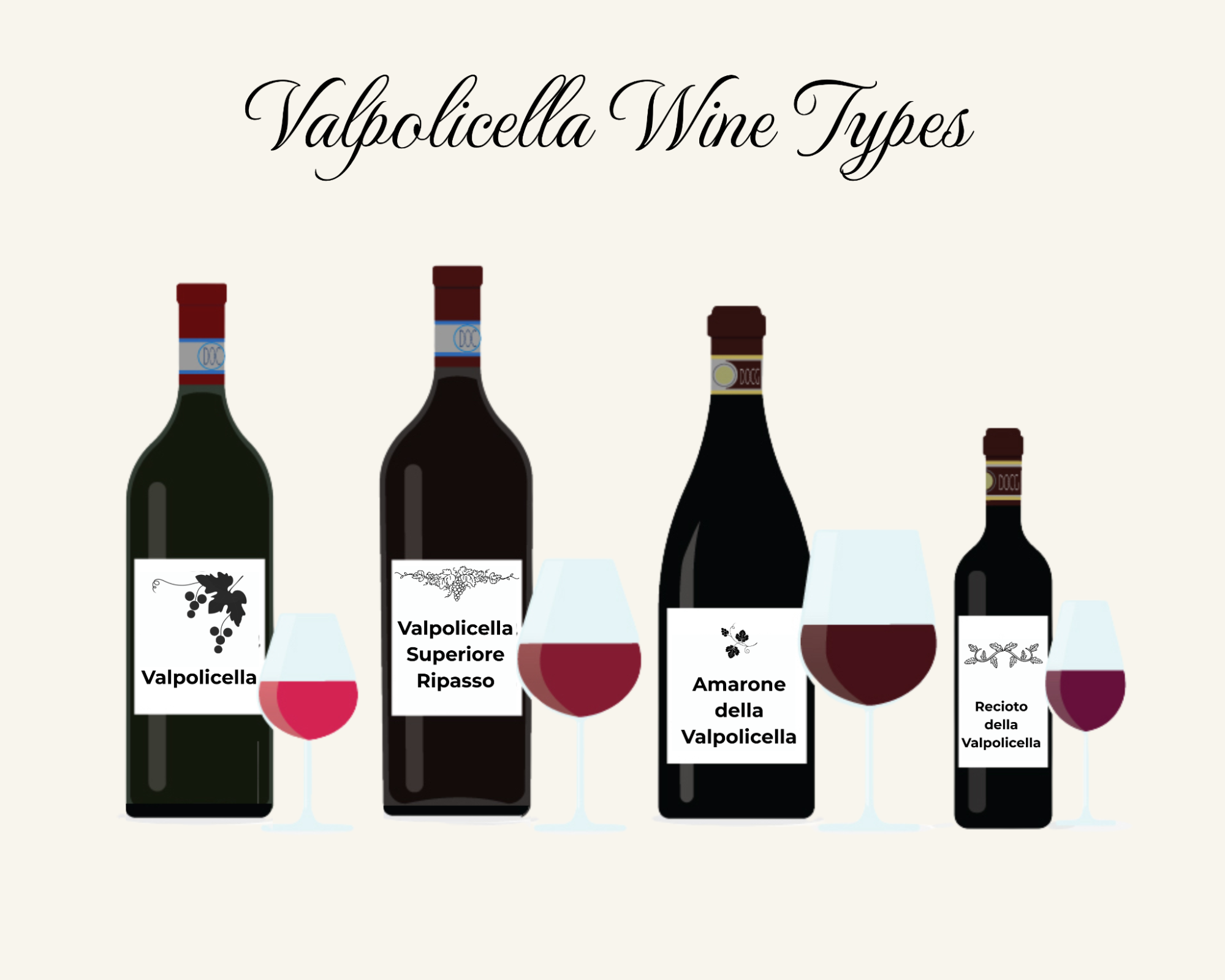
There are four key types and styles of Valpolicella wines, in increasing order of intensity: Valpolicella, Valpolicella Ripasso, Amarone della Valpolicella and Recioto della Valpolicella.
Even if they are made from the same grapes (Corvina Veronese), the wine making techniques heavily influence their difference in taste and sweetness.
Spotlight on Valpolicella Ripasso wine
Valpolicella Ripasso wines wines are often referred to as “baby Amarone” because they are produced using the “repassing” technique, which involves refermenting young Valpolicella wine over the leftover grape skins and seeds (pomace) from Amarone or Recioto production, resulting in a rich, complex and slightly bitter wine. It is silky and has to be aged in oak and in the bottle for at least one year before release, best enjoyed with robust dishes such as braised meats and aged cheese. Below are three of our favorite Valpolicella Ripasso DOC wine picks, along with their tasting notes and expert ratings.
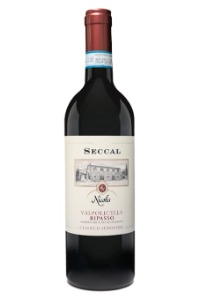
Seccal Ripasso Valpolicella Classico Superiore – Angelo Nicolis e Figli 2019 – Italy
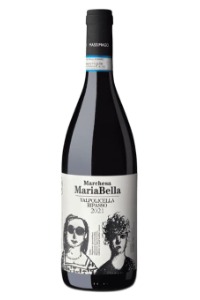
Valpolicella Ripasso Marchesa MariaBella – Massimago 2021 – Italy
Valpolicella Ripasso – Armani 2022 – Italy
Three Valpolicella Classico wines worth trying
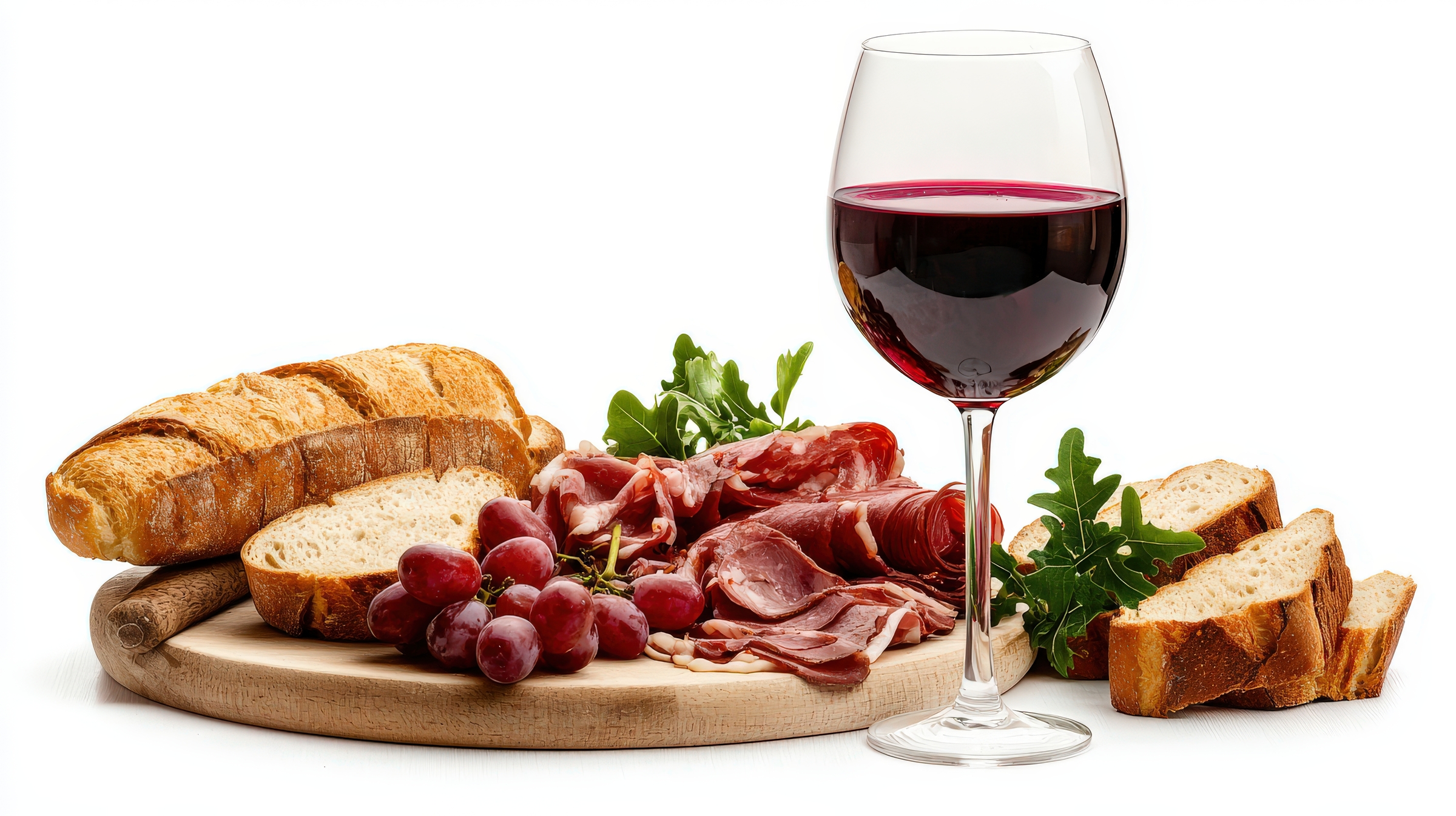
Valpolicella Classico wines are the most young and fragrant version of Valpolicella wines, crafted in the ‘novello style’. A dry red wine produced from fresh grapes, designed to be drunk young, it does not require any form of aging. Classico is typically light to medium bodied, making it an excellent pairing with cured meats, poultry and pasta with red sauce. If you’re new to Italian wines, Valpolicella Classico is a good place to start and here are two of our top picks.
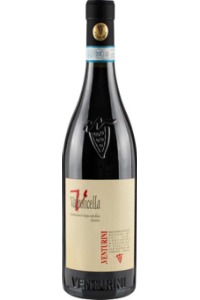
Massimino Valpolicella Classico – Az. Ag. Vini Venturini 2023 – Italy
Valpolicella Classico – Antica Corte 2022
Valpolicella Superiore wine
Valpolicella Superiore wine is richer and more full bodied than any of the standard expressions. It has a higher minimum alcohol content (12%) and requires at least one year of aging before release. While tasting Valpolicella Superiore wines, expect intense and complex aromas of cherry, plums and spices. It is versatile and it can be paired with everything from a classic meat ragu to an eggplant parmigiana. Find below three expert recommended Valpolicella Superiore wines, as well as helpful tips on their taste profiles.
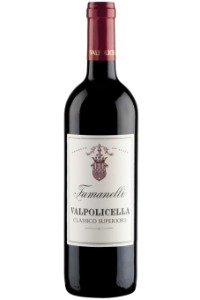
Valpolicella Classico Superiore – Marchesi Fumanelli 2019 – Italy
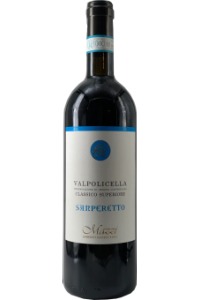
Valpolicella Classico Superiore Sanperetto – Mazzi 2020 – Italy
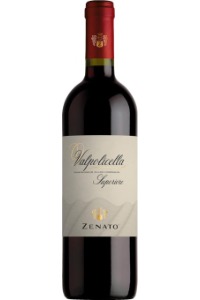
Valpolicella Superiore – Zenato 2021 – Italy
Sweet and luscious Recioto di Valpolicella
Recioto di Valpolicella is a sweet, rich and concentrated dessert wine made using dried grapes with the “appasimento” process. The dried grapes are intense, bursting with spice and chocolate flavors. Its fermentation is intentionally stopped early to keep high levels of residual sugar and give the end wine a reduced alcohol content. Recioto is a great match for dark chocolate, dry pastries, tiramisu and biscuits. Below, we have curated a selection of 3 Recioto di Valpolicella wines worth adding to your cellar.
Giuseppe Quintarelli Recioto della Valpolicella Classico a Roberto 2007 – Italy
What is Valpolicella wine and how is it made?
Valpolicella wine is a beloved Italian red wine from the province of Verona, in the Veneto region of Italy. It is crafted from a blend of several indigenous grapes, with Corvina Veronese being the predominant variety (45-95%). Other grape varieties in Valpolicella wine include Rondinella (between 5 and 30%), Molinara (up to 25%), Corvinone (may replace Corvina up to 50%).
Valpolicella wines can be basic table wines known as Valpolicella Classico, full bodied red wines such as the Amarone della Valpolicella, or sweet red wines referred to as Valpolicella Ripasso. Let’s now consider how it is made:
- Vineyards and cultivation: Valpolicella Classico wines can only be produced from grapes grown within the original Valpolicella production zone. Only traditional training systems such as Spalliera and Pergola Veronese are permitted while growing any of the Valpolicella wine grapes.
- Harvesting involves picking ripe grapes during the third and fourth week of September at their peak ripeness to preserve acidity and flavors of bright red fruit. The maximum yield allowed is 12 tonnes of grapes per hectare.
- Fermentation takes place in oak barrels, concrete tanks or stainless steel vats at a controlled temperature. This process typically lasts between 7 to 10 days to produce Valpolicella Classico wines. Winemakers may use native yeasts if they’re pursuing a more traditional wine style, or cultured yeasts for a consistent and more precise taste.
- Re fermentation of the grapes meant for Ripasso: for a short period, Valpolicella wine is poured back into the tank with “pomace”, which is the leftover unpressed Amarone or Recioto grape skins and lees. This process is carried out to extract more flavor, tannins and alcohol, resulting in the richer and more complex structure and fruity flavor of Ripasso.
- The different styles of wine are aged according to DOC regulations. Valpolicella Classico is aged for a few months in stainless steel vats; Superiore for at least one year in oak barrels, while Ripasso is aged for a minimum of one year in Slavonian oak barriques or large barrels.
- Bottling and refinement are the next steps after aging. It is common practice for winemakers to allow the wines (for instance, Ripasso) to age in the bottle for a while to develop and integrate their flavors fully.
Fun fact: before bottling, winemakers may add up to 15% Amarone to Valpolicella Ripasso to make it taste richer and bolder.
Valpolicella wine grapes and producing regions
Valpolicella wines are unique in that they are all produced from the same short list of grapes, but with different winemaking techniques. The major grapes for Valpolicella wine are Corvina Veronese, Corvinone, Rondinella and Molinara, with Corvina being the most significant. Let us consider each of these grapes individually:
- Corvina Veronese: a late ripening, dark skinned grape variety with flavor notes of red cherry, almond, herbs and dark chocolate. Corvina is responsible for the acidity, red fruit aromas and elegant structure that Valpolicella wines are known for.
- Rondinella usually makes up between 5 and 30% of the wine blend. These grapes yield wines with red fruit notes and spices. Rondinella enhances the color and structure of the wine, adding good softness, body and tannins.
- Molinara grapes can be added up to 25%, this grape variety has low tannins, notes of flowers, herbs and red fruits, as well as a crisp saline quality. It contributes more acidity and lends a fresh character to the Valpolicella wine.
- Corvinone grapes may be used in place of the total amount of Corvina Veronese, as much as 50%. This red grape is known for its high tannins, earthy flavors and aromas of blackberry, tobacco and cherry. It adds structure, aging potential and body to a wine blend.
Wine makers may also add Negrara, Oseleta and Barbera in smaller quantities (as high as 25%) to add complexity and depth to their wines.
- Negrera berries are medium sized and dark skinned. Its wines are fruity with mineral and spicy undertones and they add a warm, tannic and persistent structure to Valpolicella wine blends.
- Oseleta is a small, thick skinned red grape with high tannins and acidity that adds color, structure and depth to wines like Amarone della Valpolicella. Oseleta has dark fruit flavors like black cherry and plum, as well as tobacco and dark chocolate notes sometimes.
- Barbera is a grape with naturally high acidity and low to medium tannins, which gives wine a softer and rounder feel. Its wines are typically juicy and light bodied but oak aging adds complex flavors of chocolate and vanilla.
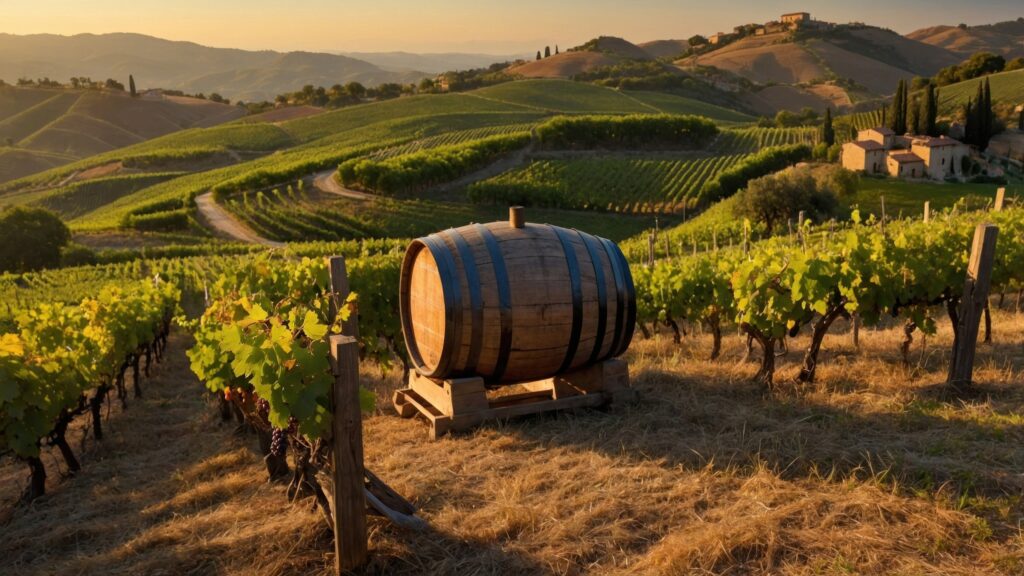
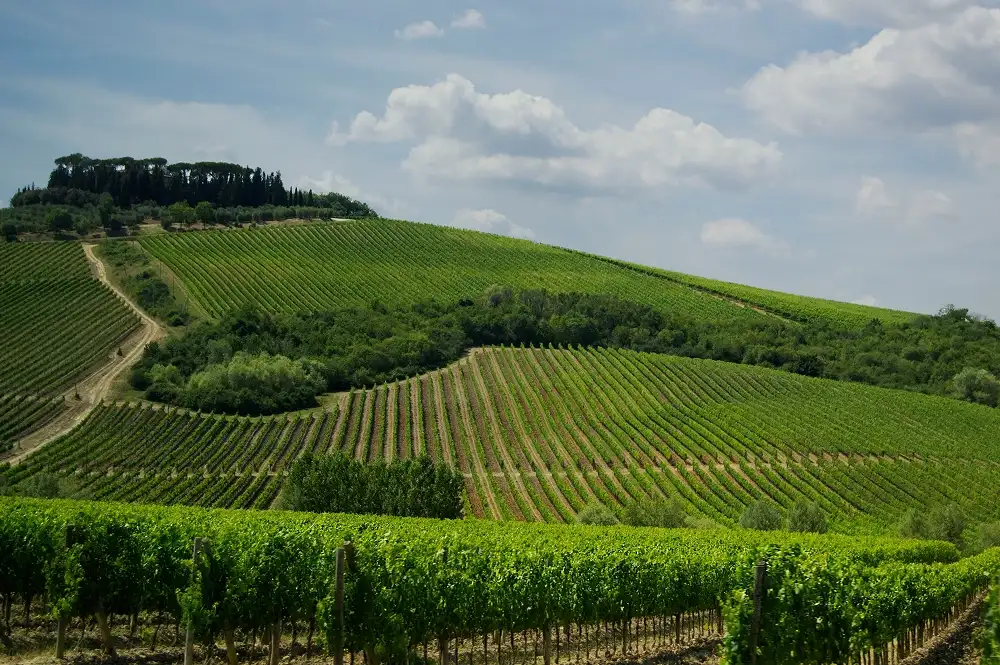
All the Valpolicella wine grapes are grown in the Valpolicella wine region, which is a part of the larger Veneto wine region in northeastern Italy. It can be classified broadly into these distinct zones:
- Valpolicella Classica
- Valpolicella Valpantena
- Valpolicella DOC
Major communes involved in crafting Valpolicella wines include:
- San Pietro in Cariano is a charming town situated in the heart of Valpolicella with hilly vineyards and a Mediterranean climate, resulting in complex wines.
- Negrar di Valpolicella’s vineyards are planted on the hillsides, protected from the northern winds by the Lessini mountains, and this region is known for the soft tannins of its wines.
- Marano di Valpolicella is considered the pearl of Valpolicella Classico, famous for producing elegant wines.
- Fumane: nestled in the foothills of the Alps, its cooler microclimate contributes to the production of intensely aromatic wines.
- Sant’Ambrogio di Valpolicella boasts wines that are elegant, austere, and fresh from high altitude vineyards.
The communes of Sant’Anna d’Alfaedo and Pescantina also contribute to the production of Valpolicella wine but in lesser quantities.
Valpolicella wine classification (or denomination) and labels
Valpolicella DOC is a major Italian appellation by value, ranking second in red wine production behind Chianti and Montepulciano d’Abruzzo. Its revered red wines are crafted with strict laws guiding the winemaking process to maintain their quality and consistent taste. Here are some other key facts and regulations guiding Valpolicella DOC:
- Valpolicella wine received the Controlled Designation of Origin (DOC) in 1968. The regulations provide for three main versions of the wine, namely:
– Classico
– Superiore and
– Valpantena - The alcohol requirements indicate that:
– Standard versions (Classico/Valpantena) have a minimum of 10% alcohol by volume.
– Superiore must have a minimum 11% alcohol by volume (1% higher than the other versions). - Protection Consortium: the Consortium for the Protection of Valpolicella Wines was established in 1924, much earlier than it was conferred DOC status. This body promotes and enhances Valpolicella wines in Italy and worldwide.
Into the Valpolicella wine prices: what influences costs?
Typically, the Valpolicella wine price does not climb up to thousands of dollars, but it can still vary depending on the style of wine you’d love to purchase.
The cost of a bottle of Valpolicella wine is determined by the following factors:
- The type and style of Valpolicella wine: Superiore and Ripasso wines may cost more than a Classico due to their longer aging duration and strict production requirements.
- The reputation of the winemaker also plays a role, as renowned wineries and storied estates produce wines that often command steep prices.
- The vintage year of the wine influences its price, as Valpolicella wines from exceptional years often come at luxurious prices.
Here’s a compilation of some of the best Valpolicella wines and their producers listed according to different price ranges.
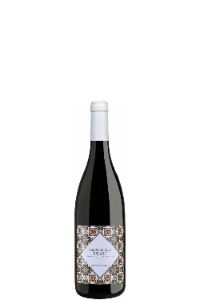
1. Entry Level Valpolicella: Antica Corte Valpolicella Ripasso Classico Superiore 2021 – Italy
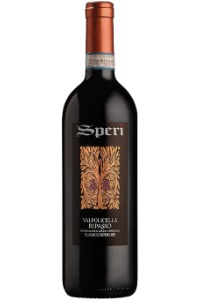
2. Mid Tier Valpolicella: Speri Valpolicella Ripasso Classico Superiore 2022 – Italy
3. Single Vineyard Valpolicella: Marchesi Fumanelli Squarano Valpolicella Classico Superiore 2018 – Italy
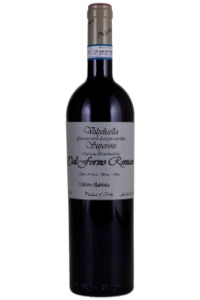
4. Collector Expensive Valpolicella Wine: Dal Forno Romano Valpolicella Superiore 2018 – Italy
Collection worthy Valpolicella red wines for every wine enthusiast
Valpolicella red wines are well known among collectors, even though they may not be as famed as the A listers of Italy’s red wines. The price of a bottle of Valpolicella Classico, Superiore or Ripasso does not typically go into the range of collectible Barolo OR Brunello but this does not affect their taste profile or quality in any way. Here are some of our picks of the most collectible Valpolicella wine bottles that our team has selected:
Valpolicella Superiore – Dal Forno Romano 2018
Valpolicella Superiore – Dal Forno Romano 2019
Why should you collect Valpolicella wines?
- The distinctive flavor of Valpolicella Ripasso, due to its unique winemaking process.
- Exceptional aging potential of top vintage years.
- Limited edition bottles from esteemed producers.
The best years for Valpolicella
The climatic conditions while growing have a significant impact on the Valpolicella wine grapes, and ultimately, they determine the wine quality. A great vintage isn’t necessarily from ages ago, as the top tier wines of 2015 and 2011 prove us. Being familiar with the best vintage years helps you choose bottles with excellent structure, taste and aging potential. We have collated some of the best vintage years for Valpolicella wine as agreed by experts, along with recommended wine bottles to get you started.
| Vintage | Recommended Valpolicella Wine | Rating | Tasting Notes | Vintage Characteristics |
|---|---|---|---|---|
| 2022 | Valpolicella Ca’Fiui 2022 – Corte Sant’Alda – Italy Drouhin, Jean Foillard | 5/5 | Medium bodied with velvety tannins and zesty acidity, aromas of pepper, black cherries, toast and graphite are present on the palate. | Mild and dry summer and limited rainfall caused some water stress, but the wines were full, soft and velvety with balanced structure. |
| 2020 | Ca’del Laito Valpolicella Ripasso Classico Superiore 2020 – Bussola – Italy | 5/5 | Structured and smooth with well integrated tannins, aromas of dark and red fruits layered with spices. | The occasional rainfall in the summer yielded a vintage with power, elegance and smooth tannins. |
| 2019 | Valpolicella Ripasso Classico Superiore 2019 – Domini Veneti – Italy | 4.9/5 | Racy, smoky bouquet opens up this wine, blending in with hints of crushed herbs, minty herbs, dark chocolate and spice. | All wines of this year stood out for their complexity, refined aromas and well balanced structure, a result of the ideal temperatures that year. |
| 2018 | Valpolicella Ripasso 2018 – Acinum – Italy | 4.9/5 | Dry on the palate, with pleasant velvety flavors of almond, cherry, musk, wood and cinnamon. | Warmer season than previous years, yielding inconsistent yet fresh wines with notable acidity and good aging potential. |
| 2015 | Mai Dire Mai Valpolicella Superiore 2015 – Pasqua – Italy | 4.8/5 | Warm and intense on the palate with overtones of tobacco, cedar wood, coffee and underbrush on the nose. | An outstanding vintage, fine wines with power and excellent aging potential. |
A beginner’s guide to Valpolicella wine: 4 smart tips to get started
Most Valpolicella wines are light and fragrant, easy to enjoy for newcomers to the world of red wine. With the aid of these simple tips, you can savor Valpolicella wine to the fullest:
- Start with a young and fresh Valpolicella Classico.
- Serve it at a temperature between 55°F and 64°F.
- Serve it with a large “aroma collector” glass.
- Aerating and decanting for at least 30 minutes before tasting is ideal.
These are our recommendations of Valpolicella wine bottles, categorized by age, that you can start with as a beginner.
| Valpolicella Style | Top Valpolicella | Tasting Notes | Rating | Best to Pair with |
|---|---|---|---|---|
| Young Valpolicella (under 5 yrs) | Valpolicella Superiore Ripasso Monti Garbi 2021 – Tenuta Sant’Antonio – Italy | A blend of dried flowers, exotic spices and dried black cherries well balanced by salinity and bitter notes of sour orange. | 5/5 | Pasta with meat ragu, aged roquefort, grilled beef |
| Mature Valpolicella (5-10+ yrs) | Pojega Ripasso della Valpolicella 2018 – Guerrieri Rizzardi – Italy | Deep and concentrated yet fresh, this Ripasso displays gorgeous aromas of subtle sweet spices and dark berried fruit. | 4.9/5 | Roast chicken, mushroom risotto, antipasti, ribeye steak in red wine sauce |
Wine glasses to sip Valpolicella wine in style
The subtle aromas and delicate undertones of Valpolicella wine are best enjoyed when served in the right glass. The ideal Valpolicella wine glass is one with a large, round bowl that acts as an aroma collector, similar to the Burgundy wine glass. Its wide surface area allows optimal oxygenation, and you can swirl as you sip to open up its flavors further.
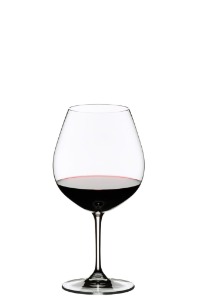
Riedel Vinum Pinot Noir-Burgundy Glasses
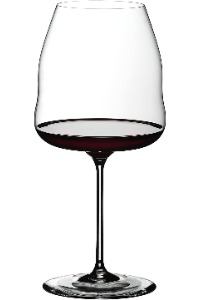
Riedel Individual WineWings Pinot Noir Glass
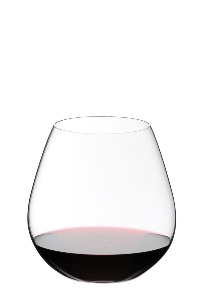
Riedel O Pinot Noir-Burgundy Glasses
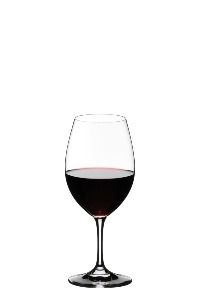
Riedel Red Wine Glass
Comparing Valpolicella vs Amarone and Recioto
The flavor profile of Valpolicella wine involves subtle fragrances and delicate flavors, making it an approachable red wine. Recioto della Valpolicella and Amarone della Valpolicella are two great red wines produced in the same region but with significantly different flavor profiles.
- Recioto della Valpolicella is a sweet red wine, produced by drying hand picked grapes following the ‘appassimento’ technique to concentrate their sugars. Fermentation is stopped early to retain residual sugars.
- Amarone della Valpolicella is also produced in this region and from the same grapes, but they are dried for longer, yielding a bold and intense flavor profile.
Below are some Italian red wines comparable to Valpolicella wine, expert recommended bottles for each wine type and an overview of the different wine styles.
| Wine /Grape | Top Wine | Rating | Tasting Notes | Wine Style |
|---|---|---|---|---|
| Valpolicella vs Barbaresco | Ceretto Barbaresco Bernardot 2021 – Italy | 5/5 | Brightly acidic and mineral with velvety tannins and aromas of black pepper, cinnamon and rose petal. | Unlike Valpolicella wines, Barbaresco is always dry and full bodied with excellent aging potential and flavors of spice and red fruit. |
| Valpolicella vs Amarone | Bertani Amarone Classico 2012 – Italy | 5/5 | Medium to full bodied with a base of dried cherry, mild coffee as well as spice coated tannins followed by soft spicy notes. | Bold, rich and intense, Amarone is a dry wine with flavors of ripe red and dark fruits as well as spice which differentiates it from the wide range of other Valpolicella wines. |
| Valpolicella vs Recioto | Giuseppe Quintarelli Recioto della Valpolicella Classico a Roberto 2007 – Italy | 4.9/5 | Silky and light wine, with delicate aromas of plum, raisin, sweet baking spice and moist earth accompanied by a touch of bitter chocolate. | Recioto is a sweet and highly acidic Valpolicella wine style, with distinct notes of dark cherry, fig and spice that sets it apart from other Valpolicella wines. |
| Valpolicella vs Brunello | Argiano Brunello di Montalcino 2020 – Italy | 4.9/5 | Medium bodied and crispt with soft spice, grilled herb, dried lavender and fine grained tannins. | Brunello shows vibrant acidity and fine grained tannins, with complex aromas of berries and herbs that are not always present in Valpolicella wine. |
| Valpolicella vs Chianti | San Giusto a Rentennano Chianti Classico Riserva Le Baroncole 2021 – Italy | 4.8/5 | Incredibly focused and tight with light tannins and harmonious flavors of cherry, pomegranate and raspberry. | Chianti is typically highly acidic with pronounced tannins unlike those seen in most Valpolicella wines. Cherry, earthy and floral notes are predominant in its flavor profile. |
Pour like a pro: 4 tips for serving Valpolicella wine
On its own, Valpolicella wine is easy to drink and approachable, but serving it the right way can elevate its taste even further. Here are 4 tips to savor Valpolicella wine like a sommelier:
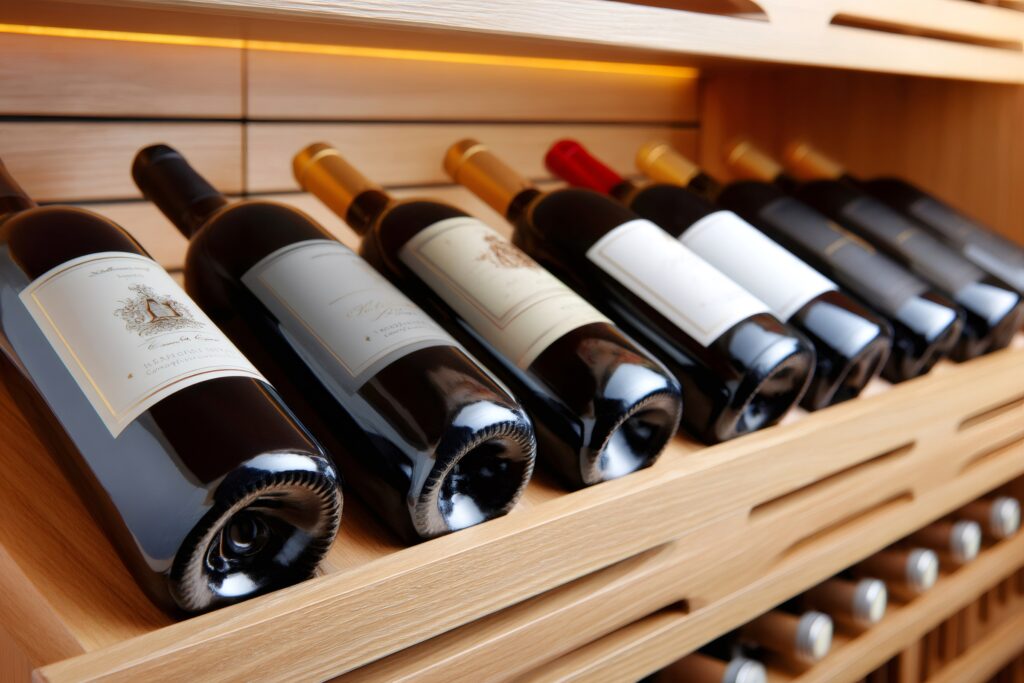
- Store at a consistent temperature between 54°F and 59°F (12-15°C) in a cool, dark place.
- Aim to serve it slightly chilled, between 55°F and 64°F (12-17°C), to enhance its nuanced flavors.
- Serve it in a large bowled wine glass to allow proper aeration and opening up of subtle flavors.
- Allow the wine to breathe and decant for about 30 minutes before tasting.
A helpful tip is to consider getting a wine fridge to prevent extreme temperature changes and provide a stable environment while storing your wine.
Valpolicella wine food pairing and serving tips
Valpolicella wines range from light and fruity (Valpolicella Classico) to rich and full bodied (Ripasso), each with its own flavor profile and structure. The key to the perfect food pairing is to match the wine’s intensity to the richness of the dish and here are some tasty Valpolicella food pairing ideas:
| Food | Best Valpolicella Bottle | Aged | Rating | Type & Structure |
|---|---|---|---|---|
| Cold cuts, Cheese platters with Parmigiano Reggiano, Pecorino, aged Gouda, blue cheese | Ripassa Valpolicella Superiore 2020 – Zenato – Italy | 1-3 years ABV 14% | 5/5 | Smooth and viscous palate with well balanced acidity, tannins and sweetness. |
| Stewed or braised meats, grilled or braised red meats, wild game | Valpolicella Ripasso SUperiore 2021 – Pasqua – Italy | 1-3 years ABV 13.5% | 5/5 | A rich and full bodied wine with sweet and round tannins and intense aromas of wild cherries, redcurrant and toast. |
| Pasta with tomato sauce, pizza with tomato toppings | Ripassa Valpolicella Superiore 2020 – Zenato – Italy | 1-3 years ABV 14% | 5/5 | Aromatic, with savory smoke and leather undertones harmonising with notes of cherry, cured tobacco and licorice. |
| Chicken cacciatore, herb roasted turkey, Duck, pork chops | Valpolicella 2023 – Bertani – Italy | 1-3 years ABV 12.5% | 4.9/5 | Approachable, fresh and pleasant thanks to well structured acidity, savory notes and bright red fruits. |
| Roasted vegetables such as eggplant, zucchini, bell peppers and mushrooms | Borgata Valpolicella Classico 2023 – Michele Castellani – Italy | 1-3 years ABV 12.5% | 4.8/5 | Fresh and vibrant acidity accompanied by hints of cherries, strawberries, raspberries and spices. . |
You might also be interested in
FAQs on Valpolicella wine
What type of wine is Valpolicella wine?
Valpolicella wine is a red wine from Veneto in Italy, produced mainly from Corvina Veronese, Rondinella and Molinara grapes. There are various styles, including Valpolicella Classico, Ripasso, Superiore, Recioto and Amarone della Valpolicella. These wines generally have high acidity and soft tannins, and they can range from bright and fresh to full bodied and intense.
Is Valpolicella wine 2020 a good wine to drink?
Yes, Valpolicella wine 2020 is considered an excellent wine to drink, especially the Ripasso and Classico styles. These wines are fresh with well integrated tannins and they boast hints of red fruits accompanied by herbal and spicy undertones. The Costa Arente Ripasso Valpolicella Valpantena Superiore 2020 is one of our top 10 wines to drink this year.
What is the Valpolicella wine grape?
To make Valpolicella wine, many grapes are used, including the indigenous varieties Corvina, Corvinone, Rondinella and Molinara. These four are the major grapes used, but some winemakers can also add varying quantities of Negrara, Barbera and Oseleta grapes to their wines.
What is the Valpolicella wine grape?
To make Valpolicella wine, many grapes are used, including the indigenous varieties Corvina, Corvinone, Rondinella and Molinara. These four are the major grapes used, but some winemakers can also add varying quantities of Negrara, Barbera and Oseleta grapes to their wines.
What are Valpolicella wine prices?
The Valpolicella wine prices range from below $100 to thousands, depending on the style of the wine. Wines such as Ripasso and Valpolicella Superiore that have to be aged for certain lengths of time may cost more than fresh Classicos due to the extra effort that goes into production.
What are the best years for Valpolicella wine?
2022, 2020 and 2019 are some of the recent best years for Valpolicella wine as rated by experts. The ideal weather conditions in these years led to bountiful harvests and grapes with balanced structures and aromatic intensity. For a better look at the best vintage years of Valpolicella wine, check out “The best vintage years for the Valpolicella wine grape” here on this page!
Where is the Valpolicella wine region?
The Valpolicella wine region is located in the province of Verona, in the Veneto region of northeastern Italy. This terroir is hilly, with vineyards on limestone rich soils valleys with nutrient rich soils that contribute to the complex taste of its red wines.
How long can you keep a bottle of Valpolicella wine?
An open bottle of Valpolicella wine, if stored properly in a cool and dark place and refrigerated, can be kept for 3 to 5 days. To preserve its qualities and taste characteristics, we recommend that you recork the bottle firmly or use a specialised wine stopper to reduce the amount of oxygen entering the bottle.
What are the 5 communes of Valpolicella wine?
The five communes of Valpolicella wine include Sant’Ambrogio di Valpolicella, San Pietro in Cariano, Fumane, Marano and Negrar di Valpolicella. These communes are located in the Valpolicella Classica zone and they have diverse terroirs that yield unique wines.
What kind of wine glasses should you use for Valpolicella wine?
The ideal wine glass to drink Valpolicella wine is a large, Burgundy style glass. Its large bowl serves as an aroma collector, allowing the wine to open up and become properly aerated. At the same time, the subtle and complex aromas of Valpolicella wine are funneled towards your nose for optimal enjoyment.
Are Valpolicella wines collectible?
Yes, some Valpolicella wines, especially Amarone della Valpolicella and Recioto della Valpolicella are collectible. This is due to their high quality, exceptional aging potential (more than 20 years!) and unique production methods. Amarone is a dry red wine with a complex tannic structure, while Recioto is a sweet wine and they are both made from grapes dried using the “appasimento” technique.
Who are the most famous Valpolicella wine producers?
Quintarelli, Allegrini, Masi, Speri, Tommasi, Bertani and Dal Forno are some of the most famous Valpolicella wine producers with critically acclaimed bottlings that regularly feature in our top 10 wines. Quintarelli is considered the most famous brand, led for decades by the late Giuseppe Quintarelli, who was often referred to as “The God of Valpolicella”. Masi, Speri and Tommasi are historic wineries, doubling as members of the “Famiglie Storiche” association.
Is Valpolicella wine dry or sweet?
Valpolicella wine can be both dry and sweet, depending on the specific type of wine. Valpolicella DOC is a dry and fruity wine; Valpolicella Ripasso is semi sweet in nature, although it is not often considered a dessert wine. Recioto della Valpolicella is a sweet dessert wine, whereas Amarone della Valpolicella is dry and complex.
What is the difference between Valpolicella Ripasso and Amarone?
Valpolicella Ripasso is made by refermenting Valpolicella wine with the leftover crushed grape skins and residue (pomace) from making Amarone. It tends to be fuller bodied and more complex than standard Valpolicella wines, but it is not as rich and intense as Amarone. Amarone, on the other hand, is made from fully dried grapes. It has a high alcohol content and significant power.
Does Valpolicella wine taste like Pinot Noir?
In some ways, regular Valpolicella wine does taste like Pinot Noir, especially with its red fruit flavors of cherry and raspberry, its bright acidity and light bodied structure. Despite these similarities, they are different in that Valpolicella often has more prominent notes of cinnamon and herbs, while oak aged Pinot Noir may develop tertiary notes of mushroom and vanilla.
Are Valpolicella wines similar to Montepulciano wine?
Valpolicella and Montepulciano wines are not very similar. Valpolicella is generally medium bodied with notes of cherry and spice and is produced from Corvina Veronese grapes in Veneto, Italy. Montepulciano d’Abruzzo is made from the Montepulciano grape in Abruzzo, with darker and richer flavors of blackberry, spice and plum.
