

The ultimate guide to Rhône wine and the 10 best bottles to buy right now
Few wine regions command the reverence, the breadth and the sheer sense of place that the Rhône Valley does. This guide takes you deep into the heart of the Rhône valley wines, explaining the winemaking philosophies, the signature grapes and, finally, a carefully curated ranking of ten outstanding bottles at prices between $40 and $250.

Table of Contents
The 10 best Rhône wines to buy for 2026
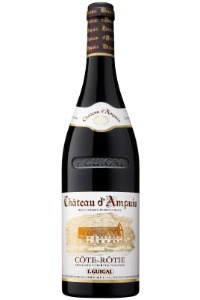
E. Guigal Chateau d’Ampuis Cote-Rotie 2021
Côte-Rôtie, Northern Rhône
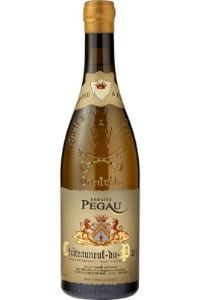
Domaine Pegau Chateauneuf-du-Pape Cuvée a Tempo Blanc 2023
Châteauneuf-du-Pape, Rhône, France
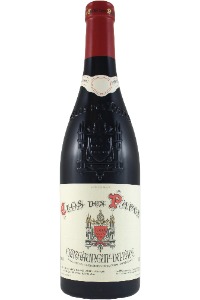
Clos des Papes Châteauneuf-du-Pape 2021
Châteauneuf-du-Pape, Southern Rhône, France
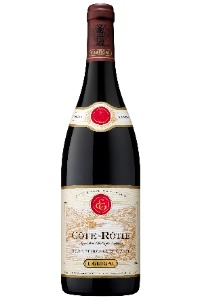
E. Guigal Cote Rotie Brune et Blonde 2021
Côte-Rôtie, Northern Rhône, France
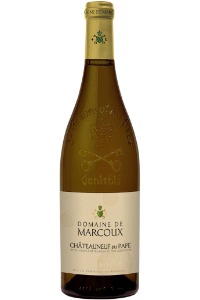
Domain de Marcoux Chateauneuf-du-Pape Blanc 2022
Châteauneuf-du-Pape, Southern Rhône, France
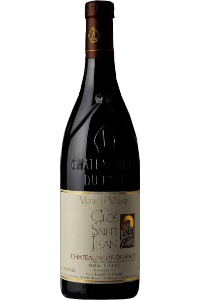
Clos Saint Jean Chateauneuf-du-Pape Vieilles Vignes 2022
Châteauneuf-du-Pape, Rhône, France
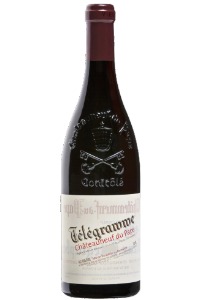
Domaine du Vieux Telegraphe Chateauneuf-du-Pape Télégramme 2022
Châteauneuf-du-Pape, Rhône, France
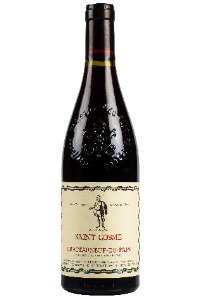
Chateau Saint Cosme Chateauneuf-du-Pape 2023
Châteauneuf-du-Pape, Rhône, France
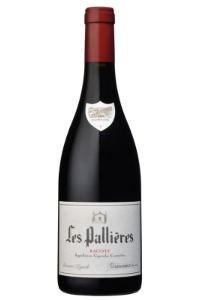
Domaine les Pallières Gigondas Racines 2022
Gigondas, Rhône, France
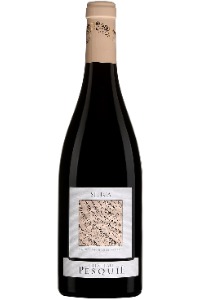
Pesquie Silica Rouge 2022
Côtes du Rhône, Rhône Valley, France
The following ranking brings together ten exceptional Rhône wine bottles at prices ranging from $50 to $250. Each selection represents outstanding quality for its price point and appellation, spanning the region from north to south and covering a variety of styles, with a particular emphasis on Châteauneuf-du-Pape, the southern Rhône’s most celebrated and complex appellation.
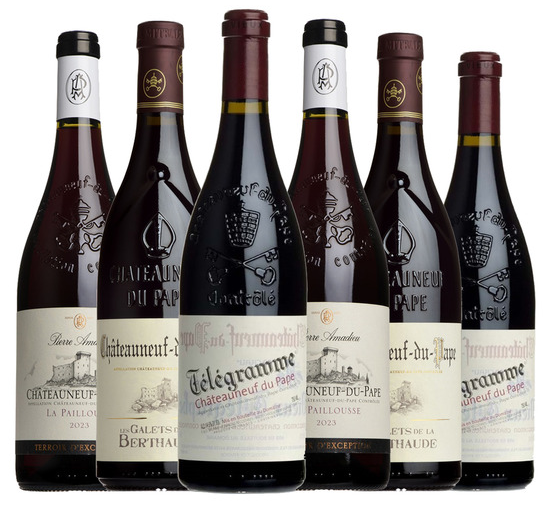
A region of two souls: the northern and southern Rhône Valley
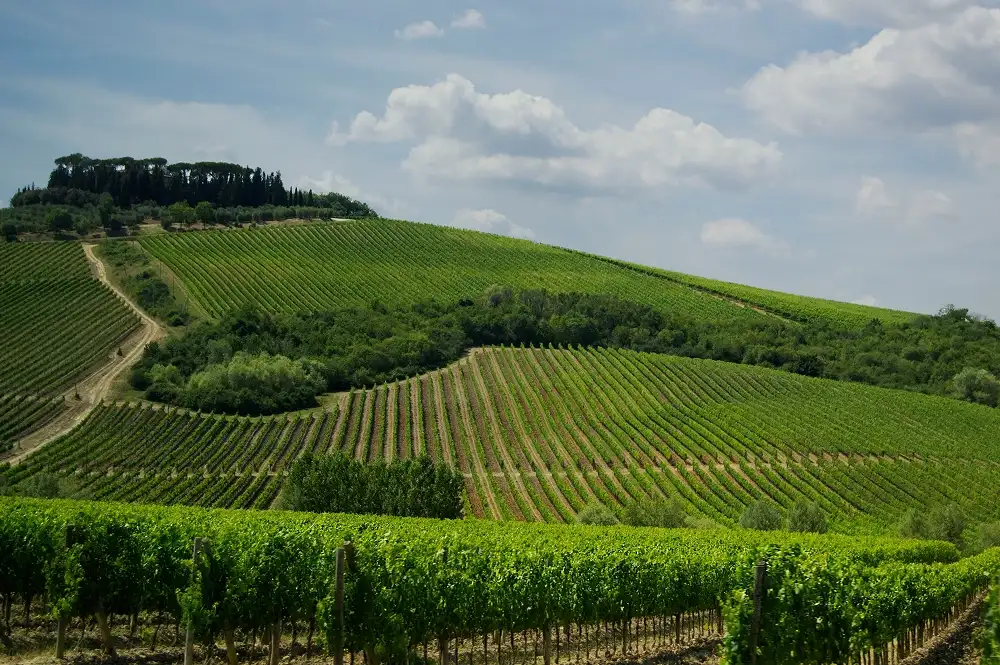
Stretching roughly 125 miles from the granite hillsides just south of Lyon all the way to the sun baked plains near Avignon and the Mediterranean, the Rhône Valley is home to some of France’s most iconic wines and, for those willing to look beyond the headline appellations, some of its most spectacular values. The Rhône Valley is best understood as two distinct wine regions that share a river. A 25 mile gap between the towns of Montélimar and Valence separates the northern Rhône from the southern Rhône, and the differences between them are profound in climate, soil, grape varieties and winemaking tradition.
The northern Rhône: granite, Syrah and steep slopes
The northern Rhône is a place of dramatic vertical landscapes: vines cling to vertiginous granite terraces above the rushing river. The continental climate, with cold winters and warm, dry summers, gives the wines their distinctive finesse and longevity.
The appellation regulations permit only Syrah as the sole red grape across the appellations of Côte-Rôtie, Hermitage, Crozes-Hermitage, Saint-Joseph and Cornas. A small amount of the white grape Viognier may be co-fermented with Syrah in Côte-Rôtie, adding a hauntingly floral perfume and softening the tannins, but the character of these wines remains Syrah.
Did you know? Some of the vineyards in Côte‑Rôtie are so steep that tractors cannot operate there. Many growers still harvest by hand and transport grapes using small winches or narrow vineyard paths carved into the hillside. The name Côte-Rôtie itself means “roasted slope,” referring to the way the steep terraces capture and reflect sunlight.
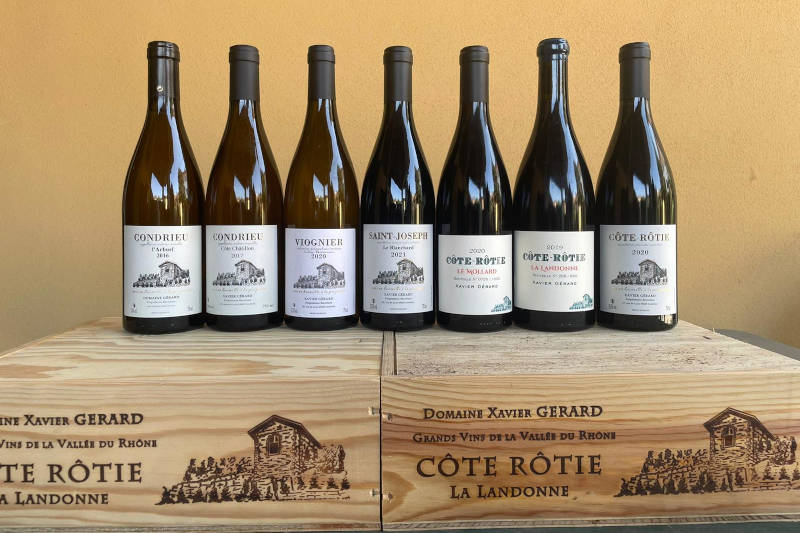
The southern Rhône: Grenache, garrigue and Mediterranean sun
Cross the gap and you enter an entirely different world. The southern Rhône is Mediterranean in soul with wide open landscapes, wild herbs, lavender, olive trees and the ferocious Mistral wind that sweeps down the valley and shapes vine growth. Here, blending is the art. Châteauneuf-du-Pape, the undisputed flagship of the south, permits up to 18 different grape varieties, though in practice most wines are led by Grenache, supported by Syrah, Mourvèdre, Cinsault and Counoise.
Grenache thrives in the southern heat, delivering wines of warmth, ripe red fruit, dried herbs and spice. Mourvèdre adds structure and earthy complexity. Syrah brings dark fruit, pepper and backbone. Together, these three form the classic GSM blend at the heart of southern Rhône winemaking. The famous “galets roulés” consist of large, flat, river rounded pebbles that cover many Châteauneuf-du-Pape vineyards, absorb daytime heat and release it at night, encouraging even ripening and contributing to the wines’ signature warmth and fullness.
Beyond Châteauneuf, the southern Rhône offers remarkable diversity. Gigondas, nestled beneath the jagged Dentelles de Montmirail, produces dense, powerful Grenache based reds that can rival Châteauneuf at a fraction of the price. Côtes du Rhône, the region’s workhorse appellation, remains a source of some of the world’s best value everyday wines.
A complete Rhône Valley wine list: every appellation worth knowing
The Rhône Valley produces wines across more than 30 appellations, yet most drinkers only ever scratch the surface. Beyond the famous names such as Châteauneuf-du-Pape, Côte-Rôtie and Hermitage lies a world of bold reds, textured whites and structured rosés that reward curiosity. Here is every key Rhône Valley wine you should know and why each one deserves a place on your radar.
| Appellation | Type | Key Grapes | What to Expect |
|---|---|---|---|
| Côte-Rôtie Northern Rhône |
Red | Syrah, touch of Viognier |
Elegant and perfumed with violets, dark fruit, smoked meat and silky tannins from some of France’s steepest vineyards. |
| Hermitage Northern Rhône |
Red / White |
Syrah, Marsanne and Roussanne | The north’s most powerful and age worthy wines. Dense, mineral reds that cellar for decades and rich, nutty whites. |
| Crozes-Hermitage Northern Rhône |
Red / White |
Syrah, Marsanne and Roussanne |
Hermitage’s more approachable neighbour. Softer, fruitier and excellent value. |
| Cornas Northern Rhône |
Red | Syrah | Bold, brooding and unapologetically tannic. |
| Saint-Joseph Northern Rhône |
Red / White |
Syrah, Marsanne and Roussanne |
Versatile and food friendly, ranging from juicy and medium bodied to structured and serious. |
| Condrieu Northern Rhône |
White | Viognier | Silky, aromatic whites bursting with apricot, peach blossom and honeysuckle. |
| Saint-Péray Northern Rhône |
White / Sparkling |
Marsanne and Roussanne |
Understated still and sparkling whites worth seeking out for something off the beaten path. |
| Châteauneuf-du-Pape Southern Rhône |
Red / White | Grenache led blends (up to 18 varieties); Roussanne, Clairette and Grenache Blanc | Extraordinary warmth, spice and complexity ranging from powerful to perfumed. |
| Gigondas Southern Rhône |
Red | Grenache, Syrah and Mourvèdre |
Dense, earthy reds from beneath the Dentelles de Montmirail, often compared to Châteauneuf. |
| Vacqueyras Southern Rhône |
Red | Grenache, Syrah and Mourvèdre |
Charming reds with violets and spice that drink beautifully young. |
| Lirac Southern Rhône |
Red / White / Rosé |
Grenache, Syrah and Mourvèdre |
An underrated right bank appellation producing round, generous wines with real character. |
| Rasteau Southern Rhône |
Red / Fortified | Grenache | Full-bodied reds with dark fruit and chocolate, also known for its sweet Vin Doux Naturel. |
| Tavel Southern Rhône |
Rosé | Grenache, Cinsault |
France’s most famous rosé. Deeper in colour, more structured and built for the table rather than poolside. |
| Beaumes de Venise Southern Rhône |
Sweet White | Muscat | Golden, honeyed Muscat based dessert wine, a perfect match for foie gras or fruit based desserts. |
| Côtes du Rhône Southern Rhône |
Red / White / Rosé | Grenache, Syrah, Mourvèdre |
The region’s workhorse. Honest, generous everyday wines and one of the world’s great value appellations. |
| Côtes du Rhône Villages Southern Rhône |
Red / White / Rosé | Grenache, Syrah, Mourvèdre |
A step up in depth and personality from named villages. Excellent quality that still won’t break the bank. |
The families and Domaines that define the Rhône
No discussion of Rhône valley wine is complete without recognizing the families whose generations of work have shaped the region’s reputation.
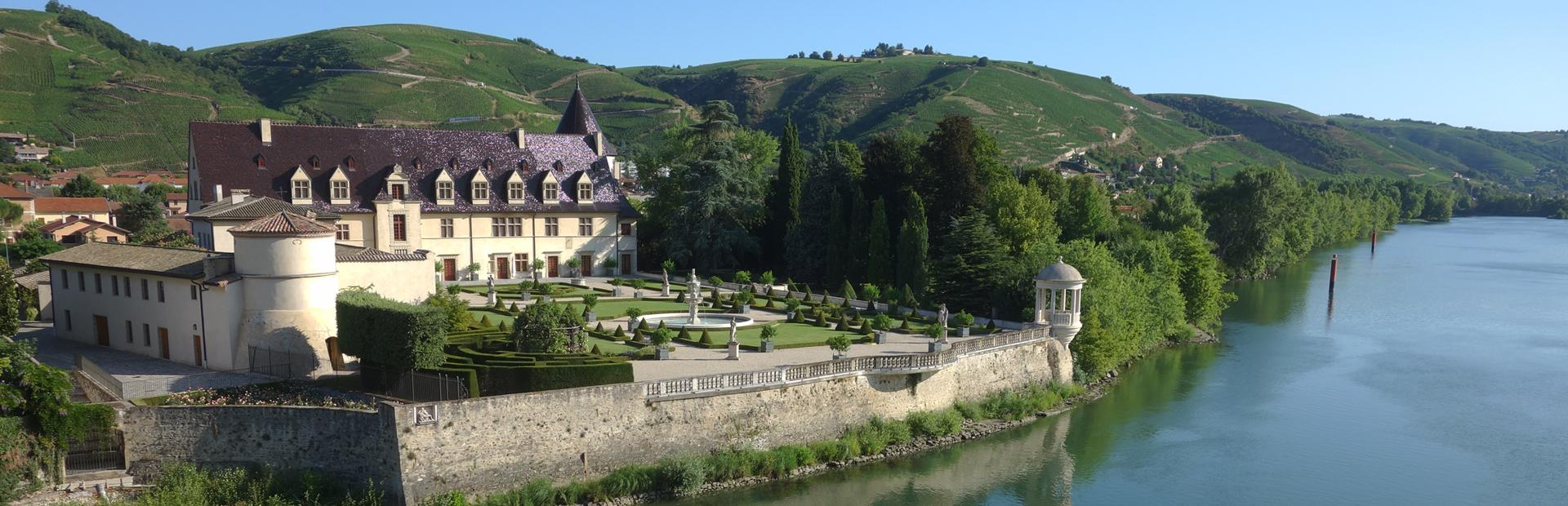
E. Guigal, founded in 1946 in Ampuis by Etienne Guigal and later carried to worldwide fame by his son Marcel, is arguably the single most important name in the Rhône. Marcel Guigal’s tireless advocacy for the region and his monumental single vineyard Côte-Rôties (La Mouline, La Landonne, and La Turque, known collectively as the «La La La» wines) played an enormous role in the region’s global renaissance during the 1980s and 1990s. Today, Guigal produces wines across virtually every major Rhône appellation, from an accessible Côtes du Rhône to the most collectible cuvées in the region.
Famille Perrin and their flagship estate Château de Beaucastel represent the gold standard in the Southern Rhône. Beaucastel’s unique approach consists in cultivating all 13 permitted Châteauneuf-du-Pape varieties organically on their estate and blending them with extraordinary skill, resulting in wines of uncommon complexity and longevity. Their most famous bottling, the Hommage à Jacques Perrin, made from ancient Mourvèdre vines, is one of the rarest and most sought after wines in France.
M. Chapoutier, founded in 1808 and one of the oldest houses in the region, has pursued a biodynamic philosophy since 1989 under the leadership of Michel Chapoutier. Their range spans from accessible Côtes du Rhône to single parcel Hermitage wines of the highest caliber. Clos des Papes, run by the Avril family since the estate was established in 1896, is widely regarded as one of Châteauneuf’s most elegant and consistent producers, their wines celebrated for their purity and longevity. Domaine du Vieux Télégraphe, another Châteauneuf icon produced from the famous La Crau plateau, is a benchmark for structured, age worthy southern Rhône reds.
Understanding recent vintages in the Rhône wine region
Vintage variation matters significantly in the Rhône, particularly in the north, where the continental climate can produce pronounced differences from year to year.
The 2020 vintage in both the northern and southern Rhône was exceptional: a warm, early harvest producing deeply concentrated wines of charm and density.
The 2021 vintage in the southern Rhône presented a greater challenge, with spring frosts and hail reducing yields significantly in some appellations. Yet this adversity ultimately yielded wines of remarkable elegance and precision, with the reduced crop concentrating flavors naturally.
In Châteauneuf-du-Pape, 2021 produced wines of delicacy and finesse that reward those who appreciate grace over power.
The 2022 vintage in the southern Rhône was warm and generous, producing wines with abundant fruit and ripe tannins, while retaining enough freshness for cellaring.
For northern Rhône reds, recent standout vintages include 2017, 2018, 2019 and 2020, each offering superb quality with varying stylistic profiles. In general, wines from these years represent excellent choices for both drinking now and laying down for the future.
Food pairing with Rhône Wines
One of the great pleasures of Rhône wines is their extraordinary adaptability at the table. Northern Rhône reds, especially those from Côte-Rôtie, Hermitage and Cornas, deliver peppery intensity and firm tannins that shine alongside rich meats and slow cooked dishes. Southern Rhône blends, led by Châteauneuf-du-Pape and Gigondas, bring warmth, spice and garrigue aromatics that echo the flavors of Mediterranean cuisine. Meanwhile, the region’s whites, including Hermitage Blanc and Condrieu, offer texture and aromatic richness that elevate refined seafood and luxurious ingredients.
| Wine Style | Key Characteristics | Ideal Food Pairings |
|---|---|---|
| Northern Rhône Syrah Côte-Rôtie, Hermitage, Cornas |
Peppery, structured, savory, age worthy | Roasted lamb, venison, duck confit, braised beef short ribs, grilled ribeye |
| Southern Rhône Red Blends Châteauneuf-du-Pape, Gigondas, Côtes du Rhône |
Warm spice, ripe red fruit, herbal Mediterranean notes | Lamb with herbs de Provence, wild boar stew, grilled lamb chops with rosemary, roasted chicken with olives and tomatoes |
| Southern Rhône Reds | Round, generous texture with dried herb complexity | Aged Manchego, Comté, mature Cheddar, rustic cheese boards |
| Hermitage Blanc Marsanne-based |
Full bodied, rich, nutty, layered | Lobster, butter poached halibut, roasted turbot, creamy poultry dishes |
| Condrieu Viognier |
Silky texture, floral aromatics, stone fruit | Pan seared scallops, foie gras, lobster, roasted seafood with beurre blanc |
Northern Rhône wines at the more structured end, particularly Hermitage and Cornas, benefit from one to two hours of decanting, which softens their tannins and allows their aromatic complexity to fully unfold at the table.
How to shop for Rhône wines
When shopping for Rhône wines, pay particular attention to producer reputation and vintage year. See below few practical tips:
- For northern Rhône wines priced above $80, look for bottles from established houses like Guigal, Chapoutier, Jaboulet, and Delas, as well as smaller cult producers such as Thierry Allemand, René Rostaing and Pierre Gonon.
- For southern Rhône wines, Châteauneuf-du-Pape from Beaucastel, Clos des Papes, Vieux Télégraphe, Château Rayas and Pegau represent the appellation’s finest expressions. In Gigondas and Vacqueyras, look for wines from Château Saint Cosme, Famille Perrin and Domaine Les Pallières.
Cellaring and collecting Rhône wines
Among France’s major wine regions, the Rhône Valley is perhaps the most undervalued from a cellaring and collecting standpoint. While Burgundy and Bordeaux command enormous premiums for premium bottles, top tier Rhône wines frequently offer comparable aging potential and complexity at significantly lower prices.
A great Hermitage from Jaboulet or Chave can age for 30 to 50 years. A classic Beaucastel Châteauneuf-du-Pape can hold court for two decades or more while a fine Côte-Rôtie from Guigal’s Château d’Ampuis rewards a decade of patience with extraordinary complexity.
For collectors interested in the Southern Rhône, the most collectable bottles come from Châteauneuf-du-Pape estates with long track records: Château Rayas (the most ethereal and sought after wine in the appellation) Clos des Papes, Château de Beaucastel’s Hommage à Jacques Perrin and Domaine de Pegau’s Cuvée de Capo. These wines regularly appear at auction and tend to appreciate steadily in value over time. For the Northern Rhône, Guigal’s single vineyard «La La La» cuvées are among the most investable wines in France, each rated 100 points multiple times by Robert Parker.
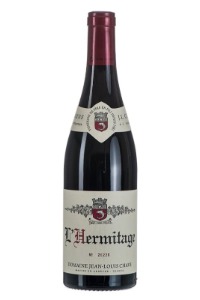
Jean-Louis Chave Hermitage 2019 – Hermitage, Northern Rhône, France
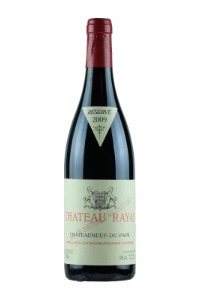
Chateau Rayas Chateneuf-du-Pape Reserve 2009 – Châteauneuf-du-Pape, Southern Rhône, France
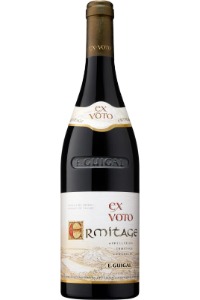
E. Guigal Ex Voto Ermitage Rouge 2019 – Hermitage, Rhône, France
Final thoughts: why Rhône wines deserve a place on your list
The Rhône Valley is, in many respects, a great underrated region of French fine wine. While Burgundy and Bordeaux dominate the headlines and the auction rooms, the Rhône offers remarkable quality, diversity and value.
The ten wines in our ranking represent the very best of what we love across the full price spectrum, from the magnificent Guigal Château d’Ampuis at the top to the outstanding value Gigondas from Famille Perrin. Each one is a worthy ambassador for a region that continues to inspire and delight wine lovers across the world.
Explore these bottles, invite friends to the table and let the Rhône Valley do what it has always done best: transform a good meal into a magnificent one.
You might also be interested in
FAQ on Rhône wines
Why are Rhône Valley wines still considered undervalued?
It comes down to name recognition. Bordeaux has Cabernet Sauvignon, Burgundy has Pinot Noir, grapes the world already knows by heart. The Rhône wines' identity is built on blending and on varieties like Grenache, Syrah and Mourvèdre that haven't achieved the same celebrity status. The result is that even top tier Rhône bottles, wines with 30+ years aging potential, often sell for a fraction of Burgundy or Bordeaux.
How should I pick a Rhône Valley wine on a restaurant list?
You can start by scanning for the appellation rather than the grape. Rhône wines are labelled by place, not variety. A smart list list will offer a different range of Rhône Valley wines: an approachable Côtes du Rhône or Crozes-Hermitage for everyday drinking, a Gigondas or Vacqueyras in the mid range and a Châteauneuf-du-Pape or Côte-Rôtie at the top. If the list includes any of those layers, you're in good hands.
Which Rhône Valley wine brands are the best?
While houses like Guigal, Chapoutier and Beaucastel are iconic, there is also remarkable depth in Rhône's smaller estates. Family run Rhône Valley brands like Clos Saint Jean, Domaine Les Pallières, Château Saint Cosme and Domaine de Marcoux are quietly doing extraordinary work. These are small domaines devoted to quality and sustainable winemaking, turning out wines with genuine personality and a real sense of where they come from. These are often the bottles that surprise you most at the table, delivering the most exciting drinking for their price.
What does garrigue actually taste like in a Rhône Valley wine?
Imagine crushing dried lavender, wild thyme and rosemary between your fingers on a hot Provençal afternoon: that herbal, resinous warmth is garrigue. In Southern Rhône reds, particularly Châteauneuf-du-Pape and Gigondas, it shows up as a savoury, earthy undertone woven through the fruit. It's not something winemakers add but the landscape expressing itself through the glass.
Can Rhône wines age as well as Bordeaux or Burgundy?
Absolutely, and this is one of the region's best kept secrets. A great Hermitage from Chave or Jaboulet can evolve for 30 to 50 years. Top Châteauneuf-du-Pape from estates like Beaucastel or Clos des Papes holds beautifully for two decades or more. The difference is you're not paying Burgundy Grand Cru prices for that kind of longevity, which makes the Rhône one of the smartest regions to cellar.
Is Rhône’s Châteauneuf-du-Pape always expensive?
Not necessarily. While prestige cuvées can reach several hundred dollars, many excellent Châteauneuf-du-Pape bottles sit comfortably between $50 and $90, a range that delivers serious complexity. Estates like Vieux Télégraphe's Télégramme, Clos Saint Jean and Château Saint Cosme offer beautifully crafted wines without the collectors' premium. It remains one of the few elite French appellations where quality regularly outpaces price.
Do I need to decant Rhône wines before serving them?
It depends on where the wine comes from. Northern Rhône reds, particularly Hermitage and Cornas, are built with firm tannins and tightly wound aromatics that genuinely benefit from one to two hours in a decanter before you sit down to eat. Southern Rhône blends like Châteauneuf-du-Pape and Gigondas are generally more generous on opening, though older or more structured bottles will still reward a little air. When in doubt, pour a small glass first and give the rest time to open up.