

Champagne under $100: the bottles worth knowing in 2026
The grandes maisons have spent decades convincing the world that Champagne worth drinking begins where most budgets end. The récoltants-manipulants prove them wrong. We blind tasted over 10 Champagnes under $100 to bring you the ones that genuinely stand out. Our top pick: Henri Billiot & Fils Brut Champagne Cuvée Julie.

The 10 best French Champagnes under $100
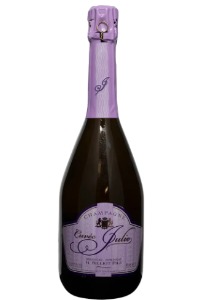
Brut Champagne Cuvée Julie – Henri Billiot & Fils
Champagne, France
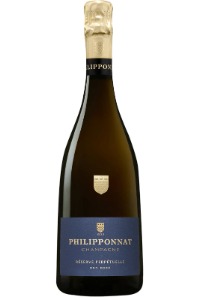
Reserve Perpetuelle Non Dose – Philipponnat
Champagne, France
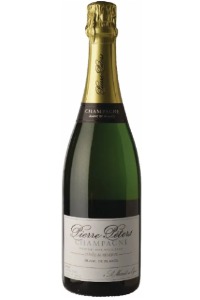
Cuvée de Réserve Brut – Pierre Peters
Champagne, France
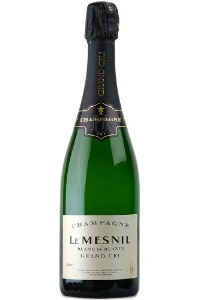
Blanc de Blancs Grand Cru Brut – Le Mesnil
Champagne, France
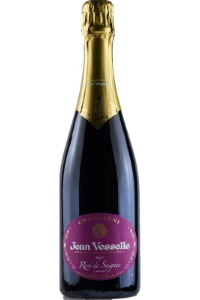
Rosé de Saignée Brut – Jean Vesselle
Champagne, France
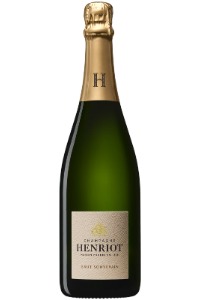
Brut Souverain – Henriot
Champagne, France
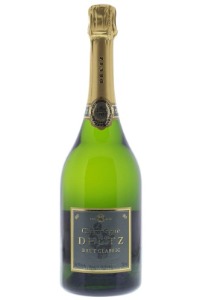
Brut Classic – Deutz
Champagne, France
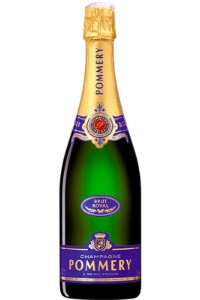
Brut Royal – Champagne Pommery
Champagne, France
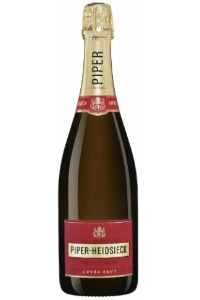
Brut Champagne – Piper-Heidsieck
Champagne, France
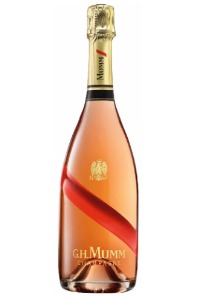
Grand Cordon Rosé – G.H. Mumm
Champagne, France
Our selection spans Grower Champagnes, Premier and Grand Cru expressions; Blanc de Blancs, Blanc de Noirs and rosé styles, all of them priced just under $100. Our favourite bottles are Henri Billiot & Fils Brut Champagne Cuvée Julie and Reserve Perpetuelle Non Dose by Philipponnat, both rated 5/5, proving that authentic and terroir driven Champagne have never been just a question of price.
Champagne under $100 brands worth exploring
Every major Champagne house produces entry level non vintage Brut that sits within the $100 threshold. These bottles represent a reliable introduction to the appellation that no Grower producer can match, as they prioritise house style and consistency over terroir specificity.
- Moët & Chandon Imperial Brut NV is the world’s most renowned Champagne and the default reference point for the category. Its approachability is a blend of over 100 reserve wines designed to deliver the same profile regardless of harvest conditions.
- Nicolas Feuillatte Réserve Exclusive Brut NV is produced by Centre Vinicole de la Champagne, comprised of over 6,000 growers and spread across all 5 major communes of the appellation, that is, Montagne de Reims, Côte des Blancs, Vallée de la Marne, Aube and Côte de Sézanne. That breadth of sourcing gives the cellar master access to a wider range of grape varieties and harvest conditions than most single house blends can draw on. The result is a non vintage Brut that is citrus forward and lightly toasty at a price that makes it one of the most credible entry level Champagnes under $100 on the market.
- Veuve Clicquot Yellow Label Brut NV is anchored by Pinot Noir, representing over 50% of the blend. The house has maintained the same signature style since Madame Clicquot standardized the blend in the 19th century. It is immediately recognisable with its fuller body and richer texture and built for consistency across millions of bottles annually.
- Piper-Heidsieck Cuvée Brut NV, with its bright acidity and clean finish, holds up well against food. It is one of the few entry level expressions deliberately structured for the table rather than the aperitif.
- Lanson Black Label Brut NV forgoes malolactic fermentation entirely, which is rare amongst grandes maisons. The result is a sharp natural acidity and citrus driven freshness that distinguishes it clearly from the more toasty styles of its peers.
- Taittinger Brut Réserve NV is made up of around 40% Chardonnay sourced primarily from the Côte des Blancs. Its Chardonnay backbone gives it a finesse and minerality that make it one of the most age worthy entry level bottles from a major house.
How to spot the best Champagne under $100
The Champagne appellation operates under one of the most strictly regulated wine regions in France. Every stage of its production is governed by AOC law, from permitted grape varieties to minimum lees ageing. Yet, the decision to source from a single Grand Cru village, to age beyond the legal minimum, or to forgo dosage entirely is where the real quality gap between a premium bottle and an entry level one lies.
The following factors will guide you in spotting the best Champagne under $100:
- Producer provenance: seek out Grower Champagne, identifiable by the letters RM (Récoltant-Manipulant) on the label. These producers farm their own vineyards and grow their own grapes. Under $100, these represent an authentic and terroir driven alternative to the major houses, making Grower Champagnes consistently compelling.
- Terroir classification matters, as not all Champagne villages are equal. Grand Cru is awarded to only 17 villages in the entire appellation and accounts for just 12% of the total vineyard area. Premier Cru covers a further 42 and produces grapes of higher quality under stricter yield limits, resulting in more concentrated fruit. A Grand Cru Blanc de Blancs from the Côte des Blancs under $100 is one of the finest values in all of sparkling wine.
- Choose your favourite style deliberately: Blanc de Blancs, made of 100% Chardonnay, is the most mineral and age worthy style. Blanc de Noirs, made from Pinot Noir and/or Pinot Meunier with minimal skin contact, delivers body, red fruit depth and great structure. Non vintage Brut is the most versatile and food friendly expression in the Champagne appellation. Rosé, on the other hand, draws on elements from all these styles, sitting somewhere between them all.
Pro tip: a quality Champagne under $100 will display fine and persistent perlage. Its bubbles appear small and consistent, alongside layered autolytic notes of brioche and toast from lees ageing. A coarse or aggressively sweet profile is almost always a sign of under aging and excessive dosage or both.
Entry level vs Premium Champagne: where does the difference lie?
The real difference between an entry level Champagne and its premium counterparts lies in complexity and ageing potential. A prestige cuvée like Dom Pérignon or Cristal is made exclusively from Grand Cru grapes, aged on lees for over 8 years and produced in strictly limited quantities.
Dom Pérignon’s Plénitude programme and Cristal’s single vineyard Vinothèque releases are the most compelling illustrations of what that investment in time ultimately delivers. They are aged well beyond the standard disgorgement date and are released only when the cellar master determines Champagne has reached its full expressive potential.
For the majority of buyers with no intention of cellaring, that level of investment is unnecessary and hard to justify. A carefully crafted Grower Champagne under $100, like Pierre Péters’ Cuvee de Reserve Brut or Jean Vesselle’s Rosé de Saignée Brut, reaches its peak within 5 to 8 years, delivering genuine terroir expression and autolytic complexity that very few bottles can surpass in that window.
Should your budget stretch further and you start craving more luxurious options, you’ll find the finest bottles and most sought after prestige cuvées in our full Champagne guide.
Serving and storing Champagne under $100
Most bottles featured in our ranking are best enjoyed within 3 to 5 years of disgorgement, while non vintage expressions are made for relatively prompt drinking. The Premier Cru and Grand Cru bottles, particularly Le Mesnil and Pierre Péters, have the structure to develop for up to 8 years. A few serving tips:
- Serve between 46°F and 50°F (8-10°C). Place the bottle in the refrigerator for 30 minutes before serving and avoid the ice bucket for extended periods. Too much cold mutes the aromatics and excessive warmth might flatten Champagne’s distinctive mousse.
- Use a tulip shaped glass rather than a Champagne flute, which suppresses its aromatic complexity. The wider bowl allows the wine to breathe and helps reveal its full character. A white wine glass works equally well for aged or more complex bottles.
How we rate Champagne under $100
Our editorial team rates wines on appearance, aroma and bouquet, flavour and overall impression, assigning scores on a 5 point scale. We blind tasted over 10 Champagne bottles under $100 without knowledge of price or producer. Scores are assigned over 50 points and converted as follows:
- 5 = Exceptional
- 4 = Excellent
- 3 = Very Good
- 2 = Good
- 1 = Fair
For Champagne under $100 specifically, our panel paid particular attention to:
- Perlage: fineness, persistence and consistency of bubbles
- Autolytic character: toast, brioche and biscuit notes from lees ageing which are the hallmark of genuine méthode champenoise
- Primary aromatics: citrus, stone fruit and floral notes from the grape varieties
- Structure: acidity, dosage balance and length of finish
- Terroir expression: does the wine speak of a specific village, soil or producer?
Each bottle was assessed against its stylistic peers to ensure fair and context appropriate ratings. We assessed Blanc de Blancs against Blanc de Blancs, Grower against Grower and Grand Cru against Grand Cru Champagnes.
A note from our team: ratings reflect our panel’s palate and are not a universal verdict. Read the tasting notes; they will tell you far more about whether a wine is right for you.
You might also be interested in

FAQs on Champagne under $100
What is the best Champagne under $100?
Our top pick for Champagne under $100 is Henri Billiot & Fils’ Brut Champagne Cuvée Julie, priced at $98 and rated 5/5. It is a Grand Cru blend of Pinot Noir and Chardonnay of genuine complexity and precision that competes with bottles at twice the price.
What is Grower Champagne?
Grower Champagne is identifiable by the RM (Récoltant-Manipulant) designation on the label and is produced by the estate that grows its own grapes. Unlike the prestige cuvees and premium maisons, Grower producers make wine from a single domaine, resulting in a more specific terroir expression. Under $100, Grower Champagne almost always offers more character and authenticity than a comparable maison bottle.
Is Champagne under $100 worth buying?
Champagne under $100 can compete with prestige cuvées costing three to four times more. The complexity gap is real but smaller than the price difference suggests. Also, these bottles are usually meant for drinking now rather than cellaring; the argument for spending more is weaker than the industry implies.
What food pairs well with Champagne under $100?
Champagne's effervescence and acidity make it one of the most food friendly wines on the table. For instance, Blanc de Blancs pairs cleanly with oysters, shellfish and light seafood, while a Blanc de Noirs or Rosé has enough body for charcuterie, soft cheeses and light poultry. Brut non vintage styles work across an entire meal, from aperitif to dessert. As a rule of thumb, match the weight of the wine to the weight of the dish.
What is a nice Champagne at a reasonable price?
Several bottles punch well above their price. G.H. Mumm Grand Cordon Rosé, rated 4.6/5 at $50, is approachable and consistently well made. Champagne Le Mesnil Blanc de Blancs Grand Cru Brut at $80 offers genuine Grand Cru terroir at a fair price.
What is the best rosé Champagne under $100?
Jean Vesselle's Rosé de Saignée Brut is our top rated rosé in this ranking, rated 4.8/5 and priced at $68. It offers candied pomegranate, grapefruit and a depth of character that few maison rosés match at this price. For a more accessible entry point, G.H. Mumm Grand Cordon Rosé, rated 4.6/5 and costing approximately $50, is the most approachable bottle in our ranking without sacrificing character.
