

Cristal Champagne: the definitive guide to Roederer’s greatest cuvée
Cristal Champagne is one of the most celebrated prestige cuvées in the world. Born from a private commission for Tsar Alexander II of Russia in 1876 and revived for the commercial market in 1945, Cristal has since become synonymous with the pinnacle of Champagne winemaking. In this guide we will explore the full Cristal range, the history of Louis Roederer and which vintages to seek out in 2026.

Table of Contents
Best Cristal Champagne vintages to buy online in 2026
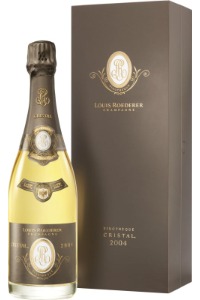
Louis Roederer Cristal Vinothèque with Gift Box 2004
Champagne, France
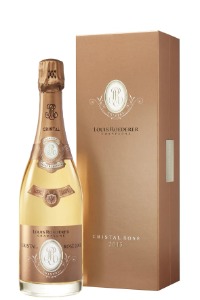
Louis Roederer Cristal Rosé 2015 with Gift Box
Champagne, France
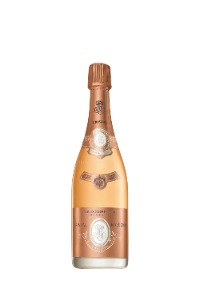
Louis Roederer Cristal Rosé 2016
Champagne, France
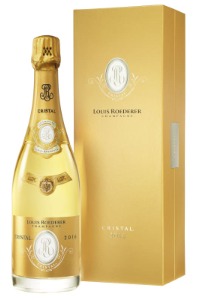
Louis Roederer Cristal Champagne Brut with Gift Box 2016
Champagne, France
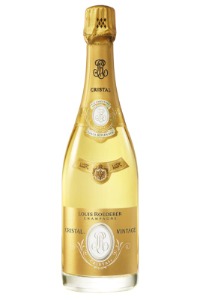
Louis Roederer Cristal Champagne Brut 2016
Champagne, France
From the Crystal Brut at $369 to the prestige Vinothèque 2004 at $1299, our Cristal Champagne rating covers every expression of a highly collectible range. Every bottle is estate grown, biodynamically farmed and made by one of Champagne’s most demanding Chefs de Caves, Jean-Baptiste Lécaillon. While the range changes, the standard doesn’t.
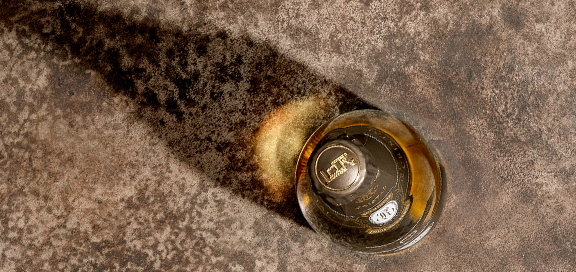
Louis Roederer Cristal Champagne: types and cuvées
Louis Roederer produces Cristal in three distinct expressions, each representing a different facet of the estate’s grand cru terroir. The range can be broken down into the following categories.
Cristal Champagne Brut
The Cristal Brut is the flagship cuvée. It is a vintage wine, produced only in years of exceptional quality and typically released approximately six to seven years after harvest. The blend is predominantly Pinot Noir (around 60%) combined with Chardonnay (around 40%) and sourced exclusively from the estate’s own grand cru parcels.
Louis Roederer Cristal Champagne Brut 2016
The wine undergoes a minimum of six years of ageing on lees, giving it the characteristic notes of brioche, almond cream, toasted hazelnuts and fine pastry layered over the primary fruit. Sugar dosage is kept deliberately low, typically between 7 and 9 g/L (extra brut territory), allowing the terroir to speak with maximum clarity. The iconic flat bottomed bottle, made in clear crystal glass, was originally designed so Tsar Alexander II could inspect the wine for potential tampering. Today it remains a design signature.
Cristal Champagne Rosé
Cristal Rosé is produced by the saignée method: a brief maceration on the skins of estate Pinot Noir before pressing, giving the wine its characteristic deep copper colour and the structure to age as seriously as the Brut. It is arguably the most compelling prestige rosé Champagne made anywhere in the world.
Louis Roederer Cristal Rosé 2015 with Gift Box
Cristal Rosé is produced in tiny quantities, with production averaging 20,000 to 25,000 bottles per vintage and demand consistently outstripping supply. On the nose, expect wild strawberry, blood orange, saffron and rose petal; on the palate, impeccable tension, crystalline minerality and a finish that lasts several minutes.
Cristal Vinothèque
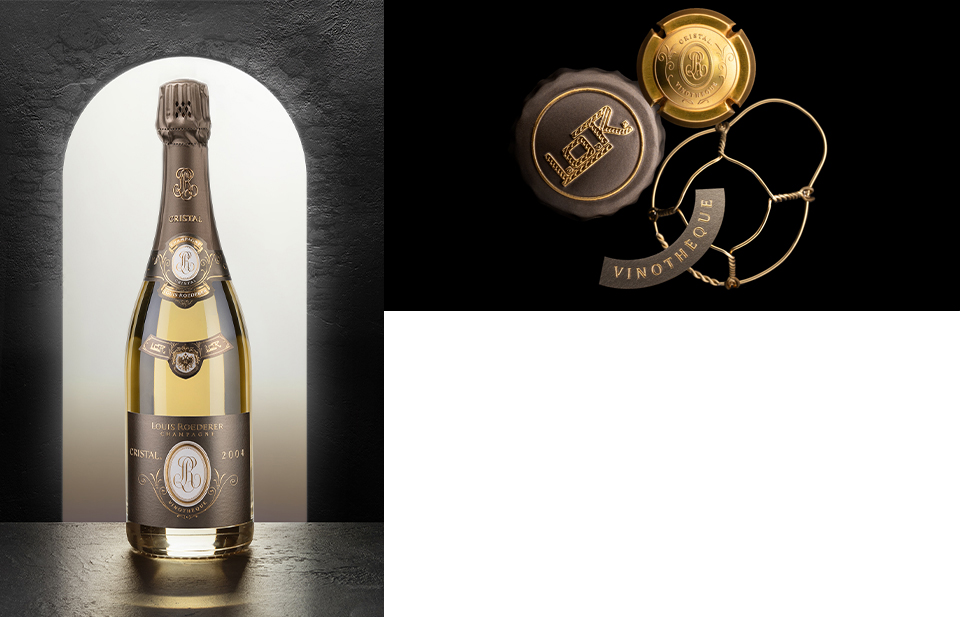
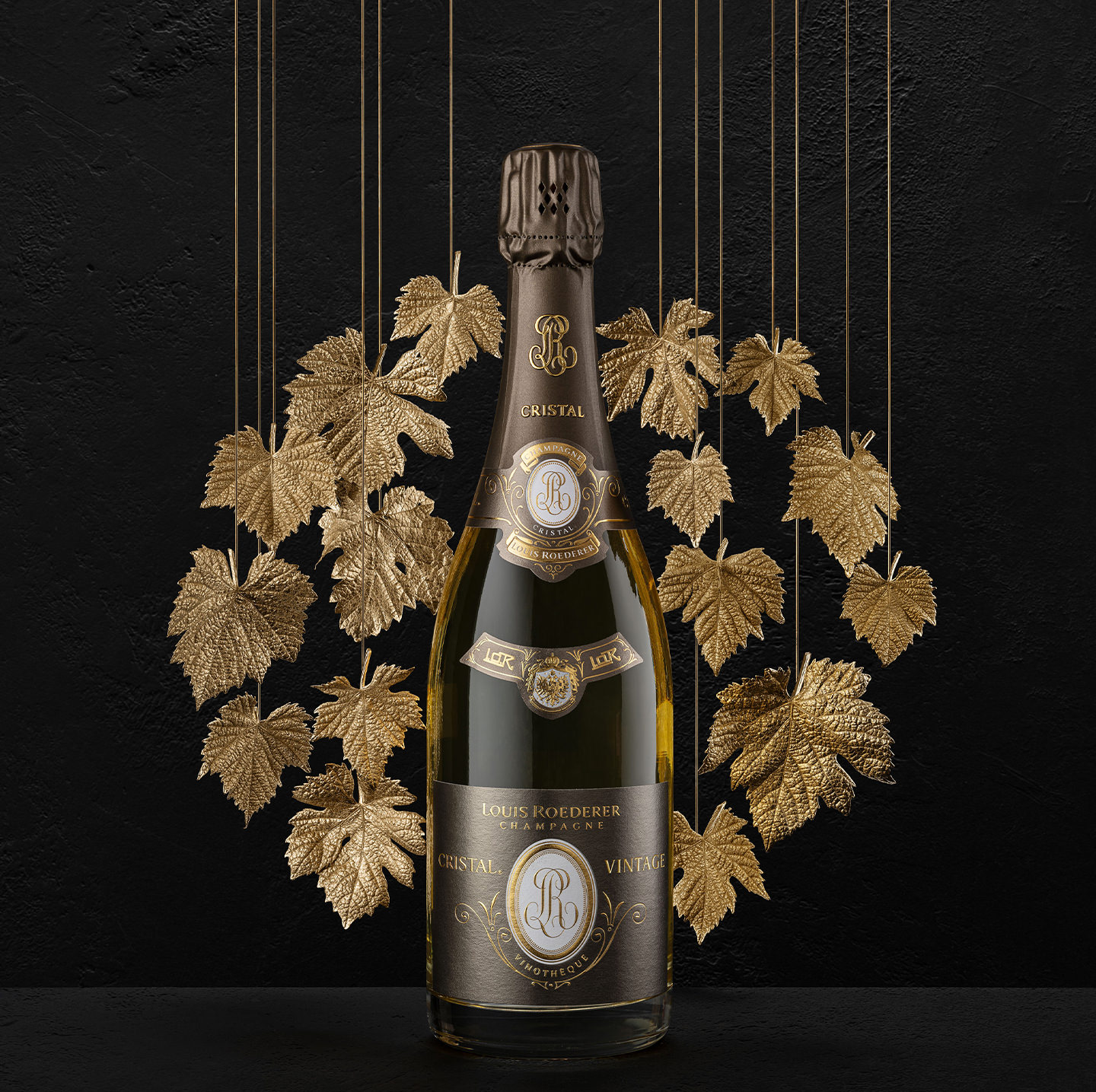
The Cristal Vinothèque is the late disgorged expression of the Brut, held under the original cork in Roederer’s cellars for an extended period before release, typically a decade or more beyond the original disgorgement date. The results are transformative. Where the standard Cristal ages in a controlled, measured way, the Vinothèque develops a tertiary complexity that places it in an entirely different category: white truffle, beeswax, candied citrus peel, smoked almond and a deep, oxidative richness that somehow retains extraordinary freshness. The 2002, 2004 and 2008 Vinothèques are considered the summit of the line.
Louis Roederer Cristal Vinothèque with Gift Box 2004
At $800 to $1,300 per bottle, they are serious collector wines with 30+ years of aging potential.
The broader Louis Roederer Champagne range
Beyond Cristal, Louis Roederer produces a full range of Champagnes that represent some of the finest value in the region. The Collection NV (formerly the Brut Premier) is the house’s signature multi vintage blend and typically one of the most polished non vintage Champagnes available at its price point ($65 to $85). The Blanc de Blancs Vintage is a grand cru Chardonnay of exceptional minerality and one of the finest expressions of the Côte des Blancs outside of top grower Champagne. The Rosé Vintage bridges the gap between the Collection and Cristal Rosé. At the very top sits the recently introduced Cristal Vinothèque Rosé, a wine of such rarity and complexity that even experienced collectors struggle to access it.
Cristal winemaking methods and vineyard sourcing
Louis Roederer’s approach to Cristal is built on a non negotiable principle: total control of the raw material. Everything begins in the vineyard, where the estate’s biodynamic programme (one of the most ambitious in Champagne) governs every decision from soil management to harvest date. Understanding how Cristal is made, and where the grapes come from, is essential to understanding why it commands the prices it does.
How Louis Roederer makes Cristal
Cristal is produced exclusively from estate grown grapes. Louis Roederer owns 240 hectares of vineyards across the Champagne appellation, providing approximately 70% of its total grape requirements with the remainder sourced from long term grower relationships. For Cristal, 100% of the fruit comes from the estate’s own grand cru and premier cru parcels: no purchased grapes and no third party vineyards are employed.
The biodynamic conversion began in 2000 under Jean-Baptiste Lécaillon, Cellar Master and one of the world’s best winemakers. The programme involves lunar farming calendars, compost preparations, cover crops between the vines and the absolute elimination of herbicides, insecticides and systemic fungicides. Lécaillon argues that biodynamic viticulture produces more complex root systems, deeper mineral expression and greater natural resilience to climatic stress, factors that are now all visible in the wines. Average vine age across the Cristal parcels is 35 to 40 years, with several plots exceeding 50 years.
In the cellar, Cristal undergoes partial fermentation in small oak casks (around 20% of the blend) with the remainder in stainless steel, allowing Lécaillon to modulate texture and oxidative complexity with great precision. The wine is then blended, undergoes secondary fermentation in bottle and ages for a minimum of six years on lees. Disgorgement is followed by a further six months of post disgorgement aging before release. Throughout, Lécaillon maintains what he calls “vinous tension”, a balance between richness and freshness that defines the Cristal house style and distinguishes it from most other prestige cuvées.
How much is Cristal Champagne?
The Cristal Champagne cost reflects a clear hierarchy based on expression, age and rarity. Understanding these tiers helps you buy smarter:
- Cristal Vinothèque (Brut and Rosé) is the pinnacle of the range, held under cork in the Roederer cellars for a decade or more after the original disgorgement. Released in tiny allocations of 5,000 to 10,000 bottles, these late disgorged wines represent some of the most complex Champagnes ever produced. Prices range from $800 to $1,500+.
- Cristal Rosé Vintage is produced in smaller quantities than the Brut (typically 20,000 to 25,000 bottles per release) and pricing reflects both its rarity and the extraordinary care required in the saignée production process. Expect $550 to $700 on release, with older vintages reaching $1,000+ at auction.
- Cristal Brut Vintage is the flagship and the reference point for the range. Produced in approximately 300,000 to 400,000 bottles per vintage year (Cristal is only made in exceptional years), it is a collector wine of the highest order with 25 to 30+ years of aging potential. Prices range from $250 on release to $500+ for mature vintages.
- Louis Roederer Blanc de Blancs Vintage represents the estate philosophy at a more accessible price point, offering 100% grand cru Chardonnay with the same biodynamic sourcing discipline as Cristal. At $100 to $130, it is exceptional value for prestige level Champagne.
- Collection NV (formerly Brut Premier) is the entry point to the Roederer range and one of the most consistent non vintage Champagnes produced anywhere in the appellation. At $65 to $75, it delivers genuine house character and is the perfect introduction to Roederer’s style.
Beyond Cristal — the Louis Roederer estate
Louis Roederer is one of the last great family owned Champagne houses. Unlike most of its peers (think LVMH’s portfolio or Vranken-Pommery) Roederer has no corporate parent, no outside shareholders and no obligation to maximise short term returns. This independence is fundamental to understanding the house and its wines. Decisions are made generationally, not quarterly.
The family also owns a significant portfolio of premium wine estates outside Champagne: Delas Frères in the northern Rhône, Château de Pez and Château Haut-Beauséjour in Bordeaux, Domaine Ott in Provence, Ramos Pinto in the Douro Valley of Portugal and Roederer Estate in the Anderson Valley of California (where the Quartet NV and L’Ermitage vintage cuvée are produced). This global network reflects the family’s conviction that fine wine is a universal language and that the same meticulous estate philosophy applied to Cristal can be replicated in any region with the right terroir and patience.
A dynasty built on exclusivity and conviction
The Roederer story begins in 1776, when the house was founded in Reims by a merchant named Dubois. In 1833, Louis Roederer, a nephew of the founder, inherited the business and renamed it after himself. By the 1870s, under his son Louis II, the house had become the preferred Champagne supplier to the Russian Imperial court, accounting for roughly a third of total production. In 1876, Tsar Alexander II made a remarkable request: he wanted a Champagne made exclusively for him, in a clear crystal bottle (so he could see the wine and inspect it against the light for signs of tampering), with a flat base (making it harder to conceal explosives). The result was Cristal, a private imperial commission that would not be released to the public for nearly 70 years.
When the Russian Revolution ended Roederer’s imperial business overnight in 1917, the house almost faced collapse: the stock intended for the Russian market was left unsold and the family was forced to reinvent itself for a new era. The revival of Cristal for the commercial market in 1945 was a pivotal moment, and arguably the single most consequential decision in the modern history of prestige Champagne.
Cristal awards and global recognition
Cristal holds one of the most consistent critical records of any prestige cuvée in the world. The 2002 Cristal Vinothèque received a perfect 100 points from Antonio Galloni of Vinous. The 2008 Cristal Brut was awarded 99 points by both James Suckling and Wine Advocate. The 2012, 2013 and 2015 vintages each received 97 to 99 points from major critics. Wine Spectator has included Cristal in its Top 100 Wines of the Year on multiple occasions. The 2007 Cristal Rosé is considered by many experts to be the finest prestige rosé Champagne ever produced — a wine that has appreciated 200% in value on the secondary market since its release.
Fun fact: the original Cristal bottle for Tsar Alexander II was made entirely of lead crystal glass, hence the name. Modern Cristal is of course made in standard glass with a clear flat bottomed bottle that pays homage to the imperial original. The gold cellophane wrapping that protects the bottle was added later to prevent UV light degradation, a functional afterthought that became one of the most recognisable luxury packaging signatures in the world.
You might also be interested in

FAQs on Cristal Champagne
What is Cristal Champagne?
Cristal is the prestige cuvée of Louis Roederer, produced exclusively from the house's own biodynamic grand cru vineyards in Champagne, France. It is a vintage Champagne, meaning it is only made in years of exceptional quality and is blended from Pinot Noir and Chardonnay to create a wine of extraordinary complexity and aging potential. First produced as a private commission for Tsar Alexander II of Russia in 1876 and released commercially from 1945, Cristal is widely considered the benchmark prestige cuvée against which all others are measured. Today it is produced in three expressions: the Brut Vintage, the Rosé Vintage and the Vinothèque (late disgorged). All three share the same estate grown philosophy and the same commitment to reflecting grand cru terroir with maximum precision.
Is Dom Pérignon or Cristal better?
Both Dom Pérignon and Cristal are considered top tier "prestige cuvées"and choosing between them often comes down to personal taste and the specific vintage rather than one being universally "better" than the other. Dom Pérignon is celebrated for its complexity and a slightly higher proportion of Chardonnay, often displaying notes of white flowers, stone fruits, and a characteristic toasty, brioche, and smoky minerality. Cristal is often described as "pure liquid gold," offering a richer and more intense fruity profile with strong Pinot Noir influence. It is noted for its precision, creamy texture and notes of citrus, white peaches and buttery pastry.
Why is Cristal Champagne so expensive?
Several factors combine to make Cristal one of the most expensive Champagnes on the market. First, it is produced exclusively from estate grown grand cru grapes, farmed biodynamically — a significantly more labour-intensive and lower-yielding approach than conventional viticulture. Second, Cristal is only made in exceptional vintages, meaning production years are limited and quantities per release are deliberately kept low. Third, the wine undergoes a minimum of six years of lees ageing before release, tying up considerable working capital. Finally, demand consistently outstrips supply across all three expressions, particularly the Rosé and Vinothèque. The result is a secondary market where older vintages routinely trade at 150 to 300% of their original release price.
Where is Louis Roederer Cristal Champagne from?
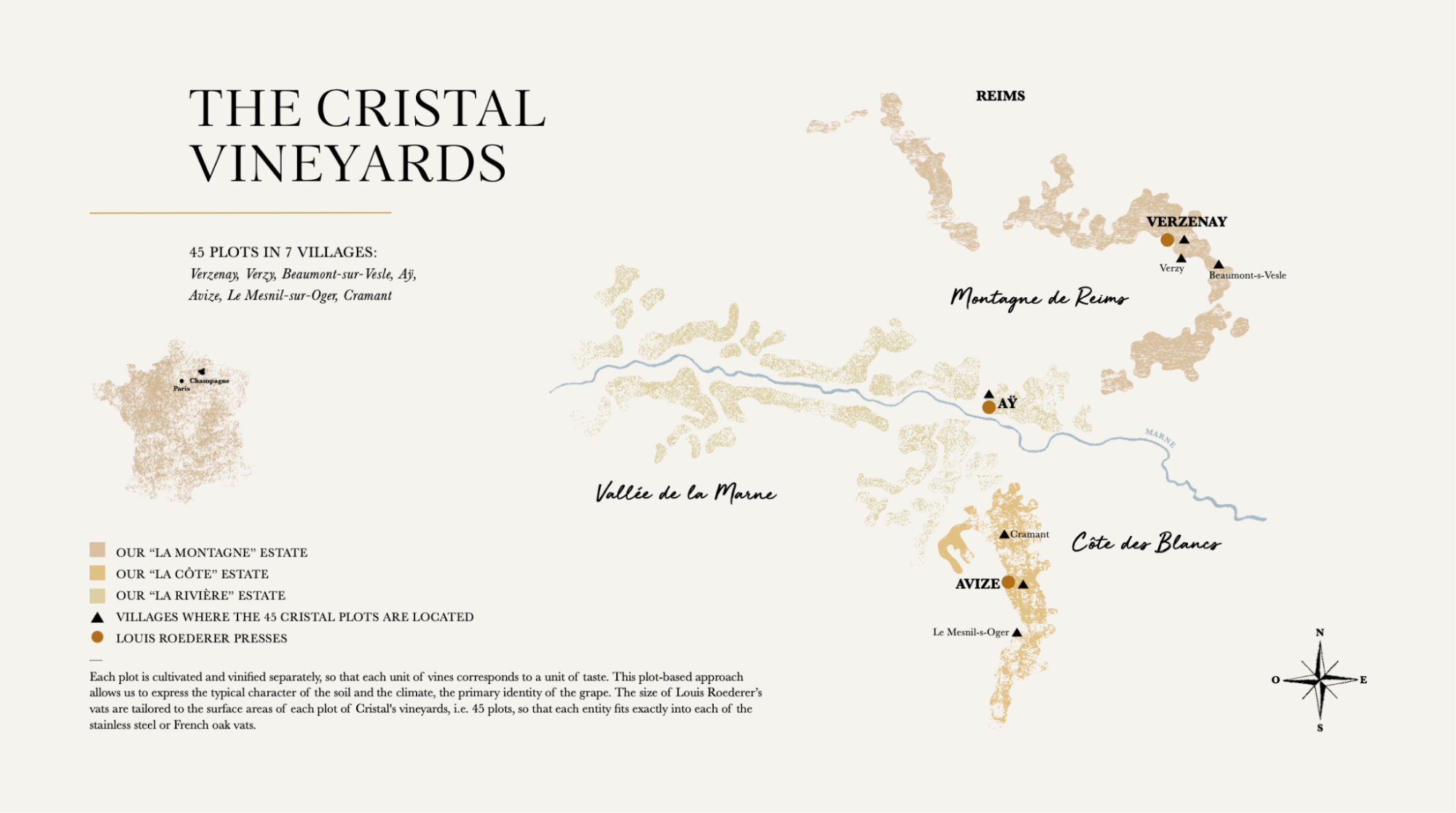
Cristal is produced by Louis Roederer, headquartered in Reims, in the Champagne appellation of northern France. The estate's 240 hectares of vineyards are spread across the finest grand cru and premier cru villages of the Montagne de Reims (principally Verzy, Verzenay and Aÿ, providing Pinot Noir for structure and depth) and the Côte des Blancs (principally Mesnil-sur-Oger and Avize, providing Chardonnay for freshness and mineral tension). For Cristal specifically, 100% of the fruit comes from the estate's own grand cru parcels.
Who owns Cristal Champagne?
Cristal is the flagship wine of Louis Roederer, a family owned Champagne house now in its fifth generation. The current CEO is Frédéric Rouzaud, great great-grandson of the original Louis Roederer. The house has no outside investors or corporate shareholders, a rarity among the major Champagne houses and a critical factor in its ability to pursue long term quality decisions (such as the decade long biodynamic conversion) without short term commercial pressure. Jean-Baptiste Lécaillon has been Chef de Cave since 2006 and is widely credited with the transformation of Cristal into one of the most intellectually compelling wines produced anywhere in the world.
How much does Cristal cost?
Prices vary by expression and vintage. The Cristal Brut typically ranges from $250 to $330 on release for recent vintages, with mature releases and particularly acclaimed years (such as 2008, 2009 and 2012) trading at $350 to $600+ on the secondary market. The Cristal Rosé Vintage ranges from $550 to $700 on release, with older vintages reaching $800 to $1,200+. The Cristal Vinothèque Brut starts at around $800 to $1,000 depending on the vintage, while the Cristal Vinothèque Rosé (the rarest expression in the range) commands $1,200 to $2,000+ per bottle. The broader Roederer range offers excellent entry points: the Collection NV at around $65 and the Blanc de Blancs Vintage at around $100 to $130.
Is Cristal a good investment?
As an investment, Cristal has an exceptionally strong track record. The 2007 Cristal Rosé has appreciated over 200% since its original release. The 2002, 2004 and 2008 Vinothèques regularly achieve two to three times their release prices at major auction houses. Top scoring Brut vintages (97+ points from major critics) typically see 50 to 100% appreciation within five years of release. For serious collectors, the Rosé and Vinothèque expressions offer the greatest potential for appreciation.
Where can I buy Cristal Champagne?
You can buy Cristal Champagne directly through the selection on this page, where we source bottles from trusted retailers including wine.com, Wine Access, Reserve Bar and Total Wine, ensuring you receive them at competitive prices with reliable delivery. The Cristal Brut is the most widely available expression and can typically be found at specialist wine merchants, fine wine retailers and premium online platforms. The Cristal Rosé and Vinothèque expressions are allocated and appear periodically, selling out quickly when they do. Auction houses including Christie's, Sotheby's Wine and Zachys regularly offer older vintages.
How long can Cristal age?
Aging potential varies significantly by expression. The Cristal Vinothèque (both Brut and Rosé) can age 40 to 50+ years from the vintage date when stored properly and the best examples improve for decades beyond disgorgement. The Cristal Brut Vintage from top years (1990, 2002, 2008, 2012, 2015) has a drinking window of 25 to 40 years from vintage. More modest years are best within 15 to 20 years. The Cristal Rosé from great vintages (namely 2007, 2012, 2013, 2015) has a similar trajectory to the Brut, with exceptional structure supporting 25 to 35 years of evolution. The broader Roederer range such as Collection NV, Brut and Rosé NV, is designed for earlier enjoyment, typically within three to five years of disgorgement.
What is the difference between Cristal Champagne and Dom Pérignon?
Both are iconic prestige cuvées with strong critical reputations and serious collector followings, but they are philosophically quite different wines. Cristal is produced by a family owned house with 100% estate grown, biodynamically farmed grand cru grapes and a deliberately low-dosage style that prioritises terroir expression and longevity. Dom Pérignon is produced by Moët & Chandon (part of LVMH) from a combination of estate and purchased grapes, with a richer, more generous style and the famous P2 and P3 late release programme. In simple terms: Cristal tends to be more mineral and precise, Dom Pérignon more opulent and immediately pleasurable. Both are extraordinary wines and the choice between them largely comes down to stylistic preference.