

Dom Pérignon: the definitive guide to the world’s most iconic Champagne
Dom Pérignon is a prestigious vintage-only Champagne produced by Moët & Chandon in France, renowned as a global symbol of luxury. In this article we will explore the full Dom Pérignon Champagne portfolio, including the extraordinary Vintage, the rare Plénitudes and the limited edition artist collaborations.

Table of Contents
Best Dom Pérignon Champagne to buy online in 2026
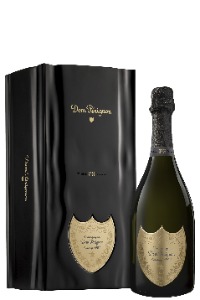
Dom Pérignon P3 Plénitude Brut 1992 with Gift Box
Champagne, France
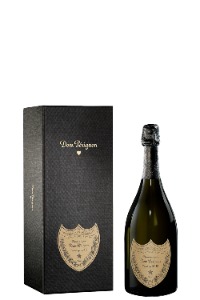
Dom Pérignon Vintage Brut 2013
Champagne, France
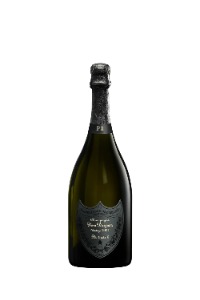
Dom Pérignon Vintage Plénitude 2 2004
Champagne, France
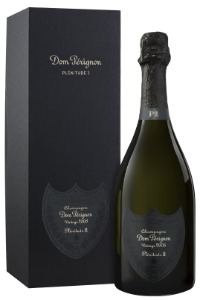
Dom Pérignon P2 Plénitude Brut 2008
Champagne, France
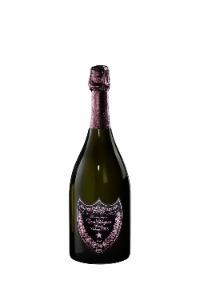
Dom Pérignon Rosé Vintage 2008
Champagne, France
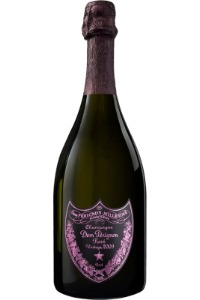
Dom Pérignon Rosé 2009
Champagne, France
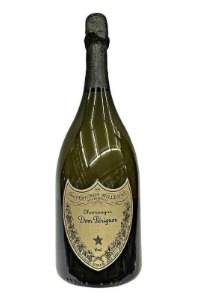
Dom Pérignon Vintage Brut P1 2010
Champagne, France
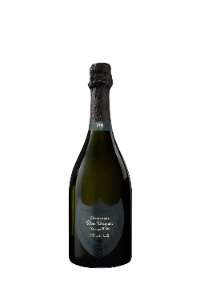
Dom Pérignon P2 Plénitude Brut 2006
Champagne, France
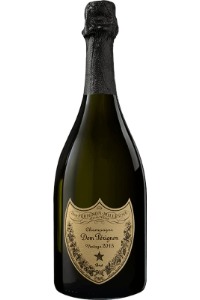
Dom Pérignon Vintage Brut 2015
Champagne, France
Dom Pérignon Vintage Brut 2012
Champagne, France
*Because Dom Pérignon is produced only in declared vintage years and in limited quantities, availability can change quickly, so we recommend purchasing promptly when you spot a vintage you want.
This ranking covers the full breadth of the Dom Pérignon portfolio, ranging from the current Vintage Brut 2015 at around $290 to the monumental P3 releases at $3,000+ top rated at 5/5. What connects every bottle across the listings is the same vintage only philosophy and an unbroken commitment to creating Dom Pérignon Champagne of extraordinary depth, ensuring that each release captures one of the most exacting visions in the world of wine.
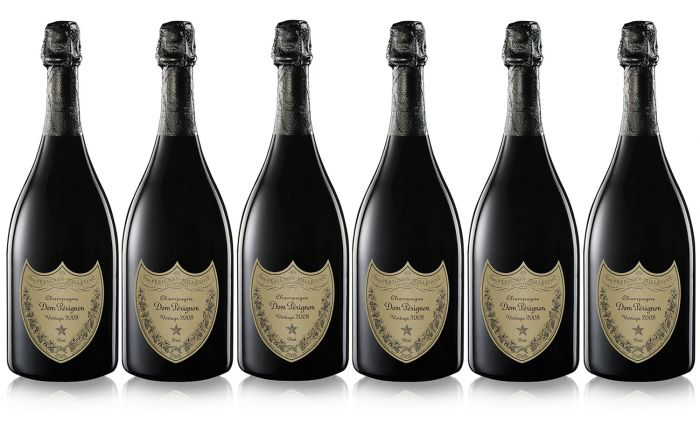
Dom Pérignon Champagne types and expressions
Dom Pérignon produces a focused but layered portfolio centred on two core styles, Brut and Rosé, each of which evolves through three distinct stages of maturity known as Plénitudes. While the range is smaller than other prestige Champagne houses, it is this deliberate restraint that allows Dom Pérignon to concentrate all of its energy on a single pursuit: the fullest possible expression of each vintage. The portfolio breaks down into three categories that we are going to explore below.
Dom Pérignon Brut (Vintage and Plénitudes)
The foundation of the house is the Vintage Brut, a blend of Pinot Noir and Chardonnay sourced from the 17 Grand Crus of Champagne plus the Premier Cru of Hautvillers. After a minimum of eight years on the lees in the cellars beneath the Abbey of Hautvillers, the wine reaches what Dom Pérignon calls its “first Plénitude” (Plénitude 1 or P1). This is the standard Vintage release and the bottle most people encounter when they buy Dom Pérignon. It is fresh, vibrant and already complex, a wine that captures the full character of the harvest year in a single, seamless expression.
Then come the extended aging releases, each representing a deeper chapter in the life of the same wine. P2 (Plénitude 2) is disgorged after approximately 15 years on the lees. The additional time triggers what the house describes as an expansion of energy, the wine becomes wider, deeper and more intense. P2 releases are produced in significantly smaller quantities than the original Vintage, making them considerably rarer. If P1 captures the freshness of the vintage, P2 reveals its architecture.
P3 (Plénitude 3) is the ultimate expression. After roughly 25 to 35 years of lees contact, the wine reaches a level of complexity and texture that few Champagnes in the world can match. Production is extremely limited, often just a few thousand bottles globally, with pricing reflecting such scarcity. The Chef de Cave (Cellar Master) monitors each vintage throughout decades in the cellar and chooses the exact disgorgement moment when the wine reaches its third peak. The result is a Champagne of striking depth, where oxidative notes of toasted nuts and dried fruit are layered over vibrant acidity and the chalky minerality that defines the house style.
The Plénitude system is not a marketing exercise. It reflects a genuine understanding that great Champagne evolves in stages, with distinct windows of peak expression separated by quieter periods. For collectors and enthusiasts, this creates multiple opportunities to experience the same vintage at fundamentally different stages of its life.
Dom Pérignon Rosé
Dom Pérignon Rosé is a bolder, more sensual expression of the house style. Richer, deeper and more aromatically intense than the Brut, it owes its delicate pink hue to a carefully calibrated addition of Pinot Noir, which brings structure and red fruit character.
Chef de Cave Vincent Chaperon has spoken about the Rosé as having even more potential than the Brut. He has described it as a wine that has a sense of red wine without being a red wine, a sense of rosé that goes beyond the category. It has a unique personality and great versatility, which is why the house continues to push the boundaries of what this style can achieve.
Dom Pérignon Rosé Vintage 2008
Dom Pérignon Rosé 2009
The Rosé also follows the Plénitude trajectory, and the P2 Rosé releases sit among the rarest wines in the world. Dom Pérignon Rosé consistently commands a 50 to 80% premium over equivalent Brut vintages, reflecting its lower production and its intense collector demand.
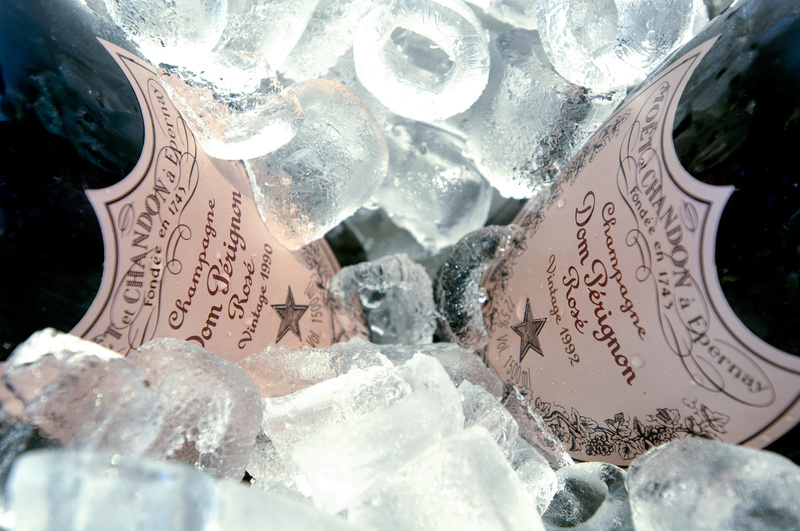
Special editions and limited releases: Dom Pérignon Lady Gaga
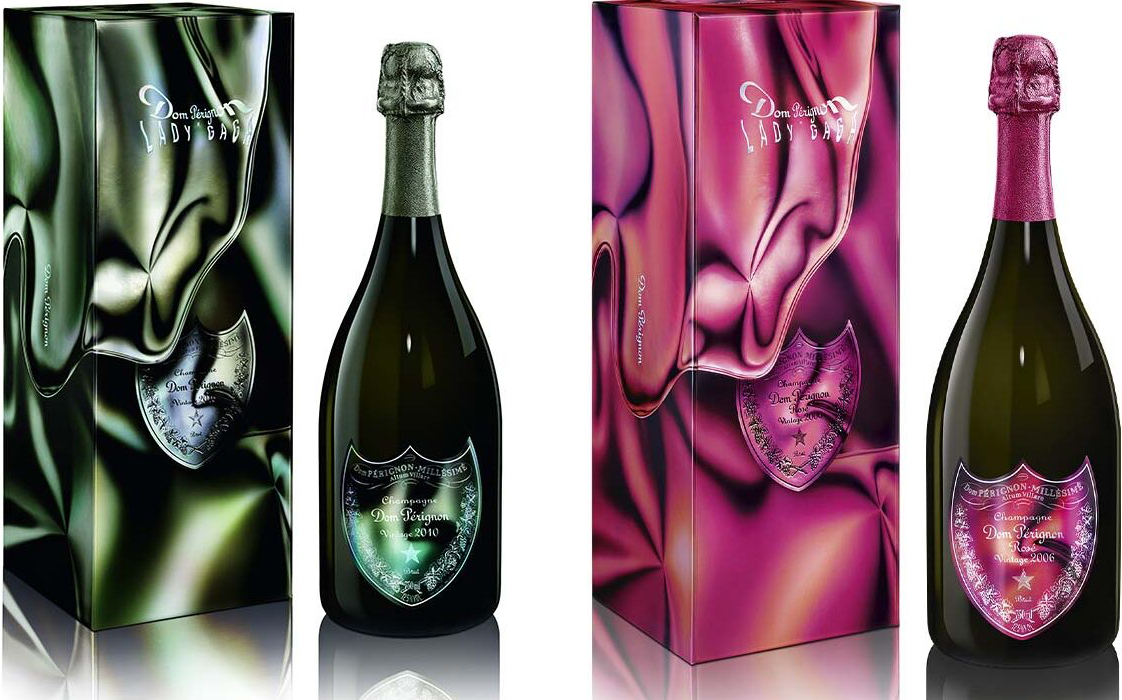
Beyond the core Brut and Rosé, Dom Pérignon periodically releases special editions and collaborations. Partnerships with Lady Gaga, Lenny Kravitz, Jeff Koons, and Tokujin Yoshioka, among others, have produced limited edition packaging that transforms the bottle into a collector’s object – where the worlds of fine wine and contemporary art genuinely meet.
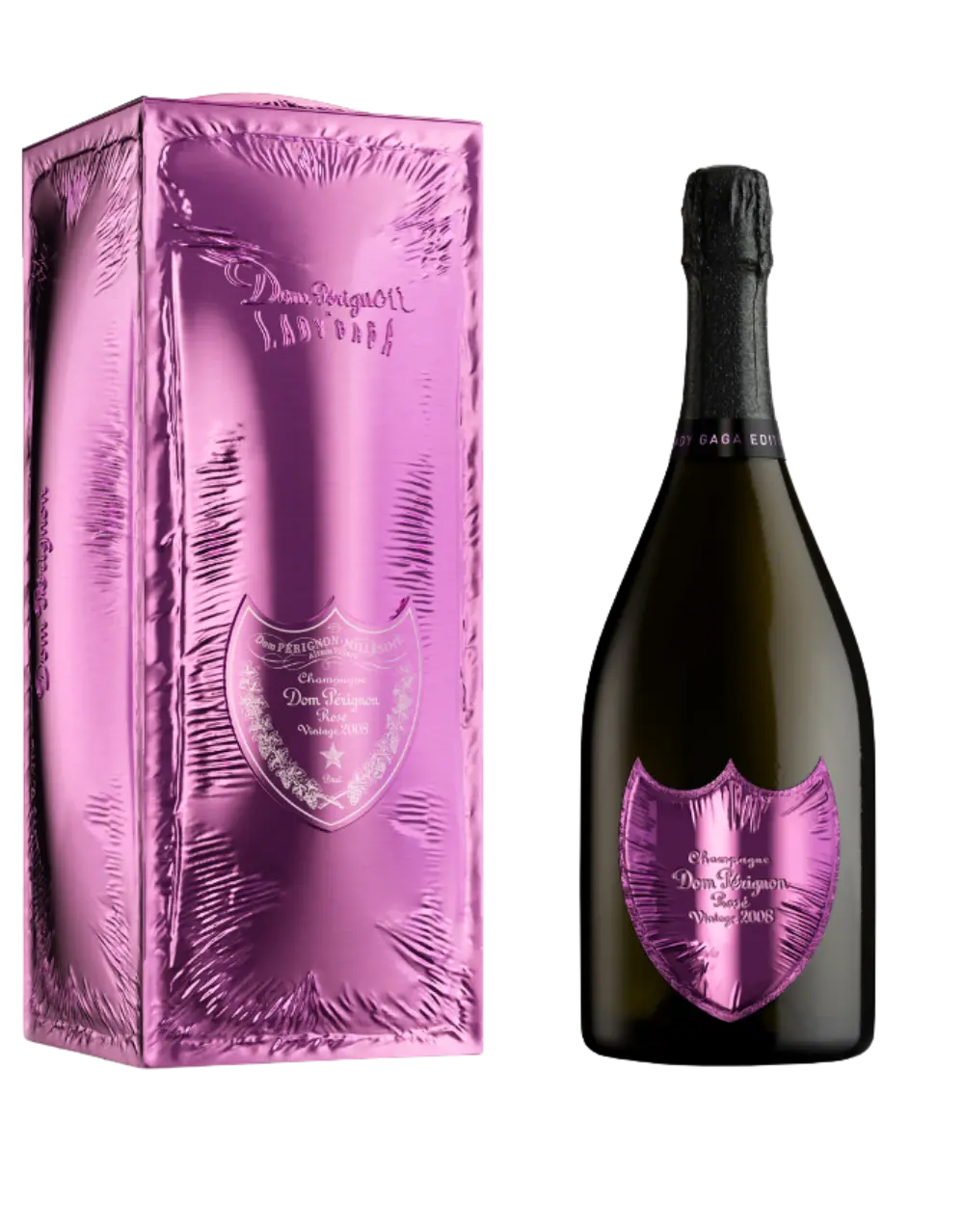
Dom Perignon Rosé Vintage 2008 Lady Gaga Limited Edition
Dom Pérignon Rosé Vintage 2006 Lady Gaga Limited Edition
The Dom Pérignon Lady Gaga collaboration holds a special place for us. Spanning both the 2006 and 2008 Rosé Vintages, it is the one that best captures what these partnerships can achieve at their highest level. The design, draped like a veil around the bottle, feels like an extension of the wine itself rather than a label applied to it. And the wines are magnificent too: assertive and deeply sensual, with the saline, briny finish that defines great Dom Pérignon Rosé. Two creative forces, both uncompromising, producing something that neither would have made alone. That, for us, is the standard every collaboration should be measured against.
Dom Pérignon Vintage Brut, the flagship
The Dom Pérignon Vintage Brut is the wine that defines the house and the only expression released in every declared vintage. Made from a precise assemblage of Pinot Noir and Chardonnay harvested from the finest Grand Cru and Premier Cru vineyards across the Champagne region, it undergoes a first fermentation in stainless steel, followed by secondary fermentation in bottle and a minimum of eight years of aging on the lees. The current Vintage 2015, which was disgorged in January 2023, is a blend of 51% Pinot Noir and 49% Chardonnay with a dosage of 4.5 g/L. The result is a Champagne that balances structural precision with sensory breadth: roasted cocoa and lime blossom on the nose, nectarine on the palate and a long, gentian-tinged finish.
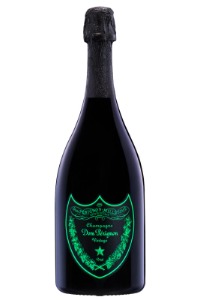
Dom Perignon Vintage Luminous Bottle 2015
Chef de Cave Vincent Chaperon has described 2015 as a vintage shaped by extreme climatic contrasts (a freezing spring followed by prolonged summer heat), which yielded a wine of unusual body, concentration and textural richness. Pair with oysters, scallops, lobster, white truffle risotto or aged Comté.

Dom Pérignon vintages: the releases worth buying right now
Because Dom Pérignon is produced only in declared vintage years, each release carries the distinct fingerprint of its growing season. Climate, ripeness and the Chef de Cave’s blending decisions produce Champagnes that differ dramatically in personality, structure and aging trajectory. Below we take a closer look at the three most relevant current release vintages.
Dom Pérignon 2015
The Dom Pérignon 2015 is the current flagship release as of 2026 and a vintage defined by extremes. A freezing spring gave way to one of the hottest and driest summers on record in Champagne, with virtually no rain between May and mid August. The result is a Champagne of unusual body and concentration: roasted cocoa, lime blossom, jasmine and peony on the nose, with peach and citrus on the palate. A blend of 51% Pinot Noir and 49% Chardonnay the Dom Pérignon 2015 scored 97 points from James Suckling, 96 from Wine Spectator and Jeb Dunnuck, and 95 from both Robert Parker’s Wine Advocate and Vinous. Vincent Chaperon has noted that 2014 was skipped entirely because the fruit did not meet the house’s standard for 30 to 40 years of aging potential, making 2015 all the more significant. At around $290 to $320 per bottle, the Dom Pérignon 2015 is the essential entry point to the house and a vintage that rewards both immediate enjoyment and long-term cellaring over the next 20 years.
Dom Pérignon Vintage Brut 2015
Dom Pérignon 2013
The Dom Pérignon 2013 represents the cooler, more classical side of the house. After a cold, wet spring that delayed flowering and a late harvest that tested patience, the vintage ultimately delivered grapes of remarkable purity and tension. The Dom Pérignon 2013 is precise and mineral driven, with notes of white flower, chalk, lemon peel, green apple and almond. The mousse is exceptionally fine, the acidity taut and persistent, and the finish long and saline. Critics have noted 2013’s outstanding aging potential; its high natural acidity provides the backbone to evolve gracefully for decades. For collectors who want to lay down a Dom Pérignon that will reward serious patience, the 2013 is an excellent choice.
Dom Pérignon Vintage Brut 2013
Dom Pérignon 2012
The Dom Pérignon 2012 has generated strong excitement among critics and collectors. A challenging growing season, marked by spring frosts, summer rain and a late burst of autumn sunshine, produced a harvest of concentrated, balanced fruit. The resulting Champagne is full bodied and generous, with ripe stone fruit, toasted brioche, hazelnut, smoked mineral and ginger on the nose, a creamy mousse and energetic acidity on the palate. The Dom Pérignon 2012 is widely considered one of the finest vintages of the current decade and has shown strong appreciation potential on the secondary market. Drinks beautifully now but has the structure to cellar for 20 to 25 years.
Dom Pérignon Vintage Brut 2012
Dom Pérignon winemaking methods and vineyard sourcing
Dom Pérignon’s approach is one of uncompromising selectivity at every stage. Understanding how these Champagnes are made and where the grapes come from, is key to understanding Dom Pérignon price tag.
How Dom Pérignon makes its Champagnes
The house has access to approximately 900 hectares of Premier Cru and Grand Cru vineyards, drawing fruit from the 17 Grand Cru villages of Champagne plus the historic Premier Cru of Hautvillers, the village where Dom Pierre Pérignon himself worked. Only two grape varieties are used: Pinot Noir and Chardonnay, blended in proportions that vary by vintage to capture the unique character of each harvest year. Estimated production sits at around 5 million bottles annually but this figure fluctuates because Dom Pérignon does not declare a vintage in weak years (recent non declared years include 2001, 2011 and 2014).
In the cellar, the grapes undergo a first fermentation in temperature controlled stainless steel tanks. The wine is then assembled, the critical blending stage that defines the Dom Pérignon style, before undergoing secondary fermentation in the bottle (the traditional méthode champenoise). What sets Dom Pérignon apart from most Champagnes is the length of aging on the lees. The standard Vintage release rests for a minimum of eight years in the deep cellars beneath the Abbey of Hautvillers. P2 releases mature for approximately 15 years and P3 releases for 25 years or more. During this extended lees contact, the dead yeast cells transfer the house’s signature flavour compounds to the wine.
Dosage is kept deliberately low, typically under 6 g/L, and drops further with the Plénitude releases. This minimal dosage philosophy allows the wine’s natural complexity and terroir expression to speak without the sweetness masking it.
Chef de Cave Vincent Chaperon has described 2003 as the beginning of a “new climatic era” in Champagne and his team has responded by refining picking strategies, vinifying more and more separately by individual vineyard plots and evolving the way they assess still wines, prioritising texture on the palate over aroma on the nose.
The house has also invested heavily in sustainability: electric tractors in the vineyard, experiments to recover carbon from fermentation and ongoing work with glass manufacturers to reduce the environmental footprint of the iconic bottle itself.
Dom Pérignon price: what every bottle costs in 2026
Dom Pérignon price reflects a clear hierarchy based on length of aging, production volume and rarity. Understanding these tiers will help you buy smarter:
- P1 (Vintage Brut) is the standard release after at least 8 years on the lees. It is the most widely available expression and the entry point to the house. Expect $250 to $400 per bottle depending on the vintage.
- P2 (Plénitude 2) is released after approximately 15 years. Production is a fraction of the Vintage release. These wines are rarer, more complex and command prices of $500 to $700 per bottle, with exceptional vintages like the 2002 trending higher.
- P3 (Plénitude 3) is the rarest expression, released after 25+ years. Only exceptional vintages receive the P3 treatment and quantities are extremely limited. Expect prices above $3,000 per bottle.
- Dom Pérignon Rosé commands a consistent 50 to 80% premium over the equivalent Brut vintage, reflecting lower production volumes and intense collector demand. P2 Rosé releases are among the rarest wines on earth.
- Special and limited editions (Luminous, artist collaborations) carry modest premiums over the standard Vintage, typically 10 to 30%, driven by packaging and collectibility.
Beyond the bottle: LVMH and the Moët & Chandon connection
Dom Pérignon is the prestige cuvée of Moët & Chandon, the world’s largest Champagne house. Moët & Chandon sits within LVMH (Moët Hennessy Louis Vuitton), the French luxury conglomerate that also owns Krug, Veuve Clicquot, Ruinart and a stable of other prestige wine and spirits brands. Despite this corporate structure, Dom Pérignon operates with remarkable autonomy. The house has its own Chef de Cave, its own winemaking team, its own vineyards and its own identity, quite distinct from Moët & Chandon’s broader range. The relationship with LVMH provides access to extraordinary vineyard resources and global distribution, while the vintage only philosophy ensures that the wine itself is never diluted by commercial pressures.
A monk, a myth and a relentless pursuit of perfection
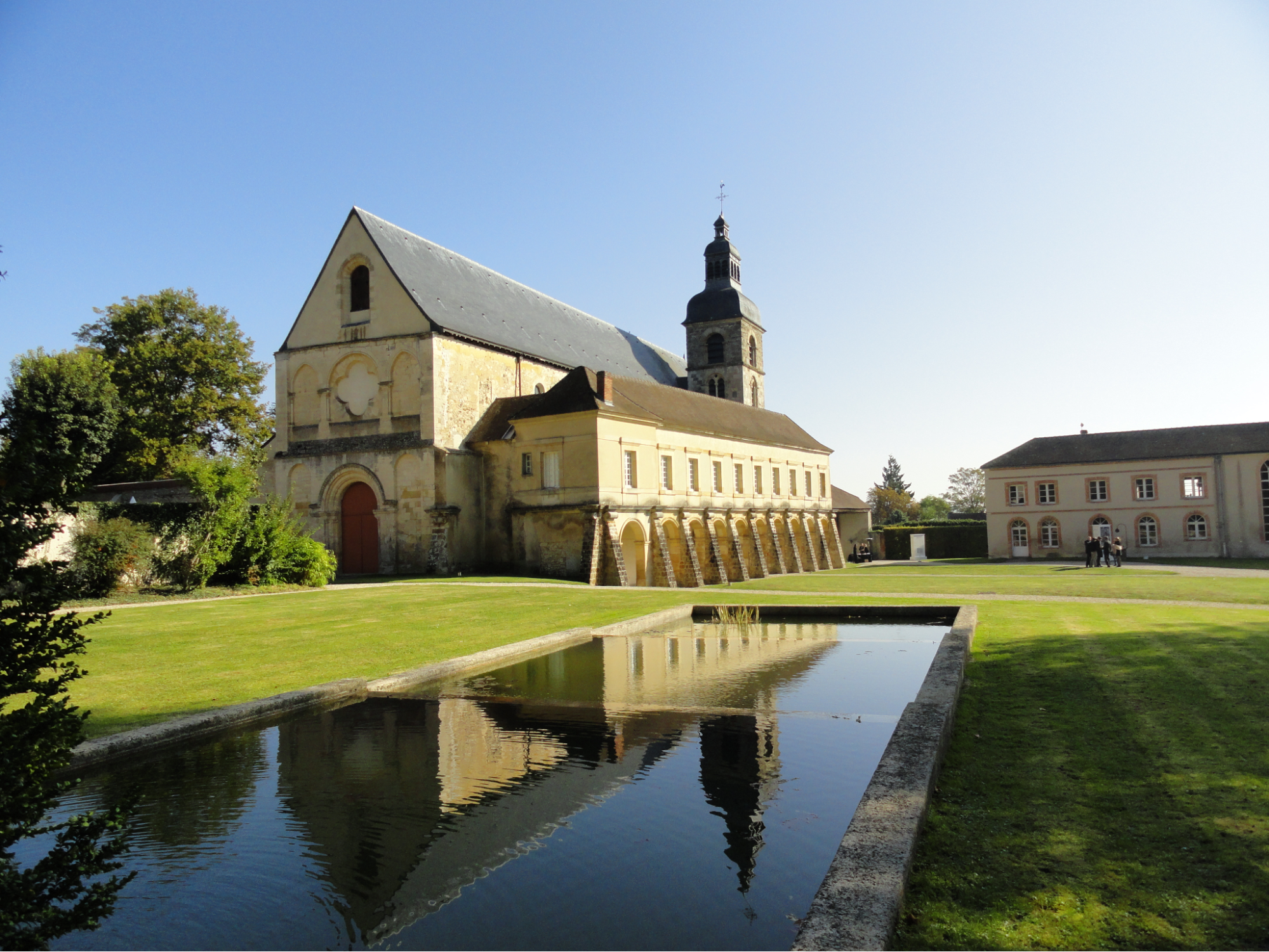
The story of Dom Pérignon begins not with a champagne house but with a man of God. Dom Pierre Pérignon (1638 – 1715) was a Benedictine monk who served as procurator and cellar master at the Abbey of Hautvillers, perched above the Marne Valley in the heart of the Champagne region. Contrary to popular myth, he did not invent sparkling wine (the méthode champenoise predates him). What he did was far more consequential: he revolutionised the art of blending, introduced rigorous vineyard management practices and relentlessly pursued quality at a time when most winemakers were content with inconsistency. His ambition was to make “the best wine in the world.” That ambition became the founding philosophy of the house that bears his name.
The first vintage of Dom Pérignon was produced in 1921 but it was not released for sale until 1936, when it sailed to New York on the SS Normandie. The brand itself was given by Champagne Mercier to Moët & Chandon in 1927 as part of a marriage between the two families. Until the 1943 vintage, Dom Pérignon was essentially a rebottled version of Moët’s vintage Champagne. From the 1947 vintage onward, Dom Pérignon has been produced as a separate cuvée from the start, with its own selection of grapes and its own assemblage.
Dom Pérignon has been present at some of the most iconic moments in modern history. In 1971, the Shah of Iran ordered bottles of the 1959 Rosé Vintage (only 306 bottles were ever produced) for the lavish celebrations marking 2,500 years of the Persian Empire at Persepolis. In 1981, Dom Pérignon Vintage 1961 was chosen for the wedding of Prince Charles and Lady Diana, with magnums carrying a specially created insignia for the ceremony. These moments cemented Champagne’s status not just as a luxury product but as a symbol of the most significant occasions in public and private life.
In the cellars, the defining moment came with the development of what is now known as the Plénitude system. Under Cave Master Richard Geoffroy, the house had released extended aging Champagnes under the “Oenothèque” label. The rebranding to P2 and P3 was not merely cosmetic: it reflected a philosophical shift, communicating that these wines are not simply older Champagne but represent distinct peaks of expression in a wine’s life. The concept of Plénitude is now central to the house’s identity and has influenced how the entire Champagne region thinks about extended aging.
Dom Pérignon awards and critical acclaim
Dom Pérignon routinely receives the highest scores from the world’s leading wine critics. The 2015 Vintage Brut earned 97 points from James Suckling, 96 from both Wine Spectator and Jeb Dunnuck, and 95 from both Robert Parker’s Wine Advocate and Vinous. The 2008 Vintage, widely regarded as one of the greatest Dom Pérignon releases of the 21st century, received 96 points from both Robert Parker’s Wine Advocate and Wine Spectator. P2 and P3 releases consistently push into the 97 – 100 point range. James Suckling described the 2008 P2 as “magical,” a word rarely used even in the hyperbolic world of wine criticism. Dom Pérignon is one of the most actively traded Champagnes on the global secondary market and its investment grade bottles have demonstrated consistent appreciation: the 1993 P2 gained 1,308% between November 2021 and April 2023, and even the 2010 Vintage Brut showed 49% appreciation between October 2021 and August 2023.
Fun fact: the Abbey of Hautvillers, where Dom Pérignon is produced and where the monk himself is buried, was opened to select visitors in 2015. The experience includes a tour of the historic cellars and vineyards, and is a pilgrimage for any serious Champagne lover.
You might also be interested in

FAQs on Dom Pérignon Champagne
What is so special about Dom Pérignon?
Dom Pérignon’s prestige stems from its "vintage only" philosophy; if a harvest isn’t perfect, the vintage simply isn't produced. Every bottle undergoes at least eight years of aging, achieving a signature "toasty" complexity and silky mouthfeel. The house is equally renowned for its Plénitude system, which releases the same vintage at three distinct peaks of maturity (P1, P2 and P3), offering increasingly complex and rare expressions.This strict dedication to quality, coupled with the brand's 17th century monastic heritage, ensures each release is a unique expression of its specific year rather than a consistent blend.
Is Dom Pérignon top shelf?
Dom Pérignon is the ultimate top-shelf Champagne, classified as a "Prestige Cuvée", the highest tier of any Champagne house. Beyond its iconic name, its elite status is cemented by its exclusive use of Grand Cru grapes and a minimum of eight years' aging. This painstaking process creates its signature silky, complex profile, consistently positioning it as the global benchmark for luxury, far surpassing standard "premium" bottles in both quality and prestige.
Is Dom Pérignon considered the best Champagne?
While Dom Pérignon is arguably one of the world's "best" Champagnes, experts view it as one of a small elite group. Connoisseurs often debate between Dom Pérignon’s silky, mineral driven elegance and Krug’s bold, oak aged intensity or Cristal’s refined precision. While its consistent 96+ point ratings and cultural status make it a "gold standard" for luxury, the "best" title ultimately depends on whether you prefer seamless finesse or power.
Does Dom Pérignon give you a hangover?
Technically, any alcohol can, but Dom Pérignon’s ultra clean production helps. It’s crafted from the highest quality Grand Cru grapes with minimal impurities and a lower dosage (sugar content) than your average bottle. This "cleaner" profile means you’re avoiding the cheap additives and high sugar levels that typically trigger those painful morning after headaches. Just remember: the bubbles accelerate alcohol absorption, so a little hydration between glasses goes a long way.
Is Dom Pérignon owned by Moët & Chandon?
Yes. Dom Pérignon is the prestige cuvée (or tête de cuvée) of Moët & Chandon, meaning it is not a separate Champagne house but the flagship wine of the Moët brand. Moët & Chandon is itself part of LVMH, the French luxury conglomerate. Despite this corporate structure, Dom Pérignon operates with considerable independence: it has its own Cave Master (currently Vincent Chaperon), its own winemaking philosophy, its own vineyards and its own brand identity, entirely distinct from Moët & Chandon’s broader range of vintage and non-vintage champagnes.
Is Dom Pérignon worth the price?
For Champagne lovers and collectors, absolutely. Dom Pérignon is produced only in the best vintage years from the finest Grand Cru and Premier Cru grapes in Champagne, aged for a minimum of eight years on the lees and made in limited quantities (an estimated 5 million bottles annually, but this varies significantly by vintage). The standard Vintage at around $290 competes with champagnes priced far higher and offers 20 to 30+ years of aging potential. The P2 and P3 releases, at $500–$700 and $3,000+ respectively, are among the most sought after and critically acclaimed Champagnes in the world. As an investment, Dom Pérignon has shown impressive returns: the 1993 P2 appreciated 1,308% in under two years and even the 2010 Vintage Brut gained 49% over a similar period. During the 2008 financial crisis, Dom Pérignon prices dipped only about 0.6%, demonstrating remarkable resilience compared to other asset classes.
What is Dom Pérignon’s best Champagne?
This depends on your perspective. The P2 releases are generally considered the most compelling expressions of the house, offering the perfect balance between evolved complexity and remaining vitality. The 2002 P2 is widely regarded as one of the greatest Dom Pérignon releases of the modern era. The 2008 Vintage, released out of sequence because the house believed it needed more time, is considered a generational vintage with decades of evolution ahead. For those seeking the rarest possible experience, the P3 releases (particularly the 1996 and 1990) are extraordinary collector wines that few Champagnes in the world can rival. For newcomers seeking the definitive Dom Pérignon experience, the current Vintage Brut (2015 as of 2026) at around $290 is the essential starting point.
How much is a bottle of Dom Pérignon in the US?
Prices vary significantly depending on the expression and vintage. The current Vintage Brut 2015 starts at around $290 to $320. The Rosé Vintage ranges from $450 to $550 depending on the year. P2 Brut releases sit between $500 and $700, with exceptional vintages like the 2002 commanding more. P3 releases are the most expensive, with average retail prices above $3,000 per bottle. Special editions like the Luminous Label or artist collaborations carry a modest premium of 10 to 30% over the standard Vintage. Rare older vintages and historic bottles can fetch tens of thousands at auction: two bottles of the legendary 1959 Rosé sold for $84,700 at auction in 2008.
Where can I buy Dom Pérignon?
You can buy Dom Pérignon Champagnes right on this page. We select bottles from several wine and spirits websites including Wine.com, Total Wine, Reserve Bar and specialist fine wine merchants, ensuring that you get them at the best price point and delivery conditions. The P2 and P3 releases appear periodically but sell out quickly due to limited production. Auction houses such as Sotheby’s, Christie’s and Acker Merrall & Condit also carry older and rarer vintages. For buyers in Europe, Dom Pérignon is distributed through LVMH’s extensive retail and hospitality network and is available at fine wine merchants across the continent.
How long can Dom Pérignon age?
Aging potential is one of Dom Pérignon’s defining strengths. The standard Vintage Brut (P1) is built to age 20 to 30 years from the vintage date in optimal cellar conditions. Chef de Cave Vincent Chaperon has stated that every vintage must demonstrate the potential to age 30 to 40 years before it is declared. P2 releases, having already aged 15 years, have further potential of 20 to 30+ years beyond release. P3 releases, disgorged after 25+ years, can continue to evolve for another 10 to 20 years. The Rosé follows a similar trajectory, though it is typically at its most expressive within 15 to 25 years of vintage. The best recent vintages for long term cellaring include 1996, 2002, 2004, 2006, 2008, 2012, 2013 and 2015.
Does Dom Pérignon only make Champagne?
Yes. Unlike many wine producers who diversify across regions or categories, Dom Pérignon is exclusively a Champagne house. The entire operation is focused on a single, obsessive pursuit: crafting the finest possible expression of each declared vintage from the Champagne region. The portfolio consists solely of the Vintage Brut, the Rosé and their respective Plénitude releases (P1, P2 and P3), plus periodic special editions and artist collaborations that use the same wine in different packaging. This single minded focus is a critical part of what makes Dom Pérignon exceptional: every resource, every decision and every year of cellar time is devoted to Champagne and Champagne alone.