

Pink Champagne wines tested & reviewed (2026)
Pink Champagne, also known as rosé Champagne, is a sparkling wine from Champagne, France, with strawberry and raspberry flavors, rated 4.6-5/5 by critics and priced from $30 to $500+. We tested Brut and sweet styles to bring you our top pick: Dom Pérignon Rosé 2009, with a stunning 5/5 rating.

By
Last updated:
10 Best pink Champagne bottles for a taste of luxury
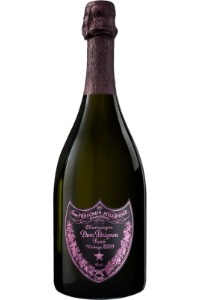
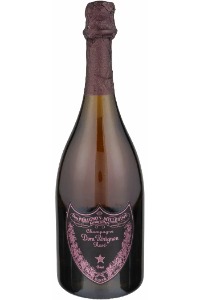
Rosé – Dom Pérignon 2009
Champagne, France
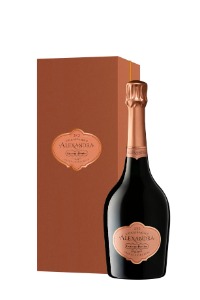
Alexandra Rosé with Gift Box – Laurent-Perrier 2012
Champagne, France
La Grande Année Brut Rosé Champagne – Champagne Bollinger 2015
Champagne, France
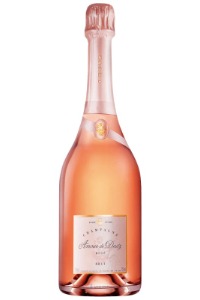
Amour de Deutz Brut Rosé – Champagne Deutz 2013
Champagne, France
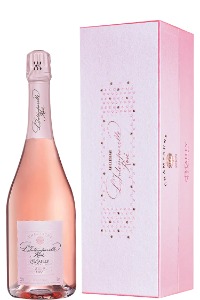
L’Intemporelle Rosé Grand Cru Champagne – Mailly 2019
Champagne, France
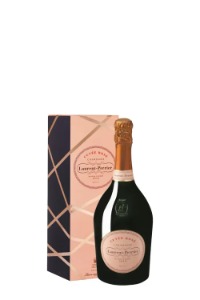
Cuvée Rosé Brut Non Vintage Champagne with Gift Box – Laurent-Perrier
Champagne, France
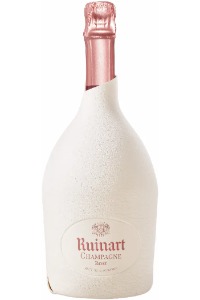
Rosé Champagne – Champagne Ruinart
Champagne, France

Rosé Impérial Limited Edition Champagne – Moët & Chandon
Champagne, France
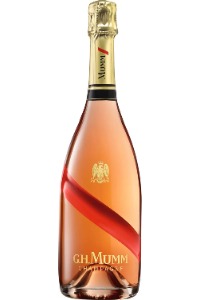
Grand Cordon Rosé – G.H. Mumm
Champagne, France

Rosé Premier Cru – Champagne Rendez-Vous
Champagne, France
Our best rosé Champagne bottles for 2026 include brut and sweet styles starting at $35, with Dom Pérignon Rosé 2009 rated at 5/5 as our number one pick (from $500). You’ll also find wines that fit right into your pink themed event, such as Mailly L’Intemporelle Rosé Grand Cru Champagne 2019 with a 4.8/5 rating for about $160. Every wine in the selection was chosen for its refined structure and strong 90+ critic ratings.
What does pink Champagne taste like?
Pink Champagne’s taste offers notes of fresh red fruits, typically wild strawberries, raspberries and cherries. Creamy notes of brioche and vanilla offset its crisp and dry acidity. It has a rounded mouthfeel and feels richer and fuller bodied than white Champagne, thanks to its intense flavor profile.
| Pink Champagne Attributes | Details |
|---|---|
| Grape Variety | Pinot Noir, Chardonnay, Pinot Meunier |
| Origin | Champagne, France |
| Serving Temperature | 46-50°F (8-10°C) |
| Decanting | 15-30 minutes is beneficial for young vintage wines; avoid decanting older bottles |
| Aging Potential | 10-20+ years for high quality prestige cuvées, 1-3 years for non vintage pink Champagne |
| Flavor Profile | Strawberry, raspberry, cherry, citrus, white flowers, spice, brioche |
| Structure | Full bodied, silky tannins, crisp acidity |
| Alcohol Content | 12% to 12.5% ABV |
| Ideal Glass | Tulip shaped sparkling wine glass (enhances aroma more than a flute!) |
| Food Pairing | Truffle dishes, braised meats, aged cheeses, wild game |
| Top Communes | Montagne de Reims, Vallée de la Marne, Côte des Bar |
| Notable Producers | Laurent-Perrier, Billecart-Salmon, Bollinger, Moët & Chandon, Champagne Ruinart, Dom Pérignon |
A rosé Champagne bottle features:
- Red fruits like strawberry, raspberry, cherry and redcurrant
- Secondary flavors of rose petals, citrus zest, toast and brioche
- Medium to full body, fine persistent bubbles and crisp acidity.
Sparkling rose Champagne styles vary depending on the winemaking method. Saignée gives deeper pink wines with spice notes, while blended wines are paler with zesty acidity.
Rosé Champagne prices: what to expect?
Rosé Champagne prices range from $45 for non vintage bottles meant for casual drinking, to $500+ for prestigious cuvées. It represents a superior echelon of opulence within an already prestigious market. Rosé Champagne commands a higher price and is rarer than most other Champagnes.
What influences its cost?
- The labor intensive and complex production methods involved in the creation of the perfect sparkling pink wines make it more expensive than white Champagne.
- Rosé Champagne requires extended aging to achieve a consistent flavor profile with balanced acidity and tannins, thus increasing the cost of production and driving up market prices.
- Bottles from exceptional vintage years are generally more expensive than standard, non vintage bottles due to their limited supply and high demand by collectors.
- Top of the range cuvées from highly reputable houses (Dom Pérignon, Champagne Ruinart) also cost more than standard rose Champagne bottles.
The standard price tiers for Champagne rosé are:
- Entry level ($40-$70) e.g Veuve Clicquot Brut Rosé (4.8/5, ~$60), ideal for casual celebrations
- Mid tier rose Champagne ($70-$100), like Laurent-Perrier Cuvée Rosé (4.8/5, ~$90), to be opened on special occasions.
- Premium pink Champagne between $100–$200, including cellar worthy wines such as Ruinart NV Brut Rosé (4.9/5, ~$120).
- Luxury wines for collectors, starting from $200+. Krug Rosé (5/5, ~$460) is a good example in this category.
Some of our recommendations from top tier rosé Champagne brands worth buying today are:
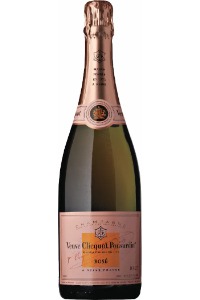
1. Veuve Clicquot Brut Rosé
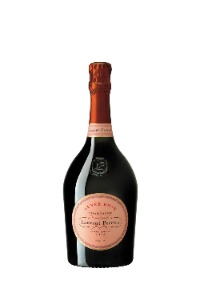
2. Laurent-Perrier Cuvée Rosé

3. Ruinart NV Brut Rosé
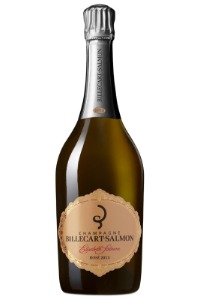
4. Billecart-Salmon Brut Rosé 2013
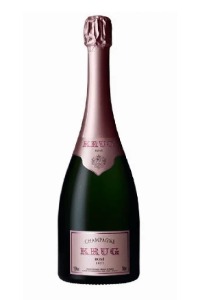
2 Expert recommended Brut Rosé Champagnes
Brut Rosé Champagne is dry and crisp, with low sugar (below 12 grams in one liter) and delicate notes of strawberry, raspberry and cherry. It is typically made by blending in little amounts of Pinot Noir or Pinot Meunier into white Champagne. Brut Rose Champagne is a versatile wine for food, pairing well with sushi, smoked salmon and creamy cheeses. Here are two bottles we recommend:
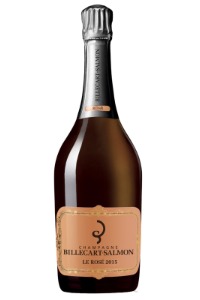
Brut Le Rosé – Billecart-Salmon 2015 – Champagne, France
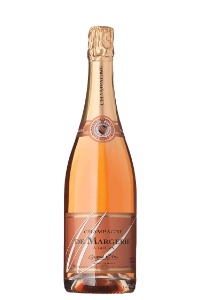
Grand Cru Brut Rosé Champagne – De Margerie – Champagne, France
Sweet rosé Champagne (demi sec)
Demi Sec Rosé Champagne is the sweeter version of this pink sparkling wine from France. It contains 32-50g/L of residual sugar. Its “half dry” profile perfectly balances high sugar levels with vibrant red fruit and citrus notes. Sweet Rose Champagne is often paired with desserts such as fruit tarts, chocolate and pastries.
Brut Le Rosé – Billecart-Salmon 2015 – Champagne, France
Grand Cru Brut Rosé Champagne – De Margerie – Champagne, France
What are the types of rosé Champagne?
Rosé Champagne can be classified based on production styles and sweetness levels.
According to production methods, there are two types:
- Rosé d’Assemblage, which is created by blending white Champagne with a small percentage (5-20%) of still red wine before the second fermentation. These rosés are pale to medium pink in color, with fresh fruit notes and a subtle zesty character.
- Rosé de Saignée: produced by macerating red grape skins with their juice for a short period to extract color and flavor. The wines are intense, often spicy, deeper in color than blended wines and have robust tannins.
Rosé Champagne also comes in several sweetness levels, following the standard Champagne sweetness scale. The two most popular styles are “Brut” (dry) and “Demi Sec (sweet). Many pink Champagnes on the market are brut styles, crafted to highlight the red fruit notes and high acidity of the sparkling wine.
What is pink Champagne?
- Pink Champagne
Pink Champagne (also known as rosé Champagne) is a sparkling wine from Champagne, France, tinted pink by blending still red wines with white Champagne or by maceration before second fermentation through the méthode champenoise. Protected by AOC law. ABV: 12–12.5%."
The history of rosé Champagne dates back to the mid 1700s, when Veuve Clicquot and Ruinart first recorded sales of the pink bubbles. Although its origins remain unclear, wine experts firmly agree that Madame Clicquot introduced the method of blending red and white wines to create a consistently pink hue. Pink Champagne is characterized by its distinctive blush color, red fruit aromas and earthy flavors, which set it apart from regular Champagne.
How is Rosé Champagne made?
Rosé Champagne is made from three grape varieties, namely Pinot Noir, Pinot Meunier and Chardonnay. Its production process follows the standard traditional method (méthode champenoise) of making sparkling wine in the region, which involves secondary fermentation in the bottle. Before the second fermentation takes place, pink champagne is primarily created by blending still red wines into white wines (assemblage) or by the Saignée method.
- Blending or assemblage is the most common historical method of Champagne rosé production. A small amount of still red wine (5% to 20%) is added to white base Champagne wine to produce a consistent style, which is often delicate and pale pink.
- Saignée or maceration involves crushing black grapes (Pinot Noir or Pinot Meunier) and allowing them to soak with their skins for 8 to 36 hours. As the juice remains in contact with the skins, it picks up color and develops a fuller bodied flavor profile with structured, rich fruit notes.
Champagne is the only French AOC permitted by law to blend white and red wines to create rosé for sparkling wines. This exception is documented in Article 17 of the 2012 decree for sparkling wines, regulated by the Comité Interprofessionel du Vin de Champagne (CIVC) to honor the region’s history of producing rosé with this method.
The true magic of creation lies within the chef de caves (cellar master), who oversees each step of production. They taste and blend base wines, monitor fermentation, lees aging and decide the final dosage needed to ensure that each bottle is balanced in color and structure. The chef de caves is responsible for creating a bottle with the perfect pink hue that remains consistent with the house style while showcasing terroir.
Where is pink Champagne made?
Pink Champagne is produced exclusively in the Champagne AOC (spanning approximately 34,300 hectares) of France, which is located about 90 miles east of Paris. Only sparkling wine made in this designated region can be labeled Champagne and rosé accounts for roughly 10% of the total output. Here are the major sub regions for Champagne rosé production:
- Montagne de Reims, which is famous for its exceptional Pinot Noir, although notable villages like Bouzy are known for their premium rosé blends.
- Côte des Bar (Aube), where winemakers craft Pinot Noir dominant rosé de Saignées.
- Vallée de la Marne is the largest sub region, primarily made up of Pinot Meunier and Pinot Noir vines, which contribute fruity and intense flavors to rosé blends.
- Although Côte des Blancs is primarily known for Chardonnay, its top of the range white grapes are also used in blending, where they add elegance and finesse to pink Champagnes.
What food pairs well with rosé Champagne?
Salmon, sushi, charcuterie, creamy cheeses and berry based desserts pair exceptionally well with rosé Champagne. Its red fruit notes and higher acidity balance rich, fatty and slightly spicy dishes. Our top rose Champagne food pairing recommendations are:
- Seafood: smoked salmon, crab cakes, sushi and sashimi
- Light meats & appetizers such as a charcuterie board of cured meats, tempura and duck prosciutto.
- Creamy cheeses like Brie, Camembert, mild goat cheese, or comté.
| Pink Champagne Food Pairing | Best rosé Champagne bottle | Tasting Notes | Rating | Type & structure |
|---|---|---|---|---|
| Butter poached langoustine, fresh oysters with citrus, seafood risotto with truffles | Rosé 2009 – Dom Pérignon – Champagne, France | 12-13 years | 5/5 | Full bodied, fine tannins, generous red fruit notes |
| Pan fried foie gras, truffles, creamy risotto, Pâté en Croȗte, caviar | Alexandra Rosé with Gift Box 2012 – Laurent-Perrier – Champagne, France | 10 years | 5/5 | Rich, delicate acidity, aromas of crushed red fruit, vanilla |
| Chaource, Tomme de Brebis, aged comté, mild goat cheese, Cantal | La Grande Année Brut Rosé Champagne 2015 – Champagne Bollinger – Champagne, France | 6-7 years | 4.9/5 | Delicate, creamy and structured with a long finish. |
| Kobe beef carpaccio, magret de canard, pigeon with cherries, roasted quail | Amour de Deutz Brut Rosé 2013 – Champagne Deutz – Champagne, France | 5 years | 4.9/5 | Medium to full bodied, with racy acidity and a mouthwatering bouquet. |
| Strawberry tart, rhubarb compote, brioche au sucre, white chocolate mousse with raspberries | L’Intemporelle Rosé Grand Cru Champagne 2019 – Mailly – Champagne, France | 3 years | 4.8/5 | Elegant and structured with a silky palate and aromas of red fruits. |
How to serve and store pink Champagne
Pink Champagne is best served in tulip shaped glasses, which express delicate aromas better than narrow flutes and also preserve bubbles longer than coupes. Here are some best practices for serving and storing pink Champagne:
- Store it in a cool, dark environment without large temperature swings.
- Lay the bottles on their side for long term storage to keep the corks moist; for short term storage, an upright position is acceptable.
- Chill to 46-50°F (8-10°C) before serving. Note that once it’s poured, its temperature will immediately rise.
Pro tip: Use a bucket with ice and water instead of the freezer to chill rosé Champagne, as freezing ruins the bubbles and quality. If you must use the refrigerator, place the bottle of pink Champagne at the bottom shortly (~30 minutes) before serving.
Rosé Champagne for beginners
Rosé Champagne is a popular option for beginners, offering a fruity and approachable entry into sparkling wines. Here are three simple tips on how to choose and enjoy your first Champagne pink bottle:
- Start with non vintage bottles for a consistent flavor profile.
- Look for “Brut” on the label, or “Demi-Sec” if you prefer something slightly sweeter.
- Serve it in a tulip shaped glass between 46-50°F (8-10°C).
Pro tip: Open rosé Champagne by rotating the bottle (not the cork) to avoid a loud, jarring pop. To pour it, simply tilt the glass and pour sparkling wine slowly down the sides to reduce excessive foam.
How we rate and score pink Champagne
We rate pink Champagne based on a 5 point scale, assessing the sparkling wine’s appearance, aroma/bouquet, flavor/palate and overall impression. To bring you only the highest quality wines, our editorial team blind tastes every single bottle and assigns scores that aggregate up to 50 points. This is then converted to the simple 5 point scale as seen below:
Our rating scale can be interpreted thus:
- 5 = Exceptional
- 4 = Excellent
- 3 = Very Good
- 2 = Good
- 1 = Fair
What do we look for?
- Appearance (up to 5 pts): clarity, color, brightness
- Aroma & bouquet (up to 15 pts): intensity, complexity, absence of flaws
- Flavor & palate (up to 20 pts): balance of acidity, tannin, alcohol; depth, mouthfeel
- Overall impression (up to 10 pts): harmony, complexity, typicity, finish
For a pink/rosé Champagne specific evaluation, we also assess:
- The intensity, brilliance and clarity of its colors. Rosé Champagne colors range from pale, delicate salmon to deeper orange hues.
- Primary aromas of red fruits and secondary notes of brioche, toast and white pepper in lees aged wines.
- Structure, which should be fuller bodied and more vinous than white Champagne, offering a creamy mousse and persistent bubbles.
To maintain fairness, we rate each bottle within its category. Brut rosés are compared against other brut styles and not demi sec rosés. We also judge blended rosé Champagnes separately from saignée options.
A note from our team: the scores we assign are the subjective opinions of our tasting panel. To find the bottles that truly align with your personal preferences, we advise that you read our tasting notes!
You might also be interested in
FAQs on Pink Champagne
When to drink rosé Champagne?
Drink rosé Champagne during romantic dinners, picnics, birthdays, weddings, bridal showers, or other special moments. You can also enjoy it year round as an aperitif before meals, or as a pairing with seafood, sushi or red fruit desserts.
Do you put rosé Champagne in the fridge?
Yes, you can put rosé Champagne at the bottom of the fridge to chill it shortly before serving, but this is not ideal for long term storage. The dry, cold environment in the refrigerator can dry out the cork and spoil the wine. Rather, store pink Champagne in a cool and dark place (like a wine cellar) and chill it in an ice bucket for 3-4 hours before serving.
What is pink Champagne?
Pink Champagne, or Champagne Rosé, is a sparkling wine from the Champagne region of France. Its pink color is due to the addition of small amounts of still red wines (Pinot Noir or Pinot Meunier) to white Champagne (usually Chardonnay) before the second fermentation. It can also be created by maceration and it offers delicate red fruit notes with a creamy texture.
What is the best pink Champagne?
The best pink Champagne for this year is Dom Pérignon Rosé 2009 (5/5, ~$500), a full bodied and generous wine, with fine tannins and notes of golden raisin, strawberry and pomegranate. It was matured on lees for over 12 years, giving it flavors of nougat and brioche. Laurent-Perrier Alexandra Rosé with Gift Box 2012 (5/5, ~$380) and Bollinger La Grande Année Brut Rosé Champagne 2015 (4.9/5, ~$290) also made it to our top 10 list.
Is rosé Champagne more expensive than Champagne?
Yes, rosé Champagne is more expensive than standard white Champagne. It can cost as high as 30% more due to its more labor intensive production methods, the rarity of high quality rosé and the high demand for it.
Is rosé Champagne the same as pink Champagne?
Yes, rosé Champagne is the same as pink Champagne. “Pink” refers to its blush, salmon or pinkish color. Both names refer to sparkling wine produced only in the Champagne AOC of France that has been tinted by the addition of red wine to still white wines (rosé d’assemblage) or by red grape skins (rosé de saignée).
Is rosé Champagne sweet or dry?
Rosé Champagne is often dry and crisp, typically produced in a “Brut” style with less than 12g/L of sugar per liter. It often has fruity aromas of strawberry and raspberry that make it taste sweeter on the tongue, but it is rarely sugary. Look for sweeter versions like Demi Sec for a richer, dessert style wine.
What is brut rosé Champagne?
Brut rosé Champagne is a dry, pink sparkling wine from France characterized by a crisp, fruit forward profile of strawberry, raspberry and citrus, as well as refreshing acidity. It has a low residual sugar (0-12g/L) and a delicate pink color. It pairs well with fried chicken, smoked salmon and creamy cheeses.
What are the differences between Champagne and pink Champagne?
Pink Champagne differs from standard Champagne in its color, production method and flavor profile. It is pink in color, while regular Champagne can be white, straw or gold. Rosé Champagne is made by modifying the méthode champenoise and it has pronounced notes of strawberry and cherry, while traditional Champagne leans towards citrus and green apple.
