

Prosecco vs Champagne: key differences explained (2026 edition)
Prosecco and Champagne are both sparkling wines, but Champagne is produced exclusively in France, while Prosecco is made only in Italy. We evaluated Champagne vs Prosecco bottles from top producers to give you detailed notes on their differences, as well as our top picks scored on a 5 point scale.

By
Last updated:
Table of Contents
10 Best Prosecco and Champagne bottles to purchase today
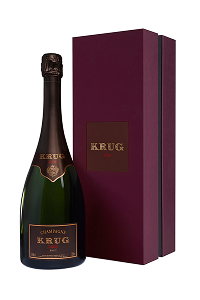
Brut – Krug 2011
Champagne, France
Alexandra Grande Cuvée Rosé with Gift Box – Laurent-Perrier 2012
Champagne, France
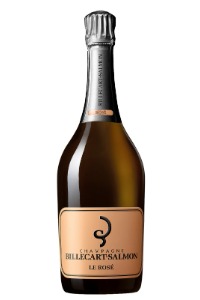
Elisabeth Salmon Brut Rosé – Billecart-Salmon 2013
Champagne, France
Grand Cru Brut Rosé – Egly-Ouriet NV
Champagne, France
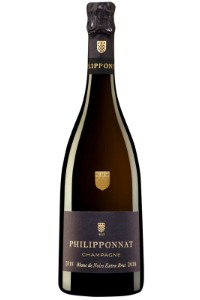
Blanc de Noirs Extra Brut – Philipponnat 2018
Champagne, France

Cartizze Prosecco Superiore – Bisol 2024
Valdobbiadene, Italy
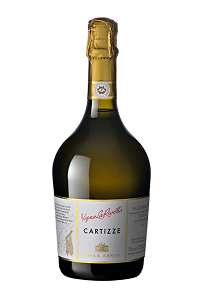
Superiore di Cartizze Vigna La Rivetta – Villa Sandi 2023
Valdobbiadene, Italy
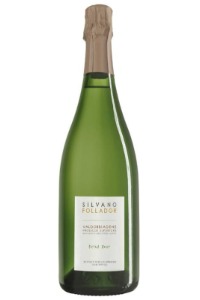
Valdobbiadene Prosecco Superiore Extra Brut – Silvano Follador 2024
Valdobbiadene, Italy
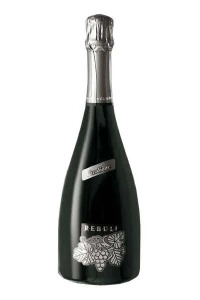
Prosecco Cartizze – Rebuli NV
Veneto, Italy
From the stunning Krug Brut 2011 (5/5, ~$500) to the intense Blanc de Noirs Extra Brut 2018 by Philipponnat (4.8/5, ~$140), our best Champagnes include Brut, Rosé and Extra Brut styles. These wines remain comparable to our best Proseccos, which extend from top of the range Bisol’s Cartizze Prosecco Superiore 2024 (4.8/5, ~$60) to Luxury Prosecco Cartizze by Mionetto (4.6/5, ~$40), all selected to showcase the best expressions at every price.
Our top recommendations by price tiers:
- Best premium Prosecco to buy: Bisol’s Cartizze Prosecco Superiore 2024: ripe, rich, refreshing acidity, worth the upgrade under $100
- Best value Champagne to buy: Blanc de Noirs Extra Brut 2018 by Philipponnat: exceptional quality under $200
- Best celebratory Champagne to buy: Billecart-Salmon Elisabeth Salmon Brut Rosé 2013: saline, fresh, cellar worthy under $300
- Best all rounder: Krug Brut 2011: iconic, opulent and crisp, crowd favorite around $500.
What is the difference between Prosecco vs Champagne?
The main differences between Prosecco and Champagne lie in their origin, grapes, production method, taste, bubbles and price. Prosecco is produced from Glera grapes fermented in large, stainless steel tanks (Charmat method) in northeastern Italy, while Champagne is crafted from Pinot Noir, Chardonnay and Pinot Meunier grapes in the Champagne region of France using the méthode traditionnelle.
Other key differences broken down:
- Region: Champagne comes from the Champagne region in France, while Prosecco is produced in Veneto/Friuli Venezia Giulia in Italy.
- Production method: Champagne uses the “méthode traditionnelle” (second fermentation in the bottle), which creates complex toasty aromas, while Prosecco uses the “Charmat method” (second fermentation in large stainless steel tanks) to produce a fresh and fruity sparkling wine.
- Aging: Prosecco is best consumed young (within 1–2 years) to enjoy its fresh and fruity notes. Champagne, on the other hand, is often aged for years to develop complex and nuanced flavors.
- Grapes: Champagne is made from Chardonnay, Pinot Noir and Pinot Meunier grapes. Prosecco is primarily made from the Glera grape.
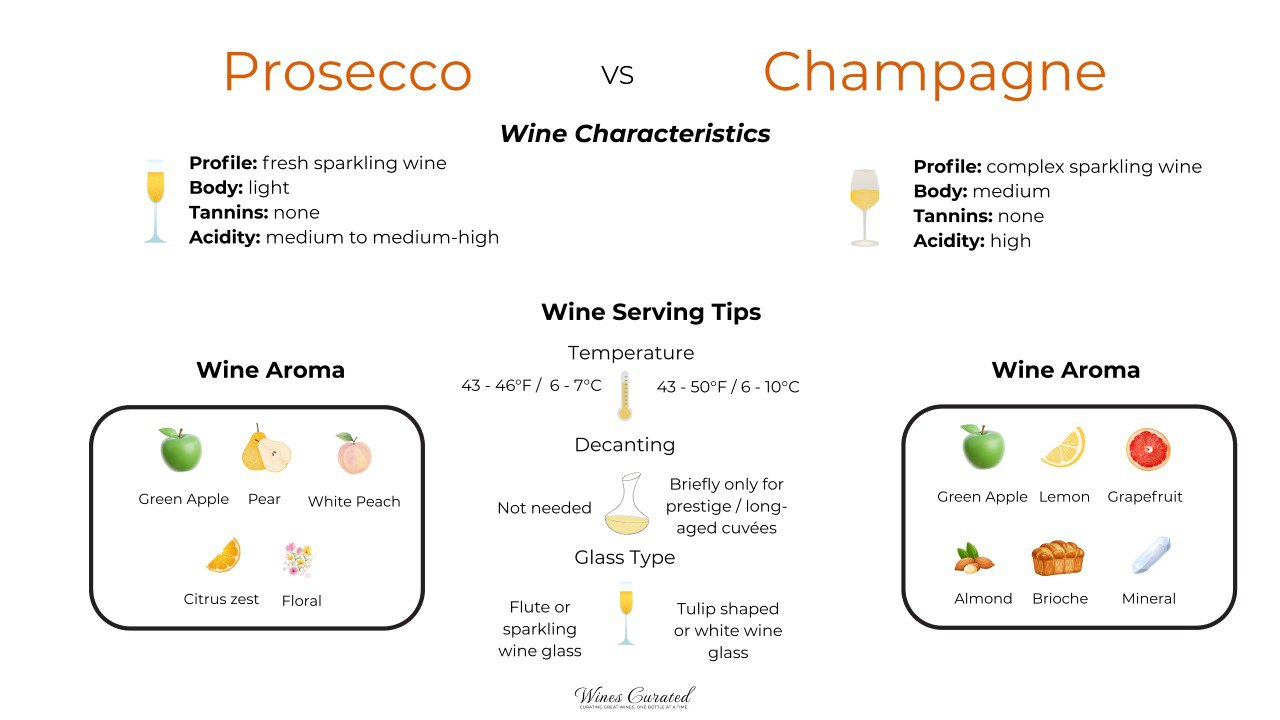
- Flavor profile: Champagne often has notes of citrus toast and earthy notes but Prosecco is characterized by notes of pear, peach and white flowers.
- Sweetness & alcohol: Champagne is usually drier (Brut styles) with about 12% ABV, which is higher. Prosecco has a sweeter taste profile with a typical 11% ABV (Extra Dry).
| Factor | Prosecco | Champagne |
|---|---|---|
| Grapes | Glera | Chardonnay, Pinot Noir, Pinot Meunier |
| Method | Charmat (tank fermentation) | Méthode traditionnelle (bottle fermentation) |
| Taste | Light, fruity, floral and creamy | Complex, toasty with subtle citrus zest and earthy notes |
| Bubbles | Lighter, frothier | Finer, more persistent |
| Price | $10-$50+ | $40-$200+ |
| Aging | Drink young | Ages well (vintage) |
| Sweetness | Ranges from dry to sweet | Usually dry, especially Brut styles |
The Prosecco and Champagne taste profiles also tell two different stories. While the Italian sparkling wine is fruity with large, frothy bubbles, France’s prized sparkler features finer bubbles and complex flavors. Champagne is generally more expensive than Prosecco due to its labor intensive production method, limited production region and high global demand from prestigious brands. Prosecco, on the other hand, is crafted for convenience, with the best quality DOCG Cartizze wines remaining within the $100–$200 range.
Where are the Champagne vs Prosecco regions?
Champagne comes from northeastern France, in the eponymous Champagne region that sits just 80 miles from Paris. The cooler climate in the area allows early ripening of the grapes with higher acidity. The Prosecco region in Italy is in Veneto & Friuli, areas known for their warmer Mediterranean climate. However, the specific Valdobbiadene subregion has a uniquely cool microclimate (it rains a lot here!), yielding the crispiest and softest Proseccos. Superiore di Cartizze DOCG Prosecco represents the Grand Cru of the region, grown on the sunny hillsides with clay sandstone soils.
How do the production regions of Prosecco wine vs Champagne differ?
| Factor | Champagne | Prosecco |
|---|---|---|
| Country | France | Italy |
| Region | Champagne (northeastern France) | Veneto & Friuli-Venezia Giulia (northeast Italy) |
| Climate | Cool, northerly | Warmer, Mediterranean |
| Premium subregion | Côte des Blancs, Montagne de Reims | Conegliano Valdobbiadene |
| Effect on wine | Higher acidity, bold | Softer, fruitier |
The Champagne and Prosecco winemakers both produce exceptional sparkling wines and a bottle or two from each region is worth trying for a taste of the best.
Prosecco vs Champagne taste: when to choose one over the other?
Prosecco tastes light, fruity and fresh with notes of green apple, pear and melon; while Champagne is complex, toasty and dry with nuanced flavors of brioche, chalk, nuts and citrus. Prosecco’s bubbles are light and large, unlike the delicate, persistent bubbles Champagne offers.
Buy Prosecco for casual gatherings, brunch, cocktails and parties where you’re expecting a large number of guests. Choose Champagne for formal events and toasts, grand celebrations, fine dining and memorable gifts. The Prosecco and Champagne taste profiles are perfect for different occasions and here is our guide on the specific scenarios to choose either:
- Making a cocktail or mixing an Aperol spritz or a Bellini? Choose Prosecco.
- A casual gathering like a housewarming, birthday, or backyard BBQ? Go for Prosecco!
- Formal celebrations like black tie events, milestone anniversaries and sophisticated dinner parties require Champagne’s elegance.
- Corporate gifts, wedding toasts and romantic dinners also benefit from the ceremonious feel Champagne brings.
Why is Champagne more expensive than Prosecco?
- Champagne’s production method is more labor and time intensive than Prosecco’s, requiring months of second fermentation in the bottle and manual processes (riddling and disgorgement). Prosecco is crafted to be accessible, produced using the Charmat method by secondary fermentation in tanks, which preserves the natural, fruity and floral aromas of the Glera grape.
- Aging requirements: Champagne must be aged on its lees for a minimum of 15 months for non vintage bottles and at least 3 years for vintage Champagne. On the other hand, Prosecco is specifically designed for quicker consumption and may be ready for commercial release in as little as 2 months.
- The limited Champagne production region also plays a role, as only sparkling wine from the specific 34,400 hectares that constitute the Champagne AOC can be labeled “Champagne”. The grapes are only harvested once a year, creating a fixed supply which, when combined with the growing global demand, leads to rising prices.
- The prestige and market perception of Champagne as a heritage product also allow for higher pricing. Iconic houses like Dom Pérignon and Armand de Brignac invest heavily in celebrity marketing and limited releases, setting price expectations for the entire category.
- There is an extensive market of collectors who seek out vintage and prestige cuvées to add to their cellars. They hold auctions where highly sought after Champagne is sold to the highest bidder, contributing to the creation of a secondary market that increases retail prices.
While Champagne maintains its status as the world’s most luxurious sparkling wine, Prosecco has established itself as the most popular sparkling wine globally. In 2025, ~667 million bottles of Prosecco were sold and exported to over 190 countries, in contrast to Champagne’s 266 million. Prosecco’s success is driven by its casual appeal (a sparkling wine for younger people!), lighter taste and its lower price point.
How we compared and rated Champagne vs Prosecco
We rate wines based on a 5 point scale, assigning scores after assessing the appearance, aroma/bouquet, flavor/palate and overall impression of the sparkling wine. Before recommending a bottle of Prosecco or Champagne, our expert tasting panel blind tastes and scores each one personally with no bias. The scores are collated over 50 points, before we convert to the simple 5 point scale that you see.
Our 5 point scale can be interpreted as follows:
- 5 = Exceptional
- 4 = Excellent
- 3 = Very Good
- 2 = Good
- 1 = Fair
What do we look for?
- Appearance (up to 5 points): clarity, color, brightness
- Aroma & bouquet (up to 15 points): intensity, complexity, absence of flaws
- Flavor & palate (up to 20 points): balance of acidity, tannin, alcohol, depth, mouthfeel
- Overall impression (up to 10 points): harmony, complexity, typicity, finish, aging potential
A Prosecco or Champagne that we rate between 4 and 5 points is outstanding in all aspects, while mediocre bottles may score as low as 1 point.
Being sparkling wines crafted in different styles, we assessed each bottle of Champagne and Prosecco based on:
- Perlage: the bubble size (tiny for Champagne, larger for Prosecco) and persistence (faster dissipating in Prosecco).
- Aromas: creamy, nuanced aromas in Champagne vs fresh, fruity and floral flavors in Prosecco
- Taste: Champagne features notes of apple, lemon and brioche, while in Prosecco we look for slightly sweeter pear and white peach.
Each wine is compared to bottles in its category, Brut Prosecco against Brut, Vintage Champagne compared to its peers, and DOCG Cartizze Prosecco against other Cartizze Proseccos. By doing so, we ensure that our scores are appropriate within the context and we do not apply a one size fits all approach to rating wines.
A note from our team: we understand that wine preferences are determined by personal taste and our scores reflect our own palates and opinions. Therefore, we advise that you read our tasting notes to find the sparkling wines you will enjoy the most, which is what we care about more than any number.
You Might Also Be Interested In




FAQs on Prosecco vs Champagne
What is Prosecco vs Champagne?
Prosecco and Champagne are both sparkling wines with different origins, grapes and production methods, leading to unique flavor profiles. Prosecco is made in Italy from the Glera grape and it has light and fruity flavors with bigger bubbles. Champagne hails from France, crafted from Chardonnay, Pinot Noir and Pinot Meunier grapes, with complex toast notes and fine bubbles.
What is the best Champagne or Prosecco to buy in 2026?
The best overall Champagne is Krug Brut 2011 (5/5, ~$500), an opulent and crisp crowd favorite with aromas of hazelnut, truffle and roast coffee. For the best premium Prosecco to buy, we recommend Bisol Cartizze Prosecco Superiore 2024 (4.8/5, ~$60), a ripe and refreshing light bodied wine.
Which is better Champagne or Prosecco?
Neither Champagne nor Prosecco is "better" as they are ideal for different purposes. Champagne is a luxurious French wine perfect for toasting at special occasions and pairing with fine dining. Prosecco is a lighter and fruitier Italian bubbly that is more affordable, perfect for cocktails and casual everyday drinking.
Is Prosecco Champagne?
No, Prosecco is not Champagne. Although they are both popular sparkling wines, Prosecco is from Italy, crafted from Glera grapes using the tank method to yield a fruity and light wine with frothy bubbles. Champagne, on the other hand, is a French sparkling wine produced from Pinot Noir and other grapes via the traditional method for a complex and toasty flavor with fine bubbles.
What is Champagne alcohol content vs Prosecco ABV?
Champagne typically has an alcohol content of 12 -13.5%, while Prosecco sits at 10.5 - 11.5% ABV. Champagne uses a longer bottle fermentation which produces slightly higher ABV than Prosecco. For Prosecco, the shorter fermentation in tanks keeps it lighter.