

Veuve Clicquot: the definitive guide to one of Champagne’s most iconic houses
Veuve Clicquot is one of the most recognised and celebrated Champagne houses in the world, synonymous with luxury, innovation and the bold spirit of its legendary founder. In this article we will explore the full Veuve Clicquot Brut portfolio, including the iconic Veuve Clicquot Yellow Label, the elegant Rosé, the prestigious La Grande Dame and the modern Rich collection.


Table of Contents
Best Veuve Clicquot Brut and Champagne to buy online in 2026
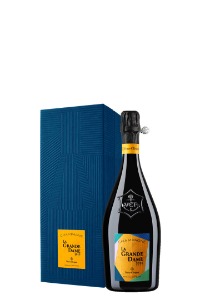
Veuve Clicquot La Grande Dame by Paola Paronetto with Gift Box 2015
Champagne, France
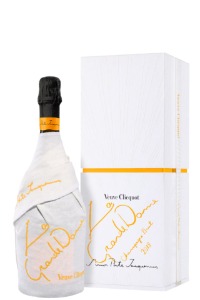
Veuve Clicquot La Grande Dame by Simon Porte Jacquemus with Gift Box 2018
Champagne, France
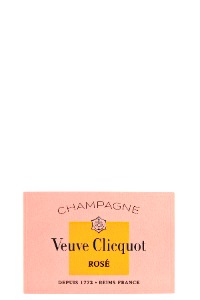
Veuve Clicquot Brut Rosé Magnum
Champagne, France
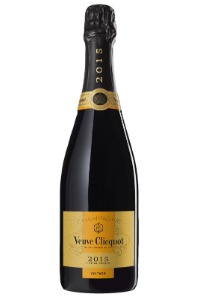
Veuve Clicquot Vintage Brut 2015
Champagne, France
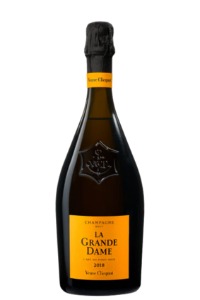
Veuve Clicquot La Gran Dame 2018
Champagne, France
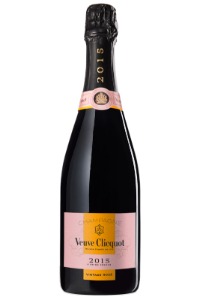
Veuve Clicquot Vintage Brut Rosé 2015
Champagne, France
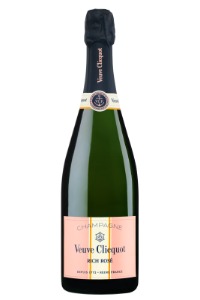
Veuve Clicquot Riche Rosé
Champagne, France
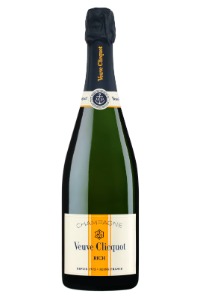
Veuve Clicquot Rich
Champagne, France
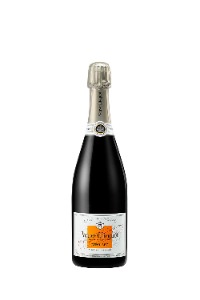
Veuve Clicquot Demi-Sec
Champagne, France
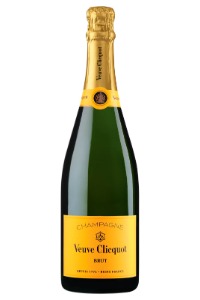
Veuve Clicquot Yellow Label Brut
Champagne, France
This ranking covers the full breadth of the Veuve Clicquot portfolio, ranging from the approachable Yellow Label Brut at around $69 to the monumental La Grande Dame 2015 by Paola Paronetto at $229. What connects every bottle is the same house motto that has guided Veuve Clicquot Brut Champagne for over 250 years: “Only one quality, the finest.”
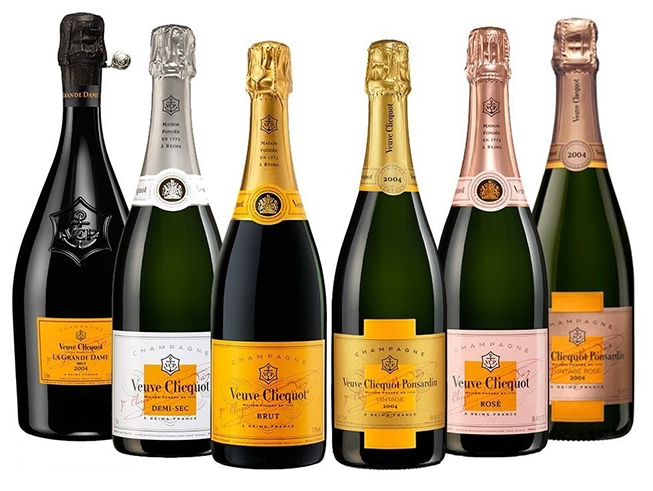
Veuve Clicquot Champagne types and expressions
Veuve Clicquot produces a broad portfolio spanning non-vintage, vintage and prestige cuvées in Brut, Rosé, Demi-Sec and Rich styles. The range reflects the house’s belief that Champagne should be accessible for every occasion while never compromising on quality. Below we break down the key Veuve Clicquot Champagne types.
Veuve Clicquot Yellow Label Brut, the Flagship
The Veuve Clicquot Yellow Label Brut is the signature of the house and has been in continuous production since 1877. It is distinguished by the dominance of Pinot Noir in its blend (typically 50–55%), complemented by Chardonnay (28–33%) and Pinot Meunier (15–20%). What sets it apart from most non vintage Champagnes is the exceptionally high proportion of reserve wines in the blend, averaging 25–35% and drawn from the house’s unrivalled collection of older vintages, the largest reserve wine library in all of Champagne. These reserves give the Yellow Label its characteristic depth, complexity and consistency year after year. The iconic dark-yellow label (Pantone 137C) was introduced in 1877 and has become one of the most instantly recognisable brands in wine.
Veuve Clicquot Yellow Label Brut
Veuve Clicquot Rosé
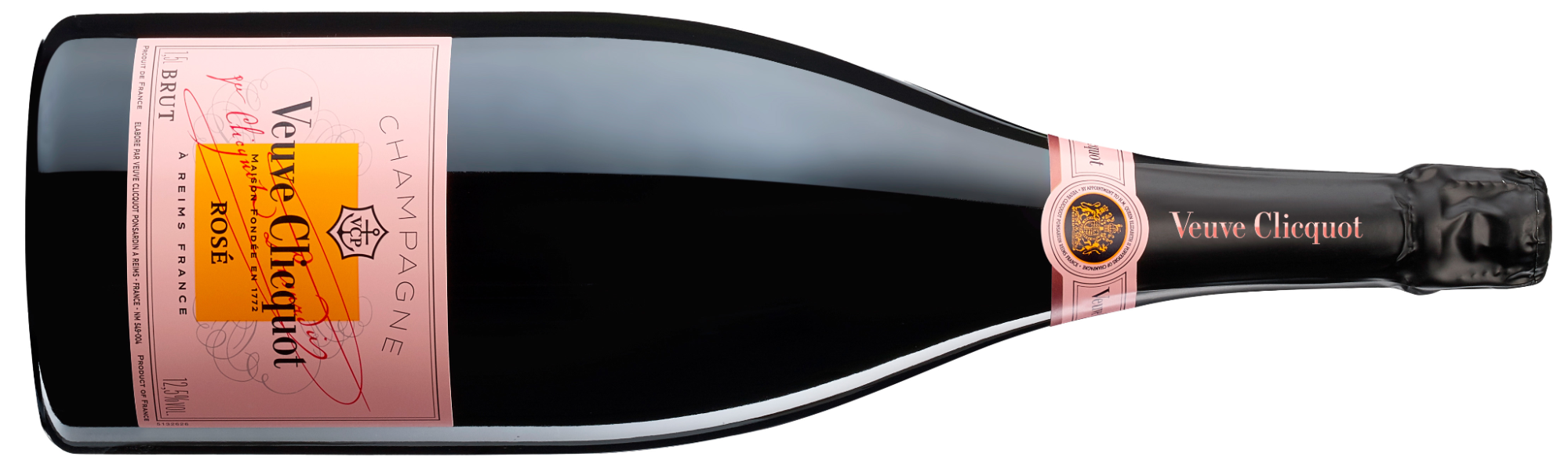
Veuve Clicquot Rosé holds a special place in the house’s history. In 1818, Madame Clicquot created the first known blended rosé Champagne by adding still red wine from Bouzy to the white base, a technique that was revolutionary at the time and is now the standard method across the region. The Veuve Clicquot Rosé NV (non vintage) continues this tradition blending Pinot Noir, Chardonnay and Pinot Meunier with a proportion of still red Pinot Noir from the house’s Montagne de Reims vineyards. The Rosé NV is the most accessible, fresh and fruit driven with raspberry, strawberry and biscuit notes. The Vintage Rosé is produced only in exceptional years and offers greater depth, structure and aging potential. At the summit, the La Grande Dame Rosé is among the rarest and most sought after rosé Champagnes in the world. The current La Grande Dame Rosé 2012 is a bold, structured wine with wild strawberry, blood orange and smoky minerality, built for both immediate pleasure and long-term cellaring.
Veuve Clicquot Vintage Brut Rosé 2015
La Grande Dame: the prestige cuvée
La Grande Dame is the pinnacle of the Veuve Clicquot portfolio, first created in 1972 to celebrate the house’s bicentenary and named after Madame Clicquot’s nickname, “La Grande Dame de la Champagne.” Made from approximately 90% Pinot Noir and 10% Chardonnay sourced exclusively from eight Grand Cru vineyards, it is produced only in exceptional vintage years and aged for a minimum of nine years on the lees. Each release is accompanied by an artist collaboration for its packaging, reflecting the house’s commitment to creativity and design. La Grande Dame 2015 is the current release, the 24th vintage since inception.
Veuve Clicquot La Grande Dame by Paola Paronetto with Gift Box 2015
Veuve Clicquot La Grande Dame by Simon Porte Jacquemus with Gift Box 2018
Rich and Demi-Sec: sweetness with style
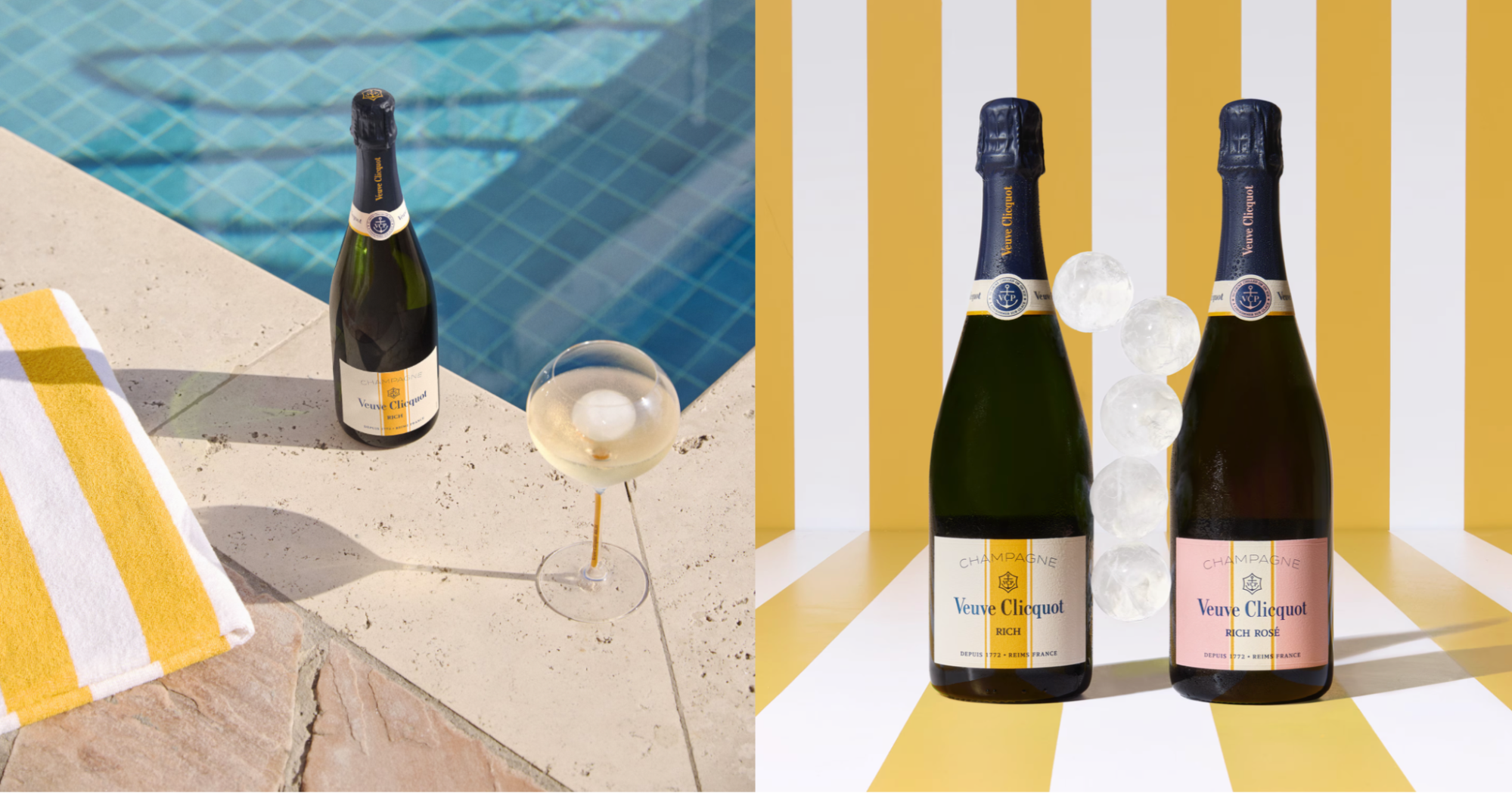
The Rich collection represents a modern departure for Veuve Clicquot, designed to be enjoyed over ice or mixed with fresh ingredients. With a higher sugar dosage, these cuvées are tropical, generous and refreshing, aimed at relaxed social occasions rather than formal dining. The Demi-Sec, meanwhile, is the house’s sweeter Champagne style, offering notes of baked apple, apricot and vanilla, balanced by enough acidity to maintain freshness. Both styles demonstrate the house’s willingness to innovate beyond traditional Brut.
Veuve Clicquot Brut Champagne vintages: the releases worth buying now
Veuve Clicquot declares a vintage only in exceptional years, typically three or four times per decade. These wines are composed exclusively of grapes from a single harvest, showcasing the unique character of each growing season. Below we examine the most relevant current releases.
Veuve Clicquot Vintage Brut 2015
The Veuve Clicquot Vintage Brut 2015 reflects a warm, solar year defined by drought and high sunshine. Ripe orchard fruit, honeyed almond, candied citrus and smoked mineral define the nose, while the palate is full bodied and generous with a creamy mousse and a toasted, lingering finish. This is a rich, approachable vintage that drinks well now but will reward cellaring for 10 to 15 years. At around $90 to $100, it offers an excellent step up from the Yellow Label.
Veuve Clicquot Vintage Brut 2012
The Veuve Clicquot Vintage Brut 2012 is widely regarded as one of the house’s most balanced recent releases. A challenging growing season that ended with a burst of autumn sunshine produced concentrated, harmonious fruit. White peach, toasted bread, wet stone and ginger define the palate with a fine bead and a long chalky finish. The 2012 sits beautifully between richness and precision, making it a versatile bottle for drinking now or cellaring for up to 15 years.
Veuve Clicquot La Grande Dame 2015
The La Grande Dame 2015 is the 24th vintage of the prestige cuvée and a stunning expression of 90% Pinot Noir from eight Grand Cru sites. Floral notes of jasmine and acacia give way to pear, clementine, white pepper and chalk. Chef de Cave Didier Mariotti describes 2015 as a “beautiful vintage, all about tension and elegance.” Wine Spectator awarded 96 points, calling it graceful and seamlessly knit with a minerally underpinning. At around $185, it competes directly with prestige cuvées priced significantly higher.
Veuve Clicquot: a 200 year history of Champagne
The story of Veuve Clicquot is inseparable from one of the most remarkable figures in wine history: Madame Barbe Nicole Clicquot Ponsardin. In 1818, she introduced a revolutionary technique that would change the future of rosé Champagne. Instead of relying on brief skin maceration, which often produced pale and inconsistent wines, she blended carefully selected still red wine made from Pinot Noir into white Champagne. This innovation allowed for greater control over color, texture and aromatic complexity, creating a rosé Champagne with remarkable depth and structure. The method proved so successful that it eventually became one of the most widely used techniques for producing rosé Champagne across the region.
Widowed at just 27 years old, Madame Clicquot Ponsardin assumed control of the house in 1805, a bold move in a male dominated industry at a time when women rarely held positions of business leadership. Under her direction, Veuve Clicquot developed a reputation for precision and technical innovation. She invested heavily in vineyard sourcing, built strong export markets across Europe and introduced practices that helped standardize Champagne production. Her commitment to quality helped establish the distinctive style that still defines the house today: Champagnes driven by the power of Pinot Noir, balanced by the finesse of Chardonnay and the fruit generosity of Meunier.
Beyond the bottle: LVMH and the commitment to luxury
Veuve Clicquot is now owned by LVMH (Moët Hennessy Louis Vuitton), the world’s largest luxury conglomerate, which also controls Dom Pérignon, Krug, Moët & Chandon and Ruinart. Despite this corporate structure, Veuve Clicquot operates as a distinct maison with its own Cellar Master, vineyards, winemaking philosophy and brand identity. The house is headquartered in Reims, in the heart of the Montagne de Reims, and its medieval chalk crayères are classified as a UNESCO World Heritage Site.
Today, Veuve Clicquot continues to honor Madame Clicquot’s legacy through three rosé expressions, each illustrating a different interpretation of the house style. The flagship Yellow Label Rosé combines structure with vibrant red fruit character, while La Grande Dame Rosé represents the pinnacle of the house’s Pinot Noir driven philosophy. Limited vintage releases further showcase how the rosé style evolves across different harvests, reinforcing the enduring influence of Madame Clicquot’s original vision.
Fun fact: Veuve Clicquot is often called the first modern Champagne house thanks to Madame Clicquot’s relentless focus on innovation and global distribution. By the early 19th century, her wines were already being shipped across Europe and as far as imperial Russia.
Veuve Clicquot awards and critical acclaim
The Yellow Label Brut consistently scores 90–92 points from major critics and was named #23 in Wine Spectator’s Top 100 of 2025. The La Grande Dame 2015 earned 96 points from Wine Spectator, 95 from Vinous and 94 from Decanter. The La Grande Dame 2008 is widely regarded as one of the finest prestige cuvées of the century. The Vintage Brut 2015 scored 93 from Wine Spectator. Beyond critic scores, Veuve Clicquot is one of the most actively traded Champagne brands at auction and holds a Royal Warrant as supplier to the British Royal Household, a mark of distinction shared by very few producers.
Veuve Clicquot winemaking methods and vineyard sourcing
Veuve Clicquot owns approximately 390 hectares of vineyards across 12 of the 17 Grand Cru villages and 20 of the 44 Premier Cru villages in Champagne, making it one of the largest and most privileged vineyard holders in the region. Pinot Noir is the dominant grape, reflecting Madame Clicquot’s conviction that black grapes produce the finest white wines. Chardonnay provides freshness and elegance, while Pinot Meunier adds roundness and fruit.
In the cellar, whole bunch pressing preserves freshness and finesse. Each grape variety, fraction and cru is vinified separately across approximately 800 base wine samples each year. The tasting committee, led by Cellar Master Didier Mariotti, meets from November to March to taste and rank every wine before deciding the final blends. Since 2018, the house has selectively halted malolactic fermentation in certain cuveés to preserve freshness in warmer vintages. A small proportion of wine is fermented and aged in large oak barrels for the vintage and La Grande Dame releases. The wine then ages in the medieval chalk crayères beneath Reims at a constant 50 – 54°F (10 – 12°C). Non vintage cuvées rest for at least 30 months on the lees, vintage wines for considerably longer, while La Grande Dame for a minimum of nine years. Only La Grande Dame and large formats are still riddled by hand.

Veuve Clicquot price: what every bottle costs in 2026
Veuve Clicquot Champagne prices span a wide range. Understanding these tiers will help you buy smarter:
- Yellow Label Brut NV is the entry point to the house and one of the most widely available Champagnes in the world. Expect $65 to $75 per bottle depending on the retailer.
- Rosé NV commands a modest premium over the Yellow Label, typically $75 to $85.
- Demi-Sec and Rich NV sit in the same range as the Yellow Label, around $65 to $80.
- Vintage Brut and Vintage Rosé are produced only in declared years and cost $100 to $160.
- La Grande Dame Brut is the prestige cuvée, priced at $190 to $300. Older vintages like the 2004 and 2008 command higher prices on the secondary market.
- La Grande Dame Rosé is the rarest expression, typically $300 to $400 per bottle.
- Cave Privée releases (extended aging library wines) can exceed $500 and are available only through select fine wine merchants and auctions.
Did you know? How to pronounce Veuve Clicquot
One of the most frequently searched questions about the house is the Veuve Clicquot pronunciation. The correct pronunciation is “vuhv clee-KOH” (IPA: /vøv kli.ko/). “Veuve” is the French word for “widow,” referring to Barbe-Nicole Ponsardin, who took over the house after her husband’s death in 1805. “Clicquot” is the family surname, pronounced with a silent final “t.” So when someone asks how to pronounce Veuve Clicquot, the answer is simple: vuhv clee-KOH. The stress falls on the final syllable of Clicquot. In casual conversation, many English speakers simply say “vuv clee-KO,” which is perfectly acceptable. The important thing to avoid is pronouncing the final “t” in Clicquot (it is always silent).
You might also be interested in

FAQs on Veuve Clicquot
Does the Clicquot family still own Veuve Clicquot?
No. The Clicquot family has not owned the house for over a century. Before her death in 1866, Madame Clicquot entrusted the business to her long time partner Édouard Werlé, whose family managed the estate for several generations. Ownership passed through various stewards before Louis Vuitton acquired Veuve Clicquot in 1986. A year later, the merger with Moët Hennessy created LVMH, the luxury conglomerate that owns the house today. Despite having no family connection to the Clicquots, LVMH has preserved the house's independence: Veuve Clicquot retains its own Cellar Master (Didier Mariotti, the 11th in its history), its own 390 hectares of Grand Cru and Premier Cru vineyards and its own winemaking philosophy, all still rooted in Madame Clicquot's founding motto: "Only one quality, the finest."
Which is better, Moët or Veuve?
Both houses are owned by LVMH and represent the pinnacle of Champagne production but they have distinct styles. Veuve Clicquot tends toward greater Pinot Noir dominance, which gives its wines more body, structure and depth. Moët & Chandon’s Brut Impérial is typically lighter and more Chardonnay forward. Veuve Clicquot also uses a higher proportion of reserve wines in its non vintage blend, which adds complexity. At the prestige level, the comparison shifts: Moët’s Dom Pérignon is a “vintage only” cuvée in a different category from La Grande Dame. Neither is objectively “better”, they are different expressions of Champagne excellence.
How do you pronounce Veuve Clicquot?
The Veuve Clicquot pronunciacion is “vuhv clee-KOH.” “Veuve” means “widow” in French, and “Clicquot” is the family name with a silent final “t.” So when someone asks how to pronounce Veuve Clicquot, the answer is: vuhv clee-KOH, with the stress on the last syllable. The final “t” is never spoken.
What does the Veuve Clicquot Yellow Label mean?
The Veuve Clicquot Yellow Label refers to the house’s signature non vintage Brut Champagne, which has carried its distinctive dark yellow label (Pantone 137C) since 1877. The colour was originally chosen to distinguish Veuve Clicquot bottles from competitors on merchant shelves and has since become one of the most iconic brand identifiers in the wine world. Today, the Veuve Clicquot Yellow Label Brut is the house’s flagship wine and accounts for the majority of its production.
Is Veuve Clicquot worth the money?
For Champagne lovers, absolutely. The Yellow Label Brut at $65 - $75 offers remarkable quality for a non vintage Champagne, with complexity driven by one of the highest reserve wine proportions in the industry. The vintage wines at $90 - $140 represent serious Champagne at competitive prices. The La Grande Dame at $190 - $300 competes directly with prestige cuvées priced significantly higher. Across the portfolio, Veuve Clicquot delivers consistency, complexity and a sense of occasion that justifies its position as the world’s second best selling Champagne brand.
Where can I buy Veuve Clicquot?
You can buy Veuve Clicquot Champagnes right on this page. We select bottles from several wine and spirits websites including wine.com, Total Wine, Reserve Bar and specialist fine wine merchants ensuring that you get them at the best price point and delivery conditions. The Yellow Label Brut is available at virtually every major wine retailer and many supermarkets. Vintage releases and La Grande Dame are more limited and best sourced through specialist merchants or online. For buyers in Europe, Veuve Clicquot is distributed through LVMH’s extensive retail and hospitality network.
How long can Veuve Clicquot age?
Aging potential varies by cuvée. The Yellow Label Brut NV is designed for immediate enjoyment but can develop nicely for 3 to 5 years from purchase. Vintage Brut wines are built to cellar for 10 to 15 years from vintage. La Grande Dame has 15 to 25+ years of aging potential; the current 2015 release is drinkable now through 2035 and beyond. La Grande Dame Rosé is similarly long lived. The Cave Privée releases, which have already undergone extended cellaring by the house, can continue to evolve for another 10 to 20 years.
Who was Madame Clicquot?
Barbe-Nicole Ponsardin (1777 - 1866) was the young widow who took over the Veuve Clicquot Champagne house in 1805 at the age of 27 after her husband François died. She became one of the first businesswomen in modern history and ran the house for nearly 60 years, transforming it from a small family enterprise into a global luxury brand. She invented the riddling table, created the first blended rosé Champagne and personally oversaw the expansion of the brand into Russia, Europe and the United States. She is widely regarded as the most important woman in the history of Champagne and was known as “La Grande Dame de la Champagne.”