

Madeira wine: top picks and styles to try in 2026
Madeira wine is a historic fortified wine from the Portuguese island of Madeira, produced in a range of dry and sweet styles by heating wine barrels for extended periods. In this guide, we will uncover the best Madeira wines, how they’re produced and ideal food pairings.
By
Last updated:
Table of Contents
10 Best Madeira wines recommended by experts
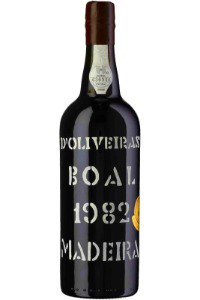
D’Oliveira Boal Madeira 1982
Portugal
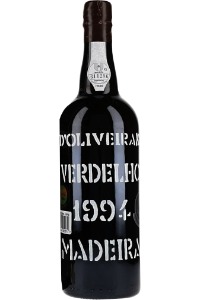
D’Oliveira Verdelho 1994
Portugal
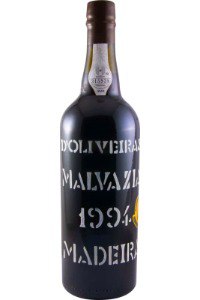
D’Oliveira Malvasia Madeira 1994
Portugal
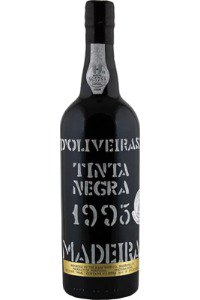
D’Oliveira Tinta Negra Medium Dry Madeira 1995
Portugal
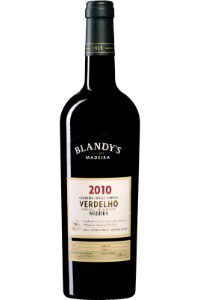
Blandy’s Verdelho Colheita Single Harvest Medium Dry Madeira 2010
Portugal
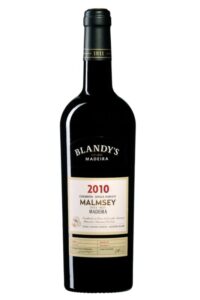
Colheita Malmsey Single Harvest Madeira 2010 – Blandy’s
Portugal
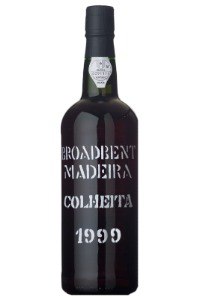
Broadbent Colheita Madeira 1999
Portugal
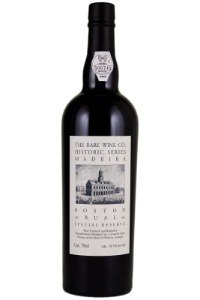
Rare Wine Co. Boston Bual Special Reserve Madeira
Portugal
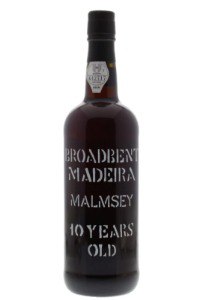
Broadbent 10 Years Old Malmsey Madeira
Portugal
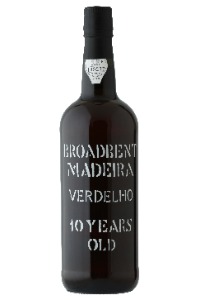
Broadbent 10 Years Old Verdelho Madeira
Portugal
Above, you will find 10 bottles that we consider to be the finest expressions of Madeira wine for this year, chosen based on critics’ scoring but also for their favorable reviews by customers and wine enthusiasts. They include sweet Malmsey and Bual wines, perfect for dessert and drier styles such as Sercial and Verdelho that are perfect as aperitifs. In curating this selection, we appraised the following characteristics:
- The presence of typical complex aromas and concentrated flavors such as caramel, walnut and burnt sugar that linger in Madeira wines.
- Balance between rich sweetness and fresh acidity in the sweeter wine styles that prevent a cloying sensation.
- The wine’s aging, which directly influences its quality and for how long it can be cellared.
Top Madeira wines worth collecting
Madeira wine is more than a beverage; it is a treasured wine valued by collectors for its prestige, unique production process and rarity. In December 2016, a 300 year old JCA & C Terrantez Madeira wine bottle fetched a whooping sum of $39,000 at a Christie’s auction. This bottle, produced in 1715, is the most expensive Madeira ever sold, old but yet described as “remarkably youthful” and “surprisingly sweet”. Here are some good Madeira wines worth collecting:
D’Oliveira Boal Madeira 1982
D’Oliveira Verdelho 1994
D’Oliveira Tinta Negra Medium Dry Madeira 1995
What makes Madeira wine really collectible?
Madeira’s enduring appeal among collectors comes from its extraordinary longevity as only few wines can age for centuries and still improve in the bottle. Its unique maturation process, involving controlled exposure to heat, replicates the conditions of historic sea voyages, giving Madeira its deep, layered flavours of caramel, spice and citrus peel. The wine’s historic prestige adds to its allure thanks to it being celebrated in Shakespeare’s plays and raised in toasts by U.S. presidents. Rarity also drives its value: Madeiras made from scarce grapes such as Terrantez and Bastardo are particularly prized. Produced in limited quantities from varieties grown exclusively on the island, Madeira remains one of the world’s most collectible and enduring fine wines.
What is Madeira wine and how is it made?
Madeira wine was born at sea when shippers discovered that the long trips deepened the flavor of their wine and so they named it ‘Vinho da Roda’ (round trip wine). Today, winemakers no longer send their Madeira wine casks on long voyages but have developed methods of crafting the same quality wine in less time. Its unique aroma and flavor profile come from the repeated heating and cooling involved in its production!
Fun fact: Thomas Jefferson raised a toast to the Declaration of Independence in July 1776 with a glass of Madeira wine.
Modern Madeira wine is a fortified wine, well known for its longevity (it can last up to 100 years without spoiling!)and distinctive flavors obtained from its unique winemaking process.
It is produced in a variety of red or white wine styles from native grape varieties. These include Sercial, Verdelho, Bual and Malvasia (used for Madeira white wines), and the commonly used Tinta negra (used for Madeira red wines). It can be crafted as a sweet or dry wine and due to its range, it can be enjoyed as an aperitif, dessert wine, with meals or used for cooking.
Let’s have a closer look at its production process:
- Viticulture: grapes meant for Madeira wine are typically grown in vineyards planted on man made terraces known as ‘poios’, supported by low trellises called ‘latada’.
- Harvesting of Madeira wine grapes occurs earlier than for other varieties, usually starting in late August and extending till mid October, to retain a higher acidity.
Between harvesting and aging, there are a few key differences in the winemaking process for sweet and dry Madeira wines. Let’s see them in detail below:
Madeira dry wines
- After harvesting, the grapes used to produce drier wine styles like Tinta Negra, Sercial and Verdelho are destemmed and crushed to release their juice and separate the seeds and skins, which may be used as feed for livestock.
- Grapes meant for dry and medium dry wines are not subject to maceration, instead they are transported into temperature controlled stainless steel tanks for the fermentation process to occur.
- Fortification, which is the addition of high alcohol grape spirits to the fermenting wine, is carried out to stop the activity of the yeasts and bring fermentation to an end.
Madeira sweet wines
- For sweet wines, the next step after harvesting is maceration, which is done to extract color and flavor. Sweeter wines such as Bual and Malvasia are soaked with their must (skins and seeds) to leach phenols from the grapes that will balance the wine’s sweetness.
- Fermentation takes place in stainless steel tanks in temperature controlled environments, and it is stopped with fortification (addition of neutral alcohol) when the desired level of sweetness is reached.
- Fortification is the addition of neutral grape spirits (around 96% ABV) to the fermenting wine. It is done to halt fermentation and increase the Madeira wine’s alcohol content to somewhere between 17% and 22%.
Aging is the defining stage in making Madeira wine. Both sweet and dry styles undergo an aging process that can be done in two ways:
- Estufagem method where the wine is placed in stainless steel tanks and heated by hot water jackets for about three months. The temperature climbs as high as 112-122°F (45-50°C) before it starts cooling. It is typically used to produce younger Madeiras and yield complex caramel and nutty flavors from the rapid heating and oxidation.
- Canteiro method which involves aging the wine in wooden casks stored in warm attics or lodges that are exposed to the natural heat of the sun. The wines caramelize and oxidize at a slower rate, sometimes for decades. It gives finer Madeiras with greater depth and complexity.
Before bottling, Madeira wines are often blended to achieve a consistent flavor profile. However, some are released as single varietal wines after aging for decades.
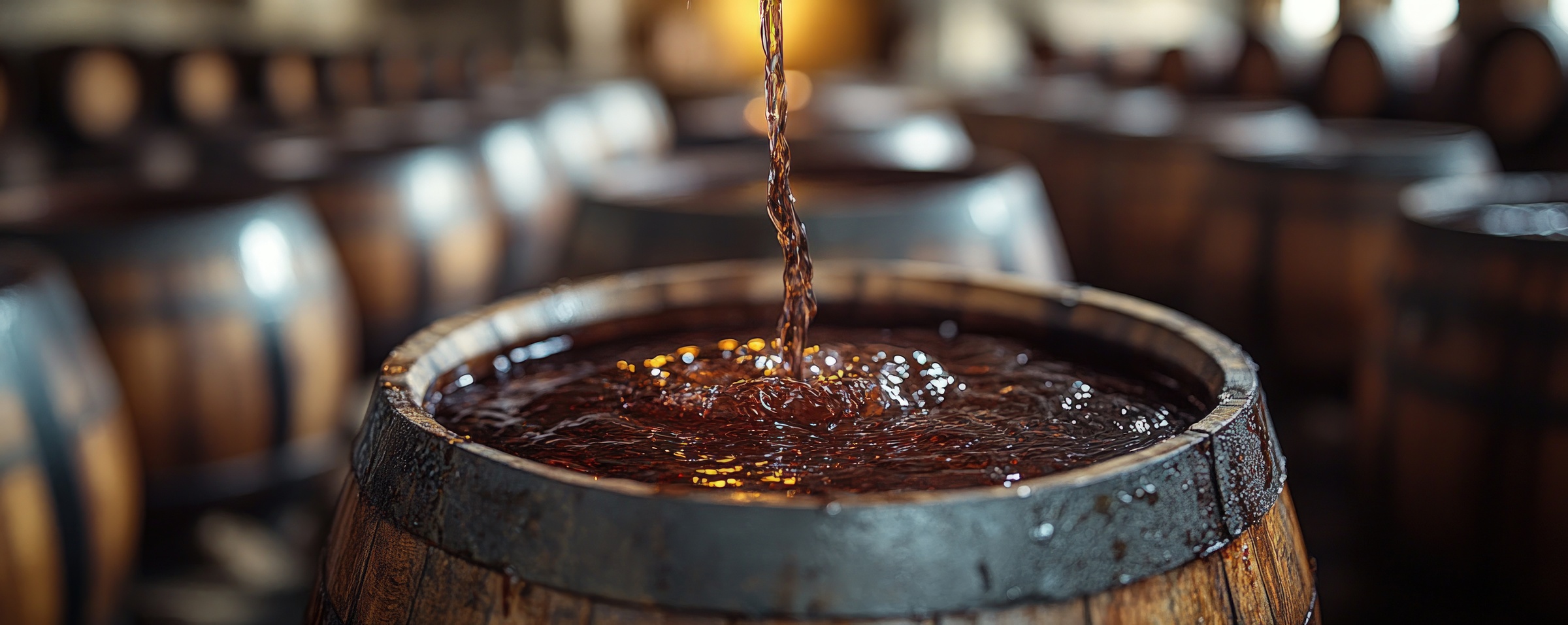
Unlike other wines, exposure to oxygen while aging in barrels is beneficial for Madeira wine. This process allows it to develop its signature flavors of fig, nuts, caramel and spice. Oxidative aging also plays a part in the longer shelf life of properly stored Madeira wine.
Understanding the Madeira island wines
Born from fire and sea, the Madeira island wine varies widely depending on its production style, grapes used and length of aging. Here is a look at the different classifications of Madeira wine:
- Length of aging before release affects the quality, structure and taste profile of the wine. It includes entry level 3 year old Madeiras, high quality reserve wines and rare and premium 40 year old bottles.
- Sweetness refers to the amount of residual sugar left in the wine after fermentation. The more the residual sugar, the sweeter the wine. The sweetness of Madeira wine is tied to the grape varieties present, and it can be dry, semi dry, semi sweet or sweet.
- Grape varieties indicate the number of grapes present in the wine. Madeira wine can be a blended or single varietal wine.
To ease you into the world of Madeira wines, we will provide detailed information on the types of Madeira wine by aging duration, sweetness and grape variety.
Madeira wines by grape variety and length of aging
There are two main types of Madeira wines, blended and single varietals, which differ in style and quality. Blended Madeiras are typically affordable and they make wonderful sipping wines. Single varietal wines, on the other hand, are the highest quality Madeira wines available, crafted from the four noble varieties Sercial, Verdelho, Bual (Boal) and Malvasia (Malmsey).
| Madeira Wine by Varietal | Top Picks | Grape Varieties | Structure & Flavor |
|---|---|---|---|
| Blended | V. Sattui, Paul Masson, Barbeito | Tinta Negra, Terrantez, Bastardo, Sercial, Verdelho, Bual, Malmsey | Fruity, intense and bright acidity, notes of caramel, honey and nuts. |
Single Harvest |
Broadbent, D’Oliveira, Rare Wine Company, Blandy’s. | Sercial, Verdelho, Boal, Malmsey | Flavor profile ranges from dry to sweet wines with vibrant acidity and hints of fruit, roasted nuts and caramel. |
Blended Madeira wines
Blended Madeira typically carries a designation indicating how long it was aged before release. These wines are often inexpensive and offer you the delicious taste of Madeira without breaking the bank. Blended Madeira wines include:
- Finest Madeira is a 3 year old blended style that is made predominantly from Tinta negra grapes, but may also include Sercial, Boal, Verdelho and Malmsey. It is perfect for casual drinking.
- Rainwater Madeira is a fruity Madeira blend that must be aged for at least three years before commercial release. Producers use Tinta Negra grapes to make this wine style, and it is good for cooking or mixing into cocktails.
- Reserve Madeira refers to any blend aged between 5 to 10 years old. They taste more complex than the younger blends.
- Special Reserve Madeira is between 10 to 15 years old, is richer and undergoes a more intentional winemaking process. Noble grape varieties are often involved in this style.
- Extra Reserve Madeira is between 15 to 20 years of age, it has a greater depth of character and is a more concentrated blended style.
- 20 Year Old Madeira is a premium blend of grapes from multiple vintage years, with the youngest one proven by a panel to be at least 20 years old. The other grape varieties present in the wine can be older. 30 Year Old and 40 Year Old Madeira are crafted following the same general rule of thumb.
The longer it is aged, the more nutty a blended Madeira will taste. Entry level blends will last you for about a year if they are properly stored. Try a classic with a modern twist:
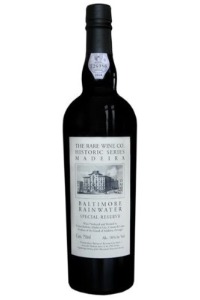
Rare Wine Co. Baltimore Rainwater Special Reserve Madeira – Portugal
Single varietal and vintage Madeira wines
Single varietal Madeira wines are made from one of the island’s four noble grapes, namely Sercial, Verdelho, Bual and Malmsey. Rarer and more exclusive examples are crafted from Terrantez, Bastardo and other heritage grapes. These wines represent the finest quality of Madeira wine and may be released as vintage and as non vintage wines. Single harvest vintage Madeiras are designed to age for decades and are classified as:
- Colheita Madeira, a single vintage wine that must age for a minimum of 5 years before release.
- Frasqueira Madeira, a rare and high quality vintage Madeira style that is meant to be drinkable after centuries. It must be aged for at least 20 years in casks before its commercial release.
Try a classic
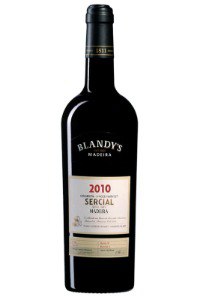
Blandy’s Colheita Sercial Single Harvest Madeira 2010 – Portugal
Madeira wines by sweetness
The sweetness of a Madeira wine depends on the grape variety used by the wine maker. Each varietal expresses a distinct balance between sweetness and acidity, giving Madeira its remarkable versatility. The main styles are:
- Dry – Sercial, is the driest and most delicate style of Madeira. This style is light bodied, crisp and nutty, with bright citrus and almond notes, excellent for aperitifs.
- Medium dry – Verdelho is slightly richer and rounder than Sercial, showing flavours of dried fruit, toffee and spice while keeping a refreshing acidity.
- Medium sweet – Bual (or Boal) is fuller in body, with pronounced sweetness balanced by vibrant acidity and aromas of caramel, figs and roasted nuts.
- Sweet – Malmsey (or Malvasia) is the richest and sweetest style, layered with flavours of toffee, honey, and chocolate. Despite its sweetness, lively acidity keeps it beautifully balanced and capable of aging for decades.
To gauge sweetness, simply check the grape variety on the label: it indicates the wine’s style. Use the table below as a quick guide to find the Madeira that best matches your taste.
| Sweetness | Top Picks | Common Varietals | Residual Sugar (g/L) |
|---|---|---|---|
| Dry | Charleston Sercial Special Reserve Madeira – Rare Wine Company – Portugal | Sercial | 9 – 27 |
| Semi Dry | Verdelho 1985 – D’Oliveira – Portugal | Verdelho | 27 – 45 |
| Semi Sweet | 5 Years Bual Medium Rich Madeira – Blandy’s – Portugal | Bual/Boal | 45 – 63 |
| Sweet | 10 Years Malmsey Rich Madeira – Blandy’s – Portugal | Malvasia/Malmsey | 63 – 117 |
Food that brings out the best in Madeira wine
A good Madeira wine has distinctive tastes of caramel, walnut, hazelnut, orange peel, peach and burnt sugar. The key to pairing with food is understanding whether the Madeira’s style is dry, medium dry, medium sweet or sweet. For instance, drier styles are harmonious pairings with spicy food, while sweeter Madeiras shine when eaten with dessert. Below, you will find various Madeira wine styles and food pairings that work like a charm:
| Food | Madeira Wine/Grape | Type & Structure |
|---|---|---|
| Aged Manchego, goat cheese, Roquefort | Blandy’s 5 Years Sercial Dry Madeira, Sercial – Portugal | Fresh with dry fruit, citrus and wood flavors and a persistent finish. |
| Brie, Camembert, Stilton, Feta, Ricotta, Burrata | D’Oliveira Boal Madeira 1987, Boal – Portugal | Sweet and savory, high acidity and a very long finish, hints of toffee and licorice are present. |
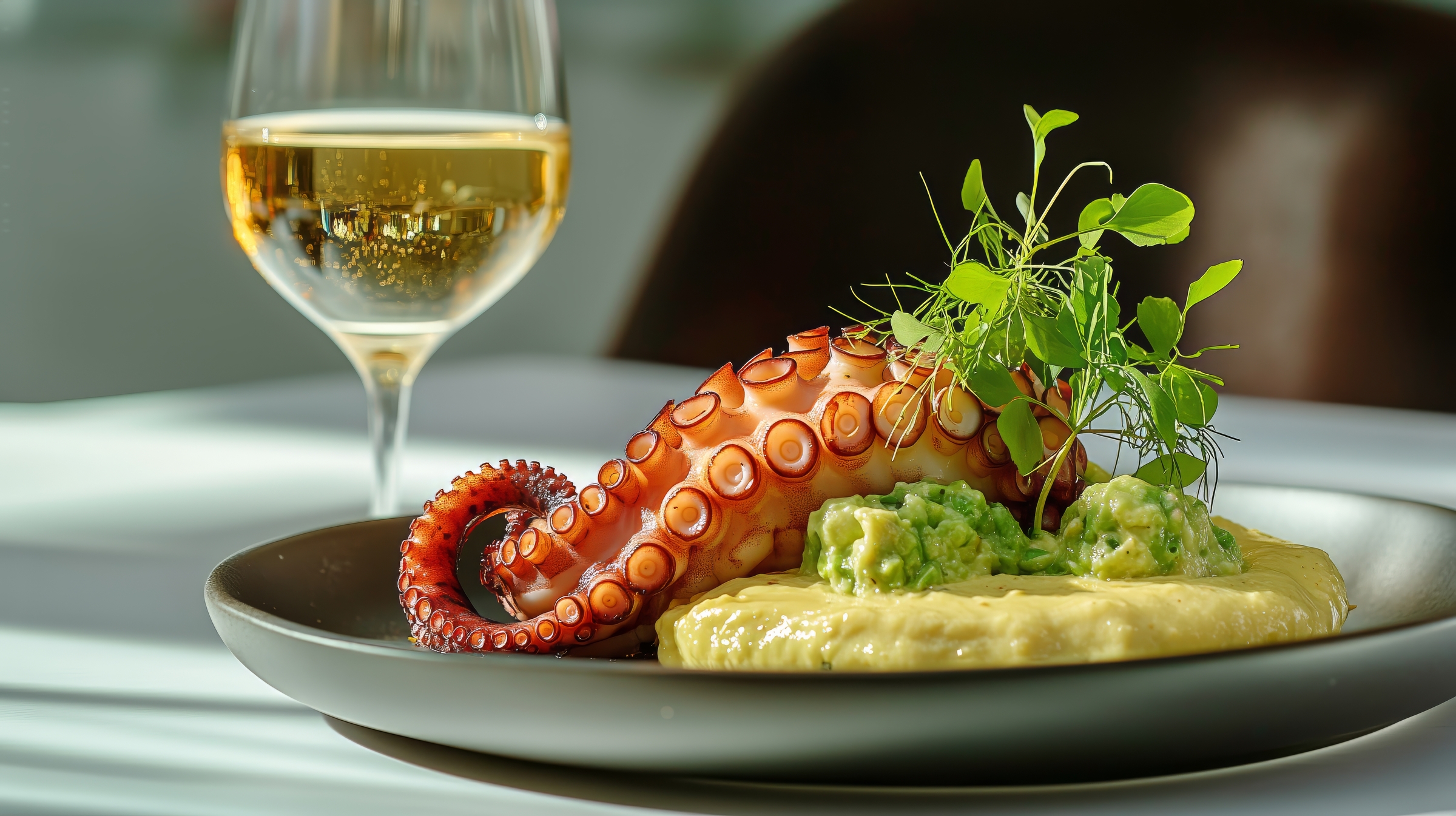
| Smoked salmon, grilled shrimp, sushi, bacalhau à bras, octopus | Broadbent 10 Years Old Sercial Madeira, Sercial – Portugal | Full bodied, dry and fruity with notes of apricot, honey, bourbon and burnt sugar. |
| Roast pork, turkey, Peking duck | Blandy’s 5 Years Verdelho Medium Dry Madeira, Verdelho – Portugal | Complex nose, crisp acidity and a fresh bouquet of raisins, wood, spices and dried fruit. |
| Chocolate cake, chocolate mousse, tiramisu, panna cotta | Broadbent 10 Years Old Boal Madeira, Boal – Portugal | Dark and rich, sweet notes of caramelized nuts, raisins, wood and figs. |
| Salted pecans, walnuts, almonds, raisins, dates | Rare Wine Co. New York Malmsey Special Reserve Madeira, Malmsey – Portugal | Luscious and expressive, abundant flavors of caramel, orange peel and toasted nuts. |
| Thai curry, spicy sushi rolls, Som Tum, tacos | D’Oliveira Verdelho 1981, Verdelho – Portugal | Fine and balanced nose with intense fruits, smoke and nuttiness. |
Did you know? Madeira wine is also suitable for casual drinking and some blended varietals with rich and layered flavors are perfect if used in cooking recipes.
What are the Madeira wine grapes?
There are over 30 varieties of Madeira wine grapes, but only a few of them remain in use today. The structure, style and flavor of each bottle of Madeira wine is determined by the grapes it contains. They work in combination with other factors such as vintage year, terroir and winemaking technique to determine the wine’s personality.
Some popular Madeira wine grapes include:
White Madeira wine grapes
- Sercial isa white grape that yields the driest and crispiest styles of Madeira wine. Its wines taste lemony, with high acidity and a stony mineral character. Aromas of sea spray, green apple and dried fruit are often detected and it is an excellent aperitif.
- Verdelho is also one of the noble Madeira grape varieties. Known to have a medium dry style, it is aromatic and crisp with vibrant flavors of tropical fruits, citrus and herbal undertones.
- Bual (Boal) is a white grape variety with typical flavors of dried fruits and caramel. It yields a sweet, medium rich and balanced Madeira wine style with bright acidity that keeps it from being overwhelming. Boal Madeiras can evolve into more complex smoky, earthy and spicy notes as they age.
- Malmsey (Malvasia) is a thick skinned grape with golden to amber berried and a high sugar content. It gives the sweetest and richest Madeira wine, often referred to as ‘the ultimate dessert wine’. It is full bodied and velvety, with high acidity and flavors of roasted nuts, dried fruit, caramel and coffee.
- Terrantez is a pale green, late ripening and finicky grape variety that is quite hard to grow. The fifth noble variety is rare, an off dry wine made up of a unique combination of rich dried fruits, lively acidity and salinity. Older vintages develop complex aromas of citrus zest, marmite and spice.
- Moscatel is floral with tasting notes of apricot, oranges, butterscotch and tangerines. The longer its wine ages, the richer and more raisiny it tastes.
- Listrão is grown exclusively on the island of Porto Santo. It is often pale yellow in color, with an intense nose of citrus fruit, sea breeze and salinity. It adds a persistent and fresh finish to Madeira wine blends.
- Caracol is also grown in Porto Santo. Its flavor includes intense citrus notes, minerality and hints of iodine and gunpowder.
Red Madeira wine grapes
- Tinta Negra is the most widely planted grape variety on Madeira Island. It is commonly used as a base to make younger, blended wines that can be dry or sweet. It makes excellent wines that may not keep as long as wines crafted from the noble four. It was called Negra Mole in the past.
- Bastardo is also a rare variety that is often encountered in older vintages. It is known for its intense fruit notes, sweet taste and earthiness.
- Complexa is a red wine grape created by crossing Castelao, Muscat Hamburg and Tintinha, it yields deep colored Madeira wines with reduced tannins.
What determines the Madeira wine price?
Madeira wine is an unusual wine crafted through a vinification process that involves exposure to heat and oxygen. There are varying price points for different styles of Madeira wines and blended wines are typically more affordable due to their shorter aging periods. Single varietal Madeira wines cost more, with single harvest Colheitas and Frasqueiras commanding higher prices.
What are some factors that determine the Madeira wine price?
- The aging duration of the wine plays a role and steep prices are attached to Madeiras that were aged for longer periods. Usually, wines that were aged for a long time before commercial release will have a greater aging potential.
- The wine style also determines how much it costs. Blended wines typically cost less than vintage, single varietal wines.
- Madeira wines produced from rare grapes such as Terrantez and Bastardo are highly prized and significantly more expensive than those made from common grape varieties.
- Special edition wines from reputable producers also tend to command higher prices.
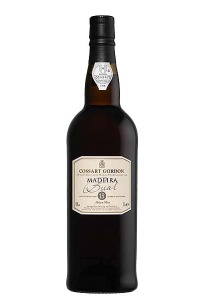
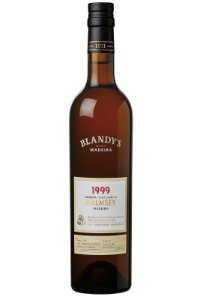
1. Entry level Madeira wine: 15 Year Bual Madeira – Cossart Gordon & Co – Portugal
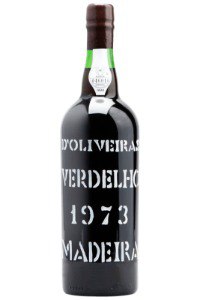
3. Premium Madeira wine: Verdelho 1973 – D’Oliveira – Portugal
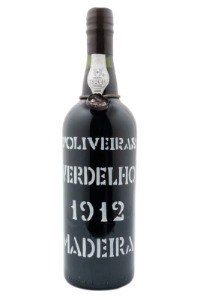
4. Most expensive Madeira wine: Verdelho 1912 – D’Oliveira – Portugal
Madeira wine serving temperature
Madeira wine is often bottled when it’s ready to drink, with fully developed, complex tasting notes. However, you can adopt some best practices to improve your wine tasting and drinking experience.
As an aperitif, you can serve dry Madeira wine slightly chilled, around 55°F (12°C) to keep its crisp freshness. Sweet Madeira can be poured just slightly cooler than room temperature, somewhere between 55°F-64°F (13°C-18°C) to enjoy it to the fullest. Here are some other helpful serving tips:
- Serve Madeira in a dessert wine glass like the tapered port glasses that concentrate the wine’s complex aromas.
- We recommend decanting old Madeira to remove sediment and let the wine breathe!
- Experiment with different types of Madeira to discover which style best suits your taste.
We have prepared the below reference guide to help you select the best Madeira wine for your preferences, providing details on alcohol content, tannin and acidity levels, as well as optimal serving temperatures.
| Madeira Wine & ABV | Tannin / Acidity | Serving Temp | Aging Potential |
|---|---|---|---|
| 5 Years Old Sercial Madeira – Cossart Gordon & Co, 19% ABV – Portugal | Light tannins, medium acidity | 50-60°F (10-16°C) | 10 to 50 years |
| Savannah Verdelho Special Reserve Madeira – Rare Wine Company Historic Series, 19.5% ABV – Portugal | Light tannins, gripping acidity | 50-55°F (10-12°C) | 20 to 100 years |
| 5 Years Old Bual Medium Rich Madeira – Cossart Gordon & Co, 19% ABV – Portugal | Slight tannins, vibrant acidity | 50-60°F (10-16°C) | 10 to 50 years |
| 5 Years Malmsey Rich Madeira – Blandy’s, 19% ABV – Portugal | Refined tannins, bright acidity | 55-60°F (12-16°C) | 10 to 50 years |
| Rainwater Medium Dry Madeira – Blandy’s, 19% ABV – Portugal | Light tannins, assertive acidity | 55-59°F (12-15°C) | 10 to 25 years |
Madeira wine vs Port: what are some alternatives to Madeira wine?
Madeira wine and Port are both famous Portuguese fortified wines but they are significantly different in their aging and flavor profiles. Let’s see the similarities and differences between Madeira and Port:
- Madeira wine comes only from the island of Madeira and it can range from bone dry to sweet. It is produced with an oxidative aging and heating process that gives it excellent aging potential and complex flavors of caramel, roasted nuts and smoke.
- Port wine originates from the Douro Valley in Portugal. Typically sweeter and fruitier than Madeira, it is primarily made from red grapes and it ages in oak barrels in cool cellars. Characteristic tasting notes include heavy dark fruits like raspberry and blackberry, chocolate, cinnamon and prunes.
If you love Madeira wine and you’d love to try other similar tasting wines, Marsala is one of our top recommendations. It is a Sicilian wine that is also produced through oxidative aging and it comes in both sweet and dry styles.
Here is a look at some alternatives to Madeira wine and our favorite picks:
| Wine/Grape | Top Wine | Wine Style |
|---|---|---|
| Madeira vs Marsala | Marco De Bartoli Marsala d’Oro Vigna la Miccia 2019 – Italy | Marsala is fortified and aged in oak with no heating, unlike Madeira. Its rich and complex flavors make it a perfect cooking wine. |
| Madeira vs Sherry | Lustau Oloroso Pata de Gallina J. Garcia Jarana – Spain | Sherry is aged without heat in a solera system, contrary to Madeira’s estufagem aging. This gives it saline, nutty and dried fruit notes as well as styles which could be dry or sweet. |
| Madeira vs Vin Doux Naturel | Domaine La Tour Vieille Banyuls Rimage 2023 – France | Vin Doux Naturel is often made from Grenache Blanc, Garnacha and Muscat with unique aging processes that yield distinct flavors from Madeira. |
How to store and keep Madeira wine
Madeira wine is not as demanding to store as other wines and it can last hundreds of years due to its unique heating and aging process. Even after it is opened, a bottle of Madeira can last for several months as long as it is properly stored.
To extend the shelf life of your Madeira wine bottle and keep it from breaking down faster, here are some of our recommendations:
- Keep your Madeira wine within a stable temperature range between 55°F and 65°F (13°C and 18°C).
- Store all Madeira wines in an upright position, so that the wine can ‘outlive’ the cork.
- If you’re storing Madeira for a long time, replace the corks regularly.
- Keep it in a dark and humid place, away from direct sunlight.
- Avoid great variations in temperature and humidity.
How to choose the best Madeira wine for beginners
Now that you know all there is to know about Madeira wines, here are some tips to help you choose the best Madeira wine style for you:
- Select a younger style of Madeira. These tend to be more affordable and complex but not overwhelming.
- Start with a medium dry or medium sweet option like a Verdelho or Boal.
- Pair your chosen Madeira wine with a food pairing that matches its style.
In addition to all these tips, carefully read Madeira wine labels to understand the grape varieties present so you can tell the level of sweetness or dryness to expect.
You might also be interested in

FAQs on Madeira wine
What does Madeira wine taste like?
Madeira wine tastes different depending on how sweet it is, but generally you can expect flavors of caramel, raisins, nuts and burnt sugar. There is a bright and crisp acidity that balances the sweetness of styles like Malmsey, while dry styles like Sercial offer notes of crisp apple and almond.
Is Madeira wine only produced in Portugal?
Yes, Madeira wine is only produced in Portugal, on the island of Madeira. To ensure that it remains authentic, a designation of origin protects the name “Madeira wine” as stated by European Union regulations and the wine industry consensus. There are various grape varieties used, including Sercial, Verdelho, Boal and Malmsey, and they are all grown on the island of Madeira.
Where to buy Rare Wine Company Madeira wine?
You can purchase Rare Wine Company Madeira directly from our curated selection on this page, featuring bottles carefully chosen from our trusted partner websites. Each listing is verified for quality, authenticity and secure delivery making it easy to find the perfect Madeira for your collection or next tasting.
What is vintage Madeira wine?
Vintage Madeira wine is also known as Frasqueira. It is a high quality Madeira, produced from single harvest grapes and aged for a minimum of 20 years using the Canteiro method before it can be bottled and released for sale. These wines have a highly complex and concentrated flavor, and they can be re-cooked and enjoyed for months even after opening.
Is the Madeira wine price expensive?
The Madeira wine price may be expensive if it is produced from rare grape varieties such as Terrantez or aged for long periods. Single harvest Colheita and Frasqueira wines also command higher prices due to the strict regulations surrounding their production and their rarity. However, you can find affordable Blended Madeira wines that offer you a premium taste.
Is there sweet Madeira wine?
Yes, there is sweet Madeira wine, including the semi sweet Boal or Bual wines and the sweet Malmsey or Malvasias. Boal Madeira has a vibrant acidity that balances its sweetness, and a rich and rounded profile that makes it an excellent pairing with desserts. Malmsey is the sweetest Madeira wine style with a good acidity that balances out its sweetness. It is the ultimate dessert wine.
What are some good Madeira wine brands?
Some good Madeira wine brands that we recommend include Blandy’s, Rare Wine Company, Broadbent and D’Oliveira. These brands all have products that consistently feature in our top ten picks, including Boal Madeira 1982 by D’Oliveira and Blandy’s Colheita Malmsey Single Harvest Madeira 2010. Cossart Gordon & Co is the oldest Madeira wine brand, founded in 1745. All these brands have made a name for themselves over the years with their dedication and commitment to crafting high quality Madeiras for different price ranges.
What is the difference between Marsala and Madeira wine?
Marsala and Madeira wines are both fortified wines with complex flavor profiles, but they are not identical. Marsala is an Italian wine from Sicily with flavors of nuts, caramel and brown sugar and its distinct taste is from the use of cooked grape juice and Solera. Madeira, on the other hand, is from Portugal and it is crafted with a unique heating process. The difference between Marsala and Madeira wine lies in their origin, flavor profiles and winemaking methods.
Does Madeira wine go bad?
No, Madeira wine does not go bad in the same way as most wines. It can last for decades and even centuries after opening if it is stored properly. This character of Madeira wines is due to its high alcohol content (17 to 22%) and the oxidative aging it undergoes during the winemaking process. For more information on how Madeira wine is made, check out our section on “What is Madeira wine and how is it made?’
Is Madeira wine red or white?
Madeira wine can be both red and white, even though it is made from predominantly white grape varieties. The 4 noble Madeira grapes are Sercial, Verdelho, Boal and Malmsey, which are all white grapes that can be bottled as single varietal wines. The most commonly used red grape is Tinta Negra Mole and it is also the most planted grape on the island.
What is the history of Madeira wine?
The history of Madeira wine began sometime in the 15th century, when the Portuguese created an unfortified wine that they frequently sent on long sea voyages. With time, they realised that fortifying the wine with brandy made it last longer and improved its flavor. It was also discovered that the fortified wine developed a greater depth of flavor and complexity after going on long sea trips, and so ‘Vinho da Roda’ was born.
Does Madeira wine need to be refrigerated after opening?
Yes, you should refrigerate Madeira wine after opening to preserve its quality and flavor. Recork the bottle and place it in the wine refrigerator, standing upright. This helps it to slow down its oxidation and extend its already long shelf life. A vacuum stopper can also be used to preserve its freshness for longer.
What are the 4 different types of Madeira wine?
The 4 different types of Madeira wine according to style are dry, semi dry, semi sweet and sweet Madeira wine. Dry Madeira wine is made from Sercial grapes, a crisp and dry style with vibrant acidity. Semi dry Madeira is crafted from Verdelho grapes and it is often smoky and rich. Semi sweet Madeira is produced from Boal, known for its complex and rounded profile. Malvasia Madeira is the sweetest style, and it is both rich and complex.