

Roscato wine picks and styles to watch out for in 2026
Roscato wines are a group of alluring wines created in 2009 by the Roscato winery in Lombardy, Italy. Beloved for their signature sweet style, these wines are vibrant and fruity with relatively low alcohol content. Discover the best Roscato wines of 2026 and find your next favorite bottle!

Table of Contents
10 Most Popular Roscato wine bottles for the festive season
Rosso Dolce – Roscato
Italy
Rosso Dolce Red Wine – Roscato
Italy
Blueberry Red Wine – Roscato
Italy
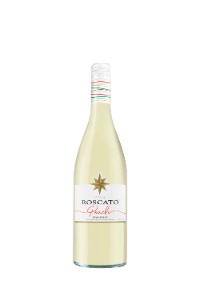
Peach White Wine – Roscato
Italy
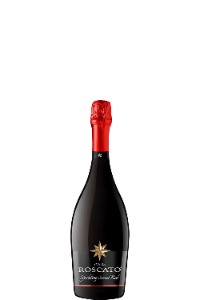
Sparkling Sweet Red – Roscato
Italy
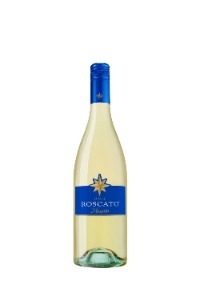
Moscato White Wine – Roscato
Italy
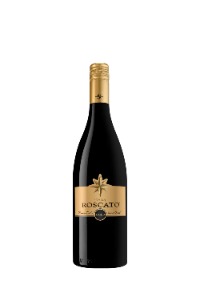
Gold Red Wine – Roscato
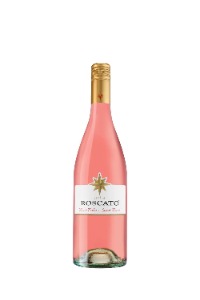
Rosé Dolce – Roscato
Italy
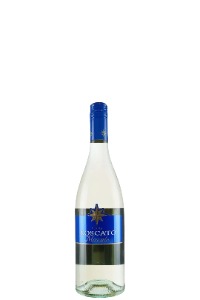
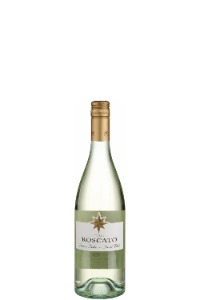
Bianco Dolce – Roscato
Italy
Above, we have handpicked a selection of 10 of our favorite bottles of Roscato wine in various styles, including rosso dolce, bianco dolce, sparkling options and even zesty Roscato Pinot Grigio. These wines represent the finest expressions of this brand, as decided by several wine lovers and experts worldwide.
How did Roscato wines come to be?
Palmbay International, together with the trusted and respected winery, Cavit, which stands for Cantina Viticoltori Trentini, is responsible for producing Roscato wines from premium grapes. Cavit is a cooperative group of 11 cooperative wineries in Trentino and 5000+ associated family winegrowers in the north of Italy. While the specific brand of Roscato wines is recent, Cavit has a long history that began in 1950 and today they are known as America’s number 1 Italian Pinot Grigio producers. Roscato wines were created to offer the US wine market accessible options for sweet Italian wines, offering a chance to “own your sweet spot”.
When you take a sip of Roscato wine, you can expect to taste a sweetness quite similar to the tangy taste of candied citrus peel, red fruit flavors, a light natural sparkle, and moderate alcohol content. Roscato wine stands out because it offers a delightful, syrupy taste that remains balanced and never overpowers the palate.
What is Roscato wine and how is it made?
Roscato wines are sweet red, white or rosé wines produced in Lombardy, in the northern region of Italy. Typically crafted from blends of Italian grapes such as Croatina, Glera, Moscato, Teroldego and Lagrein, these extraordinary wines are the result of combining long established grape growing practices with contemporary winemaking techniques.
How are Roscato wines made?
- Harvesting involves picking each grape variety to be used in the blend at full ripeness to capture the highest amounts of sugar and fruit flavors possible. Individual grapes are vinified separately to allow optimal development of their characteristic tasting notes.
- Gentle pressing and maceration: the grapes are destemmed and the juice is extracted with care. It is then left on the skins for several days at low temperatures to extract the fruit’s aromas and colors.
- Cold fermentation is carried out at temperatures between 45°F and 60°F to preserve the fresh fruit flavors and delicate aromatics in the wine. It is stopped prematurely by chilling the wine or filtering it when it reaches about 5% ABV. This halts the process of the yeasts converting sugar to alcohol and carbon dioxide, leaving a high amount of residual sugar in the Roscato wine.
- The separately vinified wines are then blended in appropriate proportions and placed in closed tanks.
- Second fermentation takes place naturally in pressurized tanks to create the characteristic soft fizz or “frizzante” and delicate sparkle of Roscato. This is known as the Charmat method, and it is stopped at about 7% ABV to maintain the ideal touch of natural residual sugar.
- Aging is for a short period, typically in stainless steel tanks to keep its bright flavors, youthful freshness and fruit notes.
- After aging, the final blend is then bottled and often sealed with screw caps for convenient opening. This means that Roscato wines don’t require a corkscrew or opener, just a twist of the cap and they’re ready to enjoy!
What are the main types and styles of Italian Roscato wine?
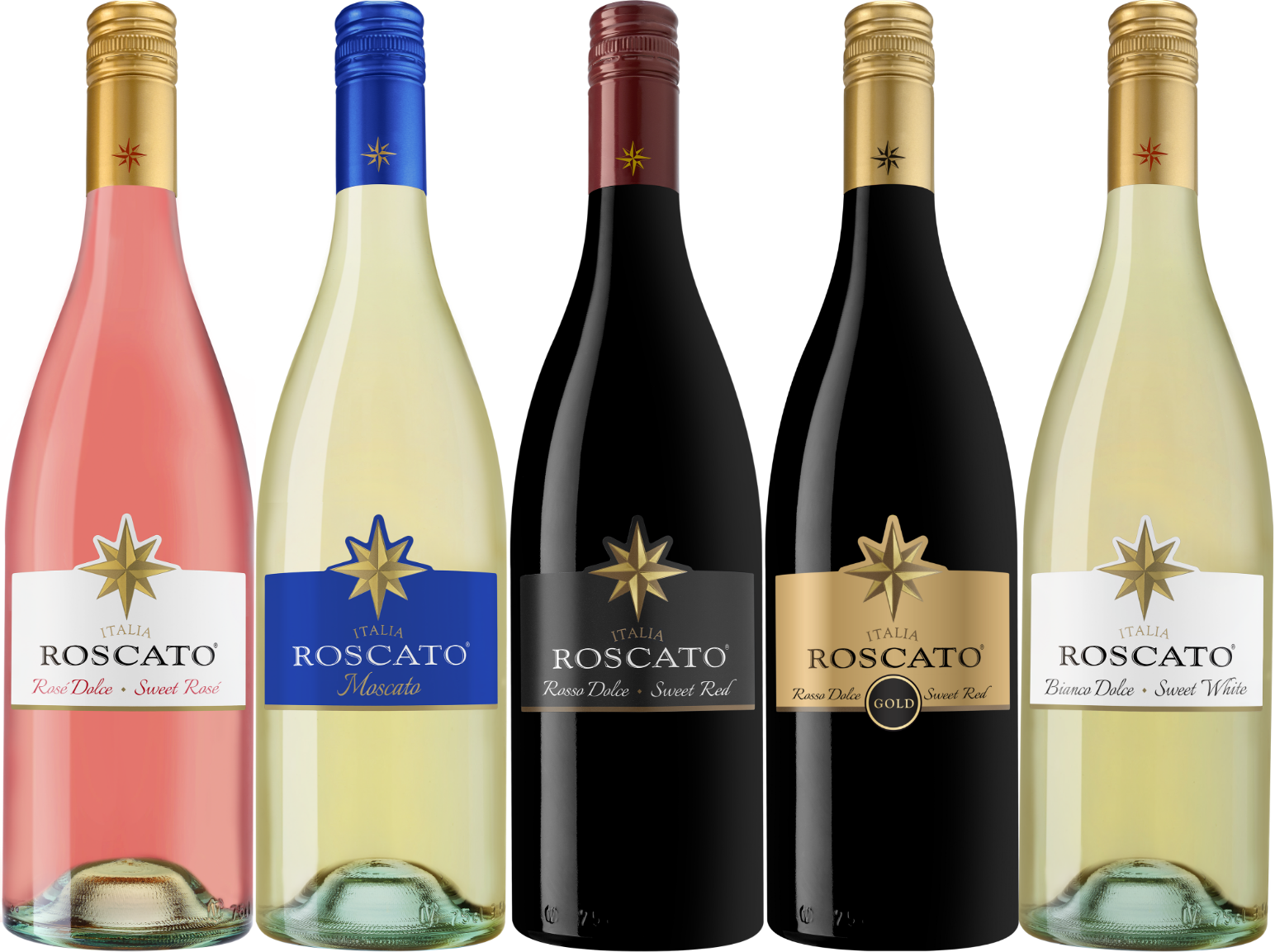
Roscato wine started as the semi sparkling rosso dolce wines, but over the years, the brand has expanded its offerings to include other styles.
Major styles of Roscato wines include:
- Rosso Dolce; which has the specialties Roscato Moscato and Roscato Gold Rosso Dolce;
- Roscato Bianco Dolce; and
- Roscato Rosé Dolce.
In addition to these main categories, some special edition variants have been released, which include the still red blends Roscato Dark Red Blend and Roscato Smooth Red Blend.
These different Roscato wines are crafted with red or white grape varieties combined in distinct proportions to achieve their signature tasting notes.
Although they are primarily soft sparkling or sparkling wines, there are also still options for Roscato wines, such as the Roscato Moscato. Let’s have a look at the main categories of Italia Roscato wines by style.
Roscato Rosso Dolce: America’s favourite sweet red wine
Roscato Rosso Dolce, popularly known as Roscato sweet red wine, is the classic expression of Roscato wines, with prominent flavors of cherry, raspberry and blackberry accompanied by hints of floral notes. This sweet red is well rounded by its vibrant acidity and low alcohol content, and it is best enjoyed chilled. We recommend pairing Roscato Rosso Dolce with everything from desserts to spicy Asian cuisine, it is that versatile!
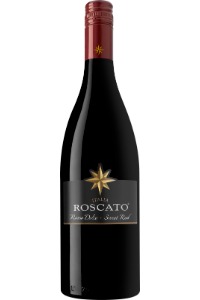
Rosso Dolce Sweet Red – Roscato – Italy – Non Vintage
Roscato Bianco Dolce sweet white wine
Roscato Bianco Dolce is an Italian frizzante that perfectly walks the line between liveliness, rich flavors and clean acidity. Dominant tasting notes include peach, yellow apple and candied citrus with subtle hints of vanilla and butter. Chardonnay and Muscat grapes are the commonly used varieties and they pair well with seafood, fruit platters and light Italian dishes.
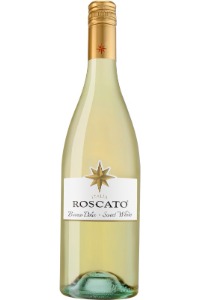
Bianco Dolce – Roscato – Italy – Non Vintage
Roscato Rosé wine
Roscato Rose Dolce is often a signature blend of Pinot Noir, Croatina and Teroldego grapes, with a harmonious balance of sugar and cutting acidity. Its character is refreshing and lightly sparkling, and flavors of strawberry, raspberry and cotton candy are present.
Rosé Dolce – Roscato – Italy – Non Vintage
Roscato Moscato white wine
Roscato Moscato white wine is light bodied and made from the white Moscato grapes. It has a crisp acidity and features floral and fruit notes of apricot, citrus and peach. Its pure aromas make it a versatile food pairing choice, ideal with spicy dishes, creamy soft cheese and light desserts.
Moscato – Roscato – Italy – Non Vintage
Other Roscato red blends (still)
A lot of the Roscato wines tend to be sparkling, with a light “frizzante” that contributes to their playful nature. However, there are some premium variants of the still red blends, including the:
- Roscato Dark Red Blend: a rich, full bodied and sweet wine with a deeper flavor profile compared to the other expressions.
- Roscato Smooth Red Blend is typically velvety and mellow with a silky finish for the wine lover who appreciates elegance.
- Roscato Gold Rosso Dolce Sweet Red is a premium blend made from both native and international grape varieties. only white wine grapes. It is elegant and aromatic with notes of violet, red cherry and spice while maintaining the perfect blend of sweetness and acidity required for an optimal tasting experience.
Perfect food pairings for Roscato wines
Fruit forward and sugary Roscato wine is very versatile when it comes to food pairings. Its naturally high sugar levels stand up to spicy cuisine and salty dishes, while its charming fizz keeps the atmosphere lively. It can be savored as an aperitif, paired with rich tomato based pasta or as an accompaniment for light appetizers.
Here are some of the best food pairings for Roscato wine:
| Food | Roscato Wine / Grape | Rating | Type & Structure |
|---|---|---|---|
| Roasted chicken, duck confit, pork tenderloin | Bianco Dolce – Roscato – Italy | 5/5 | Sweet yet refreshing with delicate aromas of peach, candied citrus and yellow apples. |
| Sweet and spicy wings, grilled turkey, barbecue ribs | Rosso Dolce Sweet Red – Roscato – Italy | 5/5 | Lively, fresh and bubbly wine, flavors of blackberries and wild berries are present. |
| Tikka masala, tacos, Sichuan noodles, Tom Yum | Gold Red Wine – Roscato – Italy | 4.9/5 | Ruby red with bold dark fruit flavors of blackberry and plum and sweet spice, violet and red cherry aromas. |
| Tomato and garlic pasta, lasagna, spaghetti bolognese, fettuccine Alfredo | Black Cherry Red Wine – Roscato – Italy | 4.9/5 | Semi sweet and light bodied, inviting aromas of black cherry, almond and vanilla are present, complemented by other red fruits. |
| Prosciutto, salty crackers, charcuterie board, cured meats, cheese boards, salted almonds | Tropical White Wine – Roscato – Italy | 4.8/5 | Shiny straw yellow in color, this slightly sweet wine is creamy with juicy notes of exotic mango, pawpaw, pineapple and passionfruit. |
| Gorgonzola, Mozzarella, aged Gouda, Stilton | Blueberry Red Wine – Roscato – Italy | 4.8/5 | Dark, ruby red hued wine, its dry tannins are offset by a pleasant fruity sweetness from blueberry, red berry and fresh grassy notes. |
| Fruit tarts, strawberry shortcake, banana pudding, peach cobbler | Peach White Wine – Roscato – Italy | 4.7/5 | Balanced acidity with intense ripe white peach aromas, hints of citrus and subtle floral undertones. |
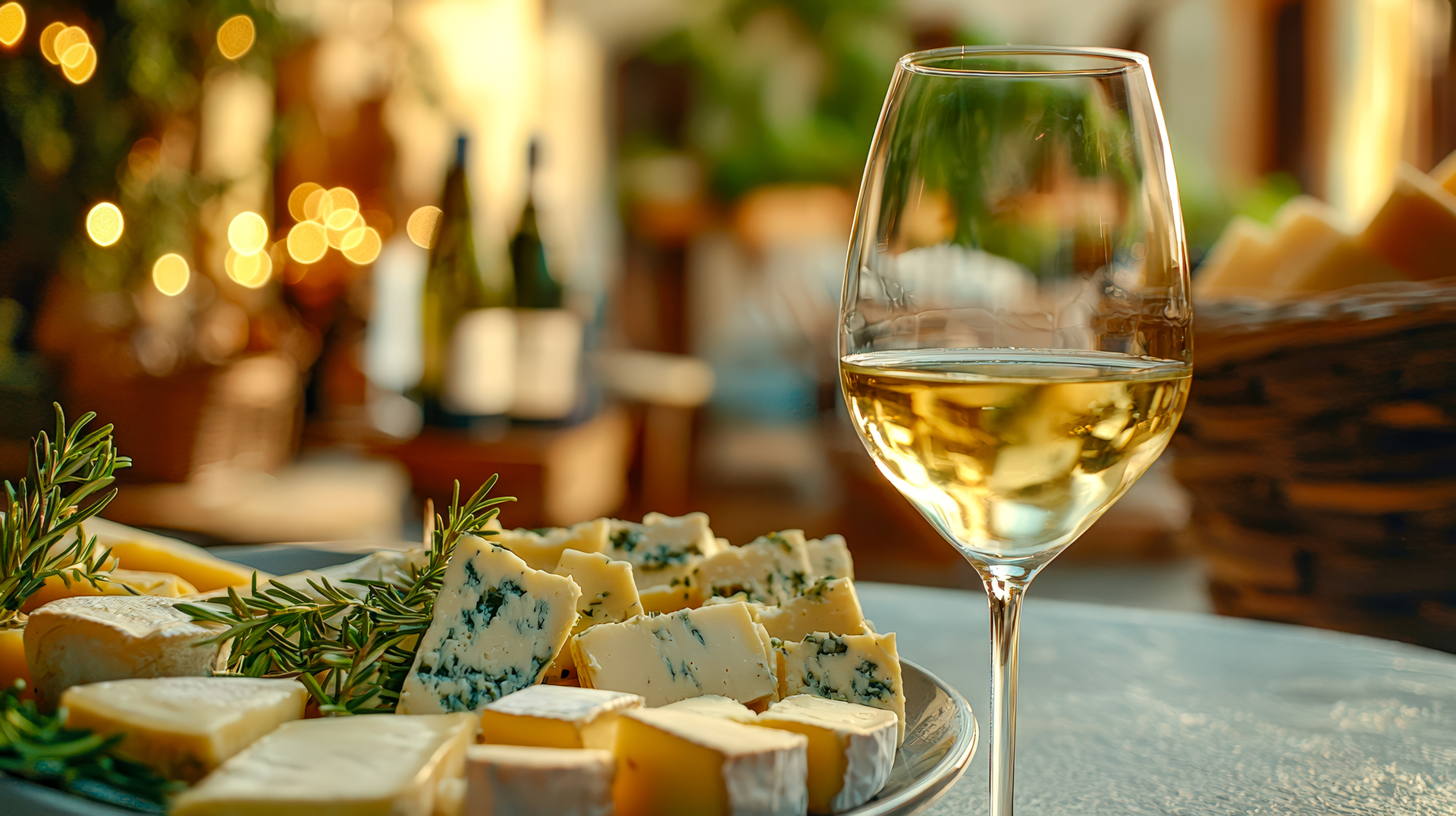
A look at the Roscato wine grapes
Roscato wines come in different styles, and although they are mainly produced with blends of native Italian grapes, some variations feature international grape varieties as well. Here is a look at some of the grape varieties present in Roscato wines.
Roscato red wine grapes:
- Croatian grapes add depth, structure and color to Roscato sweet red blends. Wines produced from Croatiana typically have rich flavors of plum, cherry, spice and dark red berries.
- Teroldego is known for its high acidity and naturally noticeable tannins. It adds flavors of rich dark fruits, herbs, spicy notes and fresh and juicy notes to its wines. It is one of the three key grapes for crafting Roscato Rosso Dolce.
- Lagrein contributes a velvety mouthfeel and moderate tannins to the mix. Its taste profile is characterized by dark red fruit tastes such as plum and black cherries, violets, cocoa and licorice. It works together with the other grapes in the blend to yield a harmonious wine.
- Pinot Noir remains elegant and charming, bringing its nuanced herbal and fruit notes as well as layered vibrant flavors of spice and vanilla to Roscato Rosés.
Roscato white wine grapes:
- Chardonnay is crisp and citrusy, with notes of apple and citrus, as well as a minerality that benefits from the brief stainless steel aging that Roscato wines are subjected to. It is usually present in Bianco Dolce wines.
- Moscato can be used to produce Roscato Moscato and Bianco Dolce wines. It is floral with tasting notes of peaches, orange blossoms, nectarine and fresh grapes.
- Pinot Grigio has a zesty finish, is light and known for its fruit flavors of lemons, peaches, green apples, limes and honeysuckle. It is used to craft a variation of Roscato Pinot Grigio wine.
- Glera is typically featured in Roscato Prosecco, contributing bright acidity, flavours of white peach and green apple. It is clean and crisp on the palate with a persistent finish.
Roscato premium wine variants prices broken down
A 750ml bottle of Roscato wine typically retails for less than $50, with prices varying slightly depending on the wine style and specific winemaking methods. However, special edition releases, limited edition bottlings and aged Roscatos tend to be more expensive than the standard offerings.
What are some factors that influence the Roscato premium wine prices?
- The grapes present in the wine affect its pricing, as Roscato with international grape varieties like Chardonnay may cost more.
- Due to the extra care involved in their production, Roscato Dark, Gold and Smooth blends typically have a higher price point than classic expressions due to the extra care that goes into their production.
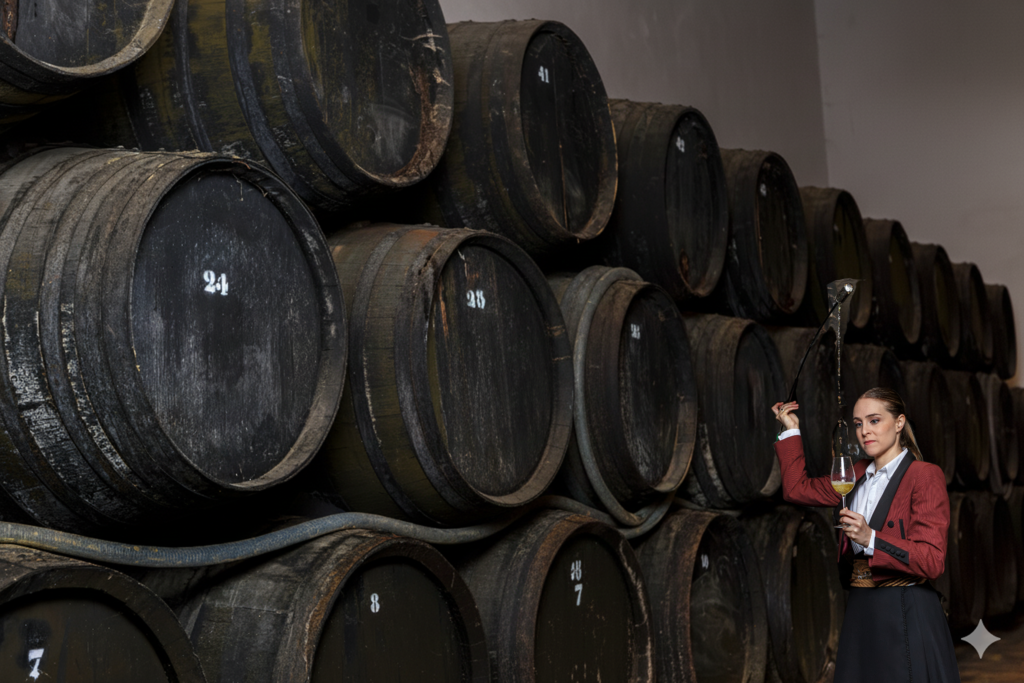
- Extra aging in oak barrels for extended periods of time also plays a part in the steep prices that some bottles of Roscato wine command.
How to correctly serve Roscato wine
Roscato wines are fun, effervescent wines with low alcohol and a crisp acidity.
Ideally, these wines should be served chilled between 45-50°F to highlight the bubbles and invigorating acidity. Serving Roscato at room temperature is not ideal as it may become flat and taste cloying.
Below are some selected Roscato wines and a glimpse at their structure, as well as recommended serving temperatures.
| Roscato Wine & ABV | Roscato Wine / Grape | Rating | Tasting Notes | Type & Structure |
|---|---|---|---|---|
| Rosso Dolce Sweet Red – Roscato, 7% ABV – Italy | Soft tannins, refreshing acidity | 5/5 | Refreshing and crisp sweet red wine, with aromas of fresh berries and violets. | 1-2 years 45-55°F (7-13°) |
| Tropical White Wine – Roscato, 5% ABV – Italy | Mellow tannins, vibrant acidity | 5/5 | Vibrant and delicious, exploding with exotic notes of pineapple, mango, pawpaw and passionfruit. | 1-2 years 50°F (10°C) |
| Sparkling Sweet Red – Roscato, 10% ABV – Italy | Light tannins, high acidity | 4.9/5 | Sweet yet refreshing with delicate aromas of peach, candied citrus and yellow apples. | Sweet yet refreshing with delicate aromas of peach, candied citrus and yellow apples. |
| Roasted chicken, duck confit, pork tenderloin | Bianco Dolce – Roscato – Italy | 4.9/5 | A violet hued red with a touch of sweetness and underlying acidity, accompanied by charming cherry, blackberry and raspberry notes. | 1-2 years 45-55°F (7-13°) |
| Bianco Dolce – Roscato, 8% ABV – Italy | Light tannins, bright acidity | 4.8/5 | Pale straw in color with a bouquet of pretty peach, candied citrus and yellow apples, as well as a persistent finish. | 1-2 years 45-50°F (7-10°C) |
How to store and keep Roscato wine
Storing Roscato wine properly will preserve its flavor, delightful sparkles and extend its life in the cellar. Be it an open bottle that you want to stretch for days, or a treasured vintage, here are some simple tips to maintain the quality of your wines:
- Store it at a consistent temperature in a cool and dark space, away from direct sunlight.
- Place the unopened bottles lying on their side to keep the corks moist. If the cork dries out, it will shrink and allow air into the wine.
- Tightly seal an opened bottle of Roscato wine with a vacuum stopper and place in a wine refrigerator. If you store it properly, it can last for 2 to 3 days even if the fizz reduces slightly.
Choosing the right Roscato wine as a beginner: Rosso Dolce or Bianco Dolce?
If you’re a newcomer to the world of red wines, Roscato Rosso Dolce is a good place to start because of its light tannins and vibrant acidity that evens out its syrupy taste profile. Its low alcohol content also Here are some tips to help you choose the right Roscato wine as a beginner:
- Start with the classic Rosso Dolce if you’d love to try out a sweet red wine, or Bianco Dolce for a taste of white wine goodness.
- Serve it chilled, around 45-55°F (7-10°C) to keep it refreshing.
- Choose a white wine glass or a stemless wine glass that will concentrate its flavors.
- Drink it as an aperitif, or pair it with spicy dishes or salty crackers for casual dining.
- Step out of your comfort zone and experiment with simple cocktail mixes! Add some ice and fruit slices to enhance your tasting experience.
You might also be interested in

FAQs on Roscato wine
How many calories are in a glass of Roscato wine?
A standard glass of Roscato Rosso Dolce (about 3.5 fl oz) contains approximately 160 calories, while a 5 ounce serving of Roscato Rosé Dolce wine contains about 130 calories. The calorie content in Roscato sweet wine differs depending on the type of wine, with sweeter and higher alcohol varieties generally having more calories.
Do you chill Roscato sweet red wine?
Yes, we advise that you chill Roscato sweet red wine to a temperature around 45-55°F (7-13°C) before serving. Its delicate sparkles and bright sweetness are more enjoyable when chilled and served in a white wine glass. Other Roscato wines should also be chilled, like Bianco Dolce between 45-50°F (7-10°C).
What kind of wine is Roscato?
Roscato wine refers to any of the wines from the Roscato winery in northern Italy. These wines are sweet, softly fizzy and designed to be approachable and food friendly. They include Roscato Rosso Dolce, Roscato Bianco Dolce, Roscato Rosé and Roscato Moscato. Other special edition wines include Roscato Smooth, Roscato Dark and Roscato Gold.
Does Roscato wine expire?
Yes, Roscato wine can eventually expire, but how long it takes is dependent on whether it is opened or unopened. An unopened bottle of Roscato wine is best enjoyed for 1 to 3 years, but it can last longer. On the other hand, opened Roscato should be consumed between 1 to 3 days. To preserve it, use a wine stopper and place it in a wine fridge. This will reduce the amount of fizz and floral aromas that will be lost.
Does Roscato wine have sugar?
Yes, Roscato wine has a high level of natural residual sugar, usually between 90g/L to 140 g/L. This is a result of the cold fermentation process that is halted early, leaving a significant amount of unfermented grape sugar in the final product. This sweetness is balanced by a bright acidity that makes its taste not overwhelming.
How much alcohol content is in Roscato wine?
There is a relatively low alcohol content in Roscato wine, with most styles containing between 7% and 12% alcohol by volume (ABV). This is lower compared to many other red and white wine styles, making it an easy to drink option for people who prefer a lighter option.
How to open a Roscato wine bottle?
Roscato wine bottles are often sealed with a screw cap rather than a cork. To open a bottle of Roscato wine, twist the screw cap anticlockwise until it comes off. Pour out the wine slowly at an angle of 45° to avoid overflow and keep it from foaming.
What are some wines similar to Roscato wine?
Wines similar to Roscato Rosso Dolce include other sweet red wines such as Brachetto d'Acqui and Lambrusco. Some sweet white wines like Moscato d'Asti and Riesling also have a taste profile that is comparable to Roscato Bianco Dolce.
Is Roscato a sweet wine?
Yes, Roscato Rosso Dolce is a sweet red wine from the line of wines produced by Roscato winery in Lombardy, Italy. It is semi sparkling, fruit forward and light to medium bodied with a persistent finish. Other wines from the same brand include Roscato Bianco Dolce, Roscato Moscato and Roscato Rosé wines.
What is the difference between Roscato and Moscato?
The major difference between Roscato and Moscato is that Moscato is a grape variety, while Roscato is a brand of Italian wines that may be red or white. Moscato typically refers to wine made from the white Muscat grape, known for its sweet and fruity aromas. The Roscato brand has a sweet red blend, known as the “Rosso Dolce”, which is sometimes called a Moscato style red wine.
Is Roscato made in Italy? OR Is Roscato made in the US?
Roscato wine is made in Italy, specifically in Piedmont in Northern Italy. The brand is associated with the Castello del Poggo winery, and they craft their line of wines from indigenous grapes, including Croatina, Teroldego, Lagrein, Moscato, as well as the international grape variety Chardonnay.
