

Fine Tuscan wine recommendations for 2026
Tuscany is iconic for many reasons: its beautiful landscape, architecture, culture and naturally, its food and wine. Tuscan wine is typically bold and elegant, with the Sangiovese grape offering a timeless taste. We have curated this guide to the wines of Tuscany to help you discover your next favorite bottle!
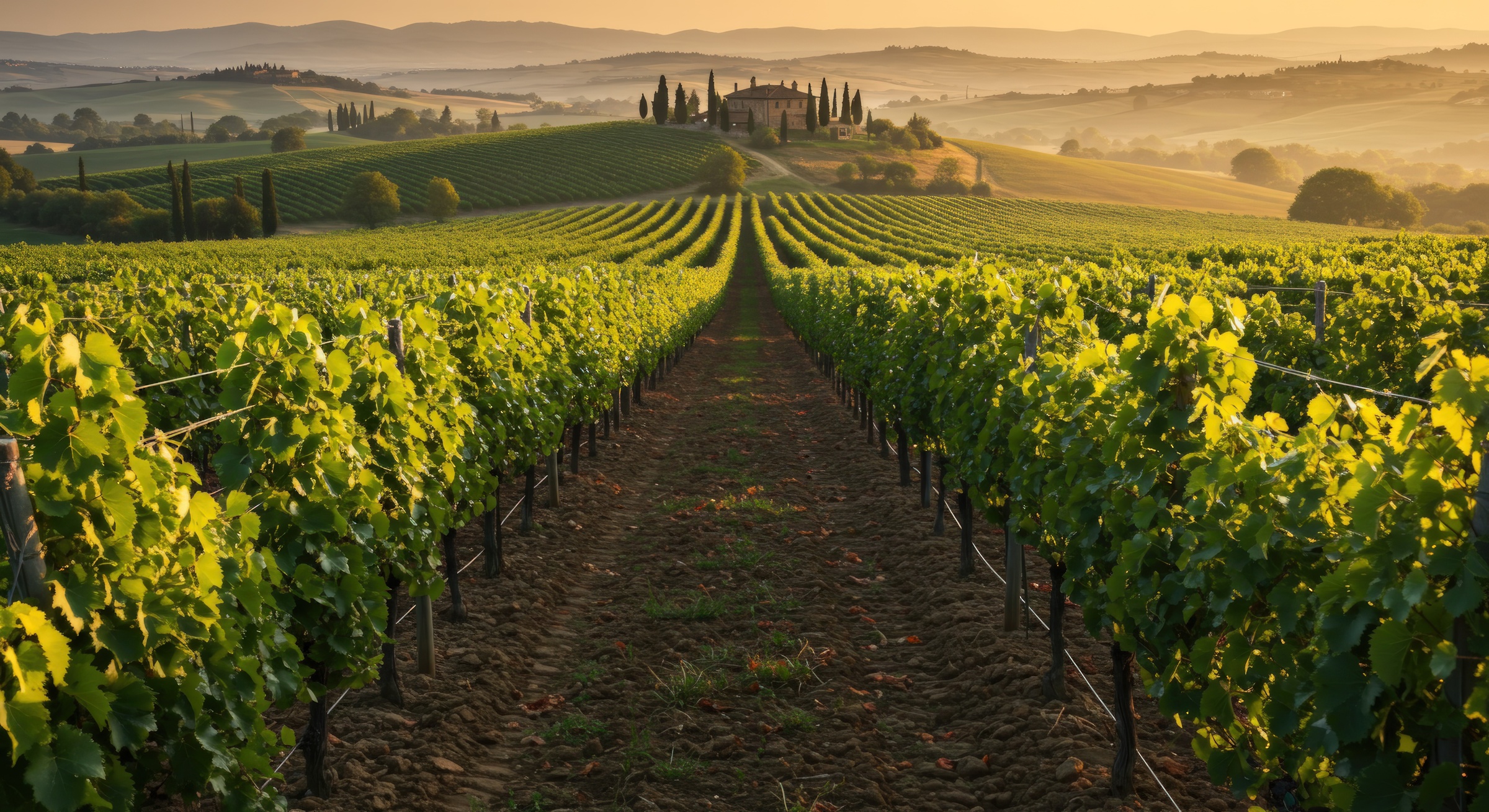

Table of Contents
10 Best Tuscan wines to buy this season
Madonna del Piano Brunello di Montalcino Riserva – Valdicava 2019
Montalcino, Tuscany, Italy
Brunello di Montalcino Cerretalto – Casanova di Neri 2019
Montalcino, Tuscany, Italy
Ornellaia Bolgheri Superiore – Tenuta Dell’ornellaia 2015
Bolgheri, Tuscany, Italy
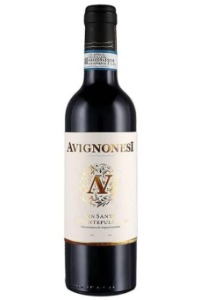
Vin Santo di Montepulciano – Avignonesi 2010
Montepulciano, Tuscany, Italy
Tignanello – Marchesi Antinori 2022
Chianti, Tuscany, Italy
Guado Al Tasso Superiore – Antinori 2019
Bolgheri, Tuscany, Italy
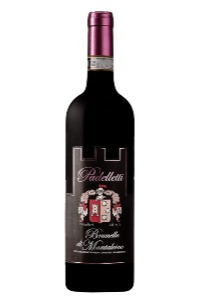
Brunello di Montalcino – Padelletti 2020
Montalcino, Tuscany, Italy
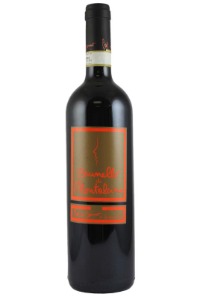
Brunello di Montalcino – Col di Lamo 2020
Montalcino, Tuscany, Italy
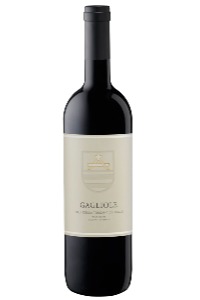
Colli della Toscana Centrale – Gagliole 2021
Chianti, Tuscany, Italy
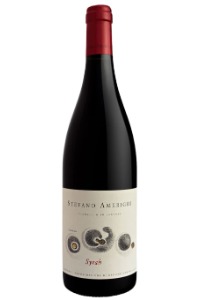
Cortona Syrah – Stefano Amerighi 2022
Cortona, Tuscany, Italy
The list above highlights ten of the best Tuscan wines to consider for your cellar. These bottles were chosen for strong critic reviews but also for solid customer ratings, giving you a selection that reflects to the best what real wine lovers genuinely enjoy.
Key Tuscan wine types
Tuscany’s wine tradition stretches back to the Etruscans who first cultivated vines across the rolling hills and coastal plains. Over the centuries, local growers refined their techniques, shaping styles that became cornerstones of Italian wine culture. Today, the region produces an impressive range of wines, let’s see them in detail together:
Tuscan red wine has shaped the identity of the region thanks to centuries of Sangiovese cultivation. These wines balance savoury depth and vibrant acidity. Top examples of Tuscan red wines are Chianti Classico, Brunello di Montalcino, Vino Nobile di Montepulciano and Bolgheri.
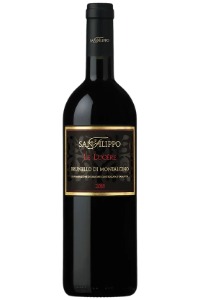
Le Lucere Brunello di Montalcino – San Filippo 2018 – Montalcino, Tuscany, Italy
Tuscan white wine production evolved through local grapes adapted to coastal breezes and hillside climates, producing fresh and mineral driven styles that complement the region’s opulent cuisine. Top examples of Tuscan wines are Vermentino, Vernaccia di San Gimignano and Trebbiano Toscano.
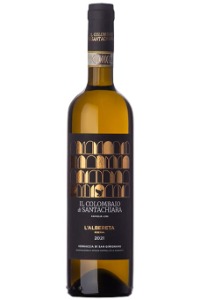
Il Colombaio di Santa Chiara – L’Albereta Vernaccia di San Gimignano Riserva 2021 – San Gimignano, Tuscany, Italy
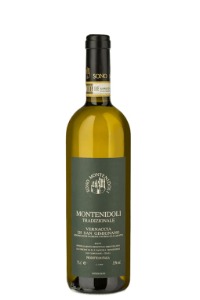
Montenidoli – Vernaccia di San Gimignano Tradizionale 2023 – San Gimignano, Tuscany, Italy
Tuscan sparkling wine production began with winemakers seeking lively, aromatic styles suited to celebration and seafood heavy coastal dishes. These wines are bright, crisp and increasingly refined. Top Tuscan sparkling wines are Franciacorta-style Metodo Classico, Vermentino Spumante and Rosé Sangiovese Spumante.
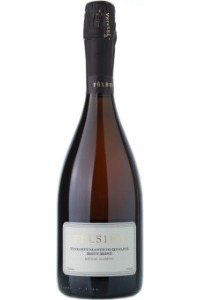
Felsina Brut Rosé – Tuscany, Italy
Tuscan rosé wine grew from traditional Sangiovese vinifications, offering a refreshing expression with red berry intensity and herbal lift. It has become a favourite for warm seasons and light dishes. Top examples of Tuscan roses are Rosato di Toscana and Sangiovese Rosé from coastal Maremma.
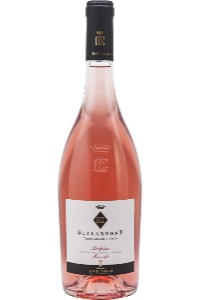
Scalabrone Rosato – Tenuta Guado al Tasso 2023 – Tuscany Italy
What are Tuscan wines?
Tuscan wines come from the Tuscany region in central Italy. The area is best known for dry reds made from Sangiovese, including Chianti, Brunello di Montalcino and Vino Nobile di Montepulciano. Tuscany also makes rosé and whites like Vernaccia di San Gimignano and traditional sweet wines such as Vin Santo. Super Tuscans are another important category, produced by blending Sangiovese with grapes like Cabernet Sauvignon or Merlot to create fuller and richer reds.
Top Tuscan wine brands
A charming detail about Tuscany’s top wineries is how many of their signature wines began almost by accident. Sassicaia from Tenuta San Guido, for example, was never meant for the public: the family originally made it only for private enjoyment and served it to guests at home. When a few bottles were shared with friends outside the estate and quietly circulated among collectors, people were stunned by its quality. Only then did the owners decide to release it. What began as a quiet family project became one of Italy’s most influential wines and set the stage for the rise of coastal “Super Tuscans.”
That sense of discovery is part of what defines Tuscany. On the coast, estates like Ornellaia, Le Macchiole and Tua Rita developed their own styles shaped by proximity to the sea. Winemakers often describe the Mediterranean breeze as a natural cooling system that keeps the vineyards fresh during hot afternoons. This gentle influence gives their Cabernet and Merlot blends a smooth, polished character that has made coastal Tuscany one of the most dynamic wine areas in Italy.
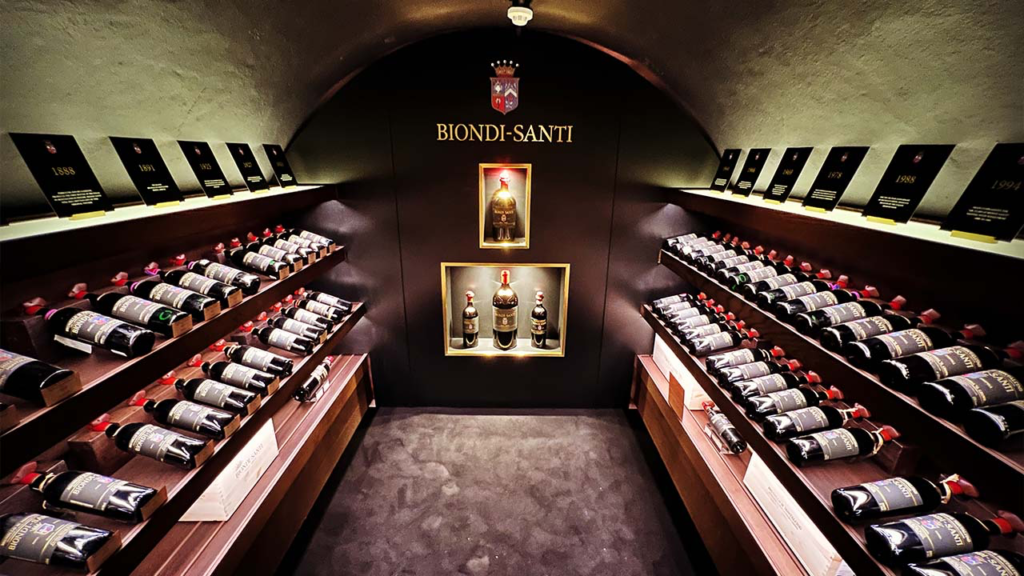
Further inland, the story changes but the sense of tradition deepens. Families such as Antinori and Frescobaldi have guided Tuscan winemaking for centuries, shaping the region’s reputation for refined Sangiovese. The legacy becomes even more defined in Montalcino, where Biondi-Santi created the first Brunello. Their long lived wines set the benchmark for elegance and remain essential examples of what Sangiovese can achieve when handled with patience and care.
In Chianti Classico and central Tuscany, producers like Castello di Ama, Felsina, Ricasoli and Fontodi continue this focus on terroir. Their vineyards sit across hillsides where soil, elevation and exposure shift from plot to plot, giving each wine a distinct personality. Despite their international reputations, many of these estates keep their tasting rooms simple. At Felsina and Fontodi, visitors describe the experience as stepping into a friend’s cellar rather than a luxury venue, a reminder that the heart of Tuscan wine remains rooted in authenticity.
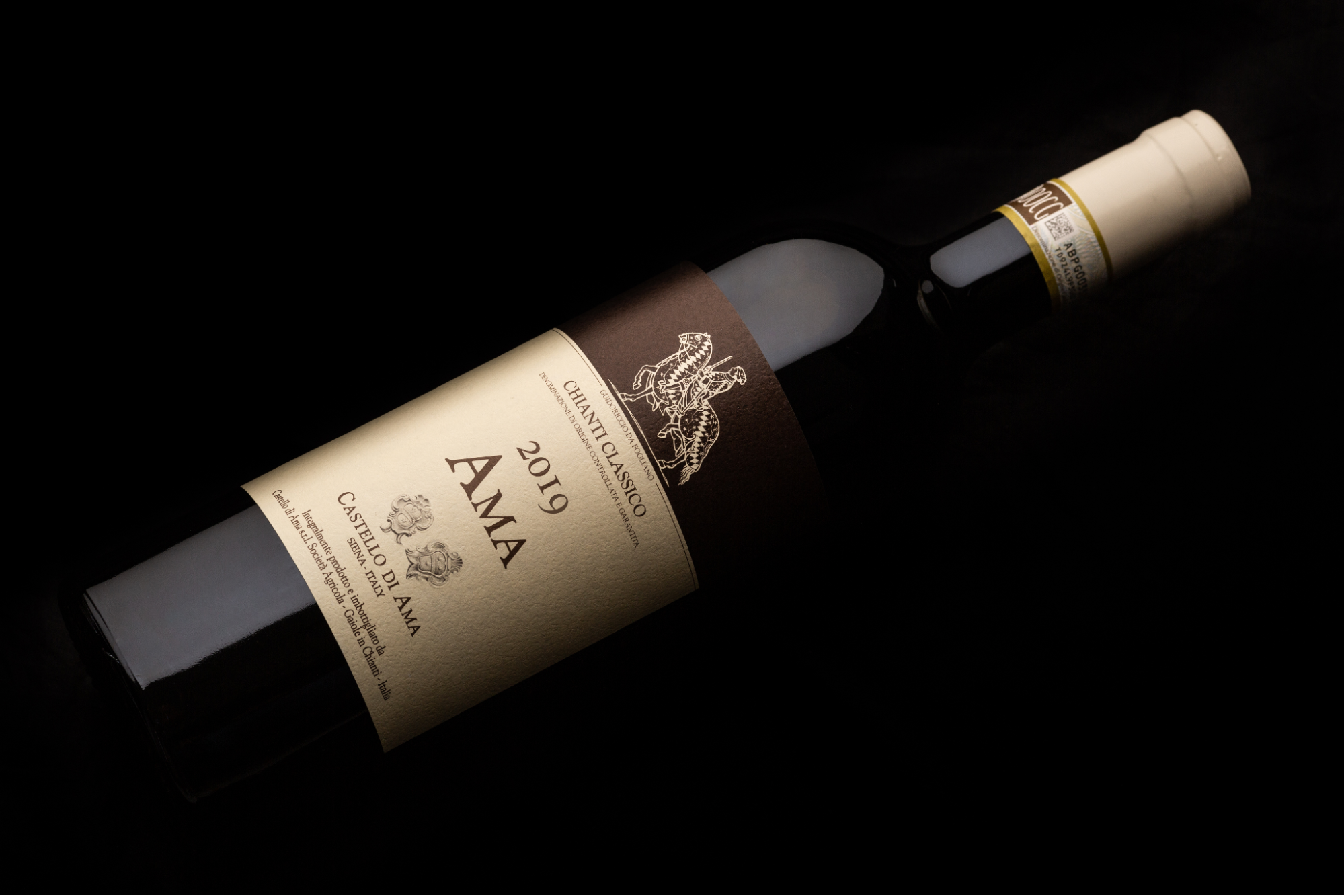
Fun fact: these estates also have their small, charming traditions. At Castello di Ama, the vineyard dog has become such a familiar presence that guests often ask about him before asking about the winemakers. Photos of him appear on social media and over time he has become an unofficial mascot of the winery. It is a small detail, yet it captures the warmth and personality that define Tuscany’s wine culture.
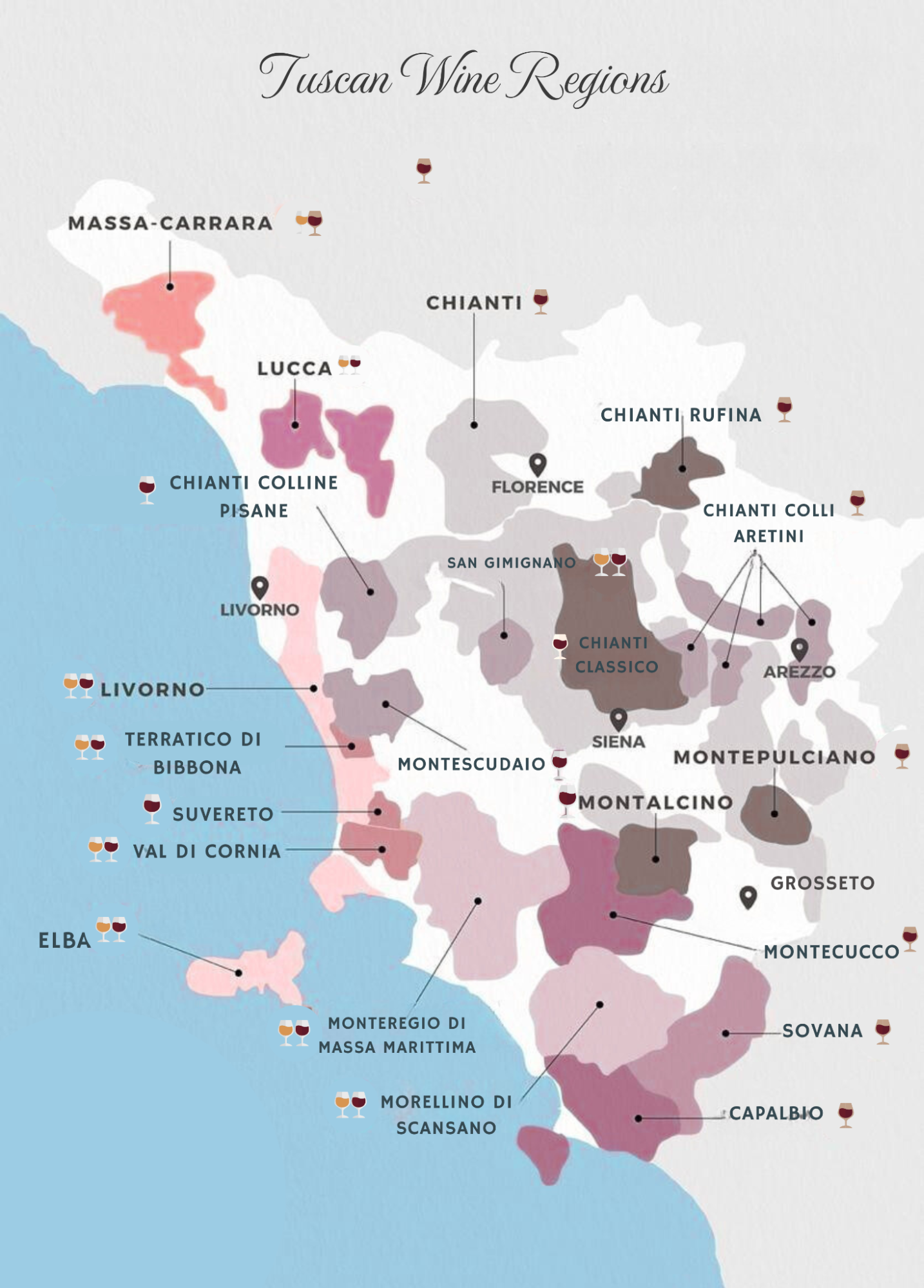
Tuscan wine regions
Tuscan wine regions are diverse, with unique soil types, altitudes and microclimates. The coastal zone of Bolgheri is wet and humid, with soil varying from sandy to clayey in the central zone. There are also warmer inland areas like the Chianti hills and Montalcino, which have dry spells long enough for the grapes to thrive.
Tuscany is home to world class wine estates and historic vineyards, with winemakers who have perfected the art of combining tradition and innovation.
The most popular Tuscany wine regions or communes are:
- Bolgheri is known for its mild climate as a result of the influence of the Tyrrhenian sea. It is an ideal terroir for producing complex and powerful wines.
Reputable vineyard: Tenuta San Guido - Chianti: a beautiful landscape of dense vineyards, rolling hills and chestnut forests with a mild climate that gives rise to the unique, savory wines.
Reputable vineyard: Fattoria San Leolino - Montalcino is acclaimed as the home of the famed Brunello di Montalcino wines. The weather here is decidedly Mediterranean, warm and dry, with diverse soil types.
Reputable Vineyard: Santa Giulia Montalcino - Montepulciano: here, the summers are short and warm and the winters long and cloudy. An enchanting landscape nestled among hills, it is known for the renowned Vino Nobile di Montepulciano.
Reputable vineyard: Ercolani Montepulciano - San Gimignano: with its mild, moderate climate, diverse soil types and scenic hills, San Gimignano is a terroir with distinct character, known for the Vernaccia white wines.
Reputable vineyard: Tenuta Torciano - Cortona: a gorgeous landscape dotted by vineyards and olive groves, renowned for its longstanding winemaking tradition.
Reputable Vineyard: Tenimenti Luigi d’Alessandro - Pomino is the highest wine region of Tuscany, renowned for its top tier wines with unforgettable depth, expressiveness and complexity of character.
Reputable vineyard: Frescobaldi Castello Pomino - Elba: the island of Elba is the largest in Tuscany, known for the charm of its beautiful beaches and vineyards cultivating native grapes.
Reputable Vineyard: Tenuta della Ripalte - Maremma is a unique expanse of land in Lazio and southern Tuscany. The terroir is diverse, including sandy beaches and the blue sea, black rock, marshes, hills and flatlands.
Reputable vineyard: Azienda Agricola Villanoviana
For each of these regions, there are special grape varieties grown, like the rustic Sangiovese grapes from Chianti and San Gimignano’s citrusy Vernaccia grapes, that add to their character and fame.
What are the notable grapes used for Tuscan wines?
Tuscany’s vineyards are home to indigenous and international grape varieties are grown, with the local Sangiovese grape reigning supreme as the region’s leading variety. Sangiovese is the backbone of iconic wines like Chianti, Brunello di Montalcino and Vino Nobile di Montepulciano.
The international grape varieties most cultivated in the region are Cabernet Sauvignon, Merlot and Syrah, often blended into the acclaimed Super Tuscan wines of the region. White wine grapes like Vermentino and Trebbiano are also well cultivated offering great diversity and freshness.
Some of the notable grape varieties in Tuscany include:
Tuscan red wine grapes
- Sangiovese, a savory, tart and juicy grape, the undisputed king of Tuscan red wines. It is responsible for a wide range of wines, including delicate, floral styles and intensely dark and tannic expressions in Chianti.
Notable wine: Chianti Classico - Cabernet Sauvignon with its rich, tannic and spicy notes, offers concentrated flavors and red fruit notes and can be blended in with other varietals to produce wines like the Bolgheri DOC.
Notable wine: Super Tuscan blends, Bolgheri DOC blends - Merlot is the second most cultivated black grape variety after Sangiovese in Tuscany, a remarkably smooth and fruity wine with moderate acidity and soft tannins. It is popularly cultivated in Montalcino vineyards.
Notable wine: Colline Lucchesi Merlot, Super Tuscan blends - Pinot Nero, whose fine cone shaped grapes are well cultivated in Pomino, is a joy to drink, with its bright acidity, fine tannins and delicate red fruit aromas.
Notable wine: Pomino Rosso DOC blend - Canaiolo Nero, a native Tuscan grape variety, is commonly grown in Chianti vineyards. It yields astonishing medium bodied wines that are soft and mellow with a fruity and spicy nose.
Notable wine: Toscana IGT Canaiolo Nero, Chianti DOCG blends - Ciliegiolo’s name means ‘little cherry’ due to the abundant notes of sour cherry that characterise its wines. An indigenous Tuscan grape widely grown in Montalcino, its wines are light and fragrant.
Notable wine: bottled as a monovarietal or as a part of Sangiovese blends. - Syrah: versatile, with a dark red color and intense flavors of spice, blackberry, leather and liquorice. These grapes have found an ideal habitat in the clay rich soils of Cortona.
Notable wine: Super Tuscan blends or Cortona DOC wines - Abrusco is an ancient variety primarily cultivated in Chianti where it yields elegantly structured wines with flavors of sweet spice, pomegranate, cacao beans and star anise.
Notable wine: Chianti DOCG blends - Aleatico: predominant in the island of Elba off the coast of Tuscany, this grape variety can produce both elite sweet and dry wines with intense floral and fruity aromas.
Notable wine: Aleatico Passito DOCG - Alicante Bouschet has both red skin and a red pulp, so it is called a “teinturier” grape. It is found in Bolgheri, and its wines are spicy, smoky and fruit forward.
Notable wine: Alicante Bouschet
Lesser-known grapes are:
- Bonamico is a late ripening variety that produces high yields and wines that are highly acidic, with robust tannins, low alcohol levels and floral aromas. It is widely grown in Pisa.
Notable wine: it can be bottled as part of Tuscan DOC blends - Colorino is an indigenous Italian grape variety, primarily cultivated in Chianti, Tuscany. Its berries are highly tannic and deeply pigmented and they may be used as coloring agents in red wines.
Notable wines: Colorino, Chianti DOCG - Gamay: known for its light bodied, aromatic and vibrant wines that are easy to drink and have notes of red berries, cherries and flowers. It is cultivated to an extent in Cortona.
Notable wine: Cortona DOC - Mammolo: produces wine with a beautiful scent of violets, which can be in red wine styles or rosés. In Tuscany, Mammolo is grown in limited quantities in Chianti.
Notable wine: Chianti DOCG wine blends - Pugnitello is a rediscovered indigenous Italian wine grape that is grown in some Montepulciano vineyards. Its powerful and elegant wines are subtly herbaceous, with high alcohol content, fine tannins and balanced acidity.
Notable wine: Toscana IGT - Tempranillo: typical flavors of wines made from this grape varietal include complex and smooth aromas of cherry, plum, raspberries and pepper. It is grown across vineyards in San Miniato, Pisa.
Notable wine: Toscana IGT
Tuscan white wine grapes
- Vernaccia: Vernaccia is most commonly associated with San Gimignano where it is crafted into delicate and intense wines that are crisply acidic and citrusy.
Notable wine: Vernaccia di San Gimignano - Vermentino is cultivated near the sea on the Elba Islands. It is a straw colored, medium sized berry that gives elegant, full bodied and fresh wines.
Notable wine: Vermentino di Toscana IGT - Trebbiano Toscano: produces clean, light and saline wines with dry notes of green apple, stone fruit and lemon. It is grown in Carmignano vineyards as well as worldwide.
Notable wine: Trebbiano Toscano IGT, Vin Santo - Malvasia Bianca Lunga: also called Tuscan Malvasia and Malvasia del Chianti, this grape is cultivated in all provinces of Tuscany, especially Chianti. In the past, it was combined with red grapes to produce Chianti wine blends where it contributed a note of acidity and freshness.
Notable wine: Vin Santo - Chardonnay: thriving in the Maremma, it is elegant and structured and may display tropical fruit notes and hints of white flowers, citrus and oak when aged.
Notable wine: Chardonnay, Franciacorta - Malvasia bianca is the general name for a group of yellowish green white berries that yields warm, aromatic and floral wines. In Tuscany, Malvasia bianca is a principal grape variety in Montecucco.
Notable wine: Montecucco DOC Vin Santo - Ansonica is grown on the Tuscan islands of Elba and Giglio, a uniquely tannic grape that yields wines that are complex and have a slightly chalky texture.
Notable wine: Ansonica Costa dell’Argentario DOC, Elba DOC
Lesser-known grapes are:
- Marsanne: the primary flavors in this grape are quince, apricot,beeswax and acacia. Its wines are elegant dry white wines or the rare sparkling expressions. Marsanne can be found growing in limited quantities in vineyards in Montepulciano.
Notable wine: in blends with Rousanne - Roussanne berries turn reddish brown when ripe, and are produced in some Montepulciano wineries.
Notable wine: in blends with Marsanne - Viognier: well suited to the warm climate of Montalcino, these grapes give richly aromatic wines that are both expressive and elegant.
Notable wine: white wine blends, single varietal Viognier
Tuscan wines food pairing recommendations
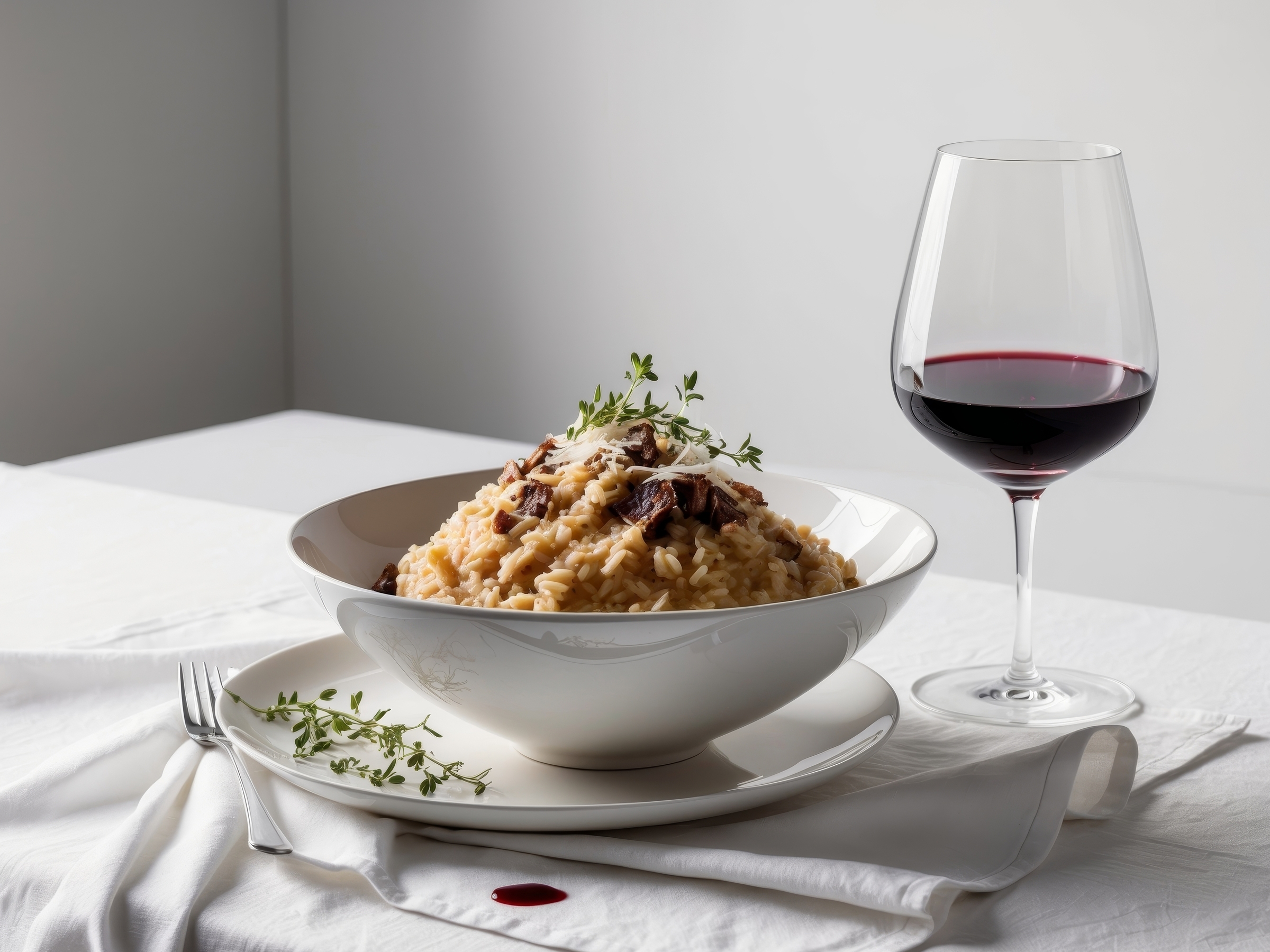
Pairing the different wines from Tuscany with Italian dishes is an excellent idea, as they are complementary and create a perfect harmony of flavor and texture. These wines also work surprisingly well with Mexican dishes and certain Asian cuisines, especially those with smoky, spicy or umami rich flavours.
| Food | Best Tuscan Wine | Aged | Rating | Type & Structure |
|---|---|---|---|---|
| Bistecca alla Florentina, roast squab with truffles, Sichuan pepper beef, duck with plum sauce | Brunello di Montalino Riserva 2019 – Fattoria dei Barbi – Italy | 4-5 years ABV: 14.7% | 5/5 | Medium to full bodied with bright flavors and velvety tannins. It is easy to drink, with ripe cherry, tea leaf and dried orange aromas. |
| Pecorino cheese, pasta all’Amatriciana, Margherita pizza, Korean bulgogi, Japanese curry | Chianti Classico Gran Selezione Vigneto Il Poggio 2019 – Castello di Monsanto – Italy | 2-3 years ABV: 14% | 5/5 | Very succulent with firm tannins and a medium body, raspberry, cranberry, orange peel and floral aromas are present. |
| White fish chilli, grilled steak, portobello burgers, carne asada tacos, Korean galbi | Casalferro 2020 – Barone Ricasoli – Italy | 2-3 years ABV: 14.5% | 4.9/5 | Medium bodied with polished tannins and aromas of violets, orange peel, clove and white pepper undertones. |
| Roast veal, ragù alla bolognese, teriyaki seared salmon, venison, Thai beef salad, | Poggio de Colli 2021 – Piaggia – Italy | 2-3 years ABV: 14.5% | 4.9/5 | A full bodied and firm wine with fine tannins, dark red berries, cassis, leather, walnuts and cola. |
| Cantucci, dark chocolate, fruit tarts, duck liver pâté, Mexican chocolate churros, mochi ice cream | Vin Santo Baruffo 2012 – Cantalici – Italy | 5-6 years ABV: 15% | 4.8/5 | Full bodied with hints of bitter orange rind, toffee, dried fruit, honey and walnut. |
| Ribollita, oven baked sea bass, light charcuterie, fish tartare, Thai Basil Chicken, Mexican cheviche | L’Albereta Vernaccia di Dan Gimignano Riserva 2021 – Il Colombaio di Santa Chiara – Italy | 2-3 years ABV: 13.5% | 4.8/5 | Medium bodied with fresh acidity and hints of lemon, crunchy green apple, dried herbs and mild spices. |
| Fish soup, risotto with shrimp and peas, spicy tuna roll, Thai green curry | Albablu Vermentino 2024 – Campo alle Comete – Italy | 2-3 months ABV: 12% | 4.7/5 | Light bodied with a silky palate, refreshing acidity and aromas of green apples, citrus and flowe |
You might also be interested in
FAQs on Tuscan wine
What are the qualities of a Tuscan wine?
A typical Tuscan wine made with the Sangiovese grape is garnet red in color, with a medium body and high acidity. They are age-worthy wines that develop nuanced layers and integrated tannins over time. Some of the best Tuscan wines to try are Valdicava’s Madonna del Piano Brunello di Montalcino Riserva 2016 and the Bolgheri Superiore Ornellaia 2021 by Ornellaia.
What is the Tuscany, Italy wine region famous for?
The Tuscany, Italy wine region is known worldwide for its Sangiovese red wines, including the brightly acidic Chianti, Vino Nobile di Montepulciano, and Brunello di Montalcino. There are also the Super Tuscan wines, a modern twist that incorporates international varieties such as Syrah and Pinot Noir into red wine blends to create powerful and elegant expressions in the Tuscany wine country.
What is the king of Tuscany wine?
Brunello di Montalcino is widely considered the king of Tuscany wine. Made entirely from Sangiovese grown in the hills around Montalcino, it stands out as highly collected and investment wine.. Producers like Biondi Santi helped shape its reputation, creating elegant, long lived wines that sell out consistently after release.
Is the Tuscany wine investment potential good in 2026?
Tuscany’s wine investment potential for 2026 is largely positive. As more people grow to appreciate the region’s top-tier wines and the global demand grows, it may lead to a boom in the wine market, offering attractive investment opportunities. Super Tuscans also add to the reputation of the area, with blue-chip wines like Sassicaia and Ornellaia being highly sought-after.
What are the best Super Tuscan wines?
Fattoria di Piazzano’s Colli della Toscana Centrale Syrah 2005 and the Ventaglio Toscana 2016 by Argentiera are two of the best Super Tuscan wines your collection needs in 2025. They are bold and structured wines with black fruit flavors, best savored with rich and hearty dishes like beef stew and pasta alla carbonara.
Where can I find Tuscany wine brands I can trust?
Marchesi Antinori, Fattoria di Felsina, Biondi-Santi and Tenuta San Guido are Tuscan wine brands you can trust thanks to their history of innovation and dedication to crafting high quality wines. For more information on the best Tuscan wines and brand recommendations for you, whether you’re a sommelier or a beginner wine enthusiast, bookmark this page and check back in regularly for our monthly-updated lists.
Is Sangiovese a dry or sweet Tuscany wine?
Sangiovese wine, in its best-known forms like Chianti and Vino di Nobile Montepulciano, is a generally dry red wine. The Sangiovese Tuscany wines are highly acidic and have bold tannins, even though there may be hints of sweetness due to fruit notes. Valdicava’s Madonna del Piano Brunello di Montalcino Riserva 2016 is an amazing dry Sangiovese wine.
What food goes well with Tuscany Chianti wine?
Tuscany Chianti wine is an excellent pairing with fatty and flavorful meats such as lamb, pork, and salami. You can also enjoy it with cheese and charcuterie boards, and tomato-based pasta dishes. The rich and hearty flavors of these dishes complement the high tannins and medium acidity found in Chianti wines.
What are the best Tuscany wine glasses to drink with?
For Tuscany wines, glasses with a wide bowl, like the Bordeaux-style glasses, are highly recommended. The larger bowl and slightly-tapered rim of these glasses allows optimal aeration of these robust red wines, letting you savor them to the fullest. If you’re aiming for a more casual setting, try out stemless wine glasses for everyday drinking.
