

Beyond Bordeaux and Burgundy: 2026’s most underrated wine regions
The world’s wine map is far larger than the labels that dominate retail shelves and restaurant wine lists. For every Napa Valley Cabernet and Côte de Nuits Pinot Noir, there are dozens of regions producing wines of equal (and sometimes superior) complexity with none of the marketing noise. These are the regions that sommeliers quietly recommend to one another, the bottles that disappear from specialist retailers before the general public discovers them.

Table of Contents
Top underrated wines worldwide
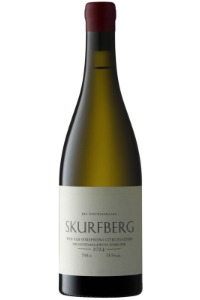
Sadie Family Skurfberg Chenin Blanc 2024
Swartland, S. Africa
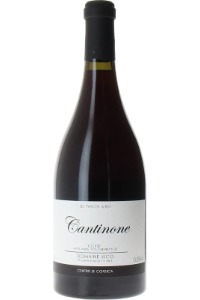
Domaine Vico Les Parcellaires Cantinone Rouge 2029
Corsica, France
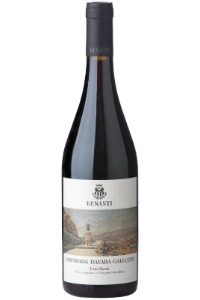
Benanti Contrada Dafara Galluzzo Etna Rosso – 2021
Etna, Sicily. Italy
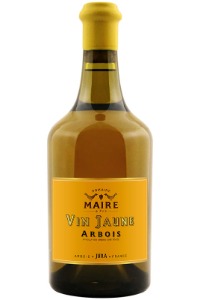
Domaine Henri Maire Arbois Vin Jaune (375ml) – 2018
Jura, France
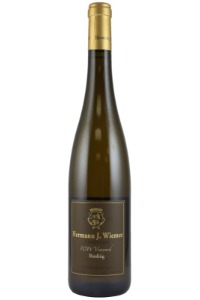
Hermann J. Wiemer HJW Vineyard Riesling – 2023
Finger Lakes, NY
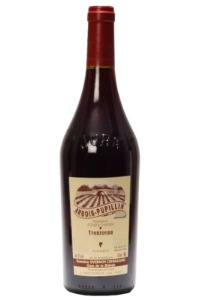
Domaine Overnoy-Crinquand Arbois-Pupillin Trousseau – 2022
Jura, France
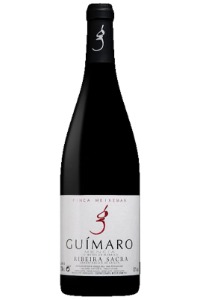
Guímaro Finca Meixeman Mencía – 2021
Ribeira Sacra, Spain
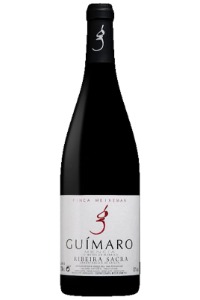
Guimaro Finca Meixeman Mencia 2023
Ribeira Sacra, Spain
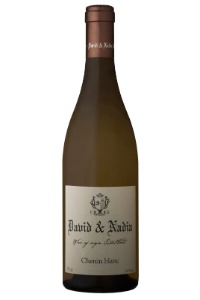
David & Nadia Chenin Blanc – 2020
Swartland, South Africa
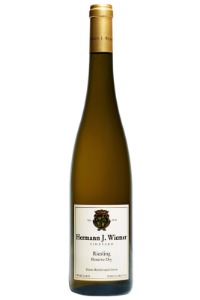
Hermann J. Wiemer Dry Reserve Riesling – 2021
Finger Lakes, NY
What defines an underrated wine region?
A region earns that designation when its wines consistently outperform expectations relative to their cost and recognition, when the terroir is genuinely distinctive and when producers are working with indigenous varieties that cannot be replicated elsewhere. By that standard, the following regions represent some of the most compelling and overlooked wine producing territories on earth.
Jura, France
Situated in eastern France close to the Swiss border, the Jura is one of Europe’s smallest wine regions. It produces wines of strikingly individual character that divide opinion and reward patience: its iconic Vin Jaune, made from the Savagnin grape, is aged for a minimum of six years and three months in old oak barrels. The resulting wine is oxidative, nutty, almost briny, with extraordinary longevity.
Vin Jaune from producers such as Domaine Ganevat or Jean-François Ganevat, rivals aged white Burgundy in complexity at a fraction of the price.
But the Jura’s appeal extends beyond Vin Jaune. The region’s Chardonnay is characterized by bright acidity and mineral precision that offer a compelling alternative to their Burgundian counterparts. The indigenous red varieties, consisting in Poulsard, Trousseau and Pinot Noir, yield pale, delicate reds.
Why it remains underrated: production volumes are tiny, distribution is patchy outside France, and the Jura’s house style (particularly its deliberately oxidative whites) can be alienating on first encounter.
Ribeira Sacra, Spain
In the deep river gorges of Galicia, north-western Spain, Ribeira Sacra is one of Europe’s best kept secrets. The vineyards here are cultivated on near-vertical slate terraces, worked entirely by hand. The gradient in some plots exceeds seventy degrees. This heroic viticulture, combined with the cool Atlantic influence, produces Mencía wines of remarkable elegance with bright red fruit, floral aromatics, firm but fine tannins, and a mineral saline quality.
Producers such as Envínate, Algueira and Guímaro have attracted critical attention from the natural wine community but the region’s profile remains disproportionately low if compared to the quality in the glass. Value is exceptional across all price points.
Why it remains underrated: limited export infrastructure and small estate sizes have kept Ribeira Sacra below the radar of most international buyers.
Etna, Sicily, Italy
Mount Etna has attracted significant attention in the last decade, yet even now its wines remain undervalued relative to their quality and their capacity for aging. The volcano’s slopes — particularly the north face, which benefits from cooler temperatures — allow winemakers to successfully cultivate the Nerello Mascherese grape, resulting in terroir expressive Etna Rosso wines.
Etna Rosso wines combine volcanic minerality with notes of sour cherry and pomegranate fruit, and a smoky, ashen quality that is wholly unique. Single vineyard wines show dramatic variation between plots separated by only a few hundred metres, making Etna one of the most exciting terroir studies in the world.
Carricante, the white grape of Etna, also merits attention. Grown primarily on the eastern slopes, it produces wines of intense citrus acidity and saline mineral character.
Why it remains underrated: despite growing critical acclaim, pricing has not yet caught up with quality at the top end, and the broader Sicilian wine category still suffers from a perception problem rooted in the era of bulk production.
Finger Lakes, New York, USA
Despite being less famous than Sonoma County or Napa Valley, New York’s Finger Lakes region produces Rieslings that rank among the finest examples of the variety in the New World (and, in their best vintages) anywhere on earth.
The Finger Lakes owe their viticultural viability to the thermal regulation provided by the deep glacial lakes, which moderate the extreme cold of upstate New York winters. Seneca Lake, the deepest of the eleven lakes at over 600 feet, rarely freezes completely resulting in stored heat that protects surrounding vineyards and extends the growing season, allowing Riesling grapes to ripen slowly while preserving its hallmark acidity.
The region has quietly become one of the most important Riesling sources in the United States. According to the New York Wine & Grape Foundation, Riesling represents roughly 20% of all vineyard plantings in the Finger Lakes, making it the area’s most widely planted vinifera variety. The region now counts more than 130 wineries, many of which focus heavily on cool climate white wine varieties. Producers such as Hermann J. Wiemer, Dr. Konstantin Frank and Boundary Breaks are producing dry Rieslings of extraordinary precision with notes of green apple and citrus fruit, intense slate minerality with a structural tension that allows them to develop over ten to fifteen years in the cellar.
Why it remains underrated: regional marketing has historically emphasised sweeter styles, obscuring the quality of dry Riesling. The perception that serious American wine comes only from the West Coast is deeply entrenched.
Priorat, Spain (Inner Terraces)
Priorat has a reputation, earned through the work of pioneers such as René Barbier and Álvaro Palacios in the 1990s. What is overlooked, however, is the extraordinary value available outside the prestige bottlings, particularly from smaller producers working the slate and quartz soils (llicorella) of the region’s lesser known villages.
Garnacha and Cariñena grown in Priorat achieve a concentration and mineral character that is unrepeatable elsewhere. The soils are so poor and so well draining that yields are among the lowest in Europe. The resulting wines are dense, structured and saturated with dark fruit and mineral complexity.
Why it remains underrated at value price points: the region’s prestigious names have elevated the category’s profile but also its price perception, causing buyers to overlook outstanding value from smaller producers.
Swartland, South Africa
Swartland, the semi arid region north of Cape Town, has been transformed over the last two decades by a generation of producers, associated with figures such as Eben Sadie, Chris Alheit, and the Thorne & Daughters estates, who saw in its Chenin Blanc and Rhône varieties the raw material for wines of world class ambition.
The region’s granite and shale soils, combined with Mediterranean influenced warmth tempered by Atlantic breezes from False Bay, produce Chenin Blanc of remarkable complexity: wines with beeswax, quince and oxidative depth that recall the finest examples from Savennières in the Loire, but with a broader texture and a distinctive fynbos-influenced herbaceous note.
Why it remains underrated: South African wine as a category carries legacy perceptions of bulk production. Swartland’s finest expressions have not yet achieved the international distribution and recognition they merit.
Corsica, France
The island of Corsica sits at a crossroads of Italian and French wine culture, producing wines from indigenous varieties from the Nielluccio (genetically identical to Tuscany’s Sangiovese), Sciaccarellu and Vermentino grapes.
The appellation of Patrimonio, in the island’s north, is widely regarded as Corsica’s finest terroir. Its limestone soils produce wines with the earthy complexity of fine Chianti Classico but a saline, maritime freshness that is entirely Corsican.
Why it remains underrated: distribution is limited, production volumes are small and Corsica’s dual identity, neither fully French nor Italian in the minds of international buyers, has made it difficult to position commercially.
A guide to underrated food pairings
The regions above share one quality beyond terroir distinctiveness: their wines are overwhelmingly food friendly, shaped by culinary traditions that demand wines of acidity and structure. Here are some classic and unconventional pairing ideas to surprise your guests and elevate the experience at the table.
Region & Wine |
Classic Pairings |
Additional Pairing Ideas |
|---|---|---|
| Vin Jaune Jura (France) |
Comté cheese, roast chicken with Vin Jaune sauce | Aged alpine cheeses, morel or wild mushroom cream dishes, veal with cream and mushrooms, chicken with truffles, nutty Gruyère gratin, roasted root vegetables with brown butter |
| Ouillé Chardonna Jura (France) |
Trout, pike, freshwater fish | River fish with beurre blanc, smoked trout pâté, light charcuterie, chicken with herbs, creamy leek tart, young alpine cheeses, scallops with lemon butter |
| Mencía Ribeira Sacra (Spain) |
Galician octopus, salt cod, grilled percebes | Jamón ibérico, grilled lamb chops, empanadas, roasted peppers, aged cheeses such as Parmesan or San Simón, mushroom croquettes |
| Etna Rosso Sicily (Italy) |
Grilled meats, aubergine, caponata, tomato-based Sicilian dishes | Mushroom risotto, truffle pasta, roasted lamb, porcini ragù, grilled swordfish, aged pecorino, lentil stews with herbs |
| Riesling Finger Lakes, NY (USA) |
Thai, Vietnamese and Japanese cuisine, freshwater fish | Pork tenderloin with apple, sushi and sashimi, spicy Korean dishes, roast duck with orange glaze, apple based preparations, soft goat cheese |
| Chenin Blanc Swartland (South Africa) |
Roasted poultry, pork belly, Cape Malay lamb with apricot | Spiced seafood curry, roast chicken with herbs, grilled prawns, Moroccan tagines, roasted squash, goat cheese salads, dishes with dried fruit or warm spices |
Final thoughts
The wines in this guide share one defining quality: they reward curiosity. In a market saturated with familiar labels and predictable choices, these regions offer something rarer: a genuine discovery. The slate terraces of Ribeira Sacra, the volcanic soils of Etna, the oxidative cellars of the Jura each produce wines that could not exist anywhere else, shaped by geography, tradition, and varieties that have no equivalent. The price argument is compelling but almost secondary. The real case for exploring these regions is one of pleasure and perspective.
You might also be interested in
FAQs on Underrated wine regions
What is the most underrated wine region today?
The Jura (France) is probably the most underrated wine region among sommeliers and wine geeks right now. Its oxidative Savagnin and Chardonnay, Poulsard and the utterly unique Vin Jaune have a devoted cult following, but mainstream wine drinkers still largely ignore it despite world class quality and very reasonable prices.
What makes a wine region "underrated"?
A region is underrated when its wines consistently deliver quality, terroir expression, and originality that exceed what their price and recognition would suggest. It is about the gap between what is in the glass and what the market has noticed.
Are wines from these regions easy to find?
Availability varies. Etna, Finger Lakes and Swartland have growing international distribution and are increasingly stocked by specialist retailers and online merchants. Jura and Corsica can be harder to source outside France, though dedicated wine importers usually carry selections.
Do wines from underrated regions age well?
Several of them age exceptionally well. Vin Jaune is one of the longest lived white wines in the world, capable of evolving for decades. Top Etna Rosso and Swartland Chenin Blanc can develop beautifully over ten to twenty years. Finger Lakes Riesling at its best is a 10 to 15 year wine. Ribeira Sacra Mencía is generally more approachable young but rewards three to eight years in the cellar.
What is the best entry point for someone new to these regions?
For red wine drinkers, Etna Rosso is the most intuitive starting point thanks to its fruit forward character and silky tannins that are immediately appealing. For white wine lovers, Finger Lakes dry Riesling offers clarity and precision that converts even those who associate Riesling with sweetness. Swartland Chenin Blanc is the best introduction to South African fine wine.
Why do underrated wines often have better value than Burgundy or Bordeaux?
Largely because they lack the brand recognition that drives premium pricing in established appellations. The terroir in many of these regions is objectively extraordinary but the global market has not yet priced that in fully. That window will not remain open indefinitely.
Are natural or organic wines common in these underrated regions?
Yes, disproportionately so. Many of the producers leading the quality revolution in Swartland, Jura and Etna work with minimal intervention in both the vineyard and the cellar. This is intentional as the most interesting terroir driven wines tend to come from producers who let the land speak rather than imposing a stylistic template.
How should I serve these underrated wines?
As a general rule, serve whites slightly warmer and reds slightly cooler than convention suggests. Swartland Chenin and Jura whites show best at around 12 - 14 °C (54 - 57 °F) rather than straight from the fridge. Etna Rosso and Ribeira Sacra Mencía are at their most expressive at 16 - 17 °C (61 - 63 °F) rather than typical room temperature. Vin Jaune benefits from being opened about an hour before serving because its bouquet opens up considerably with air.