

A comprehensive guide to Albariño wine in 2026
Albariño wine is considered the finest white wine from the Spanish Peninsula with several myths surrounding its origin: some believe it was brought to Spain by French monks but recent research suggests that it was cultivated in Galicia from Roman times. Join us as we explore this year’s best Albariño white wines.

Table of Contents
Top 10 Albariño white wine bottles to savor

Lindeiros Albariño – Lagar de Fornelos 2021
Spain
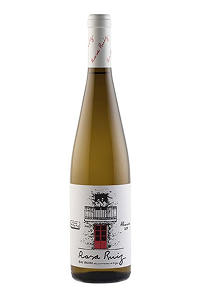
Rosa Ruiz Albariño – Santiago Ruiz 2022
Spain

Leirana Finca Genoveva Albariño – Forjas del Salnes 2022
Spain
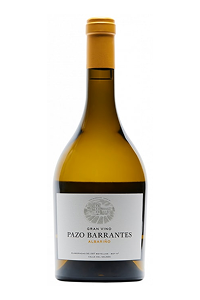
Gran Vino Albariño – Pazo de Barrantes 2021
Spain

Finca O Pereiro Albariño – Bodegas Albamar 2023
Spain

Single Vineyard Albariño – Bodega Garzon Uruguay 2023
Uruguay

Atalier a Cruz das Animas – Bodegas Raul Perez 2023
Spain

Leirana Albariño – Bodegas Forjas del Salnes 2023
Rías Baixas, Spain

Primeiras Vinhas Alvarinho – Quinta de Soalheiro 2023
Portugal

Rias Baixas Albariño – Do Ferreiro 2023
Spain
Albariño white wines are light bodied and crisply acidic with just enough lemon zest that cleanses your palate when enjoyed with seafood or soft cheeses. In the selection above, we have listed 10 of the best Albariño white wines for this year, chosen based on authentic feedback from wine lovers as well as scoring by critics. All the bottles recommended hit all the right notes to make you fall in love with Albariño!
Albariño wine taste and characteristics
| Albariño White Wine | Details |
|---|---|
| Grape Variety | 100% Albariño |
| Origin | Rías Baixas in Spain, now grown in Portugal, California and Uruguay |
| Serving Temperature | 38 – 50°F (3 -10°C) |
| Decanting | Typically not recommended, aeration for 15 to 20 minutes can bring out richer flavors |
| Aging Potential | Best enjoyed young (1 to 5 years) but premium bottles can age for 5 to 10+ years |
| Flavor Profile | Lemon zest, grapefruit, honeydew, nectarine, saline |
| Structure | Light bodied, high acidity, refreshing, crisp taste |
| Alcohol Content | 11.5% to 13.5% |
| Ideal Glass | Tulip shaped glass |
| Food Pairing | Seafood, light meats, soft cheeses, fresh leafy herbs, salty feta |
| Top Regions | Ribeira do Ulla, Val do Salnés, Soutomaior, Condado do Tea, O Rosal (all in Rías Baixas, Spain); Monção e Melgaço (Vinho Verde, Portugal) |
| Notable Producers | Pazo de Señorans, La Cana, La Val, Pazo de Barrantes |
Produced solely from the Albariño grapes, the Albariño wine taste profile is defined by the following characteristics:
- Intense floral notes like orange blossom and honeysuckle.
- Minerality and salinity found especially in those grown near the coastline.
- Fruity undertones of citrus and various stone fruits with hints of lemon zest.
- Zippy acidity for a clean and fresh finish.
Albariño wines are light to medium bodied, dry and with a slight bitterness due to the phenols in the grape skins.
What is Albariño white wine?
Albariño white wine is a dry and refreshing white wine made 100% from the Albariño grapes and it can be crafted in a variety of wine styles including vibrant and fruity unoaked expressions fermented in stainless steel tanks as well as more complex variations resulting from lees or oak aging.
Fun Fact: August 1st is Albariño Day on the Wine Day Calendar!
How is Albariño wine made?
Albariño wine can be produced in one of two ways: the Método tradicíonal (traditional method), which follows ancient fermentation techniques passed down from generation to generation or the new age methods developed by modern winemakers committed to honing their craft. Let’s have a closer look at how Albariño wine is made.
Método tradicional: Albariño wines the old way
Traditional winemakers may modify the winemaking process in one of two ways to produce two different styles of sparkling Albariño. These are:
- The ancestral method is the oldest technique involved in the process of crafting Albariño wines and the end result is the delightful Pétillant Naturel Albariño. Producers bottle the wine when fermentation is partially complete. There is no predetermined length for this process and the winemaker makes the decision based on the sugar, yeast and acid levels currently present in the wine. After bottling, the wine continues to ferment and gradually the action of yeasts on grape sugars will lead to the formation of effervescent bubbles. The rest of the yeast settles after their work is done but they are not filtered out. This makes the wine look hazy and develop special flavors.
- The traditional method involves a still Albariño wine undergoing a second fermentation process inside the bottle. Yeasts and sugar are added to the base wine and the mixture is aged within the bottle for several months to develop complex tasting notes and form carbon dioxide. The time spent aging on spent yeast cells is called ‘lees aging’ and it contributes to a creamy note to the overall taste profile. Albariño produced this way is called Albariño Espumoso and after an optimal aging period, the settled yeast cells and sediment are expelled to leave a delicious sparkling wine.
Modern Albariño winemaking techniques
While traditional Albariño production techniques focused on creating sparkling variations of the wine, modern winemakers pay attention to ways in which they can improve the wine’s intensity and structure. While exploring these options, they came up with three major methods, including:
- Extended maceration and skin contact: Albariño is often crafted as wine that is meant to be enjoyed young. However, it can undergo extended maceration and skin contact to increase its aging potential and aromatic intensity by extracting more phenols from the grape skins and seeds. This technique involves leaving the grape skins in contact with the juice for a longer period while pressing or during fermentation.
- Oak barrel fermentation introduces secondary wood flavors like spice, vanilla and toast into the wine to increase its depth. This process can provide an Albariño with a richer texture and nuance, especially when it is combined with lees aging.
- Wild yeast fermentation involves the use of native yeasts present on the grapes and the vineyard instead of commercially cultured yeasts for fermentation. Winemakers do this to yield wines that reflect the terroir while incorporating a smoother texture and more mature tastes and aromas. It is important to know the type of yeast being used and the source of the grapes to get more favorable results, as some can lead to unwanted odors and tastes.
Everything you need to know about the Albariño wine grape
Tiny and thick skinned with a pale green color, the Albariño wine grape is typically grown in cool climates. It has found a home in northwestern Spain, particularly Rías Baixas, while in Portugal, it grows in Vinho Verde. Some vineyards in California and Uruguay also grow the tiny grapes. Here is a look at the top Albariño producing regions and their available land areas for production:
- Spain: there are approximately 13,326 acres (5,393 hectares) of land dedicated to growing the Albariño wine grapes with most located in Rías Baixas, Galicia.
- In Portugal the Vinho Verde or Minho region primarily makes up an expanse of 7,067 acres (2,860 hectares) of land for Albariño vineyards.
- California: the Central Coast is the focal point for Albariño production, comprising a major portion of 311 acres (126 hectares) of land.
The total area of land dedicated to Albariño production globally is approximately 20,769 acres (8,405 hectares).
Albariño wine styles
Like any other wine, Albariño wine comes in a spectrum of styles. For instance, Spaniards love to craft it into a light bodied and elegant white wine, while Portuguese winemakers believe that a peachy white wine blend with other rare varieties named “Vinho Verde” is the way to go. Regardless of the method of production and the Albariño wine region, the generally accepted styles of Albariño wine are:
Spanish Albariño vs Portuguese Alvarinho
Two sides of the same coin, Albariño and Alvarinho refer to the same grape variety. The different names are due to the language differences in the countries of origin. Do the wines taste the same?
- Albariño is predominantly grown in Spain in the cool vineyards of Galicia. The grape is bottled as a single varietal and most are labeled from Rías Baixas. The Albariño is intensely aromatic, citrusy, and brightly acidic.
- Alvarinho, from Portugal’s Minho region, is typically bottled as a Vinho Verde blend with other rare varieties. The wine has more tropical fruit notes, with some spritz and lower alcohol levels from 8.5% to 11.5%.
Have a look at 3 of our recommended Portuguese Alvarinho wine bottles as well as detailed tasting notes to guide your selection process.

1. Mendes & Symington Casa de Rodas Alvarinho 2023 – Portugal

2. Soalheiro Granit Alvarinho 2023 Portugal

3. Soalheiro Alvarinho 2024 Portugal
Albariño Rías Baixas: best bottles from Spain
Albariño Rías Baixas is known as the benchmark of Albariño wines, due to the grape thriving in this northern Spanish region. Famous wineries in Rías Baixas include Pazo Señorans, La Cana, La Val and Pazo de Barrantes, and they are known for their high quality products. Below, you will find 4 Albariños from Rìas Baixas for different price brackets, as well as their tasting notes and our ratings.

1. Entry level Albariño wine: Bodegas Fillaboa Rías Baixas Albariño 2023 – Spain
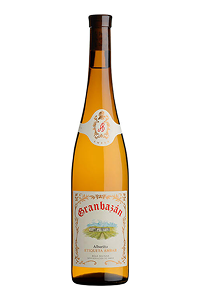
2. Mid Tier Albariño wine: Granbazán Etiqueta Ámbar Albariño 2023 – Spain
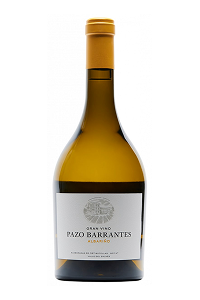
3. Single vineyard Albariño: Pazo de Barrantes Gran Vino Albariño 2022 – Spain

4. Prestige Best Albariño wine: Do Ferreiro Cepas Vellas Albariño 2023
Albariño Rías Baxias wine brands consider several factors before setting the prices for their bottles. For instance, reputable wines from century old vines, produced using special winemaking techniques such as oak barrel fermentation, will cost more than bottles that were not produced in those methods. Also, exceptional bottles from vintage years with unique taste characteristics tend to be more sought after among connoisseurs.
Comparing Albariño white wine vs other white wines
It is only normal to want to know how Albariño stacks up against other white wines, particularly. The most common comparisons are the following:
- Albariño vs Godello: Godellois elegant, delicate and balanced with more fruit drive depth and aging potential while Albariño is more mineral and saline.
- Albariño vs Verdejo: Verdejo has more herbaceous notes with vibrant aromas of fennel, becoming richer and nutty with oak aging while Albariño is more floral and citrusy, with a crisp and linear finish.
Despite the Godello and Verdejo being the main white wines directly competing with Albarino white wine, there are other popular wines like Sauvignon Blanc, Chardonnay, Pinot Grigio and Riesling for taste profile. In the table below we break down these differences, recommending some great bottles to enjoy with your next meal!
| Wine / Main Grape | Top Wine | Comparison |
|---|---|---|
| Albariño vs Sauvignon Blanc | Sauvignon Blanc 2024 – Spottswoode Estate Vineyard & Winery – California | Features crisp and herbal driven flavors of green apple and grass, with a vegetal nose that can be bolder than Albariño’s nuanced minerality. |
| Albariño vs Chardonnay | Sonoma Coast Chardonnay 2023 – Flowers – California | Chardonnay can be rich and buttery, or crisp and bright, depending on whether or not it was aged in oak, in contrast to the consistently crisp quality of Albariño. |
| Albariño vs Pinot Grigio | Punggl Pinot Grigio 2022 – Nals Margreid – Italy | Lighter, drier and more neutral than Albariño, it tends to be more subtle and versatile with food, when compared to Albariño. |
| Albariño vs Riesling | Longuicher Herrenberg Riesling Kabinett 2022 – Carl Loewen – Germany | Riesling is a more versatile white wine than Albariño, with a range of dry and sweet styles as well as notable honey notes and a petrol like quality that is absent in Albariño. |
Serving tips to unlock the perfect Albariño white wine taste
The way you serve Albariño is just as important as what is in the bottle.
Here are a few simple steps to unlock the best Albariño white wine taste:
- Store in a cool, dry and dark place.
- Serve slightly chilled between 38-50°F (3-10°C) to allow its acidity and aromas to shine.
- Use a narrow, tulip shaped wine glass which concentrates the signature notes perfectly.
- Just open and pour, no need to decant!
When you serve it with the right glass, at the right chill you get tasting notes so crisp and utterly satisfying.
Albariño wine pairing possibilities
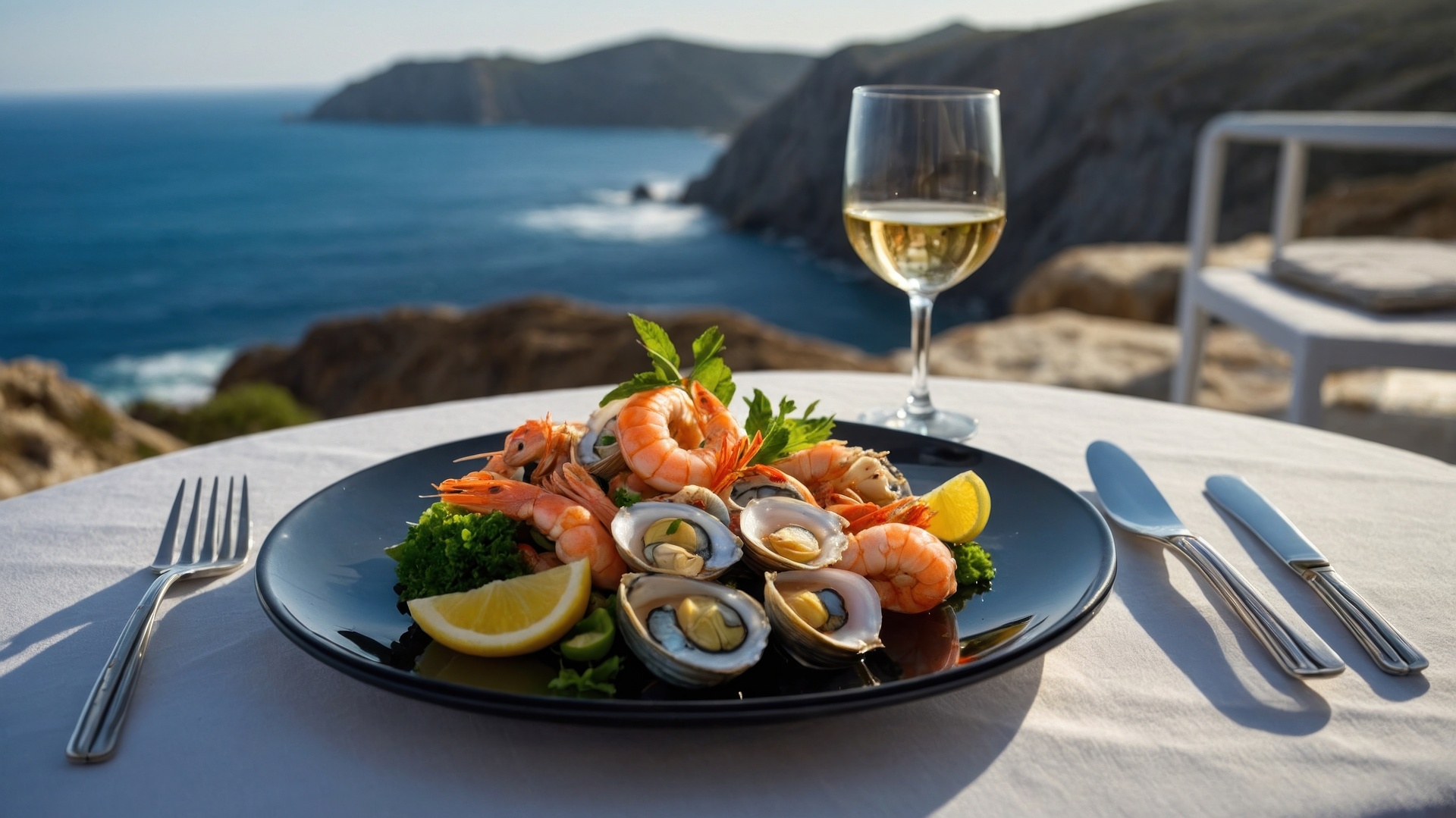
Ever heard of the phrase ‘What grows together, goes together’? This concept rings true for the food pairings with Albariño as its grapes are grown by the ocean. With its high acidity, citrusy freshness and minerality, seafood pairs beautifully with this wine but it is also incredibly versatile. Keep in mind that Albariño wine is the perfect palate cleanser to a variety of food textures and you can even enjoy it with fresh herbs and vegetables! Here is your go to guide for a well balanced and refined Albariño food pairings:
| Food | Best Albariño Wine | Aged | Type & Structure |
|---|---|---|---|
| Ceviche, seafood risotto, fish tacos, oysters, and clams | Selección Finca Monte Alto Albariño 2022 – Bodegas Fillaboa – Spain | 1 -2 years – 13% ABV | Green olives, herbaceous flavors and chalk. |
| Pork, chicken, cured ham | Clasico Albariño 2022 – Chan de Rosas – Spain | 3 – 6 months – 13% ABV | Fine citrus nose, tropical flavors, mineral focused with a vibrant acidity. |
| Soft cheeses, semi-hard cheeses, salty feta | Reserva Albariño 2023 – Bodega Garzon Uruguay – Uruguay | 3 – 6 months – 13.4% ABV | Vibrant, subtle aromas, creamy texture. |
| Grilled vegetable dishes, Caprese, Caesar salad | Lost Slough Vineyard Albariño 2019 – Keep Wines – California | 4 years – 12.8% ABV | Fresh aromas of raw nuts, tropical flavors and honey notes. |
| Tom yum, green curry sauce, Pad Thai | Rías Baixas Albariño 2023 – Morgadio – Spain | 2 months – 13% ABV | Intense white fruit notes, floral, saline and dry. |
The perfect wine glasses to enhance Albariño’s tasting notes
The ideal Albariño wine glasses are small with narrow openings, perfect for keeping the wine cool and concentrating its flavors. Check out our quick guide below for wine glass recommendations to take your Albariño tasting to the next level.

Schott Zwiesel Pure White Wine Glasses, Set of 6

Riedel Veloce Riesling Glasses
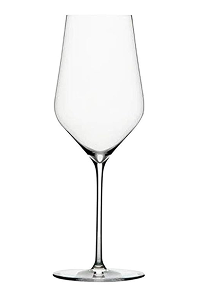
Zalto Denk’Art White Wine Glass, Set of 6
Must have accessories to enhance your Albariño wine tasting
Every wine bottle needs the right accessories to shine and Albariño is no exception. As a general rule, narrow shaped glasses are perfect for concentrating the aromas and Albariño wine taste towards your nose. Here are some other tools that every true Albariño wine lover should have!

1. Alessi Anna G. Corkscrew

2. Nambe Tilt Wine Chiller Bucket
You might also be interested in

FAQs Best Albariño wine bottles
What is Albariño wine similar to?
Wines similar to Albariño include white wines like Portugal’s Alvarinho, Sauvignon Blanc, the Spanish Verdejo, Chardonnay, and Riesling, which are vibrant, dry white wines bursting with citrus and stone fruit flavors. As Albariño they’re light-bodied and can be paired well with seafood or taken as an aperitif.
Where to buy the Idilico wines Albariño 2023?
Check out our top 10 Albariño wines, updated monthly to find the Idilico wines Albariño 2023 vintage and the best online shops where to buy it. This particular vintage was fermented in stainless steel and aged with lees for four months, resulting in a refreshing citrusy and tropical fruit taste. It is brightly acidic and goes down smoothly in the mouth, an excellent pairing with fresh cheese or seafood.
What is the 2018 Field Theory Albariño white wine review?
Reviews of the 2018 Field Theory Albariño white wine describe it as a zesty and balanced wine with a dry, crisp profile. It has a lingering saline finish and tasting notes of pear, honeydew, and grapefruit. Some people have found it to be a bit earthier than typical Albariño, but this complements its overall elegance!
What is the Albariño wine grape?
The Albariño wine grape is a green, tiny and thick skinned berry that thrives in cool and rainy climates. Native to the Iberian Peninsula, the characteristics of the Albariño wine it gives include aromatic intensity, citrusy flavors, and high acidity. They can also be slightly bitter due to their high phenols.
What are Albariño wine prices?
The Albariño wine price of a good quality bottle can range from $15 to $100, depending on producers, winemaking techniques and terroir. Wines from good vintage years with unique taste profiles are also highly sought-after, and they tend to fetch higher prices. For recommendations on top rated Albariño wines and where to buy them, check out our Albariño wine review.
Where is Albariño wine from?
Albariño grapes are native to the Iberian Peninsula, growing along the coastlines of Northwestern Spain and Northwestern Portugal. Understanding where Albariño wine is from will help you to pair it with the right foods, as its high salinity and minerality are the perfect palate cleansers for seafood and soft cheeses.
How are Albariño grapes grown?
Albariño grapes grown in the Rías Baixas wine region in Spain and Portugal’s Vinho Verde are typically trellised overhead with Pergolas or trained with wires to keep them dry. They grow in cooler climates, are tiny and thick-skinned yet quite sensitive to rot. Therefore, it is important to keep their roots dry at all times.
How to enjoy the Spanish white wine Albariño?
The Spanish white wine Albariño is best served slightly chilled in a narrow, white wine glass. Go for fresh, young Albariños to enjoy the vibrant acidity and crispness or a more mature vintage if you would like some complexity. Savor it with some fresh shellfish or light meat for the best tasting experience.
What is the best Albariño wine food pairing?
The best Albariño food pairing is anything from the sea. However, it is not limited to seafood alone, as it is versatile enough to pair well with a wide variety of food textures. You can enjoy your Albariño with white fish, oysters, fish tacos, Gouda cheese, Manchego Cheese, Burrata or fresh green herbs like salsa verde.
Can you compare Alvarinho vs Albariño?
Alvarinho vs Albariño is quite easy to differentiate, as they are both different names that represent the same grape type. “Alvarinho” is what the Portuguese call the tiny, pale golden-lemon, thick-skinned berries that make up a part of the Vinho Verde wines. As for “Albariño”, it is the Spanish name for the same grape.
Is Albariño wine from Spain?
Yes, history has it that Albariño wine originated from Spain, specifically in the Galicia region. In Galicia, there are about 5 core communes where Albariño is produced in Rías Baixas. From Val do Salnés to the newer Ribeira do Ulla, these regions are renowned for their intensely mineral and fruity wines.
Is Albariño wine dry or sweet?
Albariño is a dry wine, with a residual sugar content of approximately 1.4g/l. To better understand if Albariño wine is dry or sweet, let us consider the grapes. Thick-skinned and tiny with a high phenol content, they are highly acidic with refreshing citrus flavors. There may be some subtle sweetness from the fruit tasting notes but they are generally bitter.
Is Albariño wine pairing with cheese a good idea?
Albariño wine pairing with cheese is an excellent combination due to the freshness and brightness of the wines. Its high acidity pairs well with the texture of soft cheeses like Mozzarella, Burrata or semi-hard cheeses like Manchego and salty Feta.
Where is Albariño Portugal grown?
Albariño is grown in Portugal in the Viñho Verde wine-producing region. Albarino gotten from here is usually flavored with various fruits, and has some spritz to go with it. There are nine sub-communes in the Vinho Verde Denominazione di Origine Controllata (DOC), but the only region where Alvarinho is bottled as a single varietal wine is Monção e Melgaço.
