

White Bordeaux buying guide for 2026
While Bordeaux is best known for the iconic reds, white Bordeaux wine remains a refined niche, appreciated mainly by dedicated connoisseurs and seasoned wine lovers. Discover more about this noble wine, including its sparkling expressions like Crémant de Bordeaux and other remarkable bottles that showcase the region’s versatility and finesse.

Table of Contents
10 Best white Bordeaux wines
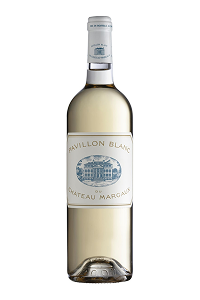
Chateau Margaux Pavillon Blanc (Futures Pre Sale) 2023
France
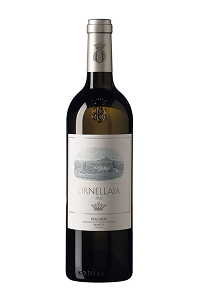
Ornellaia Bianco 2022
Italy
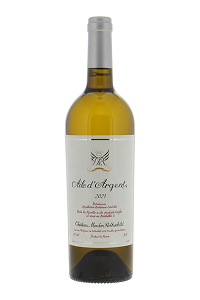
Chateau Mouton Rothschild Aile d’Argent Blanc 2021
France
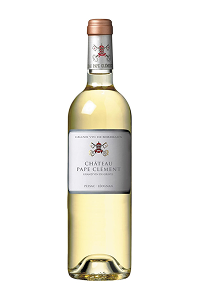
Chateau Pape Clement Blanc 2019
France

Chateau Pape Clement Blanc 2020
France

Morlet La Proportion Dorée 2021
California, US

Chateau Cheval Blanc – Le Petit Cheval – Bordeaux Blanc 2022
France

Chimney Rock Elevage Blanc 2023
California, US
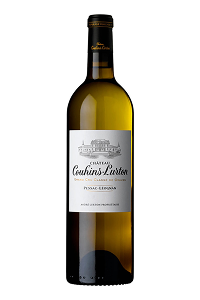
Chateau Couhins-Lurton Blanc 2020
France
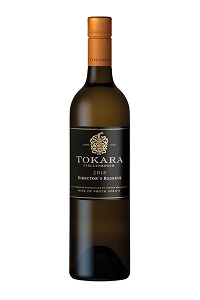
Tokara Director’s Reserve White 2018
South Africa
Above, you’ll find our curated selection of the 10 best white Bordeaux wines of the year. In choosing these bottles, we focused on wines that earned high professional and customer ratings but also that best resonated with the tastes and preferences of our audience, ensuring a list that is both authentic and relevant.
Bordeaux white wine taste at a glance
| White Bordeaux wine | Details |
|---|---|
| Grape Variety | Sauvignon Blanc, Sémillon, Muscadelle in different blends |
| Origin | Bordeaux, France |
| Serving Temperature | 46-57°F (8-14°C) |
| Decanting | Little to no decanting for younger wines (15 mins max); 20 to 30 minutes for aged or oaked wines |
| Aging Potential | 3 to 15+ years (depending on producer and vintage) |
| Flavor Profile | Citrus, green apple, white peach, grass, minerals and honey |
| Structure | Full bodied, crisp acidity, dry to off dry |
| Alcohol Content | 11% to 15% |
| Ideal Glass | Standard white wine glass or Sauvignon Blanc glass |
| Food Pairing | Seafood, goat cheese, salads, oysters, grilled fish, Asian cuisine |
| Top Communes | Pessac-Léognan, Graves, Entre-Deux-Mers and Sauterne |
| Notable Producers | Château Haut-Brion Blanc, Domaine de Chevalier, Château Smith Haut Lafitte, Château La Louvière |
White Bordeaux is known for its fresh fruity taste. In the glass, you can expect fresh flavors like fresh grapefruit and lime with a touch of gooseberry and mineral crispness. As it ages, the color deepens, giving it richer, creamy and honey notes which can be found in premium white Bordeaux bottles.
What are the popular types of white Bordeaux wine?
White Bordeaux wines come in a few distinctive styles with dry white blends being the most prominent production yielding fresh, citrus driven wines with a crisp mineral edge. Bordeaux is also home to world class sweet wines led by Sauternes and Barsac, where late harvest grapes affected by noble rot (aka botrytis) create lusciously rich yet balanced wines. The region also produces Crémant de Bordeaux, a lively traditional method sparkling white that adds yet another dimension to Bordeaux’s repertoire. Let’s see in detail each type of Bordeaux white wine.
Bordeaux dry white wine
Bordeaux dry white wines are usually blends based on Sauvignon Blanc combined with smaller amounts of Sémillon, and occasionally a touch of Muscadelle for extra aroma. They tend to be light to medium bodied, with high acidity, no tannins and moderate alcohol levels (around 12-13.5%).
In the glass, these wines show bright, zesty flavors of lemon, lime and green apple, often complemented by ginger, chamomile and light herbal tones. When aged or partially fermented in oak, they can develop richer notes of crème brûlée, honey or toasted almond, creating an elegant texture.
Chateau Mouton Rothschild Aile d’Argent Blanc 2021 – France

Chateau Picque-Caillou Blanc 2023 – France
Chateau Pape Clement Blanc 2020 – France

Pegasus Bay Sauvignon Semillon 2020 – New Zeeland
Did you know? There is a specific AOC in Bordeaux dedicated exclusively to white wines: the Entre-Deux-Mers appellation. Located between the Garonne and Dordogne rivers, its name translates to “between two seas,” a nod to the tides that influence the region’s climate. Only white wines can be produced under the Entre-Deux-Mers AOC label and production is strictly limited to 50 hectoliters per hectare to preserve concentration and quality. These wines offer a balanced taste of citrus, white flower and tropical fruits. The region’s limestone soil gives the wine their mineral backbone. They’re best enjoyed within the first 2 to 3 years to capture their freshness.
Sweet white Bordeaux wine
Sweet white Bordeaux wine is strictly tied to e Sauternes, probably the most famous sweet white wine appellation in the world. Sweet Bordeaux white wines are produced in the southern part of the region where morning mists from the Ciron and Garonne rivers encourage the development of Botrytis cinerea (noble rot). Hearing that the grapes have been affected by rot might sound unappetizing but they’re the key to the wine’s sweetness as this fungus helps to dehydrate the grapes concentrating the sugar. Crafted mainly from Sémillon, with Sauvignon Blanc and Muscadelle adding brightness and perfume, these wines reveal luxurious notes of honey, apricot, candied citrus and acacia blossom.

Château D\’Yquem Sauternes 2016 (Half bottle) – France

Château Rieussec Sauternes 2019 – France
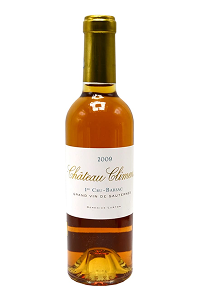
Chateau Climens (Half bottle) 2009 – France
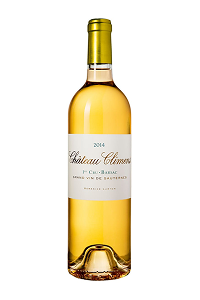
Château Climens – Barsac 2014 – France
Despite the most celebrated of Bordeaux’s sweet wine appellations being Sauternes (home to icons like Château d’Yquem), Barsac follows closely, offering a slightly lighter and more refined expression of the style. Beyond these two legendary names, Bordeaux also includes Loupiac, Cadillac, Sainte-Croix-du-Mont and Cérons, each presenting their own distinctive balance of sweetness, freshness and aromatic depth. Supported by lively acidity that offsets their natural richness, sweet white wines from Bordeaux can age gracefully for decades and are superb alongside foie gras, blue cheese or fruit based desserts.
Spotlight on Crémant de Bordeaux: Bordeaux’s sparkling excellence
Most of the white sparkling wine from Bordeaux falls under the Crémant de Bordeaux appellation. The grapes used are planted on loamy soil and they’re carefully handpicked in late August or early September. The wines are then made through the méthode traditionnelle technique. This is the same technique that is used for Cava and Champagne in which a second fermentation takes place in the bottle creating fine effervescence which makes the wine special.
Unlike Champagne, white Crémant has not only less stringent aging requirements (minimum of 12 months on the lees), but the main difference lies in the grapes used for its production with the sparkling wine being made from Sauvignon Blanc, Sémillon, and sometimes Muscadelle, giving them a fresh and distinctly Bordeaux character.

Calvet JC Calvet Crémant de Bordeaux Brut Rose 2022 – France
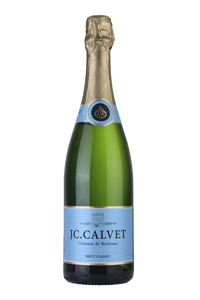
Calvet JC Brut Classic Cremant de Bordeaux 2022 – France
Bordeaux white blends around the world
Despite the French region of Bordeaux being the motherland of white Bordeaux wines, the influence of Bordeaux white blends extends far beyond, inspiring winemakers across the globe. In regions like California, producers craft rich, oak aged versions that mirror Pessac-Léognan’s depth and texture. Australia’s Margaret River is known for structured and citrus driven styles that balance freshness with creamy complexity. Chile’s Casablanca Valley and South Africa’s Stellenbosch produce vibrant, fruity expressions with tropical notes and crisp acidity, while New Zealand adds its own twist highlighting Sauvignon Blanc’s aromatic intensity with just a touch of Sémillon for weight. In Italy, Bordeaux style white blends have gained traction, particularly in Tuscany and Friuli Venezia Giulia where Sauvignon Blanc and Sémillon are used to create refined, mineral wines often fresher and slightly more aromatic than their French counterparts.
Though each region imparts its own signature through climate and terroir, the shared goal remains the same: to achieve the harmony of freshness, texture and elegance that defines the great white blends of Bordeaux.
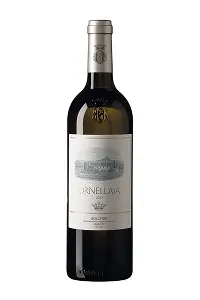
Ornellaia Bianco 2022 – Italy
Morlet La Proportion Dorée 2021 – California, US
Chimney Rock Elevage Blanc 2023 – California, US
Chateau Couhins-Lurton Blanc 2020 – France
Tokara Director’s Reserve White 2018 – South Africa
Chateau Picque-Caillou Blanc 2023 – France
Pegasus Bay Sauvignon Semillon 2020 – New Zeeland
What is white Bordeaux wine and how is it made?
White Bordeaux, or Bordeaux Blanc, refers to all white wines produced across the Bordeaux region, in France, a category that includes dry wines, sparkling Crémants and sweet dessert wines. All Bordeaux white wines are governed by strict AOC regulations defining permitted grape varieties, yields (with a minimum alcohol level of 10.5%) and labeling requirements that must specify the appellation. Among them, Entre-Deux-Mers, discussed earlier, is known for its fresh, lively whites shaped by a temperate climate and limestone clay soils. Here, cool river breezes slow ripening, producing Sauvignon Blanc with crisp citrus notes and Sémillon with a creamy, full bodied texture. In contrast, Graves and Pessac-Léognan produce more structured and mineral wines capable of aging for years. The region’s name “Graves” comes from its gravelly soils, which retain heat and help grapes ripen evenly, creating elegant, layered wines with excellent cellaring potential.
Production methods by style
Production techniques in Bordeaux vary according to the type of white wine being produced:
Aging and bottling
Premium dry white Bordeaux wines are aged for 6 to 12 months in oak barrels while more approachable examples remain in stainless steel to retain fruit purity. Crémant de Bordeaux rests on its lees before disgorgement, gaining texture and creaminess. Sweet wines like Sauternes may age gracefully in barrel for several years before release, developing honeyed, amber tones and remarkable depth.
When ready, wines are bottled under controlled conditions to preserve freshness and aromatics. While many dry white Bordeaux wines are meant to be enjoyed young, the finest sweet examples can mature beautifully for decades.
Did you know? White Bordeaux wines were once just as popular, making up nearly 50% of all production in the region. Everything changed in 1956 when a catastrophic frost hit the vineyards. Combined with shifting customer preferences toward red wines, white Bordeaux production declined dramatically. Today, only 10% of Bordeaux’s wine production is dedicated to white, rosé and sweet wines.
White Bordeaux wine grapes
The beautiful marriage between the Sauvignon Blanc, Sémillon and Mouscadelle (albeit more rare) has led to the production of one of the finest blends of white wine in history. Below are the major grapes used for white Bordeaux wine:
- Sauvignon Blanc forms the backbone of most blends, often making up to half of the wine, in some cases, serving as the sole variety. It contributes the bright, zesty edge that defines many dry Bordeaux whites with crisp acidity, citrus notes of grapefruit and lime and subtle herbal tones.
- Sémillon adds depth and texture, softening Sauvignon Blanc’s sharpness with its creamy body and honeyed richness. It brings roundness, warmth and hints of fig and wax, especially in aged or oaked versions. In sweet Bordeaux wines like Sauternes, Sémillon takes center stage, developing luscious flavors of honey, apricot and almond as the grapes concentrate on the vine.
- Muscadelle, though used sparingly, plays an important aromatic role. It lifts the blend with floral and spicy notes, adding perfume and a touch of exotic fruit. Even in small amounts, it enhances complexity and finesse, rounding out the blend beautifully.
| Grape | Flavor Profile | Structure | Role in the Blend | |
|---|---|---|---|---|
| Sauvignon Blanc (backbone of dry Bordeaux whites) | Bright citrus (grapefruit, lime), green apple and herbal notes | Crisp acidity, light to medium body | Brings freshness and aromatic lift | |
| Sémillon (dominant in sweet Bordeaux wines) | Honey, fig, pear and almond | Rich, creamy texture with softer acidity | Adds roundness, depth and aging potential | |
| Muscadelle (used in small proportions) | White flowers, orange blossom and lychee | Light, aromatic and subtly spicy | Enhances fragrance and exotic fruit character |
The difference between Left and Right Bank for white Bordeaux
The Left Bank and Right Bank are the two main subregions of Bordeaux, divided by the Gironde estuary and its tributaries, the Garonne and Dordogne rivers. These natural boundaries create distinct climates, soil types and winemaking traditions that shape the character of both red and white Bordeaux wines.
On the Left Bank, Sauvignon Blanc dominates on the gravelly soils of appellations like Pessac-Léognan, where cooler maritime influences and well draining terrain produce wines with pronounced mineral and crisp citrus notes.
On the Right Bank, Sémillon thrives in the clay limestone soils with warmer, more continental conditions allowing winemakers to create richer, more textured wines with honeyed complexity and exceptional aging potential of 15+ years.
Best white Bordeaux wine vintages
While choosing a white Bordeaux wine, understanding the best vintage years is essential for collectors, sommeliers or any wine lover. Since weather conditions and harvest vary significantly each year, this directly impacts the wine’s overall characteristics and value.
Below is a vintage chart highlighting the best year of different white Bordeaux wines.
| Best Vintage | Characteristics | Best White Bordeaux |
|---|---|---|
| 2016 | Ranked among the top modern years with elegant wines. The warm summer with a late October harvest produced well structured wines. | Château D’Yquem Sauternes 2016 (Half Bottle) – France |
| 2010 | A stellar year of lively, fresh, and energetic wines, with the dry summer allowing grapes to ripen slowly | Chateau Pape Clement Blanc 2010 |
| 2009 | This year produced full and fleshy wines with high alcohol but balanced acidity. All thanks to its warm season which led to fast grapes ripening | Chateau La Mission Haut-Brion Blanc 2009 |
| 2005 | A year of perfect balance, vibrant acidity, and ripe fruit in wines as a result of its warm summer. | Chateau Margaux Pavillon Blanc 2005 |
White Bordeaux wine serving temperature and tips
Serving white Bordeaux at the right temperature is essential to reveal its full range of aromas, textures and mineral nuances. Each performs best when served under specific conditions that enhance its unique character. Let’s explore how to serve each type properly to make the most of their distinctive character and balance.
- Dry white Bordeaux (Sauvignon Blanc and Sémillon based blends) should be served slightly chilled, around 50 to 55°F (10-13°C). Premium examples benefit from 20 to 30 minutes of decanting, which allows the wine to soften and reveal subtle oak and stone fruit notes.
- Sparkling Crémant de Bordeaux is best enjoyed colder, around 45 to 50°F (7-10°C), to preserve its delicate bubbles and refreshing citrus character. Chill the bottle for at least 2 hours before serving.
- Sweet bordeaux wines (such as Sauternes, Barsac and Cadillac) should be served slightly cooler, at 46-50°F (8-10°C), to balance richness with freshness. A brief 15 minute decant helps release honeyed and floral aromas.
Pro tip: For aged white Bordeaux wines (typically 8 to 10 years or older) a short period of aeration around 1 to 2 hours can help the wine open up and reveal its layered aromas and creamy texture.
After decanting, you should not chill the wine again. White Bordeaux (especially aged or oaked styles like Pessac-Léognan) perform best slightly below room temperature, at around 55°F (13°C).
Here’s a simple approach used by sommeliers and producers like Château Carbonnieux and Domaine de Chevalier:
- Take the bottle out of the wine fridge (or cellar) at about 48-50°F (9-10°C).
- Decant it and let it sit at room temperature for 30 to 60 minutes. It will gradually warm to 52-55°F (11-13°C).
- Serve it directly at that temperature, without re chilling.
Re chilling after decanting can dull aromas and tighten texture, especially for aged whites, which show their complexity only when slightly warmer.
| Style | Serving Temperature | Decanting Time | Best For |
|---|---|---|---|
| Dry White Bordeaux | 50-55°F (10-13°C) | 20-30 minutes | Enhancing citrus notes, minerality and oak complexity |
| Sparkling Crémant de Bordeaux | 45-50°F (7-10°C) | No decanting | Preserving bubbles, freshness and fruit |
| Sweet Bordeaux Wines | 46-50°F (8-10°C) | 15-20 minutes | Balancing sweetness with freshness, highlighting honeyed and floral notes |
| Aged White Bordeaux (10+ years) | 55-57°F (13-14°C) | 1-2 hours | Allowing full aromatic development and creamy textures |
White Bordeaux food pairing tips
Wondering what makes a white Bordeaux wine a perfect dinner companion? The answer lies in understanding the wine’s blend, origin and aging characteristics. The dry expressions, led by Sauvignon Blanc and Sémillon, pair beautifully with seafood such as oysters, grilled fish or lemon butter scallops, as well as light poultry and goat cheese. Crémant de Bordeaux is ideal as an aperitif or fresh cheese. Sweet Bordeaux wines like Sauternes and Barsac are a natural match for blue cheese, foie gras, fruit tarts and spiced dishes where their honeyed depth balances salt and heat
In this section, we will guide you in navigating the top food pairings for white Bordeaux wines.
| Food | Best Bordeaux Wine | Type |
|---|---|---|
| Lobster, crabs and Sushi | Ornellaia Bianco 2022 | White Bordeaux blends with aromas of ripe peach and mango, paired with elegant almond blossom and toasted hints. |
| Fish, pork and grilled meat | Chimney Rock Elevage Blanc 2023 | Fresh Bordeaux white blends. Notes of lime zest, grapefruit and candied green apple with a slight note of vanilla bean and confectioner’s sugar. |
| White fish, buttered scallops, oysters and lobsters | Chateau Mouton Rothschild Aile d’Argent Blanc 2021 | White Bordeaux blends with a long lingering finish, notes of lemon skin, pears, apple, hints of stone and a subtle smoky / flinty aroma. |
| Roast Chicken, creamy pasta and grilled vegetables | Tokara Director’s Reserve White 2018 | White Bordeaux white blends with vibrant aromas of grapefruit, melon, lemongrass and green apple lifted by stone fruit flavors and zesty persistence. |
| Lamb chops, steak and pastas | Chateau Pape Clement Blanc 2019 | Elegant white Bordeaux Blend with exotic lime peel, Meyer lemon, orange notes, and pronounced mineral backbone |
| Fresh cheese, cold cuts, salads | Calvet JC Calvet Crémant de Bordeaux Brut Rose 2022 | Elegant rosé sparkler dazzles with strawberries, ruby grapefruit and rose petal notes, complemented by a clean mineral finish. |
| Foie gras, blue cheese, fruit tarts, crème brûlée and spiced Asian dishes | Chateau Climens 2009 (Half bottle) | Entirely made from Semillon, it offers luscious aromas of honeyed apricot, citrus marmalade, saffron, quince and spice complemented by touches of mineral tension and floral hints. |

High end white Bordeaux glasses available on Amazon
White Bordeaux wine is best enjoyed using a medium sized, tulip shaped glass with a slightly tapered rim. The narrow opening concentrates the citrus and mineral notes while directing the wine to where you taste acidity best. A medium bowl preserves the wine’s natural acidity and freshness, crucial for Sauvignon Blanc dominant blends, while still allowing enough space for air contact to soften texture and reveal depth from Sémillon or oak aging. Luckily for us, Amazon has many quality options from top glassware brands with quick delivery.
Here are some of our top picks for the best white Bordeaux glasses on Amazon:

Josephinenhütte – JOSEPHINE N. 1, White Wine Glasses – Set of 2
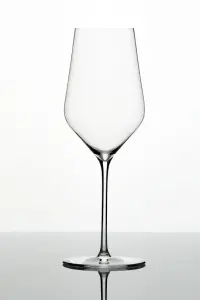
Zalto Denk’Art White Wine Glass – Handblown in Europe

ZWIESEL GLAS Pure Sauvignon Blanc White Wine Glasses – Set of 4
White Bordeaux wine vs white Burgundy wine
For years, wine enthusiasts have drawn comparisons (some friendly, others fiercely debated) between white Bordeaux and white Burgundy wines. Both are iconic French white wines, yet they differ profoundly in almost every respect, including the grape varieties that define and the flavors that unfold in the glass. Even their winemaking philosophies diverge: Bordeaux tends to highlight freshness and aromatic clarity, while Burgundy leans toward texture, depth and long term aging.
The table below outlines the main distinctions between these two classic styles, including the grapes used, overall wine style and characteristic flavor profiles.
| Details | White Bordeaux | White Burgundy |
|---|---|---|
| Main Grapes | Sauvignon Blanc, Sémillon and Muscadelle | 100% Chardonnay |
| Wine Style | Blended, crisp to rich depending on the percentage of Sémillon grapes used | Single varietal, mineral driven, terroir focused |
| Aromatic Profile | Citrus, grass, tropical fruits and honey | Apple, pear, citrus, mineral, butter and oak |
| Aging Potential | 3 to 15 years | 5 to 20+ years (Grand Cru types can age for 30+ years) |
| Investment Appeal | Moderate | High |
You might also be interested in
FAQs White Bordeaux
What are the main white Bordeaux wine grapes?
The main white Bordeaux wine grapes are Sauvignon Blanc and Sémillon, which make up the majority of blends. Muscadelle is also used but in smaller amounts to add floral notes. Some producers also use small percentages of Sauvignon Gris and Ugni Blanc but these are rarely used in modern winemaking.
Is white Bordeaux wine produced only in the Bordeaux region of France?
Yes, most white Bordeaux wines are produced in the Bordeaux region of France. By French AOC laws, only wines made from grapes grown in the designated region of France can be called “Bordeaux Blanc” legally. This strict regulation ensures that every bottle maintains the authentic character and quality standards. Outside France, however, many regions produce Bordeaux style white blends inspired by the same grapes. Notable examples come from California (Napa and Sonoma), Australia’s Margaret River, Chile’s Casablanca Valley, South Africa’s Stellenbosch, New Zealand’s Hawke’s Bay and parts of Italy such as Tuscany and Friuli Venezia Giulia.
Should white Bordeaux wine be chilled?
Yes, white Bordeaux wine should be served chilled with the temperature ranging between 46–50°F (8–10°C) depending on the wine type. Serving it chilled will enhance its crisp acidity character and also preserve its aroma. For oak aged or richer styles, such as those from Pessac-Léognan or blends with higher Sémillon content, a slightly warmer serving temperature of 52–55°F (11 to 13°C) is recommended. This allows the wine’s creamy texture, subtle spice and complex notes of honey and vanilla to emerge fully.
What are the top 5 white Bordeaux wines?
The top 5 white Bordeaux wines are Château d’Yquem (sweet), Château Haut-Brion Blanc, Château La Mission Haut-Brion Blanc, Château Laville Haut-Brion and Château Margaux Pavillon Blanc. These represent the peak of white Bordeaux winemaking, with most coming from Pessac-Léognan and with a bit higher prices due to their exceptional quality and aging potential.
Is white Bordeaux wine sweet or dry?
White Bordeaux can be sweet or dry. The dry versions are affordable and perfect for everyday drinking, while sweet varieties like Sauternes are premium wines that are more expensive and reserved for special occasions.
What is the average white Bordeaux wine price?
White Bordeaux wines mostly cost between $20–$50 for everyday bottles, although premium ones can reach hundreds or even thousands of dollars. Most people find good quality white Bordeaux in the $40–$120 range at wine shops and restaurants.
What distinguishes white Bordeaux Sauvignon Blanc from other regions?
What distinguishes white Bordeaux Sauvignon Blanc from other regions is the traditional method of blending with Sémillon coupled with oak aging. This contributes to the wine’s creamy texture and complexities. Bordeaux’s climate and gravelly loose soil produces wines that are packed with minerals with herbal notes.
What are the main differences between white Bordeaux and Chardonnay?
One of the main differences between white Bordeaux and Chardonnay is the type of grapes they use. For white Bordeaux, Sauvignon Blanc and Sémillon grapes are used in creating crisp, mineral-driven wines with citrus and herbal notes, while Chardonnay uses the Chardonnay grape to produce fuller-bodied wines with buttery, vanilla characteristics and tropical fruit flavors.
