

Red wine: the finest bottles in the UK for 2026
Explore our selection of the world’s best red wine, from timeless Italian classics to prestigious French and Argentine bottles that continue to win over enthusiasts. Every wine featured here is available to buy online in the UK and our top pick is the Château Angelus 2021, rated 5/5.

10 Best red wine bottles rated to buy online
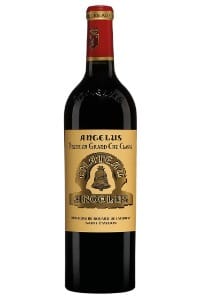
Saint-Émilion Premier Grand Cru Classé – Château Angelus 2021
Bordeaux, France
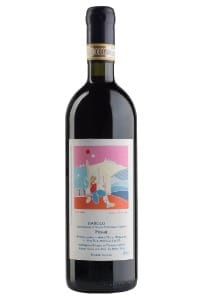
Fossati – Roberto Voezio 2020
Piedmont, Italy
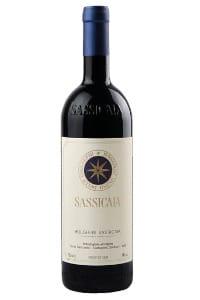
Sassicaia – Tenuta San Guido 2023
Tuscany, Italy
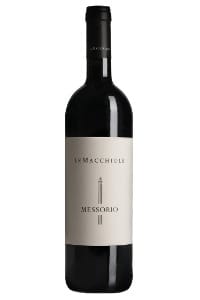
Messorio – Le Macchiole 2020
Tuscany, Italy
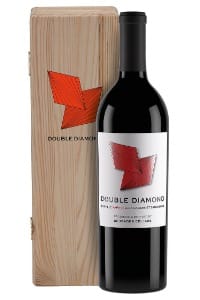
Double Diamond Cabernet Sauvignon Double Diamond – Schrader Cellars 2021
Oakville, California, US
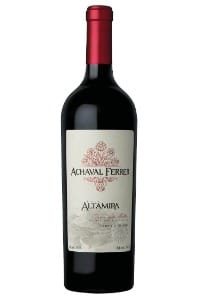
Finca Altamira – Achaval Ferrer 2018
Mendoza, Argentina
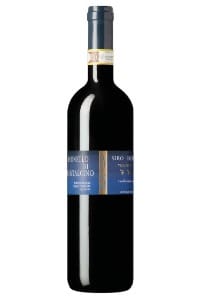
Vecchie Vigne – Siro Pacenti 2018
Tuscany, Italy
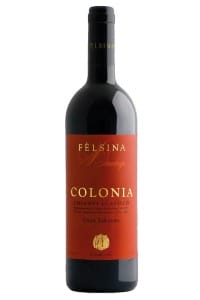
Colonia Chianti Classico Gran Selezione DOCG – Fèlsina 2019
Tuscany, Italy
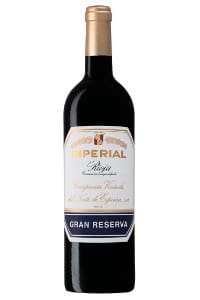
Imperial Gran Reserva – CVNE 2018
Rioja, Spain
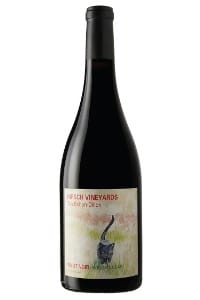
The Bohan-Dillon – Hirsch Vineyards 2021
California, US
Each bottle featured in our 10 best red wines has earned its place through exceptional craftsmanship and outstanding ratings from both professional critics and everyday wine lovers around the world. We tasted Italian icons such as Barolo and Chianti and selected them for their depth and versatility with food, whilst popular Bordeaux and Argentine red wine brands secured their place thanks to their enduring prestige and elegance. Château Angelus Saint-Émilion Premier Grand Cru Classé 2021 dominates our rankings, rated 5/5. This Bordeaux red blend is organic certified, displaying elevated terroir expression and unparalleled freshness. All are available to buy online in the UK.
What are the top red wine brands worth knowing?
Roberto Voerzio, Château Angélus, CVNE and Achaval Ferrer are some top red wine brands worth paying attention to.
When it comes to red wine, thousands of labels, regions and vintages compete for attention, but a handful of estates consistently rise to the top, without ever needing to shout about it. Below, we’ve picked some of the most compelling red wine producers worth knowing right now: names that work with precision and dedication, that rarely make headlines outside of wine circles. These are brands with genuine reputations, built over decades of serious, uncompromising work in the vineyard and the cellar.
Roberto Voerzio, Barolo (Piedmont), Italy
Roberto Voerzio is one of Barolo’s most uncompromising producers, a winemaker who built his reputation on radical green harvesting, extremely low yields and an almost monastic respect for single vineyard terroir. Based in La Morra, Voerzio came to define a more concentrated, meticulously crafted style of Barolo at a time when the region was fiercely divided between traditionalists and modernists, with his wines ultimately transcending that debate entirely. His undisputed flagship is the Barolo Cerequio, but the Fossati 2020 listed here is a great single vineyard expression that showcases the same philosophy of precision and restraint at the highest level.
Compañía Vinícola del Norte de España, Rioja, Spain
CVNE (Compañía Vinícola del Norte de España) is one of Rioja’s most enduring and historically significant houses, founded in 1879 by the Real de Asúa brothers and still family owned to this day. The estate has been instrumental in establishing the international reputation of traditional Rioja, producing wines across multiple styles and price points with a consistency that few houses in the region can match. Their portfolio spans from the entry level Cune range through to the highly regarded Viña Real and the iconic Imperial label, which is widely considered the crown jewel of the estate. A Tempranillo led blend aged in American oak and crafted according to traditional Riojan methodology, the Imperial Gran Reserva 2018 listed here offers layers of dried fruit, leather, tobacco and spice with a long, structured finish. It represents exceptional value for a wine of this pedigree and ambition.
Schrader Cellars, Napa Valley (California), USA
Schrader Cellars built its name on the single vineyard Oakville Cabernet Sauvignon sourced from some of the most coveted sites in Napa Valley, the legendary To Kalon Vineyard. Founded by Fred Schrader, the winery quickly attracted a near cult following for the density and sheer hedonistic pleasure of its wines, which are consistently scored among the highest in California. The CCS To Kalon Vineyard Cabernet Sauvignon is generally regarded as the flagship expression, while the Double Diamond 2021 listed here is a step into the portfolio that maintains the house’s signature richness and structural refinement at a more accessible price point.
Archaval Ferrer, Mendoza, Argentina
Achaval Ferrer helped fundamentally redefine what Argentine Malbec could be, shifting the international conversation away from easy drinking wines toward single vineyard expressions of genuine complexity and cellaring potential. Founded in 1998 by a group of wine enthusiasts, including Italian partners, the estate brought a distinctly European sensibility to Mendoza, prioritising old vines, minimal intervention and site specificity above all else. The Finca Altamira 2018 listed here comes from the high altitude, rocky soils of the Uco Valley, a site that gives the wine its distinctive depth, violet floral lift and the structural tension needed to evolve meaningfully in the bottle over many years.

How is red wine made?
Red wine is made by fermenting crushed dark grapes together with their skins to provide colour, flavour and tannins.
Winemaking is one of humanity’s oldest crafts, with roots stretching back thousands of years across civilisations as varied as ancient Georgia, Egypt and Rome. And yet, for all the technology that modern producers now have at their disposal, the fundamental process has not remarkably changed: grapes are still grown, harvested and fermented according to the same essential rhythm that winemakers have followed for millennia. What has evolved is the level of precision, the depth of knowledge and the range of choices available at each stage, but the process, in its broadest strokes, unfolds as follows:
- Harvesting and sorting: winemakers carefully time the harvest to shape the style of the wine. Earlier picks yield fresher, less sugary wines, whilst later harvests produce riper, fuller bodied reds. For certain wines, grapes are sorted to remove underripe or damaged berries.
- After harvesting,grapes are crushed and destemmed. Grapes are gently pressed to release juice whilst keeping the skins intact. Stems are typically removed to avoid excessive bitterness, though some winemakers retain a portion to add structure and complexity.
- Natural grape sugars are converted into alcohol by yeast during fermentation: in this stage, a thick layer of skins (known as the cap) forms on top of the tank. Winemakers regularly push it down or pump juice over it to extract more flavour and the red colour characteristic of red wines.
- Pressing: once fermentation is nearly complete, the wine is pressed to separate the solid elements. Gentle pressing preserves freshness, while heavier pressing extracts more tannins and adds body.
- Ageing: red wine rests in barrels or stainless steel tanks to develop complexity and harmony. Ageing can last from a few months for fresh styles to several years for structured reds such as Bordeaux.
- Fining and filtration: winemakers may choose to clarify the wine to remove haze, sediment, or harsh tannins before filtering for a more polished result.
- The finished red wine is transferred into bottles, often with a small dose of sulphur dioxide for stability. It can then be enjoyed immediately or cellared for further development.
Did you know? The rich wine red hue comes naturally from the grape skins, which release pigments during fermentation. The longer the contact with the skins, the deeper and more intense the colour.
What are the types of red wine?
Red wines can be categorised in several ways, depending on grape variety, style, sweetness levels and body. Each category highlights a different aspect of how the wine is made and how it presents on the nose and palate. Still red wines are the most common type and include some of the finest bottles in the world (Bordeaux or Chianti, for example). Sparkling red wines are lively and bubbly, the result of a secondary fermentation. Sweet red wines retain more residual sugar, giving them a rich, dessert like profile. Dry red wines, available in both still and sparkling versions, are fermented until little to no sugar remains. Let’s see in detail the most relevant classifications.
Red wine grapes
The choice of grape variety is one of the most important factors that defines the character of a red wine, shaping its body, flavour, aroma and ageing potential. Here is an overview of the grapes most commonly used in red wine production and how they shape each wine:
Together, these grapes demonstrate the immense variety within red wine: some lead to light bodied reds with a delicate and smooth texture, others yield medium bodied reds with moderate alcohol and tannins, and others still produce full bodied reds with higher tannins, alcohol and structure.
Understanding the types of red wine by body
The term body refers to the wine’s structure, meaning the sense of how dense and voluminous it feels on the palate. This is influenced by factors such as the soil in which the grapes grow and the winemaking technique employed. Red wines are typically grouped into light bodied, medium bodied and full bodied categories based on how “heavy” or “light” they feel.
- Light bodied red wines are brisk and transparent, racing across the tongue with a clean and quick finish. They’re typically low in tannins, high in acidity and lower in alcohol, featuring fresh red fruit flavours and a crisp, refreshing profile. These wines are easy to drink and pair wonderfully with lighter dishes such as salads, seafood or grilled vegetables.
- Medium bodied red wines are supple and balanced, gliding across the palate without heaviness, thanks to moderate alcohol and fine grained tannins. A good medium bodied red wine strikes a perfect balance between richness and lightness. With moderate tannins, acidity and alcohol, and flavours of ripe fruit, gentle spice and smooth texture, these reds are versatile and pair well with everything from pasta to grilled vegetables.
- Full bodied red wines are dense and mouth filling, with a lingering and layered finish, higher alcohol, firmer tannins and occasionally a note of sweetness towards the end. Full bodied red wines often showcase deep fruit flavours and gain complexity through oak ageing. These are excellent red wines to pair with steak and are well suited to extended cellaring.
| Red Wine Type | Top Producers | Grape Varieties | Structure & Flavor |
|---|---|---|---|
| Light bodied | Domaine Drouhin, Jean Foillard | Pinot Noir, Gamay, Frappato | Lower alcohol and tannins but higher acidity. Aromas of red fruits |
| Medium bodied | Château Petrus, Casanova di Neri | Merlot, Tempranillo, Sangiovese | Balanced, well integrated acidity, moderate tannins, red and dark fruits flavors |
| Full bodied | Napa Valley, Bruno Giacosa | Cabernet Sauvignon, Syrah, Nebbiolo | Rich and bold, deep acidity, robust tannins, intense notes of dark fruits and spices |
Pro tip: swirl the wine in your glass. The way it moves and the “legs” it leaves behind can give you clues about its body before you even take a sip. Thick, slow tears typically point to higher alcohol or glycerol, which often correlates with a fuller body.
Best red wines to drink by sweetness
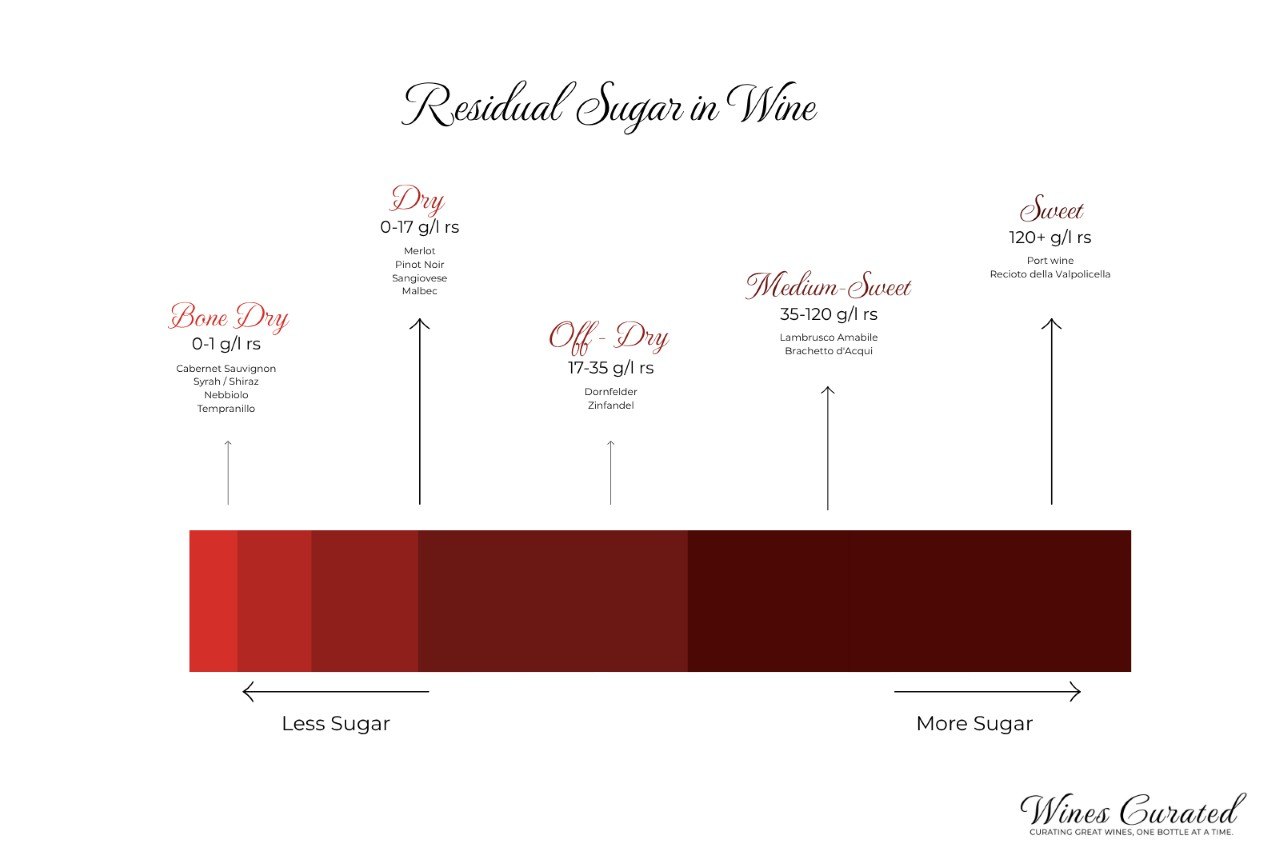
Understanding the types of red wine by sweetness is key to how you enjoy them. Sweetness refers to how much residual sugar remains after fermentation and most red wines fall into three categories.
- Sweet red wines are fruity, approachable and great for beginners; they’re best enjoyed alongside desserts.
- Semi sweet red wines offer a balance of sweetness and acidity, shining when paired with soft cheese.
- Dry red wines such as Nebbiolo or Cabernet Sauvignon are more structured and complex, with bold tannins that make them excellent companions for savoury dishes.
| Sweetness Level | Residual Sugar | Most Popular Red Wines | Best Paired With |
|---|---|---|---|
| Sweet | 35g/L+ | Brachetto d’Acqui, Lambrusco Dolce, Recioto della Valpolicella, Port, Maury | Chocolate desserts, fruit tarts, blue cheese |
| Semi Sweet | 12 – 35g/L | Lambrusco Amabile, Dornfelder, Shiraz (off-dry styles), Merlot (fruit-forward) | Soft cheeses, charcuterie, light pasta dishes |
| Dry | Under 4g/L | Cabernet Sauvignon, Nebbiolo, Merlot, Pinot Noir, Syrah/Shiraz, Tempranillo, Sangiovese | Red meats, aged cheeses, roasted vegetables, hearty stews |
What food pairs well with red wine?
When pairing red wine with food, start with structure: tannins love fat and protein, acidity loves salt and tomatoes, whilst oak and alcohol call for richness. Full bodied red wines pair beautifully with rich dishes such as steak or hearty stews. For lighter, more delicate dishes or pasta, opt for a light or medium bodied red wine like Pinot Noir or Merlot.
Below is a table of the best red wine food pairing suggestions based on the wine body, designed to help you find the perfect match.
| Food | Best Red Wine | Why It Works |
|---|---|---|
| Chicken, turkey, duck, rabbit | Pinot Noir, Grignolino, Barbera d’Asti | Light to medium bodied with vibrant acidity and soft tannins, these reds complement white and game meats without overwhelming them. |
| Cured meats & charcuterie | Chianti Classico, Dolcetto, Beaujolais Villages | High acidity and fruit forward profiles cut through the fat and salt of cured meats, making every bite feel fresh. |
| Steak, roasts & braised meats | Cabernet Sauvignon, Barolo, Bordeaux, Malbec | Full bodied with firm tannins that bind to proteins in red meat, the classic pairing for good reason. |
| Pasta, grilled tuna & vegetable dishes | Merlot, Sangiovese, Côtes du Rhône | Fruity, smooth and medium bodied enough to work across a wide range of dishes without dominating the plate. |
| Aged cheeses (Parmesan, Cheddar, Gouda) | Amarone, Syrah, Aged Rioja Gran Reserva | The smoky, complex depth of these full bodied reds stands up to the intensity of aged cheeses and echoes their umami character. |
| Pasta, club sandwiches & light bites | Barbera d’Alba, Valpolicella, Frappato | Medium bodied with enough acidity and fruit to pair effortlessly with lighter, more casual food. |
| Comfort food — burgers, pizza, baked casseroles | Zinfandel, Primitivo, Nero d’Avola | Rich dark fruit, generous body and structured tannins make these the perfect match for hearty, flavour packed dishes. |
| Fish, seafood & shellfish | Pinot Noir, Nerello Mascalese, Gamay | When red is the preference, go light: low tannins and bright acidity keep these bottles from clashing with delicate seafood flavours. |
How long does red wine last once opened?
Once a bottle of red wine is opened, the clock starts ticking. Exposure to oxygen begins to change the wine almost immediately: at first, this can actually be a good thing, softening tannins and opening up aromas. But left too long, that same oxygen will cause the wine to oxidise, losing its freshness and fruit and eventually tasting flat or dull.
How quickly that happens depends largely on the wine itself. To give you a practical sense of what to expect from the bottles in your rack, here’s a breakdown by style:
| Wine Type | How Long Does It Last Once Opened? | Storage Tips |
|---|---|---|
| Light bodied reds (Pinot Noir, Gamay) | 2 – 3 days | Recork and refrigerate. Bring back to room temperature before serving. |
| Medium bodied reds (Merlot, Sangiovese, Tempranillo) | 3 – 4 days | Recork tightly and store in a cool, dark place. |
| Full bodied reds (Cabernet Sauvignon, Syrah, Nebbiolo) | 4 – 5 days | Recork or use a wine stopper. Keep away from heat and light. |
| Fortified reds (Port, Maury, Banyuls) | 2 – 4 weeks | Recork and refrigerate. The higher alcohol acts as a natural preservative. |
A few simple habits can make a real difference. Always recork the bottle as tightly as possible after pouring, or invest in a vacuum wine stopper to remove excess air from the bottle. If you find yourself regularly unable to finish a bottle, a wine preservation system using inert gas such as argon is worth considering, as it creates a protective barrier between the wine and the air.
Good to know: the one thing to avoid is leaving an open bottle sitting on the counter at room temperature for days on end: that’s the fastest route to a disappointing glass.
How many calories are there in a glass of red wine?
Red wine does contain calories, primarily from alcohol and (to a lesser extent) residual sugar, with the picture varying quite a bit depending on what’s in your glass. A light, low alcohol red like a Pinot Noir or a Gamay will sit at the lower end of the calorie range, while a rich, high alcohol Amarone or a sweet Port will clock in considerably higher. To put it in practical terms, here’s what a standard pour looks like across different styles:
| Wine Type | Serving Size | Approximate Calories | ABV Range |
|---|---|---|---|
| Light bodied dry reds (Gamay, Schiava, light Pinot Noir) | 150ml | 110 – 125 kcal | 11 – 12.5% |
| Medium bodied dry reds (Merlot, Sangiovese, Tempranillo) | 150ml | 125 – 145 kcal | 12.5 – 13.5% |
| Full bodied dry reds (Cabernet Sauvignon, Syrah, Nebbiolo) | 150ml | 145 – 165 kcal | 13.5 – 15% |
| Sweet reds (Lambrusco Dolce, Brachetto d’Acqui) | 150ml | 160 – 180 kcal | 5 – 8% |
| Fortified reds (Port, Maury) | 75ml | 120 – 160 kcal | 18 – 20% |
A few things are worth keeping in mind. Fortified wines are typically served in smaller measures, which is why their calorie count remains comparable to a full glass of table wine despite the higher alcohol. Residual sugar adds calories too, which is why a sweet red can rival a full bodied dry wine even at lower alcohol levels. And if you’re tracking your intake, bear in mind that a generous restaurant pour often runs closer to 200ml than the standard 150ml used above.
None of this should take the pleasure out of a good bottle. But knowing roughly where your wine sits on the calorie scale is a useful piece of information to have.
Leading red wine producing countries worldwide
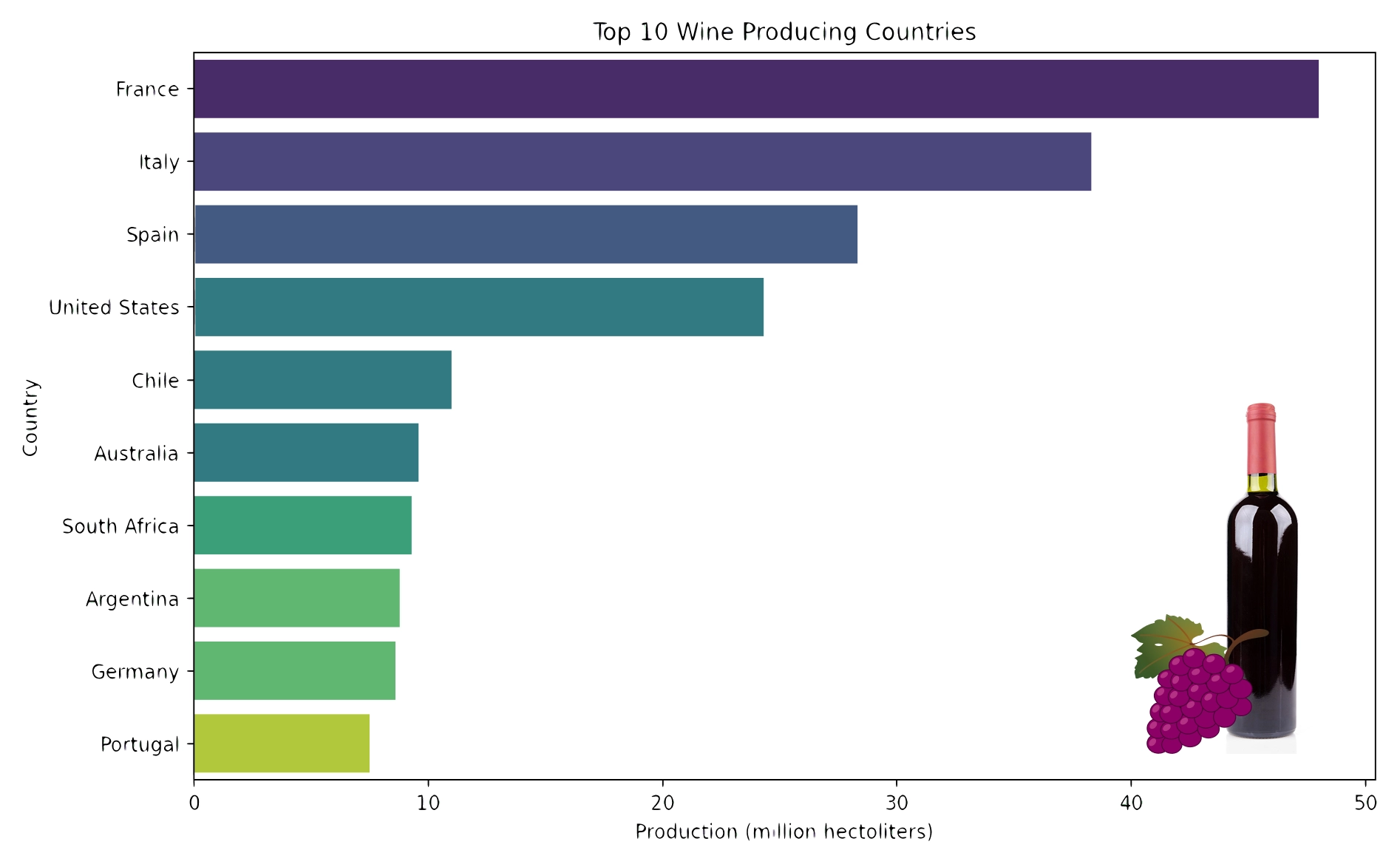
The global wine industry continues to wield significant economic and cultural influence. While total production has dipped in recent years due to adverse weather conditions, a handful of countries remain dominant in terms of volume, exports and reputation.
| Rank | Country | Production (million hl) | World % | Best Regions |
|---|---|---|---|---|
| 1 | France | 48.0 | 20.2% | Bordeaux, Burgundy, Rhône and Champagne |
| 2 | Italy | 38.3 | 16.1% | Tuscany, Piedmont and Veneto |
| 3 | Spain | 28.3 | 11.9% | Rioja, Ribera del Duero, Priorat |
| 4 | United States | 24.3 | 10.2% | Napa Valley, Sonoma and Willamette (PN) |
| 5 | Chile | 11.0 | 4.6% | Maipo, Colchagua, Maule |
| 6 | Australia | 9.6 | 4.1% | Barossa Valley, McLaren Vale, Margaret River |
| 7 | South Africa | 9.3 | 3.9% | Stellenbosch, Swartland, Paarl |
| 8 | Argentina | 8.8 | 3.7% | Mendoza, Patagonia, Salta |
| 9 | Germany | 8.6 | 3.6% | Mosel, Rheingau, Pfalz |
| 10 | Portugal | 7.5 | 3.2% | Douro, Alentejo, Dão |
Historically, the United Kingdom has been a major wine consumer, although a minor producer and grower. 2025 witnessed a rise in English wine production, with around 124,377 hectolitres, equivalent to over 16.5 million bottles of wine produced across the UK.
English wine production is on the rise, but it’s still a long way from big wine countries like France, Italy, Spain and the US, which collectively produce over half of the world’s wine. Just 28 countries account for 85% of global production, including Chile, Australia, South Africa, Germany and Portugal, among others.
Great red wines worth collecting
Red wines have long been at the heart of fine wine collecting. Famous red wine brands are so revered that many bottles are purchased before they are even released, representing the pinnacle of winemaking. Fine red wines are often reserved for life’s most special occasions, selected as luxury gifts or long term investments. All of the following are available to buy online:
- Bordeaux: Château Lafite Rothschild, Pauillac 2021. Released at a price of approximately £484 per 750ml bottle, its value is set to increase with time. It enjoys a deep global collector base and highly active secondary market turnover.
- Barolo: Giacomo Conterno “Monfortino” Riserva 2019. Monfortino’s 2019 vintage has achieved legendary status for its quality and premium positioning. It boasts exceptional longevity and strong auction demand, trading robustly across major venues.
- Sangiovese / Chianti: Soldera Toscana IGT Soldera 2017. An archetypal collectable Sangiovese with an enduring ageing narrative and reliable liquidity, underpinned by a strong reputation amongst serious collectors.
What truly makes high end red wine so collectable? Many are crafted in small batches under exclusive labels, making them rare and difficult to obtain even when purchased prior to release. Numerous collectable red wines originate from historic vineyards that impart a distinctive, unrepeatable character, further enhancing their prestige and investment value over time.
Did you know? Wine futures (known as en primeur in French) are a way to buy prestigious wines before they are even bottled. The practice is most associated with Bordeaux, where each spring the newest vintage is tasted and offered to merchants and collectors, granting first access to rare and limited releases.
Red wine record bottles sold at auction
Here is a glimpse of the extraordinary prices paid by collectors for remarkable bottles of red wine. Records occur when rarity, perfect storage conditions and celebrated vintages align. Large format bottles typically command a premium, and charity auctions can push prices even higher. Treat this as a fascinating insight into just how far wine passion (and deep pockets) can stretch.
- French red wine: 1945 Domaine de la Romanée-Conti, Romanée-Conti – Price £424,000 (750 ml), Sotheby’s New York, October 13, 2018
- US red wine: Screaming Eagle Cabernet Sauvignon 1992 — Price $500,000 (6 litre Imperial), approx. £377,000 at 2000 exchange rates Auction Napa Valley (charity), June 2000
- Italian red wine: Ornellaia 2010 “Vendemmia d’Artista” – Price £90,895 approximately (9 litre Salmanazar), Sotheby’s London, May 16, 2013 — widely cited as an Italian single bottle auction record.
Red wine serving temperature and other tips
Choosing the perfect red wine involves understanding its body, structure and how it matches your personal taste. You don’t need to be an expert! The table below makes things easy by providing key details: ideal red wine serving temperature, alcohol content (ABV), tannins, acidity levels and ageing potential.
| Red Wine Name | ABV | Tannin / Acidity | Aging Potential | Serving Temp |
|---|---|---|---|---|
| Villa Antinori Chianti Classico Riserva – Marchesi Antinori 2022 | 14% | High tannin, medium acidity | 5-10 years | 16-18 °C |
| Isola dei Nuraghi Bovale Essentija – Pala | 14% | Medium tannins, high acidity | 10-15 years | 16-18 °C |
| Barbaresco DOCG – Produttori del Barbaresco 2022 | 14% | High tannins, high acidity | 15-20 years | 16-18 °C |
| Finca Altamira Mendoza Malbec – Achaval Ferrer 2018 | 13.8% | High tannins, medium acidity | 5-10 years | 16-18 °C |
| Barolo – Pio Cesare 2021 | 14.5% | Soft tannins, balanced acidity | 15-25 years | 16-18 °C |
How to properly store red wine?
To preserve the full flavour and ageing potential of red wine, proper storage is essential. Here are five key tips to follow:
Store wine in a cool, dark place, ideally between 13 and 18°C.
- Lay bottles on their side to keep the cork moist and maintain a humidity level of around 60-70%.
- Use a vacuum pump or inert gas to preserve wine in opened bottles.
- Avoid fluctuating temperatures, direct sunlight and vibrations.
Red wine for beginners and how to get started
Choosing the right red wine for beginners can be a genuinely enjoyable experience. Start with easy drinking, fruit forward reds that keep tannins gentle and alcohol moderate. Pinot Noir is always a welcoming starting point. Opt for recent vintages and aim for an ABV between 12.5 and 13.5%. Serve slightly cool, between 15 and 18°C, to sharpen fruit and keep the palate refreshed. Pair with familiar food to give the wine a comfortable context and hold off on heavily tannic or heavily oaked styles at first, as they can feel austere to newcomers.
Here is our selection of beginner friendly red wines to try. All are available to buy online in the UK:
- Pinot Noir Body: light and smooth, with soft red fruit. Best for: seafood, salmon or veggie dishes.
- Merlot Body: medium, soft and fruity. Best for: pasta, burgers or grilled vegetables.
- Zinfandel Body: bold and jammy, with a hint of spice. Best for: BBQ, pizza or spicy food.
How we rate red wine
Every red wine that earns a place on our list has been tasted and scored by our editorial team independently: what ends up in your glass speaks for itself, with no exception. We are deliberately selective: our recommendations rarely fall below 4.6 out of 5 and every bottle that makes the cut has earned its place on merit alone.
We work with a 50 point scoring system under the hood, which we translate into a clean 5 point scale for you:
- 5 = Exceptional
- 4 = Excellent
- 3 = Very Good
- 2 = Good
- 1 = Fair
What actually goes into the score?
- Appearance (up to 5 points): does the wine look alive? We’re assessing clarity, depth of colour and brightness, the first clues about what’s coming.
- Aroma & bouquet (up to 15 points): this is where a wine starts to tell its story. We’re looking for intensity, layered complexity and a clean, flaw free nose that makes you want to keep going back.
- Flavour & palate (up to 20 points): the heart of the score. Acidity, tannin, alcohol and mouthfeel all need to be pulling in the same direction: a great red wine feels balanced, not like a tug of war
- Overall impression (up to 10 points): how does it all come together? We’re thinking about harmony, typicity, the length of the finish and whether this is a wine that still has somewhere interesting to go.
Scores of 4 and above signal something genuinely worth seeking out. Anything below 4 didn’t make the cut.
We also hold every red wine to three additional standards that we think matter as much as the numbers:
- Structure: tannins should feel like a frame, not a wall. We want acidity that gives the wine life and alcohol that knows its place
- Aromatic profile: complexity is the goal. Fruit, spice, earth, oak and time should all have something to say, and ideally they should keep saying it long after the glass is empty.
- Terroir expression: a Burgundy should taste like Burgundy; a Napa Cabernet should taste like Napa. We score Old and New World styles against their own benchmarks, because comparing them directly misses the point
One last thing from us: numbers are useful but they’re not the whole story. Our scores reflect our palates, our tasting conditions and our honest opinions on a given day, nothing more, nothing less. The tasting notes are where the real picture lives and we’d always encourage you to read those first. Finding a wine you love is the only result that matters.
You might also be interested in
FAQs on Red wine
Which red wine is the best?
Pinot Noir is often considered the best red wine for its elegance, smooth texture and versatility. That said, Barolo and Bordeaux wines tend to win the most international competitions, owing to their structure, ageing potential and complexity, consistently earning top spots among wine enthusiasts worldwide.
What are the top 10 types of red wine?
The top 10 types of red wine include Barolo, Cabernet Sauvignon, Merlot, Pinot Noir, Syrah/Shiraz, Zinfandel, Malbec and Sangiovese. These red wine types differ in flavour, body and tannin levels, offering a wide range of taste experiences and making them firm favourites for various food pairings and wine lovers across the UK and beyond.
Are red wines sweet or dry?
Red wines range from dry to sweet depending on residual sugar levels. Most, such as Cabernet Sauvignon and Pinot Noir, are dry. However, certain styles like Lambrusco or some Zinfandels can be semi sweet or sweet. The final taste depends on the winemaking process and the amount of sugar remaining after fermentation.
Do organic red wines contain sulphites?
Yes, organic red wines may contain naturally occurring sulphites, but they typically have fewer added sulphites than conventional wines. For a truly low sulphite option, look for bottles labelled "no added sulphites" or "sulphite free". Do bear in mind that such wines are less common and may have limited availability depending on the region.
Does red wine have health benefits?
In moderation, red wine may offer certain health benefits because of antioxidants such as resveratrol and flavonoids, which are associated with heart health. However, excessive intake can be harmful. To enjoy any potential advantages, red wine should be consumed responsibly and always within the context of a balanced, healthy lifestyle, not as a health remedy.
Can red wine be aged?
Yes, many red wines, particularly bold styles such as Barolo, Bordeaux and Cabernet Sauvignon, age beautifully, gaining complexity and depth over time. By contrast, lighter reds such as Beaujolais are best enjoyed young, when their fresh, fruity character is at its most vibrant. Ageing potential depends on structure, tannins and how the wine was made.
How long does red wine last once opened?
Once opened, red wine generally stays fresh for 3 to 5 days when properly resealed and kept in the fridge. Lighter reds like Pinot Noir may deteriorate more quickly, whilst fuller bodied wines with higher tannins tend to last a little longer. Using a wine stopper or vacuum pump will help preserve both flavour and aroma for as long as possible.
How many calories in a glass of red wine?
A standard 175 ml glass of red wine contains approximately 120 to 165 calories, depending on the style and alcohol content. Dry red wines tend to be lower in calories than sweeter or higher ABV styles. A full bodied Cabernet Sauvignon at 14.5% ABV will typically contain more calories than a lighter Pinot Noir at 12.5% ABV. For those mindful of their intake, checking the label for ABV is a useful guide; the higher the alcohol, the higher the calorie count.
What is a full-bodied red wine?
A full bodied red wine offers a rich, weighty texture with higher alcohol content, typically above 13.5% ABV. These wines feel dense on the palate and deliver bold, concentrated flavours, often featuring dark fruit, spice and oak. Classic examples of full bodied red wines include Cabernet Sauvignon, Syrah and Malbec.
What is a medium bodied red wine?
Medium bodied red wines offer a balanced texture with moderate alcohol and tannin levels. They provide smooth, versatile drinking experiences that make them ideal for pairing with a wide variety of dishes. Merlot and Sangiovese are classic examples of medium bodied reds, celebrated for their easy drinking style and compatibility with diverse foods.
What does light bodied red wine mean?
Light bodied red wines are characterised by their delicate nature: lower alcohol, lower tannin levels and a soft, refreshing mouthfeel. They often feature vibrant red fruit flavours such as cherry or cranberry. Popular examples include Pinot Noir and Gamay, known for their finesse and supreme drinkability.
How much sugar is in red wine?
The sugar content of red wine varies by style. Most dry red wines contain fewer than 2 grams of sugar per glass. Sweeter varieties may have considerably higher sugar levels depending on fermentation. If you are mindful of your sugar intake, checking the label for the style or residual sugar information is the best approach.
Red vs white wine: what is the difference?
Red wine is made from dark coloured grapes with the skins left in contact during fermentation, giving it its characteristic red colour and tannins. White wine is produced from green or yellow grapes with the skins removed early in the process. Red wines are typically fuller bodied and richer, whilst white wines are lighter and crisper, with varying levels of sweetness.
What are the best red wine brands?
The best red wine brands include icons such as Roberto Voerzio from Piedmont, Italy; Château Angélus from Bordeaux, France; CVNE in Rioja, Spain; Schrader Cellars in California, US; and Achaval Ferrer, a winery in the Mendoza region of Argentina. These are brands with world class reputations, built over decades of uncompromising work in the vineyard and the cellar.
