

Montepulciano wine top brands and bottles for 2026
Montepulciano is Italy’s second most planted grape, used to craft the beloved Montepulciano d’Abruzzo in the central region. We’ve evaluated bottles of this approachable red, rating them from 4.6-5/5 to bring you our best: Tiberio’s Colle Vota Montepulciano d’Abruzzo 2021, rated 5/5.

Table of Contents
Top 10 Montepulciano d’Abruzzo wine bottles to buy online
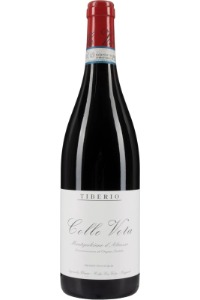
Colle Vota Montepulciano d’Abruzzo – Tiberio 2021

Montepulciano d’Abruzzo DOP – Pasetti Harimann 2018
Abruzzo, Italy

Archivio Montepulciano d’Abruzzo – Tiberio 2021
Abruzzo, Italy

Vere Novo Montepulciano d’Abruzzo DOC – Mazzarosa 2020
Abruzzo, Italy

Montepulciano d’Abruzzo Riserva – Azienda Agricola Binomio 2021
Abruzzo, Italy
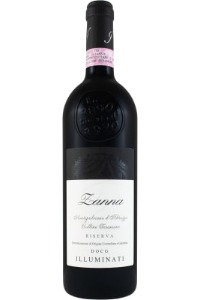
Montepulciano d’Abruzzo Zanna Colline Teramane Riserva – Illuminati 2018
Abruzzo, Italy

Marina Cvetic Montepulciano d’Abruzzo Riserva – Masciarelli 2020
Abruzzo, Italy
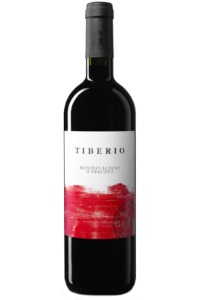
Montepulciano d’Abruzzo – Tiberio 2022
Abruzzo, Italy

Terra Regia Montepulciano d’Abruzzo Riserva – Cantina Sangro 2019
Abruzzo, Italy
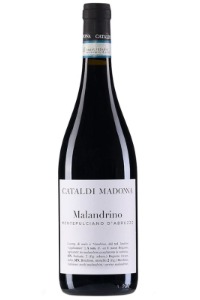
Malandrino Montepulciano d’Abruzzo – Cataldi Madonna 2023
Abruzzo, Italy
Our handpicked selection of the best Montepulciano d’Abruzzo wines is the ideal starting point for exploring this variety, including various DOC and structured Riserva bottlings. At the top of our rankings is the intensely silky Colle Vota Montepulciano d’Abruzzo 2021 by Tiberio, rated 5/5 and priced at approximately $150, alongside the trusty, balanced Cataldi Madonna Malandrino Montepulciano d’Abruzzo 2023, priced at roughly $30.
Montepulciano d’Abruzzo wine taste at a glance
Montepulciano d’Abruzzo tastes dry and fruit forward, with flavors of red plum, black cherry and blackberry. Crafted from grapes of the same name, Montepulciano wines are medium to full bodied, with a deep, violet purple color and a distinct, persistent smoky finish.
| Attribute | Details |
|---|---|
| Grape Variety | 100% Montepulciano |
| Origin | Abruzzo, Italy (DOC/DOCG zones include Colline Teramane and others) |
| Serving Temperature | 60-65°F (15-18°C) |
| Decanting | 30 minutes to 1 hour for younger wines; longer for Riserva or aged |
| Aging Potential | 5-15 years (can reach 20+ for top Riserva wines) |
| Flavor Profile | Black cherry, plum, blackberry, dried herbs, earth, cocoa, leather |
| Structure | Medium to full bodied, good acidity and moderate tannins |
| Alcohol Content | 12-15% |
| Ideal Glass | Large red wine glass or tulip -shaped glass |
| Food Pairing | Roasted meats, lamb, ragu, aged cheeses, grilled vegetables |
| Top Communes | Colline Teramane DOCG, Terre dei Vestini, Chieti Hills |
| Notable Producers | Emidio Pepe, Cataldi Madonna, Valentini, Masciarelli, La Valentina, Illuminati |
Let’s get practical: what does Montepulciano wine taste like?
- Primary flavors of red plum, blackberry, sour cherry and the occasional taste of violet.
- Its structure is dry, with medium to high acidity and moderate tannins.
- Savory and earthy secondary notes, as well as hints of cocoa and roasted coffee.
- While it is often enjoyed young, premium expressions can develop notes of leather and olive with age.
Common misconception: it is important to distinguish between Montepulciano d’Abruzzo (the grape/wine from the Abruzzo region) and Vino Nobile di Montepulciano (a Tuscan wine crafted from Sangiovese, not the Montepulciano grape).
What is Montepulciano wine? A gritty classic explained
- Montepulciano wine
Montepulciano is a medium to full bodied red wine crafted primarily from the dark skinned grape variety of the same name in central Italy and it also makes an excellent rosé. It is dry and approachable, featuring moderate tannins, dark fruit flavors and spice notes that make it versatile for food pairing. The Montepulciano d’Abruzzo wine ABV is typically between 12-15%.
The Montepulciano grape is also known as Cordisco, Morellone, or Uva Abruzzese. It is a high yielding, robust and versatile variety that produces deeply colored wines, varying from ruby red to purple, depending on the vintage and winemaking techniques. Despite its thick skin, it has a high juice to skin ratio that gives its wines modest tannins, making it an ideal blending component.
Montepulciano d’Abruzzo wine is a structured, approachable wine crafted from at least 85% Montepulciano grapes. It is typically medium to full bodied with moderate tannins and intense red and black fruit notes of blackberry, prune and sour cherry, as well as hints of cocoa, vanilla and earth.
The wines can be age worthy Riserva versions, matured in oak barrels and featuring grippy tannins, but most Montepulciano red wines are light and fruity, designed to be consumed young.
How is Montepulciano wine made?
Montepulciano wine is crafted from at least 85% Montepulciano grapes (often up to 100%) and up to 15% Sangiovese.
- Grapes are typically hand harvested from vineyards in the hills of Abruzzo in late September or early October. DOC regulations state that maximum yields should not exceed 14,000 kg per hectare.
- After harvesting, the grapes are destemmed to prevent bitter flavors and lightly crushed to release the juice.
- Fermentation often occurs in temperature controlled stainless steel vats to preserve fresh fruit flavors, although producers use oak barrels for Riserva wines. Before fermentation, some winemakers subject the grapes to a cold soak to extract aromas.
- Maceration or skin contact is a crucial step that lasts from a few days to several weeks, allowing the juice to soak up color, tannins and flavor from the skins.
- Aging: standard Montepulciano red wines are released after 6-18 months of aging in stainless steel. Montepulciano d’Abruzzo Riserva must be aged for at least 24 months, with a minimum of 9 months in oak barrels.
- Clarification involves adding fining agents to the wine to remove particles, after which it is then filtered and bottled for commercial release.
In some specific areas, such as Terre dei Vestini, there are stricter rules guiding its production, including the use of 100% Montepulciano, higher alcohol levels (above 13%) and longer oak aging (at least 30 months, with 9 months in wood for wines labeled Riserva).
Montepulciano grape: a deep dive into Abruzzo’s signature grape
The Montepulciano grape is primarily grown in Abruzzo. It thrives in warm climates and hillside vineyards, producing deeply colored wines with rich tannins. This versatile grape yields different wine styles in addition to the popular Montepulciano d’Abruzzo wine such as:
- Montepulciano d’Abruzzo DOC
- Montepulciano d’Abruzzo Riserva
- Cerasuolo d’Abruzzo DOC
- Spumante Metodo Classico
| Types of Montepulciano Wine | Style | Aging Requirement | Key Characteristics |
|---|---|---|---|
| Montepulciano d’Abruzzo DOC | Red, everyday wine | Minimum 5 months | Fruity, smooth, approachable; displaying notes of plum, spice and earth. |
| Montepulciano d’Abruzzo Riserva | Aged red wine | Minimum 2 years (9 months in oak) | More structured and complex, with oak, leather and dried fruit notes. |
| Cerasuolo d’Abruzzo DOC | Rosé (Cerasuolo) | No minimum for DOC rosé | Bright cherry color; fresh, fruity, with more body than typical rosé. |
| Spumante Metodo Classico | Sparkling wine | Generally shorter aging | Made in the traditional method; it is dry to off dry with fresh red fruit and floral notes. |
Did you know? Montepulciano wines are a famous pairing for pizza and rich tomato based pasta dishes due to their high acidity and juicy plum and blackberry flavors.
Montepulciano d’Abruzzo wine price spectrum
Montepulciano d’Abruzzo red wine prices range from high quality, value driven bottles retailing at less than $20 to 5/5 premium collectibles that exceed $100. This Italian wine offers a very good quality to price ratio and some key factors affecting the price of Montepulciano red wines include:
- Appellation & quality classification: cult wines from Colline Teramane DOCG are of higher quality and guided by stricter production guidelines, which leads to higher prices compared to standard DOC wines.
- Aging process: Montepulciano Riserva wines are aged for longer (at least 2 years, including oak), which increases their cost compared to easy drinking, youthful versions.
- Wines from specific subzones within the DOC known for their exceptional terroir expression, such as Alto Tirino and Casauria, may also command higher prices.
- Established and reputable producers like Emidio Pepe and Valentini, with a focus on quality rather than mass production, also command significantly higher prices.
- Older, rarer vintages also tend to reach premium prices due to higher demand by collectors and wine enthusiasts.
See below our handpicked Montepulciano d’Abruzzo bottles by price range:
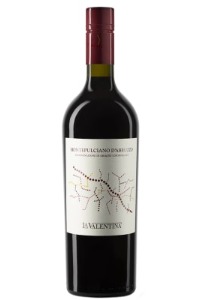
1. Entry Level Montepulciano: Montepulciano d’Abruzzo 2023 – Fattoria La Valentina – Abruzzo, Italy

2. Mid Tier Montepulciano: Montepulciano d’Abruzzo 2022 – Tiberio – Abruzzo, Italy

3. Single Vineyard: Vere Novo Montepulciano d’Abruzzo DOC 2020 – Mazzarosa – Abruzzo, Italy

4. Prestige Collector Bottles: Colle Vota Montepulciano d’Abruzzo 2021 – Tiberio – Abruzzo, Italy
Notable Montepulciano wine brands
The best Montepulciano wine brands can be found primarily in Abruzzo, Italy, well recognized for their quality, tradition and influence. They generally focus on creating robust red wines from the late ripening grape, with a preference for high altitude, limestone rich soils and 100% varietal wines. Among the best Montepulciano wine producers, we can name:
- Cataldi Madonna: a family estate since 2020, with a focus on sustainable viticulture and native Abruzzo varieties.
- Masciarelli: the first winery to use French oak barrels for Montepulciano, now a leading producer known for 100% estate grown Montepulciano d’Abruzzo.
- Emidio Pepe: an iconic winery, pioneers of organic and low intervention Montepulciano wines.
Here is a closer look at these celebrated producers:
Cataldi Madonna – Ofena, Abruzzo, Italy
Cataldi Madonna is a prestigious family owned winery in Ofena, Abruzzo. It was founded in 1920 by Baron Luigi Cataldi Madonna and is currently led by fourth generation winemaker Giulia Cataldi Madonna. The estate is famous for crafting high quality Montepulciano d’Abruzzo in the “Forno d’Abruzzo” plateau, a 31 hectare vineyard where they craft fresh, high acidity wines. Cataldi Madonna is dedicated to indigenous, organic and sustainable practices, as well as emphasizing the unique terroir of the Ofena area through the cultivation of mainly native Abruzzo vines.
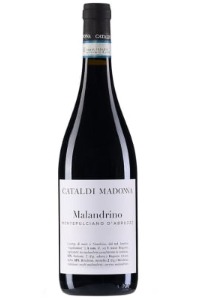
Malandrino Montepulciano d’Abruzzo – Cataldi Madonna 2023 – Abruzzo, Italy
Masciarelli – Chieti, Abruzzo, Italy
Founded in 1981 by the visionary winemaker Gianni Masciarelli, Masciarelli Tenute Agricole was established to elevate Abruzzo’s reputation from mass producer to the home of high quality, terroir driven wines. Gianni was inspired by his time in Champagne and Burgundy and he became the first winemaker in Abruzzo to blend Italian, local and French methods when he aged Montepulciano in French oak barrels. From just 5 acres in Chieti, the estate has expanded to nearly 900 acres today, with land in all four Abruzzo provinces. Following Gianni’s passing in 2008, Marina Cvetic, his wife, took over operations, continuing on to craft the highly collectible Villa Gemma and Marina Cvetic lines.
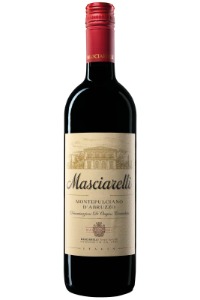
Montepulciano d’Abruzzo – Masciarelli 2024 – Abruzzo, Italy
Emidio Pepe – Torano Nuovo, Abruzzo, Italy
Emidio Pepe established his winery in 1964, with the conviction that Montepulciano d’Abruzzo could produce one of Italy’s greatest red wines, but not everybody was convinced. In the 1960s, Montepulciano was inconsequential in the winemaking industry, with most wine growers selling their fruit to cooperatives. Emidio defied industry standards, incorporating organic, biodynamic farming methods and manual harvesting to create age worthy, low intervention wines. The Emidio Pepe winery is famous for its use of glass lined concrete tanks for aging rather than oak and they have earned global recognition for bringing respect to Abruzzo’s terroir. Today, the winery is managed by his daughters Sofia and Daniela, as well as his granddaughter Chiara, who continue to craft refined wines.
What is the right wine glass to drink Montepulciano?
To fully enjoy Montepulciano wine, choose a large, tall red wine glass with a broad bowl. This shape provides ample surface area for aeration, crucial for releasing the wine’s deep aromas of dark fruit, earth and spice. The slightly tapered rim helps concentrate the bouquet and direct the wine smoothly across the palate.
Note: this is especially important for structured, tannic Montepulciano styles, including Montepulciano d’Abruzzo aged riservas.
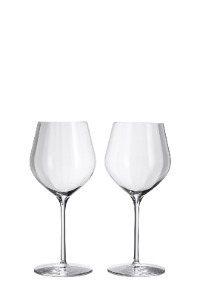
Waterford Elegance Optic Big Red Wine Glasses (Set of 2) (22 oz – 9.8 inches)
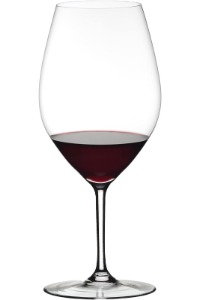
Riedel Wine Friendly Magnum Glasses (Set of 2) (35oz – 10 inches)
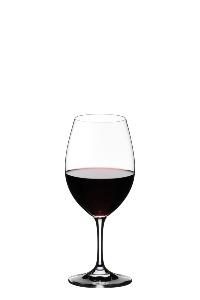
Riedel Red Wine Glass (Set of 2) (12 oz – 7 inches)
Montepulciano d’Abruzzo’s key producing provinces
The Montepulciano wine region is centered in Abruzzo, as the name Montepulciano d’Abruzzo clearly indicates. Here, the balance of mountain influence from the Apennines and breezes from the Adriatic Sea creates the perfect conditions for growing this grape.
The best Italian Montepulciano wine comes from the following four Abruzzo’s key provinces:
- Teramo: located in northern Abruzzo, featuring gentle hills, strong Mediterranean breezes and clay limestone soils. Teramo is home to Colline Teramane DOCG, known for more structured and age worthy Montepulciano d’Abruzzo wines.
- Chieti: in southern Abruzzo, the largest production area with warmer, coastal hills and diverse soils rich in sand and clay. Approachable Montepulciano red wines are produced here.
- Pescara, the central Abruzzo region, is a mix of coastal influence and cool climate terroir with gray blue marl soils. This area produces balanced, elegant and complex expressions with high acidity.
- L’Aquila is high altitude and mountainous inland with distinct temperature shifts and rocky terrain. The weather here is ideal for the production of fresh, high acidity Cerasuolo d’Abruzzo wines.
Unlike many Italian wines, Montepulciano has a strong and unified regional identity, with only a few minor exceptions. Although Abruzzo remains the heart of production, several neighboring regions produce wines using the same grape, often with regional twists. The Montepulciano grape is also widely grown in the Marche region, where it is a primary grape often blended with Sangiovese to produce notable red wines:
- Rosso Conero DOC: minimum of 85% Montepulciano with up to 15% Sangiovese.
- Rosso Piceno DOC: a blend of Montepulciano (35-85%) and Sangiovese (15-50%).
- Offida Rosso DOCG: at least 85% Montepulciano blended in with other permitted red grapes, including Cabernet Sauvignon and Syrah.
Wines from this region are often deeply colored, high in acidity and featuring notes of cherry and leather. In addition to the above appellations, Montepulciano is also found in the red wines of Esino DOC (minimum 60%).
It also appears in blends in Molise (rustic and earthy wines crafted from Montepulciano together with Aglianico and Trebbiano)and Puglia (where it is paired with Primitivo and Negroamaro for a fruit forward wine).
Montalcino vs Montepulciano wine: let’s clear things up
To understand the difference between Montalcino and Montepulciano wine, we need to start with a few key facts, because this is where the confusion usually begins. Let’s break it down. There are three main characters behind the confusion:
- Montepulciano d’Abruzzo: this is a red wine made only in Abruzzo from the Montepulciano grape (where the name comes from).
- The town of Montepulciano (Tuscany): in this town, they make a wine called Vino Nobile di Montepulciano, which is made with Sangiovese grapes (not Montepulciano grapes!). Despite the name, it’s not related to Montepulciano d’Abruzzo.
- Brunello di Montalcino: this is another wine similar to Montepulciano, made in a town called Montalcino from Sangiovese grapes. Some people mistakenly call it Brunello di Montepulciano wine, but that’s totally incorrect.
That being clarified, let’s get back to the real difference between Montalcino and Montepulciano wines:
- Brunello di Montalcino is a complex, bold wine, high in tannins and acidity. It needs aging.
Ideal for: wine lovers who enjoy structured, elegant, age worthy reds. - Montepulciano d’Abruzzo is a fruity, rich wine with smooth tannins, approachable even when young.
Ideal for: casual wine drinkers and everyday meals.
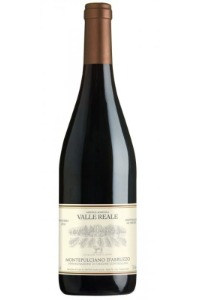
Montepulciano d’Abruzzo – Valle Reale 2024 – Montepulciano, Italy
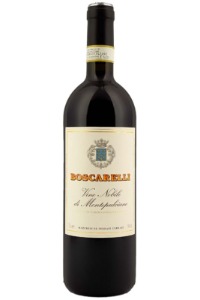
Vino Nobile di Montepulciano – Boscarelli 2021 – Tuscany, Italy
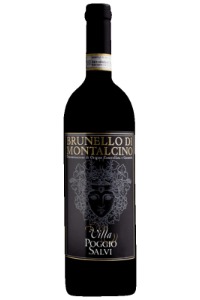
Brunello di Montalcino – Villa Poggio Salvi 2020 – Tuscany, Italy
How to serve and store Montepulciano d’Abruzzo
Montepulciano d’Abruzzo is best served slightly below room temperature, ideally between 60-65°F (15-18°C). To get the most out of your Montepulciano d’Abruzzo:
- Store bottles horizontally in a cool, dark place at a consistent temperature and away from excessive noise.
- Decant for at least 30 minutes to 1 hour before serving to allow the wine to open up and soften its tannins.
- Pour into a standard, wide bowled red wine glass, such as the Bordeaux wine glass, to allow the wine to breathe and release its aromas.
Decanting is essential for Montepulciano wines over 8 years of age to eliminate reductive notes, dissolve sediment and allow oxygen to release secondary and tertiary notes (leather, dried herbs, earth).
Montepulciano wine for beginners: where to start
Montepulciano is quite an approachable red wine, ideal for new wine enthusiasts. To start on the right foot, though, you need to keep these tips in mind:
- Opt for younger vintages (3-6 years). Standard Montepulciano usually sees 6-12 months in oak, reaching peak fruitiness and balance within a few years.
- Serve slightly cool (60-65°F or 15-18°C). Its moderate to high alcohol (12-15%) and dense fruit benefit from cooler temperatures, which soften the alcohol and highlight aromas.
- Pair with hearty foods. Medium high tannins and bright acidity complement rich, protein heavy dishes like steak, balancing fat and enhancing flavors.
Key food pairings for Montepulciano wine
Montepulciano’s firm tannins and high acidity need food with structure and depth. Pairing it with rich, textured dishes softens the wine’s grip and amplifies its fruit and spice notes.
Top Montepulciano food pairings include:
- Hearty Abruzzo dishes like lamb alla chitarra, porchetta, arrosticini (Abruzzo’s traditional grilled lamb skewers) grilled Ventricina sausage.
- Aged regional cheeses such as Pecorino di Farindola, Pecorino di Fossa from Marche and Caciocavallo.
- Slow cooked and grilled meats like braised wild boar, lamb scottadito and grilled Ventricina sausage.
In the table below, find our top 5 food categories to create the perfect Montepulciano wine pairings:
Montepulciano Food Pairing |
Best Montepulciano Wine Bottle |
Aged | Rating | Type & Structure |
|---|---|---|---|---|
| Lamb alla chitarra, grilled Ventricina sausages, porchetta, pallotte cacio e ove | Colle Vota Montepulciano d’Abruzzo 2021 – Tiberio – Abruzzo, Italy |
1-3 years ABV 14.5% |
5/5 | Savory and complex, with a creamy texture, silky tannins and floral aromas. |
| Braised wild boar, lamb scottadito and grilled Ventricina sausage | Montepulciano d’Abruzzo DOP 2018 – Pasetti Harimann – Abruzzo, Italy |
1-2 years ABV 15% |
5/5 | Layered bouquet of ripe red fruits and flowers, vibrant acidity and refined tannins. |
| Aged Pecorino, Parmigiano Reggiano, Parmesan, Asiago, Aged Gouda | Archivio Montepulciano d’Abruzzo 2021 – Tiberio – Abruzzo, Italy |
2-3 years ABV 14.5% |
4.9/5 | Vibrant acidity, smooth tannins, intense dark fruit notes. |
| Porcini mushroom risotto, truffle pasta, wild mushroom tart | Vere Novo Montepulciano d’Abruzzo DOC 2020 – Mazzarosa – Abruzzo, Italy |
1-2 years ABV 14.5% |
4.9/5 | Elegant and light bodied, with gentle tannins and floral notes. |
| Smoked coppa, spicy Soppressata, Culatello, Speck | Montepulciano d’Abruzzo Riserva 2021 – Azienda Agricola Binomio – Abruzzo, Italy |
1-2 years ABV 14.5% |
4.8/5 | Full bodied and powerful, with a complex fruity nose, structured tannins and a long, fruity finish. |
Here are some more pairing tips for Montepulciano:
- Match intensity: its moderate tannins and high acidity are best paired with rich and savory dishes like rich meat sauces or spicy sausages.
- Dishes that feature herbs like rosemary, thyme and oregano, or other earthy components like mushrooms, perfectly complement the wine’s savory, rustic notes.
- For an ideal experience, serve Montepulciano with regional classics such as timballo, soppressata or Abruzzese soups (e.g., pallote cacio e ova)
How we rate Montepulciano wine
Our editorial team rates Montepulciano wine based on a 5 point scale, assessing its appearance, aroma/bouquet, flavor/palate and the overall impression. Quality is our watchword and so we ensure to evaluate every single bottle we recommend, without bias or labels. The final scores are aggregated over 50 points, which is then converted to the 5 point scale that you see.
The 5 point scale can be interpreted as:
- 5 = Exceptional
- 4 = Excellent
- 3 = Very Good
- 2 = Good
- 1 = Fair
What do we assess?
- Appearance (up to 5 points): clarity, color, brightness
- Aroma & bouquet (up to 15 points): intensity, complexity, absence of flaws
- Flavor & palate (up to 20 points): balance of acidity, tannin, alcohol, depth, mouthfeel
- Overall impression (up to 10 points): harmony, complexity, typicity, finish, aging potential.
In addition to the above criteria, we also carry out a Montepulciano d’Abruzzo specific evaluation by assessing:
- The wine’s visual appearance: a good Montepulciano wine is opaque and deep, intense ruby red when young, shifting towards garnet as it ages.
- Structure: a balance of medium to full body, velvety tannins, moderate acidity and a smooth finish.
- Bouquet: quality is indicated by a balance of primary fruit notes, secondary aromas of black pepper and spices and tertiary notes of leather and tobacco.
For consistency, we rate each bottle within its category. A Montepulciano DOC is compared to other DOC wines and not a Riserva. Wines from specific subzones such as Colline Teramane DOCG are also compared strictly against their peers.
A note from our team: wine preferences are determined by personal taste and our scores are a reflection of the palate and taste of our expert tasting panel. We recommend that you read through the attached tasting notes for each bottle to find the ones you love the most.
You might also be interested in


FAQs on Montepulciano wine
What are the most famous Montepulciano d’Abruzzo wines?
The most famous Montepulciano wines are from top producers like Emidio Pepe, known for traditional, age worthy wines; Masciarelli, famous for quality and consistency; La Valentina, offering rich, structured styles; Nicodemi, blending modern and classic techniques; and Azienda Agricola Binomio, praised for bold, expressive wines. These producers showcase Montepulciano’s versatility and regional character across vintages.
Is Montepulciano considered a good wine?
Yes, Montepulciano d’Abruzzo is widely considered a high quality and versatile Italian wine that offers good value. Originating from the Abruzzo region, it is fleshy and approachable, with deep dark fruit flavors, savory herbs, moderate tannins and a smooth finish.
Is Montepulciano better than Chianti?
Neither wine is universally "better" as they offer different styles: Chianti is generally lighter, higher in acidity and more refined, making it ideal for food pairing. Vino Nobile di Montepulciano (Tuscan) is often more robust and rustic, while Montepulciano d'Abruzzo (a different, non Tuscan grape) is fruit forward and offers great value.
What kind of wine is Montepulciano?
Montepulciano refers to a red grape variety grown mainly in central Italy, most famously in Abruzzo, where it produces Montepulciano d’Abruzzo. It’s known for deeply colored, medium to full bodied wines with moderate acidity, robust tannins and flavors of dark fruit, spice and earth. Despite the name, it’s unrelated to the town of Montepulciano in Tuscany.
Is Montepulciano white or red?
Montepulciano is a red wine made from the Montepulciano grape variety. It produces deeply colored wines with medium to full body, firm tannins and dark fruit flavors. While the grape is almost exclusively used for red wines, it can occasionally appear in rosato (rosé) styles, but never as a white wine.
Is Montepulciano wine sweet or dry?
Montepulciano is typically a dry red wine. Most versions are vinified dry, with no residual sugar. The ripe fruit flavors may give a perception of sweetness, but the wine is fermented to dryness. Rare sweet or passito style versions exist, but they are not common. Always check the label or producer notes for exceptions.
What is Montepulciano wine grape?
Montepulciano is a red grape variety native to central Italy, primarily grown in regions like Abruzzo, Marche and Molise. It ripens late and produces deeply colored, full bodied wines with moderate acidity and firm tannins. Known for its versatility, Montepulciano often shows notes of dark berries, herbs and spice and performs well both in youth and with age.
How much is Montepulciano wine?
Montepulciano wines range from affordable everyday options at $25-$65 to premium Riservas priced between $100-$300. Exceptional vintages like Emidio Pepe Vecchie Vigne 2002 can cost $450 or more. This diversity makes Montepulciano accessible for casual drinking while offering high end bottles for collectors and enthusiasts seeking complexity and aging potential.
What is the Montepulciano wine ABV?
Montepulciano wines generally have an alcohol content between 123% and 15% ABV. Most Montepulciano d’Abruzzo wines fall around 13.,5% to 14.,5%, providing a balance of ripe fruit, acidity, and tannins. The exact ABV varies by vintage, producer, and region, but typically stays within this moderate to full -bodied range.
Is Montepulciano wine produced only in Italy?
Yes, Montepulciano wine is primarily produced in Italy, especially in Abruzzo, Marche and Molise. While the Montepulciano grape is almost exclusively Italian, some small scale plantings exist abroad, but they are rare and not widely commercialized. Italy remains the dominant and authentic source of Montepulciano wines worldwide.
Should Montepulciano wine be chilled?
Not really. Montepulciano wine should be served slightly below room temperature, around 60-65°F (15-18°C). Serving it too cold mutes flavors and sharpens tannins, while an overly warm temperature can make the alcohol more pronounced. Light chilling helps balance acidity and highlights aromas without compromising the wine’s full bodied character.
Where is Montepulciano wine from?
Montepulciano wine is primarily from the Abruzzo region in central Italy, where it is known as Montepulciano d’Abruzzo. It is also grown in Molise and the Marche region, where it is bottled in blends with other permitted grapes such as Rosso Conero DOC, Rosso Piceno DOC, or Offida Rosso DOCG.