

Sangiovese wine: top rated bottles for 2026
Among Italy’s most celebrated bottlings, Sangiovese wine lies at the heart of Tuscan winemaking. In this guide, we explore the finest Sangiovese red wines available today, uncover the grape’s rich history and share insights to help you fully appreciate its character and depth.
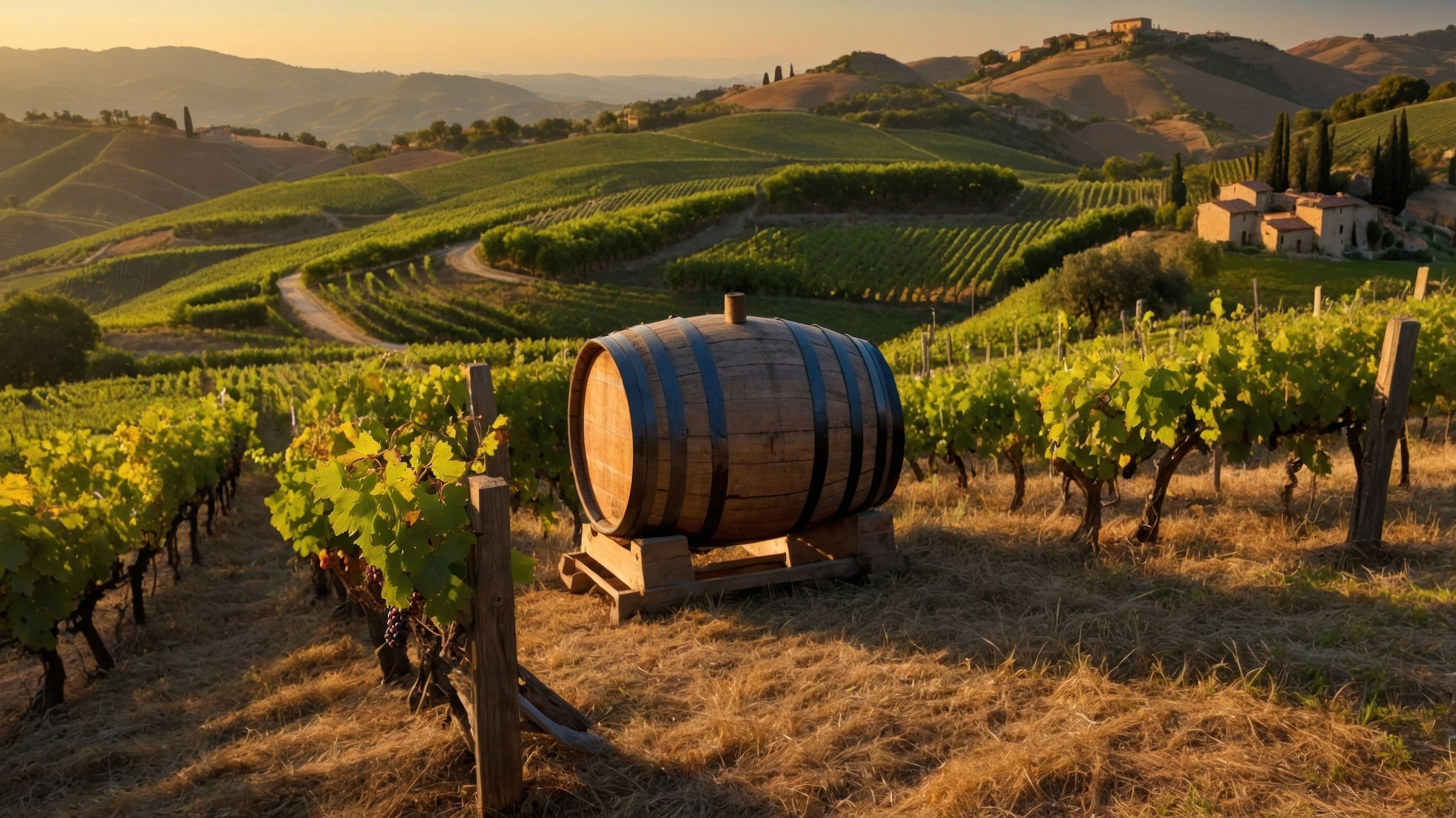

Table of Contents
10 Best Sangiovese wine bottles with international acclaim
Brunello di Montalcino Filo di Seta Riserva – Castello Romitorio 2019
Italy
Il Poggio Chianti Classico Riserva – Castello Di Monsanto 1980
Italy
Brunello di Montalcino – Cerbaiona 2019
Italy
Chianti Classico Gran Selezione Vigna del Sorbo – Fontodi 2022
Italy
Brunello di Montalcino Tenuta Nuova – Casanova di Neri 2020
Italy
Coltassala Chianti Classico Gran Selezione – Castello di Volpaia 2020
Italy
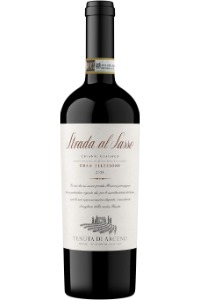
Strada al Sasso Chianti Classico Gran Selezione – Tenuta di Arceno 2021
Italy
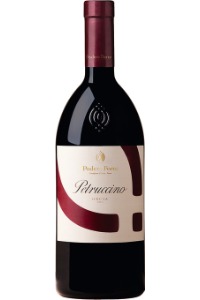
Orcia Petruccino – Podere Forte 2020
Italy
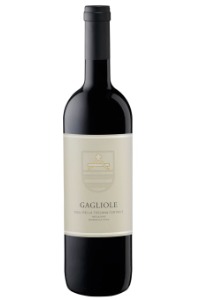
Colli della Toscana Centrale – Gagliole 2021
Italy
Chianti Classco Gran Selezione “Effe 55” – Tenuta Di Capraia 2019
Italy
In the table above, we have handpicked 10 of the best Sangiovese wine bottles based on feedback from wine lovers and critics’ ratings (at least 90 points) in order to reflect the widest consensus amongst our audience. This curated list highlights the great versatility of Sangiovese red wines which range from very affordable to premium collectible bottles of Chianti Classico and Brunello.
Sangiovese wine taste in a nutshell
| Sangiovese Red Wine | Details |
|---|---|
| Grape Variety | 100% Sangiovese |
| Origin | 100% Sangiovese |
| Grape Variety | Tuscany |
| Serving Temperature | 59-65° F (15-18°C) |
| Decanting | 30 minutes to 2 hours |
| Aging Potential | 5 to 25+ years according to vintage |
| Flavor Profile | Depends on winemaking and region but sweet and sour cherry, dried roses, red currant, leather, tobacco and earthy notes are common in different intensities across bottlings |
| Structure | Medium to full bodied, firm tannins and bright acidity |
| Alcohol Content | 13-14.5% (modern styles may go up to 15% ABV) |
| Ideal Glass | Universal red wine glass or Chianti style glass |
| Food Pairing | Tomatopasta, lasagna, grilled meats, truffle risotto, wild mushrooms, aged cheese, game meats |
| Top Communes | Montalcino, Montepulciano, Radda, Castellina, Gaiole, Panzano |
| Notable Producers | Marchesi Antinori, Il Marroneto, Felsina, Fontodi, Biondi-Santi, Avignonesi |
The Sangiovese wine taste is distinctive and instantly recognizable, making it one of Italy’s most iconic red wines. Its profile reveals vibrant red fruit flavors of sour cherry, raspberry, red plum, strawberry and fig, elegantly balanced by floral notes of violet and dried rose. Layers of herbal and spicy aromas such as thyme, oregano, tobacco and licorice add complexity, while time in bottle unveils earthy and savory undertones of leather, balsamic, forest floor and dried herbs. As Tuscany’s most widely planted grape variety, it brings color, structure and depth to many of the region’s finest appellations like Chianti Classico, Brunello di Montalcini and Vino Nobile di Montepulciano.
Fun fact: Legend says that the name “Sangiovese” was derived from the Latin phrase “Sanguis Jovis” which means “blood of Jupiter”, likely inspired by its distinct iron like notes that some compare to the metallic character of blood.
3 Standout Sangiovese red wine brands
The widespread production of Sangiovese in the central regions of Italy results in countless Sangiovese wine brands that score differently in terms of quality and taste. To guide you, we’ve selected the 3 best Sangiovese red wine brands that stand out in blind tastings and critics’ scores. Leading the list is the legendary Biondi-Santi, the historic estate that set the standard for traditional Sangiovese and gave birth to Brunello di Montalcino.
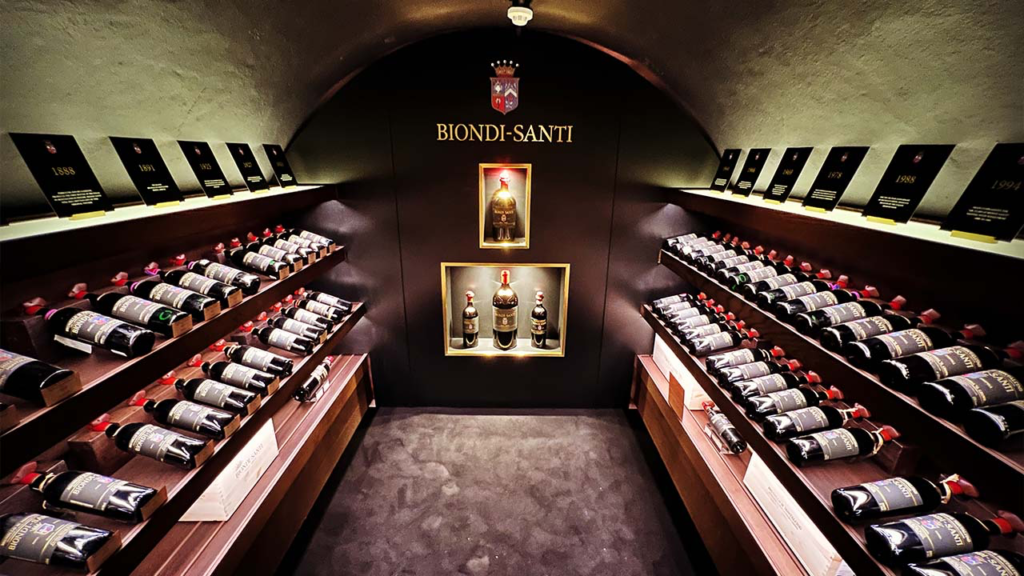
Biondi-Santi Winery – Tuscany (Italy)
In 1865, after much experimentation at his Tenuta Il Greppo, Clemente Santi crafted a long aging Sangiovese wine with a fine brown hue that he named “Brunello”, inventing the first of these wines in history. His grandson, Ferruccio Biondi, built on this research refining the wine and identifying the superior Sangiovese Grosso clone, which he bottled as a 100% Sangiovese. Ferruccio also united the two family names and he was the first to come up with the name “Brunello di Montalcino”. The family has remained committed to their legacy of high quality wines and made the ethical choice not to copyright the “Brunello di Montalcino” brand in order to allow other producers a chance to share in its production. Today, they remain one of the most iconic wineries in Italy, celebrated for their timeless wines.
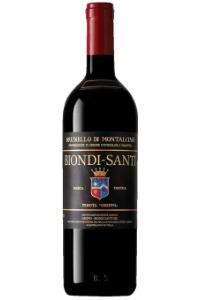
Tenuta Greppo Brunello di Montalcino – Biondi-Santi 2019 – Italy
Marchesi Antinori – Tuscany (Italy)
Marchesi Antinori is an Italian wine company based in Florence with a history dating back to 1385. It was in this year that Giovanni di Piero Antinori joined the Guild of Winemakers, the officially accepted date for the start of their wine business. Their innovations were important in the Super Tuscans revolution of the 1970s, beginning with the launch of Tignanello’s first vintage, a 1971 blend containing Sangiovese, Cabernet Sauvignon and Cabernet Franc. This shook up the Italian wine industry, leading to changes in rules and attitudes to accommodate these new wines. Marchesi Antinori remains a pacesetter in the Italian wine scene, producing DOC/DOCG approved Sangiovese expressions as well as various rebel Super Tuscan wines.
Marchese Chianti Classico Riserva – Marchesi Antinori 2022 – Italy
Avignonesi – Tuscany (Italy)
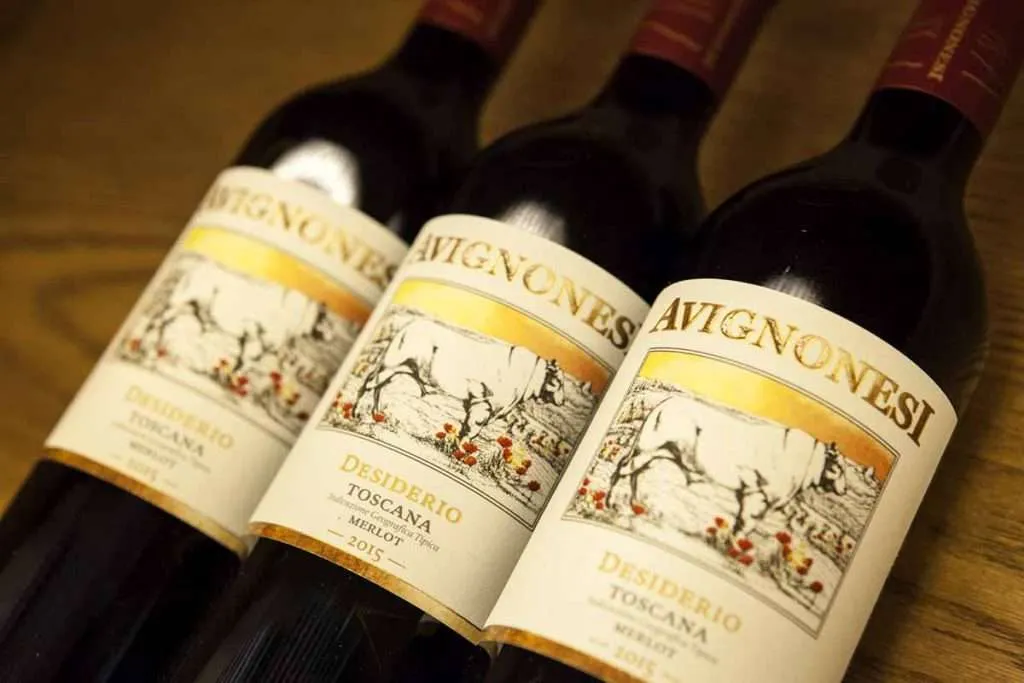
Avignonesi was founded in 1974 by Ettore Falvo who named the estate after his in laws, the Avignonesi family. The estate was acquired by Virginie Saverys in 2009 and since then, it has grown in size and become a leader in the practice of biodynamic viticulture in Italy. Avignonesi is focused on enhancing the richness and elegance of the Montepulciano wine heritage, partially responsible for raising the standard and putting Vino Nobile di Montepulciano back on the map through their commitment to only using Sangiovese grapes in this wine. Today, Avignonesi is the largest organic certified estate in Italy, the biggest estate within the Vino Nobile di Montepulciano wine region, with every one of their wines certified organic and vegan friendly.
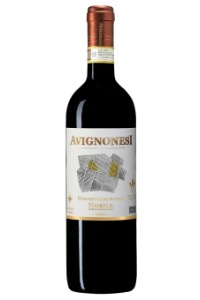
Poggetto di Sopra Alleanza Vino Nobile di Montepulciano – Avignonesi 2020 – Italy
What are the best Sangiovese red wine vintages for collectors?
Sangiovese has rightfully earned its place among the world’s most collectible wines, with certain bottles highly prized by enthusiasts and investors. The secret behind these sought after labels lies in four key elements:
- Wines from reputable winemakers such as Biondi-Santi and Marchesi Antinori tend to be limited and of the highest quality.
- The longer a Sangiovese wine has been aged and the longer its aging potential, the more complex tertiary notes are present, making it rare and widely coveted.
- Being a terroir expressive wine that can have different tasting notes and qualities depending on where it is grown, Sangiovese wines from historic vineyards are quite collectible.
- Bottles produced in what are labeled as the best vintage years, where grapes were able to grow with balanced sunshine, are most beloved by oenophiles.
Below is a selection of the best Sangiovese red wine bottles listed by vintage year, chosen for their critical acclaim and collector appeal.
| Vintage | Recommended Sangiovese Wine | Rating | Tasting Notes | Vintage Characteristics |
|---|---|---|---|---|
| 2020 | Brunello di Montalcino 2020 – Poggio di Sotto – Italy | 5/5 | Weighty and elegant with refreshing notes of lemon, wild strawberries and saline. | Notable day to night temperature variations promoted phenolic ripening of the grapes. |
| 2019 | Vino Nobile di Montepulciano Costa Grande 2019 – Boscarelli | 4.9/5 | Full bodied palate with aromas of spice, blackberries, earth and cherries. | A perfect vintage with with warm days and just enough rainfall to ensure an outstanding yield with remarkable aging potential. |
| 2018 | Brunello Di Montalcino Riserva 2018 – Renieri – Italy | 4.9/5 | Elegant and intoxicating notes of red currants, eucalyptus, bergamot and potpourri. | The year was cold and rainy, slowing down the ripening grape, but the end of September was dry enough to yield a classic vintage. |
| 2016 | A Diletta Brunello di Montalcino 2016 – Col di Lamo – Italy | 4.9/5 | Chewy and focused wine with dusty tannins and aromas of sandalwood, citrus and dried flowers. | A year marked by balanced seasonal temperatures with sunshine and the right night time lows. |
| 2015 | Brunello di Montalcino Riserva Gli Angeli 2015 – La Gerla – Italy | 4.8/5 | 4.8/5 | Mild September with good temperature variations between day and night yielded crisp and vigorous wines. |
What is Sangiovese wine?
Sangiovese wines are powerful and slow maturing red wines originating in central Italy, particularly in Tuscany and Umbria. The Sangiovese wine grape adapts remarkably to different terroirs, resulting in a wide range of regional expressions and local names. Depending on where it’s grown and the specific clone, it appears as Vino Nobile di Montepulciano (Prugnolo Gentile), Brunello di Montalcino (Sangiovese Grosso), Rosso di Montepulciano, Morellino di Scansano, Montefalco Rosso, Chianti and even Nielluccio in Corsica. Each version captures a distinct facet of the Sangiovese wine taste, from vibrant and aromatic to deeply structured and long lived.
Marked by vibrant acidity, firm yet elegant tannins and flavors ranging from round and fruity to earthy and rustic. It is a very terroir expressive wine, with different genetic mutations depending on where it is grown. Here is a look at how Sangiovese based wines are generally made:
- Harvesting: the grapes are picked at optimal ripeness between late September and October but the exact timing depends on the wine style being made. Grapes meant for fresh and fruit forward wines like Rosso di Montalcino are handpicked earlier than others, while rich and full bodied wines such as Brunello di Montalcino use late harvest grapes. To make “Gran Selezione” single vineyard wines, winemakers handpick perfectly ripe bunches of the highest quality.
- Maceration is performed by some winemakers by placing whole grape bunches in vats filled with carbon dioxide and then sealing them. Most of the juice is fermented while it is still in the grape, resulting in a fresh and fruity wine with low tannins. More structured Sangiovese wines, such as Brunello di Montalcino, undergo extended maceration (20-30+ days) to create a tannic and more robust profile.
- Fermentation involves the use of commercial or native yeast strains which convert the grape sugars to alcohol. During fermentation, winemakers sometimes transfer the wines into new oak barrels to allow malolactic fermentation to take place. Malolactic fermentation converts malic acid into lactic acid, giving Sangiovese a softer, rounder mouthfeel and creamy aromas.
- Aging is traditionally in Slavonian oak “botti” barrels which may hold up to six hectoliters of wine. Producers may choose between maturing Sangiovese in chestnut or French oak barrels to impart sweet vanilla and other spice notes to the wine. In recent times, winemakers have been experimenting with neutral clay/amphorae vessels to produce experimental wine styles with an emphasis on achieving a purer wine taste. Different Sangiovese wine types have different requirements for their duration of aging. Rosso di Montalcino and Chianti Classico are ready to drink after just one year, while Chianti Classico Riserva must be aged for at least 24 months before release. Brunello, on the other hand, must be aged for a minimum of 5 years after harvest with Riserva versions aged for at least 6 years.
- Blending: although some Sangiovese wines like Brunello di Montalcino are made from 100% Sangiovese grapes, others are blended with other red and white varietals. There is often a limit on the amount of other varietals that can be blended in with Sangiovese in DOC/DOCG regions: for instance, Cabernet Sauvignon can only be added up to 15% in Chianti.
Fun fact: Tuscan winemakers joke that Sangiovese is like a teenager. It is moody, unpredictable and often needs guidance but once you learn how to handle it, it becomes brilliant. This is why Sangiovese is loved and feared in equal measure by winemakers.
Types of Sangiovese wine
The Sangiovese grape produces dry and medium bodied wines with robust acidity and firm tannins. It is one of Italy’s most widely planted red grapes, covering over 70,000 hectares across the country, nearly 10% of all Italian vineyards! The star varietal behind Tuscan reds, the grape is versatile enough to be used in a wide range of Sangiovese wine types:
- Sangiovese red wine is the most famous style, with typical red fruit, earthy, savory and herbal notes. The category includes Chianti Classico, Brunello di Montalcino, Vino Nobile di Montepulciano and Morellino di Scansano.
- Sangiovese rosé wine is a lesser known type with a crisp and fresh style, usually dry and with red berry notes. It may be produced via the saignée (bleeding off) or short maceration methods. The latter yields a lighter wine, while saignée rosés tend to be more full bodied.
- White Sangiovese is the most rare style made by pressing the red Sangiovese grapes immediately after harvest to separate the clear juice from the skins. Preventing skin contact ensures that no color or tannin is extracted, and the wine is then fermented in stainless steel tanks like a typical white wine.
- Sparkling Sangiovese is still quite unconventional but growing in popularity, often made as a dry rosé sparkling wine. Grapes meant for sparkling Sangiovese wine undergo a two step fermentation process, the first one in oak barrels and the second in individual bottles (traditional method) or in pressurized tanks (Charmat method).
- Super Tuscans are iconic: Sangiovese blends with international grapes like Cabernet Sauvignon, Merlot or Syrah. They are considered “rebel wines’ not recognized within the DOC/DOCG regulations. These wines often follow modern winemaking techniques like temperature controlled fermentation and cold maceration before aging in small French oak barrels.
- Amphora aged Sangiovese represents a niche natural wine trend where winemakers ferment and age the wine in neutral clay vessels known as amphorae. This method preserves the grape’s pure fruit and terroir expressive flavors in the absence of oak. The aging process leads to silkier tannins and a balanced, textured mouthfeel.
Tuscan Sangiovese wine and other regions
In Tuscany, more than 40,000 hectares are planted with Sangiovese, accounting for nearly 70% of the region’s vineyards. The grape flourishes between 650 and 1,800 feet above sea level, where cooler temperatures lend brightness and freshness to the wines. Tuscany’s sun drenched hillsides, mineral rich Galestro soils and Mediterranean climate come together to form an exceptional terroir that shapes Sangiovese’s balance of elegance, depth, and vibrant character.
The most renowned Tuscan Sangiovese wine comes from vineyards located in the following communes:
- Montalcino is a stunning hill town, the home of the bold, age worthy Brunello di Montalcino. Montalcino has been part of the UNESCO World Heritage Sites since 2004, known for its rolling cliffs and attractive farmlands. Generally, the area has a Mediterranean climate with diverse terroirs and soil types.
- Chianti: situated between the cities of Florence and Siena in Tuscany, Chianti wine region is famous for its high quality Sangiovese based wines. The zone is divided into several sub regions, with the most well known being Chianti Classico.
- Montepulciano: a historic hilltop town in the Siena province of southeast Tuscany, the birthplace of the elegant Vino Nobile wine. This wine is full bodied and made primarily from the local Prugnolo Gentile clone of the Sangiovese grape. Rosso di Montepulciano is another Sangiovese based wine from this region.
- Scansano is known for its favorable climate, where warm days and cool nights contribute to the production of high quality red wines. Morellino di Scansano DOCG is made primarily from Sangiovese grapes, a dry red wine with smooth tannins and good structure.
- Carmignano DOCG is a historic zone near Florence, famous for blending at least 50% Sangiovese with Cabernet Sauvignon, Cabernet Franc and Canaiolo Nero (up to 20%). Carmignano DOCG is considered one of the finest Tuscan wines, typically bold and complex with rich fruit flavors.
Outside Tuscany, the Sangiovese is cultivated mainly in the central Italian regions, yielding different wines style despite being based on the same grape.
- Emilia Romagna is famous for the Sangiovese di Romagna DOC, a full bodied red wine with silky tannins and berry aromas. Different versions include Novello, Superiore and Riserva.
- In Umbria, Sangiovese plays a supporting role in the making of many single varietal and blends, especially the Montefalco Rosso DOC and Torgiano Rosso Riserva DOCG. Umbria IGP Sangiovese is also an option made from 100% Sangiovese grapes.
- In the Marche region, Rosso Piceno DOC combines Sangiovese (minimum of 85%) with Montepulciano. Rosso Cònero DOC also blends Sangiovese and Montepulciano to create fragrant and structured red wines. Many IGT Marche wines also incorporate Sangiovese in their blends.
In recent years, these traditional growing areas have increasingly faced extreme weather challenges but Sangiovese has been adapting like a champ to changing climate conditions.
Did you know? Sangiovese has also found new ground beyond Italy, with promising production in Argentina, Australia and California’s Napa Valley. In recent years, interest in cultivating this versatile grape has continued to grow steadily.
Nebbiolo vs Sangiovese and other similar red wines to try
If you’re drawn to Sangiovese’s lively acidity and savory layers you’ll likely appreciate these red wines that share its character while offering their own unique personalities.
- Nebbiolo vs Sangiovese
Nebbiolo (the grape behind Barolo and Barbaresco) mirrors Sangiovese’s bright acidity and aging potential but shows a more floral, perfumed side with more persistent tannins. - Sangiovese vs Cabernet Sauvignon
Cabernet Sauvignon leans toward bold blackcurrant and cassis flavors with a denser, more structured palate, whereas Sangiovese remains lighter, zestier and marked by herbal tones. - Tempranillo vs Sangiovese
Tempranillo delivers plush, dark fruit richness and a softer mouthfeel, while Sangiovese stands out for its vibrant acidity, red fruit profile and complex finish. - Sangiovese vs Pinot Noir
Pinot Noir is lighter and silkier offering red berry elegance and subtle spice. Sangiovese, by contrast, shows more depth and rustic charm with its signature earthy tannins.
For a deeper dive into wines similar to Sangiovese, explore the comparison table below.
| Wine /Grape | Top Wine & Wine Maker | Rating | Tasting Notes | Wine Style |
|---|---|---|---|---|
| Nebbiolo vs Sangiovese | Cerretta Barolo 2021 – Giacomo Conterno – Italy | 5/5 | Bright and complex flavor profile with vibrant red fruit, floral aromas and earthy minerality. | Nebbiolo wines are often fuller bodied, with more tannins and red fruit notes than Sangiovese. |
| Cabernet Sauvignon vs Sangiovese | Contadina Cabernet Sauvignon 2018 – Burgess Cellars – California | 4.9/5 | Robust and elegant wine with dark red fruit, mint, spice and licorice notes. | Cabernet Sauvignon tends to have a lower acidity than Sangiovese, with predominant dark fruit flavors that are absent in the latter. |
| Tempranillo vs Sangiovese | Rioja Mazuelo 2019 – Valserrano – Spain | 4.9/5 | Sweet red berries and a touch of vanilla underly notes of raspberry and peach syrup. | Tempranillo often has firmer, more defined tannins, as well as a moderate acidity when compared to Sangiovese. |
| Pinot Noir vs Sangiovese | Mercurey La Framboisiere Monopole 2023 – Faiveley | 4.8/5 | Velvety tannins with rich notes of crunchy red fruits, orange zest and subtle oak. | Unlike Sangiovese, Pinot Noir is known for delicate red fruit and earthy notes with moderate, silky tannins. |
How to serve a good Sangiovese wine
Sangiovese deserves careful serving to reveal its depth and balance. Here’s how to serve a good Sangiovese wine like a pro:
- Serve at a temperature range slightly below room temperature, between 60-65°F (15-18°C) for balanced acidity and flavor.
- Use a red wine glass with a larger bowl for better aroma release. Swirling the wine also helps, as it draws out subtle tertiary scents.
- Decant young Sangiovese for about 30 to 60 minutes to soften tannins. Be careful not to over decant older vintages as this can strip away fragile flavors.
- Avoid over chilling so as not to mute its nuanced aromas and preserve complexity.
- Pour the wine slowly to minimize sediment release and preserve delicate aromas.
Great Sangiovese wine food pairings beyond Italian classics
While a bowl of spaghetti al ragù remains the ultimate pairing for Sangiovese wines, its versatility goes far beyond Italy! Its balance of freshness, spice and structure also makes it a wonderful companion for Asian cuisine: think Peking duck, Korean BBQ short ribs or miso glazed eggplant. These dishes echo the wine’s savory undertones and bright fruit character, creating bold and surprising harmonies.
For those eager to explore new pairings, the table below offers a selection of Sangiovese wine food pairings designed to inspire and delight your palate.
| Food Pairing Suggestions | Best Sangiovese Wine Bottle | Aged | Rating | Type & Structure |
|---|---|---|---|---|
| Grilled seasonal vegetables, wild porcini mushrooms, pizza, pasta in creamy truffle sauce, Japanese miso eggplant | Rosso di Montalcino 2021 – Biondi-Santi – Italy | 2-3 years | 5/5 | Light to medium bodied, lively acidity and supple tannins |
| Barbecued or smoked meats, Tuscan pork meatballs in tomato sauce, prosciutto and salami platters | Brunello di Montalcino Riserva il Divasco 2015 – La Rasina – Italy | 8-9 years | 5/5 | Medium to full bodied, with harmonious acidity and polished, velvety tannins |
| Spiced lamb with rosemary and garlic, eggplant and tomato sauté, Tuscan minestrone with herbs | Cerbaia Sangiovese Brunello di Montalcino 2020 – Italy | 3-4 years | 4.9/5 | Medium to full bodied, with firm structure and a refined balance fruit and spice |
| Aged Cheese, Gorgonzola, Roquefort, Pecorino, Parmigiano Reggiano, | Santa Pia Vino Nobile Riserva 2021 – La Braccesca – Italy | 2-3 years | 4.9/5 | Medium to full bodied, with a bouquet of fragrant flowers and hints of sweet spice. |
| Grilled chicken, duck confit, teriyaki glazed quail | Chianti Classico Riserva 2020 – Castello della Paneretta – Italy | 5 years | 4.8/5 | Medium bodied with fine tannins and juicy aromas of plums, wild currants and violets. |
Smart tips for first time Sangiovese wine drinkers
Naturally bold and structured, Sangiovese wine often surprises first time tasters with its depth and character. To make your first encounter truly enjoyable, keep these five simple tips in mind:
- Start with Rosso di Montalcino: it is produced by the same great Tuscan winemakers but it tends to be more approachable than other Sangiovese wines.
- Choose younger bottles, as they tend to be more vibrant and fruit forward than older vintages that would have developed complex tertiary flavors.
- Pair it with rich foods like a juicy steak or wild boar ragù; fats like olive oil or butter also help to balance those firm tannins.
- Always decant before drinking, even 30 minutes makes a dramatic difference in the taste of tannic styles like the Super Tuscans.
- Serve at 60-65°F or 15-18°C, which is the ideal temperature range to mellow the tannins and bring out the fruit and floral aromas.
Once you have accustomed yourself to younger types of Sangiovese, you will be able to move on to more aged and complex Brunello or Vino Nobile di Montepulciano.
| Sangiovese Wine Style | Our Recommendation | Rating | Tasting Notes | Best to Pair with |
|---|---|---|---|---|
| Young Sangiovese (under 5 yrs) | Rosso Di Montalcino DOC 2020 – Biondi Santi – Italy | 5/5 | Bright and juicy with firm tannins, cherry, strawberry and black pepper flavors. | Wild mushroom risotto, grilled pork loin with rosemary and olive oil, soy glazed chicken thigh with sautéed greens |
| Mature Sangiovese (10+ yrs) | Brunello di Montalcino Riserva 2012 – Terralsole – Italy | 4.9/5 | Lively acidity and firm tannins support balsamic notes, leather and cherry flavors. | Braised short ribs in red wine sauce, truffle tagliatelle, wild boar ragù, aged pecorino, parmigiano with honey or beef stir fry with ginger, garlic and soy glaze |
What is the right wine glass for Sangiovese?
The right glass for Sangiovese based wines depends much on the style and its aging. For a young Sangiovese, a balloon glass (with a wide, rounded bowl) is ideal, as it enhances the wine’s freshness and easy drinking character.
For more structured and aged Sangiovese wines, such as Brunello di Montalcino, a Bordeaux glass with an even larger bowl is recommended to allow greater oxygenation and bring out the wine’s aromatic complexity.
Expert tip: always hold your glass by the stem to avoid smudging the glass and warming the wine.
You might also be interested in

FAQs on Best Sangiovese wine
What is the best Sangiovese wine?
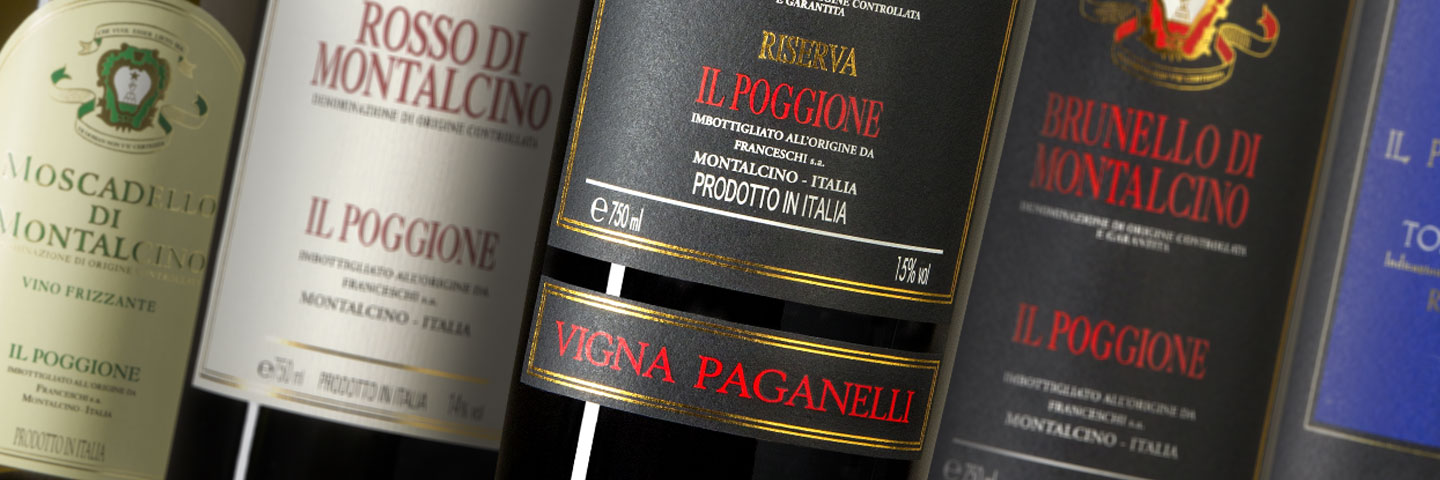
The best Sangiovese wine in our list of top 10 wines is Brunello di Montalcino Riserva Vigna Paganelli 2019 by Tenuta Il Poggione. This 100 point wine has a deep dark color, with fine tannins, hints of orange zest, cloves, black cherries and tobacco. You can enjoy it best with roasted and braised red meats, as well as aged cheeses. This particular Riserva is produced from 60 year old vines in the Paganelli vineyard, only in extremely good vintages. Castello di Ama’s Chianti Classico Vigneto La Casuccia Gran Selezione 2020 and Cerbaiona Brunello di Montalcino 2019 are also two of our top recommended Sangiovese wines.
What wine is 100% Sangiovese?
According to regulations, wines that are made from 100% Sangiovese grapes include Brunello di Montalcino DOCG, premium Chianti Classico and even some Vino Nobile di Montepulciano expressions. DOCG regulations mandate that Brunello di Montalcino is specifically made from the “Brunello” clone of the grapes, highlighting their commitment to quality. Although Super Tuscans are often a blend of Sangiovese with international grapes, some are now made with 100% Sangiovese.
Are Chianti and Sangiovese the same?
No, Chianti and Sangiovese are not the same, but they are closely related. Sangiovese is the primary grape variety used to make Chianti wines. Chianti is an Italian wine type from the Tuscany region, which must contain at least 70% Sangiovese grapes according to DOCG regulations. Native grapes like Canaiolo and Ciliegolo may be included in a Chianti blend. When you taste a glass of Chianti, you can expect a medium bodied wine with bright cherry flavors and bright acidity.
Is Sangiovese wine white or red?
Sangiovese is a red wine grape, the most widely planted red varietal in Italy. It is the primary grape present in Chianti, Brunello di Montalcino, Super Tuscans and other select Italian reds. Typically, Sangiovese is a medium bodied dry red wine with noticeable tannins and high acidity. It can, however, be made into other styles, including a rosé and the rare, experimental white versions.
Is Sangiovese wine sweet or dry?
Sangiovese is most often a dry wine, not sweet. Its dryness comes from its little to no residual sugar levels (between 1g/L and 4g/L). Its naturally high acidity and firm tannins make it a refreshing and savory wine. While the flavor profile of Sangiovese wines may possess a faint sweetness from its rich fruity notes, the general taste profile is that of a dry wine.
What is Sangiovese’s ABV?
Sangiovese generally has an alcohol by volume (ABV) between 13% and 15%. This is because they tend to grow best in hot and dry climates in limestone rich soils, leading to riper berries with higher alcohol content. Long term aging during the winemaking process also allows more time for grape juices to be converted into alcohol. In cooler years, Sangiovese wines have a more refreshing acidity with a lower ABV level.
What are Sangiovese wine prices?
The Sangiovese wine prices vary widely, depending on factors like production region, the reputation of the winemaker and winemaking techniques. An entry level bottle of Sangiovese typically starts around $35, with more prestigious Brunellos and Chianti Classicos commanding several thousand dollars at their prime. If you’d like to explore different Sangiovese wines in varying price ranges, check out our top 10 table!
Is Sangiovese wine produced in Italy?
Yes, Sangiovese wine is primarily produced in Italy, where it is the most widely planted red grape variety and a fundamental part of the country’s wine culture. It is famously cultivated in Tuscany where it is the key grape in wines like Chianti, Brunello di Montalcino and Vino Nobile di Montepulciano. It is terroir expressive and also majorly grown in regions like Emilia-Romagna, Umbria and Marche. Other regions outside Italy are also experimenting with this Grape, especially in Argentina, Australia and California.
For how long can you keep a bottle of Sangiovese open?
An opened bottle of Sangiovese can generally be kept for about 3 to 5 days if it is properly stored. To keep it fresh for as long as you can, immediately seal the bottle with an airtight stopper after pouring, then keep it in the refrigerator. Keep the bottle standing upright and consider using tools like a vacuum pump to remove excess air which may cause oxidation and spoil the wine.
Should Sangiovese wines be chilled?
Yes, Sangiovese should be served slightly chilled between 59-65°F (15-18°C). This temperature will help to mellow its tannins and bring the fruit and floral notes to the forefront, thus balancing the wine’s acidity. A good way to achieve this is to pop your bottle of Sangiovese in the wine fridge for about 20 minutes before serving. Don’t leave it in the fridge for too long, as this will mute the delicate flavors and aroma.
