

A 2026 Guide to Brunello wine
Born in the birthplace of great reds, Brunello wine commands attention among wine enthusiasts worldwide, beloved for its exceptional aging potential and taste characteristics. This is our exclusive guide to the best Brunello di Montalcino, including key facts, pairing tips and top recommendations.

By
Last updated:
Table of Contents
Best Brunello di Montalcino wine bottles to buy online
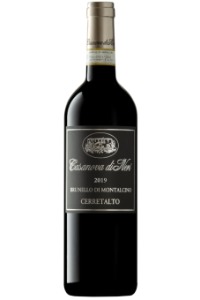
Brunello di Montalcino Cerretalto – Casanova di Neri 2019
Italy
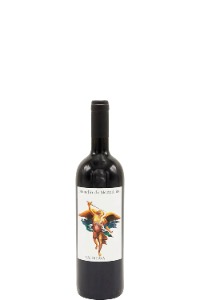
Brunello Di Montalcino – Valdicava 2015
Italy
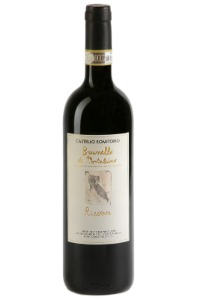
Brunello di Montalcino Riserva – Castello Romitorio 2015
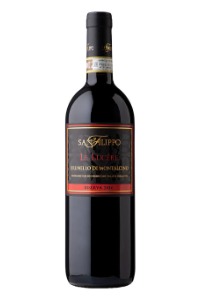
Brunello di Montalcino Le Lucere Riserva – San Filippo 2016
Italy
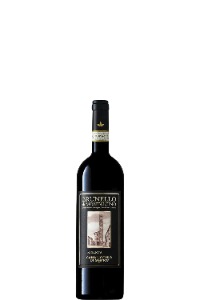
Brunello di Montalcino Riserva – Canalicchio 2015
Italy
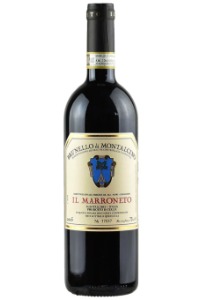
Brunello di Montalcino – Il Marroneto 2020
Italy
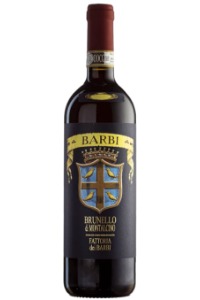
Brunello di Montalcino – Fattoria dei Barbi 2019
Italy
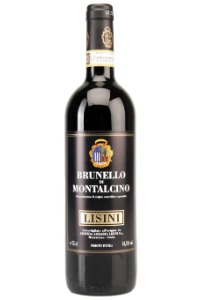
Brunello di Montalcino – Lisini 2020
Italy
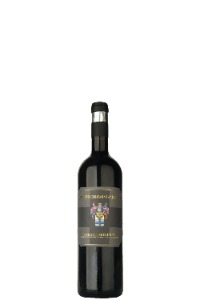
Brunello di Montalcino – Ciacci Piccolomini d’Aragona 2019
Italy
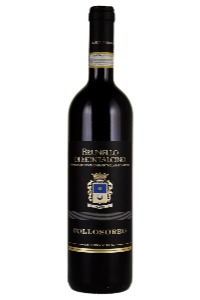
Brunello di Montalcino – Collosorbo 2020
Italy
Brunello wine is definitely a red you should try at least once in your lifetime! To get you started, our team has tested and selected 10 of the best Brunello di Montalcino bottles highly rated by experts and beloved by wine drinkers too. From top to bottom, each of these bottles embodies the qualities that make this wine a Tuscan legend.
Brunello di Montalcino wine at a glance
| Valpolicella wine | Details |
|---|---|
| Grape Variety | 100% Sangiovese (locally known as Brunello or Sangiovese Grosso) |
| Origin | Montalcino region, Tuscany, Italy |
| Serving Temperature | 64-68°F (18-20°C) |
| Decanting | Recommended for at least 1 to 2 hours, longer for vintage bottles. |
| Aging Potential | 10 to 30+ years (depending on producer and vintage) |
| Flavor Profile | Cherry, plum, leather, tobacco, dried fig, earthy spice |
| Structure | Full bodied, high tannins, bright acidity |
| Alcohol Content | 12.5% to 15% |
| Ideal Glass | Large tulip shaped or Burgundy style glass |
| Food Pairing | Red meats, mushroom risotto, aged cheeses, pasta in tomato sauce and grilled vegetables |
| Top Communes | Montosoli, Castelnuovo dell’Abate, Sant’Angelo in Colle |
| Notable Producers | Biondi-Santi, Casanova di Neri, Altesino, Poggio di Sotto |
Crafted with utmost care under DOCG guidelines, Brunello di Montalcino wine is best enjoyed after a decade or more of aging. However, young Brunello packs a punch and should not be overlooked.
What can you expect from a glass of the best Brunello di Montalcino? Notes of fresh fruit like cherries, dried cranberries, blackberries and plum hit the palate on the first sip. Earthy undertones are also detectable, think espresso, clay and tilled soil aromas. Older vintages tend to be nuanced and softened, revealing hints of dried figs, hazelnuts and chocolatey tannins.
Due to the thick skinned nature of its grapes, Brunello wine is bold, highly tannic and brightly acidic.
The best Brunello producers: icons shaping the treasure of Montalcino
To make it easier for you to get into the world of the best Brunello producers and wineries, our team has chosen 3 elite brands that have shaped the character of Brunello as we know it today. Biondi-Santi, in particular, is fundamental to the history of Brunello. His unique approach to winemaking, i.e, aging in wooden barrels for over a decade, was a game changer.
Biondi-Santi Winery – Tuscany, Italy
The Biondi-Santi was founded in 1865 by Clemente Santi in Montalcino and they are credited with the invention of Brunello di Montalcino. His grandson, Dr Ferruccio Biondi-Santi, produced the first pure Brunello wine in 1888 from a selected Sangiovese clone, now known as the Sangiovese Grosso BBSS11 clone. It took about thirty years and two more generations, but Biondi Santi placed Montalcino on the global wine map and the rest is history. Today, they continue their legacy of producing wines renowned for elegance and extraordinary longevity, employing natural viticulture and traditional winemaking methods.
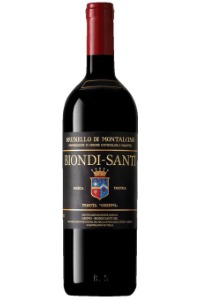
Tenuta Greppo Brunello di Montalcino – Biondi-Santi 2019 – Italy
Altesino Winery – Tuscany, Italy
Altesino winery was founded in 1970 in the 15th century Palazzo Altesi, set in the north eastern hills of Montalcino. It was built by the Tricerchi family, but has been owned by the Gnudi Angelini family since 2002. Altesino has been a pioneer in the region, known for introducing innovative techniques to enhance the quality of its Brunello wines. This includes the introduction of the creation of single vineyard “cru” wines with the release of their Brunello di Montalcino Montosoli in 1975. They also became the first winery to use small French barriques to age their wines in 1979, a move which was controversial at the time, but is now widespread in modern winemaking. Altesino estate remains one of the top Brunello producers worldwide and here is one of our favorite bottles by them:
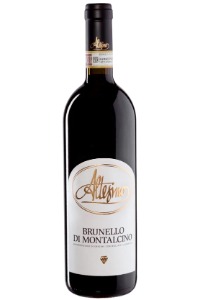
Brunello di Montalcino – Altesino 2020 – Italy
Casanova di Neri – Tuscany, Italy
It all began in 1971, when Giovanni Neri purchased a large estate in Montalcino with the aim of creating high quality wines. He quickly recognized the potential of Sangiovese wines when crafted with intention and vineyard specific care. His son, Giacomo Neri, took over in 1991, continuing his father’s legacy while introducing cutting edge winemaking techniques. Giacomo also focused on micro vinification, treating wines from each vineyard as a unique expression. Casanova di Neri represents the future of Brunello today, meticulously producing elegant and powerful Sangiovese wines with exceptional aging potential.
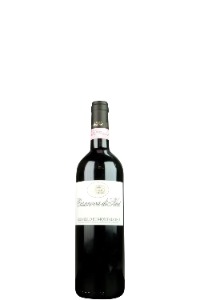
Brunello di Montalcino White Label – Casanova di Neri 2015 – Italy
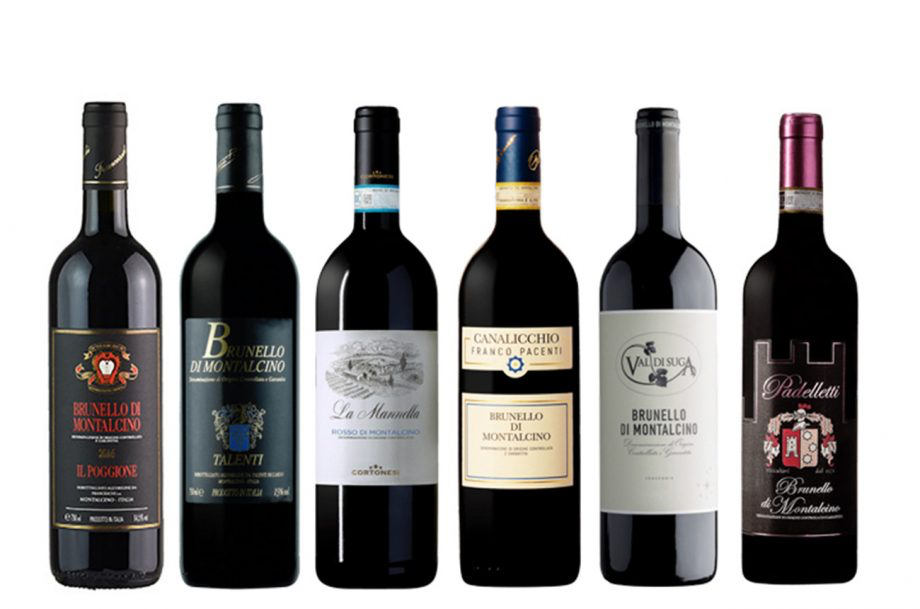
Types of Brunello di Montalcino wine
The primary expression of Brunello di Montalcino wine is the full bodied DOCG red, crafted under strict regulations. It may be classified as normale or riserva, depending on the duration of aging.
In addition to these two, there is also ‘Rosso di Montalcino DOC’, its ‘junior’ version that is easier to drink when young.
The different types of Brunello wine are distinguished mainly by the duration of aging and growing conditions, which affect the structure and taste characteristics of the wine.
Let’s get into more details.
- Brunello di Montalcino Normale is made from 100% Sangiovese Grosso which is grown and bottled in Montalcino. It is required to be aged for 4 years with 2 years minimum spent in oak barrels and 4 months in the bottle.
- Brunello di Montalcino Riserva has longer aging requirements, with a minimum of 5 years of aging, at least 2 of these years is to be spent in oak and 6 months in the bottle.
- Rosso di Montalcino DOC is also 100% Sangiovese,produced from Brunello vineyards that have not received enough sunlight. It is a younger and more approachable wine with a minimum of 1 year of aging before release.
How is the Brunello di Montalcino wine price determined?
The Brunello di Montalcino wine price spans a wide range, from accessible ($30-$50) to high end ($3,000+) bottles. Regardless of your taste, budget and preferences, the general factors that influence the cost of a bottle of Brunello red wine include the winemaker’s reputation, as historic and established wineries often request steep prices. Classification of the wine also matters, as Riserva bottles have a higher quality and thus command premium prices. Single vineyard and limited production wines, due to their rarity, also come at a higher price tag and wines from a particularly good vintage year or older vintages that have aged for longer are usually costlier.
Here is a selection of some amazing Brunello wines for different price ranges, their producers and tasting notes.
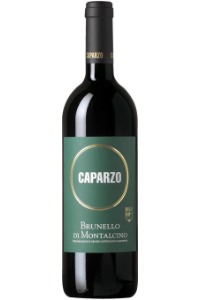
1. Entry Level Brunello: Caparzo Brunello di Montalcino 2019 – Italy
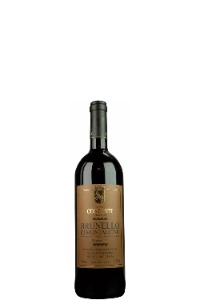
2. Mid Tier Brunello: Costanti Brunello Di Montalcino Riserva 2015 – Italy
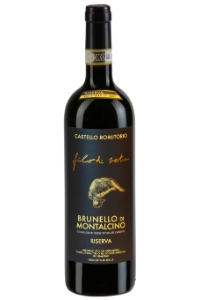
3. Single Vineyard Brunello: Castello Romitorio Brunello di Montalcino Filo di Seta Riserva 2019 – Italy
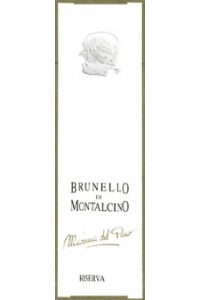
4. Prestige Luxury Brunello: Valdicava Madonna del Piano Brunello di Montalcino Riserva 2019 – Italy
Good years for Brunello worth collecting
Top rated Brunello di Montalcino wine bottles are worthy investments that have found a place in the cellars of sommeliers worldwide. Being the first Italian wine to be conferred DOC status in July 1966, there are several reasons why Brunello wine is collectible. Properly aged Riserva wines, limited edition releases, cru wines from established producers, or those from outstanding vintage years are highly sought after.
Brunello remains a highly esteemed and valuable Italian wine that has fetched remarkable prices among collectors in the auction world. In 2014, Wine Searcher recorded a highly prized Brunello Riserva Biondi Santi in its “Most expensive wines” section, which cost $52,464. This rare gem from Biondi Santi was the most expensive Italian wine that year, highlighting the coveted status of the finest expressions of their vineyards.
Our favorite Brunello wines worth collecting are:
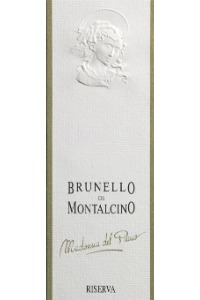
1. Brunello di Montalcino 2016: Valdicava Madonna del Piano Brunello di Montalcino Riserva 2016 – Italy
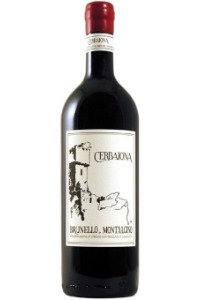
2. Brunello di Montalcino 2017: Cerbaiola Brunello di Montalcino 2017
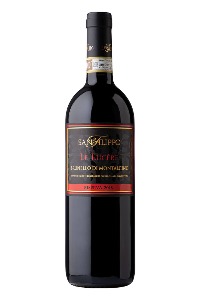
3. Brunello Di Montalcino 2018: Brunello di Montalcino Le Lucere Riserva – San Filippo 2018
4. Brunello di Montalcino 2019: Valdicava Madonna del Piano Brunello di Montalcino Riserva 2019 – Italy
Among all Italian wines, Brunello is widely praised for its long term investment potential, but an older bottle does not always indicate higher quality. The quality of the wine comes in great part from the vintage, aka the year in which the grapes were harvested. We have had good years for Brunello di Montalcino in the last decades: a lovely example is 2019, where beautiful weather conditions led to an exceptional vintage.
Our team has created a guide to the best vintage years for Brunello, along with recommendations to help you select premium bottles.
| Vintage | Recommended Brunello | Rating | Tasting Notes | Vintage Characteristics |
|---|---|---|---|---|
| 2019 | Poggio San Polo Vignavecchia Brunello di Montalcino 2019 – Italy | 5/5 | Full bodied red wine with chewy tannins and notes of vanilla, sweet herbs and tar. | The wines of this year displayed pronounced acidity and great complexity due to the perfectly ripe grapes harvested and a stable, warm summer. |
| 2016 | Castiglion del Bosco Brunello di Montalcino Millecento Riserva 2016 – Italy | 5/5 | Cool acidity and muscular tannins accentuate notes of cedar, spice, dried fruits and leather. | A memorable vintage, with ripe and enveloping tannins, a harmonious palate and excellent aging potential. |
| 2015 | Val di Suga Brunello di Montalcino DOCG 2015 – Italy | 4.9/5 | Full bodied flavors of wet earth, oyster shell and dark berries lead to a satisfying finish. | The wines of this vintage are deep, with lively, intense colors and vigorous tannins. This is due to the mild September and good temperature variations, which favor the perfect ripening of the grapes. |
| 2013 | Gaja Brunello Rennina 2013 – Italy | 4.9/5 | Polished and full bodied red wine with aromas of dark fruit, bark and orange peel. | The winter was rich in rain, restoring the soil moisture levels, yielding wines with good acidity, freshness and impressive aging potential. |
| 2010 | Vittorio Toscarelli Brunello di Montalcino DOCG Toscana 2010 – Italy | 4.8/5 | Medium bodied and vibrant with fine tannins, cooling acidity and fruit and earthy flavors. | Sensational wines with complexity and fine fragrances, a historic vintage achieved due to optimal weather conditions. |
| 2006 | Canalicchio Sopra Brunello di Montalcino 2006 – Italy | 4.8/5 | Lovely aromas of sweet berries, flowers and juicy fruits with ripe tannins on a lengthy finish. | The grapes this year had a well balanced ripeness, resulting in Brunello with strong acidity and elegant aromatic profiles. |
What is the right wine glass to enjoy Brunello wine?
As is the general rule for savoring red wines, Brunello fully reveals its flavors when served in the appropriate wine glass. The ideal Brunello wine glass has a wide bowl that tapers off towards the top, is tulip shaped and perfectly enhances the aroma, body and structure of the wine. For proper aeration and oxygenation, you should consider a Sangiovese wine kit specially designed to bring out the best in your bottle of Brunello.
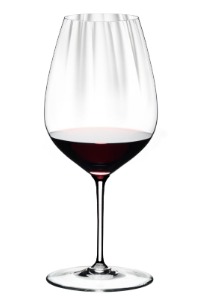
Riedel Performance Bordeaux-Cabernet-Merlot Wine Glasses ( Set of 2)
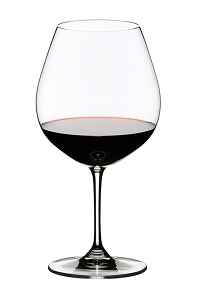
Riedel Vinum Pinot Noir-Burgundy Glasses (Set of 2)
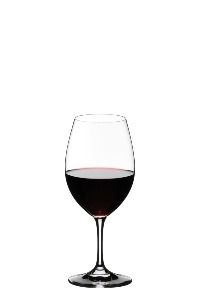
Riedel Red Wine Glass (Set of 2)
What is Brunello wine and how is it made?
Brunello wine is considered Tuscany’s boldest expression of Sangiovese, crafted ‘in purezza’ (100 percent) from its larger berried clone with more tannins, referred to locally as Sangiovese Grosso or Brunello. Its production process may follow traditional or modern winemaking steps, but they are all defined by strict DOCG regulations.
How is Brunello wine made?
- Vineyards and cultivation involves planting Sangiovese grapes on hills with appropriate sun exposure, at altitudes not higher than 1,968 feet according to DOCG rules. They are planted on a variety of soil types, including limestone, clay, marl and soils with volcanic deposits.
- When it is time for harvesting, grapes are manually picked starting from September 29 till late October once they achieve full ripeness and optimal flavor. Most producers limit their yields to 3 lbs (1.5kg) of fruit per vine to maintain high quality.
- Grapes are usually destemmed and lightly crushed before they are transferred into fermentation vats or barrels.
- Fermentation is done traditionally in large vats or oak barrels. Modern producers use smaller French oak barrels that yield fruitier wines, or temperature controlled stainless steel tanks. During fermentation, the wine can be transferred into new oak barrels for malolactic fermentation which results in a softer and rounder mouthfeel.
- Maceration can take as long as 4 weeks to increase the quantity of phenols gotten out of the grape skins and contribute to better tasting wines.
- Aging: DOCG regulations indicate at least four years of aging for normale, while Riserva must be aged for a minimum of five years. Two of these years must be spent in oak. Traditionally, large, used oak Slavonian ‘botti’ barrels are used, which give slow oxygenation, but some modern producers will use new French oak barrels for more intense oaky notes and softer tannins.
- After aging, the wine is lightly filtered and finned to remove impurities before bottling.
- Bottling happens at least four to six months before commercial release, depending on whether it is classified as Brunello normale or Riserva.
Did you know? A standard Brunello is ready for release on January 1st of the 5th year after harvest, while a Riserva is released in January of the 6th year post harvest.
The Brunello wine region: where the Tuscan dream comes to life
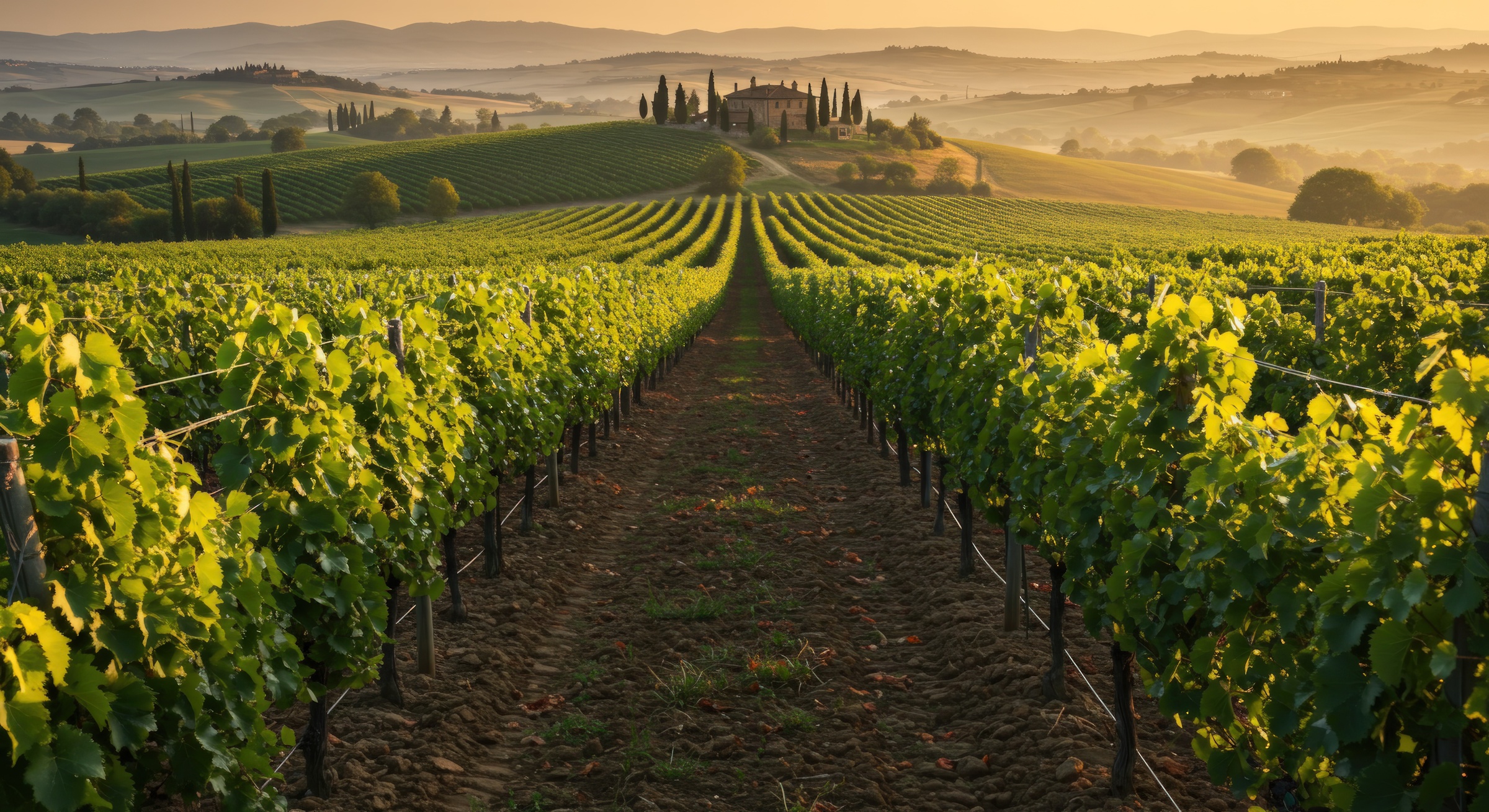
In the south of Tuscany lies a hilltop village called Montalcino, a UNESCO World Heritage Site located in the province of Sienna. Here, the summers are warm and dry, with low enough annual rainfall to allow optimal ripening of the Sangiovese grapes.
In addition to Brunello di Montalcino DOCG, winemakers in the region also produce the following DOC wines:
- Rosso di Montalcino, made from 100% Sangiovese with 1 year aging requirements.
- Sant’Antimo is bottled in Sienna and it may include Sangiovese and any other white or red Tuscan grapes.
- Moscadello di Montalcino is made with 100% Muscat Blanc grown in Montalcino, they can be still, sparkling or late harvest white wines.
Brunello di Montalcino DOCG can only be produced in Montalcino and the quality of the wine depends on the altitude where the grapes are grown. Here is a look at the Brunello wine region, including major producing areas and vineyards:
- Northern Montalcino has a cooler climate, said to produce lighter, aromatic and refined Brunellos with a bright acidity.
Top vineyards include Capanna Winery, Altesino, Valdicava - Southern Montalcino yields powerful, darker and fruity yet savory wines due to the warmer weather.
Top vineyards are Costanti, Castello Banfi, Poggio di Sotto - Castelnuovo dell’Abate is a hamlet in the southeast, protected from the cold winds by Mount Amiata and yields wines that are strong, rich and more exotic.
Top vineyards are Le Presi, Tenuta Fanti, Ciacci Piccolomini d’Aragona
Other ‘frazioni’ (hamlets) include northeastern Torrenieri, Sant’Angelo in Colle, as well as Camigliano and they all contribute to the complexity of the wines produced.
Brunello di Montalcino wine compared: how it stacks up against Barolo and Amarone
When exploring premium Italian red wines, it’s essential to understand how Brunello di Montalcino compares to other heavyweights like Barolo, Barbaresco and Amarone.
With their bright acidity and distinctive full bodied and tannic taste profiles, these wines are great alternatives to Brunello. Follow along to discover some great picks to try out and what makes them similar to Brunello.
| Wine /Grape | Top Wine & Wine Maker | Rating | Tasting Notes | Wine Style |
|---|---|---|---|---|
| Barolo vs Brunello | Barolo Parussi 2020 – Massolino – Italy | 5/5 | Radiant and bright with powdery tannins and flavors of cherry, raspberry, peony and earth. | Barolo is robust and velvety, while Brunello is more refined and fruit forward. Barolo is characterised by elegant tannins and aromas of figs and plums. |
| Barbaresco vs Brunello | Barbaresco 2020 – Pio Cesare – Italy | 5/5 | Very fine and polished medium bodied wine with plum, strawberry, cedar and chocolate aromas. | Barbaresco is more perfumed, with finer tannins and spicier notes than Brunello. Its well structured palate is layered with fruity and floral notes of berries and rose. |
| Amarone vs Brunello | Amarone Della Valpolicella 2018 – Marchesi Fumanelli – Italy | 4.9/5 | Rich and powerful with a perfume of dark plums, berries, dried leaves, cinnamon and clove. | Amarone is richer and fuller bodied than Brunello, with polished tannins and a bouquet of cherry, plum and licorice. |
How to serve Brunello wines
When you serve Brunello the right way, you unlock its full aromatic depth and reveal nuanced characters. These 3 tips can make a world of difference:
- Store Brunello in a cool, dark place between 55°F and 60°F (12-15°C). The consistent temperature will prevent contractions that may harm the wines.
- Serve between 64°F and 68°F (17-20°C) to fully appreciate its layers of flavors.
- Let vintage Brunello breathe in the bottle for about 3 to 4 hours before decanting to reveal hidden aromas.
All you need is a quality decanter, a corkscrew that can open fragile old bottles without breaking, and a tulip shaped wine glass and you’re all set!
Food pairing with Brunello di Montalcino wine
Brunello wine pairing is simple: it is a bold and full bodied wine and so it creates a harmonious blend with foods that have a strong ‘umami’. It is amazing when paired with local Italian dishes, but attempting to eat delicate foods with Brunello di Montalcino can be disastrous, as it can easily overwhelm their taste. Take a look at the table below for some appetizing food pairing ideas with Brunello wines.
| Food | Best Brunello Bottle | Aged | Rating | Type & Structure |
|---|---|---|---|---|
| Smoked salmon, Creamy chicken soup with mushrooms | Brunello di Montalcino 2017 – Sesti – Italy | 5+ years ABV 14.5% | 5/5 | Full bodied, rich and dense with firm tannins and ripe cherry notes. |
| Steak, roasts, braised wild boar, stewed venison | Pertimali Brunello di Montalcino 2019 – Livio Sassetti – Italy | 5+ years ABV 14.5% | 5/5 | Crisp acidity, silky tannins and dark fruits with notes of mushroom, underbrush and leather. |
| Blueberry biscuits, dark chocolate | Brunello di Montalcino 2019 – Col d’Orcia – Italy | 4+ years ABV 14.5% | 4.9/5 | Opulence, velvety tannins and hints of dark cherry, vanilla and sage. |
| Aged cheeses such as Pecorino, Parmigiano Reggiano, and provolone del Monaco | Brunello di Montalcino 2019 – Banfi – Italy | 4+ years ABV 14% | 4.9/5 | Refined and generous, exhibiting aromas of licorice, cherry, strawberry, coffee, tobacco and plum jam. |
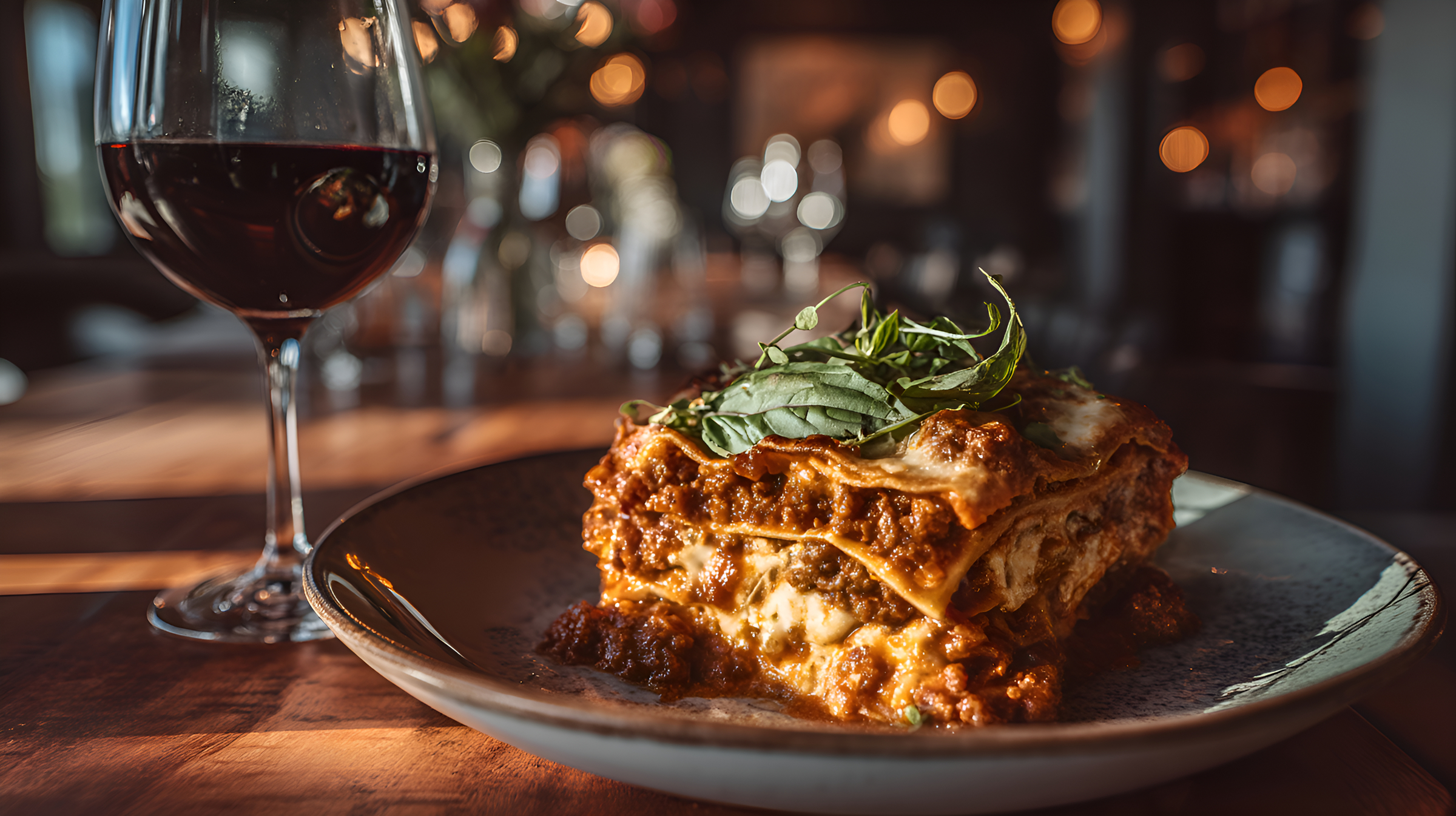
| Pasta with truffle butter, mushroom risotto, and Lasagna | Brunello di Montalcino 2019 – Santa Giulia – Italy | 4+ years ABV 14.5% | 4.8/5 | Dry, warm and soft with ripe tannins, hints of cedar and worn leather. |
A beginner’s guide to Brunello di Montalcino DOCG
Brunello di Montalcino DOCG is a boldly tannic and vibrantly acidic red wine that reaches perfection after about a decade of aging.
Young Brunello exudes floral and fruit flavors, with a sharp finish due to its high acidity. As the wine ages, the flavors become more nuanced, the tannins soften and juicy acidity develops.
As a newcomer to the world of Brunello, the intense younger wines may be an ideal place to start. Here are some tricks to fully enjoy your glass of Brunello wine:
- Serve it slightly chilled, between 64°F and 68°F or 17-20°C, perfect for keeping tannins and acidity balanced.
- Decant for 1 to 2 hours before drinking, swirling the wine to hasten the process. If you’re working with an older vintage, let the wine breathe for longer!
- Choose a large, tulip shaped wine glass with enough room to express its complex aromas.
- Start with lower ABV Brunello, as they are more approachable.
Unsure where to begin? Here are two of our favorites:
| Brunello Style | Our Recommendation | Rating | Tasting Notes | Best to Pair with |
|---|---|---|---|---|
| Young Brunello (under 5 yrs) | Brunello di Montalcino 2020 – Col D’Orcia – Italy | 5/5 | Silky and mineral with zesty acidity and hints of blood orange, black cherry and mint. | Grilled chicken, mushroom risotto, Pasta alla Bolognese, pizza |
| Mature Brunello (10+ yrs) | Brunello di Montalcino Le Lucere Riserva 2012 – San Filippo – Italy | 5/5 | Full bodied wine with silky tannins and deep tones of ripe fruit, blueberry and cedar as well as a refreshing finish. | Steak Florentine, wild boar stew, venison, smoked salmon, sausage ragout. |
You might also be interested in
FAQs on Brunello wine
What makes Brunello di Montalcino unique?
What makes Brunello di Montalcino so unique is that it is made entirely of Sangiovese grapes that are cultivated in Montalcino, Tuscany. It has deep complexity, firm structure and impressive aging potential due to the fact that it is aged for at least five years longer than most Italian wines. It is one of Italy's most esteemed wines due to its powerful flavors, elegance and stringent DOCG regulations.
Why is the Brunello di Montalcino wine price so expensive?
The Brunello di Montalcino wine price is determined by several factors, including its aging requirements, limited production numbers and stringent DOCG regulations. The high price tag reflects the high quality and premium taste characteristics of the wine. However, some budget friendly bottles also exist that embody the elite quality Brunello is famed for.
What are the Brunello aging requirements?
According to the DOCG regulations, Brunello aging requirements are specified at a minimum of 4 years for Brunello di Montalcino Normale, with 2 years spent aging in oak barrels and bottling at least 4 months before release. For Riserva, at least 5 years must be spent aging, with 2 of these in oak barrels, and commercial release 6 months after bottling.
What is the Brunello di Montalcino wine grape?
Brunello di Montalcino is made from 100% Sangiovese grapes, specifically a local clone known as Sangiovese Grosso or “Brunello.” Grown in the hills around Montalcino, Tuscany, this grape produces bold, age worthy wines with deep flavors of cherry, plum, leather and spice. It's known for its structure, elegance and ability to develop beautifully over time with proper cellaring.
What are the best years for Brunello di Montalcino wine?
Some of the best years for Brunello di Montalcino wine are 2021, 2019, 2016, 2015 2010 and 2006. These years witnessed optimal weather conditions that led to a perfectly ripened harvest. It is important to note that classic, ageworthy Brunello only happens during a perfect ripening season that is not too hot or too cold. Other notable years include 1985 and 2015, praised for their well balanced wines that harmoniously incorporated tannins and red fruits.
Is Brunello di Montalcino wine produced in Tuscany?
Yes, Brunello di Montalcino is exclusively produced in the Montalcino region of Tuscany, Italy. It is one of the most prestigious DOCG zones in the country, with strict regulations governing production. The region’s varied elevation, soils and climate make it ideal for growing high quality Sangiovese grapes used in Brunello wines.
What are the best Brunello di Montalcino producers?
Renowned Brunello di Montalcino producers include Biondi-Santi, Casanova di Neri, Poggio di Sotto and Altesino. These estates are celebrated for their consistency, craftsmanship, and ability to produce age worthy wines. Some favor traditional methods, while others embrace modern techniques, offering a range of expressions for Brunello lovers to explore.
Is Brunello di Montalcino wine produced only in Italy?
Yes, Brunello di Montalcino can legally be produced only in Italy, specifically in the Montalcino zone of Tuscany. It holds the DOCG status, which enforces strict geographic and production rules. While Sangiovese is grown elsewhere, wines labeled “Brunello di Montalcino” must come from this region and adhere to these Italian regulations.
How long can you keep a bottle of Brunello di Montalcino open?
Once opened, Brunello di Montalcino can be enjoyed over 3 to 5 days if properly stored. Use a wine stopper and refrigerate to preserve freshness. The wine’s structure and tannins help it maintain character a few days after opening, though it’s best consumed within the first two days for optimal aroma and flavor.
What are the top communes of Brunello di Montalcino wine?
Top communes include Montalcino, Sant’Angelo in Colle, Castelnuovo dell’Abate and Torrenieri. These areas vary in elevation, soil and exposure, influencing the wine’s style. Northern communes tend to produce more elegant and aromatic wines, while southern zones often yield richer, fuller-bodied expressions. Each adds a unique layer to the Brunello landscape.
Should Brunello di Montalcino be chilled?
Brunello di Montalcino should not be overly chilled. The ideal serving temperature is between 18°C to 20°C (64°F to 68°F). Too much time spent in the fridge can mute its complex aromas and flavors. If the wine is slightly too warm, placing it in the fridge for 10 to 15 minutes before serving helps it show its structure and elegance best.
Is Brunello di Montalcino a white wine?
No, Brunello di Montalcino is a red wine made from 100% Sangiovese grapes. It’s known for its deep ruby color, rich flavor profile and firm tannins. The wine is dry, full bodied, and aged for several years before release. There is no white version of Brunello, although white wines are produced in the region.
What kind of wine glasses should you use for Brunello di Montalcino?
Use large, bowl shaped red wine glasses, ideally Burgundy or universal red glasses for Brunello di Montalcino. These allow the wine to breathe and help release its complex aromas. The wide opening directs the wine across your palate, enhancing the tasting experience. A proper glass elevates the wine’s structure, fruit and earthy notes.
What are some food pairings for Podere San Giacomo Brunello di Montalcino?
Podere San Giacomo Brunello di Montalcino DOCG 2010 is a classic vintage. With soft tones of black cherry, spice and tobacco, its floral bouquet is mouth watering. Pair it with dishes like stewed beef, a creamy mushroom risotto, or a nice chianina rib steak.
Is the 2018 Brunello di Montalcino more expensive than the 2015 or 2016 wine price?
Considering their vintage characteristics alone, it is likely that a bottle of 2015 or 2016 Brunello costs more than a 2018 bottle. The 2018 Brunello di Montalcino vintage has a beautiful range of aromas and tannins, but they may lack the power that the 2016 Brunello has. 2015 was a particularly sensational year with a perfect balance between juiciness, freshness and acidity.
