

Pinot Noir bottles not to miss in 2026
Pinot Noir is an elegant red wine with bright acidity, silky tannins and earthy and red fruit flavours. We tasted 10+ bottles from Burgundy, Italy and Australia, from £50 entry level to Grand Cru collectables rated 4.6-5/5. Our 5/5 top pick: Domaine Ponsot Clos de la Roche Grand Cru 2013.

Best Pinot Noir wine to buy online in the UK
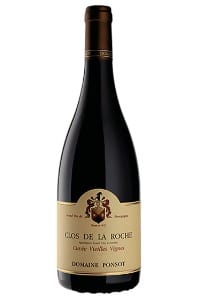
Clos de la Roche Vieilles Vignes Grand Cru Cuvée – Domaine Ponsot 2013
Burgundy, France
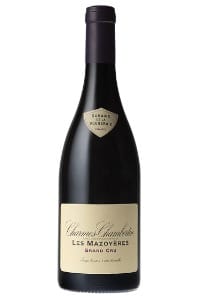
Les Mazoyères Grand Cru – Domaine de la Vougeraie 2021
Burgundy, France
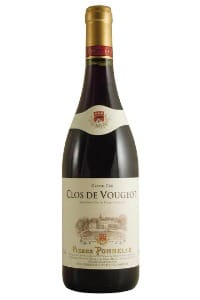
Clos de Vougeot Grand Cru – Pierre Ponnelle 2017
Burgundy, France
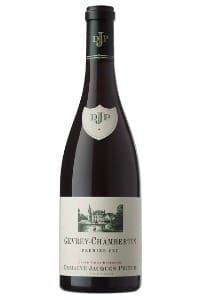
Gevrey-Chambertin Premier Cru – Domaine Jacques Prieur 2020
Burgundy, France
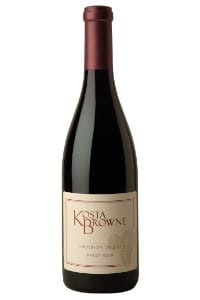
Anderson Valley Pinot Noir – Kosta Browne 2021
California, US
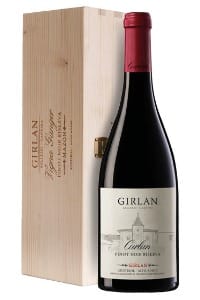
Curlan Pinot Nero Riserva – Girlan 2020
South Tyrol, Italy
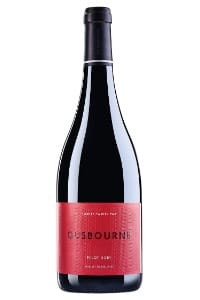
Boot Hill Vineyard Pinot Noir – Gusbourne Estate 2019
England
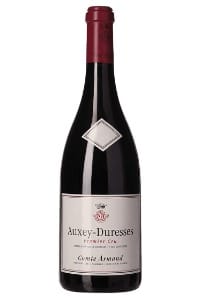
Auxey-Duresses Premier Cru – Comte Armand 2021
Burgundy, France
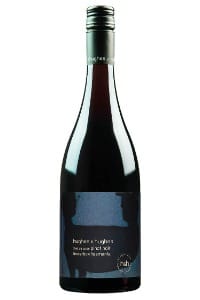
Hughes & Hughes Pied de Cuve – Mewstone Wines 2021
Tasmania, Australia
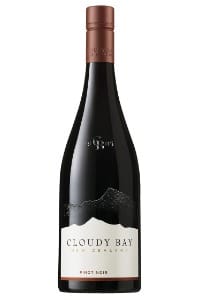
Pinot Nero – Cloudy Bay 2023
Marlborough, New Zealand
Our 10 best Pinot Noir wines range from Domaine Ponsot Clos de la Roche Grand Cru Vieilles Vignes 2013, rated 5/5 and available for £600+, to the 2023 Pinot Nero by Cloudy Bay, which is rated 4.6/5 and valued roughly at £43. The selection includes Burgundy Grand Cru and Premier Cru, as well as single vineyard bottles from England, Italy and California’s Anderson Valley. All wines were tasted by our panel and cross referenced with reviews from renowned critics to help you buy Pinot Noir wines of the best quality only.
What does Pinot Noir taste like?
The name “Pinot Noir” refers to both the wine and the grape. High acidity, low tannins and light to medium body define its structure, while climate, winemaking and bottle ageing shape its taste in the glass.
Here’s the Pinot Noir taste profile at a glance:
| Pinot Noir Wine | Details |
|---|---|
| Grape Variety | 100% Pinot Noir |
| Origin | Burgundy (France), Trentino and Piedmont (Italy), California and Oregon (USA), Baden (Germany) and Central Otago (New Zealand) |
| Serving Temperature | 13-16°C |
| Decanting | 30 minutes enhances aromatics in younger wines; at least 1 to 2 hours are needed for aged bottles |
| Aging Potential | 5 to 15 years (some Burgundies can age longer) |
| Flavor Profile | Red cherry, raspberry, cranberry, rose petal, mushroom, forest floor |
| Structure | Light to medium bodied, silky tannins, vibrant acidity |
| Alcohol Content | 12.5% to 14.5% |
| Ideal Glass | Large Burgundy glass to enhance aroma complexity |
| Food Pairing | Roast duck, salmon, cod, mushroom risotto, soft cheeses |
| Top Regions | Côte d’Or, Willamette Valley, Central Otago, Sonoma Coast |
| Notable Producers | Domaine de la Romanée-Conti, Joseph Drouhin, Domaine Dujac, Kosta Browne, Felton Road |
Quick facts about Pinot Noir
- Its flavour profile boasts a harmonious blend of red fruits, such as cherry and raspberry, as well as earthy tones suggestive of mushrooms and forest floor.
- Its structure is that of a light to medium bodied wine, with silky tannins and bright acidity.
- Pinot Noir’s ageing potential ranges from 5 to 15 years, although some Burgundies can age longer.
- We recommend decanting young Pinot Noir for about 30 minutes and aged bottles for 1 to 2 hours.
Did you know? Pinot Noir is the backbone of most sparkling wines, particularly Champagne! It improves the ageing potential and provides structure to most bubbly wines.
What are the world’s best Pinot Noir brands?
The best Pinot Noir often comes from top wineries located in Burgundy (France), California (US) and New Zealand. Pinot Noir producers frequently appear on global selections like Wine Spectator’s Top 100 list and score 90+ points from James Suckling.
The best Pinot Noir brands include:
- France: Domaine de la Romanée-Conti, Domaine Leroy and Domaine Dujac
- USA: Kosta Browne, Williams Selyem and Marcassin
- New Zealand: Felton Road
- France/Oregon: Joseph Drouhin
Notable premium Pinot Noir producers from other regions include names such as Bass Phillip (Australia) and Friedrich Becker (internationally awarded Spätburgunder producer).
French Pinot Noir is typically crafted in the “Old World” style, with an emphasis on finesse and balance. California Pinot Noir, on the other hand, is a “New World” wine which may be full bodied or vibrantly acidic, depending on the terroir.
How much does Pinot Noir cost?
Pinot Noir wine prices span a wide range, typically starting around £20 and reaching £1000+ for 5/5 top rated bottles. This is one of the widest price ranges for any red wine.
Beyond its difficulty to grow, several other factors influence the Pinot Noir price:
- Vineyard classification: Grand Cru operates under strict yield limits (only ~ 400 hectares in Burgundy) as well as legally defined vineyard boundaries; this results in the production of fewer but more concentrated grapes. Romanée-Conti, for instance, produces only ~6,000 bottles annually. Regional Bourgogne follows looser rules while single vineyard AVAs in California (Hirsch, Pisoni) fall somewhere between, as quality depends on the producers, not on the regulations.
- Winemaker reputation: producers’ names drive prices up more than terroirs in some instances. Domaine de la Romanée-Conti usually starts at approximately £740, while neighbouring estates like Vosne-Romanée sell similar terroirs for less than £100.
- Vintage: warm and dry years (2005, 2015, 2019) delivered age worthy structure for Burgundian wines, while weaker vintages (2004, 2013) dropped in price even from the best estates. Weather conditions fully dictate the quality of Pinot Noir wines.
- Winemaking methods: the use of natural yeasts, oak ageing and hand harvesting all add costs. Also, chemical free farming and biodynamic certifications further increase prices.
The Pinot Noir wine price tiers can be split into:
- Under £50: Côte de Beaune-Villages 2021 by Joseph Drouhin serves as a solid entry point
- £100-£500: Sérafin Père & Fils Charmes-Chambertin Premier Cru 2021 is an ideal choice in this category.
- £500-£1000: Domaine Jacques Prieur Échézeaux Grand Cru 2020, you’re now in collector territory!
Expect to buy Pinot Noir from top names like Domaine de la Romanée-Conti (Burgundy) or Kosta Browne (Sonoma) at higher prices.
Why is Pinot Noir more expensive than most wines?
Its fragile skin makes it vulnerable to sun damage and more prone to disease. Pinot Noir grapes take longer to ripen, requiring constant attention in the vineyard throughout the growing season, unlike tougher varieties such as Cabernet Sauvignon. Fewer grapes generally survive the harvest and prices reflect it.
See below our selection of recommended Pinot Noir bottles by price range:
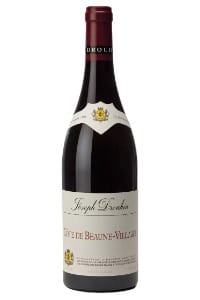
1. Entry Level Pinot Noir: Côte de Beaune-Villages – Joseph Drouhin 2021 – Burgundy, France
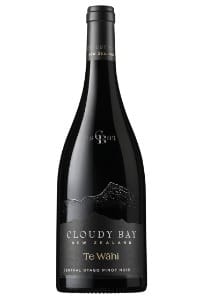
2. Value Pinot Noir: Te Wāhi Pinot Noir – Cloudy Bay 2021 – Central Otago, New Zealand
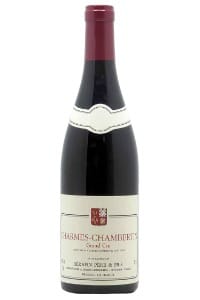
3. Mid Tier Pinot Noir: Charmes-Chambertin Premier Cru – Sérafin Père & Fils 2021 – Burgundy, France
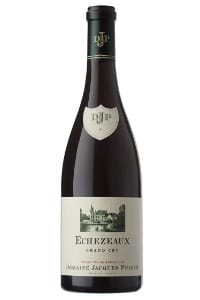
4. Premium Pinot Noir: Échézeaux Grand Cru – Domaine Jacques Prieur 2020 – Burgundy, France
Fun fact: wine growers call Pinot Noir the “heartbreak grape” because of how difficult it is to cultivate. Its thin skin makes it highly susceptible to rot and disease. It bruises easily, ripens early, hates temperature swings and is notoriously hard to grow, yet it produces some of the world’s most elegant wines.
Some exceptional Pinot Noir bottles are collectable, produced by historic estates in Burgundy and Russian River Valley innovators in California. The finest Pinot Noirs have a record of performing excellently at auctions. One particularly record breaking bottle was the 1945 ageworthy vintage of Domaine de la Romanée-Conti, which sold for $812,500 (~£580,000 based on the exchange rates for that day) at a 2026 auction, smashing its own record from 2018, when it was sold for $558,000 (~£418,500 according to exchange rates in 2018) at a Sotheby’s auction. Explore our guide to the most expensive Pinot Noir bottles for collectors, tasted and scored personally by our expert team, to find some storied Pinot Noirs worth adding to your cellar.
How should you serve and store Pinot Noir wines?
- Keep the temperature at 13-16°C, ideally at 16°C.
- Don’t decant young Pinot Noir, serve it straight out of the bottle!
- Aged Pinot Noir, on the other hand, needs at least 1 to 3 hours of decanting.
- The right glass for drinking Pinot Noir is a large, bell shaped glass that emphasises its nose.
- Be sure to store it in a cool, dark place at 12-14°C.
- Drink your Pinot Noir within a day of opening to keep the flavours fresh.
- Once opened, recork the bottle and place it in the fridge for no more than 3 days for the best flavour.
What are the best Pinot Noir food pairings?
Pinot Noir pairs well with earthy ingredients like mushrooms and truffles, poultry, fatty fish, light meat and soft cheeses. The Pinot Noir characteristics of silky tannins and bright acidity complement luscious dishes without overwhelming the palate. To pair it with food effectively, you should have a basic knowledge of its structure, flavour profile and ageing style. Its acidity cuts through rich fatty flavours, while the red fruit notes work well with savoury dishes like:
- Poultry & game: roast duck, grilled turkey, duck confit, braised rabbit
- Seafood: grilled salmon, garlic butter cod, pickled herring
- Other: mushroom risotto, soft cheeses, charcuterie boards
Cooking salmon or spicy chicken? Pinot Noir is (usually) the answer! More pairing suggestions by bottle below:
| Pinot Noir Food Pairing | Best Pinot Noir Bottle | Rating | Aged | Type & Structure |
|---|---|---|---|---|
| Sweet and spicy chicken, grilled turkey, duck confit, red wine braised rabbit | Clos de la Roche Vieilles Vignes Grand Cru Cuvée – Domaine Ponsot 2013 – Burgundy, France | 5/5 | 2-3 years | Elegant and structured, well integrated tannins, fruity |
| Charcuterie boards, medium aged cheese, poached eggs, grilled asparagus, wild mushroom galette | Les Mazoyères Grand Cru – Domaine de la Vougeraie 2021 – Burgundy, France | 5/5 | 2-3 years | High acidity, silky tannins, savoury finish |
| Ribeye steak, grilled lamb leg, venison, pork roast, tagliatelle al ragù | Clos de Vougeot Grand Cru – Pierre Ponnelle 2017 – Burgundy, France | 4.9/5 | 2-3 years | Silken tannins, expressive aromas of spices and red fruit |
| Comté, Gouda, Époisses, herb crusted lamb, beef carpaccio, cacio e pepe, coq au vin | Gevrey-Chambertin Premier Cru – Domaine Jacques Prieur 2020 – Burgundy, France | 4.9/5 | 2-3 years | Juicy, tender, subtle floral notes |
| Veal piccata, mushroom risotto, portobello and parmigiana salad, vitello tonnato | Anderson Valley Pinot Noir – Kosta Browne 2021 – California, US | 4.8/5 | 1-2 years | Medium bodied, silky tannins, juicy acidity |
| Grilled salmon, garlic butter cod, pickled herring, white fish with a creamy sauce | Curlan Pinot Nero Riserva – Girlan 2020 – South Tyrol, Italy | 4.8/5 | 3-4 years | Full bodied, well developed tannins, herbal spiciness |
What glasses should you use for Pinot Noir?
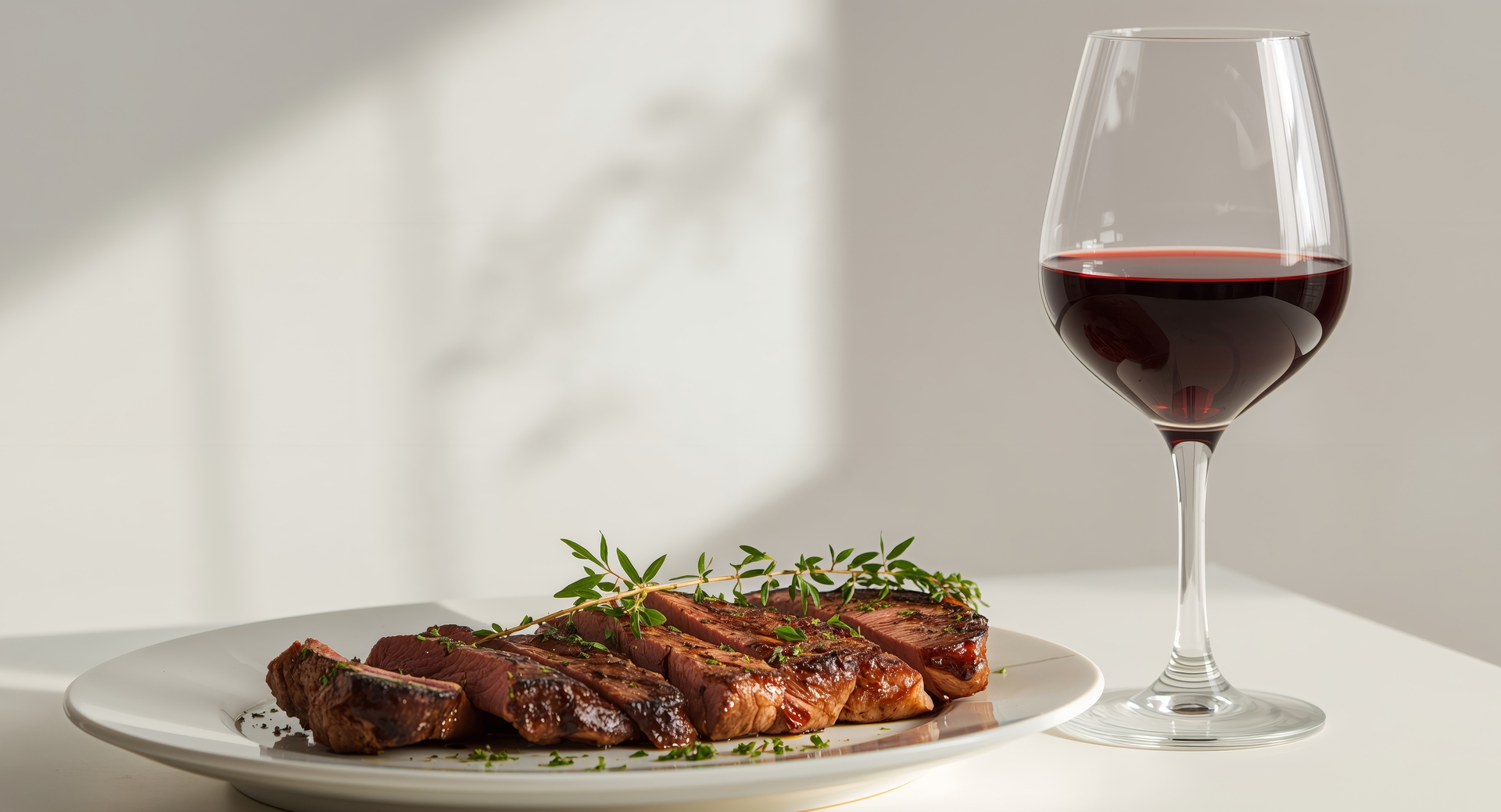
The Burgundy glass is the classic choice (and best option) to enjoy your Pinot Noir. The wide tulip shaped glass has a large bowl and tapered rim that helps the wine emphasise its delicate aromas and nuanced structure.
Why it works:
- Its wide bowl allows the wine to breathe properly and release its aromatics
- The tapered rim drives the aromas to the nose, softening acidity and highlighting Pinot Noir’s silky texture
- Its 24 oz size allows its complex bouquet to open up
If you don’t have a dedicated Burgundy glass, a universal wine glass is a good alternative.
See our full wine glasses guide for more options.
What is Pinot Noir wine and how is it made?
- Pinot Noir
Pinot Noir is a light bodied red wine crafted from thin skinned grapes of the same name. It originated in Burgundy, France, known for its red fruit flavours, soft tannins and high acidity, versatile for food pairing. Also used in Champagne, Franciacorta and rosé. The Pinot Noir ABV is usually between 12-15%.
It typically has red fruit flavours and lower tannins due to the reduced phenols in the grape skins. Pinot Noir grapes are primarily used to produce red wines, but they also find lovely expressions in rosés and other sparkling wines such as Champagne and Franciacorta, adding a generous depth and array of red fruit flavours.
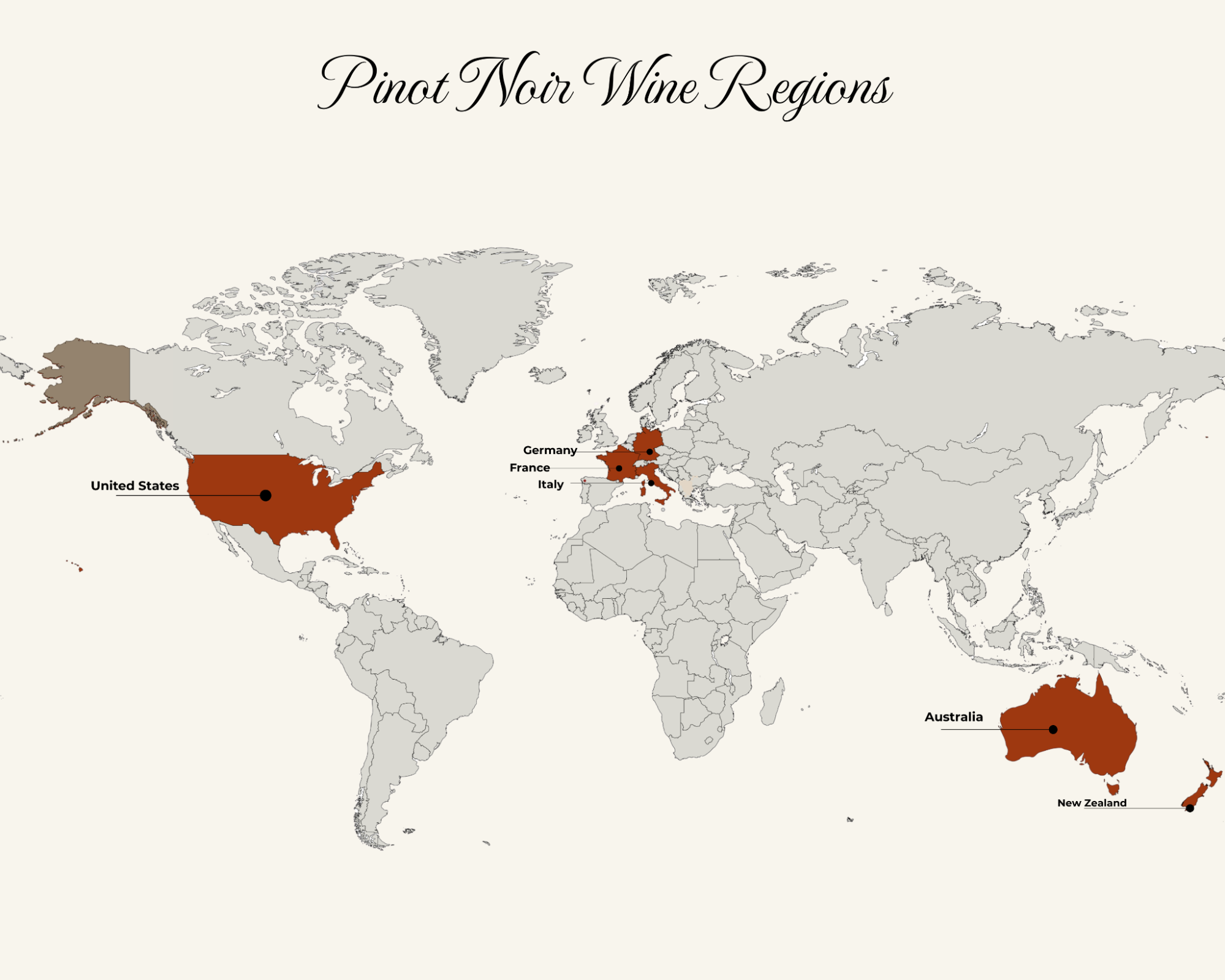
Today, Pinot Noir is grown worldwide: Italy, California, Oregon, New Zealand and Germany (where it is known as Spätburgunder). Pinot Noir wines are often labelled by origin, such as Bourgogne Pinot Noir (an AOC in Burgundy, France), whose production is defined by strict regulations.
Let’s see in detail how Pinot Noir wine is made:
- The dark skinned Pinot Noir grapes are harvested at night or early in the morning to keep them fresh. Because it is an early ripening grape, the grapes are often picked in late summer and early fall (between August and October).
- Harvested grapes are sorted and destemmed to give softer wines lacking the bitter flavours that might have been imparted by the stem. They are then crushed lightly to release juice.
- Fermentation is typically warm, around 30-31°C and carried out in stainless steel tanks. As Pinot Noir grapes ferment, the skins, seeds and stems may float to form a cap at the top, requiring winemakers to mix them back into this juice. They can do this by pumping down or pumping juice over the cap. Fermentation times vary depending on the desired flavour profile and alcohol content.
- Ageing occurs in French oak barrels for nine to twelve months. The wine may be aged on its lees to develop added complexity and softer tannins. Some producers practice “racking”, a process of transferring wines from one barrel to another, although a drawback of doing this is excessive oxygen exposure.
- Blending and bottling are the final steps. Wines from different barrels may be combined and bottled together for a more balanced taste profile.
Note: Pinot Noir grapes may undergo an optional ‘cold soak‘ before fermentation for silkier tannins and a deeper colour.
What wines are made from Pinot Noir grapes?
Pinot Noir grapes are used to make the classic approachable red wines, as well as sparkling wines, rosés and white wines (Blanc de Noirs)! These styles are achieved through slight variations in winemaking techniques, such as maceration times and ageing.
- Red wine is the classic Pinot Noir style, often produced by winemakers in Burgundy.
- Sparkling wines are created by secondary fermentation in a bottle (“método tradicional”) and may be used as a base for Champagne (France) or Cava (in Spain).
- Rosés & Blanc de Noirs require extra care to produce, extensively crafted by wineries in Oregon, California and Germany.
Wine styles made from Pinot Noir grapes:
- Pinot Noir red wines range from light to medium bodied and may be bright and fruit forward or spicy and earthy, depending on the winemaking process.
- Sparkling Pinot Noir wine is the result of combining the pale red grapes with Chardonnay to yield fine, bright and structured bubbly wines with delicate red fruit notes.
- Pinot Noir rosés are typically dry, created by allowing crushed grape skins and juice to have a short period of skin contact before fermentation. These elegant and balanced wines are fresh, floral and fruity, with the length of skin contact determining the final wine colour.
- White Pinot Noirs, also called Blanc de Noirs, are produced by gently pressing the grapes immediately after harvesting. Doing so separates the juice from the skins without transferring the red colour.
Did you know? Over 40 clones of the Pinot Noir grape exist today, each one unique in taste, colour, and disease resistance. While Pinot Gris and Pinot Blanc are colour mutations of the grape itself, Pinot Noir serves as the parent grape for several other varieties. These include Chardonnay, Gamay and Aligoté, products of its crosses with Gouais Blanc.
Pinot Noir vs Cabernet is a comparison that wine enthusiasts often make. Pinot Noir is generally lighter and more delicate with higher acidity, while Cabernet Sauvignon is fuller bodied and boldly tannic with flavours of dark fruit. Choose Pinot Noir for an elegant pairing with poultry or fish, while Cab Sauv’s power is best enjoyed with red meats like steak.
How does terroir affect Pinot Noir?
The concept of terroir dates back to 1000 A.D., when Cistercian monks near Dijon cultivated grapes on Burgundy’s hillsides. Dedicated to their craft, they kept detailed records of the proceeds of each plot, discovering in the process that Pinot Noir from one row tastes different from the others. This principle drives pricing and prestige today: cool climates yield highly acidic and savoury Pinot Noir while warmer areas give jammy and soft wines.
- In Burgundy (France), Pinot Noir is complex, age worthy and earthy due to the cool climate and limestone soils.
- The cool nights in Willamette Valley (Oregon) yield Pinot Noir with bright acidity, floral and fresh red fruit notes.
- Sonoma Coast (California)’s coastal fog influence gives a silky wine with cherry and spice notes.
While France and the U.S. lead in prestige and volume, other regions like Italy, Germany, the UK and South Africa also contribute exciting variations in flavour, structure, price and ageing potential.
Top Pinot Noir production regions at a glance:
- Burgundy (France) serves as the home of some of the best Pinot Noir red wines, offering complex, earthy and age worthy reds. The grape thrives in the region’s cool climate and limestone rich soils, producing a wide range of Burgundy Pinot Noir styles that may be light or more full bodied.
Top areas: Côte de Nuits, Côte de Beaune - The US is a world renowned producer of Pinot Noir, with Willamette Valley in Oregon and California’s Sonoma Coast being key producers. The diverse climates in the different US regions account for varying wine styles; warmer regions (e.g., Santa Barbara) give Pinots with robust ripe fruit notes, while the cool nights in Willamette Valley yield brightly acidic expressions.
Top areas: Willamette Valley (Oregon), Sonoma Coast, Santa Barbara County (California)
- Alto Adige (Südtirol, Italy): high altitudes, well ventilated locations and cool climates help to preserve the finesse and high quality of their Pinot Nero wines.
Top areas: Manzon, Egna, Appiano - The UK: Pinot Noir is the most planted grape variety in the UK, accounting for over 30% of all vines. Here, it is mainly used for high quality sparkling wine, although English still red wines made from Pinot Noir are a growing niche. Due to how tricky it is to grow, most production thrives in the sunny, chalk soiled regions in Southern England.
Top areas: Kent, Sussex, Hampshire
- Central Otago (New Zealand): a major producer of bold, fruit driven Pinot with minerality and bright acidity. The region has an ideal cool and continental climate that gives rise to rich and complex wines with excellent structure.
Top areas: Bannockburn, Gibbston Valley - Mornington Peninsula (Australia) is a prominent wine region known for its high quality Pinot Noir, which accounts for nearly half of its total grapevine plantings. The climate here is cool and maritime, yielding coastal Pinot Noirs with balanced soft red berry notes, fine tannins and light spice.
Top areas: Red Hill, Main Ridge - Germany is the world’s third largest producer of Pinot Noir, locally known as Spätburgunder. The style of Pinot Noir here is influenced by the cool climate, with herbal, savoury tones and surprising ageing potential.
Top areas: Ahr, Baden, Pfalz
Moreover, regions like Tasmania (Australia), Ahr (Germany), Casablanca Valley (Chile) and Elgin (South Africa) are emerging cool climate areas with limited but growing Pinot Noir production, offering distinct styles and excellent value. These regions may not rival Burgundy Pinot Noir or California in scale, but they add exciting diversity.
How we rate Pinot Noir wines
We rate wines primarily using a 5 point scale, assigning scores based on the appearance, aroma or bouquet, flavour (or palate) and overall impression of the wine. Every Pinot Noir wine we recommend is blind tasted and personally scored by our editorial team; no price tags, no bias.
We score on a 50 point system, which we then convert to a simple 5 point scale as follows:
- 5 = Exceptional
- 4 = Excellent
- 3 = Very Good
- 2 = Good
- 1 = Fair
What do we look for?
- Appearance (up to 5 points): we evaluate the wine’s clarity, colour, and brightness, which are the first signs of a high quality bottling.
- Aroma & bouquet (up to 15 points): intensity, complexity and a lack of flaws are some of the top criteria we consider while scoring a bottle of Pinot Noir.
- Flavour & Palate (up to 20 points): in red wines like Pinot Noir, we assess the balance between acidity, tannin, alcohol, depth and mouthfeel that contribute to the heart of the wine.
- Overall impression (up to 10 points): finally, we consider the wine’s harmony, complexity, typicity, finish and its ageing potential.
A wine that scores between 4 and 5 points indicates outstanding quality, while lower scores like 1 and 2 suggest mediocrity.
We rate Pinot Noirs considering three additional criteria:
- Structure: there should be harmonious bright acidity, well integrated tannins and balanced alcohol content.
- Aromatic profile: layers of fresh red fruit notes, oak tones and earthy undertones, especially in cool climate red Pinot Noir wine from France.
- Terroir expression: Old World styles should be lighter and more delicate, while New World Pinot Noir offers a richer, more intense flavour profile
A note from our team: with wine drinking and tasting, it all comes down to personal palate and our scores reflect our palate and taste. Read our tasting notes to find bottles that you will enjoy the most, which is what matters to us more than any number.
You might also be interested in

FAQs on Pinot Noir
What is the Pinot Noir wine grape?
Pinot Noir is a thin skinned red grape variety known for producing elegant, light bodied wines with complex flavours. Originating from Burgundy, France, it is prized for its notes of cherry, raspberry, earth and spice. Due to its delicate nature and difficulty to grow, it’s referred to as the “heartbreak grape,” but delivers exceptional wines when grown in ideal conditions.
What are Pinot Noir wine prices?
Pinot Noir prices vary greatly depending on origin and quality. Entry level bottles from regions like New Zealand or Chile can start around £20-£50, while premium Burgundy wines can exceed £100, with Grand Cru bottles reaching thousands. Generally, expect to pay more for well rated vintages and wines from prestigious producers or regions with a reputation for excellence.
What are the best Pinot Noir vintages?
Some of the best Pinot Noir vintages include 2014, 2019, 2022 and 2023, especially for Burgundy. These vintages offered ideal growing conditions that resulted in balanced, age worthy wines with finesse. However, the best year can also depend on the region, with excellent vintages found in Italy, Oregon, California and New Zealand in similar years.
Is red Pinot Noir wine produced in Burgundy?
Yes, Pinot Noir red wine is famously produced in Burgundy, France, its ancestral home and benchmark region. Burgundy’s terroir, particularly in areas like Côte de Nuits, is ideal for growing Pinot Noir, yielding refined, earthy wines with ageing potential. The region’s classification system, including Premier Cru and Grand Cru vineyards, highlights the wine’s prestige and global influence.
What are the best Pinot Noir brands?
Some of the best Pinot Noir brands include Domaine de la Romanée-Conti, Domaine Leroy and Domaine Dujac in Burgundy. Outside France, top names include Kosta Browne and Williams Selyem in California and Felton Road in New Zealand. These producers are praised for their meticulous vineyard practices and ability to capture Pinot Noir’s nuance and complexity.
Is Pinot Noir wine produced only in France?
No, Pinot Noir is not produced only in France. While it originated in Burgundy, it’s now grown worldwide. Top producing regions include Italy, Oregon, California, New Zealand, Germany (where it's called Spätburgunder), Chile and the United Kingdom. Each region imparts its own character to the wine, from earthy and structured in Burgundy to fruity and lush in New World expressions.
Where is Pinot Noir wine from?
Pinot Noir originates from the Burgundy region of France, where it has been cultivated for centuries. Today, it is grown globally, including in Oregon’s Willamette Valley, California’s Sonoma and Santa Barbara, Germany, New Zealand and Chile. While its birthplace remains the gold standard, each region offers a unique interpretation of this delicate and expressive grape variety.
How long can you keep a bottle of Pinot Noir open?
Once opened, a bottle of Pinot Noir can typically be enjoyed for 3 to 5 days if stored properly. To preserve its flavour and aroma, reseal the bottle and refrigerate it. Pinot Noir’s light body and delicate structure mean it oxidises more quickly than bolder reds, so it's best consumed within a few days of opening.
Is Pinot Noir a Bordeaux?
No, Pinot Noir is not a Bordeaux wine. Bordeaux red wines are typically red wine blends made from Cabernet Sauvignon, Merlot, Cabernet Franc, Petit Verdot and Malbec. Pinot Noir is the primary red variety used for Burgundy red wines, which are typically single varietal wines.
Is Pinot Noir red or white?
Pinot Noir is primarily a red wine, made from dark skinned grapes and loved for being a light to medium bodied dry wine with high acidity. It pairs well with roast poultry, seafood and aged cheeses like Gouda. Although red wine Pinot Noir is the most popular expression of this grape, rare white Pinot Noir can be made by separating the juice from the skins immediately before maceration, as is commonly done in Champagne blanc de noir production.
Is Pinot Noir sweet?
No, Pinot Noir is a dry, light to medium bodied red wine, not a sweet one. While the Pinot Noir characteristic flavours of vibrant red fruits like cherry and raspberry can make it seem sweet, it contains minimal residual sugar (between 1-3 grams per litre).
