

10 Sauvignon Blanc bottles worth trying this year
Ready to discover the true versatility of Sauvignon Blanc? This guide explores the top rated Sauvignon Blanc bottles from France, Italy, New Zealand and beyond, highlighting unique flavours and ideal food pairings. Our top pick: St. Michael Eppan The Wine Collection Sauvignon 2020, rated 5/5.

Best Sauvignon Blanc wine bottles with ratings
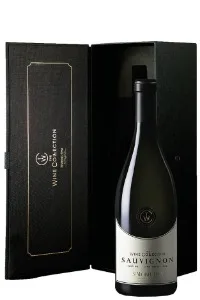
The Wine Collection Sauvignon – St. Michael Eppan 2020
South Tyrol, Italy
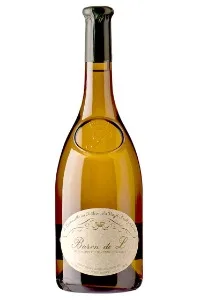
Baron de L – Baron de Ladoucette 2022
Loire Valley, France
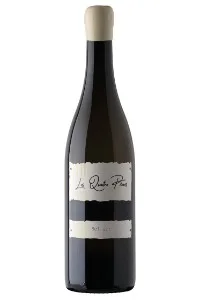
Bel Air – Les Quatre Piliers 2021
Loire Valley, France
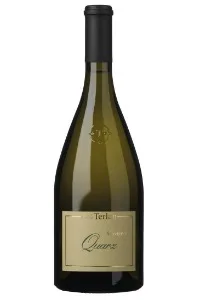
Quarz – Cantina Terlano 2024
South Tyrol, Italy
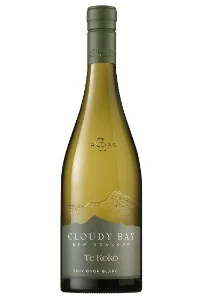
Te Koko – Cloudy Bay 2023
Marlborough, New Zealand
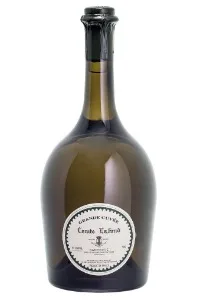
Comte Lafond Grand Cuvée – Baron de Ladoucette 2023
Loire Valley, France
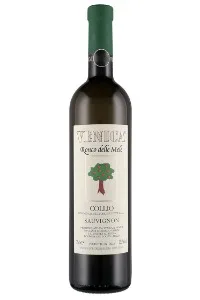
Ronco delle Mele – Venica & Venica 2025
Friuli-Venezia Giulia, Italy
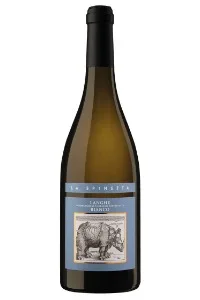
Langhe DOC Sauvignon Blanc – La Spinetta 2022
Piedmont, Italy
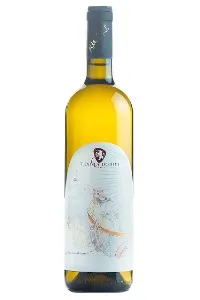
Colpo di Solde – Tenuta Dodici 2021
Tuscany, Italy
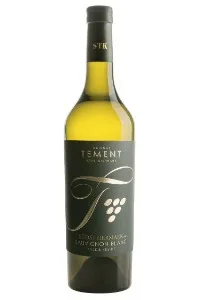
Kalk & Kreide – Tement 2023
Lower Austria, Austria
Not every bottle of Sauvignon Blanc is the same! Our team has carefully selected ten of the best Sauvignon Blanc wines that scored highly amongst wine experts and customers alike to ensure that our selection really resonates with our readers. All of them are available to buy online in the UK at the best Sauvignon Blanc wine offers. Dominating our rankings is The Wine Collection Sauvignon 2020 by St. Michael Eppan, rated 5/5 and priced at roughly £140. This is an ultra premium, limited edition Sauvignon Blanc from 25-35 year old vines that was crafted to showcase the maximum potential of Sauvignon grapes. It displays vibrant acidity and mineral tension, designed to evolve for over 10 years.
Sauvignon Blanc taste profile at a glance
| Sauvignon Blanc Attribute | Details |
|---|---|
| Grape Variety | 100% Sauvignon Blanc |
| Origin | Originally from France, now grown worldwide in notable regions like Italy, New Zealand and South Africa. |
| Serving Temperature | 7°C-12°C is ideal for preserving its crisp acidity and freshness. |
| Decanting | Usually not necessary, but you can aerate more complex styles briefly for about 15 to 20 minutes. |
| Aging Potential | Generally best consumed young (between 1-5 years); some premium, oak aged bottles can age for more than 10 years. |
| Flavor Profile | Lime, grapefruit, green apple, passion fruit, lemongrass, freshly cut grass, bell pepper, herbs, flint |
| Structure | Light to medium bodied, high acidity, crisp and refreshing finish |
| Alcohol Content | Typically between 12% to 14% |
| Ideal Glass | Tulip shaped or white wine glass |
| Food Pairing | Goat cheese, shellfish, salads, fresh herbs, light seafood dishes |
| Top Regions | Loire Valley (France), Marlborough (New Zealand), Trentino Alto Adige (Italy) |
| Notable Producers | Domaine Didier Dagueneau (France), Cloudy Bay (New Zealand), Baron de Ladoucette (France), St. Michael Eppan (Italy) |
The taste profile of Sauvignon Blanc is recognisable from the very first sip. It is zesty and aromatic with undeniable freshness. Depending on where it was grown, the styles may differ, but in any glass of Sauvignon Blanc, you can expect to taste lively citrus notes, including lime, grapefruit and lemon. Green and herbal aromas are also present, with hints of bell pepper on its long, persistent finish. Additional undertones of white fruits and mineral character may reflect the unique terroir of the vineyard.
Sauvignon Blanc grapes contain pyrazines, natural compounds that give the wine its bold personality and signature herbaceous and vegetal aromas. The concentration of pyrazines depends mainly on weather conditions while growing, as cooler climates and incomplete ripening increase its levels.
Good Sauvignon Blanc wine brands worth knowing
In both traditional and new world styles, there are several high quality Sauvignon bottles available. However, some stand out for their finesse and the exceptional care involved in vinifying them. Let’s have a look at some Sauvignon Blanc wine brands recognised for their commitment to quality.
Domaine De Ladoucette – Loire Valley, France
Domaine de Ladoucette is the largest and one of the most famous vineyards in Pouilly-Fumé, owned by the Comte Lafond and Ladoucette families since 1787. In 1972, Baron Patrick de Ladoucette took over the winemaking operations at age 20, marking the start of a new dawn for the family winery. He created the first private reserve for a white wine, “Baron de L”, in 1975. This Pouilly-Fumé wine is produced only in exceptional vintages, now recognised as one of the world’s finest and most sought after Sauvignon Blancs. The estate’s legacy continues till today, now expanded to include prestigious Sancerre vineyards, with a focus on combining traditional winemaking with modern techniques.
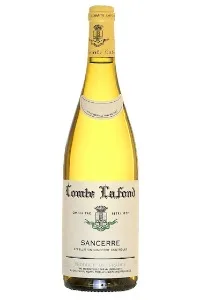
Conte Lafond – Baron de Ladoucette 2025 – Loire Valley, France
Cloudy Bay Vineyards – Marlborough, New Zealand
Cloudy Bay Vineyards is a winery based in Marlborough, New Zealand. It was established by David Hohnen in 1985 as one of the first five wineries founded in that region. The winery released its first Sauvignon Blanc vintage in 1985, which was praised by wine critics globally for its vibrant and pure taste profile. The British writer, Oz Clarke, after tasting it, wrote that New Zealand Sauvignon Blanc is “arguably the best in the world”. Cloudy Bay winery established New Zealand Sauvignon Blanc on the global stage and till today, is celebrated as a pioneer. They grow 3 core varieties of the grape and also make an oak fermented version known as “Te Koko”.
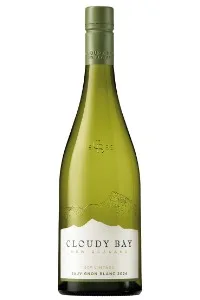
Sauvignon Blanc – Cloudy Bay 2025 – Marlborough, New Zealand
St. Michael Eppan – South Tyrol, Italy
St. Michael Eppan is a renowned cooperative winery in Alto Adige, Northern Italy, founded in 1907 by 320 winegrowing families. The winery specialises in high quality, varietally pure white wines, including Sauvignon Blanc. Under the leadership of the cellar master Hans Terzer, St. Michael Eppan has grown into the benchmark producer for premium whites, frequently winning the highest ‘Tre Bicchieri’ awards and being named among Italy’s top producers by Gambero Rosso. Sauvignon Sanct Valentin, their flagship wine, is considered one of Italy’s best whites, an exceptional, full bodied wine with intense ripe fruit aromas and minerality.
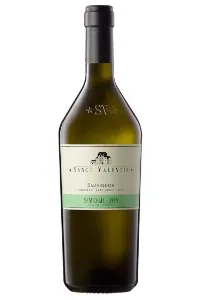
Sanct Valentin – St. Michael Eppan 2024 – South Tyrol, Italy
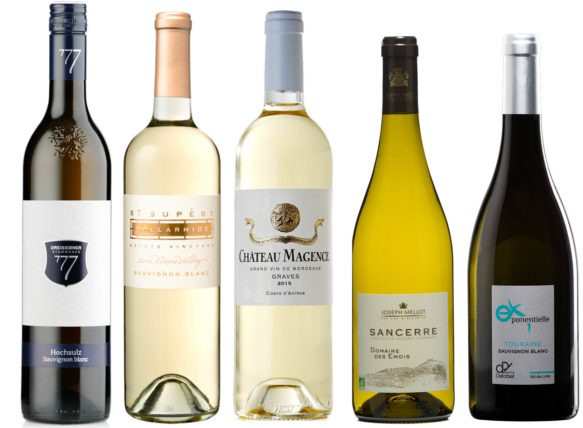
Sauvignon Blanc wine price: how to balance cost and value
As one of the world’s most popular white wines, the Sauvignon Blanc price range varies widely according to the labels, resulting in a broad choice for consumers. But what influences the Sauvignon Blanc cost so much?
The region and terroir in which the wine was produced play a huge role in its pricing, as wines from prestigious areas like Pouilly Fumé or Alto-Adige typically cost more. Limited production wines from exceptional vintage years are often higher in quality and this makes them fetch premium price tags too.
For a detailed overview, check out the table below showcasing the price of Sauvignon Blanc across various producers and styles.
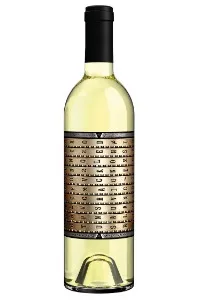
1. Unshackled Sauvignon Blanc – The Prisoner Wine Company 2021 – California, US
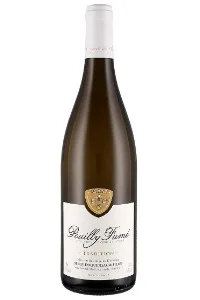
2. Mid Tier Sauvignon Blanc: Tradition – Domaine Serge Dagueneau & Filles 2024 – Loire Valley, France
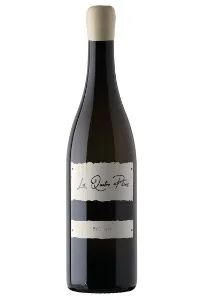
3. Single Vineyard Sauvignon Blanc: Bel Air – Les Quatre Piliers 2021 – Loire Valley, France
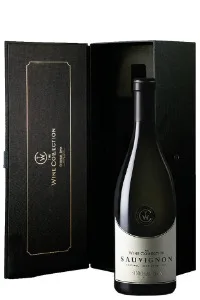
4. Prestige Expensive Sauvignon Blanc: The Wine Collection Sauvignon – St. Michael Eppan 2020 – South Tyrol, Italy
Top Sauvignon Blanc vintages and how they vary by region
A good Sauvignon Blanc vintage varies by region. A top year in Marlborough might not be the same in the Loire or Italy. Because this grape is sensitive to climate and terroir, each vintage reflects local conditions differently.
Below, we highlight standout wine Sauvignon Blanc years and what made them special:
| Vintage | Recommended Sauvignon Blanc | Tasting Notes | Vintage Characteristics |
|---|---|---|---|
| 2024 | Sauvignon Blanc – Southbank Estate 2024 – Marlborough, New Zealand | Lively acidity and fresh aroma of lime, grapefruit, green pepper and blackcurrant lead to a clear, fruity finish. | The season was warm, dry and windy in Marlborough. The yields were low, but this resulted in exceptional wines with concentrated and vibrant aromas. |
| 2023 | Sauvignon Blanc – Kim Crawford Wines 2023 – Marlborough, New Zealand | Dominant notes of tropical fruit, citrus fruit and herbaceous sensations lead to a mouth with excellent acidity and good balance. | Perfect growing conditions and a long, slow ripening season in Marlborough yielded wines with assertive fruit flavours and good acidity. |
| 2022 | Greg – Whitehaven 2022 – Marlborough, New Zealand | Medium bodied, with refreshing acidity, mineral and stony notes and aromas of gooseberry, nettle, grapefruit and elderberry. | This was a successful vintage in New Zealand and Germany, characterised by a wet and cold winter that led to vigorous growth during spring. The wines are excellent with good structure and complex fruit flavours. |
| 2020 | Resilio Sauvignon – Garesio 2020 – Piedmont, Italy | Light to medium bodied, with herbaceous notes, white flowers, exotic fruit notes and fresh acidity. | The warm winter and spring led to an exceptionally early harvest, resulting in balanced wines with good freshness. |
| 2019 | Orphée – Les Poëte 2019 – Loire Valley, France | Rich flavours of white flowers, lime, herbs and subtle yeast open up to reveal a silky sip, supported by refreshing acidity. | Widely celebrated vintage in France due to quality harvests following a hot and dry summer. These wines are noted for their citrus and grassy character with good acidity. |
What is Sauvignon Blanc wine and how is it made?
- What is Sauvignon Blanc?
Sauvignon Blanc is a dry and aromatic white wine crafted from green skinned grapes of the same name. It is high in acidity, with vibrant herbal flavours. Originally from France’s Loire Valley and Bordeaux, it is now globally cultivated. ABV: 12%-14%.
Sauvignon Blanc is a white wine beloved for its high acidity, herbaceous flavours and notes of citrusy, tropical fruit. It is often vinified in a light to medium bodied dry style but Sauv Blanc can also be oaked with complex vanilla and flavours of sweet spice. A globally celebrated wine, the first Friday in May is International Sauvignon Blanc Day!
But how is Sauvignon Blanc wine made?
- Grapes are usually harvested in autumn, but the exact timing differs depending on the flavour profile the winemaker aims to impart in the resulting wine. At its most unripe stage, the grape is high in malic acid, which provides sharp tartness and vibrancy. As the grape ripens, it develops flavours of green and green peppers and balanced sugars.
- Skin contact and maceration are optional, depending on the desired style. Traditionally, skin contact is cold and brief (less than 24 hours) to extract aromas and minimise tannins. Extended maceration yields an intense Sauvignon Blanc with increased flavour complexity.
- Fermentation often occurs in stainless steel tanks kept cool, between 10-15°C, as these low temperatures bring out fruit and tropical flavours. Some French winemakers may prefer warmer fermentations at 16-18°C to highlight mineral aromas in their wines.
- Oak ageing is a less common practice, typically for three to six months after fermentation. It softens the bright acidity Sauvignon Blanc is known for, while adding flavours of vanilla, spice and butter. Ageing on lees (dead yeast cells) can also impart a creamier texture to the wine.
- After fermentation and ageing, the wine is clarified to remove sediment. To achieve this, winemakers may add bentonite or other clarifying agents, chill the wine, or filter it.
- Sauvignon Blanc is bottled within a few months after fermentation, as it is best enjoyed young. It was one of the first fine wines to be bottled with a screwcap for commercial sales, just like Riesling.
Late harvest wine Sauvignon Blanc is made from grapes left on the vine for longer than usual to concentrate their flavours and sugars. Sometimes, they’re attacked by the beneficial noble rot fungus Botrytis cinerea, which adds layers of complexity.
Sauvignon Blanc grapes
Sauvignon Blanc is a thin skinned, green to pale yellow grape variety that grows in almost any climate worldwide. It buds late but ripens early and is known for its high acidity and aromatic flavour profile. On its own, it is used exclusively to make white wines in different styles, which may be dry and crisp, oaked and complex or late harvest white wines. Here is a brief overview of the types of wine the Sauvignon Blanc grape gives:
- Dry and crisp Sauvignon Blanc is fermented in stainless steel or concrete tanks. It is high in acidity and accompanied by grapefruit and lime notes as well as gooseberry and grassy aromas. Many Sauvignon Blancs from New Zealand are made in this style.
- Creamy and rich Sauvignon Blanc is aged in oak or with its lees. Its texture is richer and creamier and flavours of vanilla, butter and lemon curd are often present. Good examples include classic Bordeaux styles and some California Sauvignon Blancs.
- Late harvest Sauvignon Blanc is a sweet dessert wine made from botrytized grapes left to ripen for longer. Bright acidity is often present, matched by concentrated sugars and complex flavours of honey, apricot and almonds. Sauternes is a late harvest wine made from a blend of Sauvignon Blanc and Sémillon grapes in the Sauternes region of France.
Spotlight on the Sauvignon Blanc wine regions
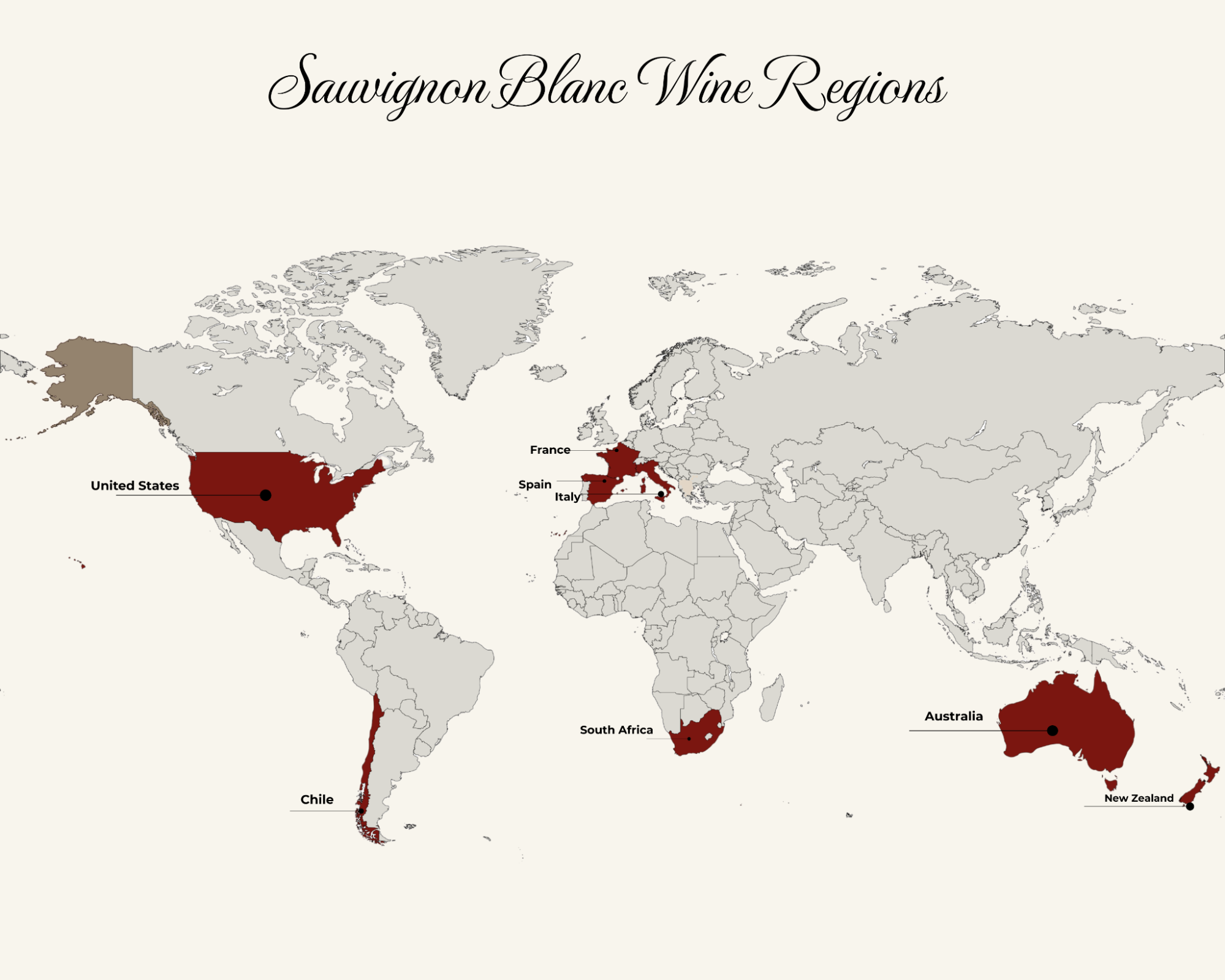
Sauvignon Blanc thrives in some of the world’s most expressive wine regions, stretching from the French limestone hills of the Loire Valley to New Zealand’s coastal vineyards, with notable plantings in Italy, Chile, South Africa, California and Australia. Its adaptability lets each terroir shape a distinctive style ranging from mineral and restrained to vibrant and tropical. In this guide, we’ll explore the top three regions that lead the world in both production volume and overall quality, offering a clear look at where this beloved grape truly shines.
French Sauvignon Blanc
Sauvignon Blanc is a highly adaptable grape variety with the ability to thrive in any climate, cultivated across approximately 121,000 hectares worldwide. However, its native home is in France’s Loire Valley. Here, we can find its classic and most celebrated expressions such as Pouilly Fumé, Sancerre, Sauternes and Pessac-Léognan. Winemakers in France pay careful attention to the terroir of the soil and how it affects their wines. For example, Pouilly Fumé wines are crafted from vines planted in flinty soils with limestone deposits, which is believed to impart a smoky flavour to the wine.
French Sauvignon Blanc can be found in the following main regions:
- The Loire Valley, with its continental climate, is favourable for the slow ripening of the grape. Sauvignon Blanc is vinified here as Pouilly Fumé from the town of Pouilly-sur-Loire, Sancerre from the similarly named commune and Sauvignon de Touraine from Touraine. Sauvignon Blanc in the Loire Valley tends to be complex and rich with perfectly balanced acidity and sugar levels.
- In Bordeaux, especially in Graves, Pessac-Léognan, Entre-Deux-Mers and Sauternes, Sauvignon Blanc is a principal grape. In the first three regions, it is vinified as a dry wine, while it is blended with Sémillon in Sauternes to create a late harvest wine. It is one of the only four white grape varieties permitted in the production of white Bordeaux wine. Bordeaux Sauv Blanc tends to have a fruitier personality than the wines produced in the Loire Valley.
For both Bordeaux and Loire Sauvignon Blanc, the Appellation d’Origine Protégée (AOP) system is in strict control of production standards and guarantees their authenticity.
Italian Sauvignon Blanc from Friuli and Alto Adige
Italian Sauvignon Blanc is primarily grown in the northeastern regions of Friuli-Venezia Giulia and Alto Adige. In these areas, the climate is cool enough to preserve the grape’s elegance and minerality while highlighting notes of citrus and herbs.
In addition to these two main regions, it is also grown in Veneto, Sicily and parts of Emilia-Romagna. While it isn’t a native Italian grape, winemakers are known for making Sauvignon Blanc with crisp acidity and distinct mineral notes, making it an important part of the country’s white wine production.
New Zealand Sauvignon Blanc from Marlborough’s maritime vineyards
New Zealand Sauvignon Blanc became popular in the 1990s, beloved for its distinct flavour intensity. Today, about 70% of the total vineyard plantings in the country are dedicated to NZ Sauvignon Blanc, with Marlborough being responsible for the bulk of these vines. The most desirable planting sites are sandy soils with slate deposits that allow for good drainage. The poor fertility of these sites also encourages lower yields with concentrated flavours. Heavier soils near the Wairau River Valley are known for producing more herbaceous, late ripening soils that give a diversity of flavours, adding a unique element to NZ Sauvignon Blanc.
Fun fact: In Australia, where reds like Shiraz dominate, cooler regions such as Adelaide Hills and Tasmania produce Australian white wine Sauvignon Blanc with riper fruit and a creamier texture.
Comparing wines similar to Sauvignon Blanc
Sauvignon Blanc is a crisp, easy drinking white wine bursting with vibrant acidity and floral and fruit notes. It is only natural to wonder about the wines similar to Sauvignon Blanc and what sets them apart.
- Pinot Grigio vs Sauvignon Blanc: Pinot Grigio leans toward subtle pear, apple and soft melon notes with a smooth, light body. Sauvignon Blanc delivers sharper citrus, herbal aromas and brighter acidity. Pinot Grigio suits simple dishes and easy sipping, while Sauvignon Blanc brings more energy and freshness to seafood and herb centered plates.
- Chardonnay vs Sauvignon Blanc: Chardonnay ranges from crisp and mineral to creamy and opulent depending on oak ageing and climate, showing apple, citrus or tropical fruit. Sauvignon Blanc is consistently zesty, herbal and high acid. Choose Chardonnay for richer dishes and fuller texture and Sauvignon Blanc when you prefer bright, refreshing flavours that lift food.
In the table below, we break down the differences between these wines and we also introduce some other wines similar to Sauvignon Blanc that you might enjoy!
| Wine / Main Grape | Top Wine | Tasting Notes | Wine style |
|---|---|---|---|
| Chardonnay vs Sauvignon Blanc | Chardonnay – Planeta 2024 – Sicily, Italy | Rich and creamy, with an intense nose of apricot, peach, golden apple, honey and fresh acidity on the palate. | Chardonnay is fuller bodied and richer than Sauvignon Blanc. It tends to have softer acidity, showing notes of vanilla, butter and toast. |
| Pinot Grigio vs Sauvignon Blanc | Pinot Grigio – Schiopetto 2023 – Friuli-Venezia Giulia, Italy | Delicate and intense, with fragrant aromas of plum, exotic fruit and acacia flowers. | Pinot Grigio is a lighter and more neutral white wine than Sauvignon Blanc, featuring subtle flavours of pear, apple and lemon. |
| Albariño vs Sauvignon Blanc | Val do Salnés Albariño – Zárate 2024 – Rías Baixas, Spain | Intense and fruity, with subtle minerality, vibrant acidity and a balanced structure. | Albariño and Sauvignon Blanc are both crisp and highly acidic, but the latter tends to be more subtle with prominent citrus and saline notes. |
| Gewürztraminer vs Sauvignon Blanc | Gewürztraminer – Willm 2023 – Alsace, France | Perfume of lychee, passion fruit, rose petals and spicy cinnamon. In the mouth, it is sweet and refreshing, with a balanced structure. | Gewürztraminer is more full bodied and aromatic than Sauvignon Blanc. It shows spicy flavours and intense floral notes, which are often absent in Sauvignon Blanc. |
Sauvignon Blanc serving temperature: slightly chilled is the key
Ever had a glass of Sauvignon Blanc lacking its usual aromatic punch and crisp freshness? It might not have been the wine’s fault! Even a good Sauvignon Blanc wine can taste flat if not served properly.
Luckily, a few simple tips can make all the difference:
- Serve slightly chilled, aiming for 7-10°C to highlight the wine’s acidity and delicate aromas.
- No decanting is needed as Sauvignon Blanc is a fresh white wine, ready to drink once you open it up!
- Use a narrow white wine glass; this shape concentrates the tropical notes toward your nose.
- Drink it young, as most bottles are best enjoyed within 1-3 years of release.
The secret to the perfect Sauvignon Blanc serving temperature? Chill it slightly and let the wine do the rest!
Sauvignon Blanc wine pairings decoded
When it comes to pairing food with Sauvignon Blanc, freshness is the name of the game! Sauvignon Blanc is one of the most versatile white wines at the dinner table. Its bright, fresh character doesn’t overpower your food; rather, it enhances it, making it the perfect match for dishes like fish, cheese and more.
Of course, food and wine pairing is personal and there are no strict rules. But if you want to avoid combinations that dull the flavours, here are a few Sauvignon Blanc wine pairing suggestions to help you get started:
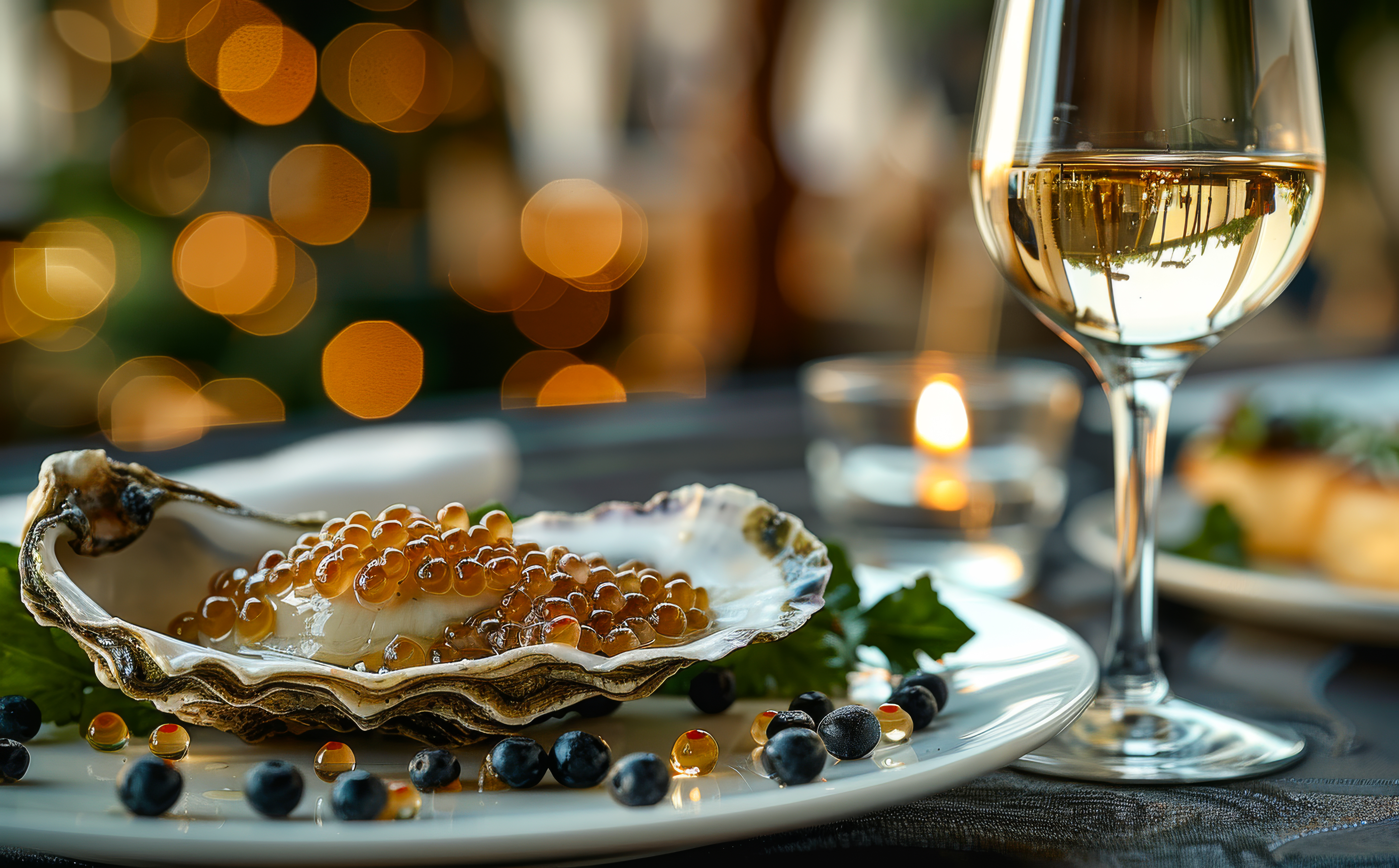
- Seafood, including freshly shucked oysters, baked oysters and baked halibut.
- Cheese: classic goat’s cheese, feta, brie and ricotta.
- Light meat dishes, like lemon chicken piccata and grilled pork skewers
More Sauvignon Blanc pairings below:
| Sauvignon Blanc Food Pairing | Best Bottle | Aged & ABV | Type & Structure |
|---|---|---|---|
| Freshly shucked oysters, pan seared scallops, grilled prawns with garlic, moules marinière, cioppino, baked halibut | The Wine Collection Sauvignon – St. Michael Eppan 2020 – South Tyrol, Italy | 2-3 years ABV 14% | Medium bodied, lively acidity, elegant finish |
| Lemon chicken piccata, herb roasted chicken, grilled pork skewers and lamb souvlaki | Baron de L – Baron de Ladoucette 2022 – Loire Valley, France | 1-2 years ABV 12.5% | Fresh, full and citrusy with aromas of white flowers |
| Thai green curry, sashimi snapper with wasabi soy dip, spring rolls, ceviche | Bel Air – Les Quatre Piliers 2021 – Loire Valley, France | 1-2 years ABV 13% | Lively acidity, mineral core, subtle oak |
| Goat Cheese, Feta, Ricotta, Mozzarella, Brie, Harvati, Gruyère | Quarz – Cantina Terlano 2024 – South Tyrol, Italy | 1 year ABV 14% | Fruity, mineral, herbaceous |
| Linguine alle vongole, asparagus risotto, pesto genovese pasta, caponata siciliana | Te Koko – Cloudy Bay 2023 – Marlborough, New Zealand | 1-2 years ABV 13.5% | Lively acidity, white fruit and floral aromas |
Sauvignon Blanc: tips for beginners
Sauvignon Blanc is one of the most refreshing and easy to love white wines out there, making it perfect for you if you’re just dipping your toes into the world of wine. Follow along as we uncover some tips to help you get the best out of your tasting experience:
- Go for young bottles that are under 3 years old. This is when Sauvignon Blanc is at its best, bursting with vibrant fruit and herbaceous notes.
- Serve it slightly chilled at a temperature between 7-10°C to enhance its crispness, acidity and fruit flavours. Serving it too warm can make the alcohol overwhelming, while an overly cold temperature can diminish the aromas.
- Pour it into a white wine glass with a narrow bowl tapering to a slightly narrower opening. This shape preserves the wine’s aromas, channelling it to the tip of your tongue while emphasising its acidity and freshness.
Unlock the flavour with the right Sauvignon Blanc wine glasses
Sauvignon Blanc wine glasses are typically smaller with narrower openings, designed to preserve crisp aromas and maintain cool serving temperatures. Do not skip this part: to truly enjoy Sauvignon Blanc, the right glass can make all the difference!
Below, you’ll find our recommendation of the best glass for every style of Sauvignon Blanc.
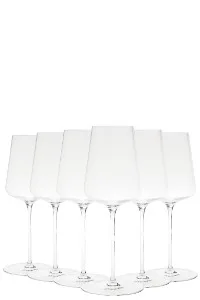
White Wine Glasses (Set of 6) – Sophienwald, 225mm, 420ml
How we rate Sauvignon Blanc wines
Our editorial team independently tastes and scores every wine that earns a place on our list. The evaluation is strict and we rarely recommend bottles that fall below 4.6 out of 5. Any bottle that makes the cut has done so based on merit alone.
We start with a 50 point scoring system, which we convert into the clean 5 point scale that you see:
- 5 = Exceptional
- 4 = Excellent
- 3 = Very Good
- 2 = Good
- 1 = Fair
What do we consider while scoring?
- Appearance (up to 5 points): we evaluate the wine’s clarity, depth of colour and brightness to give us clues about what to expect.
- Aroma & bouquet (up to 15 points): a good wine should possess intensity, layered complexity and a nose that is free of flaws.
- Flavour & palate (up to 20 points): we consider the harmony between the white wine’s acidity, alcohol and mouthfeel.
- Overall impression (up to 10 points): this is the final step in our assessment, think harmony, typicity and the length of the finish.
We also hold every Sauvignon Blanc wine to the following additional standards:
- Aromatic profile: high intensity aromas of grass or herbs, or even tropical fruit notes like mango, should be present.
- Structure: the best Sauvignons are refreshing, with balanced acidity and a clean, crisp finish.
- Regional differences also have a part to play, New Zealand Sauvignons should be highly aromatic, wines from the Loire Valley are often more mineral and smoky, while Bordeaux expressions can be richer.
One last thing from us: numbers are useful but they’re not all you need. The scores we assign reflect the tasting conditions and our honest opinions about each bottle. To get the real picture, we encourage you to read the tasting notes. Finding a wine you love is the only result that matters.
You might also be interested in
FAQs on Sauvignon Blanc
What is a good Sauvignon Blanc wine brand?
A good Sauvignon Blanc wine brand includes trusted producers like Domaine De Ladoucette from France’s Loire Valley, Cloudy Bay Winery from New Zealand and St. Michael Eppan Winery in Italy. These producers are pioneers who have shaped the global history of Sauvignon Blanc wines, known for their dedication to quality and consistency, capturing the grape’s signature freshness, vibrant acidity and aromatic intensity.
Where does the best Sauvignon Blanc in the UK come from?
The best Sauvignon Blanc in the UK often comes from regions like Alto-Adige in Italy, Sancerre and Pouilly-Fumé in France and New Zealand. For instance, our top wine, The Wine Collection Sauvignon 2020 by St. Michael Eppan, is a limited edition Sauvignon Blanc from Alto-Adige. Chile and South Africa also produce outstanding bottles, with each one offering unique expressions of what makes the best Sauvignon Blanc wine around the world.
What Italian wine is closest to Sauvignon Blanc?
The Italian wine that is closest to Sauvignon Blanc is Vernaccia, known for its crisp acidity and subtle herbal notes. Some Friulano wines from northern Italy also come quite close to Sauvignon Blanc with their crisp acidity and herbal notes. However, there are also several international alternatives like Verdejo, Picpoul, Albariño and Vinho Verde that share a similar fresh, zesty character.
Is Sauvignon Blanc dry?
Yes, Sauvignon Blanc is a dry white wine. It’s characterised by its high acidity and minimal sweetness, giving it a clean and refreshing taste. The dryness helps emphasise its lively flavours, of citrus, green apple and fresh herbs, making it a great match for light, savoury foods. Now you know, the answer to the question “Is Sauvignon Blanc sweet?” is no!
Is Sauvignon Blanc a white wine?
Yes, Sauvignon Blanc is a white wine produced from green grapes. It is recognised for its crisp acidity, light to medium body and vibrant flavours. Common tasting notes include citrus, green apple, fresh herbs and tropical fruits. Like other white wines, Sauvignon Blanc is enjoyed globally, often served slightly chilled between 7-10°C and pairs well with lighter dishes, making it especially popular during warmer seasons.
What is the Sauvignon Blanc ABV?
Sauvignon Blanc usually has an Alcohol By Volume (ABV) between 11.5% and 13.5%. The amount of alcohol can change depending on where the grapes grow and how the wine is made. In warmer places, the alcohol tends to be higher, while cooler climates yield wines with less alcohol, keeping them fresh and crisp.
How many calories are in a bottle of Sauvignon Blanc wine?
A typical 750ml bottle of Sauvignon Blanc wine contains about 600 to 625 calories. When considering Sauvignon Blanc wine calories, it’s important to note that the calorie content varies based on alcohol and sugar levels. Dry Sauvignon Blanc wines tend to have fewer calories, making them a lighter option compared to sweeter wines, especially those with higher residual sugar.
What is the Sauvignon Blanc wine grape?
The Sauvignon Blanc wine grape is a green to pale yellow skinned variety primarily used to make dry white wine. Native to France’s Loire Valley, it is now cultivated in wine regions around the world, including New Zealand, California and South Africa. Known for its vibrant acidity and expressive aromas, Sauvignon Blanc often features flavours of citrus, tropical fruit, green apple and freshly cut grass.
What are Sauvignon Blanc wine prices?
Sauvignon Blanc wine prices generally range from £20 to £50 for most bottles, depending on the producer, region and vintage. Premium selections from renowned areas like France’s Sancerre region or Italy’s Alto-Adige can exceed £100. Many excellent and affordable options from Austria and New Zealand offer great quality without a high price tag. To get the best prices on your purchases, take advantage of our Sauvignon Blanc offers right here on Wines Curated.
What are the best years for Sauvignon Blanc wine?
The best years for Sauvignon Blanc wine depend on the region and weather conditions during the growing season. Generally, recent vintages from 2019 to 2023 have been excellent, offering fresh acidity and vibrant, complex flavours. In regions like New Zealand, cooler, balanced growing seasons create the most flavorful and well structured Sauvignon Blanc wines
How long can you keep a bottle of Sauvignon Blanc open?
Once opened, Sauvignon Blanc can typically be kept fresh for about 3 to 5 days if properly sealed and refrigerated. Its natural acidity helps preserve the wine’s flavours and crispness for a short time. However, after several days, the wine will begin to lose its freshness and aroma. To enjoy the best taste, it’s recommended to finish the bottle within this timeframe.
