

Prosecco top picks for 2026
Prosecco is Italy’s most popular sparkling wine, made in northeastern Italy (Friuli Venezia Giulia & Veneto) and produced using the Charmat method. We blind tasted DOC and DOCG bottles from producers such as Bisol, Sorelle Bronca and Villa Sandi. Our top Prosecco pick: Valdo Marca Oro Prosecco, rated 5/5.

10 Best Prosecco wine bottles to buy this season
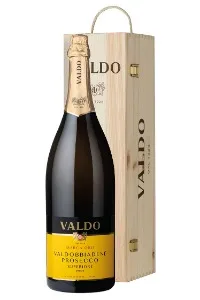
Marca Oro Valdobbiadene Prosecco Superiore (3 litres) – Valdo
Veneto, Italy
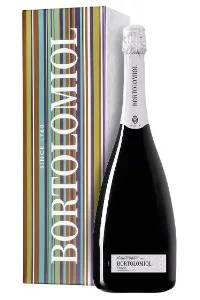
Prior Valdobbiadene Prosecco Superiore Brut (1.5 litres) – Bortolomiol 2024
Veneto, Italy
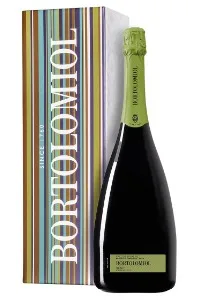
Senior Valdobbiadene Prosecco Superiore Extra Dry (1.5 litres) – Bortolomiol 2024
Veneto, Italy
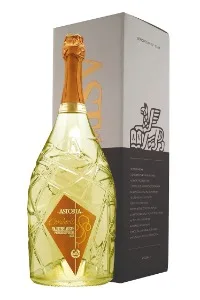
Corderìe Valdobbiadene Prosecco Superiore Extra Dry (1.5 litres) – Astoria
Veneto, Italy
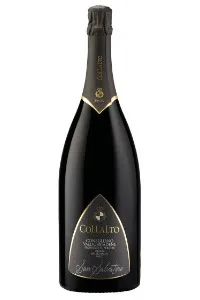
San Salvatore Prosecco Superiore di Conegliano Valdobbiadene Brut (1.5 litre) – Conte Collalto 2025
Veneto, Italy
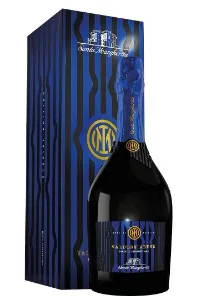
Brut Inter Special Edition Valdobbiadene Prosecco Superiore – Santa Margherita
Veneto, Italy
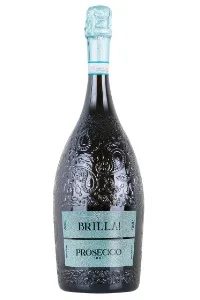
Prosecco DOC Extra Dry (1.5 litres) – Brilla!
Veneto, Italy
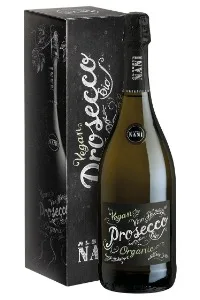
Bio Extra Dry Prosecco (1.5 litres) – Alberto Nani
Veneto, Italy
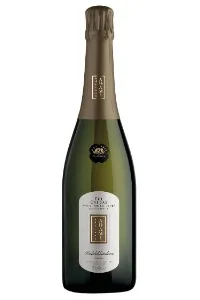
Col Credas Rive di Farra di Soligo – Adami 2024
Veneto, Italy
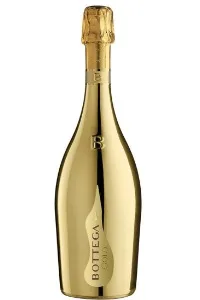
Gold II Vino dei Poeti – Bottega 2023
Veneto, Italy
Our expert panel carefully tested the best Prosecco wines to buy in 2026, cross referenced with critic scores. Our selection includes Prosecco offers for Brut, Extra Brut and Extra Dry styles, as well as top tier Conegliano Valdobbiadene Prosecco DOCG bottlings, offering quality, balanced aromas at every price point (starting at £23). All Prosecco wines we tested showcase Glera’s distinctive freshness and floral elegance beautifully. Valdo’s Marca Oro earns the top spot, rated 5/5 and priced at £85. This vino spumante Prosecco impresses us with its balanced structure, crisp structure and lingering aftertaste.
What does Prosecco taste like?
Prosecco’s taste is light and crisp, featuring white fruit notes, citrus and hints of honeysuckle. Its lively acidity complements its frothy and persistent bubbles. Aged DOCG Prosecco wines offer a richer texture and complex toast notes such as almond and brioche.
| Prosecco Wine | Details |
|---|---|
| Grape Variety | Glera (min. 85%), with Bianchetta, Perera, Verdiso and other local grapes |
| Origin | Veneto and Friuli Venezia Giulia, Italy |
| Serving Temperature | 3-7°C |
| Decanting | Not recommended. Serve chilled and fresh to preserve effervescence. |
| Aging Potential | 1-2 years. Select DOCG bottles may age up to 5 years |
| Flavor Profile | Green apple, pear, white peach, citrus, floral notes |
| Structure | Light bodied, low tannins, high acidity |
| Alcohol Content | 11% to 12.5% ABV |
| Ideal Glass | Tulip shaped sparkling wine glass (enhances aroma more than a flute!) |
| Food Pairing | Seafood, sushi, antipasti, mild cheeses, fresh fruit, prosciutto |
| Top Communes | Valdobbiadene, Conegliano, Asolo, Cartizze |
| Notable Producers | Nino Franco, Adami, Bisol, Trevisol & Figli, Villa Sandi |
In a Prosecco bottle, you can expect:
- White fruits like green apple, pear, melon and white peach
- Citrusy flavours of lemon, lime and grapefruit
- Floral aromas similar to wisteria, acacia and honeysuckle
Best Italian Prosecco brands worth exploring
The best Italian Prosecco brands have crafted a legacy of award winning Proseccos, making them widely loved among wine critics and enthusiasts alike. Among the best producers we can name:
- Bisol Winery: a 500 year old estate in Valdobbiadene specialising in Cartizze Prosecco.
- Villa Sandi: celebrated for consistent quality, Top 100 World’s Best Vineyard, Tre Bicchieri award winner.
- Sorelle Bronca: a Valdobbiadene estate run by sisters who have pioneered organic and sustainable viticulture, with a strong focus on terroir expression.
- Nino Franco: a family estate since 1919 with a focus on sustainable viticulture and single vineyard Prosecco.
- Mionetto: widely available, good entry level Prosecco, recognisable by its unique orange label.
- La Marca: budget friendly sparkling wines that are smooth with a consistent, approachable quality.
We explore three of these producers worth knowing in detail:
Bisol Winery – Valdobbiadene, Italy
The history of Bisol winery tells the story of a family with a 500 year old passion for Prosecco wines, dating back to the Valdobbiadene countryside in 1542. The winemaking business started by Eliseo Bisol came to a temporary halt during World Wars I & II, but it was revived by his son Desiderio. Lovingly known as Jeio by his family, Desiderio drove all over the hills of Conegliano and Valdobbiadene to find and purchase the best plots of land for growing the ideal Glera grapes that perfectly capture terroir. Today, their vineyards extend over 100 hectares of land in the Valdobbiadene Prosecco Superiore DOCG and they are reputable for offering a variety of wines without compromising on quality or taste.
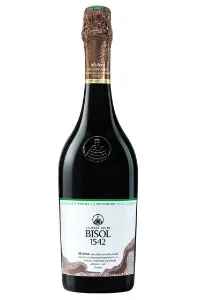
Molera – Bisol 2024 – Italy
Villa Sandi – Veneto, Italy
The history of the Villa Sandi winery began in the early 1920s, when Mario Polegato bought some vineyards and decided to become a winemaker. After decades of hard work, by the end of the 1970s, Mario, together with his grandson Giancarlo, bought the Palladian style Villa Sandi. They started restoration work and brought the building back to life, making it the headquarters for the winery. At the beginning of the 1980s, they were the first to produce internationally appreciated Prosecco, leading the export sector to this day. In 2010, their Cartizze La Rivetta received the prestigious Tre Bicchieri award from Gambero Rosso. Villa Sandi is now led by Giancarlo and his family, who continue to expand and innovate even as they uphold age old winemaking traditions.
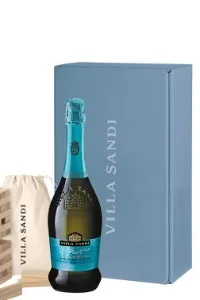
Il Fresco Prosecco with Jenga game – Villa Sandi – Italy
Sorelle Bronca – Veneto, Italy
Antonella and Ersiliana Bronca inherited vineyards and a passion for winemaking from their father, Livio, leading to their establishment of Sorelle Bronca in the mid 1980s. The winery is known for its high quality, organically produced sparkling wines from vineyards planted on steep hillside plots. The sisters were pioneers of sustainable agriculture in the region and today they have been joined by Elisa, Ersiliana’s daughter, as well as Piero, Antonella’s husband, to manage the winery.
What is Prosecco?
- Prosecco
Prosecco is an Italian sparkling white wine made primarily from Glera grapes in Veneto and Friuli Venezia Giulia. It is produced using pressurised tanks for secondary fermentation, known as the Charmat method. It is protected by DOC/DOCG law. ABV: 10.5-11.5%.
Prosecco must contain a minimum of 85% Glera grapes, to which producers may add small amounts of permitted local varieties such as Bianchetta, Perera, or Verdiso in northeastern Italy. Since 2009, its production has been governed by two EU protected classifications, namely:
- Prosecco DOC (Denominazione di Origine Controllata): covers a broad production area across Veneto and Friuli Venezia Giulia. It is typically more volume driven and most everyday Prosecco falls under this classification.
- DOCG Prosecco (Denominazione di Origine Controllata e Garantita) is limited to the hillside zones of Conegliano Valdobbiadene and Asolo, with stricter production rules, including hand harvesting and limited yields.
What makes Prosecco unique among sparkling wines?
- It has a light character, making it typically feel softer on the palate than Champagne or Cava.
- Its gentle bubbles create a creamy and easy drinking effervescence.
- Its versatility in varying sweetness levels, from Extra Brut to Dry Prosecco.
How is Prosecco made?
Prosecco sparkling wine is produced using the unique Charmat or Martinotti method, unlike Champagne, which undergoes secondary fermentation in the bottle. Prosecco is fermented in pressurised steel tanks for at least 30 days, trapping carbon dioxide in its sealed environment to preserve fresh bubbles and fruit notes.
- First, the base wine has to be produced. Winemakers harvest Glera and other permitted grape varieties, including Bianchetta Trevigiana, Verdiso and Perera at peak ripeness, usually in September. The grapes’ sugar levels determine the wine’s ABV and Prosecco with the highest alcohol content never exceeds 12.5%.
- The selected grapes are transported to the winery, where they undergo a gentle pressing to extract the juice or “must”. The must is separated from the grape skins and solids, then filtered and clarified. Afterwards, it is left to settle in steel tanks kept at approximately 14°C. This phase preserves the wine’s freshness and organoleptic properties.
- Following the pressing phase, the soon to be Prosecco undergoes its first fermentation. Natural yeasts are added to the juice in stainless steel tanks and kept that way for several weeks to allow the conversion of the grape sugars to alcohol, giving the “base wine”.
- Secondary fermentation is a delicate phase that determines the quality of the end wine. Here, producers ferment the base wine in large steel pressurised tanks known as “autoclaves”, adding both natural and selected yeasts. Lasting as long as six months, this is when the bubbles are formed.
- Filtering, clarifying and bottling: after the second fermentation, the wine is clarified and passed through filters. Winemakers may add some sugar to achieve the desired sweetness levels before bottling the finished Prosecco.
The Martinotti method takes its name from its inventor, the Italian enologist Federico Martinotti.
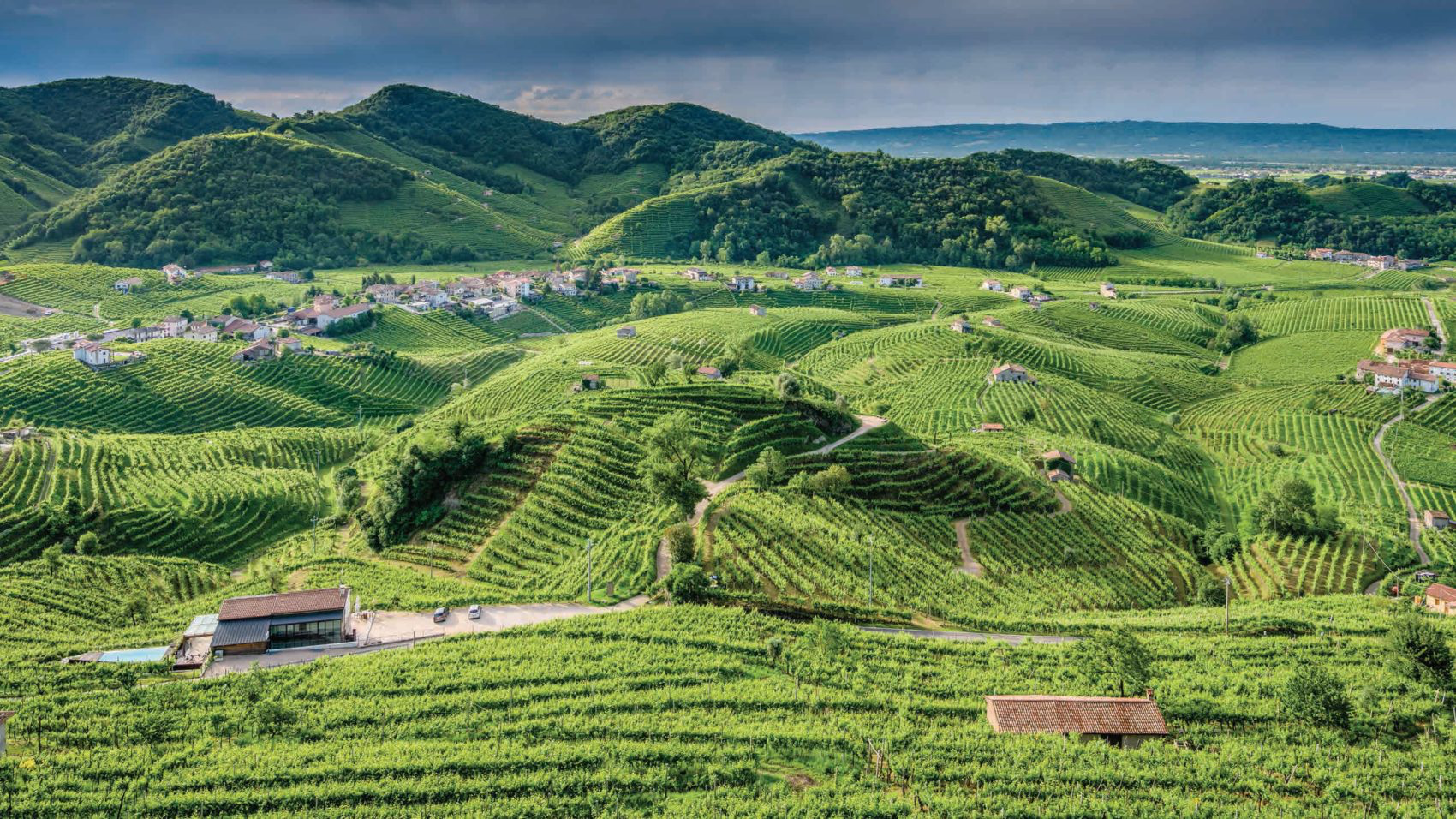
Introduced in 1895, it involves the vinification of still wine followed by a second fermentation in sealed stainless steel tanks. Fermentation usually lasts 30 days to 6 months. The tanks trap CO2 to create Prosecco’s iconic natural bubbles while preserving Glera’s fresh fruit and floral aromatics. The Conegliano Valdobbiadene area, with its grassy terraced plots of vineyards (called ciglioni in Italian), became the birthplace of the Martinotti method. In the mid 20th century, it replaced the older metodo ancestrale, which involved fermenting wine in the bottle without disgorgement
The Martinotti method is also called Charmat after Eugène Charmat, who in 1910 patented pressurised tanks (autoclaves).
What are the different types of Prosecco wine?
Prosecco can be classified based on its level of perlage (or style), sweetness levels and colour.
Perlage is a term derived from the French word for pearls and it refers to the stream of bubbles in sparkling wine. By Perlage level, Prosecco may be:
- Spumante (fully sparkling): the most common style of Prosecco with a high pressure of 4-6 bars that results in an intense stream of bubbles. Vino Spumante Prosecco is what people think of when you say “Prosecco”.
- Frizzante (semi sparkling): a lighter style with fewer, faster dissipating bubbles and lower pressure (1-2.5 bar). It is less common than Spumante.
- Tranquillo (still) is a rare version of Prosecco without noticeable bubbles, representing about 5% of total production.
Prosecco is further categorised by sweetness levels from bone dry “Brut Nature” to sweeter “Dry styles. However, these classifications apply to Spumante and Frizzante Proseccos differently; Frizzante is typically only Brut or Extra Dry.
“Brut Nature” is the purest expression of the Italian sparkling wine, with little to no residual sugar. “Extra Brut” is dry and crisp, while “Brut” and “Extra Dry” styles are the sweet spot between fruitiness and acidity, the most popular types sold. “Dry” Prosecco is actually a medium sweet style, so don’t get confused!
| Type of Prosecco Wine | Sweetness Level | Amount of Residual Sugar (g/L) |
|---|---|---|
| Brut Nature | Bone Dry | 0-3 |
| Extra Brut | Very Dry | 0-6 |
| Brut | Dry | 0-12 |
| Extra Dry | Off Dry | 12-17 |
| Dry | Fruity and Slightly Sweet | 17-32 |
Beyond sweetness levels, Prosecco is produced in the traditional white and rosé style; the latter is gaining good ground. Rosé style Prosecco was officially approved by EU regulation in 2020, a combination of Glera with 10-15% Pinot Noir, lending a pink hue and flavours of red berries, rose petals and citrus. By regulation, it must be labelled Millesimato (vintage dated) and aged at least 60 days on lees. Like its white counterpart, pink Prosecco is typically produced in Brut or Extra Dry styles.
Prosecco price guide: what to expect?
Prosecco prices range from $30 for everyday DOC bottles to $100+ for premium DOCG wines. And what drives the gap? DOCG Prosecco costs 2-3 times more than regular bottles, due to regulations stipulating hand harvesting and lower yields (13,500 KG per hectare vs 18,000 KG per hectare on DOC land). Cartizze DOCG, a 107 hectare subzone housing just 140 growers, produces Prosecco with the highest price. It is so premium that vineyards here sell for €1.5-2 million per hectare. Prosecco from Rive designations (single hillside plots) and vintage dated bottles (Millesimato) with at least 85% single harvest grapes are also priced above standard Non Vintage Proseccos. For collectors, Prosecco might seem unconventional compared to aged vintage Champagnes, but there is now a growing niche market. Collectors are drawn by:
- Its freshness, combined with its mid term ageing potential and
- The rarity of certain vintages and vineyard designations.
See below how the Prosecco price differs by tiers:
| Prosecco Wine Type | Prosecco & Producer | Rating | Price Range | Tasting Notes |
|---|---|---|---|---|
| Entry Level Prosecco DOC | Rosé Prosecco – Canti 2024 – Italy ABV 11% | 4.7/5 | £10-£25 | Bright pink hue, accompanied by fragrant aromas of red berries, strawberries, apple and orange peel. |
Mid Tier DOCG Prosecco | Brut Inter Special Edition Valdobbiadene Prosecco Superiore – Santa Margherita – Italy ABV 11% | 4.8/5 | £25-£40 | Brilliant straw yellow hue, with a lively perlage and delicate notes of flowers, apple, pear and white peach. |
Single Vineyard Prosecco DOCG | Corderìe Valdobbiadene Prosecco Superiore Extra Dry (1.5 litres) – Astoria – Italy ABV 11% | 4.9/5 | £40-£80 | Minute and persistent perlage, leading to decisive notes of acacia, wisteria, green apple, pear and fresh acidity. |
| Premium Prosecco Bottle Cartizze/Limited Edition | Marca Oro Valdobbiadene Prosecco Superiore (3 litres) – Valdo – Italy ABV 11% | 5/5 | £80+ | Delicate, medium bodied and pleasantly sweet, offering delicious notes of wild apple, acacia flowers and honey. |
Prosecco & limited edition bottles for connoisseurs
Prosecco isn’t a wine typically meant for ageing, with most bottles best enjoyed within one or two years of release. However, connoisseurs remain interested in collecting limited edition bottles, expensive Prosecco and designer labels. The Prosecco DOC often features artistic and customizable packaging for both gift givers and collectors.
On the lookout for premium quality? Consider:
- Cartizze DOCG wines from Prosecco’s 107 hectare Grand Cru vineyards (typically cost £80+)
- Rive designations, which are premium single vineyard bottles from named hillside plots in the Conegliano Valdobbiadene region
- Millesimato: higher quality vintage dated Proseccos produced with at least 85% of grapes harvested in a single, exceptional year.
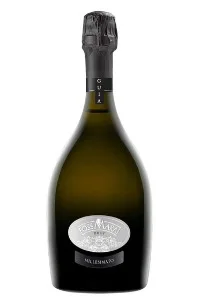
Valdobbiadene Prosecco Superiore Brut Guia – Foss Marai 2025
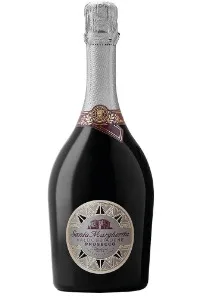
Valdobbiadene Prosecco Superiore Extra Dry – Santa Margherita
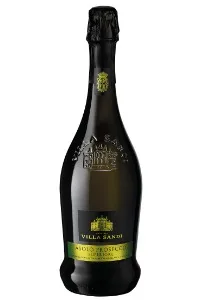
Prosecco Superiore di Asolo DOCG – Villa Sandi
While Vintage Champagne gets ageing praise, Prosecco is often dismissed as cheap and everyday. Yet in Conegliano Valdobbiadene, top producers are making refined, age worthy Proseccos. It’s not collector level yet, but a quiet renaissance may be underway.
Prosecco wine vintage chart: how the years affect the quality
Prosecco is generally intended for early drinking, with most bottles showing best within one or two years of release. However, certain DOCG wines, especially those from Cartizze or Conegliano Valdobbiadene vineyards, can hold up well for up to 3-5 years.
With short term ageing, you may notice changes in texture and secondary aromas such as dried fruit and toasted nuts. While it doesn’t have the long ageing potential of Champagne, premium bottles from the best vintages develop more complex and creamy notes of toasted bread, honey, hazelnut and occasionally, dried fruit.
| Vintage | Recommended Prosecco Wine | Rating | Tasting Notes | Vintage Characteristics |
|---|---|---|---|---|
| 2025 | Miòl Treviso Rosé Brut Prosecco – Bortolomiol 2025 | 5/5 | Pale pink hue, with a fresh and silky texture and notes of pear, cherry and raspberry. | Despite early challenges, the weather conditions improved to produce healthy, high quality Grela grapes with excellent acidity and good residual sugar. |
| 2024 | Treviso Brut Rosé Prosecco – Soligo 2024 – Italy | 5/5 | It is dry and savoury, with a fruity and floral bouquet of tropical fruit, berries, roses and violets. | The wet and cool growing season led to a delayed and uneven harvest, yet the grapes remained healthy, with vibrant acidity and intense fresh fruit flavours. |
| 2023 | LX Luxury Brut Prosecco – Sant’Orsola 2023 – Italy | 4.9/5 | Crisp and elegant, with an airy mousse and restrained aromas of green apple, white peach and peppermint. | The spring rain and hailstorms led to late ripening of the grapes. However, favourable day to night temperatures resulted in balanced wines. |
| 2022 | Bruno Prosecco Extra Brut – V8+ 2022 – Italy | 4.9/5 | Pale straw yellow hue with flavours of acacia, green apple, grapefruit and lime. | A hot and dry summer led to an early harvest. Resulted in riper fruit, lower acidity and fuller body. |
Where is Prosecco from?
Prosecco originates from north east Italy, specifically from the Veneto and Friuli Venezia Giulia regions. This area is globally recognised as the official Prosecco region, protected by DOCG regulations and covering over 24,000 hectares of land.
Key Prosecco producing areas are:
- Valdobbiadene DOCG: a UNESCO World Heritage site that crafts the most mineral wines.
- Conegliano DOCG is the site of Italy’s oldest wine school, with Rive single vineyard wines from the steepest plots.
- Asolo DOCG is located near the Dolomites, home to family owned wineries that produce age worthy Prosecco
- Cartizze DOCG is the 107 hectare Grand Cru of Conegliano Valdobbiadene, where premium Prosecco that commands the highest prices is made.
Each production area has its own climate conditions: from breezy Alpine mountain slopes to humid plains on the Adriatic coast. As a result, the wines offer quite different flavour profiles and quality levels.
By law, only sparkling wines produced here can be called as such. Italian Prosecco. When you hear people say “French Prosecco”, they’re probably referring to Champagne, as Prosecco can only be Italian.
Here is a closer look at the key communes known for producing the best Italian Prosecco:
- Valdobbiadene is located in Veneto, specifically within the Treviso province. This town is a UNESCO World Heritage Site known for producing high quality Prosecco with high acidity and refined bubbles. Its wines show the most minerality and ageing potential.
- Conegliano is also in Treviso province, a hilly countryside with a slightly warmer climate. Conegliano is also home to Italy’s oldest winemaking school, with steep vineyards on which the Glera grapes are grown. In Conegliano, winemakers often produce Prosecco Superiore DOCG wines or Rive wines, which are made from grapes grown in the most unique and steepest single vineyards.
- Asolo also tends to focus on Prosecco Superiore DOCG crafted from Glera, Bianchetta and other local varieties. Located near the Dolomites, the region is dotted with smaller family owned wineries and Asolo wines can often age for several years and still retain freshness.
These DOCG areas represent the pinnacle of Prosecco Italy offers, which produces the most terroir driven and age worthy wines.
How to serve Prosecco
Drinking Prosecco sparkling wine is best when it is kept cold and fresh. Here are three simple steps to properly enjoy it:
- Serve it well chilled, ideally between 3-7°C; this temperature balances the Prosecco ABV and keeps the bubbles crisp!
- Serve Prosecco in a tulip shaped glass or a large white wine glass that allows you to smell the floral and fruity aromas.
- Pour it slowly down the side of the glass, holding it at a 45 degree angle to keep it from overflowing.
Beginner’s Tip: start with non vintage bottles as they are more fruit forward and easy to drink.
| Recommendation | Details |
|---|---|
| Serving temp | 3-7°C |
| Glass | Tulip or white wine glass |
| Storage | Upright, cool, dark place, 10-13°C |
| Once opened | 1-3 days with a wine stopper |
| Decanting | No, as it kills the bubbles |
How to open a Prosecco bottle?
Always point away from people, as pressure can make the cork pop unexpectedly.
- Chill it to reduce pressure.
- Remove the foil and loosen the cage (6 twists generally)
- Hold the bottle at a slight angle, grip the cork gently and rotate the bottle (not the cork)
- Gently ease the cork out with a soft “pop.”
Pro Tip: aim for a soft ‘pfft’, not a loud pop to preserve Prosecco’s precious bubbles!
What food pairs best with Prosecco?
Prosecco pairs best with savoury, fatty, or salty foods as its high acidity and light bubbles cleanse the palate. The typical Prosecco ABV of 11-11.5% also means that you can enjoy Prosecco with light bites such as seafood or fresh fruit. It is very food friendly, simply match the sugar levels to the right flavours.
Top Prosecco food pairings at a glance:
- Prosecco Brut: charcuterie board, seafood, salty appetisers
- Dry Prosecco: fruit desserts made from fresh berries, peach, melon, or other fruits
- Extra dry: light salads such as poke bowls and crudités, appetisers, mild cheeses, fruit desserts
Not sure which Prosecco wine to buy for your dinner? Match the style to the dish:
| Food | Best Prosecco Bottle & Style | Rating | Type & Structure |
|---|---|---|---|
| Seafood Risotto or pasta | Marca Oro Valdobbiadene Prosecco Superiore (3 litres) – Valdo – Italy | 5/5 | Medium bodied, pleasantly sweet aromas of wild apple and white flowers. |
| Fried seafood, calamari, tempura | Prior Valdobbiadene Prosecco Superiore Brut (1.5 litres) – Bortolomiol 2024 – Italy | 5/5 | Fresh and silky, green apple, citrus and vegetal notes. |
| Fresh cheeses (Burrata, Ricotta, Feta) | Senior Valdobbiadene Prosecco Superiore Extra Dry (1.5 litres) – Bortolomiol 2024 – Italy | 4.9/5 | Balanced acidity, fresh white fruit, savoury finish |
| Summer salads, Poke Bowls | Corderìe Valdobbiadene Prosecco Superiore Extra Dry (1.5 litres) – Astoria – Italy | 4.9/5 | Fresh acidity, aromas of acacia, green apple and pear. |
| Fish tartare, sushi, carpaccio | San Salvatore Prosecco Superiore di Conegliano Valdobbiadene Brut (1.5 litre) – Conte Collalto 2025 – Italy | 4.8/5 | Fresh, balanced and dry with a floral finish. |
| Prosciutto, antipasti | Brut Inter Special Edition Valdobbiadene Prosecco Superiore – Santa Margherita – Italy | 4.8/5 | Lively perlage, delicate notes of white fruits and white flowers. |
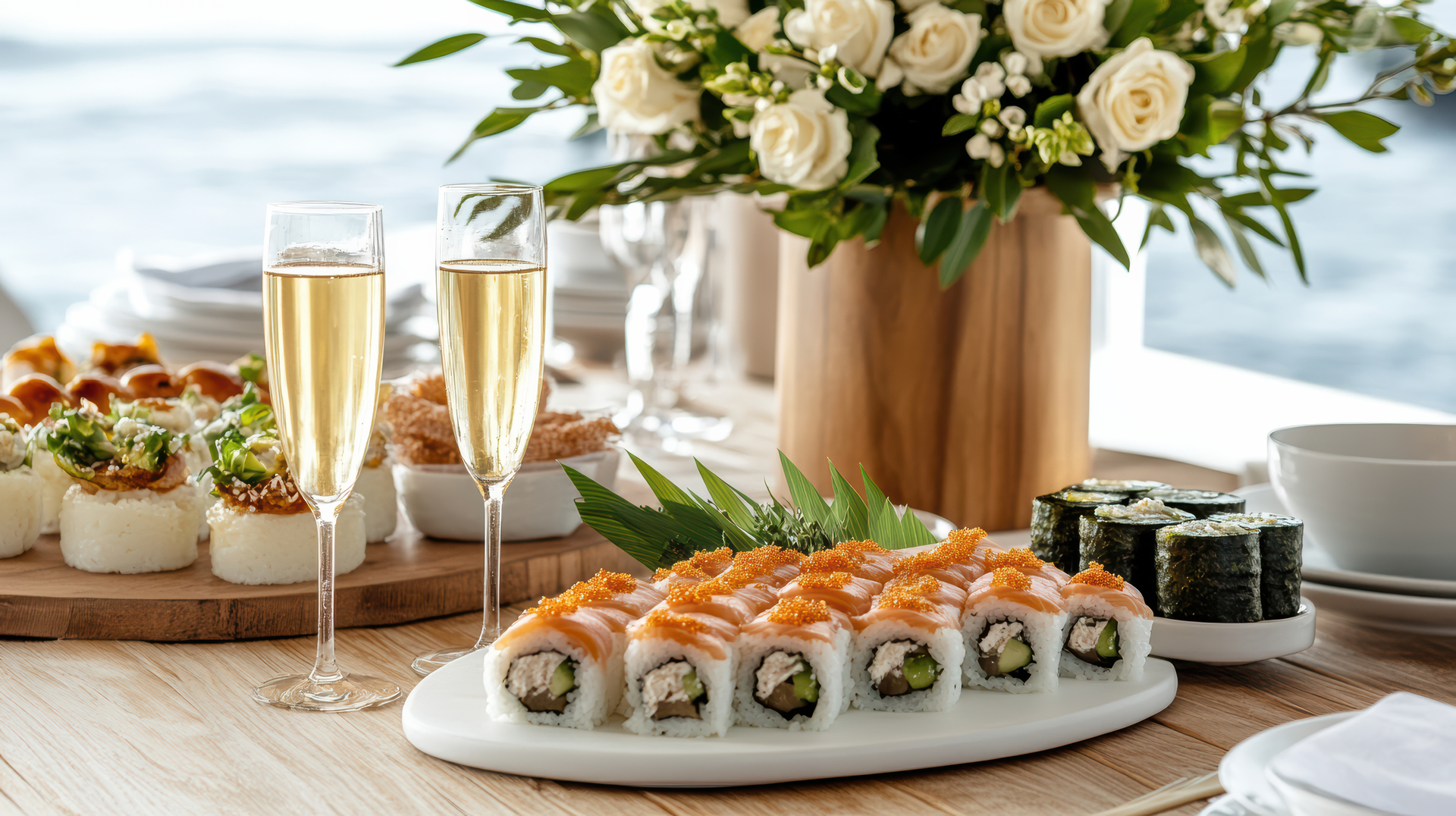
Pro Tip: Prosecco Brut cuts through fat and salt, while Extra Dry highlights creamy or subtly sweet elements. Aged DOCG bottles hold up against richer food, even truffles!
How we rate Prosecco
Our editorial team rates Prosecco based on a 5 point scale. We assess how the sparkling wine performs in its appearance, aroma/bouquet, flavour/palate and overall impression. Quality is very important to us and so every bottle we recommend to you is first blind tasted by our expert tasting panel – no labels, no bias. The final scores are aggregated over 50 points, which we then convert to the simple 5 point scale that you see.
The 5 point scale can be interpreted as:
- 5 = Exceptional
- 4 = Excellent
- 3 = Very Good
- 2 = Good
- 1 = Fair
What do we look for?
- Appearance (up to 5 points): what does the wine look like? We assess its clarity, colour and brightness.
- Aroma & bouquet (up to 15 points): factors such as intensity, complexity and absence of flaws are some of the criteria we evaluate.
- Flavour & Palate (up to 20 points): we consider how well a wine balances acidity, tannins, alcohol, depth and its mouthfeel.
- Overall impression (up to 10 points): to round up our assessment process, we check the harmony, complexity, typicity, finish and ageing potential of a wine.
A Prosecco that we rate between 4 and 5 points is of outstanding quality based on the above criteria, while not so impressive bottles may score between 1 and 2 points.
For a Prosecco specific evaluation, we also assess:
- Perlage: Prosecco made using the Charmat method should have bright and persistent bubbles.
- Fresh fruit expressions of clean apple, pear and white flowers should be present on the light to medium bodied palate, DOCG bottles may contain complex almond or mineral notes.
- The aromatics of pear, peach, honeysuckle and citrus, which are typical of the Glera grape, should also be detectable on the nose.
For consistency, we rate each bottle within its category. A Prosecco DOC is compared to other DOC wines and not to a Prosecco Superiore from Conegliano Valdobbiadene DOCG or Asolo DOCG. We also judge Spumante (fully sparkling) Proseccos separately from Frizzante (lightly sparkling) options.
A note from our team: when it comes to wine tasting and drinking, preferences are determined by personal taste. The scores we assign are a reflection of the palate and taste of our expert tasting panel. Therefore, we recommend that you go through the attached tasting notes for each bottle to find the ones you will love the most!
You might also be interested in


FAQs on Prosecco
What are the best Proseccos?
The best Proseccos are Valdo’s Marca Oro and the Prior Valdobbiadene Prosecco 2024 by Bortolomiol. Bortolomiol’s Prior 2024 is the number one Prosecco from their traditional wine and it has received several notable awards. This includes a Gold Medal at the Berlin Wine Trophy and Silver at the Prosecco Masters. Other top Proseccos include Bortolomiol Senior Prosecco 2024 and Astoria’s Corderìe.
Is Prosecco wine?
Yes, Prosecco is a kind of Italian sparkling white wine primarily made from Glera grapes. It’s produced using the Charmat method, which ferments the wine in pressurised tanks to preserve fresh, fruity aromas. Most Prosecco is light, aromatic and gently bubbly (frizzante or spumante) and it’s classified under DOC or DOCG designations.
Is Prosecco sweet?
Prosecco can range in sweetness. Most bottles are Brut or Extra Dry, meaning they’re relatively dry but can have a touch of residual sugar. Brut has under 12 g/L of sugar, while Extra Dry ranges from 12–17 g/L. So, while fruity, most Prosecco is not overly sweet to taste.
Is Prosecco the same as Champagne?
No, Prosecco and Champagne are not the same. Champagne is French, made using a different method (Traditional method) and grapes like Chardonnay and Pinot Noir. Prosecco is Italian, made with Glera grapes via the Charmat method. It’s typically lighter, fruitier and more affordable than Champagne.
How many calories are in a bottle of Prosecco?
There are between 495 and 650 calories in a bottle of Prosecco. How many calories are in a glass of Prosecco? A standard 5 oz glass of Prosecco contains about 80-100 calories, depending on the sweetness level. Brut Prosecco tends to be lower in calories than sweeter styles like Dry or Demi Sec. The alcohol content and residual sugar both influence the total calorie count per glass.
How many glasses are in a bottle of Prosecco?
A standard 750ml bottle of Prosecco typically contains 6 glasses when served in standard 125ml flutes. A 187.5ml Piccolo bottle contains approximately 1 glass, while you can pour about 12 glasses from a single Magnum (1.5 L) bottle of Prosecco. To ensure even portions, fill each glass about two thirds of the way.
What does Prosecco taste like?
Prosecco tastes light, crisp and fruity, often showing notes of green apple, pear, melon, citrus and white flowers. The bubbles are fine and refreshing. Some styles can have hints of almond or yeast, especially in higher end DOCG bottles. Overall, it’s approachable and aromatic.
Is Prosecco gluten free?
Yes, Prosecco is naturally gluten free. It’s made from grapes and does not involve any gluten-containing ingredients or additives during production. However, always check the label or contact the producer if you have celiac disease or a severe gluten sensitivity, to confirm no contamination risk.
Should Prosecco be chilled?
Yes, Prosecco should be served well chilled, ideally at 3-7°C. Chilling enhances its crispness and helps maintain the bubbles. Store it in the fridge for a few hours before serving or use an ice bucket for quick cooling. Never serve it warm; it loses its freshness.
How long does Prosecco last unopened?
Unopened Prosecco can last for 1 to 3 years when stored upright in a cool, dark and temperature consistent environment. Once opened, Prosecco lasts about 1 to 3 days if properly resealed and refrigerated. Use a sparkling wine stopper to retain bubbles. After the third day, it generally becomes flat and loses its aromatic freshness. For best results, finish the bottle within 24 hours of opening.
How much is Prosecco?
Prosecco prices range from £10-£25 for entry level DOC bottles to £80+ for premium Cartizze DOCG wines. The most expensive Proseccos are determined by vineyard designation, classification and producer designation. Valdo’s Marca Oro Prosecco (5/5, £85) is the best high quality Prosecco, while Bottega Gold II Vino dei Poeti 2023 (4.6/5, ~£23) is a good value Prosecco.
Is there a French Prosecco?
French Prosecco does not exist because Prosecco is an exclusively Italian sparkling wine, protected by DOCG regulations. Instead, France produces sparkling wines known as Champagne (using the traditional method), Crémant (also traditional method, but outside the Champagne region) and Mousseux (other sparkling wines).
What percentage is Prosecco alcohol by volume?
Prosecco has an ABV of 11% to 12.5%. This makes Prosecco one of the lighter sparkling wines. Champagne, in fact, ranges from 12% to 13.5% and most still wines sit at higher levels.
What does “prodotto in Italia’ Prosecco” mean?
“Prodotto in Italia” on bottles of Prosecco directly translates to “Produced in Italy” or “Made in Italy”. This label confirms that the sparkling Prosecco wine is authentic; produced and bottled within the designated regions of Veneto and Friuli-Venezia Giulia in Italy, while following strict DOC or DOCG regulations.
Where can I find the best Prosecco offers?
You can find the best Prosecco wine offers right here on Wines Curated. Our curated rankings for the month include the finest Brut, Extra Brut and Extra Dry styles from online wine sites that offer timely Prosecco delivery in the UK. When you buy Prosecco from our recommended sites, you’re not only getting the best Prosecco deals, but also a guarantee that they’re the best wines only.
Is Prosecco vegan?
Not all Prosecco is vegan. While Prosecco wine is made from Glera grapes, many winemakers use fining agents derived from animals, such as gelatin, casein (milk protein) or egg whites to clarify the wine. However, many modern, vegan certified Proseccos are available. Look for “vegan-friendly_ or “certified vegan” on the label to be sure that you’re drinking vegan Prosecco.
Does Prosecco go off?
Yes, Prosecco does go off, although it rarely becomes unsafe to drink. Rather, it loses its fizz, vibrant aromas and flavours over time. Unopened bottles are best consumed within 1-2 years, while you can only keep opened bottles for 1-3 days in the fridge. So, while the answer to “Does Prosecco go out of date?” is yes, it is not necessarily going to make you sick.
