

Best white wine selections in the UK for 2026
Explore our picks of the best white wines, from prestigious French expressions to crisp Spanish and Italian bottlings. Every wine featured here has been rated on a 5 point scale and our top pick is the Domaine Jacques Prieur 2022, rated 5/5.

Top 10 white wine bottles to buy
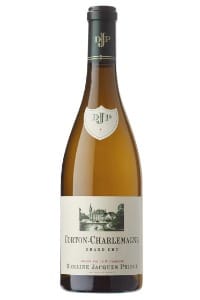
Corton-Charlemagne Grand Cru – Domaine Jacques Prieur 2022
Burgundy, France
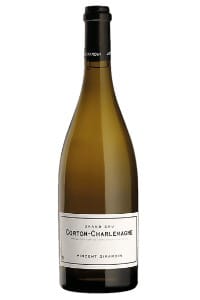
Corton-Charlemagne Grand Cru – Vincent Girardin 2021
Burgundy, France
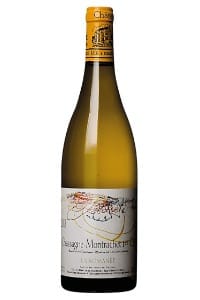
Chassagne-Montrachet AOC Premier Cru La Romanée – Château de la Maltroye 2021
Burgundy, France
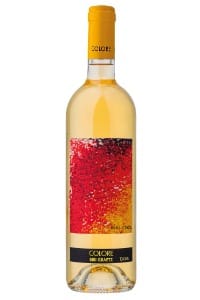
Bianco Colore – Bibi Graetz 2022
Tuscany, Italy
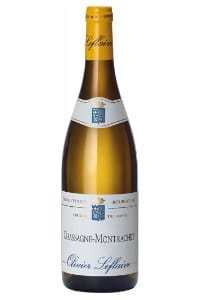
Chassagne-Montrachet AOC – Olivier Leflaive 2023
Burgundy, France
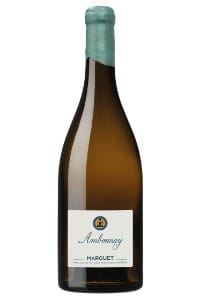
Coteaux Champenois Ambonnay – Marguet 2021
Champagne, France
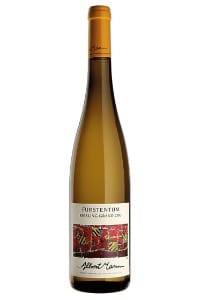
Grand Cru Furstentum Riesling – Albert Mann 2022
Alsace, France
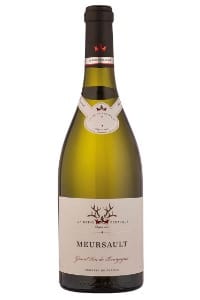
Meursault AOC – Reine Pédauque 2022
Burgundy, France
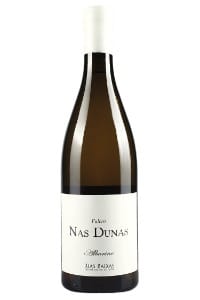
Nas Dunas Albariño – Bodegas Fulcro 2022
Rías Baixas, Spain
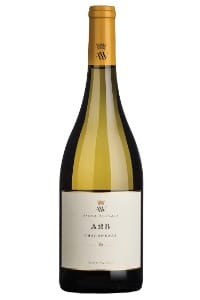
A26 Chardonnay – Marchesi Antinori 2023
California, US
Our list of 10 best white wines is made up of bottles that earned their place through exceptional craftsmanship and outstanding critical acclaim. We tasted iconic Corton-Charlemagne wines from Burgundy and selected them for their remarkable balance and power, whilst Spanish Albariño and Alsatian Riesling made it here for their crispness and aromatics. Domaine Jacques Prieur Corton-Charlemagne Grand Cru 2022 is our best rated white wine at 5/5. This is a single vineyard 100% Chardonnay wine that was aged for 22 months in oak barrels. It appears white gold and silvery, showing gorgeous tension and spicy notes that lead to a warm finish. All our picks are conveniently available to buy online in the UK, perfect to include in white wine gift sets for your loved ones.
What are the top white wine brands to know?
Top white wine brands to know include Olivier Leflaive, Bodegas Fulcro and Domaine Jacques Prieur. These are some of the handful of estates that work with precision and dedication to craft refined expressions of the different white wine grapes in their respective regions. Let’s consider their stories in detail.
Domaine Jacques Prieur – Meursault (Burgundy), FranceThe story of Domaine Jacques Prieur began with the marriage of Claude Duverge and his wife, Marie Taboureau, in 1868. At first, they sold wines and spirits, but in 1879, the couple purchased “Les Herbeux”, which remains the heart of the estate to date. The family built a choice collection of rare vineyards, acquiring property in Clos Vougeot, Montrachet, Chevalier-Montrachet and Musigny where they planted Chardonnay and some Pinot Noir. Jacques Prieur, Marie’s grand nephew, inherited the domaine in 1920 and it was officially renamed after him in 1956. Domaine Jacques Prieur’s wines are a perfect reflection of Burgundian terroir, with the Corton-Charlemagne Grand Cru 2022, matured for 22 months in oak barrels, being a prime example of the prestigious wines they offer.
Olivier Leflaive – Puligny-Montrachet (Burgundy), France
Founded in 1984 by the 18th generation winemaker Olivier Lefaive, the house was born as a high risk gamble that paid off. American importers were demanding more Meursault and Chassagne-Montrachet wines, so Olivier started his independent business with complete control over the production process, from sourcing to vinification. In 1988, the estate partnered with winemaker Franck Grux, who drove the brand’s success through a hands on approach to working with local growers. Today, the house is recognised as a premier name in white burgundy, with a focus on terroir expressive wines and bio dynamic viticulture. Their Chassagne-Montrachet 2023 is one of our top ten white wines, a powerful and refined expression that presents layered notes of dried fruits and vine peach on the nose and delicate pastry like flavours on the palate.
Bodegas Fulcro – Val do Salnés (Rías Baixas), Spain
Bodegas Fulcro was established in 2009 by Manuel “Chicho” Moldes, who left his banking job to focus on winemaking in Rías Baixas. The winery, which began as a small family project in a garage, dedicated to the terroir expression of old vine Albariño, has today grown into a renowned producer of low intervention white wines. Bodegas Fulcro focuses on sustainable viticulture, working by hand and avoiding the use of pesticides and insecticides on the vine, as well as natural fermentation in the cellar. Their flagship wines include A Pedreira, a bottling of 100% Albariño from old vines (average age of 35 years) and O Equilibrio, also 100% Albariño from 55 year old vines planted on decomposed schist. The Nas Dunas listed here is crafted from 30 year old Albariño vines planted on sand. The wine was fermented with native yeasts in French oak barrels and aged for 3 years before commercial release. It is complex and saline, with clean white fruit aromas.
What is white wine?
- White wine
White wine is a type of wine made from the juice of white or black skinned grapes, without undergoing maceration. White wines are characterised by zesty acidity and a fruit forward flavour profile, and a pale colour, which can be straw yellow, yellowish green or yellowish gold. Common white wine grapes include Chardonnay, Sauvignon Blanc and Riesling.
White wine is usually made from green or yellow skinned grapes, produced from the fermentation of grape juice without contact with the skins, seeds or pulp (must). It is typically pale in colour, ranging from golden to greenish yellow, with a lighter body than red wine and typical aromas of citrus, green apple, peach and mineral notes.
Although white wine is mainly from “white grapes” like Chardonnay, Albariño, Sauvignon Blanc and Riesling, some white wines are made from dark skinned grapes. A good example of this is the blanc de noir Champagne, which is made from Pinot Noir grapes.
White wines are often meant to be drunk young, but some varieties (e.g., Chardonnay) can be aged in oak barrels to create a creamier texture with vanilla and buttery notes.
How is white wine made?
White wine is made by fermenting red or white grape juice without skins, seeds or pulp to allow for a clear, pale coloured wine. In white winemaking, producers carefully consider the ripeness level of grapes and harvest temperatures before picking the berries. It is important to pick grapes at optimal ripeness, when sugar and acidity levels are balanced, while cool harvest temperatures (morning or night) ensure that the resulting white wines are fresher tasting.
The production process of white wine is typically divided into three key phases:
- Crushing: the harvested grapes are gently pressed to separate the juice from the skins and seeds to avoid colour extraction.
- Settling: the juice is left to settle in tanks after crushing. This process allows sediment and suspended solids that would have caused a bitter taste in the wine to fall to the bottom of the tank.
- Fermentation: this process takes about 14 days and it is usually done in stainless steel tanks at cool temperatures (12-22°C) to preserve delicate floral aromas and freshness.
Some versions of dry white wines are fermented and aged in steel to preserve bright and zesty flavours, while sweeter varieties are aged in oak barrels for complexity and a richer flavour profile. Both the ageing process and winemaking style play a crucial role in defining the wine’s final taste.
Among the best grape varieties used to produce white wine are:
- Chardonnay
- Sauvignon Blanc
- Riesling
- Pinot Grigio
- Gewürztraminer
- Chenin Blanc
- Sancerre
Each grape brings unique aromas which may include citrus, green apple, floral tones or mineral nuances, making every variety diverse and expressive.
When comparing red vs white wine, the main difference starts in the production process:
- Red wine is made by fermenting grape juice together with the skins to extract colours, tannins and complex flavours.
- White wines are typically made from white grapes with the skins separated from the juice immediately after pressing. This early separation results in a lighter colour and a fresher flavour profile.
Types of white wine: the role of body and sweetness
Different types of white wine correspond to a wide variety of styles, each influenced by grape variety, acidity and region where they’re produced. However, three key elements amongst these influences stand out:
- Body: represents how heavy or light it feels on the palate.
- Sweetness: represents the level of residual sugar present in the wine, which ranges from dry to sweet.
- Production style: including winemaking methods and other factors such as ageing or carbonation.
Together, these characteristics determine the wine’s overall flavour profile, its level of freshness and how well it pairs with different foods. Understanding how body, sweetness and production influence the different white wine types makes it easier to select the right wine for any occasion.
Light, medium or full: discovering white wine by body
In wine tasting, body refers to the weight and texture a wine creates on your palate. Just like red wines, the body of each white wine varietal is shaped by the grape variety, alcohol content, ageing and other factors related to the production method.
White wines generally fall into three main body categories:
- Light bodied white wines are crisp, fresh and delicate in texture, with high acidity. They are often unoaked
- Medium bodied whites are well balanced, with moderate acidity and more body than light wines. They may be oaked or lightly unoaked.
- Full bodied white wines are rich and creamy, with lower acidity and a fuller teture on the palate. They are often aged in oak for added depth.
Tip for beginners: if a white wine feels like it is dancing on your tongue, it’s likely light bodied; if it lingers and feels more rounded, it’s probably medium or full bodied!
| Body Type | Top Producers | Grape Varieties | Structure & Flavor |
|---|---|---|---|
| Light bodied | Jermann, Argiolas, Domaine Vacheron | Pinot Grigio, Vermentino, Sauvignon Blanc | Crisp, fresh, delicate with high acidity and light fruit flavours (apple, citrus, pear) |
| Medium bodied | Ken Forrester, Eroica, Bodegas Terras Gauda | Chenin Blanc, Riesling, Albariño | Balanced texture, moderate acidity, flavours of green apple, peach and floral notes |
| Full bodied | Domaine William Fèvre, Franz Haas, Guigal | Chardonnay (oaked), Gewürztraminer, Viognier | Rich, rounder texture with higher alcohol, flavours of dry fruits, butter, vanilla and spice |
Light bodied white wine
Light bodied white wines usually have lower alcohol content, minimal tannins and crisp acidity. They tend to be fresh with vibrant flavours of citrus, green apple or melon. These wines pair well with light dishes such as salads, seafood or served on their own as a refreshing aperitif.
Medium bodied white wine
Medium bodied white wines offer a harmonious balance of texture, acidity and alcohol. They provide more depth and richness than lighter wines without being overly rich. Medium white wines pair wonderfully with pasta, seafood, cheese and many other dishes.
Full bodied white wines
Full bodied white wines are rich, intense and often shaped by oak ageing. Their higher alcohol content supports bold flavours of ripe fruit, spice and rounded texture. They pair perfectly with hearty dishes, aged cheese or creamy sauces, while their depth also gives them strong ageing potential.
3 Crisp white wines to try
Crisp white wines are known for their vibrant acidity, fresh fruit flavours and refreshing, clean finish. With their zesty, light characteristics, they are perfect for warm weather, light dishes and casual sipping.
Here are our top 3 crisp white wine recommendations:
- Monteriolo Chardonnay by Coppo 2023 (Italy)
Rating: 5/5
Balanced structure, with fresh acidity and notes of mango, banana, as well as vegetal hints of green pepper. - Eruzione 1614 Riesling by Planeta 2022 (Italy)
Rating: 4.9/5
Fresh and lively on the palate, with balanced acidity, pronounced minerality and aromas of white apple, plum, lemon and yellow flowers. - Fortis Petit Chablis by Patrick Piuze 2023 (France)
Rating: 4.8/5
Lively acidity and marked minerality, vibrant aromas of lemon zest, green apple, crushed stone and white flowers.
Serving tips: these wines pair beautifully with goat cheese or a fresh herb salad. Serve well chilled at around 8-10°C.
How to classify white wines by sweetness level
White wines can range from bone dry to lusciously sweet, with varying levels determined by the amount of residual sugar left after fermentation. Here’s a look at the classification system used to describe white wine sweetness:
- Dry white wine: crisp and clean on the palate, you can taste minimal to no sweetness (common examples of dry white wines are Pinot Grigio and Chardonnay).
- Semi dry white wine: retains a gentle hint of sweetness balanced by acidity and delicate fruit notes (examples include Chenin Blanc and Sauvignon Blanc).
- Off dry white wine: slightly sweet with a noticeably fruity character (e.g. Riesling and Gewürztraminer).
- Sweet: pronounced sweetness often accompanied by rich ripe fruit flavours (e.g. Sauternes).
Here’s a look at white wine styles across the sweetness spectrum to enjoy at every stage of the scale.
| Sweetness | Top Pick | Tasting Notes | Common Varietals |
|---|---|---|---|
| Dry | Tenuta Reglaleali San Francesco Chardonnay – Tasca d’Almerita 2023 – Italy | Complex bouquet of cedar, banana, cinnamon and vanilla leads to a full bodied and creamy palate with fresh minerality. | Pinot Grigio, Chardonnay |
| Semi dry | La Montagne Chenin Blanc – Château de Bonnezeaux 2023 – France | Medium bodied and dry, with lively acidity and aromas of white flowers, honey, oak spice and light minerality. | Chenin Blanc, Sauvignon Blanc |
| Off dry | Vigna Kastelaz Gewürztraminer – Elena Walch 2023 – Italy | Full and enveloping bouquet of roses, lychee, dried fruit, cinnamon, honey and carnation flowers. | Gewürztraminer, Riesling |
| Sweet | Sauternes AOC Premier Cru Classé – Château Rieussec 2021 – France | Velvety and elegant, with intense aromas of apricot, candied orange peel and pineapple, balanced by high acidity. | Moscato, Sauternes |
Non alcoholic white wine
One of the most important innovations in the world of oenology is undoubtedly the development non alcoholic white wine. Thanks to reverse osmosis, producers can separate the alcohol from the wine while preserving its original structure and aromas.
Spumante is regarded as the best non alcoholic white wine, but other excellent options will surprise you with their authentic taste. Looking for a white wine gift for an expectant mom? Here are some of our favourite non alcoholic picks:
- De Stefani Zero Alcohol Free Chardonnay-Sauvignon 2025 – Italy
Light and fresh, with flinty mineral notes and intense aromas of tropical fruit and citrus.
Rating: 4.9/5
Food pairing suggestion: light salads, grilled fish, pasta with creamy sauces - Pierre Chavin Pierre Zero Muscat – France
Intense bouquet of fresh muscat, peach, apricot and citrus, with fine bubbles and refreshing acidity.
Rating: 4.9/5
Food pairing suggestion: canapes, seafood, panna cotta - Dr Fischer Steinbock Riesling Zero – Germany
Crisp palate with balanced acidity, notable minerality and aromas of green apple, white peach and citrus.
Rating: 4.8/5
Food pairing suggestion: sushi, light meats, roasted vegetables
White wine food pairing tips to pair like a pro
Finding the perfect white wine food pairing can transform any meal into a memorable experience. White wines offer endless pairing possibilities due to their varied profiles, ranging from crisp and zesty to rich and smooth.
Our top pairings by category are:
- Crisp, high acid whites like Sauvignon Blanc with seafood, salads and goat cheese.
- Full bodied, oaked whites such as Chardonnay are best enjoyed with creamy pasta, roasted light meats and buttery lobster.
- Sweet wines, such as Riesling, with spicy cuisine and sweet and sour dishes.
In the table below, we’ll guide you through the ideal combinations to bring out the best in both your wine white and your meal.
| White Wine Food Pairing | White Wine / Grapes | Rating | Type & Structure |
|---|---|---|---|
| White Fish and Fatty Fish | Les Plantes Chenin Blanc – Château Bonnezeaux 2023 – France – Chenin Blanc | 5/5 | Medium to full bodied, fruity, dry, creamy texture |
| Raw Seafood and Shellfish | Brut Blanc de Blancs – Ruinart – France – Champagne | 5/5 | Light bodied, fresh and well balanced, vibrant acidity |
| Light Chicken Dishes, Turkey | Chardonnay – Planeta 2024 – Italy – Chardonnay | 4.9/5 | Rich, creamy, fresh acidity |
| Light Cheese, Mozzarella, Burrata, Young Goat Cheese | Sauvignon Blanc – Cloudy Bay 2025 – New Zealand – Sauvignon Blanc | 4.9/5 | Dry, zesty, medium bodied |
| Aged Cheese, Parmigiano Reggiano, Cheddar, Gouda | Schönenbourg Gewürztraminer Grand Cru – Hunawihr 202 – France – Gewürztraminer | 4.8/5 | Semi sweet, spicy, light bodied |
| Cured Meats & Cold Meats | Comte Lafond – Baron de Ladoucette 2025 – France – Sauvignon Blanc | 4.8/5 | Dry, crisp, high acidity |
| Seafood, soft cheeses, pasta | Finca A Pedreira – Bodegas Fulcro 2024 – Spain – Albariño | 4.7/5 | Medium bodied, dry, citrusy |
| Steak, Gourmet Burgers | Diamond Collection Gold Label – Francis Ford Coppola 2023 – California, US – Chardonnay | 4.7/5 | Complex and balanced, medium bodied oaky character |
White wines from the United Kingdom
English winemaking is serious business, globally celebrated for its incredible quality. In 2025 alone, the total UK white wine output exceeded 16.5 million bottles. The most popular grapes used for white wine are Bacchus, a dry and aromatic wine and Chardonnay. The warmer, drier climate and favourable chalky soils in Southern England (e.g., Kent, Sussex and Surrey) make these regions the hub for white winemaking. East Anglia is also known for its dry and sunny conditions, in which the Bacchus grapes thrive.
Fine white wines from the UK are often aromatic and high in acidity, crafted in still or sparkling styles through the traditional method. With over 1000 commercial vineyards covering 1400+ hectares, other white wine grapes include Ortega, Seyval Blanc and Reichensteiner.
California white wine and other wine regions in the USA
Although the United States is known for its red wines, white wine production is rapidly growing. California white wine is the leading category, with Chardonnay accounting for 20% of white wine production in the USA.
The Napa Valley and Sonoma regions are famous for their rich and balanced whites offering both fruity expressions and fuller, buttery styles. Washington and New York’s Finger Lakes regions are also gaining recognition with fresh and mineral Rieslings. In recent years, many California wine makers have been crafting fresher unoaked Chardonnay, drawing inspiration from the refined Burgundy styles.
Below, you find our favourite nice white wines from different US regions to try this month.
| Region | Top to Try | Rating | Characteristics |
|---|---|---|---|
| Russian River Valley, CA | One-Sixteen Chardonnay – Kosta Browne Winery 2021 – California, US | 5/5 | Vibrant acidity, lemony, oaky, light finish |
| Napa Valley, CA | Chardonnay – Robert Mondavi Winery 2021 – California, US | 5/5 | Medium to full bodied, fruity, oaky |
| Willamette Valley, OR | ravel Road Chardonnay – Roco 2023 – Oregon, US | 4.9/5 | Complex and refined white fruit notes, rich, mineral |
White wines from Italy from North to South
White wines from Italy often derive from indigenous grape varieties that define the country’s winemaking identity. Each region offers its own expression of climate, soil and tradition, resulting in a remarkable diversity. Let’s explore the most important ones:
- Alto Adige undoubtedly stands out as the most renowned region for its fresh, elegant and aromatic whites.
- Lombardy stands out for its premium traditional method Franciacorta, fiercely competing with the best Champagne styles.
- Friuli-Venezia Giulia is celebrated for its refined and mineral driven white wines, often featuring crisp acidity and delicate floral notes.
- Veneto delivers internationally acclaimed styles, including Prosecco from Glera grapes.
- Sardinia offers distinctive varietals like Vermentino, bringing into the glass herbal aromas and a refreshing saline edge from its coastal vineyards.
- Sicily shines with its sun drenched white wines that are rich, expressive and infused with the warmth of the Mediterranean.
White wines from France: the fine technique behind every bottle
French wine makers undoubtedly take the top spot, crafting the world’s finest white wines! France’s wine regions offer elegant, premium whites with unique characteristics. Here are just a few examples:
- Burgundy is the main home of elegant and complex Chardonnay.
- Champagne: stands apart with its prestigious sparkling wines crafted through the meticulous traditional method, resulting in unmatched finesse and longevity.
- The Loire Valley is home to the Sancerre wine region, producing fresh mineral wines from Sauvignon Blanc grapes.
- Alsace: shines with aromatic grapes giving life to Riesling and Gewürztraminer.
- Bordeaux is the region of complex whites like Sémillon and Sauvignon Blanc.
German white wine
Just like in the rest of Europe, German white wine is highly regarded for balance, freshness and impressive ageing potential.
Here are three German white wines selected by our team of experts:
- Prädikatswein Ürziger Würzgarten Riesling Auslese by Dr. Loosen 2014 – Germany
Rating: 5/5
Ripe and juicy on the palate, with aromas of yellow peach, grapefruit, almond, honey and herbs. - VDP Rheingau Riesling Kabinett by Robert Weil 2024 – Germany
Rating: 4.9/5
Sober and elegant, with prominent notes of white vine peach, citrus and yellow fruit supported by flinty minerality. - Kreuznacher Kauzenberg Riesling by S. J. Montigny 2022 – Germany
Rating: 4.9/5
Dry and fresh, with pleasant fruity aromas and marked minerality.
Spanish white wine
Spain is the third largest wine producer in Europe, together with Italy and France. While red wine dominates in volume, Spanish white wine is widely recognised and appreciated for its freshness, acidity and bold character.
Among the most well known grape varieties are Albariño, Macabeo (Viura) and Garnacha Blanca.We’ve selected three Spanish white wines you can enjoy on any occasion:
- Castilla y Leon IGP by Ossian 2022 – Spain
Rating: 5/5
A nose of freshly cut grass, orange peel, white flowers and toast leads to a broad palate with good acidity and oaky notes. - Val do Salnés Albariño by Zarate 2024 – Spain
Rating: 4.9/5
Fresh, with vibrant acidity, well balanced structure and a subtle minerality. - Ereso by Can Rich 2023 – Spain
Rating: 4.8/5
Intense aromas of chamomile, dried fennel, apricot, peach and baked apple, with a savoury finish and spicy aftertaste.
Exploring white wine varietals and white wine grapes
Choosing between different kinds of white wine with so many styles, labels and regions to choose from comes down to getting familiar with the white wine grapes themselves!
A single grape can taste completely different depending on where it’s grown and the winemaker’s production method. Learning the main white wine varieties helps you anticipate the flavours in your glass, but also gives you confidence to buy white wine bottles with confidence.
Here are some of the white wine varieties used to produce the most popular white wines:
- Chardonnay: Chardonnay is a grape that can be buttery or crisp with flavours of apple and vanilla.
- Sauvignon Blanc: Sauvignon Blanc is a grape known for its fruity white wines that possess a zesty character with grassy aromas and vibrant citrus flavours.
- Riesling: Riesling is a versatile grape that can be sweet or dry, offering floral notes, high acidity and bright fruit.
- Sancerre: Sancerre is a crisp white wine with citrus flavours and a distinctive mineral edge, made from Sauvignon Blanc grapes.
- Pinot Grigio: Pinot Grigio is a light, dry white wine with delicate flavours of pear and subtle floral undertones.
- Gewürztraminer: Gewürztraminer is a highly aromatic grape with spicy, floral notes and hints of lychee and sweet fruit.
- Albariño: Albariño is a fresh and vibrant white wine with juicy peach flavours and a distinctive saline finish.
- Chablis: Chablis is a Chardonnay based wine that is steely and elegant with flinty minerality and notes of lemon.
- Prosecco: Prosecco is a sparkling wine that is bubbly and fruity, offering light, crisp flavours with a refreshing finish.
Pinot Grigio: the world’s favourite dry white
Italian Pinot Grigio is one of the most beloved white wines, known for its freshness and versatility. Although its roots lie in the Italian peninsula, it has now grown in wine regions around the world. A natural mutation of Pinot Noir, this variety is recognisable by its bluish grey skin and pairs beautifully with a wide range of dishes, such as fresh seafood or light pasta. Some good white wines made from Pinot Grigio are:
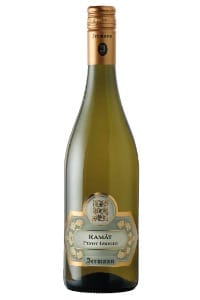
Ramat Pinot Grigio – Jermann 2022 – Italy
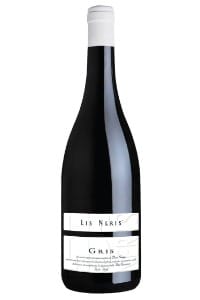
Gris Pinot Grigio – Lis Neris 2022 – Italy
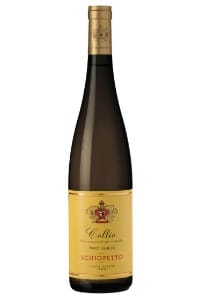
Pinot Grigio – Schiopetto 2023 – Italy
Sauvignon Blanc: the perfect wine for sunny days
Sauvignon Blanc is a light, fresh and aromatic wine. Originally from the Loire Valley, it has found notable expressions in Italy and Australia. It is typically fermented in stainless steel to preserve its vibrant character.
Sauvignon Blanc wines should be enjoyed young to fully appreciate their bright aromatic qualities, as they generally don’t improve with ageing. Below, we have selected three Sauvignon Blancs conveniently available on online sites with the best white wine offers today:
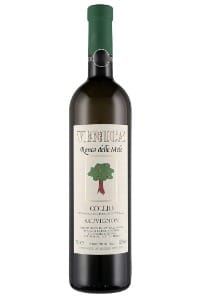
Ronco delle Mele – Venica & Venica 2025 – Italy
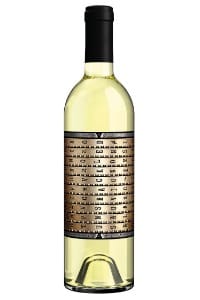
Unshackled Sauvignon Blanc – The Prisoner Wine Company 2021 – California, US
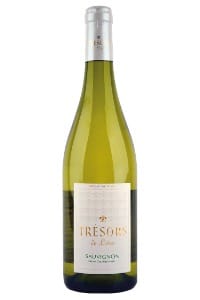
Sauvignon Blanc – Trésors de Loire 2024 – France
Chardonnay: the most popular white wine
Chardonnay is certainly the most popular white wine: served in almost every restaurant, it is widely appreciated for its incredible versatility. Chardonnay comes in different versions and price ranges; it can be expensive, but also the most inexpensive white wine.
Curiosity: Chardonnay is often used as the base for Champagne, blended with Pinot Noir and Pinot Meunier. Together with Champagne, some of the world’s most celebrated sparkling white wines are primarily made from Chardonnay!
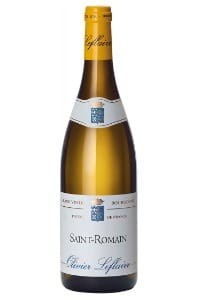
Saint-Romain AOC – Olivier Leflaive 2022 – France
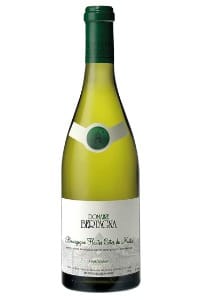
Bourgogne Hautes Côtes de Nuits AOC Chardonnay – Domaine Bertagna 2023 – France
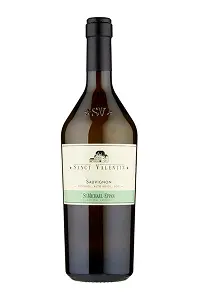
Sanct Valentin – St. Michael Eppan 2023 – Italy
Gewürztraminer: the most fragrant white wine
Gewürztraminer is a high quality white wine originally from Alsace, though it is also cultivated in other wine regions, such as Italy and France. Its name comes from the German word “Gewürz” meaning “spiced”, a fitting reference to its intensely aromatic profile marked by notes of lychee, rose petals and sweet spices.
If you’re looking for the best white wine to pair with cheese, Gewürztraminer is a standout, especially alongside bold options like Gorgonzola or Roquefort.
| Gewürztraminer White Wine | Rating | Tasting Notes |
|---|---|---|
| Castel Rechtenthal Gewürztraminer Riserva Vigna – Hofstätter 2022 – Italy | 5/5 | Full bodied and velvety, with rich aromas of lychee, rose petals, sweet spices and a hint of citrus, concluding with a long and enveloping finish. |
| Gewürztraminer – Gustave Lorentz 2023 – France | 4.9/5 | Medium sweet, with delicious notes of lychee, peach and roses that develop into hints of spice and honey on the finish. |
| Gewürztraminer – Bonconsey 2024 – Italy | 4.8/5 | Aromas of roses, cinnamon and cloves on the nose, followed by pleasant herbaceous and fruity hints. The palate is mineral driven, with red fruit notes and an enveloping finish. |
Iconic white wines: building a white wine collection
White wines are often seen as fresh and easy to drink, but many are also true collector’s gems. Take Michel-Jack Chasseuil, one of the world’s most renowned collectors, whose cellar stores excellent white wines, including the legendary Château d’Yquem, whose 1811 rare vintage sold at a 2011 auction for £75,000, remaining one of the most expensive white wines ever sold.
But what makes certain white wines so irresistible to collectors? Let’s see some of the key factors:
- They come from historic vineyards in prestigious regions such as Burgundy and Alsace.
- Production of expensive white wine is often limited, with traditional and artisanal methods passed down for generations.
- They are made to age gracefully, developing layers of depth and complexity over time.
Though red wines dominate the world of collectables, certain whites like Burgundy Grand Crus or Rieslings can rival them in prestige and value.
What is the white wine serving temperature?
You don’t need to be a sommelier to enjoy a bottle at its best. Mastering white wine serving temperature is the simplest yet most effective way to enhance its flavour, aroma and texture. Along with temperature, other elements like acidity, alcohol level (ABV) and ageing potential play a key role in how a wine tastes and feels.
Understanding these elements makes it easier to pick a good white wine that suits your preferences and the occasion. In the chart below, we’ll explore optimal serving temperatures for different white wine names and share practical advice to help you enjoy a glass at its fullest.
| White Wine Bottle | ABV | Acidity | Ageing Potential | Serving Temperature |
|---|---|---|---|---|
Pinot Grigio – Livio Felluga 2024 – Italy | 13% | Fresh acidity | 2-5 years | 8-12°C |
| Chardonnay – Sabaudo 2022 – Italy | 14% | Crisp and lively acidity | 2-5 years | 10-12°C |
| Nahe Riesling – Dönnhoff 2022 – Germany | 10% | Vibrant acidity | 5-10+ years | 8-12°C |
| Anjou AOC Blanc – Thibaud Boudignon 2023 – France | 13% | Lively and precise acidity | 5+ years | 10-12°C |
| Lafóa Gewürztraminer – Colterenzio 2023 – Italy | 14.5% | Vibrant and firm acidity | 6-8 years | 10-12°C |
How to store white wine?
A white wine bottle can stand the test of time only if properly stored; in fact, only well preserved bottles ensure that the quality and character of a wine develop properly over time.
Here are some simple but effective tips on how to store white wine and preserve your bottle after opening, ensuring its integrity and quality:
- Keep it cool: store white wine bottles at a consistent temperature between 8-12°C.
- Lay it flat: storing bottles horizontally helps keep the cork moist.
- Control humidity: a relative humidity of 80-85% creates optimal conditions.
- Avoid disturbances: protect wine from light exposure, kitchen heat and vibrations.
How to choose the best white wine for beginners
If you are a beginner, choosing a good bottle can be intimidating, but with a few practical tips, the task becomes easy and pleasurable! We have selected some approachable choices of fine white wines for beginners that make an ideal introduction for newcomers looking to buy white wine:
- Chardonnay
Body: full bodied, rich with buttery texture.
Best for: creamy pasta, lobster or chicken. - Pinot Grigio
Body: light, refreshing, with crisp acidity.
Best for: light salads, seafood or antipasti. - Prosecco
Body: light, bubbly, with bright green apple flavours.
Best for: appetisers, seafood or celebrations.
Start with one of these three wines and you can’t go wrong! To find other excellent white wines that suit your taste, simply follow these easy steps:
- For light and smooth, go with Pinot Grigio; for a fuller experience, try Chardonnay.
- Sweetness preference: for a touch of sweetness, Gewürztraminer is an excellent choice; for dry options, choose Albariño or Chablis.
- For casual meals, go with Pinot Grigio or Vermentino. For special dinners or seafood pairings, Sancerre or Bourgogne Blanc are perfect.
- Crisp whites like Sauvignon Blanc go well with salads or seafood, while Chardonnay or Fiano complement creamy pastas and grilled chicken.
How we rate white wines
Every white wine that made it onto this page has been blind tasted and scored without bias by members of our editorial team. The criteria are strict; only bottles that fall between 4.6/5 and 5/5 can be part of our recommendations.
We start with a 50 point scoring system, which we condense into a clean 5 point scale for you:
- 5 – Exceptional
- 4 = Excellent
- 3 = Very Good
- 2 = Good
- 1 = Fair
What do we consider while scoring?
- Appearance (up to 5 points): what does the wine look like? We evaluate the clarity, depth of colour, and brightness, which are usually the first clues to a wine’s quality.
- Aroma & bouquet (up to 15 points): a good wine tells its story with its aromatic profile. We love to see intensity, complex layers and a clean nose that is free of imperfections.
- Flavour & palate (up to 20 points): perhaps, the most important part of our evaluation. There should be harmony between the acidity, alcohol and mouthfeel of a wine. A great white wine feels balanced from start to finish.
- Overall impression (up to 10 points): here, we consider the sum of all the criteria. Think harmony, typicity and the length of the wine’s finish.
Wines that are scored 4 and above are genuinely worth seeking out. A bottle that falls below simply cannot make the cut.
In addition to these criteria, we assess white wines in particular with two additional standards:
- Visual clarity: high quality wines are clear and vibrantly hued. Younger wines may appear with pale yellow/greenish tints, while amber hues suggest age or oak ageing.
- Balance: a fine white wine exhibits harmony between alcohol, acidity and flavour intensity, with no single element dominating.
One last note from our team: our ratings are a good starting point, but they don’t tell the entire wine story. The scores we assign reflect our tasting conditions, palates and honest opinions about each bottle. The tasting notes are there to provide you with more information that will guide you to finding wines you truly love and enjoy.
FAQs on Best white wine
What white wine is considered the best?
Chardonnay wine is often hailed as one of the best white wines due to its incredible versatility. It thrives in diverse climates and responds beautifully to different winemaking techniques, producing styles that range from crisp and light to rich and full bodied. This versatility has secured Chardonnay a place amongst the most celebrated wines in the world.
What are the 5 famous white wines?
Some of the most popular white wines, like Chardonnay, Sauvignon Blanc and Pinot Grigio, are celebrated for their refreshing dryness and food friendly nature. For those drawn to sweeter expressions, Riesling and Muscat Blanc stand out with their floral aromas and natural sweetness. This diversity makes white wine a versatile choice for every taste and moment.
Does white wine go off?
If you're wondering, "Does white wine go bad?" the answer is yes, especially once the bottle is opened. Unopened white wine can last for 1 to 3 years (or longer for premium varieties), but once opened, it typically stays fresh for only 3 to 5 days. After that, exposure to air leads to oxidation, dulling the flavours and aromas.
Do white wines contain sulphites?
Yes, sulphites are naturally present in white wines due to fermentation and many winemakers also add small amounts to maintain freshness and prevent oxidation. These compounds help preserve the wine’s flavour and stability. If you're sensitive to sulphites, seek out bottles labelled “low sulphite” or “no added sulphites” for a gentler alternative.
Is drinking white wine healthy?
In moderation, drinking white wine can have some health benefits. It contains antioxidants, which may help improve heart health. Research suggests moderate consumption can lower the risk of heart disease. However, excessive alcohol consumption can lead to negative health effects, so it’s important to drink responsibly.
How long does white wine last in the fridge?
An opened bottle of white wine can last 3 to 5 days in the fridge, depending on the type of wine and how well it's sealed. To keep it fresh, use a wine stopper or vacuum sealed cork. Be sure to refrigerate even red wines that are lighter in style to extend freshness.
What is a full bodied white wine?
Full bodied white wines are styles that are rich, creamy and have a deeper flavour profile. They tend to have a higher alcohol content and often feature oaked flavours. Wines like oaked Chardonnay or Viognier are great examples, offering a luxurious mouthfeel and a more complex taste that stands up to hearty dishes.
What is a medium bodied white wine?
Medium bodied white wines strike a harmonious middle ground. They’re richer than light wines but without the weight of full bodied options. They deliver a smooth, rounded texture with moderate alcohol and layered flavours. Varieties like Chenin Blanc and Albariño showcase bright acidity, subtle fruit and gentle complexity, making them versatile for food pairings and easy sipping.
What does light bodied white wine mean?
Light bodied white wines provide smooth texture, moderate alcohol and bright acidity. Varieties like Chardonnay and Pinot Grigio bring subtle fruit flavours and gentle complexity, making them ideal for warm weather or casual occasions.
How many calories are in white wine?
A 5 ounce glass of white wine usually contains between 120 and 130 calories. The exact number can vary based on the wine’s sweetness and alcohol level. Dry wines tend to have fewer calories, while sweeter varieties such as Moscato or Riesling can have more due to the added sugar content.
What does white wine taste like?
White wine presents a diverse spectrum of flavours based on the variety. It can range from light and dry with hints of citrus, green apple or floral notes to rich and full bodied with buttery, oaky or tropical fruit undertones. Its flavour profile is shaped by factors like grape variety, region and winemaking techniques.
How much sugar is in white wine?
White wine usually has between 0 and 3 grams of sugar per glass for dry varieties, depending on the specific style. Sweeter wines such as Moscato or Riesling can contain more, sometimes surpassing 5 grams per glass. The sugar content is influenced by the fermentation process, with dry wines having the lowest levels.
Is sparkling wine white wine?
If you’re wondering, “Are sparkling wines white wines?”, the answer is sometimes. Sparkling wine is a category of wine containing bubbles and it can be white, rosé, or red, depending on the grapes used and production methods. Many sparkling wines are made from white grapes like Chardonnay, with common examples, such as Champagne, Prosecco and Cava, being crafted from a blend of white and red grapes.
Where can I find the best white wine offers?
Our curated list of the top ten white wines to try today is made up of the highest rated white wines available to buy online in the UK today, with special white wine deals that ensure you get the best prices. All our recommendations are eligible for timely and convenient white wine delivery in the UK.
