

Must try rosé wine picks in the UK for 2026
Rosé wine is finally having its moment, celebrated for its versatility and increasingly sophisticated style. In this guide, we’ll explore the best rosés of 2026, ranging from dry to sweeter styles, alongside pairing tips. Ferrari’s 2010 Riserva del Fondatore Rosé, a high altitude Italian sparkler, is our ace pick.

10 Best rosé wine bottles to buy online
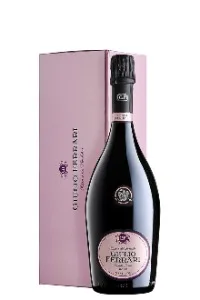
Giulio Ferrari Riserva del Fondatore Rosé – Ferrari 2010
Trentino, Italy
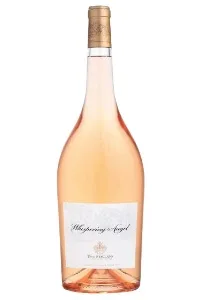
Whispering Angel (3L) – Château d’Esclans 2024
Provence, France
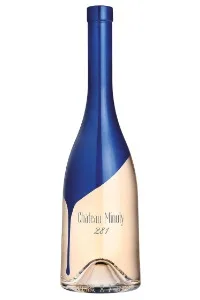
281 Rosé – Château Minuty 2024
Provence, France
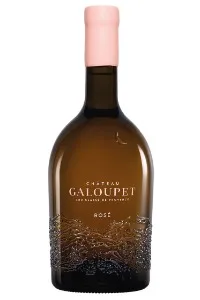
Cru Classé de Provence Rosé – Château Galoupet 2024
Provence, France
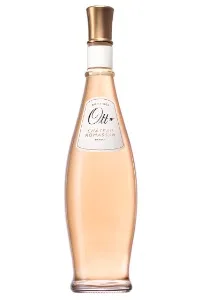
Château Romassan Cœur de Grain – Domaines Ott 2024
Provence, France
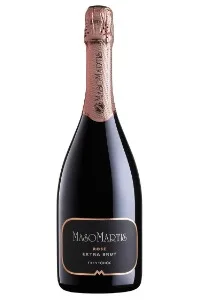
Rosé Extra Brut – Maso Martis 2022
Trentino, Italy
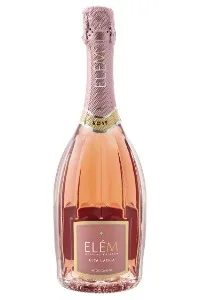
Special Edition Brut Rosé – Elém 2017
Piedmont, Italy
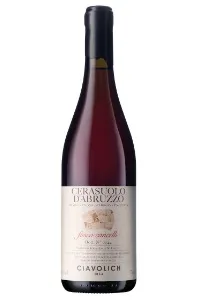
Cerasuolo d’Abruzzo Fosso Cancelli – Ciavolich 2022
Abruzzo, Italy
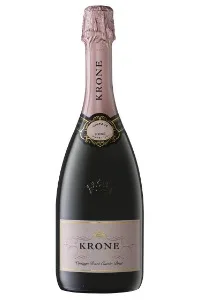
Cap Classique Rosé Cuvée Brut – Krone 2023
Western Cape, South Africa
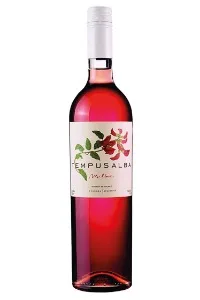
Rosado de Malbec – Tempus Alba 2023
Mendoza, Argentina
The table above shows 10 of the best rosé wines for this year, handpicked from different categories, including dry, sparkling and classic Provence rosés, as well as outstanding bottles from Italy and other regions. Each wine was chosen for its balanced taste, high quality and critical acclaim, ensuring that the final selection reflects what you’d want in a great rosé. You will also find great bottles to include if you’re curating rosé wine gift sets for your loved ones. Our top pick is Ferrari’s “Giulio Ferrari” Riserva del Fondatore Rosé 2010, rated 5/5 and available to buy for about £258. This is a unique blend of mountain grown Pinot Noir and Chardonnay from Trento DOC, aged for over 10 years on its lees.
What are some rosé wine brands worth discovering?
Château d’Esclans, Ferghettina Winery and Château Minuty are some of the top rosé wine brands worldwide.
Rosé wine is crafted in several winemaking regions and countries worldwide by winemakers who have greatly improved its quality and established its status as a globally loved wine. Below, we shine the spotlight on three rosé brands that make wines in two major wine producing countries.
Château d’Esclans – Provence, France
Château d’Esclans is an ancient site that has been cultivated for over 2,500 years, producing, amongst others, some of the best French rosé wines. It once served as a Roman watchtower and it had been the property of several owners before it was purchased by the renowned wine entrepreneur Sacha Lichine in 2005. With a clear vision to elevate rosé to the level of fine wines, he modernised the vineyards and brought in top winemaking talent, including Patrick Léon (former winemaker of Château Mouton Rothschild). The Château is now credited for the rosé renaissance, with their major rosé wine “Whispering Angel” achieving luxury status and remaining in high demand in the US and worldwide.
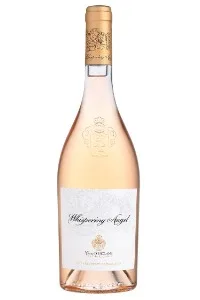
Whispering Angel – Château d’Esclans 2025 – Provence, France
Henschke: Eden Valley’s living legend
Henschke is the most celebrated family winery in Australia and the source of what many consider to be the country’s greatest individual wine. Founded in 1868 by Johann Christian Henschke in the Eden Valley, the estate has been in the same family for six generations. Fifth generation winemaker Stephen Henschke and his viticulturalist wife, Prue, are in charge of running the estate today on fully biodynamic principles. The winery’s crown jewel is Hill of Grace, a single vineyard Shiraz sourced from ungrafted vines planted in the 1860s on the Grandfather’s Block. First released in 1958, Hill of Grace is produced from vines so old and so low yielding that the wine has become, alongside Grange, one of the two symbolic expressions of Australian red wine. The estate also produces outstanding Riesling, Semillon and a full range of Barossa and Eden Valley reds, including the exceptional Mount Edelstone Shiraz and Cyril Henschke Cabernet Sauvignon.
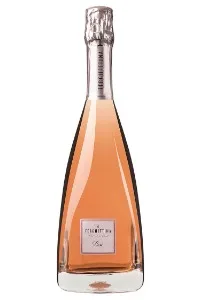
Franciacorta Brut Rosé Millesimato – Ferghettina 2021 – Lombardy, Italy
Château Minuty – Provence, France
Château Minuty is a historic Provençal estate established by Gabriel Farnet in 1936. He replanted the vineyards with Grenache, Cinsault, Syrah and Mourvèdre, which were used for crafting premium rosé wines. By 1955, Château Minuty was recognised as one of the 23 Cru Classé estates in Côtes de Provence, cementing its status as a noteworthy French winemaker. The third generation of winemakers, Jean-Etienne and François Matton expanded operations in the 1990s, including the introduction of the iconic “corset flute” bottle for the M de Minuty series. Today, Château Minuty remains a force in rosé winemaking, holding High Environmental Value (HVE) level 3 certification and producing around 8 million bottles per year.
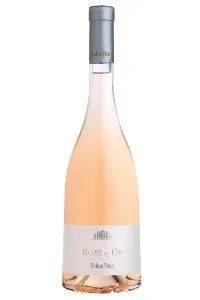
Rosé et Or – Château Minuty 2025 – Provence, France
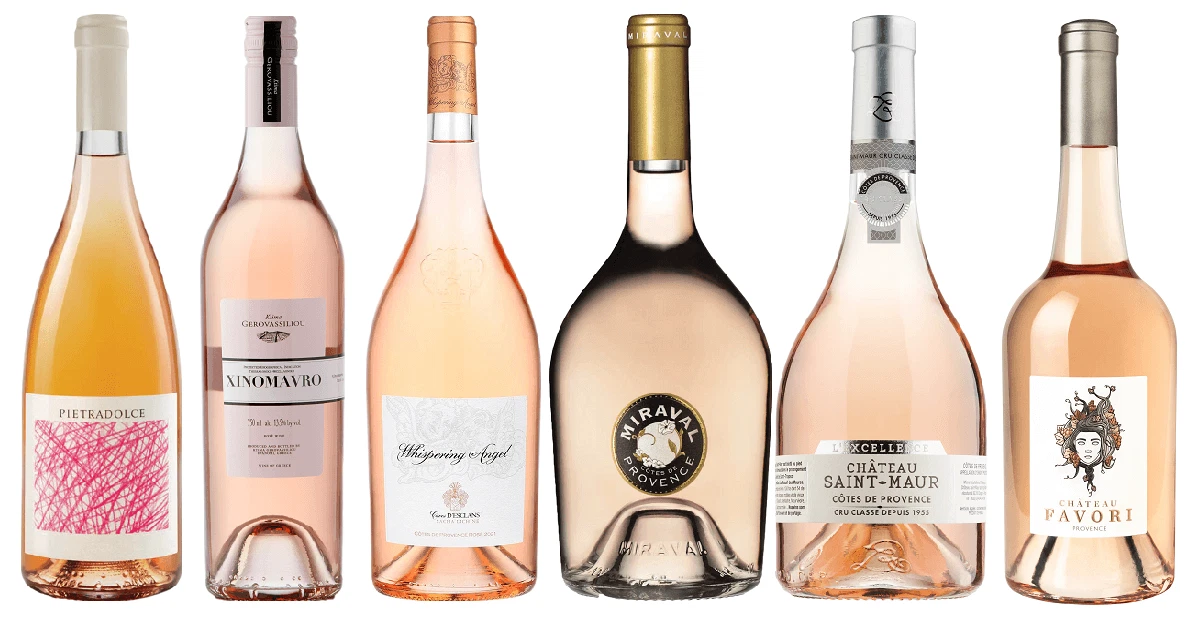
What is rosé wine?
- Rosé Wine
Rosé is a type of wine made from red grapes whose skins were removed after a short contact period (between a few hours and two days). This produces a pink colour, light tannins and a crisp, refreshing profile. It is not a blend of red and white wine, but a distinct style which ranges from pale and dry to vibrantly hued and sweet.
Rosé wine is a pink wine usually made from red grapes, produced by limiting the contact time between grape juice and its skins. It is typically light bodied, crisp and refreshing, a combination of the subtle red fruit, citrus and floral notes of red wine and the fresh acidity of white wine.
The colour of rosé wine ranges from very pale salmon to deep cherry pink, depending on how much time is spent in contact with grape skins. Most rosés are produced as dry wines (e.g., Provençal rosé), but some regions produce sweeter, off dry styles, like White Zinfandel from California. The typical rosé wine alcohol by volume is between 11% to 13%.
How is rosé wine made?
When people think of rosé wine, they often assume that it’s just a mix of red and white wine, but that’s far from the truth! Most of the time, the signature pink color comes from brief contact between grape skins and juice during fermentation. While red wines are fermented with skins for days or weeks, pink rosé wines only undergo a few hours of maceration, giving them a lighter color and fresher profile.
There are several methods used to make good rosé wines, each one influencing the flavour and structure of the end product. So, how do you make rosé wine?
- Saignée method (“Bleeding”) is where a portion of the juice is drawn off early during red wine fermentation. The juice is then fermented separately to give fuller bodied wine rosé, while also concentrating the remaining red wine.
- Direct pressing involves red grapes being gently pressed as fast as possible to create a very pale, delicate wine that does not undergo any maceration. The juice is drained off before the skin can colour it. Wines produced using this method are known as “Vin gris” (grey wines), although they are more of a pale pink than grey in colour.
- Short maceration is the most common winemaking method and it is performed after crushing the grapes. The skins of red grapes are allowed to remain in contact with their juice for a brief period, typically anywhere from 2 to 24 hours. The grape must is then pressed and the skins discarded, instead of leaving them throughout fermentation. The time spent in contact will determine the colour of the final wine; that is to say, the longer the time, the more intense the colour.
- Blending of different batches of wine involves mixing small amounts of red wine into white wine to create a rosé wine. This practice is often discouraged and uncommon among winemakers of still pink wines, but it is widely used in the making of sparkling wines, particularly Champagne.
Maceration time has the greatest influence as it directly affects both the colour and the body structure of the wine, both elements defining excellence in nice rosé wine. Keep in mind that different grapes and production techniques result in very distinct rosé styles!
What are the types of rosé wine?
There are different types of rosé wine determined by factors like the grape varieties used in their production, the specific winemaking techniques involved and the amount of residual sugar present in the wine. Some rosés are light and crisp with refreshing bubbles and a pale salmon pink colour, while others are richer and fuller bodied, a serious shade of ruby due to longer maceration times.
Let’s consider the categories of rosé wine:
- Body, referring to the feeling of the weight and thickness of the rosé on your palate. A wine can be light, medium or full bodied and it is determined by the alcohol content, sugar levels and other factors.
- The sweetness of a wine is determined by how much sugar is left after fermentation, referred to as the residual sugar. Sweetness is measured in grams per litre (g/L) and pink wines range from dry to lightly sweet.
- The production style also significantly affects the colour, flavour and texture of rosés. Wines crafted by direct pressing are often light and subtle, saignée rosés may be fuller bodied, while short maceration results in a wide spectrum of styles.
Understanding these differences helps to understand the rosé wine type and choose a good bottle to suit the taste and occasion you need it for.
Rosé wine types by body: light, medium and full styles
With so many textures and weights, understanding a rosé wine by body is helpful when choosing a bottle. The body of a rosé refers to how light or full it feels in your mouth, shaped by grape variety, alcohol content and production method:
- Light bodied rosés are pale in colour with crisp and refreshing acidity, like Provençal rosés.
- Medium bodied rosés offer a balance between freshness and depth, with a rounder mouthfeel and pronounced flavours.
- Full bodied rosés have bolder flavours and creamier texture, usually derived from methods like saignée or extended maceration for 24+ hours.
In the table below, we have listed examples of pink rosé wine by body type.
| Rosé Wine Body Type | Top Producers | Grape Varieties | Structure & Flavor |
|---|---|---|---|
| Light bodied | Château d’Esclans, Château Peyrassol, Manon, Zeni, Scribe Winery | Grenache, Cinsault, Pinot Noir, Rolle (Vermentino) | Crisp, dry, pale pink with notes of citrus, strawberry and herbs. |
| Medium bodied | Henri Bourgeois, Cambria, Bouchaine, Contadi Castaldi | Pinot Noir, Syrah, Tempranillo, Sangiovese | Balanced acidity, with flavours of raspberry, cherry and lemon. |
| Full bodied | Château Galoupet, Billecart-Salmon, Piper-Heidsieck, Ruinart, Ciavolich | Grenache, Cabernet Sauvignon, Syrah, Pinot Noir | Rich, structured with flavours of red berries, almond and brioche. |
Light bodied rosé wines
Light bodied rosé wines are crisp and refreshing with bright acidity and a delicate mouthfeel. Their pale colour and notes of red berries, citrus and florals make them a great choice for seafood, salads or light appetisers. These wines are ideal for warm weather or as a versatile aperitif.
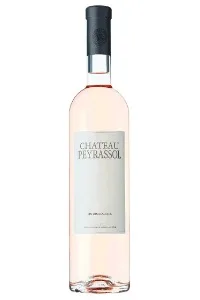
Rosé – Château Peyrassol 2024 – Provence, France
Medium bodied rosé wine
Medium bodied rosé wine strikes the perfect balance between freshness and structure. With a fuller texture, they often feature flavours like ripe berries, pomegranate and mild spices. Medium bodied rosés are very versatile and pair wonderfully with grilled vegetables, chicken and Mediterranean dishes.
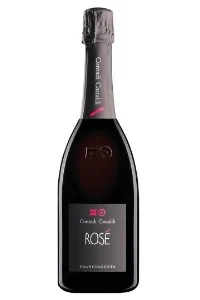
Franciacorta Brut Rosé – Contadi Castaldi – Lombardy, Italy
Full bodied rosé wines
Full bodied rosés are often made from grapes like Pinot Noir, Grenache and Mourvèdre, known for their robust and more complex flavour profiles. They tend to be deeper in colour because of longer contact between the skins and the grape juice. Due to their richer flavours and rounder mouthfeel, they pair well with heavy foods like grilled meats, spicy cuisine and strong cheeses.
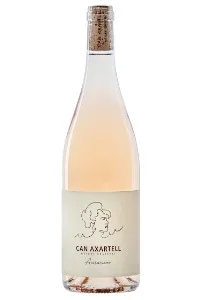
Aurorum – Can Axartell 2022 – Balearic Islands, Spain
Spotlight on sparkling rosé wines for bubbly celebrations
Sparkling rosé wine is a top choice for celebrations and rosé wine gift sets due to its vibrant bubbles and refreshing flavour. It may range from dry to sweet options, crafted using the Charmat or the traditional method, which involves a second fermentation in the bottle. Rosé sparkling wine is typically fruity and a versatile food pairing option. Here are our 3 best sparkling wine rosé recommendations that will impress your guests:
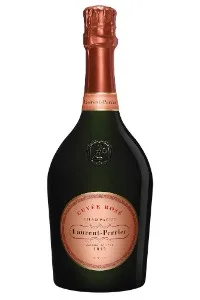
1. Laurent-Perrier Cuvée Rosé – France
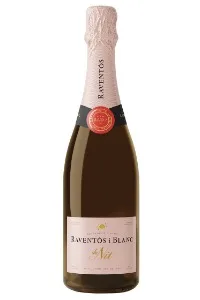
2. Rosé de Nit – Raventós I Blanc 2022 – Spain
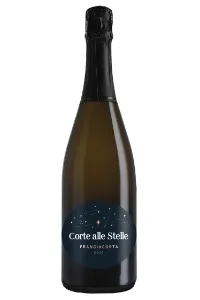
3. Corte alle Stelle Franciacorta Brut Rosé – Italy
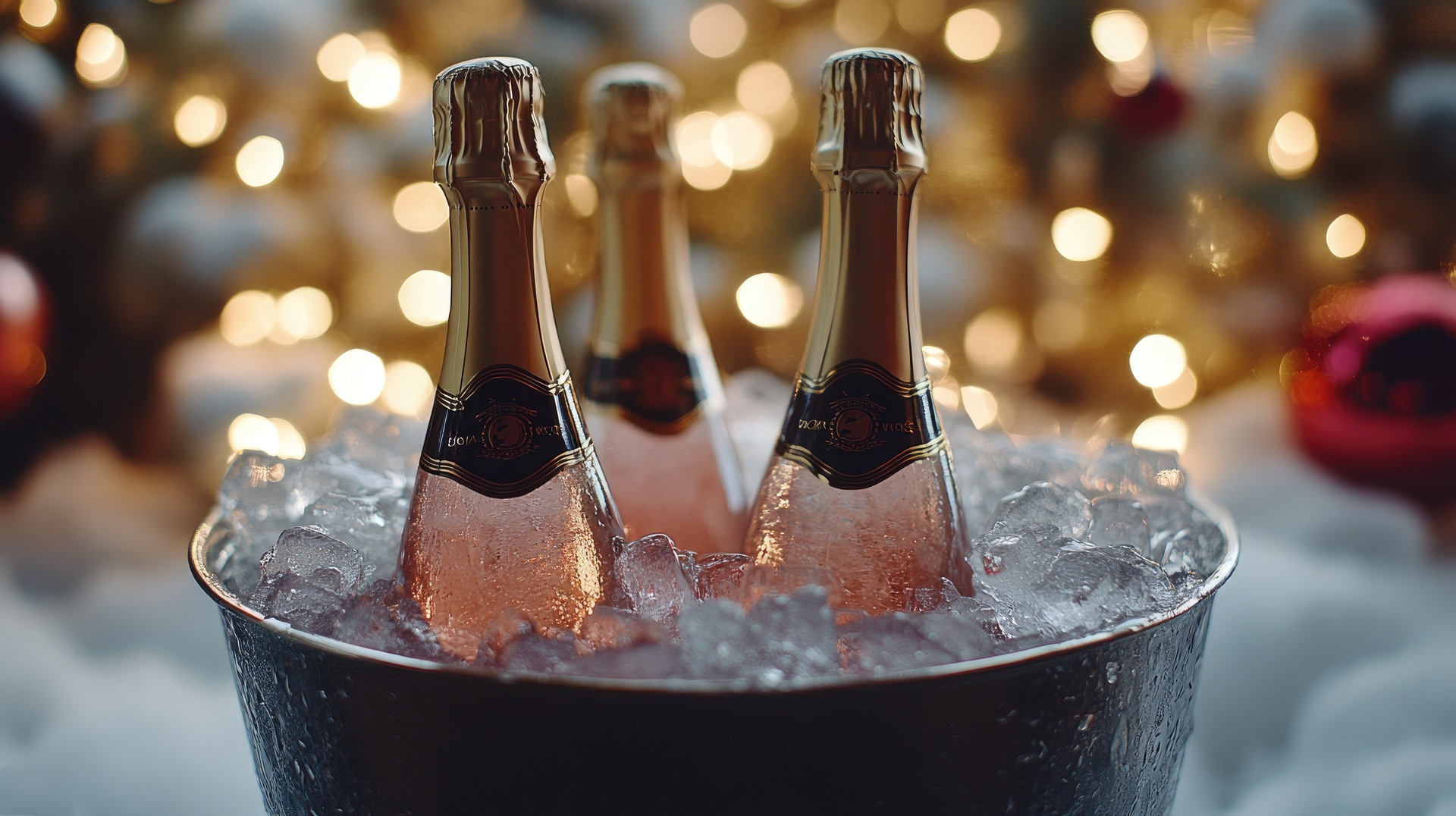
Serving tips: serve your glass of sparkling rosé at a temperature between 7°C and 10°C. Use a flute or tulip glass to maintain its effervescence and enhance aroma.
What food pairs well with Australian wines?
Rosé wines can also be categorised based on how much residual sugar is present after fermentation. The styles range from dry to sweet and you can determine the sweetness of the wine by checking its label. Some regions are also known for their specific style of rosés; for example, Provence predominantly produces dry rosés, while Rosé d’Anjou from the Loire Valley is typically sweet.
Let’s consider the different styles of Rosé wines by sweetness:
- Dry rosé wine is bright, crisp and refreshing, with a dry finish and little to no residual sugar, often less than 4g/L.
- Semi sweet rosé, also called off dry rosé, these wines are fruit forward with a balanced acidity and enough sweetness to be noticeable.
- Semi dry rosé: also called off dry rosé, offers the perfect balance between freshness and a touch of sweetness.
- Off dry rosé: noticeably sweeter than the semi dry style, retains enough acidity to balance the sweetness.
- Sweet rosé wines contain a significant amount of residual sugar, with a fuller bodied profile and prominent flavours of fruits and flowers.
In the chart below, we have highlighted some of the best rated rosé wines for each sweetness level to guide you in making the perfect choice the next time you choose to indulge in the goodness of pink wine!
| Sweetness | Sweetness Best Rosé Wine Brand | Rating | Price From | Tasting Notes | Common Varietals |
|---|---|---|---|---|---|
| Light bodied | Rosé Miraval – Château Miraval 2024 – France | 4.7/5 | £22.90 | Fresh, harmonious and delicate notes of orange peel, pink grapefruit, wild strawberries and black pepper. | Grenache, Syrah, Mourvèdre, Cinsault, Sangiovese |
| Semi Dry Rosé wine | Bollamatta Rosé – Bibi Graetz – Italy | 4.8/5 | £24.50 | Fresh and creamy, with hints of red fruits, cherry and strawberry enriched by delicate citrus notes. | Grenache, Counoise, Mourvèdre, Petit Sirah, Sangiovese |
| Off Dry Rosé wine | Rosé d’Anjou – Trésors de Loire 2023 – France | 4.9/5 | £18.90 | Attractive notes of redcurrant, strawberry, raspberry, light tannins and a pleasant, vivid finish. | Grolleau, Pinot Noir |
| Sweet Rosé wine | Ice Imperial Rosé – Moët & Chandon – France | 5/5 | £61.00 | Lively bouquet of wild strawberry, cherry, cranberry, pepper and pink grapefruit leads to a sweet and compact palate and a fresh finish. | Pinot Noir |
Premium rosé wines
Rosé wines have long been underestimated compared to reds and whites, often mistakenly seen as simple or inexpensive. But in reality, some luxury rosé wines rival the finest wines in ageability, depth and prestige.
While most rosés are meant to be enjoyed young and don’t have significant ageing potential, a select expensive rosé wine has earned a place in the cellars of serious collectors for different reasons:
- Their rarity: rosé wines that are produced in limited quantities from premium grapes grown in single vineyard sites or prized terroirs are highly sought after by collectors due to their high quality.
- Their reputation: when rosés are produced by big name brands that have cultivated a reputation for making excellent rosé wines, they tend to command higher prices.
- Their exclusivity: rosés that are only available through exclusive channels or private allocations typically represent the best of the best, carefully crafted using precise winemaking techniques from grapes of the highest quality. A bottle of an exclusive rosé wine may cost up to hundreds or even thousands of pounds.
If you’re thinking of building a wine collection, luxury rosé wines may surprise you! Take, for example, Five Roses by Leone de Castris. It is celebrated as Italy’s first bottled rosé and a cult favourite among collectors.
Delicious food pairings with rosé wine
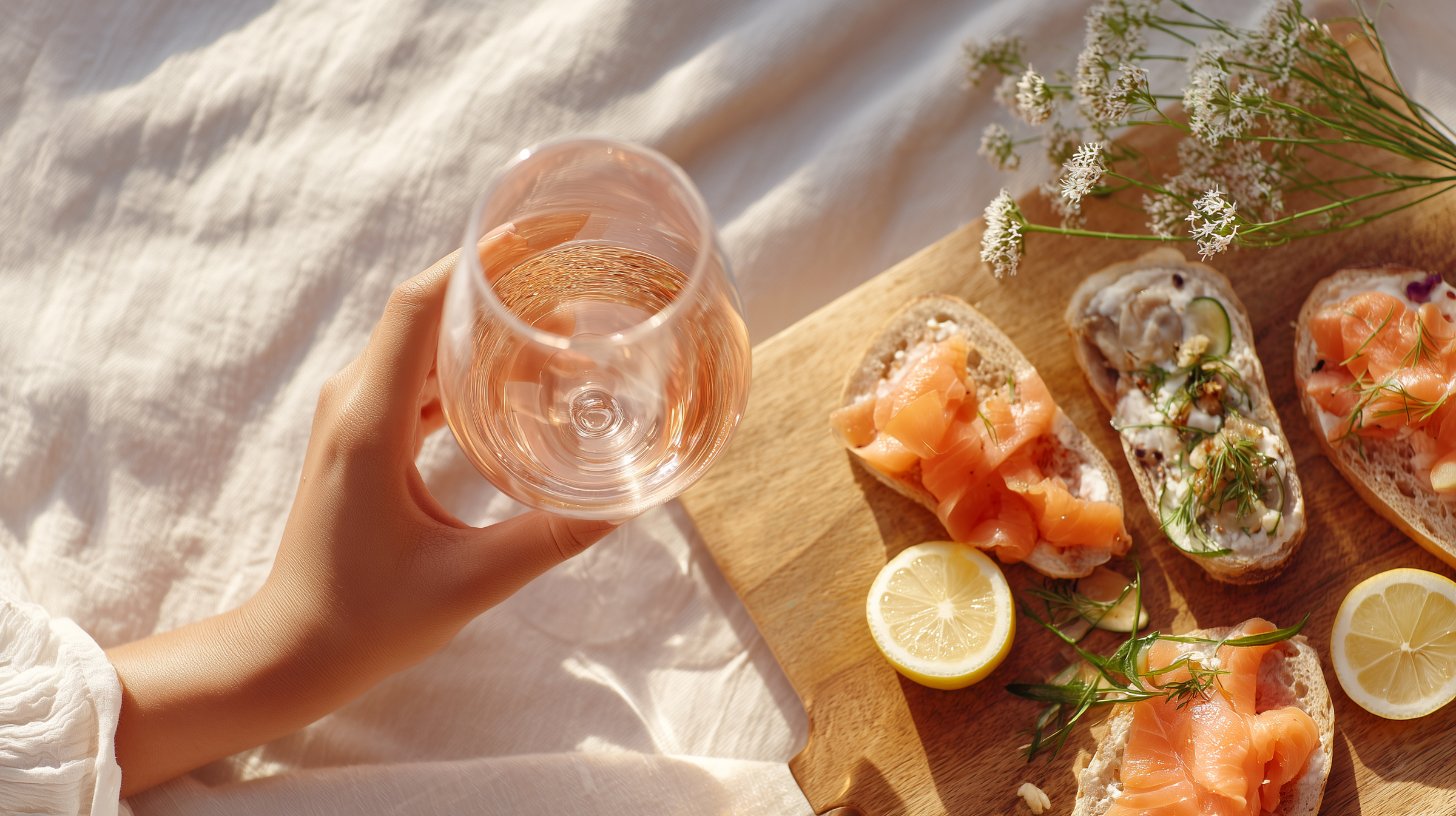
While rosé wine is often associated with appetisers, it’s actually incredibly versatile! With lighter tannins than reds and lower acidity than whites, the best food to pair with rosé wine ranges from crisp salads to grilled meats.
Our top pairings by category are:
- Light meats like herb roasted chicken, duck breast filets and pork tenderloin
- Mediterranean dishes like Caprese salad, ratatouille and feta based salads.
- Seafood and fish, including grilled shrimp, crab cakes and marinated fish
- Soft cheeses such as Brie, mozzarella and gruyère.
Our versatile rosé wine pairings below highlight just how well this style complements a wide range of dishes.
| Food | Rosé Wine | Rating | Grape Variety | Type & Structure |
|---|---|---|---|---|
| Duck breast filet, herb roasted chicken, pork tenderloin, lamb, rosemary lemon grilled quail | Giulio Ferrari Riserva del Fondatore Rosé – Ferrari 2010 – Trentino, Italy | 5/5 | Chardonnay, Pinot Noir | Citrus, spice and mineral notes, as well as a long, satisfying finish. |
| Caprese salad, ratatouille, feta based salad, Margherita Pizza, Prosciutto | Whispering Angel (3L) – Château d’Esclans 2024 – Provence, France | 5/5 | Cinsault, Grenache, Rolle, Syrah, Tibouren | Refined and mineral, with aromatic herbs, peach, strawberry, redcurrants and citrus notes. |
| Grilled shrimp, crab cakes, sushi, marinated fish, halibut filet | 281 Rosé – Château Minuty 2024 – Provence, France | 4.9/5 | Grenache, Syrah | Complex and lively, with velvety texture, white fruit notes and a saline finish. |
| Mild cheeses like gruyère, brie, mozzarella, Havarti, and Monterey Jack | Cru Classé de Provence Rosé – Château Galoupet 2024 – Provence, France | 4.9/5 | Grenache, Cinsault, Rolle, Syrah, Sémillon, Tibouren | Rich and inviting aromas of flowers, ripe peach, citrus and bitter almond. |
| Grilled vegetables, smoked salmon, scalloped oysters, bouillabaisse | Château Romassan Cœur de Grain – Domaines Ott 2024 – Provence, France | 4.8/5 | Cinsault, Grenache, Mourvèdre | Full and round, with lively citrus fruit, orchid and a pure, complex finish. |
| Roast rib of beef, wild boar ragù, venison sauce, chocolate roasted hare | Rosé Extra Brut – Maso Martis 2022 – Trentino, Italy | 4.8/5 | Pinot Noir | Full bodied, fruity and fresh, with crisp acidity and fine mineral tension. |
| Vinaigrette salad, pumpkin casserole, potato pan, spaghetti with caper tomato sauce | Special Edition Brut Rosé – Elém 2017 – Piedmont, Italy | 4.7/5 | Pinot Noir | Dry and elegant, with subtle minerality on the finish |
| Sausage, Peppers, Grilled Pork Chops | Cerasuolo d’Abruzzo Fosso Cancelli – Ciavolich 2022 – Abruzzo, Italy | 4.7/5 | Montepulciano | Medium to full bodied, with savoury flavours and fresh acidity. |
Rosé wine regions around the world
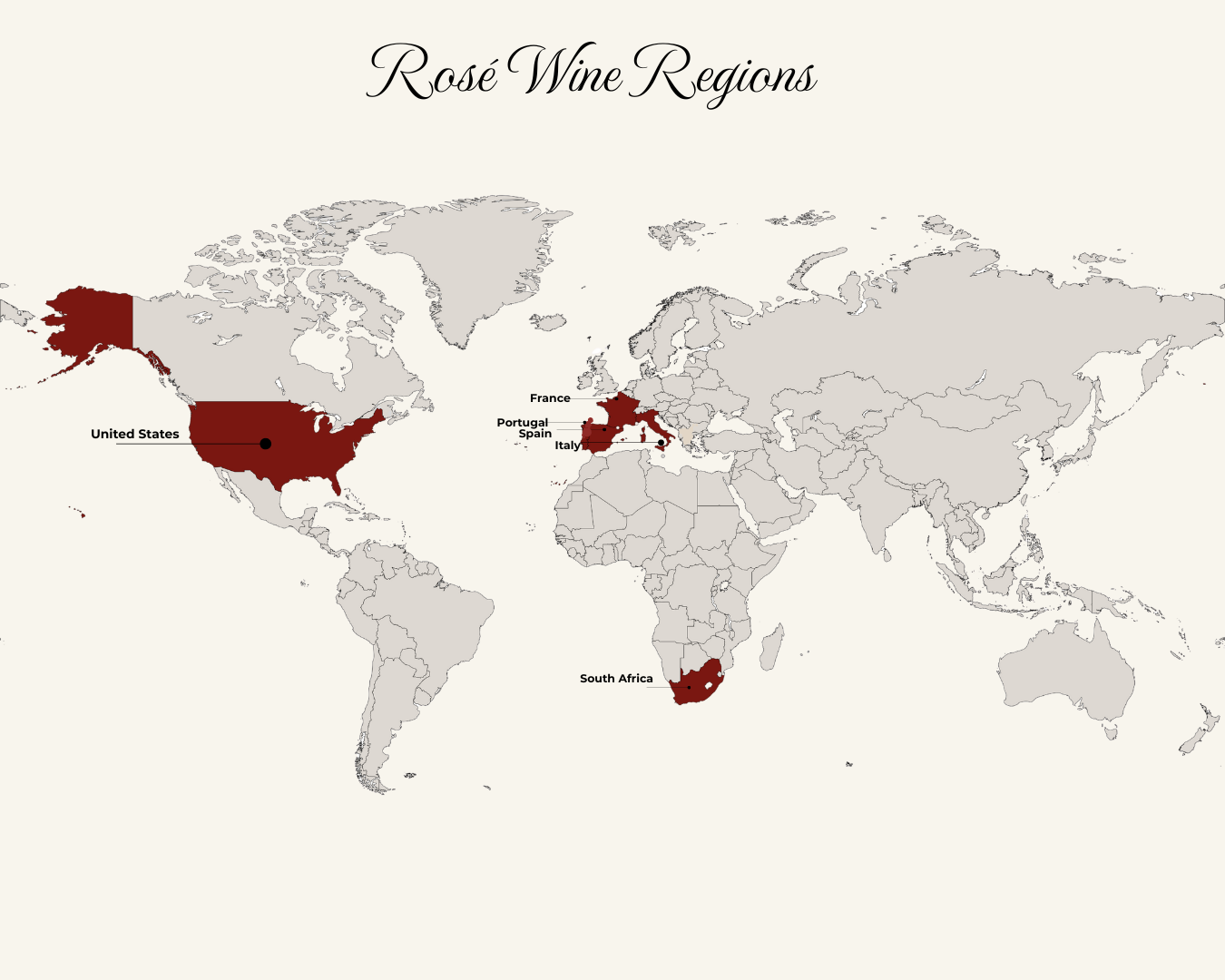
Rosé wine is produced in many parts of the world, each region offering its own style shaped by climate, grape varieties and local traditions. French Provence remains the global reference point, known for pale, delicate rosés with fresh red berry notes and a dry, refreshing finish. Across Europe, regions like Tavel in the Rhône Valley, Rioja in Spain and Abruzzo in Italy craft fuller, more structured rosés with deeper colour and richer fruit. Beyond Europe, the US (especially California and Oregon), Australia and South Africa have developed vibrant rosé cultures, producing wines that range from crisp and mineral to juicy and fruit forward. Together, these regions show how diverse and expressive rosé can be, offering styles that better adapt to climates and local cuisine.
The rise of English rosé wines
English rosé wine is a growing, high quality sector made possible by cool climate viticulture that gives crisp, pale and aromatic wines. UK producers, particularly in the South East, use early ripening grapes like Pinot Noir, Pinot Meunier and Pinot Noir Précoce to craft both sparkling and still rosés. These varieties thrive in the cool climates and chalky limestone soils of the United Kingdom, yielding mineral forward and elegant wines.
UK rosé winemakers may use direct pressing to craft pale and elegant versions, which are the highly popular rosé wine type, as well as maceration or blending for sparkling rosé wines. Although it is a growing sector, English rosés are increasingly evolving, competing with the finest Provence rosés on the global stage.
Premium rosé wine from Italy
Premium rosé wine is not the exclusive domain of France: Italy also produces exceptional expressions locally known as rosato. The style and grape varieties used vary depending on the region and its local climate, but they are often pale wines crafted through short maceration.
Different terms describe rosés from various regions: “Ramato” is a copper colored wine from the Veneto region made from Pinot Grigio grapes, “Cerasuolo” refers to cherry red rosés often seen in Montepulciano d’Abruzzo and “Chiaretto” is a slightly dark rosé wine that is not dark enough to be labelled a red wine.
Our experts have selected top quality rosé wine recommendations for you to try in 2026.
| Region / Grapes | Premium Rosé Wine Brands | Wine Style |
|---|---|---|
| Veneto Corvina, Rondinella, Molinara | Le Fraghe, Giovanna Tantini, Vigneti Villabella | Pale pink, delicate floral notes, crisp acidity, light bodied |
| Lombardy Groppello, Sangiovese, Barbera | Pasini San Giovanni, Selva Capuzza, Le Sincette | Floral aromas, red berry flavours, medium acidity, elegant structure |
| Abruzzo Montepulciano | Valentini, Emidio Pepe, Tiberio, Cataldi Madonna | Deep cherry colour, rich red fruit flavours, noticeable tannins, full bodied |
| Puglia Negroamaro, Bombino Nero, Primitivo | Leone de Castris, Tormaresca, Li Veli, Cantine San Marzano | Bright pink hues, ripe cherry and berry notes, balanced acidity, medium to full bodied |
| Tuscany Sangiovese | Fattoria La Valentina, Castello di Ama, Il Palagio | Light to medium pink, strawberry and floral notes, refreshing acidity, medium bodied |
Did you know? In Tuscany, Occhio di Pernice is a sweet rosato version of Vin Santo made 100% from red grapes, most often Sangiovese.
All about Rosé wines from South Africa
In recent years, South African rosé wines have been transformed from the occasional treat to a significant wine style in the country’s wine landscape. Winemakers often craft fresh, fruity and versatile styles from red grapes like Pinotage, Shiraz and Cabernet Sauvignon via “Blanc de Noir” methods or through maceration. The limestone rich soils and warm climates of the Western Cape province, particularly in regions like Robertson, Stellenbosch and the Cape South Coast, yield diverse, high quality wines. In crafting rosés, South African winemakers demonstrate their creativity in wine production, with common styles including:
- Dry rosés, which are often made from Grenache, Cinsault or Mourvèdre. These wines are pale in colour, crisp and elegant, with delicate aromas similar to Provençal rosé wines.
- Off dry rosés: these wines are slightly sweeter, with vibrant fruity flavours reminiscent of strawberry and watermelon. They are typically made from Pinotage or Shiraz.
- Rosé MCC refers to premium, pink hued sparkling wines crafted using the traditional Méthode Cap Classique (MCC) process, where secondary fermentation takes place in bottles (just like Champagne!).
The South African rosé industry is moving away from simple, mass produced wines to more elegant, high quality expressions and here are three of our top picks:
| Region / Grapes | Top South African Rosé | Rating | Wine Style |
|---|---|---|---|
| Stellenbosch Pinotage | Kadette Pinotage Rosé – Kanonkop 2025 | 5/5 | Pale, dry and elegant, with a light to medium body, fresh acidity and fruity notes of red cherry and melon. |
| Breede River Valley Pinotage | Rosé WO – Cape Dreams 2025 | 4.9/5 | Fresh, savoury and easy drinking, featuring a bouquet of wildflowers, raspberry, strawberry and cherry. |
| Franschhoeck Valley Cinsault, Shiraz | Porcupine Ridge Rosé – Boekenhoutskloof 2024 | 4.9/5 | The nose reveals red cherry, strawberry, pomegranate and tomato leaf. It is fresh and rounded on the palate, with bright acidity and a clean and dry finish. |
The charm of French rose wines
French rosé wine embodies a lifestyle of elegance shaped by the country’s diverse terroir. France is the top producer of rosé wines globally, produced throughout the country in both cooler regions and in warmer Mediterranean influenced climates. Let’s have a look at some of the notable rosé wine production regions in France:
- Provence makes up almost two thirds of all the wines produced in this region. Provence rosé wine is typically pale with dominant citrus and herb notes, often crafted from Grenache, Syrah, Cinsault, Mourvedre and Cabernet Sauvignon grapes.
- In Tavel, rosé is the only permitted wine style in this AOC, with the wine blends dominated by up to 60% Grenache and at least 15% Cinsault grapes. Other permitted varieties include Carignan, Syrah and Mourvèdre. Tavel rosé is traditionally made by fermenting red and white grapes together in a method that produces boldly structured wines with robust, spicy berry flavours.
- The Loire Valley’s Anjou wine region is particularly known for its rosé wine production in two AOCs: Rosé d’Anjou and Cabernet d’Anjou. The latter is often dry and produced from Cabernet Franc and Cabernet Sauvignon, while the former is sweet and made from Grolleau, Gamay and Malbec grapes. Rosé de Loire is another appellation including wines from Anjou, Saumur and Touraine, with Cabernet grapes accounting for at least 30% of the blend.
- Champagne: rosé Champagnes are a distinct category of wines from Blanc de Noirs, noticeably colored by the addition of red Pinot Noir wines to the finished wine. Rosé des Riceys is an AOC for still rosé wines produced exclusively from Pinot Noir grapes by the saignée method.
Below, you will find some of our favourite French rosés from the various regions.
| Region / Grapes | Top French Rosé | Rating | Wine Style |
|---|---|---|---|
| Burgundy Pinot Noir | Grand Cuvée Brut Rosé – Veuve Ambal | 5/5 | Balanced, lively freshness with integrated tannins and flavours of raspberries, blackcurrant and berries. |
| Provence Grenache, Cinsault, Syrah, Rolle | Rosé XIIIe – Château Peyrassol | 5/5 | Bright and delicate with a velvety texture and notes of fresh fruit and pleasant saltiness. |
| Abruzzo Montepulciano | Brut Rosé – Vergnes | 4.9/5 | Inviting nose of candied fruit, honeysuckle, peach and apricot lead to a smooth and lively palate. |
| Rhône Valley Grenache, Clairette, Cinsault, Syrah | Rosé Chapitre – Vignerons Propriétés Associés 2024 | 4.8/5 | Pale salmon pink in colour, with aromas of wild strawberries, raspberries and light floral notes. |
Did you know? Rosé wines account for one third of the wines consumed in France!
What is rosé wine made of?
Rosé wine is made primarily from dark skinned red wine grapes using a short maceration process. While this happens, the skins touch the juice for only 2 to 20 hours to impart the signature pink hue. Key production methods include skin contact, saignée (bleeding) and direct pressing, rather than blending.
Although white grapes like Chardonnay and Sémillon can be used in blends, it is really not a common practice. An exception is Rosé Champagne, where it is legally permitted to blend both red (Pinot Noir) and white (Chardonnay) grape juices.
Let’s explore some of the most popular rosé wine grapes and the resulting diverse rosé wine types:
Red wine grapes
- Pinot Noir is a light bodied red grape with soft tannins, silky texture and high acidity with red fruit flavours like cherry, strawberry and raspberry, as well as earthy notes and floral aromas.
- Grenache is the principal grape variety used in the rosé wines of Tavel AOC. It is a thin skinned, juicy and fruity red grape known for producing rich, flavorful red wines with fruity aromas and bright acidity.
- Syrah, also called Shiraz, is a dark skinned grape with bold and spicy flavours of liquorice, cloves, mint, black pepper, as well as smoky undertones. Rosés made from Syrah grapes are often full bodied and savoury, on the drier end of the spectrum compared to other pink wines.
- Sangiovese: a classic Italian grape most famous for its dry red wines, but its bright acidity and bright red fruit flavours are well suited for rosato. Sangiovese rosés are typically medium bodied and dry with herbal notes and a darker colour.
- Tempranillo: is a thick skinned red grape used to make medium to full bodied “rosados” in Spain. The wines tend to be deep pink or salmon colored, with dominant flavours of red berries, strawberries and savoury notes.
- Zinfandel: a powerful red grape from California known for jammy fruit, spice and high alcohol content. White Zinfandel is a specific style of rosé wine that is made using the “stuck fermentation” technique only from the red Zinfandel grape. White Zins are traditionally sweeter with fruity flavours and low alcohol content.
- Cabernet Sauvignon: yields full bodied rosés with strong acidity and notes of bell pepper and dark fruits. Cabernet Sauvignon may be used on its own to make rosé wine through the Saignée method, or it can be blended with other red grapes like Merlot and Cabernet Franc.
- Malbec rosés are a lighter and refreshing expression of the grapes, typically with a pale pink hue, bright acidity and fruity notes of berries and citrus. Its soft tannins make it an excellent match for dishes like salads, seafood and grilled chicken.
- Mourvèdre grapes are full bodied and savoury, often contributing notes of red fruits, herbs and salinity to its rosé wines. Some may also feature hints of spice, red currants and rose petals with a rich texture.
- Clairette rosé: a pink mutation of the Clairette Blanche grape characterised by delicious aromas and flavours of green apple, pear, herbs like fennel and spice. It thrives in warm climates and it is often used to make rosé wines in Provence.
- Moscato rosa del Trentino: a dark skinned Muscat grape that gives sweet and fruity rosé wines that are intensely aromatic with lower alcohol content compared to other rosé wines.
White wine grapes
- Moscato is a sweet and aromatic white grape, producing low alcohol wines with floral aromas, spicy notes like cinnamon and fruity flavours of peach, orange blossom and apricot. Pink Moscato is a sweetened rosé wine that is created by blending white Moscato with red wines like Merlot.
- Chardonnay: a green skinned grape that is highly adaptable to express the characteristics of its terroir. Its neutral character makes it possible for it to be blended with other grapes like Pinot Noir and Pinot Meunier to make rosé Champagne.
What is the rosé wine serving temperature?
When it comes to rosé wine serving temperature, here’s the trick: it should be served chilled but not too cold. The ideal range is around 10-13°C. If served too cold, the wine’s delicate aromas and flavours can be muted, too warm and it may taste flat or overly alcoholic. Apart from the temperature, you also need to consider the acidity, alcohol content (ABV) and ageing potential of a rosé while serving it. These elements work together to enhance the wine’s flavour, texture and longevity.
Have a look at the chart below for a clear idea of how to serve different rosé wine styles at their best.
| Rosé Wine Brand | ABV | Tannin / Acidity | Ageing Potential | Serving Temp |
|---|---|---|---|---|
| G de Galoupet – Maison Galoupet 2024 – France | 13% | Fine tannins, fresh acidity | 1-2 years | 8-12°C |
| ‘61 Franciacorta Brut Rosé – Berlucchi – Italy | 12.5% | Balanced tannins, vibrant acidity | 3-5 years | 6-8°C |
| Sul Vulcano Etna Rosato – Donnafugata 2024 – Italy | 13% | Low tannins, crisp acidity | 2-4 years | 8-12°C |
| M de Rosé – Château Minuty 2025 | 13% | Rounded tannins, fresh acidity | 1-3 years | 8-10°C |
How to store your rosé wine bottle
Wondering how to store and keep your rosé wine bottle in the best condition? Here are 5 essential tips to preserve its freshness, structure, and aroma:
- Store it cool at a consistent temperature between 7°C and 18°C to prevent expansions and contractions that may spoil the wine. Also, avoid extreme heat as it can cook the wine, making it age too quickly and lose its complex aromas.
- Keep it dark! UV rays can damage wine and alter its flavours by chemical reactions that lead to unpleasant smells and tastes. Exposure to light can also degrade the colour of the wine, leading to “light strike”.
- Avoid strong odours: rosé is sensitive to its environment and can absorb nearby smells. Store it away from cleaning products, paints or other strong smelling items that may contaminate the wine and make it less enjoyable.
- Lay it sideways (if corked) to ensure the cork stays in contact with the wine, keeping it moist and preventing it from drying out. A dry cork can shrink and let oxygen into the bottle, spoiling the wine through oxidation.
- Mind the humidity: keep humidity around 60-70%. If the environment is too dry, corks may crack, removing the tight seal that protects the wine and allowing air in. Too high humidity causes dampness and the growth of mould on the corks and labels.
How we rate rosé wine: inside the scoring process
Our editorial team has tasted and scored every rosé wine that earns a place on our list independently. We carry out blind tastings to ensure no bias, just like we do for the red and white wines we recommend. Every selection is intentional: our recommendations rarely fall below 4.6 out of 5 and for a bottle to make the cut, it has earned its place solely based on merit.
We start off with a 50 point scoring system, which we then translate into the simple 5 point scale that you see:
- 5 = Exceptional
- 4 = Excellent
- 3 = Very Good
- 2 = Good
- 1 = Fair
What do we consider while scoring?
- Appearance (up to 5 points): does the wine look alive? We’re assessing clarity, depth of colour and brightness, the first clues about what’s coming.
- Aroma & bouquet (up to 15 points): this is where a wine starts to tell its story. We’re looking for intensity, layered complexity and a clean, flaw free nose that makes you want to keep going back.
- Flavour & palate (up to 20 points): the heart of the score. Acidity, tannin, alcohol and mouthfeel all need to be pulling in the same direction: a great rosé wine feels balanced, not like a tug of war
- Overall impression (up to 10 points): how does it all come together? We’re thinking about harmony, typicity, the length of the finish and whether this is a wine that still has somewhere interesting to go.
We also assess every rosé wine based on two additional standards that matter just as much as our ratings:
- Aromatic complexity: we look for harmony between fresh fruit notes, floral hints and subtle herbal or mineral undertones with nothing sticking out like a sore thumb.
- Terroir expression: our expert panel looks for a strong connection between the wine and the place it comes from (known as terroir) as well as how clearly it reflects the rosé grape variety used. For instance, a Provence rosé is expected to be light, dry and mineral driven, while a Tavel rosé is usually richer and fruitier.
Unless it is a bottle of vintage Champagne, ageing potential is not really evaluated in rosé wines as they are meant to be enjoyed young and fresh.
A note from our team: numbers are important, but they don’t tell the whole story. The scores we assign reflect our palates and tasting conditions for each bottle. We encourage you to read the tasting notes for each bottle so that you can easily find wines you love.
You might also be interested in

FAQs on Rosé wine
What is the best rosé wine in the UK?
Some of the best rosé wines in the UK today come from iconic regions like Provence and Tavel. Ferrari’s “Giulio Ferrari” Riserva del Fondatore Rosé 2010 is widely celebrated for its matured and refined profile. Other standout options include Whispering Angel 2024 by Château d’Esclans, a Provence rosé known for its elegance and Tempus Alba’s Rosado de Malbec 2023. These are some of the best wine rosés, often classified among the finest in the category.
What is the best Italian rosé?
Ferrari’s “Giulio Ferrari” Riserva del Fondatore Rosé 2010 is the best Italian rosé wine in our rankings, a vibrant wine from Trentino, crafted from high altitude Chardonnay and Pinot Nero. Other exceptional Italian rosé wine styles include Cersuolo d’Abruzzzo, made from Montepulciano grapes; Chiaretto from Lake Garda, which offers a lighter, fresher style, and Franciacorta rosé, a sparkling wine from Lombardy that delivers a more structured, sophisticated experience, showcasing the diverse and high quality rosé options Italy has to offer.
What is the world's best rosé?
The world’s best rosé varies by taste, but popular options include Château d'Esclans Whispering Angel, Tavel Rosé from the Rhône Valley and Laurent-Perrier Cuvée rosé Champagne. These wines are praised for their refined flavours, balanced profiles and top tier craftsmanship, offering a premium rosé experience for those seeking quality and elegance.
What grapes are used for rosé wine?
Rosé wines are made from red grapes with brief skin contact during fermentation. Common varieties like Grenache, Syrah, Pinot Noir, Sangiovese and Zinfandel contribute vibrant colour, fresh flavours, and varying sweetness levels. The specific grape variety and fermentation process influence the wine's flavour profile, creating a wide range of rosé styles.
What is a good rosé?
A good rosé should strike a balance between freshness, flavour and texture. Look for rosé wines that offer crisp acidity, vibrant fruit flavours (such as strawberries, raspberries and citrus), and a smooth finish. Renowned options like Château d'Esclans Whispering Angel, Provence Rosé or Tavel rosé are popular choices for their quality and consistency.
How much is a rosé wine bottle?
The price of rosé wine varies based on quality, region and brand. Mid range bottles typically cost £20-£40, while premium options such as Provence rosé or top sparkling varieties can range from £50 to £100+. Factors like production method and rarity also influence the final rosé wine prices. To help you find the best rosé wine deals, our ranking table is updated every month with the finest recommendations available to buy in the UK.
What food pairs with rosé wine?
Rose wine is incredibly versatile when it comes to food pairings. Its light, refreshing qualities make it perfect with seafood, like shrimp or scallops, as well as fresh salads and light pasta dishes. It also pairs well with grilled vegetables, charcuterie and soft cheeses. For a more structured rosé, try pairing it with grilled meats or Mediterranean cuisine.
How long does rose wine last once opened?
An opened bottle of rosé wine lasts 3 to 5 days, as long as it is resealed and stored in the refrigerator. If it is kept for longer than a week, it may lose its fresh fruity notes due to oxidation after 48 hours. An unopened bottle of rosé wine can age well for 3-5 years when stored properly, particularly high quality Provence rosés.
Is rosé a sweet wine?
Rosé wines vary from dry to sweet. Most are dry, particularly those from regions like Provence, known for crisp acidity and refreshing fruit flavours. However, some rosé wines like those made from Zinfandel or Moscato are sweeter and more fruit forward, offering a richer, more pronounced taste experience.
What does rosé wine taste like?
Rosé wine typically features flavours of red fruits like strawberries, raspberries and cherries, with floral and citrus notes. The taste varies from dry with crisp acidity to sweeter, fruit forward styles, depending on the grape variety and production method used. This diversity in flavour profiles makes rosé a versatile and enjoyable wine choice.
What is orange wine vs rosé wine?
Orange wine is made by fermenting white grapes with their skins, giving it an amber hue and tannic, earthy flavours. Rosé wine, however, is made from red grapes with brief skin contact, resulting in its pink colour and lighter, fruitier taste. Both wines offer unique flavour profiles and characteristics.
Do you chill bottles of rosé wine?
Yes, bottles of rose wine should be served chilled, ideally between 10-13°C. This temperature enhances its refreshing qualities, highlighting the fruitiness and acidity. Serving it at the right temperature helps balance its flavours, ensuring a more enjoyable tasting experience, especially when paired with dishes like seafood, salads or fresh appetisers.
What are the average rosé wine prices?
The average rosé wine prices typically range from £20 to £50 per bottle. Many high quality options are available under £20, proving you don’t need to overspend to enjoy a well balanced rosé. This accessible pricing makes it a popular choice for casual sipping and food pairing alike. Check out our recommendations for unbeatable rosé wine offers and the best rosé wine prices in the UK today.
How many calories are in a bottle of rosé wine?
The amount of calories in rosé wine is between 500 and 650 calories for a standard 750ml bottle. The total count depends on the alcohol by volume and residual sugar content. A sweeter, higher alcohol (e.g., 14% ABV) rosé will have higher calories than a dry, lower alcohol (11-12% ABV) bottle.
Where can I buy rosé wine gift sets online?
You can buy rosé wine gift sets online from wine sites in the UK that sell rosé wine bottles. We recommend reading through our rosé wine guide to help you identify the different types and select a bottle that the recipient will truly love. All the bottles we recommend are available on websites that offer rosé wine delivery in the UK!
Is rose red wine?
No, rosé is not red wine. It is a type of wine made from red grape varieties that have limited skin contact during fermentation. This process gives the wine its signature pink colour while still preserving the fruity and floral notes. Rosé wines can range from dry to sweet and are known for their refreshing qualities and wide range of flavours.
