

Outstanding Champagne bottles to add to your cellar in 2026
Champagne is the world’s most luxurious sparkling wine, made exclusively in northeastern France under strict AOC rules. We tasted bottles from iconic houses and boutique producers, scoring each on a 5 point scale. Our standout Champagne is Dom Pérignon P2 Plénitude 2006, a luxurious and creamy expression rated 5/5.

10 best Champagnes to buy
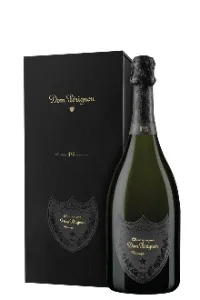
P2 Plénitude – Dom Pérignon 2006
Champagne, France
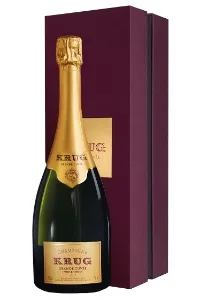
Brut Grande Cuvée 173ème Édition – Krug
Champagne, France
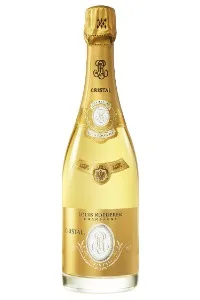
Cristal Brut – Louis Roederer 2016
Champagne, France
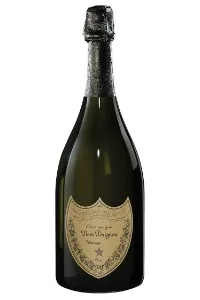
Champagne Brut – Dom Pérignon 2015
Champagne, France
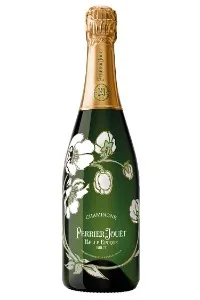
Belle Époque Brut – Perrier-Jouët 2016
Champagne, France
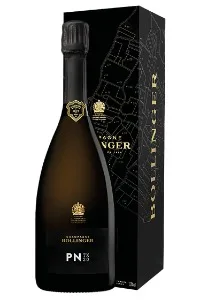
PN TX20 – Champagne Bollinger
Champagne, France
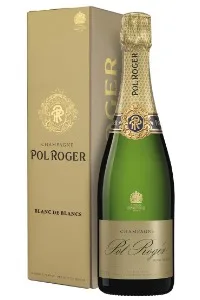
Blanc de Blancs Brut – Pol Roger 2016
Champagne, France
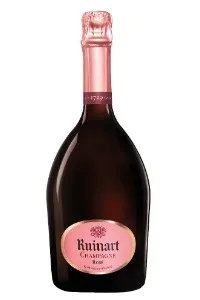
Rosé Brut – Ruinart
Champagne, France
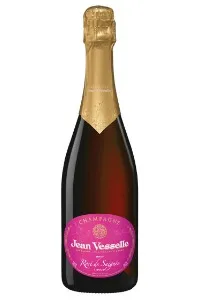
Rosé de Saignée Brut – Jean Vesselle
Champagne, France
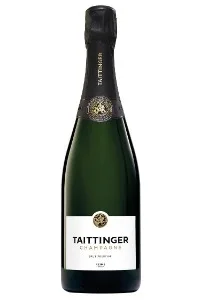
Prestige Brut – Taittinger
Champagne, France
The best Champagnes of this month range from the lively Taittinger Prestige Brut, rated 4.6/5 and costing approximately £45, to the prestigious P2 Plénitude 2006 by Dom Pérignon, a 5/5 bottling of Pinot Noir and Chardonnay which has matured for nearly 15 years in the cellar, priced at approximately £444. Our rankings include Champagne offers for the best Brut, Extra Brut and Extra Dry styles, selected for balanced flavour across every price point.
What does Champagne taste like?
Champagne tastes bright and refreshing, with crisp acidity and flavours of citrus, green apple and toasted almonds. It features fine bubbles and mineral undertones, with aged bottles of Champagne offering a more complex, creamy mouthfeel.
| Attribute | Details |
|---|---|
| Grape Variety | Chardonnay, Pinot Noir, Pinot Meunier (blends or single varietal) |
| Origin | Champagne AOC, France |
| Serving Temperature | 8°C-10°C (not ice cold) |
| Decanting | 15-30 minutes, optional (mainly to extract flavour in youthful Champagnes) |
| Aging Potential | NV: 3-5 yrs / Vintage: 10-20+ yrs / Prestige: 20-30+ yrs |
| Flavor Profile | Green apple, citrus, brioche, almond, toast, mineral |
| Structure | Light to medium body, razor acidity, persistent mousse |
| Alcohol Content | 12%-12.5% |
| Ideal Glass | Tulip or white wine glass |
| Food Pairing | Oysters, caviar, fried chicken, truffle dishes, aged Comté |
| Top Communes | Montagne de Reims, Côte des Blancs, Vallée de la Marne |
| Notable Producers | Krug, Dom Pérignon, Salon, Bollinger, Jacques Selosse, Moët & Chandon |
In a bottle of Champagne, you can expect:
- Citrusy flavours like lemon and grapefruit (especially in younger Champagnes)
- Tree fruits, primarily green apple, white cherry and pear
- Toasty brioche, almond or biscuits (due to lees ageing)
What is Champagne?
- Champagne
Champagne is a prestigious sparkling wine produced exclusively in the Champagne region of northeastern France using “méthode champenoise” (Champagne method). Protected by the AOC law. ABV:12-12.5%. The main grapes are Chardonnay, Pinot Noir and Pinot Meunier.
Champagne is a French sparkling wine made exclusively in the Champagne region of northeastern France using the famous “méthode champenoise”, which involves a second fermentation in the bottle. Champagne is protected by AOC laws and only wines produced in the Champagne region can carry the name. Its primary grapes are Chardonnay, Pinot Noir and Pinot Meunier. ABV: 12 – 12.5%.
A 100% French product, most of the stages involved in producing Champagne, from vine pruning to harvesting, are carried out by hand, as specified by strict AOC regulations (Appellation d’Origine Contrôlée). Vineyard practices like careful desuckering to remove non fruitful shoots, lifting creepers and limiting maximum yields are designed to create the exquisite Champagne we all enjoy today!
How is Champagne made
The Champagne grapes ( Chardonnay, Pinot Noir and Pinot Meunier)are first vinified into a highly acidic still wine by pressing and fermentation. After the first fermentation, the base wine undergoes the following processes:
- Blending or assemblage: where the “chef de cave” (cellar master) combines wines from different vintages to achieve a unique final blend. This step does not happen in crafting vintage Champagnes.
- The next step is bottle fermentation, the backbone of Champagne production. A mixture of sugar and yeast is added to the wine before bottling, causing carbon dioxide (CO2) to form and create bubbles (or prise de mousse).
- Champagne ages on lees for a period of time, depending on the type of Champagne being made. Non vintage Champagne is left for at least 15 months, while vintage Champagne must be in contact for at least 3 years for added complexity and toast notes.
- Riddling (remuage) involves manually or mechanically manipulating the bottles to collect the yeast cells and sediment at the neck. Manually, Champagne bottles are rotated and shaken every few days until they are vertical and the yeast cells have settled towards the neck.
- In disgorgement, winemakers use an ice cold solution to chill the neck of each bottle until the yeast cells are frozen. Then, they remove the cap. Internal pressure that has built up during secondary fermentation expels the spent yeast cells, leaving clear wine.
- Dosage involves using a small amount of wine that may or may not be mixed with sugar to top up the contents of the bottle. The purpose of this addition is to adjust sweetness levels and replace whatever wine was lost in the previous step.
What are the types of Champagne?
There are three types of Champagne depending on the grape varieties used in winemaking:
- Blanc de Blancs (white of whites) is made from 100% white grapes, most commonly Chardonnay. Other white wine grapes that may be used are Pinot Blanc, Pinot Gris, Petite Meslier or Arbane.
- Rosé Champagne is created by blending white wine with tiny bits of Pinot Noir or Pinot Meunier. It is generally fruitier than Blanc de Blancs, with occasional hints of spices and herbs.
- Blanc de Noirs (white of blacks) is made from 100% black grapes, usually Pinot Noir and/or Pinot Meunier. There is minimal contact between grape skins and wine during vinification, giving the wines a more yellow colour.
Based on sweetness levels, Champagne is classified as:
- Brut Nature, with less than 3g/L of residual sugar.
- Extra Brut is very dry, with 3-6g/L of residual sugar.
- Brut Champagne is the most popular style at 6-12g/L sweetness levels.
- Extra Dry, also known as Extra Sec, contains between 12-17g/L of residual sugar.
- Dry or Sec or Seco is significantly sweeter than Brut, with about 17-32g/L of sugar.
- Demi Sec Champagne contains 32-50g/L residual sugar.
- Doux is the sweetest Champagne of all, with more than 50g/L residual sugar.
Champagne falls in three categories, depending on ageing style:
- Non Vintage (NV) is the most common Champagne style, designed for consistency. It blends wines from multiple harvests and it is aged for a minimum of 15 months (with 12 months spent on lees) before release.
- Vintage Champagne is produced only in exceptional years, using grapes from a single harvest. Also called Millésimé, it must be aged for a minimum of 3 years on lees.
- Prestige Cuvée represents the pinnacle offering from a house, made from grand cru grapes and aged significantly longer (5 to 8 years). These are the most expensive, highly collectable Champagne bottles with intense, complex flavours absent in regular bottles. Examples include Dom Pérignon and Krug.
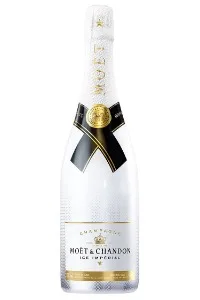
Ice Impérial Demi-Sec by Moët & Chandon
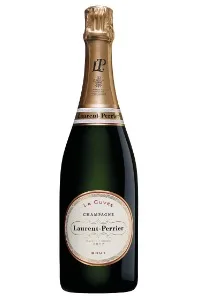
Brut La Cuvée by Laurent-Perrier
New to Champagne? Here are 5 tips to get started
Champagne might sound intimidating to wine beginners, but it’s easier to enjoy than you think! The secret to starting right lies in non vintage Champagnes. These expertly crafted blends deliver the authentic Champagne experience at accessible prices, while maintaining each house’s signature character.
Here are 5 tips to enjoy bottles of Champagne as a beginner:
- Start with non vintage Champagne for a more consistent taste at affordable prices.
- Look for the classic “Brut” style as it is versatile and food friendly.
- Chill in the fridge or an ice bucket to around 8°C-10°C, too much cold mutes the aroma.
- To open Champagne, remove the foil and cage and hold the bottle at a 45 degree angle, pointing away from people. Keeping your thumb on top of the cork, twist the bottom of the bottle slowly until the cork pops off.
- Serve in a tulip shaped glass, narrow flute or coupe and enjoy!
Where is Champagne produced?
The Champagne wine region is a one of a kind area located in France, 90 miles (150 km) east of Paris. It is a UNESCO World Heritage site, legally protected under the Appellation d’Origine Contrôlée (AOC) designation. Only wines that meet the following criteria can bear the name “Champagne.”To qualify as such:
- It must be produced in the Champagne region of northeastern France.
- Most of the grapes must be Pinot Noir, Chardonnay or Pinot Meunier.
- 100% of the grapes must be grown and hand harvested in the defined Champagne area.
- The wines must be made with the méthode champenoise.
There are five major communes in the Champagne region:
- Montagne de Reims, located between the Marne and the Vesle rivers, is known for its fragrant, crisp Champagne.
- Côte des Blancs: Chardonnay is the most cultivated variety in this region (95%) and the Champagne produced here is termed “blanc de blancs”, some of the finest in the world.
- Vallée de la Marne produces delicate sparkling wines with an exceptional body, mainly from Pinot Meunier grapes, particularly in the Aÿ region.
- Aube (Côte des Bar) is on the border between Champagne and Burgundy, with Pinot Noir being the major grape used to craft a richer style of Champagne.
- Côte de Sézanne offers a taste of Chardonnay dominated sparkling wines, located south of the Côte des Blancs.
When you sip a glass of thebest French Champagne, you’re tasting something that literally couldn’t be made anywhere else on Earth.
Champagne bottles to gift and impress?
Champagne is a great gift idea due to its aesthetically pleasing bottle designs and impressive taste. You can make a choice between showcasing recognisable luxury, stunning packaging or expertise on top cuvées. Here are some of the best Champagne bottles to gift:
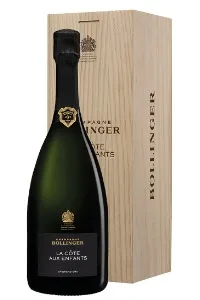
La Côte aux Enfants – Bollinger 2013 – Champagne, France
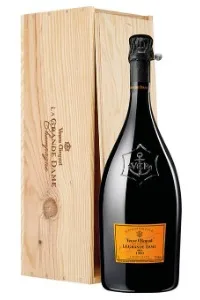
La Grande Dame (1.5 litre Magnum) with Wooden Box – Veuve Clicquot – Champagne, France
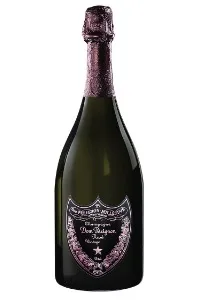
Brut Rosé – Dom Pérignon 2009 – Champagne, France
If the cost of a Champagne bottle is above your budget, consider our Champagne offers, where we have handpicked the finest wines at good prices, just for you. You can also check out wines similar to Champagne, such as Cava, Crémant and Prosecco.
What are the wines similar to Champagne?
Franciacorta, Prosecco, Cava and Crémant are some wines, just like Champagne, to gift and impress. Franciacorta, Cava and Crémant are crafted with the traditional method like Champagne, resulting in a flavour profile with similar toasty notes and fine bubbles. Prosecco, on the other hand, is produced using the tank (Charmat-Martinotti) method, where secondary fermentation occurs in large stainless steel tanks.
Here is an overview of the sparkling wines similar to Champagne and their origins:
- Franciacorta is an Italian sparkling wine made from Chardonnay, Pinot Nero and Pinot Bianco
- Prosecco originates from Italy, made from at least 85% Glera grapes.
- Crémant is a sparkling wine made in France, anywhere but the Champagne region, typically from Pinot Blanc, Chardonnay and Pinot Noir grapes.
- Cava is from Spain and the primary grape varieties are Macabeo, Xarel-lo and Parellada.
Check out the table below for our top picks of these sparkling wines that are similar to Champagne!
| Wine/Grape | Top Wine & Wine Maker | Rating | Tasting Notes | Wine Style |
|---|---|---|---|---|
| Franciacorta vs Champagne | ‘61 Franciacorta Nature – Berlucchi 2019 – Italy | 5/5 | Fresh and structured, with a mineral character and expressive aromas of citrus, lychee and rye bread. | Franciacorta is creamy, softer and more floral than Champagne due to the warmer climate in Lombardy where it is produced. |
| Prosecco vs Champagne | Bosco di Gica – Adami – Italy | 5/5 | Easy drinking wine with refreshing acidity and elegant yellow apple, peach and wisteria. | Prosecco has larger, frothier bubbles and lighter, fresher fruit notes of pear and apple than Champagne. |
Crémant vs Champagne | Crémant de Loire Brut Cuvée – Marquis de Goulaine – France | 4.9/5 | Fresh and full bodied, with a delicate bouquet of exotic fruit, orange peel, lime and vanilla. | Cremant is slightly less acidic and fruitier than Champagne. It is also made from varied grape varieties. |
Cava vs Champagne | Non Plus Ultra Reserva Brut – Cordoniu 2023 – Spain | 4.8/5 | Fresh and clean bouquet, with notes of citrus, apple and almond blossom accompanied by light toasty notes. | Cava is more citrusy, lighter and savoury compared to the crisp notes seen in Champagne. |
How to serve and store Champagne?
Champagne is best stored horizontally, away from bright light in a cool, temperature controlled room. Proper storage is essential for preserving its effervescence and delicate flavours, which contribute to an enjoyable tasting experience.
Here are our tips to store and serve Champagne properly:
- Store bottles in a consistently cool and dark place with no vibrations.
- Keep Champagne bottles lying horizontally so that the corks stay moist and air does not enter the wine.
- Aim for a serving temperature between 8°C and 10°C.
- Pour Champagne into a tulip wine glass, a flute, or a coupe of your choice and savour your bubbly.
Pro Tip: We recommend preserving Champagne in a wine cellar or wine fridge, not in a regular kitchen fridge. It is too cold and dry for long term storage.
What food pairs well with Champagne?
French Champagne pairs well with salty, fried or savoury food due to its high acidity and palate cleansing bubbles. Brut Champagne is the most versatile and it can be enjoyed with anything from aged cheddar to a Thai chicken curry. Demi Sec styles complement desserts, fruit cakes and other sweet dishes. Hosting a dinner? Match the bottle with the menu using our pairing guide below.
Fun fact: in France, it’s traditional to enjoy Champagne with buttered brioche for breakfast during celebrations, the ultimate luxurious start to the day!
| Food Pairing | Best Champagne Bottle | Aged | Rating | Type & Structure |
|---|---|---|---|---|
| Potato chips, buttered popcorn, french fries, mini quiches | Brut Blanc de Blancs – Ruinart – Champagne, France | 2-3 years ABV 12.5% | 5/5 | Vibrant acidity, floral hints and citrusy notes. |
| Oysters, lobsters in butter sauce, caviar, sashimi | Brut Horizon Blanc de Blancs – Pascal Doquet – Champagne, France | 1-3 years ABV 12.5% | 5/5 | Complex, toasty, chalky and mineral |
| Chicken breast in cream sauce, roasted duck with berry glaze, fried chicken and blanquette de veau | Réserve Brut Rosé – Charles Heidsieck – Champagne, France | 3-4 years ABV 12% | 4.9/5 | Complex, fruity, bright acidity |
| Brie, Camembert, baby Swiss, aged Gouda | Blanc de Blancs Premier Cru Brut – Blondel 2015 – Champagne, France | 4-5 years ABV 12% | 4.9/5 | Fresh, silky, citrusy hints |
| Celebration brunch with eggs Benedict, Smoked Salmon | Brut Le Réserve – Billecart-Salmon – Champagne, France | 2-4 years ABV 12% | 4.8/5 | Rich and refined, notes of fresh fruit and ripe pear. |
How we rate Champagne
Our editorial team rates wines based on a 5 point scale, assigning scores after assessing the appearance, aroma/bouquet, flavour/palate and overall impression of the wine. Any wine bottle that we recommend to you has been blind tasted and personally scored by our expert tasting panel without bias. The scores are totalled and aggregated over 50 points, before we then convert to the simple 5 point scale that you see.
The 5 point scale can be interpreted thus:
- 5 = Exceptional
- 4 = Excellent
- 3 = Very Good
- 2 = Good
- 1 = Fair
What do we look for?
- Appearance (up to 5 points): we assess the Champagne’s clarity, colour and brightness. Does it look alive?
- Aroma & bouquet (up to 15 points): intensity, complexity and absence of flaws are some of the things we look for in the aromatic profile of a wine.
- Flavour & Palate (up to 20 points): we check for balance between acidity, tannin, alcohol, depth and mouthfeel in the wine.
- Overall impression (up to 10 points): the overall harmony, complexity, typicity, finish and ageing potential of the wine determines how well we score it.
A wine that is rated between 4 and 5 points indicates its outstanding quality, while mediocre bottles may score as low as 1 point.
We specifically evaluated Champagne based on the following:
- Perlage: quality is indicated by a tiny bead size and the fineness and persistence of the bubbles.
- Taste: harmonious acidity and richness, creaminess or “mousse” mouthfeel and length of the finish.
- Aromas: layers of primary aromas (fresh fruit and white flowers), autolytic aromas from lees ageing (toast and brioche) and tertiary aromas (honey, truffle).
Each Champagne is rated against bottles in its category; Non Vintage Champagne is compared to its peers, Vintage bottles against other releases from a single year and Prestige Cuvée against top of the line Champagnes. This ensures that our scores reflect quality without bias, within the appropriate price ranges and style tiers.
A note from our team: we understand that Champagne preferences are determined by personal taste and our scores are a reflection of the palate and taste of our tasting team. Therefore, we recommend that you read our tasting notes to find the Champagne bottles you will enjoy the most, which is what we care about more than any number.
FAQs on Champagne
What are the best Champagnes in the world?
The best Champagne in the world is Dom Pérignon P2 Plénitude 2006, rated 5/5 and priced at £444. This Champagne is a blend of 55% Pinot Noir and 45% Chardonnay, which has received 99 points from Antonio Galloni, who called it a highlight of the vintage. It was matured or nearly 15 years in the cellar, to achieve a creamy texture and profound notes of cocoa, mocha and toast. Other top contenders are Krug Brut Grande Cuvée 173ème Édition and Cristal Brut 2016 by Louis Roederer. Check out our Champagne deals to find these and other fine bottles at the best prices.
What is Global Champagne Day?
Global Champagne Day is an annual celebration held on the third Friday of October to honour the heritage, culture and joy of Champagne. Around the world, enthusiasts raise a glass to toast the iconic sparkling wine, often with tastings, events and social media tributes to its elegance and tradition.
What is the highest grade of Champagne?
The highest grade of Champagne is Grand Cru, made from grapes grown in the 17 best rated villages in France’s Champagne region. These Champagnes, like Salon Le Mesnil Blanc de Blancs, undergo strict quality control, yielding refined flavours and exceptional ageing potential. Premier Cru is the next tier, still excellent but slightly less exclusive than Grand Cru.
What is the best sweet Champagne?
The best sweet Champagne is Moët & Chandon Ice Impérial, a demi sec (semi sweet) style with fruity, floral notes. For a richer sweetness, Veuve Clicquot Demi Sec offers honeyed flavours while Dom Pérignon P2 Plénitude Sec provides a refined, slightly sweet profile. These Champagnes balance sweetness with acidity, making them perfect for desserts.
Where can I buy the best Champagne in the UK?
You can find the best Champagne in the UK right here on this page. Our recommendations include the best Champagne deals from online wine sites, including Brut, Extra Brut and Sweet styles. You will also find tasting notes attached to each bottle to guide you in finding your favourite bubbly. All of the wine sites we recommend offer timely Champagne delivery.
Is Champagne sweet or dry?
Champagne ranges from bone dry (Brut Nature) to sweet (Doux). The most common style is Brut, which is dry with a hint of sweetness. Extra Brut is drier, while Sec and Demi Sec are noticeably sweeter. The sweetness level depends on dosage (added sugar), allowing Champagne to pair with various foods or suit different palates.
What is Champagne ABV?
Champagne typically has an alcohol by volume (ABV) of 12% to 12.5%, similar to most still wines. The secondary fermentation process doesn’t significantly increase alcohol content. Some prestige cuvées may reach 13%-13.5% ABV, but Champagne is generally light enough to enjoy without overwhelming potency, making it ideal for celebrations.
How long does Champagne last?
An opened bottle of Champagne stays fresh for 1-3 days if properly sealed with a sparkling wine stopper and refrigerated. The bubbles fade over time, but the flavour remains enjoyable. Non vintage Champagne loses effervescence faster than vintage or prestige cuvées, which may retain quality slightly longer due to their robust structure.
Should Champagne be chilled?
Yes, Champagne should be chilled to 8-10°C for optimal taste. If it is too cold, the flavours get muted, while too warm Champagne loses crispness. Chill for 3 hours in the fridge or 30 minutes in an ice bucket. Prestige cuvées benefit from slightly warmer serving temperatures (10-13°C) to enhance their complex aromas.
Does Champagne go off if unopened?
Yes, unopened Champagne does degrade in quality as time passes. It will lose its bubbles and develop a muted taste, but it rarely becomes too dangerous to drink. Non vintage Champagne can last 3-4 years, while vintage Champagne can last up to 10 years if stored properly in a cool, dark place between 5-12°C. So, while the answer to the question, “Does Champagne go out of date if unopened?” is yes, you should know that it will not necessarily make you sick.
How many glasses of Champagne are in a bottle?
There are five to six 125ml (about 4 oz) glasses of Champagne in a standard 750ml bottle, although this number varies depending on how generously you pour. If you’re using larger flutes (e.g., 6 oz), you may only get 4 glasses of Champagne in a bottle.
