

Best French wines to try in 2026: our regional guide
From Burgundy’s sophisticated reds to the sparkling brilliance of Champagne and the Loire Valley’s crisp whites, France is known for its diverse array of excellent wines. Here is a curated list of the best French wines handpicked by connoisseurs. Our ace pick is Château Mouton-Rothschild 2021, rated 5/5.

Top 10 French wines worth adding to your collection
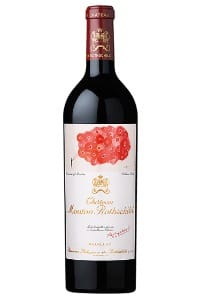
Premier Cru Classé – Château Mouton-Rothschild 2021
Bordeaux, France
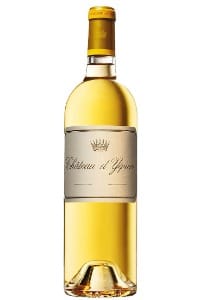
Premier Cru Classé Supérieur – Château d’Yquem 2022
Bordeaux, France
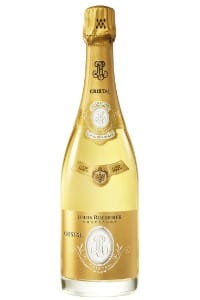
Cristal Brut – Louis Roederer 2016
Champagne, France
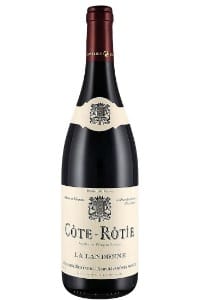
La Landonne – Domaine Rostaing 2022
Rhône Valley, France
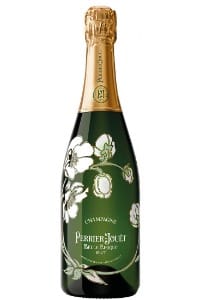
Belle Époque Champagne Brut – Perrier-Jouët 2016
Champagne, France
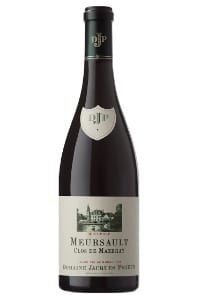
Clos de Mazeray Monopole – Domaine Jacques Prieur 2022
Burgundy, France
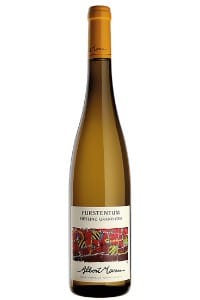
Fürstentum Riesling Grand Cru – Albert Mann 2022
Alsace, France
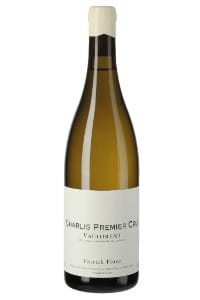
Chablis AOC Premier Cru Vaulorent – Patrick Piuze 2023
Burgundy, France
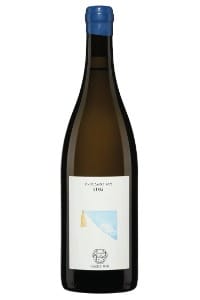
Blanc Etraz – Domaine du Gringet 2022
Savoy, France
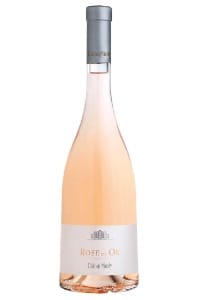
Rosé et Or – Minuty 2025
Provence, France
France is home to historic vineyards and the finest grapes and terroirs, each region bringing unique weather and soil characteristics that reflect in its wines.
Above, you will find a selection of the top 10 French wines worth trying this year, their tasting notes and expert ratings. Château Mouton-Rothschild Premier Cru Classé 2021 is at the very top of our list, with a stunning 5/5 rating and a premium price of £640. This is a classic red wine from Bordeaux crafted from 89% Cabernet Sauvignon grapes. It is highly elegant and age worthy, expected to evolve over the next 25 years.
A glimpse into the notable French wine regions and vineyards
French wine regions each present unique microclimates, soil conditions and winemaking techniques that create wine with distinct tastes. Within these regions, certain estates shine, recognised for their classic and refined wines, establishing them as a top spot for wine lovers worldwide.
Here are the notable French wine regions and reputable vineyards worth visiting on your next trip to France:
- Bordeaux: one of the world’s oldest and most remarkable wine regions, home to sophisticated red wines.
Reputable vineyard: Chȃteau Margaux - Burgundy: unique landscaping that has resulted in the production of benchmark quality wines.
Reputable vineyard: Domaine de La Romanée-Conti - Champagne: home to the golden, fizzy Champagne wines that have come to represent celebration and luxury.
Reputable vineyard: Maison Ruinart - Rhône Valley: granite soils and stormy winds that make bold, refined red wines.
Reputable vineyard: Guigal - Loire Valley: famed for its cool, elegant and highly acidic wines.
Reputable vineyard: Domaine Huet - Languedoc-Roussillon: a combination of two wine regions, renowned for its fruity and aromatic reds.
Reputable vineyard: Mas de Daumas Gassac - Alsace: known for its subtle and elegant white wines, including Riesling and Pinot Gris.
Reputable vineyard: Hugel & Fils
Types of French wine and major grape varieties
French wines are generally classified into red, white, sparkling and rosé wines, each type a unique blend of the region’s styles and flavours.
The diverse French wine regions produce distinct grape varieties that thrive in their specific environments. Pinot Noir and Chardonnay grow well in the limestone rich soils of Burgundy, while Sauvignon Blanc dominates the cooler climates of the Loire Valley. Alsace is best known for its aromatic white grapes like Pinot Gris and Riesling, products of its continental climate.
Here is a look at the major grape varieties in France and their wines.
French red wine grapes
- Cabernet Sauvignon – rich, robust tannins, brightly acidic (Bordeaux).
Notable wine: Cabernet Sauvignon - Pinot Noir – soft tannins, vibrant acidity, fruity (Champagne).
Notable wine: Pinot Noir - Merlot – medium tannins, smooth, fruity (Languedoc-Roussillon).
Notable wine: Merlot - Malbec – dark fruit flavours, smoky finish, robust tannins (Southwest France).
Notable wine: Malbec and Cahors blends - Syrah – smoky and savoury, hints of dark fruits with black pepper (Rhône Valley).
Notable wine: Syrah - Grenache – spicy, soft and full bodied (Rhône Valley).
Notable wine: Grenache and Grenache blends - Carignan – spicy notes of cinnamon, star anise and liquorice (Languedoc-Roussillon).
Notable wine: Minervois and other blends - Cinsault – mineral and floral notes, red berry and cherry (Languedoc-Roussillon).
Notable wine: rosés in different blends - Mourvèdre – dark fruit flavours, leather and savoury notes (Provence).
Notable wine: Châteauneuf-du-Pape and other blends - Tannat – herbal, savoury, subtle notes of smoked meats and liquorice (Southwestern France). Notable wine: Madiran
Lesser-known regional French red wine grapes are
- Gamay – high acidity, low to medium tannins, fruity aromas (Loire Valley).
Notable wine: Beaujolais - Durif (Petite Syrah) – high tannins, luscious notes of pepper and dark berries (Rhône Valley).
Notable wine: Zinfandel and other wine blends - Fer Servadou – medium bodied, firm tannins, pepper overtones (Southwestern France).
Notable wine: Marcillac AOC - Négrette – full bodied, silky, highly aromatic (Southwestern France).
Notable wine: Fronton blends - Prunelard – full bodied, high alcohol content, blackberry scents (Southwestern France). Notable wine: Prunelart and other Gaillac blends
- Abouriou – low in acidity, notes of dark berries and plum (Southwestern France).
Notable wine: Côtes du Marmandais AOC and other blends
French white wine grapes
- Chardonnay – crisp and clean, with adaptable neutral flavour (Burgundy).
Notable wine: Chablis, Champagne and other sparkling blends - Viognier – fruity and flowery aromas, slight bitterness (Rhône Valley).
Notable wine: Condrieu and Château-Grillet - Sauvignon Blanc – grassy, mineral, vibrant acidity (Loire Valley).
Notable wine: Sauvignon Blanc - Pinot Gris – full bodied, aromatic, high sugar potential (Alsace).
Notable Wine: Pinot Gris - Semillon – versatile, citrusy, honey notes (Bordeaux).
Notable wine: Sauternes, Barsac, Bordeaux Blanc - Chenin Blanc – high acidity, white fruit notes, mineral (Loire Valley).
Notable wine: Vouvray, Crémant de Loire - Muscat Blanc à Petit Grains – floral and citrusy with notes of honey (Rhône Valley).
Notable wine: Muscat - Ugni Blanc (Trebbiano) – subtle citrus notes with a slightly bitter almond finish (Burgundy). Notable wine: still white wine blends
- Colombard – zesty, notes of lemon, grapefruit and tropical fruits (Southwestern France).
Notable wine: Côtes de Gascogne IGP
Lesser known French white grapes are
- Melon de Bourgogne – light, distinctive minerality, citrusy (Loire Valley).
Notable wine: Muscadet - Gros Manseng – vibrant acidity, flavours of citrus and quince (Southwestern France).
Notable wine: sweet Jurançon and Pacherenc du Vic-Bilh - Petit Manseng – richly sweet with concentrated flavours (Southwestern France).
Notable wine: Sweet Jurançon - Clairette – citrusy and floral aromas, mineral and vibrant acidity (Rhône Valley).
Notable wine: Clairette de Bellegarde - Aligoté – crisp, bright acidity, notes of green apple and lemon (Burgundy).
Notable wine: Bourgogne Aligoté - Savagnin – high acidity, complex with hints of green apple and nuts (Jura).
Notable wine: Vin Jaune and Vin de Paille - Chasselas – light, fruity, refreshing (Loire Valley).
Notable wine: Pouilly-sur-Loire - Roussanne – refreshing, notes of white flowers and honey (Rhône Valley).
Notable wine: Hermitage and Crozes-Hermitage - Jacquère – high acidity, crisp and mineral (Savoie).
Notable wine: Apremont and Vin de Savoie
Unveiling the most expensive and collected French red wines
French red wines set a global benchmark for excellence due to the legendary terroirs, strict appellation laws and centuries of tradition. They are amongst the most collected wines in the world, serving as investments, curated gifts, as well as symbols of luxury and the finest craftsmanship.
Some of these bottles even fetch staggering prices at auction. In fact, a bottle of 1945 Romanée-Conti sold for a record £616,000 at a New York auction in April 2026. This sale broke the 2018 record for the same wine, when it was sold for $558,000 (approximately £418,555 based on 2018 exchange rates) at Sotheby’s, highlighting just how revered French reds are among collectors.
In the table below, we have curated 5 of the most collection worthy French red wines of 2025, along with their tasting notes and food pairings.
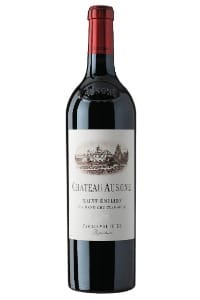
Saint-Émilion Grand Cru Premier Cru Classé A AOC – Château Ausone 2021 – Cabernet Franc, Merlot, Burgundy
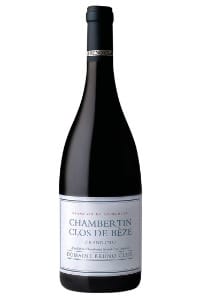
Clos de Bèze Grand Cru – Domaine Bruno Clair 2021 – Pinot Noir, Burgundy
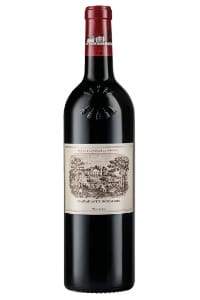
Pauillac AOC Premier Cru Classé – Château Lafite-Rothschild 2021 – Cabernet Franc, Cabernet Sauvignon, Merlot, Bordeaux
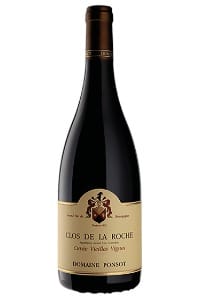
Clos de la Roche AOC Vieilles Vignes Grand Cru – Domaine Ponsot 2013 – Pinot Noir, Burgundy
Best French red wines for sipping on Netflix nights
French red wines aren’t just for collectors; they also offer exceptional value at very accessible prices. Many affordable options boast a beautifully balanced profile, making them versatile enough to pair with a wide range of dishes and enjoyable for everyday sipping.
From the fruit forward Gamay wines of Beaujolais to the sun kissed Grenache blends of the Southern Rhône, these wines prove that great French reds don’t have to come with a steep price tag.
Here are the delicious, budget friendly best French red wines worth discovering:
- Les Hauts des Coteaux Châteauneuf-du-Pape – Cellier des Princes 2019 – Rhône Valley, France
Rating: 5/5
Tasting notes: Soft and silky tannins, aromas of vanilla, toasted notes and liquorice. - Côte de Beaune-Villages AOC – Louis Jadot 2023 – Burgundy, France
Rating: 5/5
Tasting notes: balanced and rich, with soft tannins and an enchanting bouquet of red and black fruits with spicy nuances. - Bourgeois Exceptionnel Haut-Médoc AOC – Château Malescasse 2021 – Bordeaux, France
Rating: 4.9/5
Tasting notes: inviting notes of strawberry, liquorice and blackcurrant, with a silky texture and a long finish. - Lalande de Pomerol AOC – Château Siaurac 2021 – Bordeaux, France
Rating: 4.9/5
Tasting notes: refined balance between fruits, smooth tannins and elegant aromas of sweet spices and ripe berries.
5 Best French white wines to savour
Most of the world’s well known white wines originated from France, including crisp Chardonnays and fruity Viognier. The common characteristics of French whites are freshness, floral notes and underlying citrus notes.
Here are 3 of the best French white wines to enjoy in 2026, as pronounced by experts.
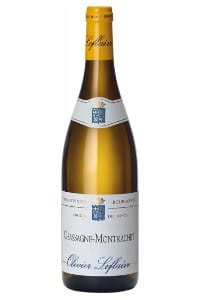
Chassagne-Montrachet AOC – Olivier Leflaive 2023 – Burgundy, Chardonnay
ABV: 13.0%
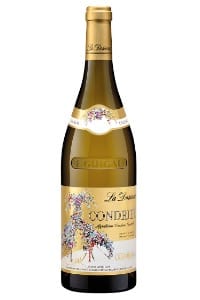
La Doriane – E. Guigal 2023 – Condrieu, Rhône Valley, Viognier
ABV: 14.5%
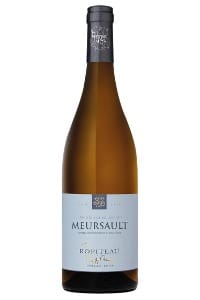
Meursault AOC Blanc – Ropiteau Frères 2024 – Burgundy, Chardonnay
ABV: 13.0%
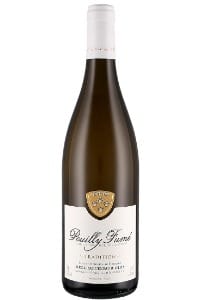
Pouilly-Fume Tradition – Domaine Serge Dagueneau & Filles 2024 – Loire Valley, Sauvignon Blanc
ABV: 12.5%
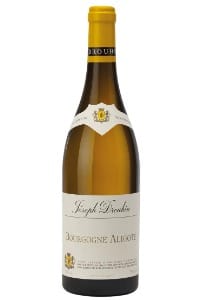
Bourgogne Aligoté – Joseph Drouhin 2024 – Burgundy, Aligoté
ABV: 12.0%
French sparkling and fizzy wines worth discovering
While Champagne is the most popular French sparkling wine, there are other brilliant options known for their elegance and fine bubbles that are perfect for celebrations and desserts. French bubbly wines are typically produced with the méthode traditionelle and they are often labelled Crémant in regions outside of Champagne. Crémant d’Alsace tends to be fruity and crisp, while Crémant de Loire is known for its fresh, floral notes. Here are 5 of our top French fizzy wine recommendations:
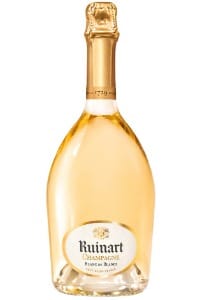
Brut Blanc de Blancs – Ruinart – Champagne, Chardonnay
ABV: 12.5%
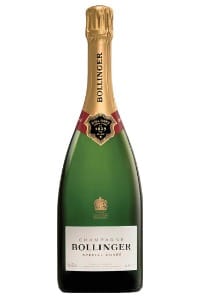
Brut Special Cuvée – Champagne Bollinger – Champagne, Chardonnay, Pinot Meunier, Pinot Noir
ABV: 12.0%
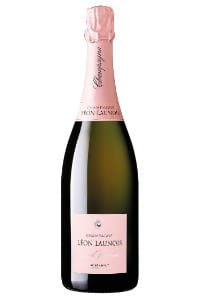
Cuvée Réservée Rosé Brut – Léon Launois – Champagne, Chardonnay, Pinot Noir, Pinot Meunier
ABV: 12.0%
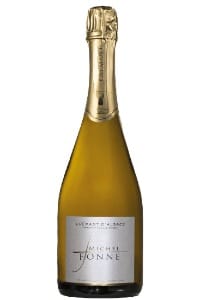
Crémant d’Alsace Cuvée Premium – Michel Fonné – Alsace, Pinot Noir
ABV: 12.5%
Sweet French wines that make dessert optional
Sweet French wine comes from renowned regions like Languedoc-Roussillon, Loire Valley and Bordeaux, featuring key grapes such as Grenache, Syrah, Carignan and Cabernet Franc. Influenced by diverse terroirs and traditional winemaking, these wines can be enjoyed on their own or paired beautifully with desserts or strong cheeses.
Curiosity: France is also home to some of thebest semi sweet red wines, with standout examples like Cabernet d’Anjou from the Loire Valley and Banyuls Rimage from Languedoc-Roussillon, perfect for pairing with desserts or strong cheeses.
Below is a selection of French sweet red wine recommendations to explore:
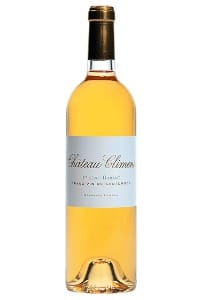
Barsac AOC Premier Cru Classé – Château Climens 2016 – Bordeaux
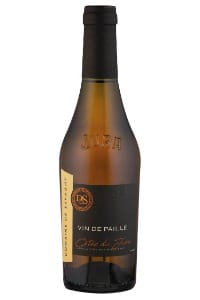
Vin de Paille – Domaine de Savagny 2019 – Jura
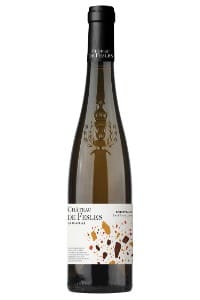
La Chapelle – Château de Fésles 2015 – Loire Valley
Understanding French wine designations and appellations
French wine designations are the primary system for controlling the quality, winemaking processes and geographical locations of the country’s wines. There are three wine appellations in France:
- Appellation d’Origine Contrôlée (AOC): its strict rules control every step of winemaking in France, from vineyard planting and production processes to what varieties can be bottled.
- Indication Géographique Protégée (IGP): also referred to as ‘Vin de Pays’ or ‘French country wine’, this designation has more flexible rules, leading to a wider variation in wine quality.
- Vin de France: simply referring to wines that are from France, there are lower standards associated with this labelling system and the origin of wines is not guaranteed, but don’t let this fool you, as some bottles are great.
How does the AOC classification describe wines?
AOC wines could be regional, sub regional or localised, depending on the characteristics of the grapes. Let’s break it down.
- Regional AOCs refer to an entire wine producing region; it is the broadest classification. Notable examples are the Bordeaux AOC and Bourgogne AOC in Burgundy.
- Sub regional AOC is an area of focus within a broader wine region. It is often associated with a specific winemaking style or terroir.
Notable examples include Chablis, within Burgundy and Médoc, within Bordeaux. - Village or Commune AOC: this simply describes localised appellations that are related to a village that is known for the distinct character of its wines. It covers only a few kilometres.
Notable examples are Pauillac (within Médoc) and Côtes d’Auxerre (within Chablis). - ‘Cru’ or ‘Classified Growth’ is applied to vineyards or estates within a sub region that consistently produce high quality wines. Notable examples include the Montrachet Cru in Burgundy and the Fleurie Cru in Beaujolais.
- Grand Cru vineyards are the most prestigious, famed for their elite wines.
Notable examples are Grand Cru Classé in Bordeaux and Burgundy’s Grand Cru. - Premier Cru vineyards also produce high quality wines, but they are slightly below the level of the ‘Grand Cru’. A notable example is Chablis Premier Cru Montée de Tonnerre in Burgundy
Wine trivia: the Appellation d’Origine Contrôlée (AOC) system marked the beginning of structured wine classification in France.
To provide you with a better understanding of these wine designation systems, here is a comparison of the IGP and AOC classifications of French wines.
| Criteria | IGP | AOC |
|---|---|---|
| Quality Guarantee | Controlled, with flexible rules. | Controlled, strict rules and guaranteed quality |
| Certification Process | Define the geographical area, grape varieties and production methods. | Producers must obey strict rules regarding terroir, grape varieties, yields and winemaking techniques. |
| Wine Seal | Indicates the wine’s link to a specific region. | Signifies that the wine is from regional identity, quality and authenticity. |
| Production Requirements | Geographical link, production methods and grape varieties | Geographical origin, production methods, grape varieties, yield, vinification and terroir. |
| Example | IGP Pays d’Oc | Burgundy |
| Notable Wine | Rêveur Grande Réserve Boise Pays d’Oc IGP Chardonnay 2025 | Domaine de Vauroux Chablis Premier Cru Montée de Tonnerre AOC 2023 |
Classic French wine and food pairings for every palate
French wines, as diversified as they are in style and tasting notes, can be paired with a range of traditional and versatile options. Below are some of our top French wine pairing recommendations for the most popular wine types, ranging from reds and whites to sparkling options.
| Wine Type | Region | Ideal Food Pairings |
|---|---|---|
| Cabernet Sauvignon | Bordeaux | Ribeye steak, aged cheddar, pepperoni pizza |
| Chablis | Burgundy | Shucked oysters, salads with citrus vinaigrettes, snails in garlic butter |
| Pinot Noir | Champagne | Roasted Peking duck, wild mushrooms, barbecue chicken |
| Condrieu | Rhône Valley | Grilled turbot, veal fillet, mango chutney, Brie |
| Sauvignon Blanc | Loire Valley | Risotto ai funghi porcini, Asiago, roasted vegetables |
| Merlot | Languedoc-Roussillon | Pork roast, spaghetti with meat sauce, cheeseburgers, Gouda |
| Bordeaux | Bordeaux | Beef stew, grilled zucchini, boeuf de Bazas |
| Pinot Gris | Alsace | Fish and chips, vegetable salad, ceviche, fresh sushi |
| Grenache | Rhône Valley | Slow cooked pork shoulder, vegetable stew, goulash |
| Champagne | Champagne | Smoked salmon, strawberries dipped in chocolate, waffles with bacon and maple syrup |
Understanding French wine labels and common terms
French wine labels are written with a focus on regions instead of grape varieties. This is due to the presence of over 200 unique grape varieties in France and even more wine blends made from different grape varieties.
Some of the core glossary terms you may find on famous French wine labels include:
- Blanc de Blancs: white sparkling wines made from white grapes only.
- Blanc de Noirs: white sparkling wines produced from 100% black grapes such as Merlot and Pinot Noir.
- Biologique: referring to organically produced wines.
- Brut: a dry style of sparkling wine
- Chȃteau: a French vineyard estate or winery (especially in Bordeaux).
- Cépage: the grape varieties present in wine.
- Clos: a walled vineyard, like the ones commonly seen in Burgundy
- Côtes: vineyards located on the slopes or hills along a river, for instance, Côtes du Rhône.
- Coteaux: a wine region known for its vineyards situated on slopes or hillsides (e.g, Coteaux du Layon)
- Cru: one or more unique, high quality vineyards
- Cuvée: refers to a type or batch of wine.
- Demi-Sec: lightly sweet, off dry wine
- Domaine: a winery estate that owns its vineyards.
- Doux: sweet wine
- Élevé en fûts de chêne: aged in oak barrels.
- Encépagement: the proportion of grape varieties planted in a vineyard.
- Grand Cru: ‘great growth’; the highest classification for vineyards in Burgundy and Champagne.
- Grand Vin: indicates a winery’s best or first label wine.
- Millésime: vintage year; commonly seen on Champagne labels.
- Mis en bouteille au chȃteau/domaine: wine that is bottled at the winery.
- Moelleux: sweet wine
- Mousseux: sparkling wine
- Non-filtré: unfiltered wine.
- Pétillant: slightly sparkling wine
- Premier Cru (1er Cru): ‘first growth’; used to describe high quality vineyards that are a tier below Grand Cru.
- Propriétaire: the owner of a winery or estate.
- Sec: dry wine, i.e., not sweet
- Supérieur: a wine with stricter alcohol and ageing standards than the regular AOC wines, e.g., Bordeaux Supérieur.
- Sur Lie: wine aged on dead yeast cells (lees)
- Vendage à la main: harvested by hand.
- Vielles Vignes: old vines (30 years or older) that produce more concentrated grapes.
- Vignoble: vineyard
- Vin Doux Naturel (VDN): naturally sweet and fortified wine where the fermentation is stopped by the addition of alcohol.
FAQs Best French wines
What is special about French oak wine barrels?
French oak for making wine barrels is more desirable and exclusive because it can only be harvested from five specific forests. This unique wood has a tight grain structure and high tannins that seep into the ageing wine, improving its tasting notes and flavour profile greatly.
How to tell a good French wine?
The AOC label is one of the most telling characteristics of what is a good French wine and what is not, as it indicates strict standards of production. Also, look out for the vintage and characteristics of the wine itself, alongside quality indicators like ‘Cru’ on the label. And while price isn’t everything, well reviewed wines from established regions like Bordeaux, Burgundy or the Rhône often stand the test of time both in the glass and the cellar.
What are the famous French wine regions or districts on the map?
The most influential areas on the French wine regions map are Bordeaux, Burgundy, the Loire Valley, the Rhône, Alsace, Champagne and Languedoc-Roussillon. These French wine districts are well known for producing very distinctive wine styles, from bubbly champagne to the more structured red blends of Bordeaux.
What is an example of French fizzy wine?
Champagne is the most commonly known example of French fizzy wine, a sparkling wine produced in the region with the same name, using the “Méthode Champenoise”. Other French sparkling wines, such as Cremant, Clairette de Die and Blanquette de Limoux, offer refreshing twists of styles and flavours.
How many types of French wine are there?
There are different types of French wine, like red wines, sparkling, white, rosé and dessert wines. There are over 200 grape varieties that are bottled to produce wines in France and some may be incorporated into blends like the famous Bordeaux red blends. Have a look at “The major types of French wine grape varieties” to gain more information about the types and their taste profiles.
Where can I find the best French wines?
Check out our ranked lists of the best French wines, handpicked by sommeliers after much testing, to find the top expressions from France’s vineyards in 2026. Add Wines Curated to your bookmarks and check back in regularly to discover the best wines all over the world, wine accessories and expert reviews.
Do French wines have sulphites?
Yes, French wines may contain sulphites, as sulphur dioxide is a natural byproduct of the fermentation of grapes. Some winemakers also add them during the production process to preserve the wines and prevent spoilage. Organic French wine producers limit their added sulphites and some choose not to add any; their sulphite free wines are typically labelled ‘no added sulphites’.
What are the best years for French wine?
There are several best years for French wine, depending on the specific region and grape variety. For instance, 1961 Bordeaux was an exceptional vintage, while 2016 was considered an outstanding year for Médoc. Generally, some of the exceptional French wine vintages include 2000, 20005, 2010 and 2019.
How can I buy French wines online?
To buy French wines online, search for vineyards and online stores that sell French wine varieties and deliver to your location. As a general rule of thumb, search for wine recommendations and expert reviews on sites like Wines Curated to give you a head start and help you navigate the purchasing process.
