

10 best dry white wines: picks and trends to watch in 2026
Did you know most of the white wines we drink are actually dry? Explore zesty citrus bursts and crisp mineral notes with our guide. We’ll help you discover perfect food pairings for expertly rated bottles, from 4.6/5 to 5/5. Our ace pick: Pierre Girardin Corton-Charlemagne Grand Cru La Croix 2021.

Delightful dry white wine brands you’ll love
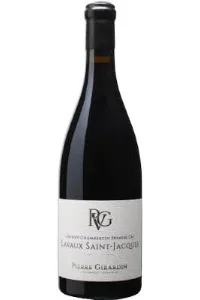
Corton-Charlemagne Grand Cru La Croix – Pierre Girardin 2021
Burgundy, France
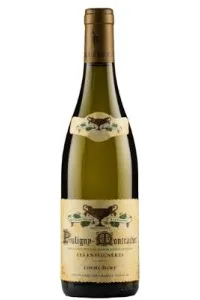
Bourgogne Aligoté – Coche-Dury 2021
Burgundy, France
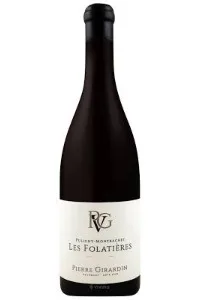
Puligny-Montrachet Premier Cru Les Folatièrs – Pierre Girardin 2023
Burgundy, France
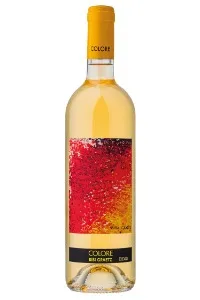
Bianco Colore – Bibi Graetz 2022
Tuscany, Italy
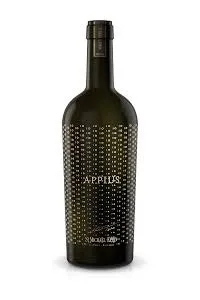
Appius – St. Michael Eppan 2020
South Tyrol, Italy
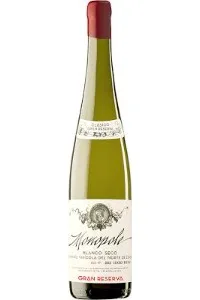
Monopole Clásico Blanco Gran Reserva – CVNE 2017
Rioja, Spain
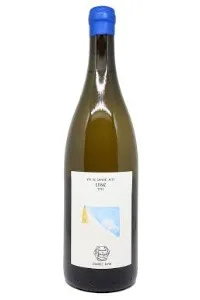
Blanc Le Feu – Domaine du Gringet 2022
Savoy, France
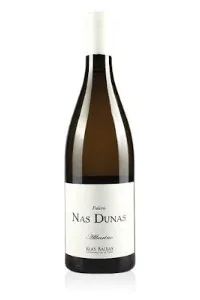
Nas Dunas Albariño – Bodegas Fulcro 2022
Galicia, Spain
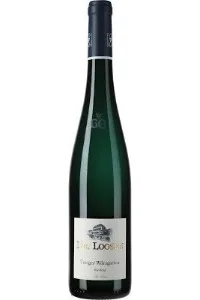
Ürziger Würzgarten Riesling Dry Alte Reben Grosses Gewach – Dr Loosen 2023
Mosel, Germany
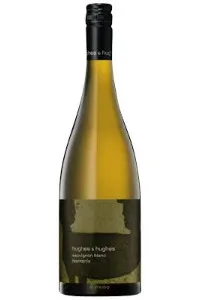
Hughes & Hughes Sauvignon Blanc – Mewstone Wines 2021
Tasmania, Australia
These 10 dry white wine recommendations have been chosen for perfect balance and authentic regional character. It takes you from the dry white Burgundy wines of France to Australia’s vibrant Sauvignon Blancs, through Spain’s mineral Albariño and onto Germany’s precise Rieslings.
Pierre Girardin Corton-Charlemagne Grand Cru La Croix 2021 sits at the very top of this month’s list, rated 5/5 by our experts and priced at £427. This is a structured and elegant Chardonnay from Burgundy. It is highly terroir expressive, with a mineral intensity and saline finish that keeps you coming back for more.
But what makes a dry white wine stand out?
- Balance: the harmony between acidity, alcohol and fruit.
- Typicity: how well the wine expresses its grape variety and origin.
- Complexity: the depth and evolution of flavours.
- Finish: the length and pleasing persistence of taste.
Must Know: A good dry white wine should show tension on the palate, meaning a precise and linear acidity that carries the wine through from attack to finish. It should avoid excess oak or residual sugar and maintain clarity in aroma and texture.
Professional critics such as Robert Parker use the TWA rating system (a 50-100 scale) to evaluate these characteristics, rewarding wines that showcase both technical excellence and terroir.
What is a dry white wine and how is it made?
- Dry White Wine
A dry white wine is any white wine that contains very little to no residual sugar, meaning that it is not sweet to the taste. It typically tastes crisp, refreshing and aromatic with high acidity and mineral notes. Common dry white wine varieties include Pinot Grigio, Sauvignon Blanc, Chardonnay and Albariño.
Dry white wine refers to any white wine with less than 4 grams per litre (4 g/L) of residual sugar, resulting in a crisp and refreshing wine style rather than a sweet mouthfeel. The term “dry” indicates that most of the grape’s natural sugars have been converted into alcohol, by yeast during fermentation, allowing a bright acidity to develop.
Dry white wine production involves a series of deliberate choices that shape the final character in the glass. Let’s see in detail how dry white wines are made.
- Stainless steel fermentation occurs in cooler temperatures (12-22°C) preserves the wine’s purity, keeping it fresh and vibrant with bright fruity flavours like citrus and apple.
- Oak barrel fermentation/ageing: introduces layers of richness adding delicious vanilla and spice notes while creating a creamy texture.
- Malolactic fermentation (MLF) is carried out in some cases to soften the wine’s sharp acidity and introduce smooth buttery flavors.
- Lees ageing: the secret behind those irresistible brioche like aromas. It imparts a luxurious texture and complex aromas.
- Skin contact (short maceration): elevates aromatic complexity through a brief mixing of skin and juice, unlocking floral accents and earthy tones.
Understanding dry white wine by body and texture
In wine, the term body refers to the weight and fullness a wine creates on the palate. It shapes how it feels as you drink: some offer a light, crisp sensation while others are fuller, richer and more layered.
The body is influenced by factors like the grape variety, the temperature during fermentation, alcohol level, ageing technique (oak vs steel) and climate. Understanding body and texture helps predict how a wine will behave alongside food, how it will age and the sensory experience it will deliver in the glass. Let’s see together how the difference in body shape the wine’s final taste:
| Body Type | Dry White Wine Top Picks | Grape Varieties | Structure & Flavor |
|---|---|---|---|
| Light bodied | Sanct Valentin Sauvignon – St. Micheal Eppan 2024 – South Tyrol, Italy | Sauvignon Blanc | Light bodied, crisp acidity, aromas of yellow fruit. |
| Medium bodied | Chardonnay – Sabaudo 2022 – Piedmont, Italy | Chardonnay | Medium bodied, zesty acidity, notes of ripe tropical fruit, creamy, lingering finish |
| Full bodied | Ex Voto Blanc – E. Guigal 2019 – Rhône Valley, France | Marsanne | Full bodied, round and enveloping, distinct aromas of white flowers, persistent finish. |
Light bodied dry white wine
Light bodied dry white wine is fresh and delicate, with crisp acidity and a clean, refreshing finish. It typically features notes of citrus, green apple and white flowers, making it ideal for light meals, salads, seafood or as an aperitif. These wines are perfect when you fancy something subtle, easy drinking and elegant.
Try a classic: Santenay AOC – Olivier Leflaive 2019 (France)
Light bodied and refreshing, with moderate acidity and delicate notes of citrus, ripe white fruit and hints of oak.
Medium bodied dry white wine
Medium bodied dry white wine balances richness and freshness with vibrant acidity and a rounded mouthfeel. Flavours include apple, pear, citrus and subtle oak or minerality. Versatile with food, great with roasted chicken, creamy pasta or grilled veggies, medium bodied dry white wines are structured yet refreshing.
Try a classic: Sauvignon Blanc – Cloudy Bay 2025 (New Zealand)
Expressive aromas of white peach, elderflower, freshly squeezed lemon and lime on the nose give way to a medium bodied palate with fresh acidity.
Full bodied dry white wine
Full bodied dry white wine offers rich, intense flavors with a powerful, velvety texture. Think ripe peach, tropical fruit, vanilla and toasted oak balanced by firm acidity. These wines pair beautifully with lobster, roasted pork or creamy risottos. Bold yet refined, they deliver depth and a long, luxurious finish
Try a classic: Veliko Belo – Movia 2022 (Slovenia)
Creamy, full bodied and saline, featuring high acidity and notes of roasted nuts, butter, vanilla, lemon zest and marzipan.
White wine dry scale made simple
Knowing where a wine falls on the white wine dry scale can help you anticipate its taste and balance. This scale measures the amount of residual sugar left in the wine after fermentation. The less sugar, the drier the wine!
Here’s a breakdown of the white wine dryness scale levels:
- Bone dry white wine: is the driest white wine category, searingly crisp and linear.
- Semi dry white wine: is lightly sweet but still fresh and balanced.
- Dry white wine: still a crisp dry white wine but with slightly softened edges.
- Off dry white wine: presents a subtle sweetness while still retaining some residual acidity.
Note: If you are trying to understand which white wine is dry, keep in mind that most quality labels fall in the bone dry to the off dry range. However, perception also depends much also on acidity, alcohol and fruit character: a wine can feel drier or sweeter than it is analytically!
Here are some examples of dry white wine according to the dryness scale:
| Dry white wine scale | Dry White Wine Top Picks | Tasting Notes | Common Varietals | Residual Sugar (g/L) |
|---|---|---|---|---|
| Bone Dry | Chablis – Domaine de Vauroux 2023 – Burgundy, France | Fresh and linear, offering crisp acidity, pronounced minerality and notes of green apple, lemon zest and white peach. | Chablis, Sancerre | 0-1 |
| Dry | Pinot Grigio – Schiopetto 2024 – Friuli-Venezia Giulia, Italy | Medium bodied, silky and savoury, displaying bright acidity and aromas of pear, peach stone and citrus blossom. | Chardonnay, Pinot Grigio | 1-4 |
| Semi Dry | Riesling – Dönnhoff 2022 – Nahe, Germany | Light and silky, characterised by mouth watering acidity and aromas of green apple, citrus, peach and a long, refreshing finish. | Pinot Blanc, Riesling | 4-12 |
| Off Dry | Gewürztraminer Grand Cru Schoenenbourg – Hunawihr 2020 | Rich and full bodied, offering a velvety texture with prominent aromas of lychee, rose petal, mango and exotic spices. | Riesling, Gewürztraminer | 12-30 |
What are the dry white wine food pairings?
The secret to dry white wine food pairing lies in creating balance. The wine’s body determines its ideal culinary match. Light bodied whites shine with delicate dishes like oysters, sushi or summer salads, while fuller styles stand up to richer flavours like roasted poultry, creamy pasta or soft cheeses.
Our top food pairings for dry white wines by type include:
- Sauvignon Blanc: goat cheese, seafood, vegetables and white meats
- Chardonnay: rich seafood, poultry, creamy dishes, mild or nutty cheeses
- Pinot Grigio: raw fish, salads, white meats, light pasta, soft cheeses
- Riesling: spicy and intense dishes, seafood & raw fish, tangy soft cheeses
To get the most out of every pairing, start by choosing from the best dry white wines for drinking below, those that match both your palate and your plate!
| Dry White Wine Food Pairing | Best Dry White Wine | Varietal | Type & Structure |
|---|---|---|---|
| Raw oysters, linguine with clams, goat cheese, spring vegetables, herb roasted chicken | Ringberg Vigna Castel Sauvignon – Elena Walch 2024 – South Tyrol, Italy | Sauvignon Blanc | Medium body, racy acidity, inviting bouquet of flowers and exotic fruit. |
| Chicken piccata, moules frites, butternut squash, Brie, Gruyère | Ampelio Chardonnay – Fontanafredda 2024 – Piedmont, Italy | Chardonnay | Full body, saline, fresh fruit and floral hints with smoky accents. |
| Grilled shrimp, risotto primavera, fresh green salads, lemon & herb grilled chicken | San Angelo Pinot Grigio – Banfi 2024 – Tuscany, Italy | Pinot Grigio | Light body, lively acidity, marked minerality, dry, fruity finish. |
| Som Tum, sushi, pork schnitzel, goat cheese, Tempura, pasta with chili-carrot sauce | Riesling Trocken – Dr Fischer 2024 – Mosel, Germany | Riesling | Light body, fresh, mineral, hints of yellow flowers and tropical fruits. |
| Baked white fish with lemon butter sauce, veal, creamy polenta, poached pears with almonds | Esprit de Crès Ricards – Crès-Ricards 2021 – Occitania, France | Marsanne | Medium body, rich and soft, aromas of tropical fruit, long finish. |
| Oysters with mignonette, grilled seabass, spaghetti alle vongole, mozzarella di bufala | Etichetta Nera Vermentino – Lunae 2025 – Liguria, Italy | Vermentino | Medium body, savoury, spicy, persistent finish. |
Dry white wine types: how the grape shapes the glass
Dry white wine types are remarkably diverse, all while maintaining the essential characteristic of minimal residual sugar.
The grapes directly influence dry white wine’s key flavours, acidity and structure. The most important dry white wine grapes include:
- Sauvignon Blanc: used also in other wine styles, often delivers zesty citrus green apple and herbal notes that shine in crisp wines.
- Chardonnay is highly adaptable and capable of producing wines that range from taut and mineral to plush and creamy, according to the winemaking technique.
- Pinot Grigio: used to make dry light bodied wines with a clear profile and refreshing flavours.
- Riesling is priced for its natural high acidity and for its layered expressions of citrus, stone fruit and subtle minerality.
- Vermentino is light and saline with a refreshing finish that shows notes of citrus zest and Mediterranean herbs.
- Viognier: adds richness without heavy oak, bringing lush stone fruit and honeysuckle flavours.
- Chenin Blanc is exceptionally versatile and used in wines that balance vibrant acidity with refreshing flavours of grapefruit, quince and apple.
Beyond the types of dry white wine grape itself, the region plays a crucial role: climate, soil type and altitude affect ripeness, acidity and aromatic expression. These combined factors create the broad stylistic range seen among the best dry white wines, even within the same varietal.
Italian dry white wine: from the mountains to the Mediterranean
Italian dry white wine heritage is as diverse as its regions, offering crisp, mineral driven and textured styles. From the alpine freshness of the north to the sun kissed Mediterranean coast, Italian whites balance vibrant acidity with distinctive terroir expression.
Some of the most famous dry white wines from Italy include:
- Pinot Grigio: mainly coming from regions like Friuli and Veneto, is known for its light, crisp and refreshing style.
- Soave, primarily from Veneto, is made mainly from Garganega grapes and offers delicate floral and mineral notes
- Verdicchio, mostly from the Marche region, is valued for its bright acidity and subtle almond hints.
- Falanghina, from the southern region of Campania, brings fresh citrus and herbal aromas and a medium body.
Italy is also famous for dry sparkling white wines, such as:
- Prosecco: one of the most celebrated Italian wines worldwide, is a light and fruity sparkling wine from Veneto made from Glera grapes.
- Franciacorta: a lesser known high quality sparkling wine that fiercely rivals Champagne thanks to the winemaking technique using the traditional method.
Fun fact: Italy’s winemakers are quietly divided about oak in white wines. While traditionalists swear by stainless steel to preserve vibrant fruit (think crisp Pinot Grigio) modernists use barrels for richer textures.
Dry French white wine: the classics from north to south
While France’s reds often dominate conversations, dry French white wine is equally legendary offering a masterclass in terroir expression. Here some of the top dry white wines from France:
- Chablis (Burgundy wine region): pure Chardonnay with flinty minerality.
- Sancerre (Loire): Sauvignon Blanc at its most sophisticated.
- Pouilly-Fumé (Loire): smoky, gunflint expressions of Sauvignon Blanc.
- White Bordeaux: often blends of Sémillon/Sauvignon Blanc with waxy texture.
- Alsace Riesling (Dry styles): powerful and richly aromatic.
- White Burgundy (Côte de Beaune): benchmark oaked Chardonnay.
Popular French dry sparkling wines include:
- Champagne: the world famous traditional method sparkling wine made primarily from Chardonnay, Pinot Noir and Pinot Meunier.
- Crémant: traditional method sparkling wines produced in several French regions, offering excellent quality at a generally more accessible price.
What is the dry white wine price spectrum?
Beyond their immediate pleasure, dry white wines span a wide price spectrum from £15 for weekday bottles to rare, age worthy icons that can command several thousand pounds per bottle.
But what drives the dry white wine price? Especially at the high end, several key factors come into play:
- Ageing potential: premium dry white wines that continue to evolve over the vourse of 10-50 years are highly sought after by collectors, which drives up their prices.
- The limited production of some high end dry white wines, with bottlings kept under 500 cases per year at times, leads to increased rarity and value placed on the wine.
- Historic terroir: dry white wines from renowned vineyard sites, such as Grand Cru or single vineyard sites in France and Italy tend to be the most expensive. This is due to their high quality, critical acclaim and luxury tag.
- Investment performance: dry white wines with a consistent history of performing well at auctions are considered as blue chip assets by collectors.
And while casual drinkers often look for dry whites that are enjoyable now, collectors are willing to embrace a higher dry white wine cost for reasons that go beyond taste:
- Many top releases sell out within hours.
- Each bottle carries the narrative of its vineyard, vintage and winemaker.
- Unlike art or watches, they offer the unique pleasure of being both collectable and consumable.
→ Our top collector’s pick: Domaine Jacques-Prieur Corton-Charlemagne Grand Cru 2022, a rare, 5 star Chardonnay white wine with outstanding structure, depth and cellaring potential.
What is the perfect serving temperature for dry white wine?
The ideal dry white wine serving temperature varies based on body, structure, and winemaking style. For most of them, 10°C is the perfect temp. But not all dry whites are the same!
Small adjustments can significantly enhance their expression:
- Dry crisp white wine (Sauvignon Blanc, Albariño): 6-8°C.
- Medium bodied styles (Pinot Grigio, Chardonnay): 8-10°C.
- Barrel aged dry whites (White Burgundy, Semillon): 10-12°C.
Serving temperature interacts with other technical traits like alcohol content (ABV), acidity and residual sugar, all of which affect mouthfeel and perception of balance.
Below is a table featuring prominent names of dry white wine and their key characteristics.
| Best Dry White Wine | Tannin / Acidity | Serving Temp | Ageing Potential |
|---|---|---|---|
| Puntay Sauvignon – Erste Neue 2023 – South Tyrol, Italy ABV 14% | Low tannin, high acidity | 10-12°C | 3-5 years |
| Riesling Trocken – Robert Weil 2023 – Rheingau, Germany ABV 12% | No tannin, very high acidity | 10-12°C | 15-25+ years |
| Montée de Tonnerre Chablis Premier Cru – Domaine de Vauroux 2023 – Burgundy, France ABV 13% | Low tannin, medium high acidity | 10-12°C | 8-12 years |
| Joseph Gewürztraminer – Hofstätter 2025 – South Tyrol, ItalyABV 14.5% | No tannin, medium acidity | 12-14°C | 7-10 years |
How to correctly store and preserve a bottle of dry white wine?
Proper storage preserves the freshness, acidity and ageing potential of dry white wines. Follow these guidelines on how to store and keep dry white wine:
- Store at a steady 7-12°C.
- Lay bottles horizontally to keep corks moist.
- Protect from direct sunlight and bright artificial light.
- Avoid sudden temperature changes.
- Reseal and refrigerate promptly after opening.
- Consume opened bottles within 3 to 5 days.
Note: while casual drinkers can store dry white wines in a cool, dark spot and consume within months, collectors require controlled environments to preserve ageing potential over years or decades.
A beginner’s guide to dry white wine
If you’re wondering what white wine is considered dry naturally, look for varieties like Sauvignon Blanc, Pinot Grigio and unoaked Chardonnay, which typically have minimal residual sugar and bright acidity. Start by identifying your taste preference: do you like crisp and refreshing or rich and creamy? Also, check the wine’s region: cooler climates yield higher acidity, warmer climates bring rounder fruit flavours!
Here are 4 fundamental tips for choosing the best dry white wines for drinking:
- Start with lighter bodied wines.
- Match the wine weight to your food.
- Try wines from cooler regions for higher freshness.
- Explore different dry white wine vintages.
Bonus tip: check out these 10 questions about wine all beginners have but are afraid to ask. Don’t forget: learning about wine is all about curiosity, not perfection.
How we rate dry white wines
Every dry white wine that earns a place on our list has been tasted and scored by our editorial team independently, with no exception. We are deliberate in our selections and we rarely recommend bottles that fall below 4.6 out of 5. You can be sure that every bottle that makes the cut has earned its place on merit alone.
To start with, we work with a 50 point scoring system, which we then convert into the simple 5 point scale for you:
- 5 = Exceptional
- 4 = Excellent
- 3 = Very Good
- 2 = Good
- 1 = Fair
What actually goes into the score?
- Appearance (up to 5 points): we start by assessing clarity, depth of colour and brightness to get the first clues about what’s coming.
- Aroma & bouquet (up to 15 points): next, we evaluate the intensity, layered complexity and flaw free nose of the dry white wine.
- Flavour & palate (up to 20 points): acidity, tannin, alcohol and mouthfeel are some of the qualities that we consider here. They need to be balanced and harmonious.
- Overall impression (up to 10 points): how does it all come together? We’re looking at the harmony, typicity and the length of the finish.
Bottles that received scores of 4 and above signal something genuinely worth seeking out. Anything below 4 failed to impress us.
We also hold every dry white wine to two additional standards:
- Visual clarity: high quality dry white wines are typically pale straw, lemon or green tinged in hue, characteristics that suggest youth and high acidity. Dry white wines with deeper gold colours may be from older vintages, warmer climates or were oak aged.
- Balance: the best dry white wines harmonise high, bright acidity with fruit flavours and alcohol, without a flabby or harsh profile.
One last note from our team: numbers are useful, but they only reflect our palates, tasting conditions and honest opinions about a given bottle, nothing more, nothing less. The tasting notes are where the real picture lives and we’d always encourage you to read those first to help you find a wine you will truly love.
FAQs on Dry white wine
Which white wine is dry?
Dry white wines are wines with little to no residual sugar. Popular naturally dry white wines include Sauvignon Blanc, Pinot Grigio, Chardonnay, Albariño, as well as our semi dry white wine recommendations: Riesling and Chenin Blanc. These wines are crisp, refreshing and food friendly, ideal for pairing with seafood, vegetables or light pasta dishes.
Which white is drier, Sauvignon Blanc or Pinot Grigio?
Both Sauvignon Blanc and Pinot Grigio are typically dry, but Sauvignon Blanc is generally considered slightly drier due to its higher acidity and leaner profile. Pinot Grigio can feel a bit fruitier. However, dryness may vary by region: cooler climates usually produce the driest expressions of both.
Is Chardonnay a dry wine?
Yes, Chardonnay is almost always a dry white wine, especially when fermented to completion with no residual sugar. The dryness level can vary with winemaking style: unoaked versions like Chablis are crisp and mineral, while oaked Chardonnays are richer and creamier. Both styles remain dry unless specifically labelled otherwise.
What type of wine is dry white wine?
Dry white wine refers to white wines with minimal residual sugar, usually under 4 grams per litre. These wines taste crisp rather than sweet. Common types of dry white wine include Sauvignon Blanc, Chardonnay, Pinot Grigio, Albariño and dry Riesling. They range from light and citrusy to full bodied and structured, depending on grape and region.
What is the best dry white wine?
The best dry white wine often depends on your taste, budget and purpose. Some bottles consistently earn top ratings for their complexity, balance and aging potential. A prime example is the La Croix Cotron-Charlemagne Grand Cru 2021 by Pierre Girardin (France), which is rated 5/5 and known for its layered aromas and strong mineral backbone.
What is the driest white wine?
Among common white wines, Pinot Grigio is typically the driest, followed by Sauvignon Blanc, Chardonnay and Albariño. That said, dryness also depends on winemaking techniques and climate. Wines from cooler regions like the Loire Valley or northern Italy tend to have higher acidity and a drier finish.
Do organic dry white wines contain sulphites?
Yes, even organic dry white wines can contain sulphites. Sulphites occur naturally during fermentation and small amounts are often added to preserve freshness and stability. “Organic” means no synthetic pesticides or chemicals but unless labelled “no added sulphites” these wines still contain low levels of them.
Is dry white wine good for you?
Dry white wine, when consumed in moderation, may offer certain health benefits such as lower sugar content and fewer calories compared to sweeter wines. It also contains antioxidants, especially in wines made with minimal intervention. However, like all alcohol, health effects depend on moderation, lifestyle and individual health factors.
Can dry white wine be aged?
Yes, some dry white wines age exceptionally well, particularly those with high acidity and structure. Wines like white Burgundy, dry Riesling, Chenin Blanc and even some Vermentino can evolve beautifully over 10-20+ years but most everyday dry whites are meant to be enjoyed within a few years of release.
How long can dry white wine last once opened?
Once opened, dry white wine can last between 3 and 5 days in the refrigerator when properly sealed. Use a wine stopper or vacuum pump to slow oxidation. Lighter bodied wines like Pinot Grigio fade faster while fuller styles like oaked Chardonnay can hold their structure slightly longer.
How many calories are in dry white wines?
A standard 5 oz glass of dry white wine contains approximately 110-130 calories, depending on alcohol content. Because dry whites have little residual sugar, they’re generally lower in calories than off dry or sweet wines. Wines with lower ABV (around 11-12%) tend to be the most calorie conscious choices.
