

6 Sancerre wine bottles to buy in 2026
Sancerre wine has earned its reputation as one of France’s most celebrated exports. In this guide, we’ll take a look at the best Sancerre wines of 2026 and give tips on how to enjoy this classic. Our top pick: Baron de Ladoucette Comte Lafonde Grande Cuvée 2023, rated 5/5.

Top rated Sancerre wines for 2026
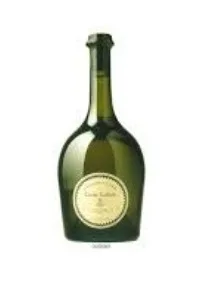
Comte Lafonde Grande Cuvée – Baron de Ladoucette 2023
Loire Valley, France
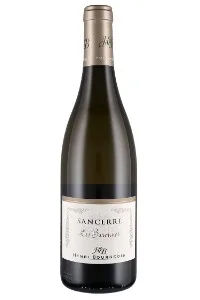
Sancerre Blanc – Henri Bourgeois 2023
Loire Valley, France
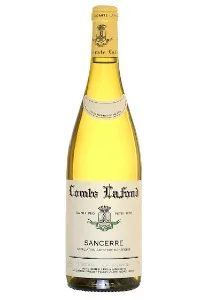
Comte Lafond – Baron de Ladoucette 2025
Loire Valley, France
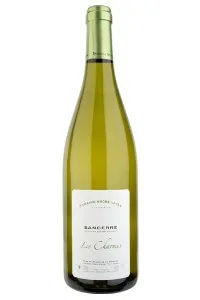
Sancerre Les Charmes – Domaine André Vatan 2024
Loire Valley, France
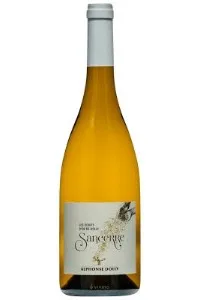
Les Doigts d’Or de Dolly – Alphonse Dolly 202
Loire Valley, France
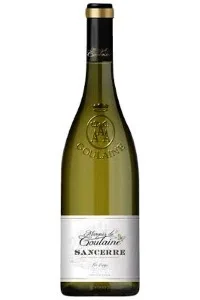
Les Lorys – Marquis de Goulaine 2024
Loire Valley, France
In the list above, you’ll find our current selection for the 6 top rated Sancerre wines, each showing Sancerre’s bright, crisp and mineral elegance along with ratings, tasting notes and standout vintages. Dominating our rankings is Baron de Ladoucette Comte Lafonde Grande Cuvée 2023, rated a stunning 5/5 by our editorial team and priced at £50. This Sancerre is a blend of the best Sauvignon Blanc grapes from the De Ladoucette and Comte Lafonde estates, beloved for its complexity, depth and balance. We update our rankings as winemakers release new bottlings. Be sure to come back regularly so you don’t miss out on new gems!
What does Sancerre taste like?
Sancerre wine tastes crisp, dry and stony with bright citrus – such as lemon and grapefruit – and a mineral edge that sets it apart from most other Sauvignon Blancs. Sancerre’s distinctive character comes down to its terroir as the vineyards grow in soils rich in limestone and clay, which press their signature into every glass.
| Sancerre Wine | Details |
|---|---|
| Grape Variety | 100% Sauvignon Blanc |
| Origin | Sancerre AOC, Loire Valley (France) |
| Serving Temperature | Between 8 and 12°C |
| Decanting | Not necessary |
| Aging Potential | 3 to 8 years |
| Flavor Profile | Citrus, fresh herbs, mineral, floral notes |
| Structure | Light to medium bodied, bright acidity, lively freshness |
| Alcohol Content | 12.5% to 13.5% |
| Ideal Glass | Medium white wine glass or tulip shaped glass |
| Food Pairing | Fresh goat cheese, seafood, salads, grilled fish, light dishes |
| Top Communes | Sancerre, Chavignol, Bué, Saint-Satur |
| Notable Producers | Pascal Jolivet, Domaine Vacheron, Alphonse Mellot, Domaine Henri Bourgeois |
So what makes Sancerre white wine taste so different from all the other Sauvignon Blancs out there? It’s not just the grape, it’s the land! Nestled in the rolling hills of the Loire Valley, Sancerre’s vineyards grow in soils rich in flint, limestone and clay. This unique mix is what gives these wines their fresh and mineral vibe.
Here are the Sancerre wine tasting notes at a glance:
- Citrus fruits: zesty lemon and grapefruit pop right after the first sip.
- Green fruits: crispy green apple and pear bring juicy bursts of flavour.
- Herbaceous hints: there’s a subtle touch of freshly cut grass or herbs in the background.
- Minerality: a chalky, almost stony edge gives the wine a distinct sense of place.
- Floral touches: sometimes you catch white flowers or elderflower in the aroma, which gives it a delicate and soft note.
What is Sancerre wine? How is it made?
- Sancerre Wine
Sancerre wine is a renowned dry white wine made exclusively from Sauvignon Blanc grapes in the eastern Loire Valley of France under strict AOC rules. It is crisply acidic, with high mineral content and citrus flavours, the benchmark for premium Sauvignon Blanc. ABV: 12.5%-13.5%.
Sancerre is a French wine produced in the eastern part of the Loire Valley strictly under the AOC (Appellation d’Origine Contrôlée) Sancerre appellation. Although the most famous Sancerre wine is white, made from 100% Sauvignon Blanc grapes, the appellation also produces high quality rosé and red wines using Pinot Noir grapes. Sancerre’s characteristics are strongly influenced by the cool weather, the mix of soils and the way winemakers handle the grapes.
Let’s see in detail how Sancerre white wine is made (vinification):
- Harvesting and grape selection: vineyard parcels are picked individually when grapes reach optimal ripeness, often by hand. Damaged or underripe berries are removed from the grapes so that only clean clusters reach the press.
- Pressing: most estates use whole cluster pressing (i.e. including stems) to keep bitterness low and the juice clear. A few winemakers add a short, cool skin soak into the process to nudge aromatic notes without roughness.
- Cold settling (débourbage): the juice (must) rests cold for about 12 to 48 hours so grape solids naturally sink. The clear juice is then racked (moved off the sediment) into tanks. A small dose of SO₂ (sulfur dioxide) and inert gas is then inserted into the wine to prevent browning and aroma loss.
- Fermentation: most Sancerre white wine ferments in cool and temperature controlled stainless steel tanks to keep flavours fresh and zesty. Some winemakers use neutral barrels, large casks, concrete or egg shaped tanks for a silkier feel to avoid oak flavours penetrating the wine. Winemakers use cultured yeasts (more reliable) or indigenous yeasts (more vineyard specific) to promote fermentation. Most Sancerre white wine is made without malolactic fermentation (MFL) to preserve its crispiness and acidity, but a few producers have started experimenting with MFL on specific cuvées (for example, Domaine Hippolyte Reverdy’s Cuvée Ortus) to soften the wine, introducing complexity and buttery notes.
- Ageing on lees (élevage): after fermenting, the wine rests on fine lees (the sediment that appears after pressing and during fermentation, consisting, in this case, mainly of yeasts) for weeks or months according to the creaminess and length that the winemaker wishes to give to the wine. Some winemakers might also briefly perform an additional step, which is called bâtonnage, which means stirring the sediment back into the wine for extra silkiness. Others skip it to keep maximum tension and minerality.
- Assembly (by soil and site): Sancerre has three classic soils that shape style: Caillottes (limestone pebbles) give fragrant wines; terres blanches (Kimmeridgian marl) add depth and structure; silex (flint) brings a linear profile with a faint smoky note. Many estates blend parcels, while prestige bottlings may use fermented single soil products.
- Finishing: a light bentonite fining (a natural clay) is added to keep the wine clear, then the wine is chilled so that tartrate crystals (aka wine diamonds) don’t form (cold stabilisation). A gentle filtration is performed to polish the wine.
- Bottling: most Sancerre white wine is bottled within 6 to 12 months to capture freshness.
- Ageing: Sancerre is usually best enjoyed young, but some bottles can hang around 3 to 8 years, which makes them gain extra layers of flavour.
Sancerre’s numbers: winemakers produced around 193,000 hectoliters of Sancerre wine in 2023 and about 70% of it was shipped all over the world!
Good to know: AOC is France’s legal system that guarantees origin and sets rules on the grapes used for wine production. AOC rules also apply outside the wine production to include locally certified food products (think cheese, for example).
Sancerre grapes and types explained
The most famous Sancerre grape is undoubtedly Sauvignon Blanc, a variety that loves cool climates. In fact, over 80% of the Sancerre vineyards are planted with Sauvignon Blanc from which Sancerre white wines are made. The Pinot Noir grape is used to produce red and rosé Sancerres, although it only covers around 15 to 20% of plantings. Let’s see in detail the minority Sancerre wine types:
- Sancerre rosé wine: light and refreshing, rosé Sancerre is crisp and bone dry with berry flavours and floral hints, great for sipping on a sunny day. It is usually the result of direct pressing of Pinot Noir grapes, with fermentation occurring in stainless steel barrels to keep the taste fresh!
- Red Sancerre (Sancerre rouge) are a bit rarer and is light to medium bodied with flavours of cherries, raspberries and a little earthy hint. They’re increasingly sought after and the winemaking process is more delicate compared to the white and rosé Sancerre types: the grapes are destemmed to remove unwanted bitterness and they’re aged in tank or old barrels.
Best Sancerre wine from notable estates
Sancerre has dozens of excellent producers, but a few names consistently establish the standards for clarity, terroir focus and cellaring potential. These famous estates are characterised by meticulous farming techniques and consolidated high quality winemaking, which result in the best Sancerre wine bottlings available on the market:
- Alphonse Mellot: Mellot’s signature winemaking is texture without heaviness. The flagship Edmond (old vine selection) pushes Sancerre into grand vin territory: layered citrus and stone fruit, finespun lees richness and a long limestone finish. These wines shine young but develop more complex aromas if aged 3 to 8 years.
- Domaine Vacheron: run by cousins Jean Laurent and Jean Dominique, Domaine Vacheron is one of the benchmarks for Sancerre white wines. They were one of the first to go fully biodynamic, showing meticulous farming, low yields and growing focus on single vineyard expressions.
- Didier Dagueneau: often called the “Wild Man of Puilly” or “L’Enfant Terrible”, Didier Dagueneau pushed boundaries with organic viticulture, natural fermentations and daring barrel experiments. The estate, located within the Pouilly-Fumé appellation, expanded into Sancerre wines by securing an ultra steep parcel in the famous district of Monts Damnés in Cavignol. Though tiny and measuring just about half a hectare, the chalky limestones of the Sancerre’s parcel produce an immensely powerful, mineral and structured wine.
What influences the Sancerre wine price?
Sancerre can be a very inexpensive wine as well as a prized collector’s treasure. The Sancerre wine price is highly influenced by factors relating to winemaking choices and grape origin. Let’s see in detail the main elements that cause variation in Sancerre wine costs:
- Winemaking style: almost all white Sancerre is made from Sauvignon Blanc, but single vineyard or prestige couvées normally have higher prices due to increased production costs.
- Producer reputation: popular Sancerre brands like Alphonse Mellot or Domaine Vacheron are naturally more expensive due to their age worthy and biodynamic bottlings.
- Terroir: then there’s the soil! Sancerre Sauvignon Blanc Vines planted in limestone wines with that extra mineral punch, but that usually bumps up the cost because rocky sites yield less fruit and demand more handwork, especially during harvesting.
- Vintages: the year of harvesting greatly impacts Sancerre’s prices. Cooler vintages produce leaner wines, while warm and balanced years deliver exceptional concentration and depth. Collectors prize these standout vintages, driving demand and prices higher. Limited availability over time further pushes older vintages up in value, as well as preserved bottles become more valuable each passing year.
Scroll down for some examples of how Sancerre white wine prices can swing depending on style and producer.
Are the most expensive Sancerre wines worth collecting?
Sancerre might not be the first name that comes to mind when thinking of collectable French wines. But here’s the twist: a few producers make Sancerre wines that are considered collection worthy thanks to their ageing potential and complex aromas developing gracefully over time.
Though the Sancerre prices do not reach the ones for classic collectable bottles such as Chardonnay or Bordeaux, collectors can still find bottles with great finesse and exceptional ageing potential from reputable producers.
The current most expensive Sancerre wine in the world is the Edmond Vatan Sancerre Clos la Neore, commanding over £500 per bottle. This wine is highly sought after for its limited production and exceptional aromatic quality.
A walkthrough of the best Sancerre vintage years
Every Sancerre vintage is a bit of a surprise because nature calls the shots: warm and dry summers give riper grapes with higher alcohol and softer flavours, while cooler and rainy years (like, for example, 2011) can result in less intense aromas and sugar, so winemakers have to work harder to keep the wine fresh and balanced.
Below, we’ve put together what we think are three of the best Sancerre vintages to help collectors, sommeliers and fans discover some gems.
| Vintage | Best Sancerre Wines | Tasting Notes | Vintage Characteristic |
|---|---|---|---|
| 2025 | Comte Lafond – Baron de Ladoucette 2025 – Loire Valley, France | Highly expressive and elegant, displaying refined notes of white fruits, green apple, citrus and subtle hints of flint and wild herbs. The sip features high acidity and a subtle honeyed undertone. | Despite a wet summer, careful vineyard management resulted in complex wines with balanced flavours. |
| 2024 | Sancerre Les Charmes – Domaine André Vatan 2024 – Loire Valley, France | Fresh, crisp and mineral driven, offering vibrant citrus aromas along with notes of smoke, green apple and white pear. It is light to medium bodied, with high acidity and a stony finish. | A challenging, low yield year with high mildew pressure. The resulting wines are light, fresh and aromatic, with intense minerality. |
| 2023 | Sancerre Blanc – Henri Bourgeois 2023 – Loire Valley, France | Citrus, pineapple and white fleshed fruit are accompanied by eucalyptus on the nose, followed by a sculpted and structured palate with a persistent mineral finish. | Despite a wet end to the growing season, the wines show good balance, with fresh and vibrant acidity combined with ripe fruit and mineral notes. |
Sancerre wine guide for beginners
Sancerre wine is one of the most approachable options for newcomers to the world of wine, thanks to its high minerality and balanced freshness. It is easy to enjoy, pairs well with a wide variety of dishes and to make things even better, here are three extra tips you’ll love:
- Start with Sancerre white wine bottles as they are more beginner friendly. Most Sancerre wines are meant to be enjoyed young and zippy, so starting with younger bottles (which means typically from 2 to 5 years old) is a smart approach.
- Sancerre loves the company of lighter but savoury dishes that highlight its minerality. Pair with goat cheese, seafood and light vegetable dishes.
- Give it a good chill and let it breathe for a few minutes before serving. This way, the aroma opens up and the sharp edges mellow out just enough.
Sancerre wine glasses: does the shape matter?
Ever poured a great wine into some random glass and then thought, “Why doesn’t it taste as good?” Well, the shape of the glass really does matter in how you smell it and taste the wine: about 80% of what we call “taste” is actually smell. Your nose is doing most of the work!
The ideal Sancerre wine glass is slightly narrow with a tulip shaped bowl. This design sends the wine’s citrus and floral aromas directly to the nose while keeping that zippy acidity and mineral vibe alive. Below is one of the best recommended glass styles and brands for Sancerre wines:
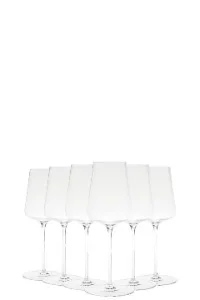
1. Sophienwald White Wine Glasses – Set of 6
The regions behind top rated Sancerre wines
Sancerre is as French as it gets. Like, legally French! Top rated Sancerre wines are strictly controlled by the Appellation d’Origine Protégée (AOP) Sancerre, a stamp that sets precise rules on how they need to be made. The appellation Sancerre sets everything: where the grapes can grow, what grapes you’re allowed to use, how the vineyards are farmed, how the wine’s made and even the quality checks.
the quality checks. And just to clear it up, Sancerre isn’t anywhere in France. It’s only from certain vineyard parcels in the Loire Valley. The specific wine regions for the Sancerre, France, covered by the appellation are:
- Sancerre (the village itself): this is the beating heart of the appellation. The soils are often called terres blanches (chalky clay limestone), giving wines plenty of minerality and that Sancerre “zing”.
- Bué: sitting on a mix of flint, clay and limestone soils, wines here feel lively with citrus floral lift popping out. The southern exposures add ripeness and more roundness if compared to central Sancerre.
- Chavignol: this terroir is defined by its Kummeridgian marl (i.e. chalky clay with fossilised shells). Wines here often balance richness with refined elegance and smoky mineral notes.
- Saint-Satur: located near the Loire River, the vineyards of Saint-Satur are planted on lighter alluvial soils mixed with limestone. This region produces softer fruit flavours of pear with a gentle, earthy undertone.
- Verdigny: the combination of limestone slopes with clay soils yields wines with great aromatic delicacy. You’ll often find delicate flower notes on the nose carried by a persistent bright acidity.
- Ménétréol-sous-Sancerre: this commune is known for its stony, silex rich soils, which translate into sharp, crisp wines with a striking minerality and vibrancy. They are some of the most energetic wines in the Sancerre appellation.
- Crézancy-en-Sancerre: with a mix of lighter soils and favourable exposures, this commune tends to produce more fruity wines that still carry freshness.
Heads up: lots of wines get mistaken for French Sancerre wines, even though they’re not! If you want the real deal, just flip the bottle and look for the official Sancerre AOP on the label. That’s France’s way of saying “yes, this is legit!”.
Sancerre vs Pinot Grigio: two wines, two worlds
White wines can sometimes look the same in the glass, but they all have their own story and origin. One of the most common comparisons is Sancerre vs Pinot Grigio, two popular wines that are actually quite different:
- Sancerre is made from Sauvignon Blanc and has this sharp and zesty acidity with a flinty taste that kind of lingers.
- Pinot Grigio leans another way. It is softer and feels rounder in the mouth, more about easy fruit and less minerality.
Sancerre vs Pinot Grigio at a glance
| Feature | Sancerre | Pinot Grigio |
|---|---|---|
| Grape | Sauvignon Blanc | Pinot Grigio (Pinot Gris) |
| Region | Loire Valley, France | Northern Italy (mainly Veneto, Friuli, Alto Adige) |
| Style | Crisp, structured, terroir driven | Light, easygoing, straightforward |
| Key Aromas | Citrus, green apple, flint, mineral notes | Pear, apple, melon, subtle floral |
| Acidity | High, zesty and sharp | Moderate to high, softer feel |
| Body | Light to medium, with minerality and depth | Light, smooth and refreshing |
| Food Pairing | Goat cheese, shellfish, oysters | Salads, light pasta, grilled vegetables |
We’ve put together a table below that stacks wines similar to Sancerre and explains a little more in detail how they differ in style and origin.
| Wine / Grape | Top Wine | Tasting Notes | Comparison |
|---|---|---|---|
| Sancerre vs Riesling | Gelblack Riesling Trocken – Schloss Johannisberg 2024 – Rheingau, Germany | Pleasantly dry and balanced, with light aromatic hints of sweet citrus and ripe yellow fruit. | Dry to off dry and highly acidic, leans more toward lime, stone fruit and a less herbal character than Sancerre. |
| Sancerre vs White Burgundy | Pouilly-Fuissé – Reine Pédauque – Burgundy, France | Fine and round on the palate, it opens on fresh aromas of white peach and lime, with light hints of oak that lead to a powerful and tonic finish. | Rich and often oak aged, it offers a rounder texture and subtle oak elegance compared to Sancerre. |
| Sancerre vs Chablis | Chablis – Domaine de Vauroux – Burgundy, France | Full, powerful and lively, with a well sculpted minerality and elegant hints of almond, flints and flowers. | Crisp, mineral and flinty flavours resemble Sancerre’s minerality but without the grassy and citrus punch. |
| Sancerre vs Gewürztraminer | Grand Cru Schœnenbourg – Hunawihr 2020 – Alsace, France | The nose opens with notes of tropical fruit, enriched by spicy and mineral notes that lead to an aromatic and spicy palate with a persistent finish. | Aromatic and almost sweet wine with notes of rose and litchies, it is more opulent and buttery than Sancerre. |
Sancerre wine serving temperature and other pouring tips
Sancerre wines’ taste and quality can be easily compromised by simple missteps in handling and serving. Store it wrong or pour it in the wrong glass and suddenly those aromas and flavours just disappear! See a few tips we’ve picked up to make sure your bottle shows its best:
- Store Sancerre somewhere cool and dark (ideally 12°C).
- Chill it before serving, around 10 to 12°C.
- Let it breathe for 10 to 15 minutes if you want the subtle aromas to open up.
- Use a tulip shaped white wine glass because it really helps the nose and the taste.
- Enjoy bottles within 3 to 5 years, although top bottles can handle a little ageing too.
Even a good Sancerre wine can lose its charm if served too cold or in the wrong glass. A little care goes a long way to enjoy all those notes the winemaker worked so hard to get in there!
Great food pairing ideas for Sancerre white wines
Some of the best wine moments happen around the table and Sancerre is a brilliant companion for lots of different dishes. But don’t stop at the obvious! The quality and depth of a good Sancerre wine can surprise you and work with some unexpected foods, too.
Some of our top pairings for Sancerre white wines include:
- White meat & poultry, including roasted chicken with herbs, pork chops and lamb.
- Seafood: fresh oysters, grilled seabream, sashimi.
- Cheeses, like Crottin de Chavignol, Roquefort, Parmigiano-Reggiano and Cheddar.
Here are a few smart Sancerre wine pairing ideas that bring out the best in every bottle and make your meal feel a little more special.
| Sancerre Wine Food Pairing | Best Sancerre Wine | Aged | Type & Structure |
|---|---|---|---|
| Roasted chicken with herbs, lemon scented turkey, pork chops, lamb, duck confit. | Comte Lafonde Grande Cuvée – Baron de Ladoucette 2023 – Loire Valley, France | 1-2 years ABV 12.5% | Dry, fruity, mineral |
| Fresh oysters, mussels, grilled seabream, sashimi, scallops, smoked salmon canapés. | Sancerre Blanc – Henri Bourgeois 2023 – Loire Valley, France | 1-2 years ABV 14% | Sculpted and structured, fruity, dry |
| Crottin de Chavignol, Roquefort, Parmigiano Reggiano, Cheddar, Gouda | Comte Lafond – Baron de Ladoucette 2025 – Loire Valley, France | 1-2 years ABV 12.5% | Refined white fruit notes, high acidity, honey undertones |
| Green salads with citrus vinaigrette, vegetable risotto, stuffed zucchini boats | Sancerre Les Charmes – Domaine André Vatan 2024 – Loire Valley, France | 1-2 years ABV 13% | Fresh, crisp, mineral driven, light to medium bodied |
| Green salads, Thai Noodles, Vietnamese Spring Rolls | Les Doigts d’Or de Dolly – Alphonse Dolly 2023 – Loire Valley, France | 1-2 years ABV 12.5% | Crisp acidity, vibrant minerality, floral |
How we rate Sancerre wines
Our editorial team independently tastes and scores every Sancerre wine that makes its way onto our list, with no labels and no bias. Our recommendations are deliberately strict: we rarely select bottles that fall below 4.6 out of 5. Any bottle that makes the cut has earned its place on merit alone.
We begin with a 50 point scoring system, which we translate into a clean 5 point scale for you:
- 5 = Exceptional
- 4 = Excellent
- 3 = Very Good
- 2 = Good
- 1 = Fair
What actually goes into the score?
- Appearance (up to 5 points): we start by assessing clarity, depth of colour and brightness, the first clues about what’s coming.
- Aroma & bouquet (up to 15 points): we’re looking for intensity, layered complexity and a clean nose that is free of flaws and keeps you coming back for more.
- Flavour & palate (up to 20 points): acidity, alcohol and mouthfeel all need to be balanced and working in harmony.
- Overall impression (up to 10 points): we want a wine with harmony, typicity and a satisfying length of the finish.
Scores of 4 and above signal something genuinely worth seeking out. Anything below 4 didn’t make the cut.
We also consider three additional criteria while assessing Sancerre wines:
- Appearance: a good Sancerre wine is bright, pale yellow in colour with green hints that indicate youth and high acidity.
- Structure and texture: we look for intense, focused aromas of white fruit and mineral, rather than overtly fruity ones. A crisp, clean and refreshing texture should be present, rather than something soft and creamy.
- Terroir expression: although Sancerre wines are generally consistently tasting, bottles from renowned villages like Chavignol or Bué can be more complex and structured. We make sure to compare the bottles we rate against their regional benchmarks, so our scores remain context appropriate.
One last thing from us: numbers are important, but they’re not all you need. The scores we assign are only a reflection of our palates and tasting conditions on a given day. To find the Sancerre wines you will truly love, we encourage you to read the attached tasting notes for each bottle.
FAQs on the Best Sancerre wine
What is the most expensive Sancerre wine?
The most expensive Sancerre wine on the market is currently Edmond Vatan Sancerre Clos la Neore, with prices exceeding £500 per bottle. This wine commands a premium price due to its exceptional rarity, having been produced in extremely limited quantities. Its extended bottle ageing (nearly two decades) has allowed for remarkable complexity and evolution, showcasing the full ageing potential of Sancerre.
Which is better, Sancerre or Pouilly-Fumé?
Choosing which is better, Sancerre or Pouilly-Fumé, depends on personal taste preferences. Both Sancerre and Pouilly-Fumé are made from Sauvignon Blanc, but they express the grape in slightly different ways, mainly due to the terroir in which the grapes are grown. Sancerre tends to be brighter, zippier and with a strong minerality. Pouilly-Fumé often shows a deeper, smokier edge (hence the name fumé) with flint and gunpowder notes layered over ripe citrus and orchard fruit. If you prefer a more lively and high acid wine style, Sancerre might suit you best, while Pouilly-Fumé appeals if you enjoy a richer texture and subtle smoky character.
What is special about Sancerre wine?
What is special about Sancerre wine is its unique combination of bright acidity and minerality. It is produced exclusively in the Sancerre appellation in France according to strict winemaking and quality rules, in a terroir characterised by limestone and flint soils, giving Sancerre wines their fresh citrus and green apple aromas. This terroir driven character results in elegant and refreshing wines appreciated internationally for their balance and clarity.
What type of wine is Sancerre?
Sancerre is a light bodied, dry and aromatic French wine with notes of citrus, green apple and strong minerality. Though white is most common, Sancerre also produces limited red and rosé wines from Pinot Noir grapes under the same name.
How much is a bottle of Sancerre wine?
A bottle of Sancerre wine typically costs between £25 and £50, depending on the producer, the vintage and the retailer. High end bottles or rare vintages can exceed £100. More affordable options may be available for around £20. Prices can vary internationally due to import duties and distribution. It offers excellent value for lovers of fine, crisp white wine.
Is Sancerre a breakfast wine?
Sancerre is not traditionally considered a breakfast wine. It’s a dry, crisp white wine usually enjoyed with lunch, dinner or as an aperitif. While wine pairings for brunch may occasionally include lighter whites or sparkling wines, Sancerre’s acidity and structure make it better suited for daytime meals, especially with seafood, eggs or goat cheese dishes.
Is Sancerre a dessert wine?
No, Sancerre is not a dessert wine! Dessert wines are usually sweet and rich, made to complement or accompany sweet dishes. Sancerre is better paired with savoury foods, especially seafood, poultry and cheese. It’s elegant and refreshing, but not sweet or sugary.
Is Sancerre a dry wine?
Yes, Sancerre is a dry wine. Made from Sauvignon Blanc grapes, it features high acidity and fresh flavours like citrus, green apple and flint. There is virtually no residual sugar, which classifies it as dry. Its crisp, clean profile makes it a favourite for pairing with lighter fare such as seafood, vegetables and goat cheese.
Is Sancerre a good wine?
Sancerre is widely regarded as a very good wine, especially among fans of dry, crisp whites. Its balance of acidity, minerality and fresh fruit flavours makes it highly versatile with food. Sancerre wine is made from Sauvignon Blanc, with a reputation for quality, consistency and expression of terroir, which contributes to its strong standing among sommeliers, chefs and wine enthusiasts around the world.
Is Sancerre a sweet wine?
Sancerre is not a sweet wine. It’s almost always vinified dry, meaning that the natural sugars in the grapes are fully fermented into alcohol. The result is a wine with crisp acidity, citrus notes and flinty minerality. While it may have fruity aromas, the taste remains dry, making it ideal for savoury pairings rather than desserts.
Is Sancerre wine produced in France?
Yes, Sancerre wine is produced in France, specifically in the Loire Valley region. The Sancerre appellation covers several communes near the picturesque town of Sancerre. It is renowned for its crisp Sauvignon Blanc white wines and some elegant Pinot Noir reds. The AOC status of Sancerre France protects its origin, ensuring strict quality, traditional methods and production standards in the French winemaking tradition.
What is the Sancerre wine ABV?
Sancerre wine usually has an alcohol content between 12.5% and 13.5% ABV. This moderate level results from the cool Loire Valley climate, where the Sancerre wine Sauvignon Blanc grapes thrive. The balanced alcohol preserves the wine’s bright acidity and fresh, lively character, contributing to its crispness and making it especially enjoyable and versatile for pairing with a wide range of foods.
What does Sancerre taste like?
Sancerre is a crisp and highly acidic white wine from France's Loire Valley. It is made exclusively from Sauvignon Blanc grapes and is characterised by bright citrus flavours (lemon and grapefruit) alongside notes of green apple, pear, fresh herbs (such as thyme or basil) and a distinct and flinty minerality.
