

Barolo wine: best bottles in 2026
Known as the King of Wines, Barolo wine is made 100% from Nebbiolo grapes. It is known for its light red colors, bold aromas and for getting more flavorful with age. Here is our guide to the best Barolo red wines and ideal food pairings!

10 Best Barolo wine bottles rated
Falletto Vigna Le Rocche Barolo Riserva – Bruno Giacosa 2020 – Piedmont, Italy
Falletto Vigna Le Rocche Barolo – Bruno Giacosa 2022 – Piedmont, Italy
Barolo – Pio Cesare 2021 – Piedmont, Italy
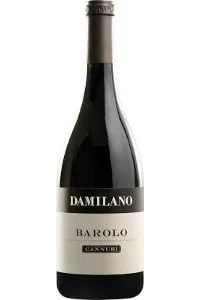
Cannubi Barolo – Damilano 2020 – Piedmont, Italy
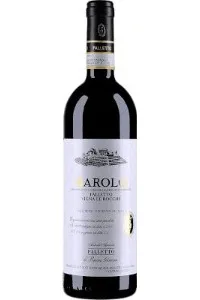
Falletto Barolo – Bruno Giacosa 2022 – Piedmont, Italy
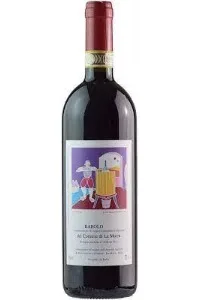
Barolo del Comune di La Morra – Roberto Voerzio 2021 – Piedmont, Italy
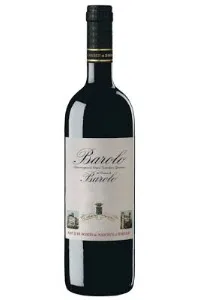
Comune di Barolo – Marchesi di Barolo 2020 – Piedmont, Italy
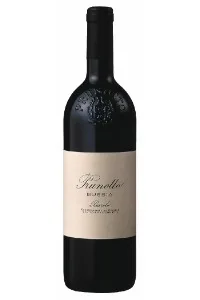
Barolo Bussia – Prunotto 2009
Italy
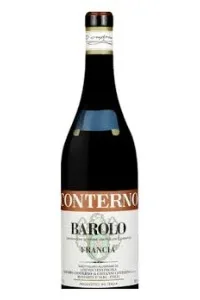
Francia Barolo – Giacomo Conterno 2020 – Piedmont, Italy
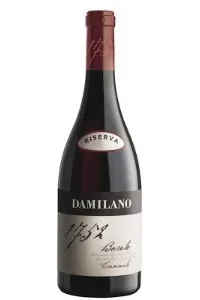
Cannubi 1752 Barolo Riserva – Damilano 2015 – Piedmont, Italy
Our expert selection of the best Barolo wines was made including bottles chosen for their critical acclaim, customer reviews and aging potential. We evaluated each wine with the goal of selecting labels that truly resonate with our readers and show strong, widespread appreciation among customers.
Barolo red wine at a glance
| Attribute | Details |
|---|---|
| Grape Variety | 100% Nebbiolo |
| Origin | Barolo and surrounding areas (Piedmont) Italy |
| Serving Temperature | 60-65°F (15-18°C) |
| Decanting | Approximately half an hour is recommended for younger bottles; older vintages may require as much as 6 hours for more powerful ones. |
| Aging Potential | 10 to 30 years |
| Flavor Profile | Aromas of red berries, rose, tar, licorice, dried herbs, leather and truffle. |
| Structure | Full bodied, high tannins, high acidity |
| Alcohol Content | 13.5% to 15% |
| Ideal Glass | Best enjoyed in a large Burgundy style or tulip shaped glass. |
| Food Pairing | Red meat dishes like Brasato al Barolo, wild game, sausage ragù with Tagliatelle, roasted lamb and pasta with rich meat sauces. Also excellent with aged cheese. |
| Top Communes | Barolo, La Morra, Castiglione Falletto, Serralunga d’Alba, Monforte d’Alba e Novello. |
| Notable Producers | Bartolo Mascarello, Elio Altare, Paolo Scavino, Bruno Giacosa, Giacomo Conterno, Vietti. |
Barolo wines are bold and complex reds known for their full body, high tannins and notable acidity. The Barolo wine tasting notes are quite complex, showing fruity flavors of cherry and plum that intertwine with floral notes of roses and violets. It is not uncommon to taste earthy forest floor, spices like licorice, as well as woody tobacco, vanilla and mineral graphite. As it ages, the Barolo taste profile deepens, especially the iconic rose and tar notes. Typically, connoisseurs recommend decanting the wine to let its character unfold fully.
Barolo wines brands worth knowing
Among Italy’s best Barolo producers, our expert team has selected five of the finest and most prestigious names. These winemakers include foundational estates and modern pioneers who have shaped the world of Italian Barolo production through their innovations and dedication to crafting quality wines.
Pio Cesare – Piedmont, Italy
The Pio Cesare Winery was founded in 1881 by Cesare Pio, who was one of the first wine producers to believe in the potential of Barolo and other great Piedmont wines. With a conviction that great wine can only come from the finest grapes, he focused on crafting wines with distinctive characters through minimal intervention. The Pio Cesare Barolo uses only the most mature and healthy grapes to craft a world class wine, which they also export internationally. In 2022, the winery received a Vinitaly International award in recognition of their significant role as a symbol of Barolo and Barbaresco production.
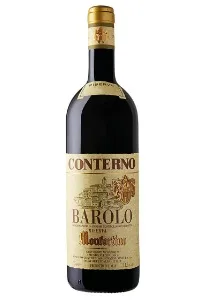
Monfortino Barolo Riserva – Giacomo Conterno 2019 – Piedmont, Italy
Damilano – Piedmont, Italy
Damilano is one of the oldest wineries in Barolo, with a history dating back to 1890 when Giuseppe Borgogno started cultivating and vinifying grapes in Barolo. The winery took on the name “Damilano” when his son in law, Giacomo Damilano, took over in 1935 and improved the business significantly. Built on the belief that the land, history and people are fundamental to its success, the Damilano Barolo is one of the most appreciated wines worldwide. Guido, Mario and Paolo Damilano have taken over the reins since 1997, crafting high quality wines from cru vineyards such as Cannubi and at the same time expanding the winery’s international reach while maintaining its traditional roots.
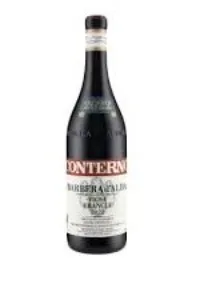
Francia Barolo (1.5L Magnum) – Giacomo Conterno 2021 – Piedmont, Italy
Bruno Giacosa – Piedmont, Italy
In 1960, Bruno Giacosa established the Bruno Giacosa winery, where he made Barolo and Barbaresco wines only from fruit purchased from select vineyards. He acquired the Falletto vineyard in 1982, a site which has since gone on to become one of the finest crus in the Langhe. Bruno was known as a perfectionist who would not bottle a vintage if it did not reach his standards. The winery is most celebrated for the red labelled riservas that highlight some of the best expressions of Langhe’s terroir. Today, Bruno has achieved legendary status in Italian winemaking and he is succeeded by his daughter, Bruna. Here is a look at one of the finest bottlings from Nebbiolo grapes grown in the Falleto vineyard.
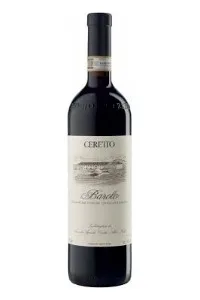
Rocche Bricco Barolo – Ceretto 2021 – Piedmont, Italy
Roberto Voerzio – Piedmont, Italy
In 1986, Roberto Voerzio founded his eponymous winery in La Morra, Piedmont, Italy, after deciding to branch out from his family’s winemaking business. He started small with two hectares of land, expanding to acquire prime plots in the Barolo region in crus like La Serra, Brunate and Cerequio. Right from the start, Roberto’s approach to winemaking involved radical viticultural practices such as prioritizing low yields and organic fertilisers. All that hard work paid off, as today, he is recognized as one of the pioneers of modern, high quality Barolo with exceptional aging potential.
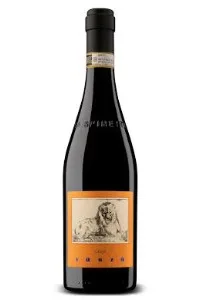
Campè Vigneto Barolo – La Spinetta 2021 – Piedmont, Italy
Marchesi di Barolo – Piedmont, Italy
The history of the Marchesi di Barolo winery began in 1806 when Carlo Tancredi Falleti got married to Juliette Colbert, a noble born woman from Burgundy. When she became the Marchioness Giulia di Barolo, Juliette began producing a dry style of Barolo wine in the early 19th century. Her intuition to use large casks and cool cellars played a huge role in creating the full bodied wine we know today. The Falletti Dynasty ended with her death but the winery was acquired by Pietro Abbona, a local winemaker, in 1929. Since then, the Marchesi di Barolo has been run by the Abbona family, upholding centuries of tradition and staying true to the practices that led to the birth of the king of wines.
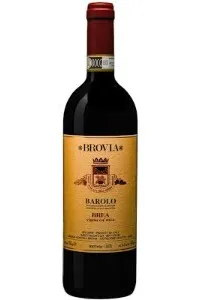
Brea Vigna Ca’Mia Barolo – Brovia 2020 – Piedmont, Italy
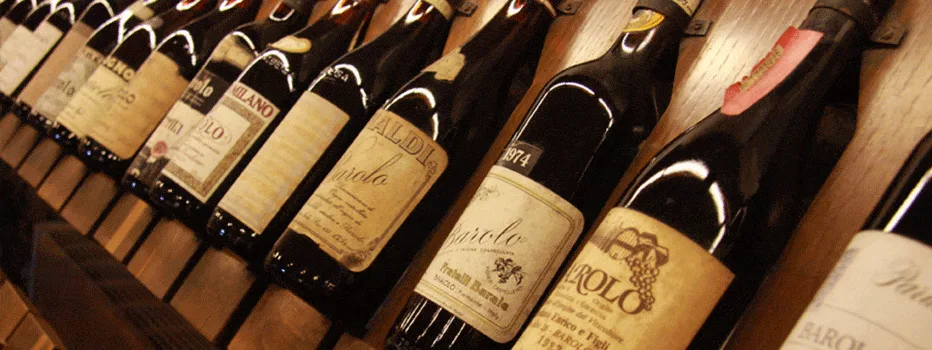
3 Of the most expensive Barolo red wines worth collecting
Barolo’s increasing global demand makes it a smart choice for collectors. Top vintages and renowned producers consistently appreciate in value and recent auction records show that Barolo is no longer just a wine: it’s an asset! During the auction Barolo en Primeur 2023, a barrique of Barolo Vigna Gustava 2023 was sold for over $100.000, setting a record for the most expensive Barolo wine ever sold at auction.
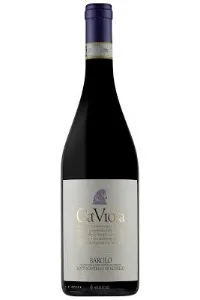
Sottocastello di Novello Barolo – Ca’ Viola 2021 – Piedmont, Italy
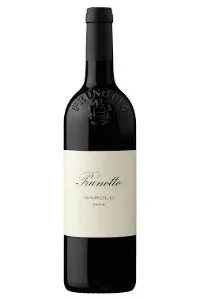
Barolo – Prunotto 2022 – Piedmont, Italy
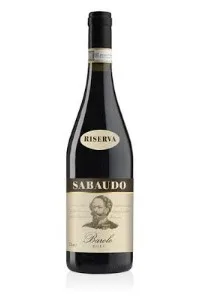
Barolo Riserva – Sabaudo 2019 – Piedmont, Italy
Here’s what makes these most expensive Barolo red wines so valuable:
- Exceptional years yield Barolo wines that improve with time, developing complexity and depth.
- Wines crafted with traditional production methods, like artisanal techniques that respect the history and culture of the territory .
Rarity of the wine and prestige of the producer raise the value of the bottle.
What influences the Barolo wine price?
Barolo is certainly a prestigious wine, but you can still find a wide range of prices. Like many other fine wines, the Barolo wine price varies according to several important factors that influence its value such as the vintage, the grapes and the wine making style that we will detail better in the sections below.
Below is a table of top Barolo wines, their producers and a price range from affordable to prestigious:
Here’s what mostly affects the Barolo wine cost:
- Vintage: wines from older vintages usually have a higher price due to rarity and exceptional aging potential.
- Renowned producers with esteemed reputations tend to dominate with their premium prices.
- Famous vineyards such as Cannubi and Rocche, known for the high quality of their wines and exceptional yields, add value.
- Production style can also impact the Barolo price, be it through traditional or modern vinification styles. .
- Scarcity and high demand lead to limited availability and this often drives up the price of Barolo.
Barolo vintage chart: great years, great wines
The prestige of a vintage Barolo wine often depends on how ideal the climate conditions were during the growing season. As a matter of fact, the weather conditions affect the maturation of the grape and ultimately determines the wine’s characteristics.
2001, 2004, 2010 and 2016 are some of the best years for Barolo wine, thanks to warm days and cool nights that helped the late ripening Nebbiolo grapes develop rich aromas and balanced acidity. Let’s have a look at some of the best vintages for Barolo wine and consider some picks.
| Vintage | Recommended Barolo | Vintage Characteristics |
|---|---|---|
| 2021 | Barolo Lazzarito 2021 – Vietti – Italy | This was an excellent year for Barolo, praised for its terroir expressive wines with great aging potential despite late harvests. |
| 2020 | Barolo 2020 – Mauro Veglio – Italy | The year was hotter than usual, but the yield surprised producers with plenty of fruit and freshness in approachable and easy drinking wines. |
| 2016 | 1752 Barolo Cannubi Riserva 2016 – Damilano – Italy | The growing season was excellent, with an ideal balance of sunny days and cool nights leading to ripe phenolics and wines with outstanding structure. |
| 2015 | Barolo Cerrati 2015 – Tenuta Cucco – Italy | 2015 was warm and required careful vineyard management. The vintage is composed of powerful wines with a balanced flavor profile, suitable for both current drinking and long term enjoyment. |
| 2013 | Barolo Scarrone Vigna al Mandorlo Riserva 2013 – Giacosa Fratelli – Italy | A cool growing season, late harvest and sunny September allowed grapes to ripen optimally, yielding elegant wines praised for their balance and finesse. |
| 2010 | Barolo Riserva Villero 2010 – Vietti | 2010 is often described as one of the most “Piemontese” vintages. The weather was predominantly cool and this led to slow ripening of the grapes and wines with exceptional aging potential. |
What is Barolo wine and how is it made?
Barolo wine is one of Italy’s most prized wines, produced on sunny, south facing slopes in the hilly region called Langhe located in Piedmont. It is considered one of the finest red wines produced globally.
But what exactly makes it so special? In making Barolo wine, producers have to adhere to strict DOCG rules on grapes present (100% Nebbiolo), minimum alcohol levels (13%), aging periods (at least 18 months in oak) and even vineyard requirements!
Let’s take a closer look at all the aspects of production involved:
- Vineyards are located between 170 and 540 meters above sea level, in clay and limestone soils, using traditional Guyot pruning. These vineyards must be located on the side of the slopes that face the sun, excluding valleys.
- Harvesting is often in mid October as Nebbiolo is a late ripening grape. The longer period spent growing under the Piedmont sun allows it to absorb more flavors and develop a layered taste profile. The maximum grape yield is 8 tons per hectare for Barolo, with a minimum alcohol level of 13.5% to 15%.
- Nebbiolo grapes meant for Barolo are subject to traditional red wine fermentation and maceration for up to a month. They are often fermented in stainless steel or concrete tanks where yeasts are added to aid in the transformation of grape sugars into alcohol. According to regulations, no more than 70% of the grape weight is turned into wine before aging.
- Aging: at least 38 months (including 18 months in wood). Oak barrels may be traditional Slavonian casks or French barriques, with each one playing a role in the final taste profile of the wine. Barolo Riserva ages at least 62 months, also with 18 months in wood.
- Barolo is then bottled, a stage during which it undergoes more maturation. It can be sold after four years from harvest. Riserva after six years.
Fun fact: the Barolo production methods are some of the most searched wine topics online!
Barolo wine grape
Barolo wine is made from 100% Nebbiolo grapes. All its variants are red and are distinguished mainly by aging time and the specific area where the Barolo grape is grown.
The main types of Barolo are:
- Barolo DOCG is the classic version of Barolo wine, which requires a minimum of 38 months of aging(just over 3 years) before release. This includes at least 18 months spent in wooden casks.
- Barolo Riserva DOCG indicates a version that has undergone an extended aging period and a higher quality selection of grapes. Riservas are often produced in the best vintage years, aged for at least 62 months with at least 18 months spent in wood.
- Barolo with Additional Geographical Mention (MGA) indicates that the wine is produced with Nebbiolo grapes from an officially mapped and legally recognized single vineyard area or zone within the Barolo production area. A wine can be labeled as an MGA regardless of whether it is a standard Barolo DOCG or a Riserva.
Barolo wine for beginners
Barolo can be a complex wine to taste and serve but you don’t have to worry. Here are some tips to start off on the right foot:
- Choose younger vintages between 5 and 8 years as these Barolos have softer tannins and more approachable fruit flavors than the older, more tannic bottles.
- Decant before serving, younger Barolos in particular can benefit from decanting to soften their structure and open up nuanced aromas.
- Serve at the right temperature, which is somewhere between about 60-65°F or 15-18°C.: This is the perfect temperature to balance alcohol and enhance the natural bouquet of Barolo wine.
- Pair with rich foods like hearty braises and stews. Barolo wine has ripe enough tannins and acidity to perfectly complement these dishes.
If you want more recommendations, check the table below to find age based food pairings and pick good Barolo wines for beginners:
| Barolo Style | Our Recommendation | Best to Pair with |
|---|---|---|
| Young Barolo (under 5 yrs) | Ravera Di Monforte Barolo 2020 – Rocca Giovanni – Italy | Braised meats, truffles, hearty stews |
| Mature Barolo (10+ yrs) | Barolo Ornato 2012 – Pio Cesare – Italy | Roasted game, aged cheeses, rich mushroom dishes |
Wine glass for Barolo: pick the perfect partner
It might seem like just a detail but the right wine glass for Barolo can make all the difference in taste and finish! A large, tulip shaped glass, like a Bordeaux or Burgundy glass, is ideal for younger Barolo. For older vintage bottles, a slightly narrower bowl can preserve delicate, evolved notes and maintain elegance on the nose.
Barolo region: exploring the communes of Piedmont’s wine jewel
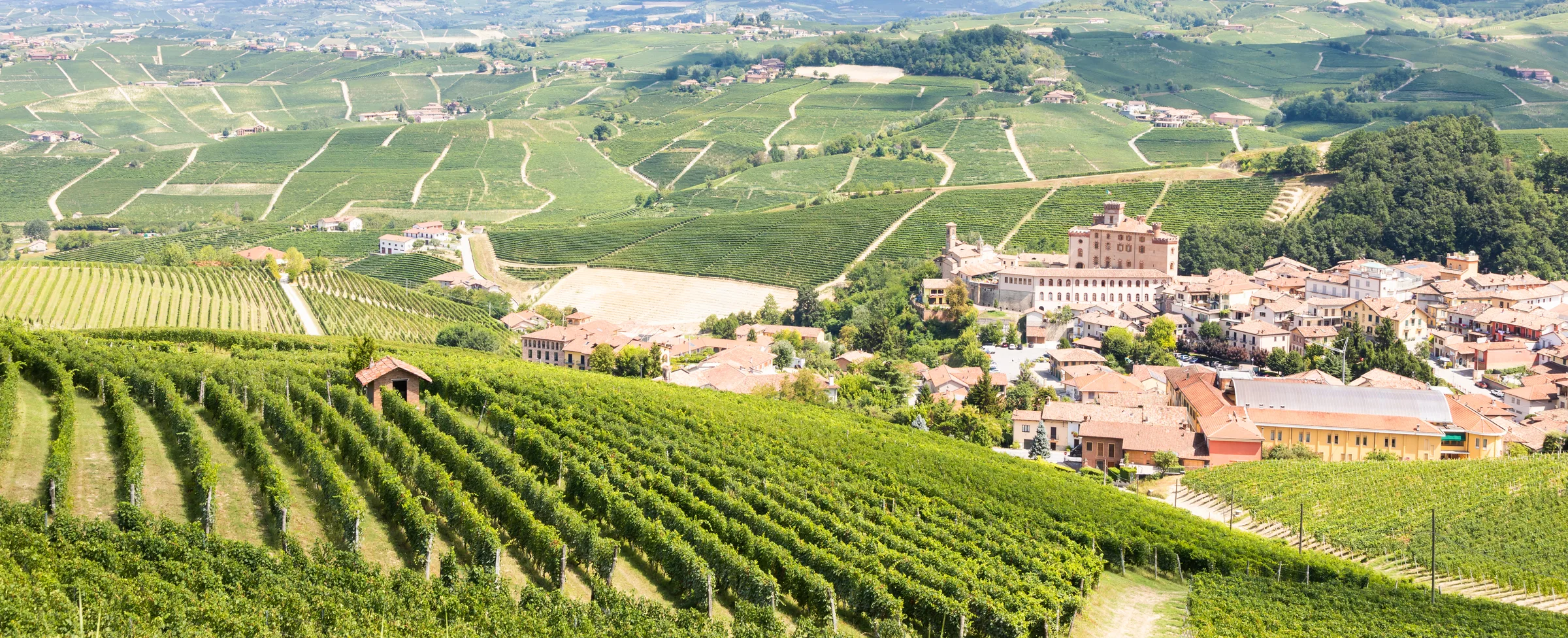
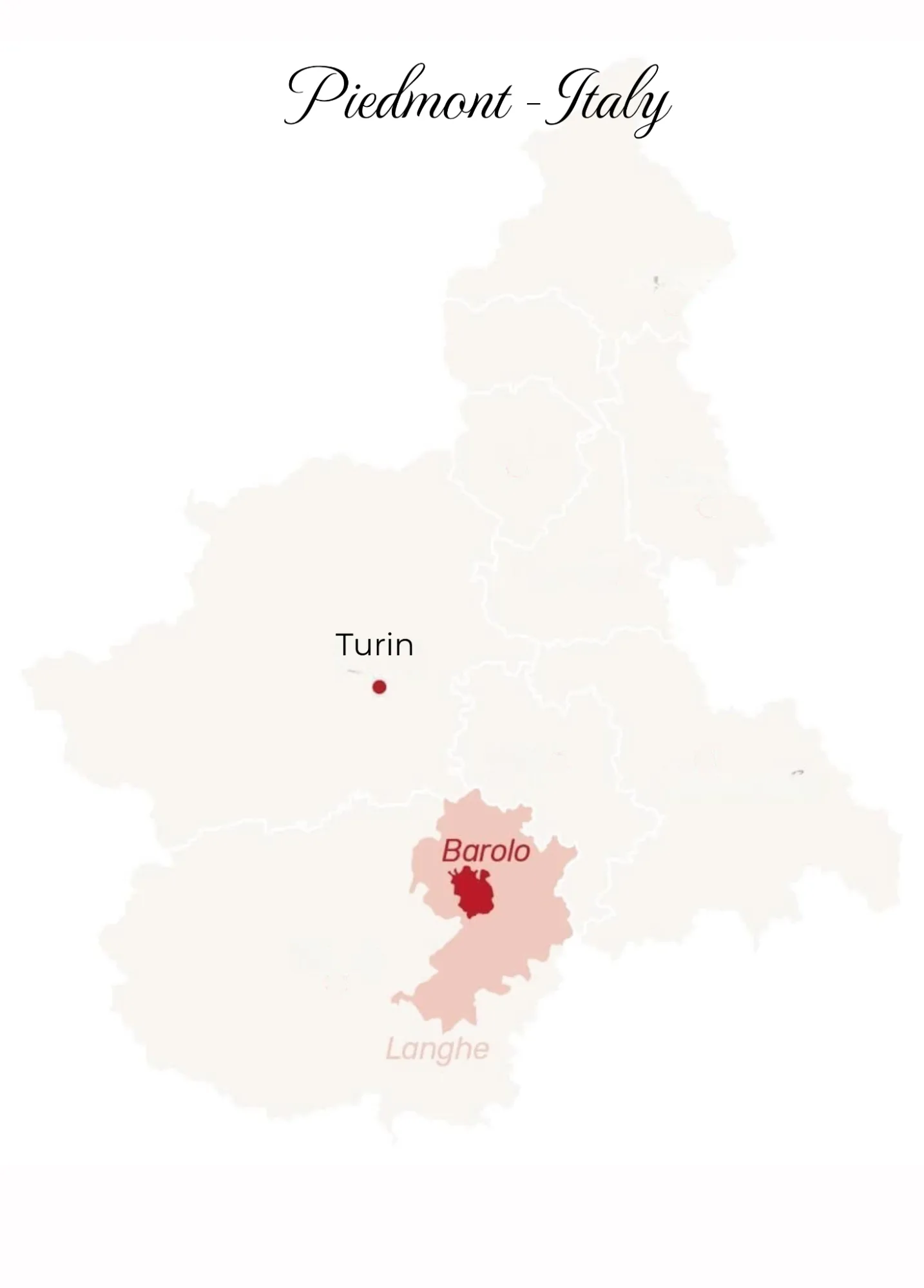
The Barolo region is located in the Langhe hills of Piedmont, representing about 5% of Italy’s total red wine production. This area covers roughly 4,325 acres dedicated almost exclusively to the Italian wine Barolo production!
This cornerstone of viticulture is a symbol of quality and it is deeply connected to 11 renowned communes of the Barolo wine region in Italy. Let’s explore the most popular ones:
- Barolo is located in the western part of the region, home to Barolo Castle and known for its powerful, structured wines with bold aromas and firm tannins that show great aging potential.
- La Morra houses the largest vineyard area within the Barolo zone, with prime vineyards located on calcareous marl soils. La Morra is renowned for its elegant, approachable Barolo wines.
- Castiglione Falletto is a small but prestigious commune, with many celebrated vineyard sites located in the heart of the production region. Winemakers here focus on producing Barolo with great structure and elegance.
- Verduno is situated on the northern side of the production zone and it is the home of the highly sought after Monvigliero site. Verduno Barolo is typically lighter, aromatic and more elegant, for earlier drinkability.
- Roddi is a small village, housing some top quality crus including the Cru Bricco Ambrogio. Roddi yields powerful, intense Barolos, thanks to rich soils and a favorable microclimate, offering great aging potential.
Barolo vs Barbaresco and other wines
Both Barolo and Barbaresco wines are made from 100% Nebbiolo grapes. Despite their shared origin, though, they differ mainly in their structure, terroir and aging:
- Barolo vs Barbaresco: both wines come from Nebbiolo, yet they express the grape differently. Barolo is firmer, more structured and deeply tannic, developing power and complexity with age. Barbaresco is generally softer, more perfumed and approachable earlier with elegant notes of red fruit and refined tannins shaped by its slightly warmer vineyards.
- Barolo vs Nebbiolo: Barolo is the most intense and age worthy expression of Nebbiolo, produced only in the Barolo DOCG under strict rules. Nebbiolo outside this zone (such as Langhe or Roero Nebbiolo) tends to be lighter, fresher and more approachable young. Both share notes of rose, cherry and earth but Barolo delivers more depth, structure and longevity.
To discover more wines similar to Barolo, take a look at the table below: you will find useful comparisons and advice on the best bottles to try!
| Wine / Grape | Top Wine & Wine Maker | Wine style |
|---|---|---|
| Brunello vs Barolo | Brunello di Montalcino 2019 – Podere Brizio – Italy | Brunello is bold and structured with flavors of dried cherry, leather and spice. It is made from 100% Sangiovese, unlike Barolo |
| Barbaresco vs Barolo | Montestefano Riserva Barbaresco 2020 – Produttori Del Barbaresco – Italy | Elegant, refined with floral and red fruit notes. Smoother tannins than Barolo, but still age worthy. |
| Amarone vs Barolo | Amarone Classico 2015 – Bertani – Italy | Amarone is rich, velvety and fuller bodied than Barolo with flavors of Intense dried fruit, cocoa and spice notes. |
| Nebbiolo vs Barolo | Langhe Nebbiolo – Abbona – Italy | Nebbiolo is a grape variety used to make different types of wines including Barolo, Barbaresco and Langhe Nebbiolo. |
How to serve Barolo wine at its best
The complexity of Barolo wine requires serving it with care, storing it and bringing it to the ideal temperature. Before tasting a glass of Barolo, it is best to pour it into decanters to help oxygenate and open up the aromas.
Let’s find out together how to serve Barolo wine:
- Store in a cool, dark place and place the bottle on its side in a horizontal position. Doing this keeps the cork moist and well preserved.
- Serve between 64°F-68°F or 15-18°C, this temperature range allows the wine’s tannins to soften and its aromas to fully develop.
- Decant young Barolo for 1-2 hours and more mature bottles for 4-6 hours as they require more time to open up their complex flavors.
- Use a wide decanter and large goblet or aroma collector glass. Barolo’s tannins and complex flavor profile need room to breathe.
Given its often high alcohol content (Barolo ABV is typically around 13.5-15%), it is critical to maintain the optimal Barolo wine temperature to best balance the alcohol and the wine’s aromatic complexity.
Barolo wine food pairing guide
Barolo wine food pairing works best with rich, structured dishes. Thanks to its bold structure and firm tannins, it’s especially well matched with red meats, soups and stews. One important tip: the vintage matters! The flavor and alcohol content of Barolo can vary a lot from year to year, so picking the right vintage can really elevate your pairing.
In the table below, you will find some food pairings with Barolo suggestions by dish and vintage:
| Food | Best Barolo Bottle | Aged | Type & Structure |
|---|---|---|---|
| Braised Beef, Osso Buco, Roasted Lamb | Pizza Vinarei 2021 – Marchesi di Barolo – Italy | 3-5 years ABV 15% | Opulent and vibrant wine with silky tannins and notes of ripe blackberries, brambles and dark chocolate. |
| Pasta, Risotto and Baked Casseroles | Barolo Monvigliero 2020 – Paolo Scavino – Italy | 2-3 years ABV:14.5% | Silky tannins and a lively acid structure. Harmonious and layered aromas of sour cherries, dried herbs and blackberries are present. |
| Carnitas, carne asada, mole poblano, chiles rellenos | Barolo Lecinquevigne 2020 – Damilano | 2-3 years ABV 14% | Vibrant acidity, mineral accents and tar, eucalyptus, cherry and raspberry fruit notes. |
| Steak, Roasts, Grilled Red Meats, Game Meat | Barolo Ciabot Mentin 2019 – Domenico Clerico – Italy | 2-3 years ABV: 14.5% | A serious wine from the Ciabot vineyard, this wine is full of notes of licorice, grilled herb and sliced berries. Full bodied with silky tannins and noticeable acidity. |
| Aged Cheese, Roquefort, Parmigiano Reggiano, Cheddar, Gouda | Barolo DOCG 2019 – Carlo Revello & Figli – Italy | 2-3 years ABV: 14.5% | Medium bodied and firm with attractive aromas of red cherries, rose petals, walnuts and spices. |
| Peking Duck, Beef lo mein, baked crabmeat and cheese, dan dan noodles | San Pietro Barolo Riserva 2016 – Viberti – Italy | 3-5 years ABV: 14.5% | Limited production wine crafted with fruit from a single vineyard with layered aromas of ripened fruit, spices and minerals. |
You might also be interested in
FAQs Barolo wine bottles
What is the best Italian Barolo wine?
The best Italian Barolo wine is considered by many to be Sperss Barolo 2019 by Gaja. . However, some of the most renowned Barolo wines come from prestigious wineries such as Paolo Scavino, Giacomo Conterno and Bruno Giacosa. These wines are prized for their complexity, great aging potential and balance between tannins and acidity.
What are the best Barolo years?
The best Barolo years are generally those in which ideal climatic conditions allowed the Nebbiolo to ripen fully while maintaining acidity and balance. Among the most outstanding vintages are 2010, 2013 2016 and 2021. These vintages yielded wines of extraordinary aging potential, with structured tannins and intense aromas.
Is Barolo the best red wine?
Determining whether Barolo is the best red wine depends on your personal preference and criteria. It is undoubtedly considered one of the best wines in the world and definitely one of Italy’s great reds, prized for its complexity, aging potential and unique Nebbiolo flavor profile. It is often compared to other world renowned wines such as those from Bordeaux or Burgundy.
Is Barolo white or red?
Barolo is a red wine made exclusively from Nebbiolo grapes, a variety that gives the wine a garnet red color with orange reflections, especially as it ages. It is one of the most famous Piedmontese red wines in the world, beloved for its firm tannins, high acidity and complex aromas. Its refined character makes it a perfect fit for game and red meat, aged cheeses, as well as spicy cuisine./p>
Is Barolo a sweet wine?
No, Barolo is not a sweet wine. It is a dry, full bodied red wine, characterized by strong tannins and high acidity. Historically, it used to be produced as a sweet wine before winemakers like Paolo Staglieno introduced modern techniques to achieve a completely dry fermentation in the 19th century. Today, its flavor profile includes notes of red fruits, roses, tar and spices, but it has no residual sugar or discernible sweetness. Precisely because of its dryness, Barolo pairs perfectly with rich, flavorful dishes, rather than desserts or sweet dishes.
What is Barolo ABV?
Barolo has a minimum alcohol content of 13% SBV, although many bottles go as high as 5% or more. The alcohol level is often higher in warmer vintages, balanced by the wine’s noticeable tannins and high acidity.
What is the Barolo wine cost?
The prices of Barolo vary significantly depending on the location, the winemaker and the vintage. Entry level bottles generally start around $40 per bottle, while Barolo from the most renowned wineries or older vintages can exceed several hundred dollars. For instance, an age worthy Barolo, produced from Nebbiolo grapes grown in cru vineyards, in an excellent vintage year and vinified by established winemakers can cost up to thousands of dollars. A good example of this is the collectible Aldo Conterno’s Granbussia Barolo Riserva 2013.
What are the best Barolo producers?
Among the best Barolo producers are names such as Conterno, Bruno Giacosa, Pio Cesare, Damilano, Roberto Voerzio and Marchesi di Barolo. These wineries are celebrated for consistent excellence in winemaking and for their ability to express the unique terroir of the Langhe hills. Some of these winemakers have histories dating back to the 18th century, being responsible for innovations and discoveries that have shaped the world of Barolo wine.
Is Barolo wine produced only in Italy?
Yes, Barolo wine is produced exclusively in Italy, specifically in the Piedmont region in 11 designated communes. Barolo is a DOCG wine, protected by strict rules and can only be made from Nebbiolo grapes grown in this specific geographical area of northern Italy. This guarantees the authenticity of the product and the preservation of its traditional characteristics.
How long can you keep a bottle of Barolo open?
Once opened, a bottle of Barolo can typically be enjoyed for 2 to 4 days if stored properly. To preserve its flavors, recork the bottle tightly and keep it refrigerated. Because Barolo is a tannic and structured wine, it often improves slightly with a few hours of exposure to air but will start to lose its complexity after a couple of days.
What are the 11 communes of Barolo wine?
The 11 communes of Barolo wine production are Barolo, La Morra, Castiglione Falletto, Serralunga d’Alba, Monforte d’Alba, Novello, Grinzane Cavour, Diano d’Alba, Verduno, Roddi and Cherasco. Each commune has unique soil and microclimate characteristics that influence the style and flavor profile of the Barolo wines produced there, adding to the diversity within the appellation.
Should Barolo be chilled?
Barolo should not be served cold like a white wine. The ideal serving temperature is between 60-65°F or 15-18°C. Serving it too cold risks muting its aromas and flavors. A slightly lower temperature than room temperature, on the other hand, allows the complexity of aromas, tannic structure and acidity to be brought out to the fullest, making the tasting experience more enjoyable and satisfying.
