

Sweet wine: top brands worldwide in 2026
Sweet wine was once just for dessert, but not anymore! These rich, expressive wines have evolved into favourites for even the most sophisticated palates. In this guide, you will discover surprising insights and expert advice on how to enjoy top rated sweet wines. Our 5/5 top pick: Château d’Yquem 2022.

Top 10 best sweet wines by experts
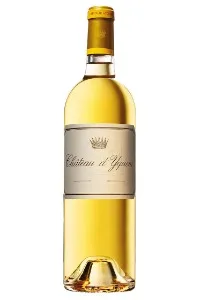
Sauternes AOC Premier Cru Classé Supérieur – Château d’Yquem 2022
Bordeaux, France
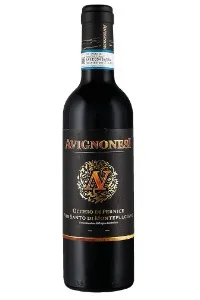
Occhio di Pernice Vin Santo di Montepulciano – Avignonesi 2010
Tuscany, Italy
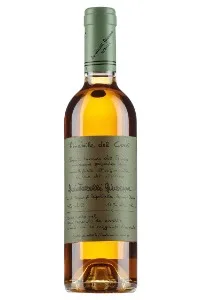
Amabile del Cerè – Giuseppe Quintarelli 2017
Veneto, Italy
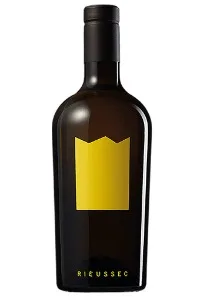
Sauternes AOC Premier Cru Classé – Château Rieussec 2021
Bordeaux, France
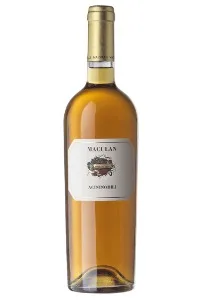
Passito Acininobili – Maculan 2019
Veneto, Italy
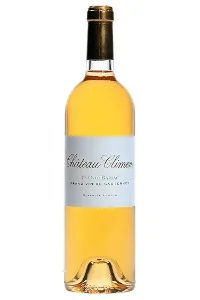
Barsac AOC Premier Cru Classé – Château Climens 2016
Bordeaux, France
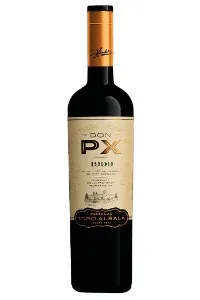
Don Pedro Ximénez Gran Reserva – Toro Albalá 2003
Andalucia, Spain
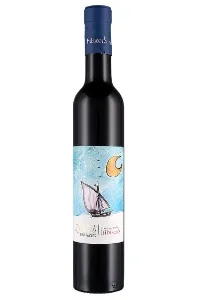
Passito Zhabib Zibibbo – Hibiscus 2023
Sicily, Italy
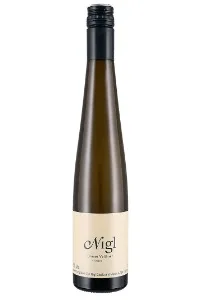
Prädikatswein Grüner Veltliner Eiswein – Nigl 2021
Kremstal, Austria
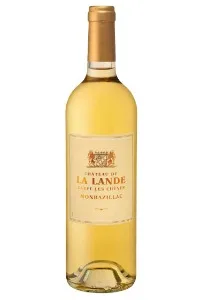
Cuvée Les Chênes – Château Lalande 2020
Dordogne, France
We’ve curated a collection of the best sweet wines that truly stand out, highlighting both iconic labels and emerging stars in the world of dessert and sweet wines in the UK. These selections aren’t just well loved, they represent the top picks to buy for sweet wines in 2026. Château d’Yquem Sauternes AOC Premier Cru Classé Supérieur 2022 sits at the top of our list, with a stunning 5/5 rating and a price tag of £365. This noble sweet wine is the second most concentrated vintage in the history of Yquem, just behind the exceptional 1945 vintage. Its layers are well developed, combining sweetness and opulence with racy acidity, as well as a hint of bitterness.
What is a sweet wine and how is it made?
- Sweet wine
Sweet wine is any wine that retains high levels of residual sugar after the completion of the winemaking process. Winemakers halt fermentation early, or use extra ripe grapes to create the dessert like, sugary taste that sweet wines are known for. Top examples include Sauternes, Moscato d’Asti and Ice Wine.
Sweet wine comes in a wide range of styles, crafted through unique production techniques that set them apart from traditional dry wines. They can be made from different grape varieties, depending on the region, but all sweet wines typically undergo incomplete alcoholic fermentation.
Sweet wines often taste sugary, rich and sometimes fruity, with flavours of honey, dried fruit and caramel. Sauternes from Bordeaux, France, Moscato d’Asti from Italy, Vin Santo from Tuscany and the Hungarian sweet wine Tokaji are some of the best known examples.
How exactly is sweet wine made? It starts with selecting high sugar grapes, white or red, followed by the usual steps:
- Harvesting: grapes are picked, often later than for dry wines, to ensure higher sugar content, which is essential for sweetness.
- Crushing: the grapes are gently crushed to break the skins and release juice, beginning the process of extracting colour and flavour.
- Pressing: juice is separated from the skins and seeds. For sweet reds, some skin contact is retained to develop colour and richness
- Sweetness comes then from halting fermentation to stop yeast from converting all the sugar into alcohol and preserving natural sugars. This is done by chilling the wine, filterin out the yeast, or adding sulphur dioxide.
For fortified wines like Port, distilled grape spirits are added to the fermenting must to kill the yeast, stop fermentation and leave higher levels of residual sugar and higher alcohol.
Some of the most common sweet wine grapes include:
- Moscato: known for its light body, fruity and floral aroma, is often used in gently sweet sparkling wines, but there are also dry variations.
- Riesling: versatile and aromatic, Riesling can range from dry to lusciously sweet, combining flavours of apricot, honey, acacia and citrus fruits in delicious white sweet wines.
- Gewürztraminer: boldly aromatic with notes of lychee, rose and spice, is often presented in an off dry to sweet style.
- Zibibbo: a variety native to Sicily, produces highly aromatic and intensely perfumed wines. Commonly used for sweet wines, there are delicious variations of dry Zibibbo wines.
- Malvasia: largely available across the sun drenched lands of the Mediterranean, this grape is used in sweet wines, with floral and tropical aromas.
- Chenin Blanc: especially cultivated in the Loire Valley (France), it makes beautifully balancedwhite sweet wines with fresh acidity and notes of quince, apple and honey.
- Lambrusco: a very versatile grape that can be found in both dry and sweet, slightly sparkling wines, with vibrant young red fruit flavours.
- Grenache: used in fortified wines, Grenache brings warmth, red berry richness and spice.
- Sémillon: a key grape in renowned sweet wines like Sauternes and Barsac, Sémillon is especially precious when affected by noble rot, Botrytis cinerea, which brings out notes of dried apricot, marmalade and toasted nuts.
These grapes give life to different styles of sweet wine. It all comes down to carefully managing the fermentation process!
What are the sweet wine types?
Sweet wines are defined by their sugar content, but choosing the right sweet wine types involves more than just the sweetness level alone. To make the right choice, it’s also important to consider the production method.
Here are the main production methods:
- Natural sweet wines: fermentation stops early, usually by cooling, adding neutral grape spirits, or adding sulfur dioxide, leaving high levels of natural grape sugar in the wine. Examples include Muscat de Beaumes-de-Venise and Banyuls.
- Fortified sweet wines: alcohol (usually grape brandy) is added during fermentation to stop the yeast’s action, making sweet, strong wines like Porto and Sherry with a typical alcohol content between 15% and 22%.
- Passito and late harvest wines: grapes are dried on the vine or after picking, concentrating sugar and flavours as water evaporates. Winemakers commonly craft late harvest wines using Chenin Blanc and Sémillon grapes.
- Noble rot wines: a special fungus called Botrytis cinerea or “noble rot” causes grapes to shrivel, concentrating their acids and sugars while adding rich flavours like honey and spices. Top examples are Sauternes and Tokaji Aszú.
- Ice wines: grapes are picked frozen, which concentrates sugar and acidity for a sweet but fresh taste. Most ice wines are made with Riesling or Vidal grapes, particularly by winemakers in Germany, Austria and Canada.
Don’t guess, choose your sweet wine with confidence! These insights make it easier to explore the different sweet wine types and pick the right one for any moment.
Sweet wine by sweetness
Most wines fall into three sweetness categories on the well established wine sweetness scale: dry, semi sweet wine and sweet wine. Since dry wines contain little to no sugar, we’ll focus here on the sweeter styles.
Here’s a quick guide to understanding sweet wines by sweetness:
- Sweet wine: offers a gentle sweetness, perfect for those wanting just a hint. A good example is Moscato d’Asti.
- Medium sweet wine is richer with smooth fruit flavours. Lambrusco and Late Harvest Zinfandel are some sweet wines in this category.
- Very sweet wine: it is intense and syrupy, ideal with desserts. Examples are Port, Sauternes and Ice Wine.
Check out our list of wines by sweetness below to find your perfect match!
| Sweetness | Top Picks | Tasting Notes | Common Varietals | Residual Sugar |
|---|---|---|---|---|
| Sweet Wine | Nivole Moscato d’Asti – Michele Chiarlo 2025 – Piedmont, Italy | Creamy and fragrant, with pleasant floral aromas alongside hints of peach and apricot. | Muscato Bianco | 4-16 g/L |
| Medium Sweet Wine | La Chapelle – Château de Fesles 2015 – Loire Valley, France | Rich and elegant, with aromas of candied figs and pear, light toast and hints of black pepper. | Chenin Blanc | 45-100 g/L |
| Very Sweet Wine | Pedro Ximénez Vina 25 – Lustau – Andalucía, Spain | Full bodied and velvety, with deep and sensual aromas of raisins, walnuts and a delicate aftertaste. | Pedro Ximénez | 100+ g/L |
Sparkling sweet wine: the perfect balance of sugar and sparkle
Sparkling sweet wine is a fun and tasty way to enjoy sparkling wine with a touch of sweetness. Made by stopping fermentation early or adding carbon dioxide, sweet sparkling wine keeps both sugar and fizz alive.
Here are some delicious picks:
- Lambrusco Emilia Frizzante Amabile Radici d’Italia – Terre Forti – Emilia-Romagna, Italy
Refined notes of plum jam and dried fruit blend into a delicate sweetness, with a full enveloping sip. - Brachetto d’Acqui – Braida 2025 – Piedmont, Italy
The nose opens with pleasant hints of ripe red fruit, enriched with dried roses. It is soft, sweet and delicate on the palate, with a persistent finish. - La Gatta Moscato d’Asti – Vite Colte 2025 – Piedmont, Italy
Soft, sweet and harmonious with elegant floral and fresh fruit notes.
Perfect for celebrations or dessert, sweet bubbly wines come in white, red and rosé styles.
Non alcoholic sweet wine
Love a good sweet wine but want to skip the alcohol? Good news, you don’t have to miss out entirely! Finding the truly perfect non alcoholic sweet wine can be a bit of a treasure hunt. In fact, it’s tricky for producers to get that rich body without the alcohol. However, delicious alcohol free sweet wine is definitely growing in popularity.
Here are some great options to kick off your search:
- Le Rosé by French Bloom (France)
Food pairing suggestions: light pasta dishes or soft cheeses. - La Galiniere Sensation Sparkling Rosé Alcohol Free by Chateau de la Galinière (France)
Food pairing suggestions: tapas, grilled vegetables, or fruit salads.
Whether you’re after a classic profile or something on the sweeter side, be sure to check the label to confirm it’s truly alcohol free!
Sweet wine food pairing: the challenge is real
Traditionally, sweet wines are often for desserts, but their pairing potential is vast! While finding the best food to pair with sweet wine can be a challenge, their diverse range of sweetness, acidity and body offers surprising matches for savoury dishes too.
Here are some of our top pairings for select sweet wines:
- Moscato d’Asti: fruit based desserts, panna cotta and creamy puddings
- Lambrusco: charcuterie and antipasto, spicy cuisine, salty and blue cheeses
- Brachetto d’Acqui: strawberries, ganache, biscotti
- Sweet Gewürztraminer: Roquefort, Gorgonzola, fruit based desserts and spicy cuisine
The table below navigates some recommended sweet wine food pairings, revealing delicious combinations for any course.
| Sweet Wine Food Pairing | Sweet Wine | Grape Variety | Type & Structure |
|---|---|---|---|
| Dry pastries, fruit tarts, peach cake, zabaglione, panna cotta | Zagara Moscato d’Asti – Marchesi di Barolo 2024 – Piedmont, Italy | Muscat | Sweet, sparkling, aromatic, light body |
| Prosciutto di Parma, mortadella, bolognese, Gorgonzola, Parmigiano-Reggiano | 1813 Terre Verdiane Lambrusco – Cantine Ceci – Emilia-Romagna, Italy | Lambrusco Maestri, Lambrusco Marani | Semi sweet, ripe fruit notes, persistent finish |
| Fresh strawberries, ganache, milk chocolate desserts, light Sacher torte, biscotti | Il Furetto Brachetto d’Acqui – Vite Colte 2025 – Piedmont, Italy | Bracchetto | Sweet, sparkling, velvety, light body |
| Aged and spicy cheese, foie gras, tarte tatin, Moroccan tagines, duck with orange sauce | Selida Gewürztraminer – Tramin 2025 – South Tyrol, Italy | Gewürztraminer | Sweet but with a fresh finish, presents aromas of ripe fruits and sweet spices |
| Dark chocolate mousse, sbrisolona, fegato alla veneziana, foie gras | Recioto della Valpolicella Classico – Farina 2024 – Veneto, Italy | Corvina, Rondinella, Molinara, Other grapes | Sweet, velvety, full body, fruity and floral |
| Cassatelle, biscotti con fichi, panettone, creamy gelato, mild creamy cheeses like Brie | Giardino Pantesco Passito di Pantelleria – Pellegrino 2023 – Sicily, Italy | Zibibbo | Sweet, intense, aromatic, full body |
| Charcuterie board, pasta carbonara, cotechino with lentils, savoury pies, autumn vegetables, Risotto | Trentasei Lambrusco di Sorbara Spumante – Cantina della Volta 2023 – Emilia-Romagna, Italy | Lambrusco di Sorbara | Semi sweet, creamy, fruity, dark fruit notes |
Sweet wine grape variety: origins and different uses
The different sweet wine grape varieties come from distinct regions and clever winemaking. These special grapes bring intense aromas, natural sweetness, or even “noble rot” to the bottle.
Some of the most popular sweet grape wines include:
- Muscat: one of the oldest grape varieties, known for its intensely aromatic, floral and grapey character.
- Brachetto: a red Italian grape producing light, sweet, slightly sparkling wines with flavours of rose, strawberry and red berries.
- Riesling: late harvest Riesling creates beautifully sweet wines with vibrant acidity and notes of apricot, citrus and honey.
- Sémillon: key grape in Sauternes, producing rich, luscious dessert wines with flavours of honey, dried fruit and marmalade.
- Gewürztraminer: intensely aromatic, offering exotic spice, lychee, rose petal and tropical fruit, it is often made in off dry or sweet styles.
- Zibibbo: a Muscat variety mainly grown in Sicily, producing sweet, floral wines often made from sun dried grapes (passito style).
- Chenin Blanc: known for its high acidity and versatility, sweet Chenin Blanc wines showcase flavours of honey, pear and quince.
- Malvasia: an ancient aromatic grape used for sweet wines with apricot, peach and orange blossom notes, often in passito or fortified styles.
Top sweet wine brands to build your collection
Thinking about building your own wine collection? Then you definitely need at least one bottle of sweet wine! These wines carry centuries old traditions and are prized for their exceptional ageing potential.
Among the top sweet wine brands, collectors highly value the famous Château d’Yquem (Sauternes), Vin Santo and the elegant, rare Port.
Here’s why sweet wines are so sought after:
- They are produced using unique winemaking methods, such as drying grapes or partial fermentations.
- They are often harvested from historic vineyards known for their exceptional terroirs.
- Sweet wines are typically distributed in limited releases, commonly through waitlists or exclusive auctions.
- They are known for their ability to mature gracefully and develop distinctive complexity over time.
A tip from our team: don’t miss the Vista Alegre Single Harvest 1940, one of the rarest and finest Ports!
Sweet wine serving temperature
Sweet wine serving temperature is critical to preserving the balance between residual sugar and acidity. Generally, chilling sweet wines to lower temperatures enhances perceived acidity, which prevents the wine from tasting overly sweet. Proper temperature control also helps to reveal the intricate layers of fruit, floral and spice notes characteristic of quality sweet wines.
That being said, other factors must also be considered. Key components like sweet wine alcohol content (ABV), tannin and acidity levels and ageing potential greatly influence a wine’s structure and overall experience.
The following table provides a comprehensive overview of these elements, along with optimal serving temperatures across various sweet wines.
| Sweet Wine Name | ABV | Tannin / Acidity | Aging Potential | Serving Temp |
|---|---|---|---|---|
| Bosca D’la Rei Moscato d’Asti – Beni di Batasiolo 2024 – Piedmont, Italy | 5.5% | Low tannin, high acidity | 1-3 years | 6-8°C |
| Grünlack Riesling Spätlese – Schloss Johannisberg 2023 – Rheingau, Germany | 8.5% | Low tannin, high acidity | 10+ years | 10-12°C |
| Giuseppe Verdi Amabile Lambrusco – Cantine Ceci – Emilia-Romagna, Italy | 8.5% | Low tannin, medium acidity | 1-3 years | 8-10°C |
| Brachetto d’Acqui – Duchessa Lia – Piedmont, Italy | 6.5% | Low tannin, medium acidity | 1-3 years | 8-10°C |
How to store a bottle of sweet wine
Want to keep your sweet wine fresh and full of flavour? Proper storage makes all the difference! Whether you’re saving a bottle for a special occasion or ageing a prized vintage, these simple steps will help preserve its delicious aromas and rich taste:
- Store bottles horizontally in a cool, stable place between 12-18°C.
- Keep the wine in the dark, away from sunlight and UV rays.
- Maintain moderate humidity (around 60–70%) to keep corks from drying out.
- Avoid sudden temperature changes, heat and vibrations that can harm the wine.
- After opening, seal the bottle tightly and store it in the fridge, preferably in the least cold section.
In any case, aim to finish opened bottles within a few days for the best experience. If your sweet wine starts smelling sour or off, it’s a sure sign it’s time to open a fresh bottle!
Choosing the right sweet wines as a beginner
Thinking about gifting a sweet wine or pairing one with dessert, but don’t know where to start? Don’t worry! Even if you’re new to the world of wine, these tips will help you buy sweet wines perfectly for beginners.
To start, here are some beginner friendly sweet wines to try:
- Moscato d’Asti (Italy)
Body: light bodied, fruity, slightly sparkling
Best for: perfect with fresh fruit or light desserts - Port (Portugal)
Body: full bodied and fortified
Best for: ideal with chocolate or strong cheeses - Late Harvest Riesling (USA)
Body: crisp, with notes of peach and honey
Best for: perfect with creamy desserts or spicy dishes
What to look for when choosing your sweet wine:
- Sweetness level: check terms like semi sweet wine, sweet wine, or late harvest to gauge sweetness
- Dessert pairing: match the wine’s sweetness with your dessert to avoid bitterness
- Alcohol content: 10–12% abv wines are lighter and much easier to enjoy
- Regional specialities: explore wines from different regions for authentic flavours
- Wine style: choose sparkling, still, or fortified depending on your occasion.
These easy suggestions make exploring the best sweet wine for beginners feel effortless, helping you find the perfect pour for both your palate and the moment.
How we rate sweet wines
Our editorial team has independently tasted and scored every sweet wine that earns a place on our list, with no exceptions. The tasting and scoring process is quite deliberate and we rarely recommend bottles that are rated below 4.6 out of 5 points.
At first, we work with a 50 point scoring system, which we then translate into a clean 5 point scale for you:
- 5 = Exceptional
- 4 = Excellent
- 3 = Very Good
- 2 = Good
- 1 = Fair
What actually goes into the score?
- Appearance (up to 5 points): this gives us the first clues about what’s coming. Here, we assess clarity, depth of colour and brightness.
- Aroma & bouquet (up to 15 points): we want intensity, layered complexity and a clean, flaw free nose that makes you want to keep going back.
- Flavour & palate (up to 20 points): here lies the heart of the score. Acidity, sweetness, alcohol and mouthfeel all need to be pulling in the same direction: a great sweet wine feels harmonious and well balanced.
- Overall impression (up to 10 points): this is the final evaluation. We’re thinking about harmony, typicity and the length of the finish.
Wines that are scored 4 points and above are genuinely worth seeking out. Anything below this mark simply doesn’t make the cut.
We also hold every sweet wine to these additional standards:
- The balance between sweetness and acidity is necessary to prevent the wine from tasting flabby or cloying. Top sweet wines like Sauternes combine high residual sugar and high acidity.
- Intensity and complexity: the best quality sweet wines often display intense and complex notes of honey, dried fruit, caramel, nuts and spice, which provide added flavour intensity.
A note from our team: our scores are useful, but they don’t give you all you need. They are a reflection of our palates, tasting conditions and honest opinions about a given sweet wine, nothing more, nothing less. We encourage you to read through the tasting notes for more information that will guide you in finding a wine you truly love.
FAQs on Best sweet wines
What is the best sweet wine in the UK?
If you're asking what is the best sweet wine in the UK, it depends on your taste. Moscato, Riesling and Gewürztraminer are popular for their fruity sweetness. For reds, Lambrusco and Brachetto stand out. Dessert wines like Ice Wine, Sauternes and Late Harvest styles offer rich, smooth flavours perfect for those who enjoy sweeter wine options.
What are the different types of sweet wine names?
Different types of sweet wine names include Moscato, Riesling and Gewürztraminer, known for their fruity and floral notes. Dessert wines like Ice Wine, Sauternes and Late Harvest styles offer richer sweetness. Sweet red wines, such as Lambrusco and Brachetto, provide fruity, lighter options. Each type delivers unique flavours suited to various sweet wine preferences.
Does organic sweet wine contain sulphites?
Organic sweet wine can contain sulphites, but usually in lower amounts than conventional wines. Sulphites occur naturally during fermentation and organic wines may have added sulphites within legal limits to preserve freshness and prevent spoilage. However, some organic wines are labelled sulphite free, appealing to those sensitive to sulphites or seeking minimal additives.
Does sweet wine have health benefits?
Sweet wine may offer health benefits in moderation, thanks to antioxidants that support heart health and circulation. However, its higher sugar content means it should be consumed responsibly. Overconsumption can cause health issues, so enjoying sweet wine in moderation is essential to balance its potential positive effects with the risks of excess sugar and alcohol intake.
Can sweet wine be aged?
Sweet wine can be aged, but not all types benefit from it. Dessert wines like Sauternes, Tokaji and certain German sweet wine Rieslings often gain complexity and deeper flavours with age. However, many sweet wine types are best enjoyed young to preserve their fresh, fruity qualities. Proper storage is crucial to maintain their taste and quality over time.
How long can sweet wine last once opened?
After opening, sweet wine usually lasts longer than dry wines because sugar acts as a preservative. When sealed tightly and stored in the fridge, it can remain enjoyable for 5 to 7 days. Using a vacuum seal can help prolong freshness, but the wine’s flavour and quality may start to fade after one week.
How many calories are in sweet wine?
Sweet wine usually has more calories than dry wine because of its higher sugar content. A standard 5 ounce glass contains about 120 to 160 calories on average. Calorie levels vary based on sweetness and alcohol percentages, with sweeter wines generally having more calories than dry ones due to their added sugar and alcohol.
What is a good sweet wine?
A good sweet wine varies by preference, with popular options like German sweet wines Riesling and Gewürztraminer known for fruity, aromatic flavours. Richer dessert wines like Ice Wine and Sauternes offer complexity, while sweet reds like Lambrusco provide lighter, fruit forward choices. The best sweet wine depends on your desired sweetness level and flavour profile.
What is the sweetest wine?
Wines such as Moscato, Riesling and Gewürztraminer tend to be sweeter due to their natural sugars. Dessert wines like Sauternes, Ice Wine and Late Harvest are often even sweeter. Sweet red wines, including Lambrusco and Brachetto, offer more sweetness compared to dry reds, appealing to those who enjoy richer, sweeter wine flavours.
Should a sweet wine be stored upright or on its side?
Sweet wine should be stored on its side, especially if it’s sealed with a cork. This keeps the cork from drying and letting in oxygen. Upright storage works short term or for screw caps, but side placement is ideal for ageing. It maintains freshness and protects the wine’s quality over time.
