

The most prestigious Champagne brands worth trying in 2026
The best Champagne brands are, of course, French! Armand de Brignac, Krug, Dom Pérignon and Louis Roederer are amongst the most popular French Champagne brands, celebrated for their premium craftsmanship, with Armand de Brignac Brut Rosé, rated 5/5, dominating our rankings thanks to its well structured palate.

Top 10 Champagne brands ranked
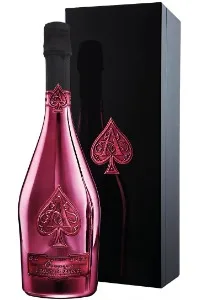
Champagne Brut Rosé – Armand de Brignac
Champagne, France
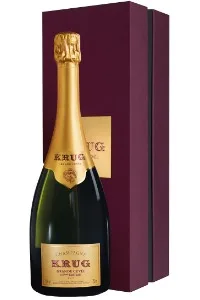
173ème Édition Brut Grande Cuvée – Krug
Champagne, France
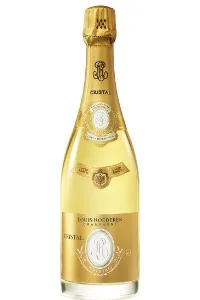
Cristal Brut – Louis Roederer 2016
Champagne, France
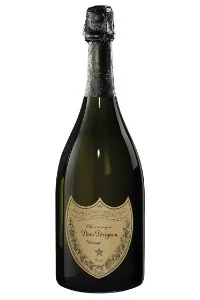
Champagne Brut – Dom Pérignon 2017
Champagne, France
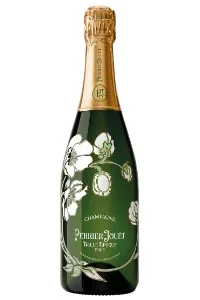
Belle Époque Brut – Perrier-Jouët 2016
Champagne, France
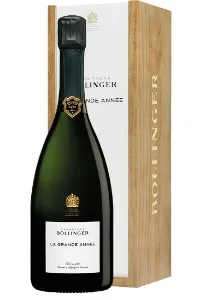
La Grand Année Champagne Brut – Bollinger 2015
Champagne, France
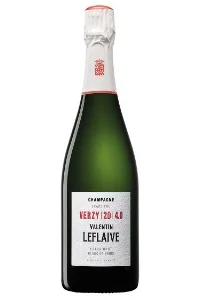
Verzy Blanc de Noirs Extra Brut Grand Cru – Valentin Leflaive 2020
Champagne, France
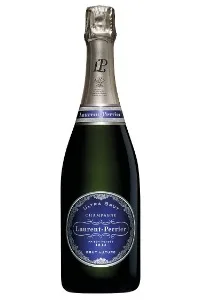
Brut Nature Ultra Brut – Laurent-Perrier
Champagne, France
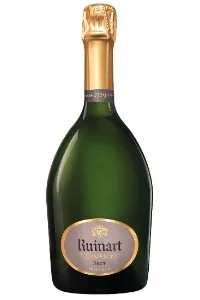
Champagne Brut R de Ruinart – Ruinart
Champagne, France
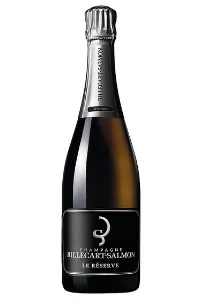
Brut Le Réserve – Billecart-Salmon
Champagne, France
This month’s ranking includes our selection of the top 10 Champagne brands out of the existing 50+ notable producers that deliver consistent quality year after year. Ranging from the delicious Billecart-Salmon Brut Le Réserve, rated at 4.6/5 and costing approximately £52, to our ace pick, Armand de Brignac Brut Rosé, a 5/5 blend of Pinot Noir, Chardonnay and Pinot Meunier. In this guide, we will introduce some of the top rated Champagne brands and prices across all tiers, from entry level to prestige houses.
Spotlight on top Champagne brands
The world’s most admired Champagne brands include Moët & Chandon, Krug, Louis Roederer and Champagne Bollinger. Their common denominator is a mix of historical prestige, consistent quality and market admiration. These top Champagne brands are recognised by wine enthusiasts worldwide for their highly exclusive prestige cuvées, as well as high quality non vintage options.
Here is a closer look at some of the best Champagne brands:
Moët & Chandon – Epernay, France
Moët & Chandon is one of the world’s best luxury Champagne brands, established in 1743 by Claude Moët in Epernay, France, who began by shipping his sparkling wines from Champagne to Paris. The winery quickly became established as a supplier of Champagne to nobles and aristocrats, including Napoleon Bonaparte, for whom the Moët Impériale was created in 1869. Today, Moët & Chandon is celebrated as the Champagne of victory, popularly served at high end events like the Oscars and celebratory occasions. The brand’s flagship bottle is the Impériale Brut, an iconic blend of Pinot Noir, Pinot Meunier and Chardonnay from over 100 crus, known for its bright fruitiness and elegant maturity.
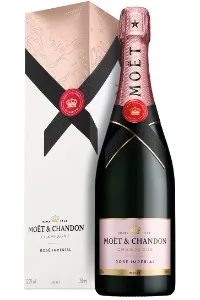
Impérial Brut Rosé – Moët & Chandon – Champagne, France
Krug – Reims, France
Founded in 1843 in Reims by the German immigrant Joseph Krug, the House of Krug was built with a simple vision: to produce the highest quality Champagne every year, regardless of climate. To achieve this, the Champagne house created a tradition of blending from a library of reserve wines, especially for the Krug Grande Cuvée. Krug Winery remains popular among wine connoisseurs for producing some of the world’s most prestigious, luxurious wines, each one aged for over seven years on lees and crafted from wine blends from different years to provide unmatched complexity.
Their flagship wine is the Krug Grande Cuvée, a rich and opulent multi vintage Champagne blend (over 120 wines from at least 10 years), with a distinctive nutty and toasty profile, often referred to by sommeliers as the most generous expression of Champagne.
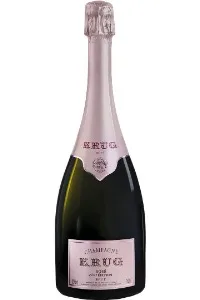
29ème Édition Brut Rosé – Krug – Champagne, France
Bollinger – Aÿ, France
Champagne Bollinger is a prestigious family owned maison renowned for its Pinot Noir driven luxury Champagnes and oak barrel fermentation. It was founded in 1829 by Joseph Bollinger and Paul Renaudin and was later inherited by Lily Bollinger in 1918, who expanded the vineyards and defined the house’s style. Champagne Bollinger is associated with fine dining and celebrations, featured as the signature Champagne of “James Bond” and popular among celebrities and in pop culture.
Their flagship bottle is the Brut Special Cuvée, which was first launched in 1911. This unique wine is crafted from 60% Pinot Noir, 25% Chardonnay and 15% Pinot Meunier. 85% of the grapes used must be sourced from Grand Cru and Cru vineyards and cellared twice as long as required.
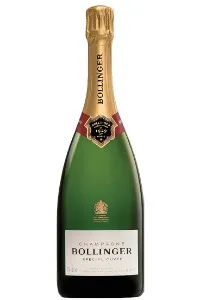
Brut Special Cuvée – Champagne Bollinger
Champagne brands by price tiers
Champagne brands are divided into four tiers: entry level (under £50), mid range (£50-£100), premium (£100-£500) and limited edition prestige cuvees (£500+). Most expensive Champagne brands gained cult status due to their reputation for consistent quality, as evidenced by the widespread demand for their bottles among collectors.
Here is a look at the types of Champagne brands and their price tiers:
| Category | Price Range | Brands | Best For |
|---|---|---|---|
| Entry level | Under £50 | Nicolas Feuillatte, G.H. Mumm, Lanson, Charles Heidsieck | Casual drinking, daily toasts, large parties |
| Mid range | £50-£100 | Moët & Chandon, Veuve Clicquot, Piper-Heidsieck | Entertaining guests, fine dining, housewarming presents and celebrations |
| Premium | £100-£500 | Bollinger, Pol Roger, Taittinger Comtes | Milestone anniversaries, high end gifts, collectors |
| Prestige Cuvées | £500+ | Dom Pérignon, Krug, Perrier-Jouët, Louis Roederer | Investments, formal events, sophisticated dinners and luxury gifting |
Entry level Champagne brands
Entry level Champagne brands, generally priced below £50, deliver refined flavours at accessible prices. Many of these are often crafted by cooperatives and independent growers rather than major houses and they feature versatile, fruity and balanced profiles. Some top choices are Nicolas Feuillatte, G.H Mumm, Lanson and Charles Heidsieck.
- Nicolas Feuillatte was founded in 1976 based on a partnership between local grape growers and the entrepreneur Nicolas Feuillatte. In 1986, the brand merged with a massive cooperative, Centre Vinicole de la Champagne, driving its success and growth to become one of France’s most reputable Champagne houses. Nicolas Feuillatte is known for its fresh and fruity Champagnes that can be enjoyed in both casual, intimate moments and celebratory events.
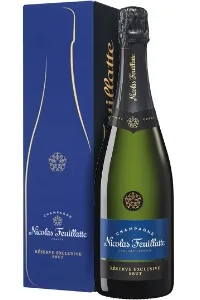
Nicolas Feuillatte Réserve Exclusive Brut – Champagne, France
Mid level Champagne brands
Mid level Champagne brands offer the widest selection, balancing prices and quality across most known producers. They are generally priced between £50 and £100, with famous Champagne brands including Moët & Chandon, Veuve Clicquot and Piper-Heidsieck offering high quality options suitable for gifts and celebrations without burning a hole in your wallet.
- Veuve Clicquot Ponsardin was founded in 1772 in Reims, France. It is one of the largest Champagne houses today, and according to Veuve Clicquot Champagne rankings in 2026, it is amongst the world’s top 50 Champagne brands. Madame Clicquot, widowed at 27 in 1805, took over her husband’s wine business to become a pioneering “Grande Dame of Champagne”. She invented the first known riddling table for clarity, created the first vintage Champagne in 1826 and the first known blended rosé Champagne in 1818. Her motto of “Only one quality, the finest” still drives the Veuve Clicquot brand to date.
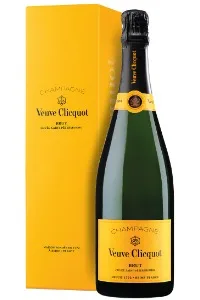
Veuve Clicquot Saint-Pétersbourg Cuvée – Champagne, France
Premium Champagne brands
Premium Champagne brands, also known as Grand Marques, are the most prestigious and historically significant Champagne houses, which account for roughly 90% of exports. They are known for consistent high quality, large scale production and their association with luxury. Champagne Bollinger, Pol Roger and Taittinger Comtes are some top examples in this category.
- Pol Roger is an esteemed family owned winery in Epernay, renowned for its British style, dry Champagnes. The house was established in 1849 by 18 year old Pol Roger, who created Brut Champagnes for the British clientele. Sir Winston Churchill became a loyal customer in 1908 and the “Cuvée Sir Winston Churchill” was created in 1984 to honour him. Today, the house wines are famously served at British royal events, associated with royalty and affluence.
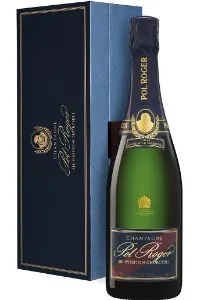
Pol Roger Winston Churchill Champagne 2015
Expensive Champagne brands
Expensive luxury Champagne brands, or tête de cuvée, represent the top tier, most prestigious offerings from major Champagne houses in France. They often involve superior quality grapes, extended ageing, and steep price points. Renowned examples of these posh Champagne brands include Dom Pérignon, Krug, Perrier-Jouët and Louis Roederer.
- Dom Pérignon was established in 1921, named after the 17th century Benedictine monk Dom Pierre Pérignon, who worked for years to enhance Champagne production. It is a top luxury Champagne brand that only produces wine in exceptional years (vintage only) and Dom Perignon Champagne rankings in 2026 show that it is one of the most exclusive sparkling wines in the world.
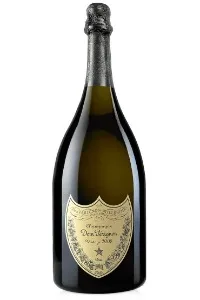
Dom Pérignon Vintage 2013 (1.5 L Magnum) – Champagne, France
Underrated Champagne brands worth every dollar
Underrated Champagne brands often come from smaller growers who are focused on terroir, offering exceptional quality, distinct personalities and better value for money than some major houses. These houses tend to prioritise artisanal, sustainable farming over high volume production, resulting in wines that truly express terroir. Some of these underrated producers include:
- Egly-Ouriet, known for their intense, Pinot Noir driven Champagnes.
- Vilmart & Cie, often described as the “King of grower Champagnes” due to their sophisticated barrel fermented wines.
- Champagne Savart: a prestigious small grower estate with a focus on producing low intervention, Pinot Noir focused Champagnes.
- Mailly Grand Cru, a producer of exceptionally balanced, mineral driven Champagnes, with all vineyards certified for sustainable viticulture in Champagne, focusing on parcel based composition to enhance terroir expression.
- Jeannaux-Robin, a family run estate renowned for organic, biodynamic and sustainable farming of Pinot Meunier on flint rich soils.
- Agrapart & Fils, a grower Champagne house that practices minimal intervention, low dosage and an artisanal approach to produce Chardonnay driven sparkling wines.
Types of Champagne brands: how are they classified?
All Champagne bottles feature a two letter code on the label, which identifies the type of producer. This label categorises Champagne wine brands by the roles they play in sourcing grapes and producing wines, including:
- Négociant Manipulant (NM): these are large houses like Moët, Veuve Clicquot and Bollinger that purchase the majority of the grapes they make into Champagne.
- Récoltant Manipulant (RM): are independent growers who produce wine exclusively from their own grapes, such as Egly-Ouriet. They may buy up to 5% of their grapes.
- Coopérative de Manipulation (CM): cooperatives that pool grapes from member growers to create Champagne under a shared brand name.
- Récoltant Coopérateur (RC): a cooperative producer is a grower who brings their own grapes to a cooperative, but markets the resulting Champagne under a personal label.
- Société de Récoltants (SR): is run by a family, where multiple members share resources to produce their own Champagne.
- Négociant Distributeur (ND): a merchant who doesn’t engage in any part of the production process, but buys finished Champagne that they market under their individual brand.
- Marque d’Acheteur (MA) refers to a brand name that is owned by a third party, like a restaurant or supermarket, instead of the actual Champagne producer.
Currently, there are over a hundred Champagne houses and 19,000 smaller vine growing producers. Together, they form the professional trade organisation “Union des Maisons de Champagne” (UMC). The UMC was founded in 1882 to protect the “Champagne” name, manage the appellation and control quality. Today, it acts as a union for the major brands and houses, known as the “Grandes Marques,” and oversees the ~32,000 hectares of vineyards in the region.
Champagne brands can also be classified based on sweetness levels, but first, let’s have a look at the Champagne sweetness chart.
| Sweetness Level | Dosage (amount of residual sugar measured in grams per litre) |
|---|---|
| Brut Nature | 0-3 g/L |
| Extra Brut | 0-6 g/L |
| Brut | 0-12 g/L |
| Extra Sec | 12-17 g/L |
| Sec | 17-32 g/L |
| Demi-Sec | 32-50 g/L |
| Doux | More than 50 g/L |
Some brands are known for their sweet Champagne bottlings, while others straddle the line between medium and low sweetness levels. Let’s have a look at some famous Champagne brands and their sweetness tiers.
| Sweetness Level | Brands | Recommended for |
|---|---|---|
| High | Veuve Clicquot, Piper-Heidsieck, Louis Roederer | Wedding cake toasts, bridal showers, poolside gatherings |
| Medium | Moët & Chandon, Laurent-Perrier, Armand de Brignac | Afternoon tea or brunch, dessert buffets, holiday gatherings |
| Low | Canard-Duchêne, Laurent-Perrier, Pol Roger | Aperitif, sophisticated dinners, formal events and toasting |
How we rate and score Champagne brands
Our editorial team rates wines based on a 5 point scale, assigning scores after assessing the appearance, aroma/bouquet, flavour/palate and overall impression of the wine. Before we recommend a wine bottle, our expert tasting panel tests it without bias. The scores are totalled and aggregated over 50 points, which we convert to the simple 5 point scale that is presented to you.
Our rating scale can be interpreted as:
- 5 = Exceptional
- 4 = Excellent
- 3 = Very Good
- 2 = Good
- 1 = Fair
What do we look for in a Champagne brand?
- Consistency of the range (up to 15 pts): quality across the full line of products, from non vintage to prestige cuvée.
- House style & identity (up to 15 pts): an authentic house style and signature in each bottle, be it Krug’s complexity or Ruinart’s elegance.
- Ageing & winemaking standards (up to 10 pts): practices like extended cellar ageing, the use of wine reserves, as well as disgorgement for improved nuance.
- Overall reputation (up to 10 pts): recognition by critics, impressive performance at auctions and consistency across vintages.
The overall rating assigned to each Champagne brand is a reflection of the average scores across all the bottles tasted from the house. An inconsistent producer that peaks with only one bottle will be rated less than one with consistently high scoring Champagnes in their product range.
A note from our team: preferences are determined by personal taste and we understand this. The scores we assign reflect the palate and opinions of our tasting team. Therefore, we recommend that you read our tasting notes to find the Champagne brands you will enjoy the most.
FAQs on Champagne brands
What are some good Champagne brands?
Good Champagne brands that offer great value include Nicolas Feuillatte, G.H. Mumm, Lanson and Charles Heidsieck. Their bottles often cost below £50, providing high quality and authentic options for casual sippers and those looking for accessible options. Our top pick from this list of Champagne brands is Nicolas Feuillatte Réserve Exclusive Brut (4.7/5, ~£40), a dry and intense rosé with subtle spice and red fruit notes.
How are Champagne brands classified?
Champagne brands are classified based on the sweetness levels (dosage), price tier and producer type. By sweetness level, there are sweet and dry Champagne brands. According to price tiers, Champagne producers range from entry level (under £50) to prestige cuvees (£500+). Also, Champagne producers may be Négociant Manipulant, Récoltant Manipulant, or any of 5 other classes, depending on their role in grape growing.
What are some of the most popular Champagne brands?
Popular Champagne brands include Krug, Dom Pérignon, Louis Roederer, Billecart-Salmon, Moët & Chandon and Veuve Clicquot. Celebrated for their consistent quality and premium craftsmanship, these Champagne brands offer top of the range Champagnes across all price points. The iconic Armand de Brignac Brut Rosé (5/5, ~£500) is our number one pick in our top Champagne brands list.
What is the most famous French Champagne brand?
Moët & Chandon is widely considered the most famous French Champagne brand in the world, with a history of over 270 years. This fancy Champagne brand is a part of the LVMH luxury group, marketed as a luxurious sparkling wine for celebration. Boasting the largest vineyards in Champagne, Moët & Chandon is one of the luxury French Champagne brands that produces ~30 million bottles annually and it is known for consistent quality.
What are luxury Champagne brands?
Luxury Champagne brands are expensive producers that stand out from the rest due to their exceptional quality, long term ageing and prestige. For Champagne, these best brands typically produce limited, vintage only (millésimé) or single plot cuvées that represent the pinnacle of their status as the world’s best. Names like Krug, Dom Pérignon and Salon are examples of these high end vintage Champagne brands.
Are there English Champagne brands?
Yes, some English Champagne brands exist, although they cannot legally use the label “Champagne” and their products are labelled “English Sparkling Wine”. Leading producers include Nyetimber, Chapel Down, Gusbourne and Hambledon. It is important to note that true Champagne only comes from France and these English brands are actually sparkling wine producers.
How many brands of Champagne are there?
There are nearly 300 active Champagne houses that produce Champagne today. They are supported by ~19,000 smaller grape growers. Out of the 300 active Champagne houses, about 100 major “Grande Marque” houses account for over two thirds of total production. These good luxury Champagne brands include Krug, Dom Pérignon, Louis Roederer, Moët & Chandon and Veuve Clicquot.
