

10 Best sweet red wine brands to buy in 2026
Sweet red wines offer a rich and indulgent way to enjoy a glass, balancing ripe fruit flavours with a velvety finish. In this guide, we’ll share the best sweet red wines to try in 2026, beginning with our 5/5 ace pick: Avignonesi Occhio di Pernice Vin Santo di Montepulciano 2010.

Expert recommended sweet red wines
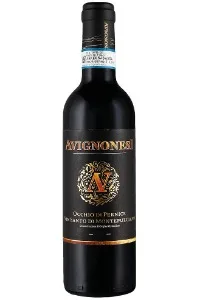
Occhio di Pernice Vin Santo di Montepulciano – Avignonesi 2010
Tuscany, Italy
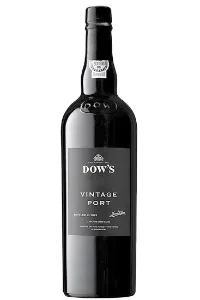
Vintage Port – Dow’s 2003
Duoro, Portugal
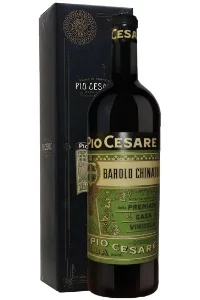
Barolo Chinato – Pio Cesare
Piedmont, Italy
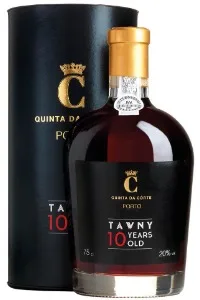
10 Years Old Tawny Port – Quinta de Côrte
Duoro, Portugal
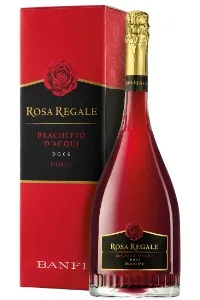
Rosa Regale Brachetto d’Acqui (1.5L Magnum) – Banfi 2025
Piedmont, Italy
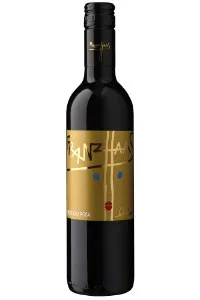
Moscato Rosa (500 ml) – Franz Haas 2024
South Tyrol, Italy
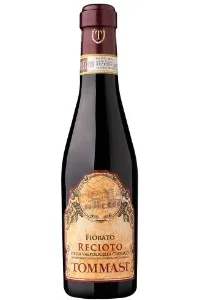
Fiorato Recioto della Valpolicella (375 ml Half bottle) – Tommasi 2021
Veneto, Italy
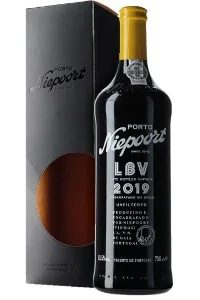
Late Bottled Vintage Porto – Niepoort 2020
Duoro, Portugal
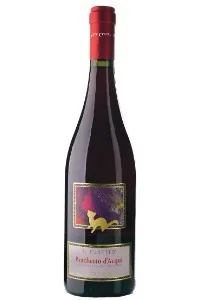
Il Furetto Brachetto d’Acqui – Vite Colte 2025
Piedmont, Italy
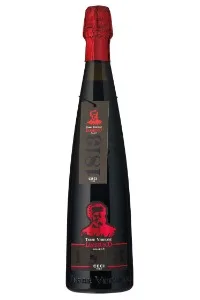
Terre Verdiane 1813 Lambrusco Amabile – Cantine Ceci
Piedmont, Italy
Above, we have curated the top 10 sweet red wines in the UK this month, complete with tasting notes to help you explore the best options available this year. Our picks of sweet red wine brands span Italian classics like Vin Santo, Portugal’s historic Port and other expressions of the best red sweet wine from other regions. Avignonesi Occhio di Pernice Vin Santo di Montepulciano 2010 is our number one pick, rated 5/5 by our editorial team and roughly valued at £230. This iconic Tuscan wine has been scored 95 points by international critics like James Suckling and Wine Enthusiast for its extreme concentration, long ageing and uniqueness. It was produced using traditional “madre” yeast and aged in tiny “caratelli” barrels, which gives it an ethereal flavour profile.
What is a sweet red wine and how is it made?
- Sweet Red Wine
Sweet red wine is a red grape wine with significant residual sugar left over from fermentation, resulting in a smooth, fruity and approachable flavour profile. These wines typically feature notes of ripe berries and chocolate, as well as lower tannins than dry reds. Popular example include Lambrusco, Brachetto d’Acqui and Ruby Port.
Sweet red wine is made through processes that capture its juicy fruit character and a winemaking technique that preserves natural sugars while drawing out intense colour and structured tannins.
Let’s see in detail how sweet red wine is made:
- Crushing: grapes undergo gentle crushing to release juice along with skins and seeds, initiating the extraction of deep pigments, tannins and aromatic compounds.
- Fermentation and maceration: the juice is left to ferment in contact with the grape skins. To retain sweetness, fermentation is deliberately halted early, typically by chilling or adding sulfur dioxide, ensuring residual sugar remains. In fortified sweet wines (such as Port), grape spirit is added to halt yeast activity and preserve natural sugars, creating a sweeter and more robust style.
- Ageing: post fermentation, the wine matures in stainless steel vessels or oak barrels, allowing flavours to integrate and deepen while maintaining the desired sweetness profile.
The sweet red wine varieties necessary to produce this style of wine are selected not just for sugar levels but also for their aromatic complexity and colour intensity. These include:
- Merlot
- Lambrusco
- Grenache
- Dornfelder
- Touriga Nacional (Port)
- Brachetto
Curiosity: the vivid red hues characteristic of sweet red wines derive from anthocyanins, strong antioxidant pigments naturally residing in grape skins.
Exploring the different sweet red wine types
Sweet red wine types aren’t defined by a single style! They span from lightly sparkling and refreshing to rich, fortified expressions. To better understand the different red wine types that are sweet, consider these three main production styles:
- Early fermentation stop: fermentation is halted before all sugars convert to alcohol, preserving natural sweetness and creating a juicy, smooth wine.
- Secondary fermentation: usually used for sparkling versions such as Lambrusco, secondary fermentation in tanks or bottles adds natural bubbles while retaining sweetness.
- Fortification: adding spirits (like brandy) boosts alcohol content and sweetness, producing rich, intense wines like Port, Banyuls and some styles of Lambrusco.
- Late harvest: grapes are left on the vine longer to achieve higher sugar content before picking (mostly used in Passito and Recioto style wines).
- Brief skin contact: limiting the time grape skins stay with juice reduces tannins and colour intensity, resulting in softer, sweeter reds.
How residual sugar shapes the flavour of sweet red wines
Sweetness in red wine comes from residual sugar that isn’t fully converted into alcohol due to halts in fermentation or late harvesting, giving the wine its luscious, smooth character.
It can range from barely sweet to very sweet red wine and each level affects the wine’s texture, balance and flavour. The table below breaks down the red sweet wine types by sweetness level, showing how each degree, from semi sweet red wine to sweeter versions, shapes taste and pairing potential.
| Sweetness | Top Picks & Producers | Tasting Notes | Common Varietals | Residual Sugar |
|---|---|---|---|---|
| Semi Sweet Red Wine | Amabile Lambrusco Grasparossa di Castelvetro Fruttato 2 – Giacobazzi – Emilia-Romagna, Italy | Fragrant and sweet fruity red wine, offering aromas of fermenting must, strawberry, cherry and black cherry. | Some Lambrusco, Dornfelder | 4–16 g/L |
| Medium Sweet Red Wine | Brachetto d’Acqui – Duchessa Lia – Piedmont, Italy | Sweet and harmonious, with pleasant notes of violet, geranium and fresh fruit. | Brachetto d’Acqui, some Zinfandel | 16–45 g/L |
| Sweet Red Wine | Recioto della Valpolicella Classico (500 ml) – Bolla – Veneto, Italy | Full bodied, clean and sweet, with balancing acidity and hints of cocoa, vanilla and pleasant spicy notes of dried grapes. | Recioto della Valpolicella, Banyuls | 45–100 g/L |
| Very Sweet Red Wine | Tawny Reserve – Bulas – Douro, Portugal | Dense yet elegant, with a velvety feel, soft tannins and aromas of red fruit, dried fruit and slight oxidation from wood ageing. | Vintage Port, Sweet Madeira | 100+ g/L |
Smooth sweet red wine: softness meets sweetness
Once you’ve figured out your preferred sweetness level, the next step is choosing the texture! If you enjoy a gentle, velvety mouthfeel, smooth, sweet red wine is the way to go. These wines are typically low in tannins with ripe fruit flavours and a plush finish.
Our pick: Cascià – Fontezoppa 2020 – Marche, Italy
Rich and velvety, with delicate tannic structure and enveloping aromas of ripe red fruit, jam, spicy notes and subtle balsamic hints.
Fizzy sweet red wine: light bubbles, bold flavour
Fizzy sweet red wine offers a fun twist, combining the playful sparkle of bubbles with the indulgence of ripe fruits. Styles like Lambrusco or Brachetto d’Acqui are perfect examples where gentle effervescence lifts sweetness and acidity. Sparkling sweet red wines are perfect matches for pizza, cheese, or simply sipped by themselves and are a refreshing alternative.
Our pick: Radici d’Italia Amabile Frizzante Lambrusco – Terre Forti – Emilia-Romagna, Italy
Full and enveloping in the mouth, with refined notes of olum jam and dried fruit that blend in with the wine’s delicate sweetness.
Non alcoholic sweet red wine
Non alcoholic sweet red wine is crafted by gently extracting alcohol using advanced methods like vacuum distillation or reverse osmosis, ensuring the wine’s natural fruitiness and sweetness remain intact. While the opposite of a sweet red wine with high alcohol content, which often gains intensity through fortification or late harvest techniques, non alcoholic versions aim to deliver flavour and body without the buzz.
Perfect companions for spicy cuisine or treats, here is our top pick of alcohol free sweet red wine:
- Póker de Tintos 0% – Encomienda de Cervera – Castilla-La Mancha, Spain
Slightly sweet, with silky tannins, fresh acidity and notes of ripe red fruit, flowers and pastry.
Food pairing suggestions: spicy sauces, grilled meat
What are the sweet red wine food pairings?
Sweet red wine food pairing can be a delightful yet tricky art. The natural sugar and rich fruit flavours need balance to avoid overpowering dishes or clashing with flavours.
Some of our top pairings by sweet wine types red are:
- Vin Santo Occhi di Pernice: Cantucci, aged cheeses, nut based desserts
- Port: blue cheese, dark chocolate desserts, spiced desserts.
- Brachetto d’Acqui: fresh fruit, chocolate based desserts, savoury dishes
To help you navigate red wine sweet food pairings, we’ve put together some delicious pairing ideas for our top wines to try out at your next get together with friends!
| Sweet Red Wine Food Pairing | Sweet Red Wine | Grape Variety | Type & Structure |
|---|---|---|---|
| Cantucci, Gorgonzola, aged Pecorino, Parmigiano-Reggiano, walnut tart, pecan pie, dark chocolate, panforte | Occhio di Pernice Vin Santo di Montepulciano – Avignonesi 2010 – Tuscany, Italy | Sangiovese | Sweet and spicy, creamy, dried fruit notes, persistent finish. |
| Crème brûlée, Manchego, Pecorino, dark chocolate truffles, berry desserts | 10 Years Old Tawny Port – Quinta de Côrte – Duoro, Portugal | Tinta Amarela, Tinta Roriz, Touriga Franca | Nice acidity, dried fruit notes, structured |
| Rich chocolate ganache, panna cotta, fresh strawberries and cream, spicy salami and Mexican chicken fajitas. | Rosa Regale Brachetto d’Acqui (1.5L Magnum) – Banfi 2025 – Piedmont, Italy | Brachetto | Red fruit notes, crisp acidity, clean and dry finish. |
| Peach tart, chocolate cake, foie gras, Gorgonzola, pungent goat cheese | Moscato Rosa (500 ml) – Franz Haas 2024 – South Tyrol, Italy | Pink Muscat | Balanced acidity, sweetness and tannins |
| Dark chocolate truffles, Sbrisolona, Zaletti, Roquefort, Gorgonzola, black forest cakes | Fiorato Recioto della Valpolicella (375 ml Half bottle) – Tommasi 2021 – Veneto, Italy | Corvina Veronese, Molinara, Rondinella | Full bodied, velvety, balanced sweetness, persistent finish. |
| Proscuitto di Parma, mortadella, pumpkin tortelli, wild berry tarts | Terre Verdiane 1813 Lambrusco Amabile – Cantine Ceci – Emilia-Romagna, Italy | Lambrusco Maestri, Lambrusco Marani | Soft, smooth, slightly sweet, moderate acidity, delicate tannins |
Sweet red wine production regions
Sweet red wine is produced globally, with major winemakers in Italy (crafting Lambrusco and Brachetto), Portugal (Port wines), France (Banyuls, Jura) and Austria (Burgenland). These areas benefit from diverse microclimates (warm days balanced by cool nights), which help grapes develop ripe sugars while preserving acidity. Winemakers use modern winemaking techniques, such as temperature controlled fermentation and precise blending, to craft solid red sweet wines.
The key global producers of sweet red wine include:
- Italy: renowned for sparkling sweet reds, especially Lambrusco (labelled Amabile or Dolce) and Brachetto d’Acqui. Other, less common varieties are Freisa and Schiava, a sweet and fruity red wine.
- Portugal is famous for Port, a fortified red wine made by adding brandy or distilled grape spirits to arrest fermentation, leaving high residual sugar and about 20% alcohol.
- France produces sweet straw wine (vin de paille) in the Jura and Rhône regions, as well as southern sweet wines like Banyuls.
- In the US, California winemakers produce sweet styles of Zinfandel, as well as late harvest red wines from Malbec, Mourvèdre, and Petit Sirah.
Other regions, such as Austria, South Africa and sometimes Chile, produce late harvest red wines and sweet red dessert wines in various styles.
Sweet red wine varieties
Red sweet wines showcase a diverse spectrum of grape types, each bringing its own character in terms of aroma, sugar concentration, and mouthfeel. Ranging from softly effervescent to intensely fortified, these wines are thoughtfully made using grapes that ripen with higher natural sugars or flourish in cooler regions.
The main sweet red wine varieties include:
- Lambrusco: mostly coming from Italy in the Dolce or Amabile styles, it can be lightly sparkling.
- Port wine: rich and fortified, Port is one of the main products of Portugal.
- Brachetto: a lightly sparkling, sweet red wine from Piedmont, Italy.
- Roscato: an Italian sweet red wine known for its bright berry aromas and refreshing sweetness.
- Dornfelder: derived from the same German grape known for producing juicy, sweet reds.
- Grenache (Garnacha): used in a variety of blends and in Banyuls, a sweet fortified red from France.
- Sagrantino: used in Sagrantino Passito, a sweet dessert red wine from Umbria, Italy.
- Ruby Cabernet: used in sweet red blend wines, particularly in the US.
The section below takes you through some popular sweet red wines, highlighting their flavour profiles and structural characteristics.
Brachetto: the floral heart of Piedmont
Brachetto is a lightly sparkling sweet red wine from Piedmont (Italy) celebrated for its aromatic sweetness and delicate bubbles. Bursting with vibrant notes of fresh strawberries, raspberries and rose petals, it delivers a refreshing, fruity sip perfect for celebrations or pairing with light desserts.
Brachetto’s soft fizz and floral character make it an inviting choice for those who enjoy a sweet, fragrant wine. In the table below are Wine Curated’s recommended Brachetto wines:
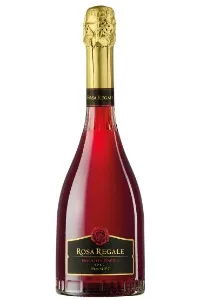
Rosa Regale Brachetto d’Acqui – Banfi 2025 – Piedmont, Italy
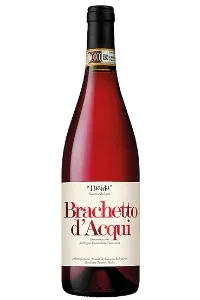
Brachetto d’Acqui – Braida 2025 – Piedmont, Italy
Sweet red wines among collectors: celebrated yet rare treasures
Some sweet red wines often transcend their role as enjoyable beverages to become prized collectors’ items. Celebrated for their remarkable ageing potential, exclusivity, and prestige, these wines represent some of the finest achievements in red winemaking, yet they are often very difficult to find.
In fact, these coveted wines are typically:
- Produced in limited quantities—small batch, artisanal creations.
- Handcrafted from historic vineyards with terroirs renowned for excellence.
- Released through restricted channels such as mailing lists or direct allocations.
Collectors usually seek out luxury sweet red wines or foreign gems like the legendary Kindzmarauli semi sweet red wine, which is grown exclusively in a specific region of Georgia and comes in many different versions.
But collecting isn’t just about enjoyment: while owning these wines offers status and investment potential, collectors also need to consider factors like proper storage, market demand, and availability.
Sweet red wine serving temperature
Many people assume that all red wines should be served at room temperature, but sweet reds often benefit from cooler temperatures that highlight their vibrant fruitiness and balance their sweetness.
While understanding the sweet red wine serving temperature, to properly savour, it is important to consider other factors like tannin, acidity, ageing potential and alcohol content (ABV). The table below offers a guide featuring these key attributes, helping you make informed choices to explore new, good, sweet red wines.
| Sweet Red Wine Name | ABV | Tannin / Acidity | Ageing Potential | Serving Temp |
|---|---|---|---|---|
| Occhio di Pernice Vin Santo di Montepulciano – Avignonesi 2010 – Tuscany, Italy | 12.5% | Medium tannin, medium acidity | 10-15 years | 12-14°C |
| 10 Years Old Tawny Port – Quinta de Côrte – Duoro, Portugal | 20% | Low tannin, nice acidity | 5-10 years | 10-12°C |
| Rosa Regale Brachetto d’Acqui (1.5L Magnum) – Banfi 2025 – Piedmont, Italy | 7% | Low tannin, fresh acidity | 2-4 years | 10-12°C |
| Moscato Rosa (500 ml) – Franz Haas 2024 – South Tyrol, Italy | 10.5% | Medium tannin, medium acidity | 10-15 years | 14-16°C |
| Fiorato Recioto della Valpolicella (375 ml Half bottle) – Tommasi 2021 – Veneto, Italy | 13% | Firm tannin, high acidity | 10-15 years | 14-16°C |
How to store sweet red wine
To truly preserve your sweet red wine’s charm, remember that patience is key. Investing in a wine fridge or a dedicated cellar can also make a big difference, especially for prized bottles. Here is how to store red wine that is sweet to keep it tasting good through time:
- Keep it cool and dark, around 12-15°C is just right.
- Give corks moderate humidity (about 70%).
- Lay bottles on their side, corks don’t like to dry out!
- No shaking or strong smells.
- Once opened, reseal and chill to keep it fresh
- Avoid wild temperature swings; your wine likes a steady vibe.
How to choose the best sweet red wine for beginners?
Beginners often enjoy styles with moderate alcohol, fresh acidity and vibrant fruit notes. Look for wines labelled as “sweet”, “dolce” or “dessert” and don’t be afraid to explore sparkling options which can feel lighter on the palate. Classics like Brachetto d’Acqui, Lambrusco and Port are great entry points.
Here is our selection of approachable sweet red wines for beginners:
- Brachetto d’Acqui (Italy)
Sweetness level: lightly sweet, lightly sparkling.
Best for: pairs beautifully with fresh berries or delicate desserts. - Port (Portugal)
Sweetness level: rich and full bodied, fortified.
Best for: great alongside chocolate or strong cheeses. - Lambrusco (Italy)
Sweetness level: medium sweet, lightly sparkling.
Best for: perfect with cured meats or mild cheeses.
Once you’ve tried these wines, here are some helpful tips to navigate and choose the top sweet red wines on your own:
- Alcohol content: begin with sweet reds that have lower alcohol content to ease your palate.
- Food pairing: pair sweet wines with salty or spicy foods to create exciting flavour contrasts.
- Sweetness preference: start with mildly sweet wines and gradually explore richer ones.
Last but not least, don’t be afraid to explore quality wines at different price ranges. Some great sweet red wines are perfect for beginners!
How we rate sweet red wine
Every sweet red wine that we recommend has been tasted and scored by our editorial team independently: what ends up in your glass speaks for itself, with no exception. We are deliberately selective; our recommendations begin from bottles that score 4.6 out of 5 and every bottle that makes the cut has earned its place on merit alone.
We work with a 50 point scoring system under the hood, which we translate into a clean 5 point scale for you:
- 5 = Exceptional
- 4 = Excellent
- 3 = Very Good
- 2 = Good
- 1 = Fair
What actually goes into the score?
- Appearance (up to 5 points): does the wine look alive? We’re assessing clarity, depth of colour and brightness, the first clues about what’s coming.
- Aroma & bouquet (up to 15 points): this is where a wine starts to tell its story. We’re looking for intensity, layered complexity and a clean, flaw free nose that makes you want to keep going back.
- Flavour & palate (up to 20 points): the heart of the score. Acidity, tannin, alcohol and mouthfeel all need to be pulling in the same direction: a great red wine feels balanced, not like a tug of war
- Overall impression (up to 10 points): how does it all come together? We’re thinking about harmony, typicity, the length of the finish and whether this is a wine that still has somewhere interesting to go.
Scores of 4 and above signal something genuinely worth seeking out. Anything below 4 didn’t make the cut.
We also hold every sweet red wine to two additional standards that we think matter as much as the numbers:
- Structure: tannins should feel like a frame, not a wall. We want acidity that gives the wine life and alcohol that knows its place
- Aromatic profile: complexity is the goal. Fruit, spice, earth, oak and time should all have something to say, and ideally they should keep saying it long after the glass is empty.
One last thing from us: numbers are useful but they’re not the whole story. Our scores reflect our palates, our tasting conditions and our honest opinions on a given day, nothing more, nothing less. The tasting notes are where the real picture lives and we’d always encourage you to read those first. Finding a wine you love is the only result that matters.
FAQs Best sweet red wines
What red wine is sweet?
Sweet red wine is any red wine that contains noticeable residual sugar, which gives it a distinctly sweeter taste compared to dry reds. Which red wine is sweet ranges from lightly sweet, fruity styles like Brachetto to richer, fortified wines such as Port, offering a broad spectrum of sweetness levels.
What is a good sweet red wine for beginners?
For those new to sweet red wines, a good sweet red wine for beginners, like Brachetto d’Acqui or semi sweet Lambrusco are excellent choice. Their low tannin levels and gentle bubbles create an approachable experience that eases beginners into the world of sweet reds without overwhelming the palate or complexity.
What is a good sweet red wine to drink?
A good sweet red wine to drink depends on your taste and the occasion. Light, fruity wines like Brachetto or Lambrusco are refreshing and easy to enjoy, while richer options like Port offer depth and complexity. Choose wines with balanced sweetness and acidity to suit desserts, spicy dishes or casual sipping moments.
What is the best sweet red wine?
The best sweet red wine varies by personal preference and occasion. Renowned options include Port for its richness and ageing potential, Brachetto d’Acqui for light, aromatic sweetness and Kindzmarauli from Georgia for a unique semi sweet profile. Ultimately, the best choice balances flavour, sweetness and food pairing to suit your taste and moment. Have a look at our top 10 list for the best sweet red wines in the UK this month.
What are the different types of sweet red wine?
Sweet red wines come in several types, including lightly sweet and fruity styles like Brachetto and Lambrusco, semi sweet wines such as Kindzmarauli and rich fortified wines like Port and Banyuls. These wines vary in sweetness, body and alcohol content, offering options from gently sparkling to full bodied.
What is the difference between sweet red wine and dry red wine?
The main difference between sweet red wine and dry red wine is the sugar content. Sweet reds contain noticeable residual sugar, giving them a fruity, sugary taste, while dry reds have little to no residual sugar, resulting in a more tannic, bitter or acidic flavour. This affects pairing, body and overall wine experience.
Do organic sweet red wines contain sulphites?
Organic sweet red wines can contain sulphites, but typically in smaller quantities than regular wines. Sulphites naturally form during fermentation and are sometimes added to preserve freshness and prevent spoilage. Organic producers restrict added sulphites to meet certification rules, making these wines a gentler option for those sensitive to sulphites without compromising taste.
Is sweet red wine good for you?
Sweet red wine, enjoyed in moderation, may offer some health benefits like antioxidants and heart healthy compounds. However, its higher sugar and alcohol content mean it should be consumed carefully. Excessive drinking can lead to negative effects. Always balance enjoyment with moderation for the best health outcome when drinking sweet red wine.
Can sweet red wine be aged?
Sweet red wine can be aged, especially those with higher sugar and alcohol levels, like Port or certain dessert wines. Ageing enhances their complexity, flavours and aroma. However, not all sweet reds are suitable for long ageing; lighter styles are best enjoyed young. Proper storage is essential to preserve their quality over time.
How long does sweet red wine last after opening?
Sweet red wine typically lasts 3 to 5 days after opening if properly stored in the refrigerator with a tight seal. Its sugar content helps preserve freshness longer than dry wines. However, exposure to air gradually diminishes flavour and aroma, so it’s best to enjoy opened bottles promptly for optimal taste.
How many calories are in sweet red wine?
Sweet red wine contains roughly 120 to 160 calories per 5 ounce serving, depending on its sugar and alcohol content. Higher sugar and alcohol levels increase calorie count. For those watching intake, lighter, sweeter reds with lower alcohol typically have fewer calories. Moderation is key to enjoying sweet red wine without excess calorie consumption.
