

Exploring Malbec: a curated guide to Argentina’s iconic red
Despite originating from France, Malbec is now Argentina’s flagship red wine, appreciated for its velvety texture and deep flavours of berries, red plum and spices. In this guide, we’ll uncover everything you need to know about Malbec wine, including the best bottles. Our 5/5 top pick: Achaval Ferrer Finca Altamira Malbec 2018.

10 Most recommended Malbec wine bottles
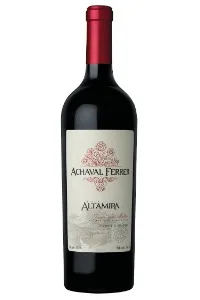
Finca Altamira Malbec – Achaval Ferrer 2018
Mendoza, Argentina
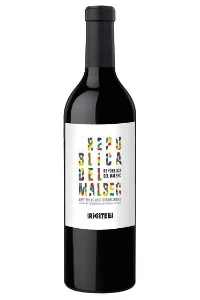
República del Malbec – Matías Riccitelli 2021
Mendoza, Argentina
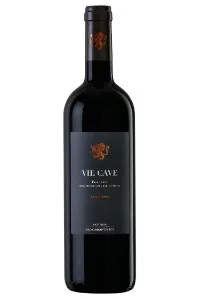
Vie Cave – Fattoria Aldobrandesca 2023
Tuscany, Italy
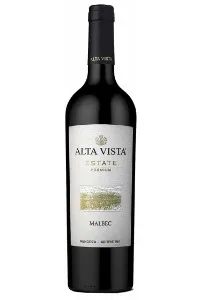
Estate Premium Malbec – Alta Vista 2022
Mendoza, Argentina
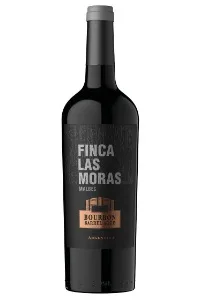
Bourbon Barrel Aged Malbec – Finca Las Moras 2023
San Juan, Argentina
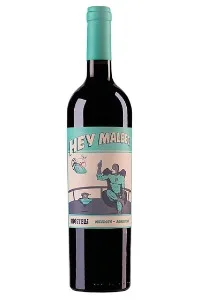
Hey Malbec! – Matias Riccitelli 2024
Mendoza, Argentina
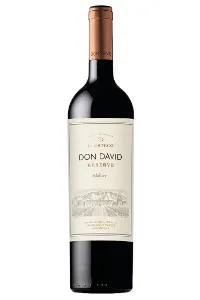
Don David Malbec Reserve – El Esteco 2023
Salta, Argentina
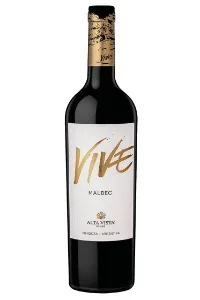
Vive – Alta Vista 2024
Mendoza, Argentina
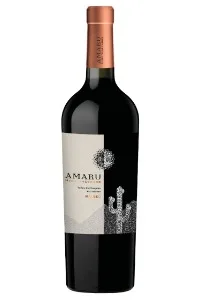
Amaru Malbec – El Esteco 2023
Calchaqui Valleys, Argentina
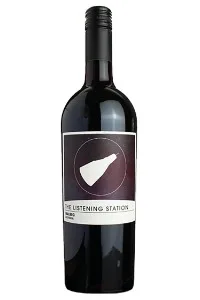
Malbec – The Listening Station 2024
Victoria, Australia
The top 10 best Malbec wines list has been carefully curated by our team, drawing on the expertise of leading wine critics as well as widespread customer preferences and ratings. This ensures that our recommendations are based on a broad consensus and truly resonate with wine lovers. These selections showcase Argentina’s iconic red in all its diversity, from the powerful and sun drenched expressions of Mendoza to the more refined and elegant styles found in Australia. For the truly curious, we’ve also included a distinguished Italian Malbec wine from Tuscany, offering a fascinating comparison to its Argentine counterpart.
Our best Malbec wine for the month is the Achaval Ferrer Finca Altamira Malbec 2018, a stunning 5/5 wine that you can buy for £124. This wine is sourced from ungrafted old vines in the limestone rich soils of Uco Valley, offering rare high altitude acidity and balanced minerality.
What does Malbec wine taste like?
Malbec wine tastes dry and full bodied, with soft, velvety tannins and plush texture. It featured juicy flavours of dark fruits like blackberry and plum, with common secondary notes of cocoa, violet, tobacco and vanilla.
| Malbec Red Wine | Details |
|---|---|
| Grape Variety | Malbec |
| Origin | Cahors (France), now widespread in Argentina |
| Serving Temperature | 60 to 64°F (15 to 18° C) |
| Decanting | 30 minutes to 1 hour for younger wines, up to 2 hours for aged and premium bottles |
| Aging Potential | 15+ years, depending on terroir and brand |
| Flavor Profile | Ripe figs, plum, dark berries, cherry, cocoa, tobacco and black pepper |
| Structure | Medium to full bodied, moderate to high tannins and balanced acidity |
| Alcohol Content | 13% to 15% with slight variations according to producer |
| Ideal Glass | Bordeaux style glasses to concentrate aromas and soften tannins |
| Food Pairing | Grilled/charred meats, beef empanadas, aged hard cheeses, Argentine asado roasted vegetables, dark chocolate |
| Top Communes | Cahors (France) and Mendoza (Argentina) Napa Valley and Washington State (USA) |
| Best Producers | Argentina: Catena Zapata, Bodega Colomé, Norton, Achával-Ferrer, Luigi Bosca, Zuccardi – France: Chateaux du Cèdre, Clos Triguedina |
The Malbec wine taste is that of a bold, fruit forward wine with a smoky finish. However, that often only applies to Argentinian Malbec. Malbec from France is a world of difference, with leathery notes and a green, savoury bitterness.
But what really influences the Malbec tasting notes?
For Argentine bottlings, one of the most defining elements is altitude. Vines planted at high altitudes (like the ones of Altura Máxima, one of the highest vineyards in the world) produce great red wine Malbec with vivid acidity, delicate floral aromas and a more elegant structure. In contrast, Malbec grown on lower altitude sites tends to be denser, fuller in body and sweeter in flavour. Nevertheless, independent of where the grape is grown, there are typical tasting notes of Malbec red wine that we can find amongst almost all bottles, such as ripe dark fruits (blackberries, black cherries and plum), spice notes (mainly black pepper, vanilla, cocoa and dill), together with earthy tones of leather, sweeter tobacco, mocha and gravel.
Best Malbec wine brands from around the world
Winemakers across the globe have crafted their own interpretations of this remarkable grape. In its native France, Malbec has become less widely cultivated due to its delicate nature and climate sensitivity, yet Argentina has embraced it fully, becoming its modern stronghold and the benchmark for global quality. Below, we’ve gathered some of the best Malbec wine brands whose wines consistently stand out for quality and character.
Alta Vista – Luján de Cuyo (Mendoza), Argentina
In 1998, Count Patrick d’Aulan, who was the previous owner of the famed Piper-Heidsieck Champagne house, founded Alta Vista winery in the high altitude Andes regions of Mendoza. He partnered with Bordeaux winemaker Jean-Michel Arcaute and together they used their winemaking experience to create the first Argentine single vineyard Malbecs. The winery‘s flagship wine, Alto, sold out quickly and helped to establish Argentina’s reputation for premium wines. Today, they remain committed to sustainable viticulture and low environmental impact in their operations.
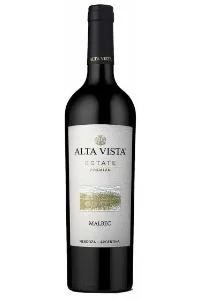
Estate Premium Malbec – Alta Vista 2022 – Mendoza, Argentina
Matías Riccitelli – Luján de Cuyo (Mendoza), Argentina
Located in Las Compuertas, Luján de Cuyo, Matías Riccitelli winery was established in 2009 by Matías Riccitelli, the son of renowned winemaker Jorge Riccitelli. The wine estate was founded to express Argentina’s terroir diversity by blending traditional winemaking with creative innovation. Matías Riccitelli is famous for their “Hey Malbec!” line as well as a focus on unique, old vine plantings in Argentina.
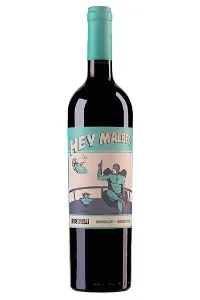
Hey Malbec! – Matías Riccitelli 2024 – Mendoza, Argentina
Achával-Ferrer – Luján de Cuyo (Mendoza), Argentina
Located in the Andes foothills near the Mendoza and Tunuyán rivers, Achaval Ferrer is well renowned for its Fincas trilogy, a set of terroir expressive Malbecs crafted from old vine grapes grown in three distinct vineyard sites. This producer stands out in the Argentinian winemaking scene for its world class fresh and elegant wines, ranking second place on the IWSR’s Drinks Market Analysis list of Ultra Premium Brands from Argentina in 2023. For a true taste of the winery’s philosophy, try the 2020 Finca Altamira Malbec.
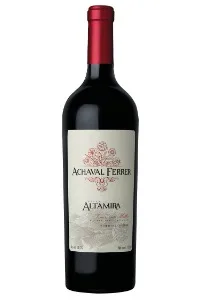
Finca Altamira Malbec – Achaval Ferrer 2018 – Mendoza, Argentina
What influences the Malbec red wine prices?
The price spectrum for quality Malbec is remarkably wide, ranging from approachable bottles around £20 to rare collector’s editions exceeding £1,000. Several factors influence where a wine falls within this range. Vineyards located at higher altitudes command a 20-30% premium thanks to the exceptional fruit quality and climate conditions. Hand harvesting and extended oak ageing also demand greater labour and precision, which translates into higher costs. Vintage variation adds another layer: outstanding years like 2016 and 2018 are particularly sought after by collectors, often driving prices up by 15-25%. Brand prestige has its own weight too, with renowned names such as Catena Zapata carrying price premiums of 40-50% for their exceptional Malbecs. Finally, ageing potential is a key marker of value; wines built to evolve gracefully over a decade or more can cost two to three times as much.
Good Malbec wines by price point
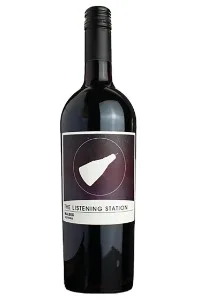
1. Entry Level Malbec: Malbec – The Listening Station 2024 – Victoria, Australia
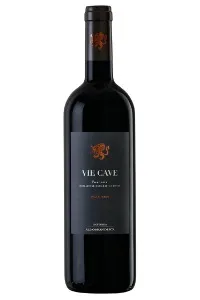
2. Mid Tier Malbec: Vie Cave – Fattoria Aldobrandesca 2023 – Tuscany, Italy
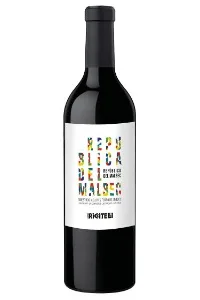
3. Premium Malbec: República del Malbec – Matías Riccitelli 2021 – Mendoza, Argentina
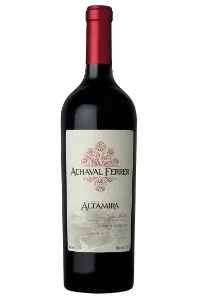
4. Luxury Best Malbec Wine: Finca Altamira Malbec – Achaval Ferrer 2018 – Mendoza, Argentina
Best Malbec wines to elevate your collection
Once viewed as a simple table wine, Malbec has evolved into one of the most collectable red wines of the modern era. The most age worthy Malbecs often originate from appellations such as Luján de Cuyo and Altamira, where DOC recognition signals meticulous vineyard management. Vineyards situated at high altitudes (above 1,000 meters) like those of Adrianna or Altamira, produce grapes with concentrated fruit and firm structure that allow for graceful ageing. Bottles that are most coveted by collectors often showcase Malbec skillfully blended with other noble varieties such as Cabernet Sauvignon, Merlot or Tannat, in varying proportions to enhance depth and longevity. Production remains intentionally small, with winemakers focusing on capturing the individuality of each parcel rather than volume.
Below, we have handpicked 2 of the best Malbec wines that belong in a collector’s cellar alongside Bordeaux and Champagne.
Finca Altamira Malbec – Achaval Ferrer 2018 – Mendoza, Argentina
Premium Malbec: República del Malbec – Matías Riccitelli 2021 – Mendoza, Argentina
Fun fact: The Catena Zapata Adrianna Vineyard Mundus Bacillus Terrae Malbec 2016 from the high altitude Adrianna vineyard in Uco Valley, Mendoza, has sold for £2000+ at auction, making it the world’s most expensive Malbec!
Malbec red wine’s best vintage years
Malbec vintages vary widely in character, with some years producing wines best enjoyed young and others offering exceptional ageing potential. Cooler seasons typically yield more structured wines with firm tannins and vibrant acidity, ideal for long term cellaring, while warmer years produce softer and fruit driven styles suited for early drinking. Among the recent standouts, 2016 remains a reference vintage: a long, cool growing season delivered Malbecs of remarkable balance, freshness and depth, capable of evolving for 20 years or more.
For a detailed look at the best Malbec vintage, consult the Argentine wine vintage chart highlighting the top performing harvests. The table below lists the key vintages that have defined Malbec’s modern reputation.
| Malbec Vintage | Recommended Malbec | Tasting Notes | Vintage Characteristics |
|---|---|---|---|
| 2024 | Vive – Alta Vista 2024 – Mendoza, Argentina | Fresh, young and persistent, with round tannins and intense aromas of red fruits, plums, coffee powder and vanilla. | Frosts and the El Niño condition led to lower yields, but the wines were of very good quality, highly aromatic and concentrated. |
| 2023 | Amaru Malbec – El Esteco 2023 – Calchaquí Valleys, Argentina | On the palate, sweet and soft tannins perfectly balance out the fresh red fruits, plum, raisins, chocolate and oak notes. | Severe spring frosts in 2022 led to lower yield harvests, but despite this, the resulting wines are deep, tense and age worthy, particularly in Uco Valley and Mendoza. |
| 2022 | Estate Premium Malbec – Alta Vista 2022 – Mendoza, Argentina | Silky, round and concentrated on the palate, with elegant flavours of red fruits, plum and spices, enriched with notes of liquorice and balsamic herbs. | A roller coaster year with a relatively cool growing season. The wines from this vintage are highly expressive with optimal acidity and ripeness. |
| 2021 | Gil Aceri – Paladin 2021 – Veneto, Italy | Elegant and sophisticated, with a full body and intense aromas of red fruit, spice and tobacco. | Cool temperatures and rain slowed down the ripening of the grapes, leading to concentrated wines with lower alcohol levels. |
| 2018 | Finca Altamira Malbec – Achaval Ferrer 2018 – Mendoza, Argentina | palate, with a rich aromatic bouquet of plum, berries, cherries and wild herbs, as well as well defined tannins and a long, harmonious finish. | Nearly ideal growing conditions resulting in well structured wines with smooth tannins and ripe fruit flavours. |
How to serve Malbec wine like a pro
As with other fine reds, temperature, aeration and proper glassware are key to unlocking Malbec’s full character. Here are some simple tips to enjoy this beautiful red as a real pro:
- Store bottles horizontally in a cool, dark place at about 13°C.
- When it’s time to pour, serve at a temperature between 16-18°C.
- Younger Malbecs should be decanted for about 30 to 60 minutes.
- Aged Malbecs (10+ years) should be decanted for at least 2+ hours to fully reveal their complexity.
Pro tip: after opening, use a vacuum wine stopper to help preserve Malbec’s freshness for up to 5 days. If you plan to keep it longer, about a week, pour the remaining wine into a smaller, airtight bottle to reduce contact with oxygen and slow down oxidation.
Best Malbec wine food pairings to try in 2026
Malbec’s bold structure and smooth texture make it an exceptionally food friendly red. The key is to match the wine’s depth and ripeness with dishes that carry equal flavour intensity.
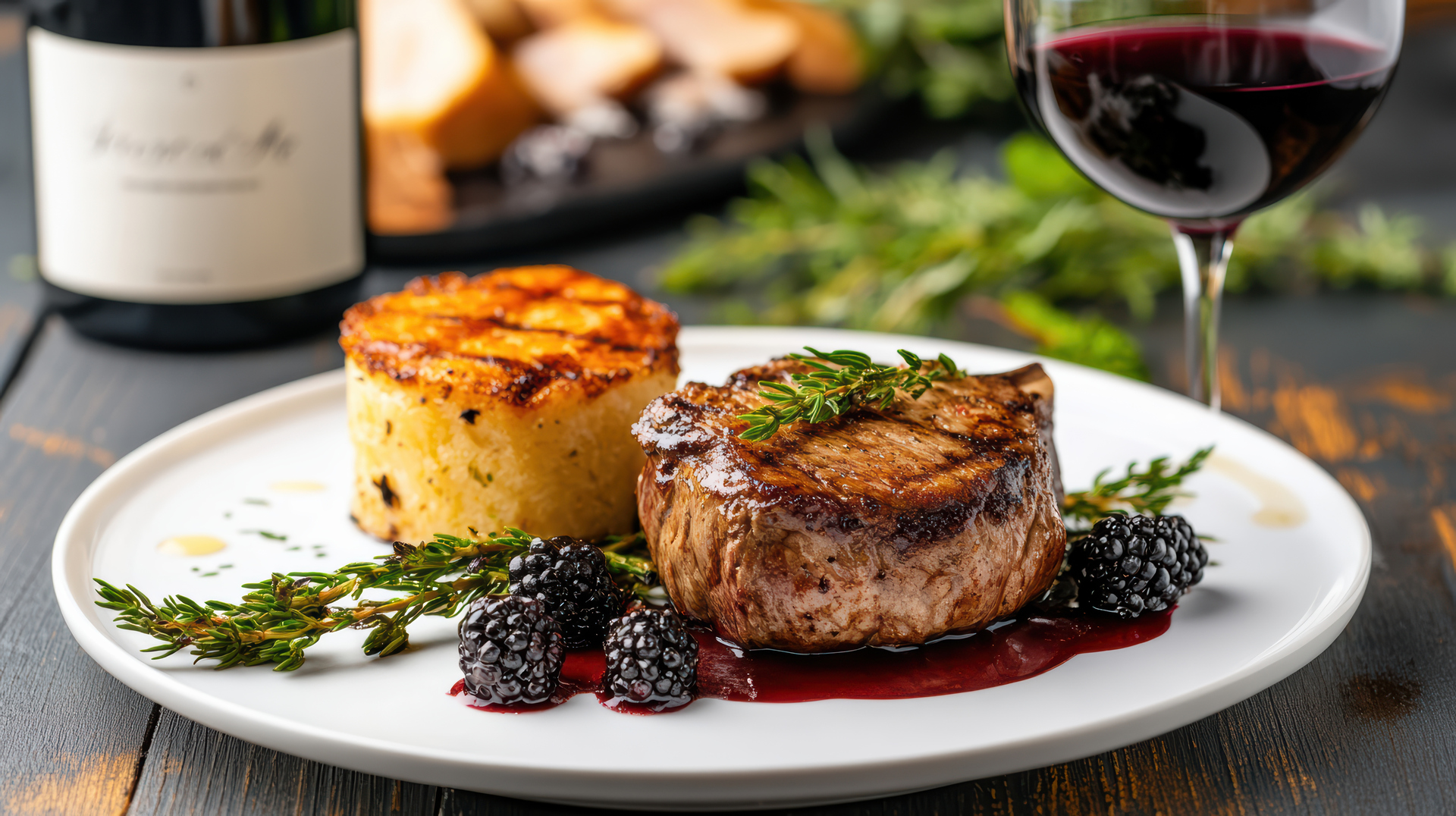
A young Malbec pairs beautifully with smoky ribs, juicy burgers or bacon empanadas, classic barbecue food that complements its vibrant fruit and spice. An aged Malbec, on the other hand, shines alongside slow braised short ribs, earthy mushroom risotto or even a square of dark chocolate to highlight its mature, velvety character.
Use this guide to find the right Malbec for your meal and elevate every bite.
| Malbec Wine Food Pairing | Best Malbec Wine Bottle | Aged | Type & Structure |
|---|---|---|---|
| Lamb chops, grilled pork, venison, smoky barbecue ribs, flame grilled steak | Finca Altamira Malbec – Achaval Ferrer 2018 – Mendoza, Argentina | 1-2 years | Fresh and lively on the palate, with a rich aromatic bouquet of plum, berries, cherries and wild herbs, as well as well defined tannins and a long, harmonious finish. |
| Portobello Mushroom, roasted peppers, zucchini, eggplants | República del Malbec – Matías Riccitelli 2021 – Mendoza, Argentina | 1-2 years | The nose presents intense aromas of black fruit, liquorice and spices. It is remarkably balanced on the palate, accompanied by elegant, soft and silky tannins. |
| Spiced dark chocolate desserts & cherry compote | Vie Cave – Fattoria Aldobrandesca 2023 – Tuscany, Italy | 1-2 years | Balanced, soft and pleasantly persistent, with sweet tannins and aromas of spice, cloves, vanilla, blueberry, bitter chocolate and ripe black fruits. |
| Aged cheeses (Manchego, Aged Gouda, Cheddar), blue cheese | Estate Premium Malbec – Alta Vista 2022 – Mendoza, Argentina | 1-2 years | Silky, round and concentrated on the palate, with elegant flavours of red fruits, plum and spices, enriched with notes of liquorice and balsamic herbs. |
| Beef ragù, mole poblano, mushroom bourguignon, lamb Rogan Josh | Bourbon Barrel Aged Malbec – Finca Las Moras 2023 – San Juan, Argentina | 1-2 years | Full bodied and ripe, with soft, well integrated tannins and accents of plum, raisins, oak, cinnamon and vanilla. |
Malbec wine beginner? No stress
Malbec is one of the best red wines for beginners. It offers bold, fruity flavours with soft tannins and a smooth texture that make it easy to enjoy compared to other heavier reds. Here are some simple tips to get the best out of your bottle:
- Choose vintages released within the last two to four years as they’re more approachable and balanced.
- Serve red Malbec slightly chilled, around 16-18°C, to bring out its fruit and spice notes.
- Decant for about 30 minutes to let the aromas open up.
- Pair Malbec reds with grilled meats, aged cheeses or smoky vegetables.
What is Malbec red wine and how is it made?
- Malbec
Malbec wine is a popular, full bodied red wine that originated from France but is now thriving in Argentina. It is smooth, high in alcohol and moderately tannic, displaying dark fruit flavours of blackberry, plum and cherry. ABV: 13% to 15%.
Malbec is a full bodied red wine produced from the self named grape with a signature dark purple colour and magenta rim that makes it stand out during blind tastings. It is originally from France, mainly planted in Bordeaux and used as a blending grape in Bordeaux wines. While in France Malbec’s popularity died down due to its vulnerability to various diseases, the thick skinned grape has now found a home in Argentina, where it was introduced in the mid 19th century, quickly becoming the country’s most celebrated grape.
Malbec red wines follow traditional winemaking methods:
- Viticulture requires great care because Malbec is susceptible to various grape diseases such as frost, coulure, rot and mildew. Wine growers have developed new clones and vineyard management techniques that reduce the occurrence of these problems as well as improve yield. The grape also performs fabulously in regions with higher elevations, whereas it may taste too flabby if grown in warmer, low elevation regions.
- Once the grapes reach optimal ripeness (usually in late summer or early autumn), the grapes are harvested, destemmed and gently crushed to release their juice while keeping some skins intact since the skins are crucial for the wine’s dark purple hue and tannic structure.
- Fermentation is typically carried out in stainless steel or concrete tanks with the addition of yeasts. The process lasts between 7 and 14 days with the grape skins remaining in contact with the juice to extract colour, tannins and aromatic compounds. Winemakers often perform regular punch downs or pump overs to ensure even extraction. After the primary fermentation, malolactic fermentation takes place to convert the malic acid in the wine to lactic acid for a smoother and creamier texture.
- After fermentation, Malbec is often aged in oak barrels according to the structure that the winemaker wants to achieve: a few months for fresher and fruit driven styles, over a year for more layered and age worthy wines. Oak ageing softens the tannins but also adds subtle notes of vanilla, spice and toast.
- Blending is more common for French bottles (Bordeaux red blends), while Malbec red wines from Argentina are bottled as single varietals (although some blending might occur by blending different vineyard lots to achieve balance and complexity). The resulting wine is clarified and filtered to remove sediments and remaining yeasts from the bottle. The inky red wine is then bottled and ready for commercial release.
Did you know? Malbec is one of the few grapes that undergoes a process called “cold soaking”, a signature Argentine technique where, before fermentation, grapes sit at chilly temperatures for 2 to 5 days, just the time necessary to extract colour but avoiding the extraction of harsh tannins.
Malbec regions around the world
Malbec thrives best in sunny climates, which helps to soften its tannins and ripen the thick skinned fruits. It performs exceptionally well at high altitudes and notable terroirs for its production include Argentina, France, Chile, Australia and New Zealand. In these regions, it is typically used in red blends, although many single varietal Malbecs are widely produced in Argentina. Let’s have a look at some of the world’s top regions for red wine Malbec production.
French Malbec wine
Historically, Malbec was a major grape in Bordeaux, adding depth and fruit notes to Bordeaux wine blends before its popularity declined. Malbec is a vulnerable variety that is susceptible to many grape diseases and most vines were wiped out by a severe frost in 1956. The majority of winemakers chose to replace their vines with Merlot, Cabernet Franc and other varieties. Today, French Malbec wine is most popular in the Cahors AOC, where it comprises at least 70% of the wine blend. It is also grown in the Loire Valley and it is used as a blending grape in several AOCs as well as in meritages and Bordeaux blends.
Malbec from Argentina
The Argentine Mendoza region takes the world lead among Malbec wine producers, crafting elite expressions from its high altitude vineyards. Nicolás Catena Zapata, in particular, transformed the status of Argentinian Malbec through his experiments, being the first person to plant a vineyard at almost 5,000 feet (1,500 m) in 1994.
What are the types of Malbec wine?
While Malbec is a single grape variety, there are distinct styles and types of Malbec wine that arise from differences in winemaking technique, region, altitude and climate. Here’s a clear breakdown:
- Malbec red wine is the most common type and, as mentioned in the sections above, it can express remarkably different personalities depending on the vineyard in which the Malbec wine grape is grown.
- Malbec rosé wine instead, is a lighter and fruitier style, offering a fresher alternative when compared to the red version. They are produced by shortening the amount of time that the juice spends in contact with the grape skins during maceration.
- Malbec white wine is made by separating the Malbec grape skins from the juice before fermentation to prevent the skin colour and tannins from being extracted. This style, known as blanc de noir, is extremely rare and unique and offers subtle floral and stone fruit notes with a soft, elegant texture.
In addition to the above Malbec wines, this wine can also be categorised as:
- Argentine Malbec, a soft wine with a plusher texture and riper tannins than French Malbec. These wines are often fruity with aromas of violet and may have a sweet tobacco finish depending on how much oak ageing it was subjected to. Argentinian wine growers often seek extremely high altitudes (1000m+) for cultivating their highly rated grapes.
- French Cahors Malbec is a wine with a higher acidity and accentuated flavours of black pepper and spice. French Malbecs also have moderate tannins and lower alcohol levels, increasing their ageing potential. Under the Cahors AOC regulations, Malbec wine blends must contain at least 70% Malbec grapes, with Merlot and Tannat making up the rest.
- Premium reserve Malbec is a wine crafted from the finest parcels and aged 12 to 24 months in oak barrels. These wines are the pinnacle of quality, often blended with small portions of Tannat. This style displays concentrated fruit and elegant floral undertones.
- Sparkling Malbec wine is a rarer type crafted with the traditional method, which involves a second fermentation process in the bottle. The wine then ages on its lees to develop complex flavours before removing the yeast sediment and sealing off the bottle. The result is a deeply ruby sparkling wine with fine bubbles and dark berry flavours.
- Late harvest Malbec is a sweeter version crafted from ripe grapes that were left on the vine to dehydrate and concentrate their sugars before harvesting. Winemakers halt the fermentation process by lowering the temperature once they have achieved the desired sweetness levels.
Fun fact: Malbec wine grapes are amongst the highest in anthocyanins (natural anti oxidant pigments)! They have five times more anthocyanins than Merlot, which gives them that signature inky colour!
How Malbec wine compares to other popular reds
For those who enjoy Malbec’s velvety texture and ripe fruit character, a few other classic reds offer a similar sense of richness, each shaped by its own terroir and character.
- Merlot shares Malbec’s smoothness but leans softer and rounder, with flavours of plum, chocolate and herbs that make it instantly approachable.
- Cabernet Sauvignon, on the other hand, is more structured and full bodied with firmer tannins and bold notes of blackcurrant, cedar and spice, ideal for those who prefer intensity and longevity.
- Shiraz (or Syrah) delivers a richer, spicier profile often marked by blackberry, pepper and smoky undertones, offering a more robust and exotic experience.
Each of these wines echoes an aspect of Malbec’s character while expressing its own distinct sense of place and personality.
| Wine / Grape | Top Wine | Tasting Notes | Comparison |
|---|---|---|---|
| Malbec vs Merlot | Cont’Ugo Guado al Tasso – Marchesi Antinori 2024 – Tuscany, Italy | Intense bouquet of ripe red fruits, enriched with refined and elegant hints of plums, cherries and spices. | Merlot is often softer and smoother than Malbec, with flavors of red berries, plum and herbs. |
| Malbec vs Cabernet | Unshackled Cabernet Sauvignon – The Prisoner Wine Co. – California, US | Full bodied and structured, with soft tannins and expressive aromas of black fruits, cloves and aromatic herbs. | Cabernet Sauvignon is a more structured wine than Malbec, with firm tannins and bolder flavors of blackcurrant and green bell pepper. |
| Malbec vs Shiraz | Shiraz – Sommerbosch Wines 2020 – Coastal Region, South Africa | Pleasantly round and good bodied, with smooth tannins, spicy and mulberrya romas. | Shiraz offers an intensely spicy experience, with bolder flavors and a higher alcohol content than Malbec. |
Which is the right glass for Malbec wine?
The perfect Malbec wine glass follows the shape of a Bordeaux glass: a tall, elegant bowl, wide enough to allow the wine to breathe while naturally guiding the wine to the centre of the palate, with a gently tapered rim that enhances the aromas of rich, dark fruits and spices.
To elevate your tasting experience, we’ve handpicked one high end wine glass perfectly suited for Malbec.
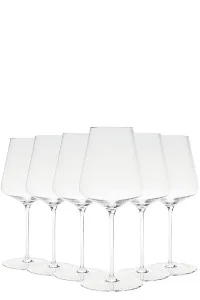
Sophienwald Bordeaux Wine Glasses 228 mm/570 ml
Pro tip: do not over aerate Malbec wines using excessively wide bowled glasses, such as the ones used for Burgundy style wines.
How we rate Malbec wine
Every Malbec wine that makes it into our recommendations has been blind tasted and rated by our team of experts. We are strict with our selections, only bottles that score at least 4.6 out of 5 earn a place on our list.
At first, we work with a 50 point scoring system, which we translate into the clean 5 point scale that you see:
- 5 = Exceptional
- 4 = Excellent
- 3 = Very Good
- 2 = Good
- 1 = Fair
What actually goes into the score?
- Appearance (up to 5 points): we’re assessing clarity, depth of colour and brightness, the first clues about what’s coming.
- Aroma & bouquet (up to 15 points): we’re looking for intensity, layered complexity and a clean, flaw free nose that makes you want to keep going back.
- Flavour & palate (up to 20 points): acidity, tannin, alcohol and mouthfeel all need to be pulling in the same direction: a great Malbec wine feels balanced, not like a tug of war
- Overall impression (up to 10 points): we’re thinking about harmony, typicity, the length of the finish and whether this is a wine that still has somewhere interesting to go.
Scores of 4 and above signal something genuinely worth seeking out. Anything below 4 didn’t make the cut.
We also hold every Malbec red wine to three additional standards that we think matter as much as the numbers:
- Structure: a greaat Malbec wine has soft, plush and velvety tannins that makes if smooth and approachable.
- Aromatic profile: primary dark fruit and floral aromas, as well as secondary notes of spice and oak are good quality indicators. .
- Terroir expression: regional variations exist between wines from different sites. Argentine Malbec is plusher and more fruit driven, while French Malbec tends to be more rustic and structured with higher acidity and firmer tannins.
A note from our team: while the scores are give you an idea of a wine’s quality, they don’t tell the whole story. At most, they are a reflection of our tasting conditions, palate and opinions about a given bottle. We advise that you read the attached tasting note, which is where the real picture lives.
FAQs on Malbec wine
Which is the best Malbec wine to buy?
The best Malbec wine to buy is Achaval Ferrer Finca Altamira Malbec 2018. This legendary bottle unveils a deep, full bodied texture with opulent layers of blackberry, plum and violet, accented by subtle spice. Refined through ageing in French oak, it delivers remarkable harmony, depth and sophistication, a true collector’s gem. Several other wines featured in our top 10 Malbec wines share a comparable level of flavour intensity, offering an equally captivating quality.
What country has the best Malbec wine?
Argentina is the country with the best Malbec wines worldwide. The Mendoza region, with its high altitude vineyards, optimal sunlight and mineral alluvial soils, yields wines of striking intensity, bursting with ripe fruit, velvety tannins and layered complexity. While France, particularly Cahors, is the grape’s historic birthplace, it is in Argentina that Malbec has reached its finest expression, refined to perfection through modern viticulture and meticulous craftsmanship.
Which Italian wine is most like Malbec?
The Italian wine closest to Malbec is Amarone della Valpolicella. While Malbec is celebrated for its bold, fruit driven character and plush tannins, Amarone delivers a comparably opulent experience, bursting with notes of dark fruit, dried cherry and warming spice. Crafted through the traditional appassimento method, which involves partially drying the grapes before fermentation, Amarone achieves remarkable concentration, a full bodied structure, elevated alcohol and a luxuriously velvety texture.
Is red Malbec a dry wine?
Yes, Malbec is a dry red wine. Despite its lush flavours of blackberry, plum and cherry, it contains very little residual sugar, classifying it firmly as dry. Its supple tannins and balanced acidity make it very approachable, while the dryness enhances its versatility at the table, pairing beautifully with grilled meats, aged cheeses and rich, savoury dishes.
Is Malbec a red wine?
Yes, Malbec is primarily a red wine, but there are small scale productions of rosé and even white Malbec that showcase the grape’s versatility. Rosé Malbecs are typically crafted using a short skin contact, resulting in vibrant pink hues, fresh red berry flavour, and a crisp, lively profile. White Malbecs are made by gently pressing the grapes and fermenting only the clear juice, producing wines with floral aromas, citrus undertones and a delicate mineral finish. Though rare, these expressions highlight Malbec’s adaptability and offer a refreshing alternative to its traditional bold red style.
Where is Malbec from?
Malbec originated in France, in the Cahors region, where it is traditionally called Côt. In its homeland, the grape produces structured, earthy wines with firm tannins and deep colour. Over time, however, Argentina, especially the Mendoza region, has become the global reference point for Malbec red wines, thanks to its high altitude vineyards that yield ripe, concentrated and expressive wines. While countries like Chile and the United States also cultivate Malbec successfully, Argentina remains the undisputed leader, having elevated the varietal to international fame with its signature bold yet silky style.
Is Malbec wine sweet?
No, Malbec is not a sweet wine; it is classified as dry, containing very little residual sugar. While a few sweeter versions exist, often made from late harvested grapes, the vast majority of Malbec wines are dry in style. Their rich flavours of blackberry, plum and dark cherry can create a perceived sweetness, but this comes from the ripeness of the fruit rather than actual sugar content. Oak ageing may introduce hints of vanilla, mocha or chocolate, yet the wine itself remains firmly on the dry side of the spectrum.
Is Malbec a full bodied wine?
Malbec is generally a medium to full bodied dry red wine, though its exact style can vary depending on the winemaking method and growing conditions. In cooler climates or higher altitudes (like those in the Uco Valley), Malbec tends to show greater freshness, vibrant acidity and floral aromatics, resulting in a more elegant, medium bodied expression. In warmer regions or with extended oak ageing, the wine develops a richer, fuller body with denser tannins, riper fruit flavours and a velvety texture. Winemaking choices such as fermentation temperature, maceration time and barrel type all influence its final structure and intensity, making Malbec one of the most versatile red varieties in the world.
What is a good Malbec wine to buy?
A good Malbec to buy is the Achaval Ferrer Finca Altamira Malbec 2018, known for its balance, fine tannins and mineral complexity. Other highly rated options, listed by price point, include The Listening Station Malbec 2024 (entry level), Fattoria Aldobrandesca Vie Cave 2023 (mid tier) and Matías Riccitelli República del Malbec 2021 (premium), all recognised for their quality and consistent expression of Argentina’s Mendoza terroir.
What are the best Malbec wine brands?
Top Malbec wine brands include Catena Zapata (Argentina), renowned for its high altitude vineyards and complex wines that define the country’s modern style. Achaval-Ferrer (Argentina) focuses on concentrated, single vineyard expressions with remarkable purity and depth. Bodega Colomé, one of Argentina’s oldest wineries, produces distinctive high elevation Malbecs from Salta, noted for their intensity and freshness. In France, Château du Cèdre (Cahors) crafts structured, earthy Malbecs with long ageing potential, while Cheval des Andes, a prestigious collaboration between Château Cheval Blanc and Terrazas de los Andes, delivers one of the finest Bordeaux inspired Malbec blends on the market.
How long does an open bottle of Malbec wine last?
Once opened, a bottle of Malbec typically remains enjoyable for three to five days if properly sealed and stored in the refrigerator. Lighter, fruit focused styles tend to lose freshness sooner (around three days) while fuller bodied or oak aged examples can stay vibrant for up to five. To preserve its character longer, use a vacuum pump or argon spray, though the finest flavours are best appreciated within two days of opening.
Should Malbec be chilled?
Malbec shows best when served slightly cooler than room temperature, ideally between 16 and 18°C. If the bottle has been kept at room temperature (around 21°C or higher), a brief 15 to 20 minute chill in the refrigerator helps bring out balance and freshness, softening the alcohol warmth and enhancing fruit expression. Younger or lighter bodied Malbecs benefit from an even cooler serving temperature, around 13°C, though over chilling should be avoided, as it can dull the wine’s aromatics.
