

Sweet white wines: the bottles to look out for in 2026
White grapes give life to some of the world’s finest sweet white wines. This comprehensive guide covers everything you need to know, including production methods, top rated bottles and pairing ideas, helping you enjoy white wines well beyond dessert. Château d’Yquem 2022, rated 5/5, is our ace pick.

10 Best sweet white wines
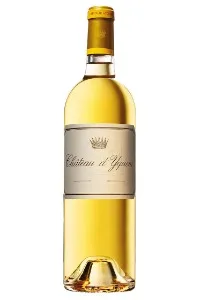
Sauternes AOC Premier Cru Classé Supérieur – Château d’Yquem 2022
Bordeaux, France
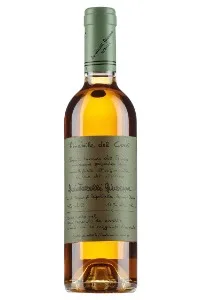
Amabile del Cerè – Giuseppe Quintarelli 2017
Veneto, Italy
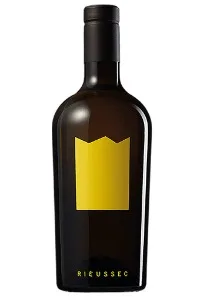
Sauternes AOC Premier Cru Classé – Château Rieussec 2021
Bordeaux, France
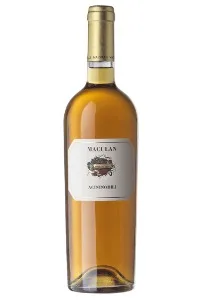
Passito Acininobili – Maculan 2019
Veneto, Italy
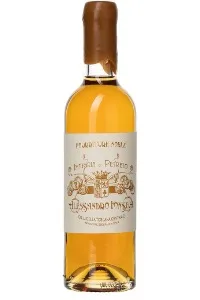
Pourriture Noble Bianco Colli della Toscana Centrale – Fattoria di Petreto 2006
Tuscany, Italy
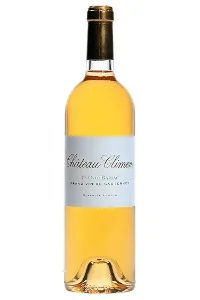
Barsac AOC Premier Cru Classé – Château Climens 2016
Bordeaux, France
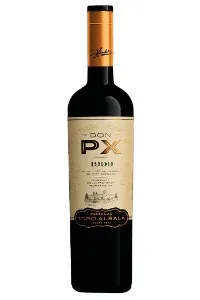
Don Pedro Ximénez Gran Reserva – Toro Albalá 2003
Andalucia, Spain
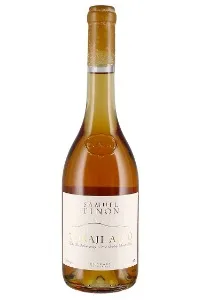
5 Puttonyos Tokaji Aszú – Samuel Tinon 2022 (500 ml)
Tokaj, Hungary
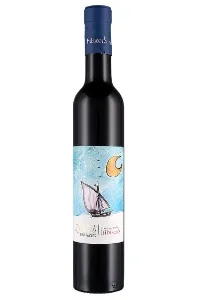
Passito Zhabib Zibibbo – Hibiscus 2023
Sicily, Italy
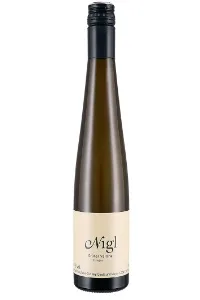
Prädikatswein Grüner Veltliner Eiswein – Nigl 2021 (375 ml)
Kremstal, Austria
This month’s rankings feature the best rated sweet white wines, covering a diverse range of grape varieties, regions and winemaking styles. Our goal was to include wines celebrated by both professionals and enthusiasts, prioritising authentic customer feedback across platforms alongside strong critic ratings to ensure a balanced selection.
Château d’Yquem Sauternes AOC Premier Cru Classé Supérieur 2022 sits at the top of the list, rated 5/5 by our experts and available for purchase at £383 only. The exceptional sweet wine is worth its steep price tag, displaying well integrated layers of sweetness and opulence, as well as concentrated flavours rivalled only by the 1945 vintage from the same winery.
What are the best sweet white wine brands?
Several sweet white wine brands have proven exceptional in their chosen categories, but some producers have dedicated centuries to perfecting the process of making them, be it botrytized Sauternes or luxurious ice wine. Join us as we shine the spotlight on 3 sweet white wine brands that impress with their elite, niche offerings.
Château d’Yquem – Sauternes (Bordeaux), France
Château d’Yquem has an epic history dating back 400 years, with its wines marked by a unique complexity, sweetness and concentration due to the susceptibility of its vineyards to noble rot. It was the only Sauternes to receive the “Premier Cru Supérieur (Superior First Growth) rating in the Bordeaux Wine Official Classification of 1855, standing heads taller than other wines in its category. An 1811 Château d’Yquem was once sold for over £75,000 and this vintage was scored a perfect 100 points by Robert Parker, underscoring its legendary rarity and ageability.
Here is one of our recommended bottles from this outstanding brand:
Sauternes AOC Premier Cru Classé Supérieur – Château d’Yquem 2022 – Bordeaux, France
Weingut Egon Müller – Mosel, Germany
At Weingut Egon Müller, the conviction that “The quality of a wine originates 100 per cent in the vineyard” is the watchword. The celebrated vineyards known today for their prized Scharzhofberg and Wiltinger Braune Kupp Rieslings have been passed down in the family for 7 generations. Committed to crafting the finest expressions of their grapes, this winery is the only German member of the Primum Familiae Vini, an association of 12 of the world’s most famous family owned wineries.
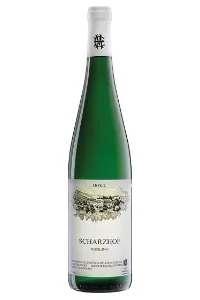
Scharzhof Riesling – Egon Müller 2022 – Mosel, Germany
Château Climens – Bordeaux, France
Often called “the Yquem of Barsac,” Château Climens was founded in the 16th century in Barsac. It is famed for its ethereal sweet white wines exclusively made from Sémillon grapes grown on limestone soils. The estate’s name means “infertile” land, a poetic irony given that these soils produce some of the world’s most refined and enduring wines. Harvesting at Château Climens is made entirely by hand, often in multiple passes to select only berries affected by noble rot, with the resulting wines showing extraordinary balance between sweetness and vibrant acidity.
Barsac AOC Premier Cru Classé – Château Climens 2016 – Bordeaux, France
Sweet white wines by sweetness: what are the different levels?
White wines vary widely in sweetness, ranging from barely noticeable hints to intensely sweet sensations. To help you navigate sweet white wines by sweetness, we’ve put together a table outlining different sweetness levels, grape varieties and a few suggestions to try.
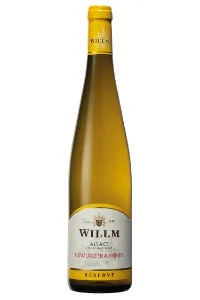
1. Semi sweet white wine: Réserve Gewürztraminer – Willm 2023 – Alsace, France
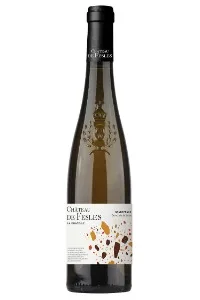
2. Sweet white wine: La Chapelle – Château de Fesles 2015 – Loire Valley, France
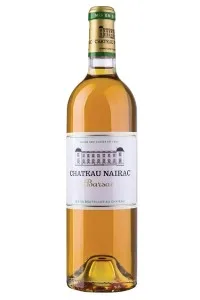
3. Very sweet white wine: Barsac AOC – Château Nairac 2011
You can also refer to our white wine sweetness chart for a clearer understanding of where each wine falls, making it easier to find the style that suits your taste.
| Sweetness Level | Residual Sugar | Typical Styles |
|---|---|---|
| Bone Dry | 0-1 g/L | Muscadet, Chablis, Sauvignon Blanc (Loire) |
| Dry | 1-10 g/L | Pinot Grigio, unoaked Chardonnay, Albariño |
| Semi Sweet (Off Dry) | 10-30 g/L | Riesling Kabinett, Chenin Blanc Sec-Tendre, Gewürztraminer (Alsace) |
| Medium Sweet | 30-70 g/L | Vouvray Demi Sec, Riesling Spätlese, Moscato d’Asti |
| Sweet (Dessert) | 70-140 g/L | Sauternes, Barsac, Tokaji 5 Puttonyos |
| Very Sweet (Liqueur Like) | 140-250+ g/L | Trockenbeerenauslese, Icewine, Tokaji 6 Puttonyos, Essencia |
Dessert ready sweetest white wines
At the top of the sweetness scale, the sweetest white wines are intensely rich and often enjoyed in small pours as dessert wines. With residual sugar levels as high as 220 g/L, these wines are produced using special winemaking techniques such as freezing on the vine, noble rot, late harvesting and drying that allow optimal concentration of their flavours. Some of the most common grapes include Furmint, Sémillon, Riesling and Pedro Ximénez, crafted into sweet white wines like Ice Wine, Sauternes and Tokaji Eszencia. Our favourite pick in the sweetest white wines category is Château Suduiraut Castelnau de Suduirat Sauternes 2020 from France.
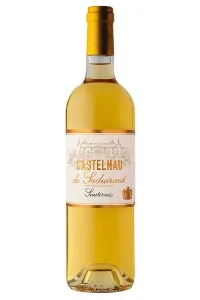
Castelnau de Suduiraut – Château Suduiraut 2020 – Bordeaux, France
Exploring the least sweet white wines
The least sweet white wines offer a refreshing option for people who enjoy a hint of sweetness without cloying richness. These wines are characterised by residual sugar levels as low as 12 grams per litre (12g/L) and fresh acidity. They are often aromatic with fruit and floral notes that are balanced out by their crisp acidity, as a result making them versatile food pairings. Popular grape varietals that are used to produce these wines are Muscat, Riesling (Kabinett), Chenin Blanc (off dry styles) and Pinot Blanc. Our pick of the least sweet white wine is Tramin Nussbaumer Gewürztraminer 2023 from Italy
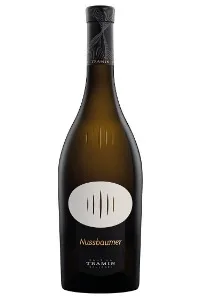
Nussbaumer Gewürztraminer – Tramin 2023 – South Tyrol, Italy
Understanding how the serving temperature of sweet white wines is influenced by residual sugar
If you want your sweet white wine to really shine, serving it too warm or too cold won’t do! Mastering the sweet white wine serving temperature means understanding how factors like the sweetness level and alcohol content contribute to its taste in the glass. Cooler temperatures emphasise freshness and balance, while slightly warmer ones enhance body and bouquet. Below is a practical guide outlining sweetness levels, typical styles, and the ideal serving temperatures for each category.
| Sweetness Level | Residual Sugar | Typical Styles | Serving Temperature (°C ) | Notes |
|---|---|---|---|---|
| Bone Dry | 0-1 (g/L) | Muscadet, Chablis, Sauvignon Blanc (Loire) | 8-10°C | Best served well chilled to highlight acidity and freshness |
| Dry | 1-10 (g/L) | Pinot Grigio, Unoaked Chardonnay, Albariño | 9-11°C | Serve slightly warmer to allow subtle fruit and floral notes to emerge |
| Semi Sweet (Off Dry) | 10-30 (g/L) | Riesling Kabinett, Chenin Blanc Sec-Tendre, Gewürztraminer (Alsace) | 10-12°C | A balanced temperature preserves sweetness without masking acidity or aroma |
| Medium Sweet | 30-70 (g/L) | Vouvray Demi-Sec, Riesling Spätlese, Moscato d’Asti | 8-10°C | Chill enhances vibrancy and prevents sweetness from feeling too heavy |
| Sweet (Dessert) | 70-120 (g/L) | Sauternes, Barsac, Tokaji 5 Puttonyos | 10-12°C | Serve slightly warmer to reveal complexity and honeyed texture |
| Very Sweet (Liqueur Like) | 120-250+ (g/L) | Trockenbeerenauslese, Icewine, Tokaji 6 Puttonyos, Essencia | 6-8°C | Best served chilled to balance intense sweetness with refreshing acidity |
Serving temperature profoundly influences how sweetness, acidity and aroma are perceived in white wine. The key lies in balance: the right temperature brings harmony between sugar and acidity, ensuring each sip reveals the wine’s full elegance and character.
What is a sweet white wine and how is it made?
- Sweet White Wine
A sweet white wine is any white wine with a high concentration of residual sugar. They are often low in alcohol (below 12.5% ABV) and they possess a lush and rich mouthfeel. Top examples include styles like Moscato, Sauternes and late harvest Riesling.
A sweet white wine is a white wine with a noticeable amount of residual sugar left over after fermentation, giving it a deliciously rich flavour. These wines often have a lower alcohol content (often below 12.5%) than their dry counterparts because not all of their sugars are converted to alcohol. However, some fortified sweet white wines like Madeira may have a higher ABV, as high as 20%.
Sweet white wines are made according to varying processes: some are fortified, others are sparkling, blended or aged in oak. Despite their unique winemaking, most share some key vinification steps that define their character and sweetness.
Let’s explore them together in detail:
- Sweet white wines can be made using either red or white grape varieties. This is possible because the skins of the red grapes, which are responsible for imparting their colour to the wine, are separated from the juice before fermentation. However, many white wines, such as Chardonnay and Riesling, use either green or yellow colored grapes.
- Most sweet wines are crafted from late harvest grapes that were left on the vine after ripening to concentrate their natural sugars. Others are made from grapes affected by noble rot (think Sauternes), while the special Ice Wines are produced from grapes that were frozen on the vine. Picking grapes at cool temperatures (in the morning or at night) will yield fresher and livelier wines.
- Harvested grapes are gently crushed and pressed to extract the juice from them. Once the juice is all squeezed out, winemakers allow the mixture to settle as it is often cloudy. It is important to make a sweet white wine with clear juice because suspended particles often add bitter and astringent notes to the end product.
- Fermentation is the stage where yeast converts sugar into alcohol. In the case of sweet white wines, winemakers intentionally stop or slow this process to preserve more residual sugars than in drier styles. Fermentation typically lasts around 14 days and occurs at cooler temperatures than those used for red wines, typically around 50-60 °F (10-16 °C). Winemakers preserve the desired sugar levels by filtering out the yeast before it consumes more sugar, lowering the temperature to halt fermentation or fortifying the wine with grape spirits. Since the juice is fermented without grape skins, sweet white wines develop a lighter, fresher and more delicate character.
- Ageing: while most white wines aren’t aged long, sweet white wines often spend more time resting in tanks or barrels to develop richer flavours before bottling. Ageing in oak barrels adds complex flavours and aromas of vanilla, caramel and spice. When producers age sweet whites on their lees, these dead yeast cells impart a creamy texture and flavour to the wine.
- Blending, clarification and bottling: after ageing, producers may select different barrels to create a consistent final wine. They also add clarifying agents like casein (a milk protein) or bentonite clay to remove the suspended particles and proteins in the wine responsible for clouding. A small dose of sulphur dioxide (SO₂) is typically added at this stage to prevent oxidation and microbial spoilage, extending the wine’s shelf life and preserving its freshness.
Sweet white wine varieties: grapes and characteristics
The distinct taste characteristics of the various sweet white wine varieties are shaped by their unique growing region, or terroir. For instance, a Rheingau Riesling will taste richer and more intense than a Mosel Riesling due to its cooler climate. To achieve a consistent taste profile and craft more complex, balanced wines, winemakers may blend different varieties.
Let’s have a look at some sweet white wine grapes and their unique features:
- Muscat is intensely aromatic with a distinct floral taste and characteristic scents of orange blossom, honeysuckle and rose petals. Its sweet wines are harmonious and fresh, balanced by the grape’s naturally high acidity.
- Malvasia Bianca is an ancient white grape prized for its fragrant aromas and it is often used to produce silky, rich wines with citrus, honey and spicy notes. Sweet wines from Malvasia are typically crafted from sun dried grapes with concentrated sugar content.
- Riesling thrives in cool climates, a sweet white wine grape capable of developing mouthwatering levels of natural sweetness when it is left to ripen on the vine for longer. The best part is its refreshing acidity that contributes to an even taste profile.
- Gewürztraminer is a highly aromatic white grape that has a naturally high sugar content and low acidity. Its distinctive spicy, floral and lychee aromas are amplified in sweet wines to give a delightful companion for sweet desserts and spicy dishes.
- Chenin Blanc is a versatile white grape that can ripen with high sugar while retaining impressive levels of acidity. This trait is crucial for preventing its sweet wines from being syrupy and cloying. Its fruit forward profile of apples, pears and tropical fruits contributes to freshness in wine.
- Sauvignon Blanc is a crisp, herbaceous white grape with fresh citrus notes. It is often combined with grapes affected by noble rot, such as Sémillon, where it adds bright acidity and refreshing herbal and fruit flavours to the final wine.
- Sémillon isa white grape with thin skins that ripens late and is very susceptible to noble rot, making it a very important contributor to sweet white wines. Sémillon yields rounded, intense sweet white Bordeaux wines such as Sauternes, with complex aromas and excellent ageing potential.
Sweet white wine types by method of production
As we’ve mentioned, different grapes and production techniques bring out a variety of styles and flavours. To better understand the many sweet white wine types, it helps to look at a few key production styles:
- Natural sweet wines are produced by stopping the fermentation process early by adding sulphur dioxide, chilling the wine or filtering out the yeasts present. Any of these steps will halt the process of converting grape sugars to alcohol, leaving higher levels of residual sugar. This method is used to produce fresh and lightly sweet wines like Moscato d’Asti or off dry Rieslings.
- Fortified sweet wines are produced by modifying the fermentation process. Instead of filtering out the yeasts or chilling, neutral grape spirits are added to the wine to stop their conversion activity. Malmsey Madeira is an example of a fortified sweet white wine.
- Passito and late harvest wines: these wines are made from grapes that are picked later in the season when their sugars and flavours are concentrated. These grapes may be dried on or off the vine and they create fuller and sweeter wines beloved for their honeyed and dried fruit notes. Good examples of passito and late harvest sweet white wines include Italy’s Passito and Germany’s Spätlese Rieslings.
- Noble rot wines: a beneficial fungus, Botrytis cinerea, affects grapes and causes them to shrivel, intensifying their sugars and adding honeyed, spicy flavours. Famous examples are Sauternes and Tokaji Eszencia.
- Ice wines are crafted from grapes that were naturally frozen on the vine before harvesting. This labour intensive process results in a relatively rare, intensely sweet wine with vibrant acidity, commonly made in Canada and Germany, where it is called “eiswein”.
Unexpected sweet white wine food pairings
One of the biggest challenges when enjoying wine is finding the perfect food pairing. This can be even trickier when it comes to choosing the best food to pair with sweet white wines, which are often automatically linked to desserts.
Some of our top food pairings by wine type for sweet whites include:
- Riesling: spicy cuisine, pungent cheeses, sweet & sour dishes
- Sauternes: foie gras, blue cheese, shellfish
- Moscato d’Asti: sweet and nutty desserts, creamy cheeses, savoury and spicy dishes
- Tokaji: caramelised desserts, salty blue cheeses, foie gras
It takes a bit of experience and, most importantly, tasting, to discover the best sweet white wine food pairings, but it is certainly possible! Below, you will see a list of popular and unexpected matches that work just fine.
| Sweet White Wine Food Pairing | Sweet White Wine | Grape | Type & Structure |
|---|---|---|---|
| Vindaloo, aged gouda, blue cheese, sweet and sour chicken, pork with fruit glaze | Pradikatswein Urziger Wurzgarten Riesling Auslese – Dr. Loosen 2014 – Mosel, Germany | Riesling | Perfectly balanced sweetness and flavour, with fruity tones of yellow peach, grapefruit and almond, alongside honey, aromatic herbs and spice. |
| Foie gras,bleu d’auvergne, crème brûlée, lobster with mango sauce | Sauternes 2024 – Château Landion – Bordeaux, France | Sémillon, Sauvignon Blanc | Full and sweet, with balanced acidity and pleasant hints of exotic fruit, honey, acacia and vanilla. |
| Peach cobbler, panettone brie, camembert, sushi, sweet and sour pork | Nivole Moscato d’Asti – Michele Chiarlo 2025 – Piedmont, Italy | White Muscat | Creamy and fragrant, revealing floral aromas and a mixture of yellow peach and apricot. |
| Crème brûlée, tarte tatin, Roquefort, Stilton, foie gras | Sárgamuskotály Forditás Tokaji – Paangold – Tokaj, Hungary | Sárgamuskotály | Lovely acidity and plush notes of dried raspberry, apricot, orange marmalade and hints of sea salt. |
| Almond cookies, light seafood salads, blue cheese | Malvasia delle Lipari Passito – Hauner 2023 – Sicily, Italy | Corinto Nero, Malvasia | Intense hints of aromatic herbs, enriched with nuances of nougat and chamomile. It is full and persuasive on the palate, with honey and nutty notes. |
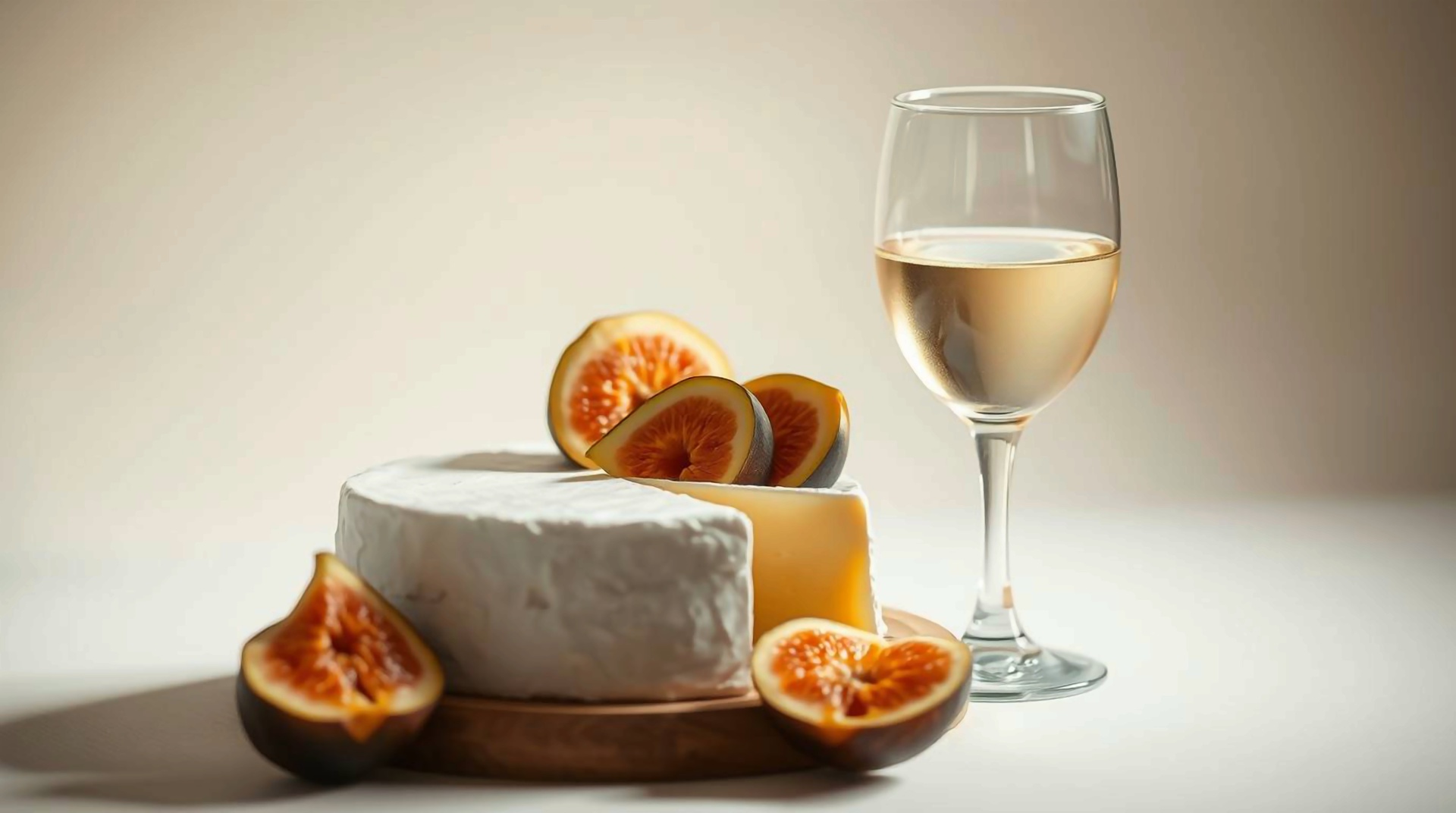
Sweet white wines around the world
White wine sweet versions are produced and cherished across the globe, with each region adding its own character and technique. From the botrytized treasures of France to icewines of Canada and late harvest gems of Germany and Italy, these wines express a wide spectrum of sweetness and style. Let’s see in detail the major regions and the outstanding bottles produced by each of them.
Sweet white wines from Italy
Italy boasts one of the world’s richest wine heritages. From North to South, every bottle tells a story of tradition, territory and passion, often becoming true national icons. This is especially true for sweet white wines from Italy, beloved at home and celebrated globally.
Famous examples of sweet white wine from Italy like Moscato and Malvasia, are known for their aromatic charm. Below, you’ll discover a few recommended Italian sweet white wines that truly deserve a spot in your next tasting lineup:
| Region / Grape | Top Producers | Wine Style |
|---|---|---|
| Sicily Muscat of Alexandria | Donnafugata, Planeta, Cusumano | A rich, full bodied dessert wine made from sun dried grapes with common tasting notes of orange blossom, apricot and sweet rose. |
| Sicily Malvasia | Tenuta di Castellaro, Pellegrino, Marco de Bartoli | Malvasia is often made in a passito style with aromatic complexity and notes of dried fruit, herbs and honey. A fortified sweeter version called Malvasia delle Lipari Liquoroso is known for its intense flavours. |
| Piedmont White Muscat | Vietti, Michele Chiarlo, Ceretto | Remarkable for its bright fruit notes, this wine is lightly sparkling, sweet and low in alcohol with perfumed aromas of flowers like honeysuckle. |
| Tuscany Trebbiano, Malvasia | Avignonesi, Felsina, Castello di Ama | Together, these grapes are used to make Vin Santo. The richness of this amber colored passito wine is matched by its pleasant acidity. |
| Sardinia Vernaccia | Cantine Contini, Sella e Mosca, Silvio Carta | Sweet Vernaccia undergoes oxidative ageing in barrels to give a complex and full bodied wine very much like sherry. |
French sweet white wine
France is home to some of the most sophisticated sweet white wines in the world, crafted with unmatched precision following centuries of winemaking tradition. Bordeaux is known for Sauternes, which is made from the Sémillon grape; Alsace is renowned for Gewürztraminer and Riesling and the Loire Valley is recognised for its sweet Chenin Blanc wines. The key to the complexity of these French sweet white wines lies in the modified harvest times. Often, they are produced from noble rot affected or late harvest (tardives) grapes, leading to layers of luscious honey and floral notes. Below are some of our recommended sweet French white wines perfect for pairing with foie gras, aged cheese or dessert:
| Region / Grape | Top Producer | Wine Style |
|---|---|---|
| Bordeaux Sémillon, Sauvignon Blanc | Château de Rayne Vigneau, Château d’Yquem, Château Guiraud | These grapes are blended to yield Sauternes and Barsac wines. Typically, these wines are lusciously sweet with complex notes of apricot, honey and vibrant acidity. |
| Roussillon White Muscat | Gérard Bertrand, Domaine Cazes, Mas Amiel | A fortified sweet wine with vibrant aromas and a silky texture. |
| Alsace Riesling | Gustave Lorentz, Domaine Paul Blanck, Domaine Albert Mann | “Vendanges Tardives” is a late harvest style characterised by ripe fruit notes, honey and floral aromas, balanced by medium to high acidity. |
| Bordeaux Merlot Blanc, Sémillon | Cheval Quancard, Château Latour-Martillac, Clos Floridène | Lightly sweet, fruity and easy drinking wines with prominent honey and citrus notes from the use of botrytized grapes. |
| Alsace Gewürztraminer | Willm Reserve, Domaine Bott-Geyl, Domaine Charles Frey | Can be made in various sweet styles, often characterised by a powerful bouquet of exotic fruits and spices. |
German sweet white wine
You think Germany is all about beer? Think again! Germany is also known for producing some of the world’s finest wines. While German sweet white wine might not be the first to come to mind, they’re highly valued by connoisseurs for their perfect balance and impressive ageing potential. Made mostly from Riesling, these masterpieces get their concentrated sweetness from methods like late harvest, noble rot or even Eiswein. Let’s discover together some of the exquisite entries on our recommended German sweet white wines list:
| Region / Grape | Top Producer | Wine Style |
|---|---|---|
| Mosel Riesling | Dr Loosen, Joh. Jos. Prüm, Fritz Haag | Sweet Riesling wines are grouped using the Prädikat system. Expect ripe stone fruit flavours with fresh apple and citrus notes, accompanied by high acidity for a refreshing taste. |
| Mosel Riesling | Selbach Oster, Dönnhoff | Eiswein is intensely sweet and concentrated, with lively acidity and aromas of white flowers, tropical and stone fruits. |
| Baden Gewürztraminer | Weingut Dr. Heger, Weingut Zähringer, Weingut Andreas Laible | A slightly sweet wine with a full bodied and plush mouthfeel, Baden Gewürztraminer is packed with tropical fruits and floral notes. |
| Rheingau Riesling | Schloss Johannisberg, Weingut Peter Jakob Kühn | Tends to be richer and fuller bodied than Mosel Riesling with a lengthy finish and prominent minerality and citrus flavours. |
| Rheinhessen Silvaner | Weingut Wittmann, Weingut Gunderloch, Weingut Rappenhof | High acidity and complex aromas of ripe orchard fruit, mineral and herbal undertones, as well as a juicy texture. |
5 little secrets on how to store sweet white wine
To ensure your good, sweet white wine always tastes its best, proper storage is essential. Without it, those delightful flavours and aromas can diminish, taking away from the wine’s unique charm.
Our team has put together some practical advice on how to store them effectively:
- Aim for a consistent temperature between 7-15°C. Large temperature swings are detrimental to good ageing!
- Store bottles in a dark place with humidity around 60-70% to keep corks in good condition.
- Always store corked bottles horizontally to prevent corks from drying out.
- Protect your wine from vibrations, strong odours and direct sunlight or kitchen heat.
And here’s an extra tip for open bottles: always grab that cork stopper to reseal it securely!
How we rate sweet white wines
Every sweet white wine that makes it into our recommendations has been tasted, evaluated and scored by our team of experts. Each one is independently assessed based on its appearance, aroma, flavour complexity and quality. We are deliberately selective: only bottles rated at least 4.6 out of 5 earns a place on our list.
We work with a 50 point scoring system, which we then convert into the clean 5 point scale tha you see:
- 5 = Exceptional
- 4 = Excellent
- 3 = Very Good
- 2 = Good
- 1 = Fair
What actually goes into the score?
- Appearance (up to 5 points): how vibrant does the wine look? We’re evaluating clarity, depth of colour and brightness, the first clues about what a wine has to offer.
- Aroma & bouquet (up to 15 points): we value intensity, layered complexity and a clean nose that is free of flaws and keeps you coming back for more.
- Flavour & palate (up to 20 points): acidity, tannin, alcohol and mouthfeel all need to be in harmonious balance.
- Overall impression (up to 10 points): what story does the white sweet wine tell at the end of the day? We’re considering harmony, typicity and the length of the finish.
In addition to the above criteria, we also hold every sweet white wine to these three standards:
- Balance: a good quality indicator for sweet white wines is the presence of high acidity to offset the high residual sugar levels, as this makes the wine taste vibrant and refreshing.
- Intensity of flavours: a superior sweet white wine will possess concentrated, layered flavours, such as dried fruits, honey, caramel and apricot.
- We also consider the length of the finish, a good, lingering finish that balances both sweetness and acidity is always desirable.
One last thing from our team: the numbers are useful, but they’re not all you need. Our scores reflect our palates, our tasting conditions and our thoughts about each given bottle. To find the wines you will truly love, we advice that you read the attached tasting notes for each of our recommendations.
FAQs Sweet white wine
What are the top 5 sweetest wines?
The top 5 of the sweetest white wines include exceptional bottles like Château d’Yquem 2022, Giuseppe Quintarelli’s Amabile del Cerè Passito Bianco 2017, rich in honeyed apricot intensity, Château Rieussec Sauternes 2021, Maculan’s Passito Acininobili 2019 and the Pourriture Noble Bianco Colli della Toscana Centrale 2006 by Fattoria di Petreto.
What is the best sweet tasting white wine?
The best sweet tasting white wine is subjective, based on preference. However, highly regarded options known for their balance and complexity include French Sauternes from Château d’Yquem, with its honeyed depth, and German Riesling Trockenbeerenauslese (TBA), prized for intense concentration. Ice Wines from Canada or Germany are also celebrated for vibrant sweetness. Ultimately, your perfect choice depends on your desired flavour and acidity balance.
What white wine is sweet for beginners?
For newcomers seeking a sweet white wine for beginners, Moscato d'Asti is highly recommended. This Italian white is light, sparkling and offers approachable fruity sweetness, often with lower alcohol. Its inviting profile makes it incredibly easy to enjoy. To know which other white wine is sweet, check out off dry or semi sweet Rieslings, particularly German Kabinett or Spätlese styles, also offer a delightful introduction, balancing gentle sweetness with refreshing acidity
What are the different types of sweet white wine?
Different types of sweet white wine offer a range of flavours and textures. Moscato d'Asti is light, sparkling, and fruity. Late Harvest Riesling balances sweetness with acidity. The sweet white Bordeaux wine Sauternes is rich and honeyed, while Ice Wine made from frozen grapes is intensely sweet. Medium sweet wines, like certain Chenin Blancs, provide a gentler sweetness that's easy to enjoy and pair.
What is sweet white wine?
A sweet white wine is simply any white wine retaining a significant amount of grape sugar after fermentation. This "residual sugar" gives it a noticeable sweet taste, beautifully balanced by its natural acidity to prevent cloyingness. Winemakers use various techniques like late harvesting grapes, noble rot or freezing grapes to achieve this sweetness. Popular examples range from light, fizzy Moscatos to rich, honeyed Sauternes
Does organic sweet white wine contain sulphites?
Most organic sweet white wines do contain sulphites. While "organic" certifies farming practices (no synthetic pesticides, etc.), it doesn't automatically mean sulphite free. Sulphites occur naturally during fermentation and organic wines are still permitted a lower amount of added sulphites than conventional wines. If you're sensitive to sulphites, always look for specific "sulphite free" or "no added sulphites" labelling, which is a stricter standard
Is sweet white wine good for you?
While moderate consumption of any wine might be part of a healthy lifestyle, claiming specific sweet white wine health benefits can be misleading. Like all wines, it contains alcohol and sweet white wine varieties also have higher sugar content. Any generalised benefits often linked to wine (e.g., antioxidants) are more commonly associated with dry red wines. Enjoy sweet white wine for its unique taste, not for health claims.
Can sweet white wine be aged?
Yes, many sweet white wines can be aged beautifully, often surpassing their dry counterparts. Their high sugar and vibrant acidity act as natural preservatives, allowing them to evolve gracefully over decades. Fine examples like French Sauternes, German Riesling Trockenbeerenauslese and even some Ice Wines are renowned for developing incredible complexity, with honeyed and nutty notes deepening over time
How long does sweet white wine last after opening?
Sweet white wine, once opened, generally lasts longer than dry whites. Its higher sugar acts as a natural preservative. When properly re-sealed and refrigerated, most varieties maintain quality for 3 to 7 days. Very rich, high acidity dessert wines might even extend up to two weeks. Using a vacuum pump or inert gas can further prolong freshness by minimising oxygen exposure, preserving its delightful character.
How many calories are in sweet white wine?
When considering how many calories are in sweet white wine, remember they come from both alcohol and residual sugar. Generally higher than dry wines, a typical 5 ounce (147ml) serving can range from approximately 120 to 180 calories. The precise count varies significantly based on the wine's alcohol by volume (ABV) and its specific sweetness level, with sweeter and higher ABV options having more.
What is a good semi sweet white wine?
If you're wondering what a good semi sweet white wine is, consider options that perfectly balance sweetness with refreshing acidity. Excellent choices include German Riesling (often labelled Kabinett or Spätlese), known for its vibrant fruit and floral notes. French Vouvray, made from Chenin Blanc in Demi Sec styles, offers a delightful honeyed apple profile. Some off dry Pinot Gris also provides a pleasant hint of sweetness.
What are some white wine types that are sweet?
Let's explore some sweet white wines that are widely enjoyed! Popular options include: Moscato d'Asti (light and sparkling), Late Harvest Riesling (known for its balanced sweetness), rich, honeyed Sauternes and intensely sweet Ice Wine. Other delightful choices for white wine types that are sweet include off dry Gewürztraminer, specific sweet styles of Chenin Blanc or rich Italian Recioto di Soave.
What is the difference between a sweet white wine and a dry white wine?
The difference between a sweet white wine and a dry white wine comes down to residual sugar. Sweet white wines have more leftover sugar, giving them a noticeable sweetness. Dry white wines contain little or no residual sugar, resulting in a clean, crisp flavour without sweetness. This distinction impacts their taste, texture and how well they pair with different foods.
