

Chianti wine: an insider guide to Tuscany’s iconic red
Chianti wine is one of the most famous Italian red wines, known for its rich history and food pairing versatility. This guide has everything you need: key facts, pairing ideas and our best bottles of 2026. Our top pick: Castello di Ama Vigneto La Casuccia Chianti Classico Gran Selezione 2020.

The 10 best Chianti wine bottles according to experts
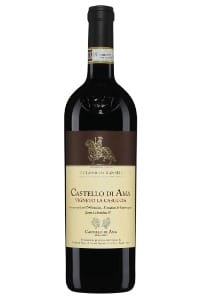
Vigneto La Casuccia Chianti Classico Gran Selezione – Castello di Ama 2020
Tuscany, Italy
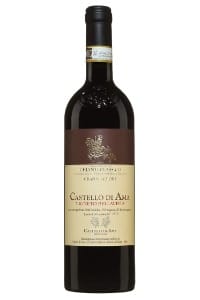
Vigneto Bellavista Chianti Classico Gran Selezione – Castello di Ama 2020
Tuscany, Italy
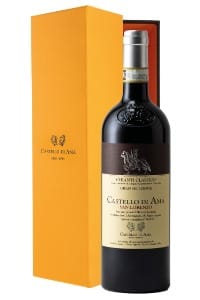
San Lorenzo Chianti Classico Gran Selezione (1.5L Magnum) – Castello di Ama 2020
Tuscany, Italy
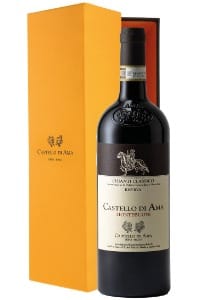
Montebuoni Chianti Classico Riserva (1.5L Magnum) – Castello di Ama 2020
Tuscany, Italy
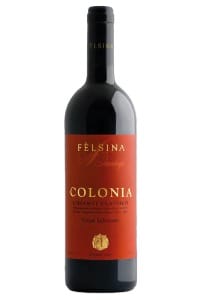
Colonia Chianti Classico Gran Selezione – Fèlsina 2019
Tuscany, Italy
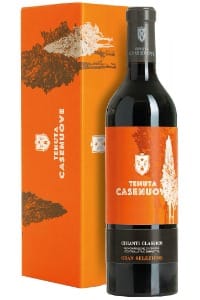
Chianti Classico Gran Selezione – Tenuta Casenuove 2019
Tuscany, Italy
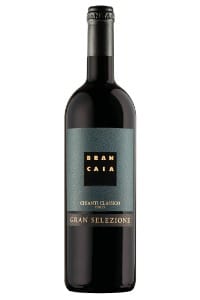
Chianti Classico Gran Selezione – Brancaia 2020
Tuscany, Italy
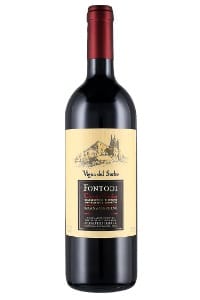
Vigna del Sorbo Chianti Classico Gran Selezione – Fontodi 2021
Tuscany, Italy
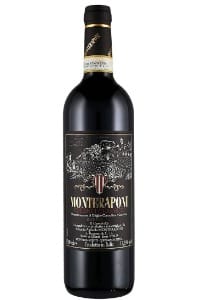
Il Campitello Chianti Classico Riserva – Monteraponi 2021
Tuscany, Italy
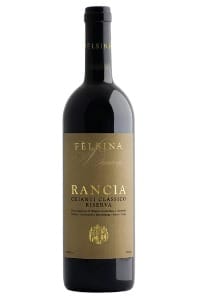
Rancia Chianti Classico Riserva – Fèlsina 2020
Tuscany, Italy
To help you get started, our team has selected 10 of the best Chianti wine bottles rated by our editorial team. Every bottle covers different vintages and price points, but all highlight the qualities that have made this wine an Italian icon. Our top pick is the 2020 Vigneto La Casuccia Chianti Classico Gran Selezione by Castello di Ama, a 5/5 rated, single vineyard expression that you can conveniently buy online in the UK for £270. This high altitude cru was rated 96 points by Wine Spectator, notable for its intense savoury flavours, structured tannins and exceptional ageing potential.
Chianti wine taste at a glance
The Chianti wine taste offers bright red fruit flavours like sour cherry, strawberry and plum along with earthy undertones of dried herbs, balsamic vinegar, tea and smoke. It is high in acidity, with firm, well integrated tannins that make it versatile for food pairing.
| Attribute | Details |
|---|---|
| Grape Variety | Sangiovese (minimum 70-80%), often blended with Canaiolo, Colorino or Cabernet Sauvignon |
| Origin | Chianti region, Tuscany, Italy |
| Serving Temperature | 60-65°F |
| Decanting | Recommended especially for Riserva and older vintages |
| Aging Potential | Typically 3-8 years but Riserva can age for over 15 years |
| Flavor Profile | Bright red cherry, red fruits, dried herbs, earthy notes and spices |
| Structure | Medium tannins, medium acidity and balanced body |
| Alcohol Content | Between 12% and 15% |
| Ideal Glass | Medium sized Burgundy glass or a standard red wine glass |
| Food Pairing | Pasta with tomato sauce, grilled meats, aged cheese and roasted vegetables |
| Top Communes | Chianti Classico: Radda, Greve, Castellina, Gaiole, Barberino Tavarnelle Chianti DOCG: divided into subzones that cover several provinces in Tuscany |
| Notable Producers | Castello di Ama, Marchesi Antinori, Fontodi, Ruffino, Castello di Monsanto, Altiero |
Loved for its freshness and drinkability, the Chianti wine taste is defined by juicy red fruit at the very first sip, and then come the deeper notes that add more character and complexity.
Let’s break down the Chianti taste profile:
- Red cherry: the dominant note in most Chianti wines
- Wild berries or strawberries: adding freshness and a tart edge
- Dried herbs: such as thyme, oregano, or rosemary, for a rustic touch
- Earthy notes: like dry leaves, forest floor, especially in aged bottles
- Black pepper and clove: subtle spice enhanced by oak ageing.
Don’t forget to let the wine breathe! Chianti, especially Riserva, reveals much more flavour after decanting.
What is Chianti wine and how is it made?
- Chianti Wine
Chianti wine is a dry, medium bodied red wine from central Tuscany, Italy, that is crafted from at least 70% Sangiovese grapes. It is high in acidity, with typical flavours of tart cherry, herbs and earth. ABV: 12%-15%.
Chianti wine is a well rounded and adaptable red wine from Tuscany, defined by strict production rules and made mostly from Sangiovese grapes. Producing Chianti follows traditional winemaking steps for red wines, but with specific variations required by DOCG regulations.
Let’s take a look at how it is made:
- Harvesting: grapes, mostly Sangiovese, are picked at full ripeness.
- Fermentation and maceration: the grapes ferment with their skins in stainless steel or concrete tanks.
- Pressing: after fermentation, the wine is separated from the solids.
- Ageing: this is where DOCG rules make a big difference.
- Grape composition: Chianti must contain at least 70% Sangiovese grapes, with the option to include other local or international grapes in small percentages.
- Bottling: after ageing, the wine is clarified, possibly filtered, and bottled under strict controls.
Tip: check for the iconic black rooster on the bottle! A guarantee that you are holding a true Chianti Classico.
Chianti wine grape: Sangiovese and beyond
According to DOCG regulations, the primary Chianti wine grape is Sangiovese. This grape is often blended with other varieties like Canaiolo, Colorino or the most famous Cabernet Sauvignon and Merlot.
Different types of Chianti are distinguished mainly by the percentage of Sangiovese and ageing time, which influence the wine’s flavour and structure.
Here are the main types:
- Chianti red wine: at least 70% Sangiovese, minimum ageing of 3 months.
- Chianti Riserva: at least 70% Sangiovese, aged at least 24 months.
- Chianti Classico wine: at least 80% Sangiovese (even 100%).
- Chianti Classico Riserva: at least 80% Sangiovese, aged at least 24 months.
- Chianti Classico Gran Selezione: at least 80% Sangiovese, aged at least 30 months, made from the best grapes.
Popular Chianti wine brands: DOCG icons and producers
To help you navigate the vast Chianti region and wineries, our team has selected 3 of the best Chianti wine brands. At the top of the list is Castello di Ama, renowned for producing some of the finest Chianti Classico wines. Join us as we shine the spotlight on these Chianti wine producers in detail:
Castello di Ama – Gaiole, Chianti (Tuscany), Italy
Castello di Ama is a premier Chianti Classico producer located in Ama, within the municipality of Gaiole in Chianti, Tuscany, Italy. Founded in 1976 by four Roman families who wanted to revive the area’s farming history, the winery has been guided by agronomist Marco Pallanti and owner Lorenza Sebasti since the 1980s. Castello di Ama set the standard for modern Chianti Classico in the 1980s by focusing on single vineyard bottlings from their sites, namely Bellavista, San Lorenzo and La Casuccia. They were among the first to use French oak barrels in 1982, an example of their innovative approach to winemaking. Named ‘Winery of the Year’ by the Gambero Rosso guide in 2005, Castello di Ama remains at the forefront of Chianti Classico winemakers in Italy, with a focus on strict selections and premium quality Gran Selezione wines.
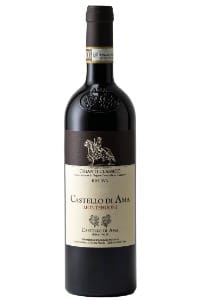
Montebuoni Chianti Classico Riserva – Castello di Ama 2021 – Tuscany, Italy
Fontondi – Panzano, Chianti (Tuscany), Italy
Fontondi is a renowned, certified organic winery in Panzano in Chianti, Italy, owned by the Manetti family since 1968. Originally famous for producing terracotta tiles, the family purchased the 130 hectare estate and transformed it into a Sangiovese powerhouse. The winery is located in the heart of Chianti Classico, in a site famous for its high altitude vineyards, Galestro soils and perfect microclimate ideal for the production of high quality Sangiovese. Today, under the leadership of Giovanni Manetti, the winery is known for its uncompromising commitment to quality and 100% Sangiovese wines.
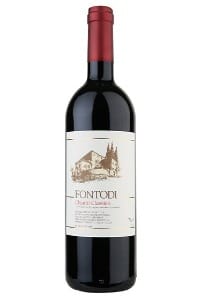
Chianti Classico – Fontodi 2022 – Tuscany, Italy
Fèlsina – Castelnuovo Berardenga, Chianti (Tuscany), Italy
Fèlsina is a prestigious, family owned winery established in 1966 by Domenico Poggiali in Castelnuovo Berardenga in Chianti Classico, Italy. The winery is best known as a benchmark producer of 100% Sangiovese wines, shifting from a traditional mixed farm to a pioneering producer of high quality, modern Chianti Classico wines. Their flagship wines include the Chianti Classico Riserva Rancia and the Colonia Gran Selezione, both highly acclaimed by critics. Fèlsina combines tradition with modern technology, including the use of stone cellars for ageing, among other environmentally conscious practices.
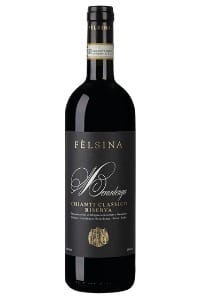
Berardenga Chianti Classico Riserva – Fèlsina 2022 – Tuscany, Italy
Chianti wine price breakdown: how much is a bottle?
While you won’t typically find bottles priced in the thousands, the cost of Chianti wine can still vary widely depending on the type of bottle you’re looking for, as several factors can influence its price:
- Type and classification: Chianti Classico wines, Riserva, and Gran Selezione differ in ageing and quality, affecting their price.
- Producer reputation: well known wineries or historic estates often command higher prices.
- Region within Chianti: wines from renowned subzones like Chianti Classico or Chianti Wine Ruffino usually cost more.
- Limited production: smaller batches or single vineyard selections often come at a premium due to rarity.
Here’s a table featuring some good Chianti wine, their producers, and price ranges from accessible to high end:
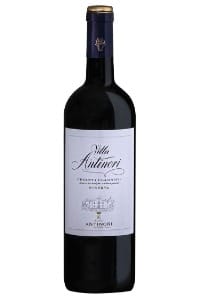
1. Entry Level Chianti: Villa Antinori Chianti Classico Riserva – Marchesi Antinori 2023 – Tuscany, Italy
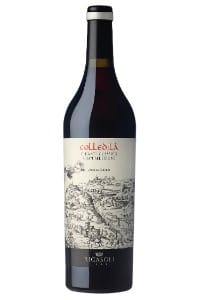
2. Mid Tier Chianti: Colledilà Chianti Classico Gran Selezione – Ricasoli 1141 2020 – Tuscany, Italy
3. Single-Vineyard: San Lorenzo Chianti Classico Gran Selezione (1.5L Magnum) – Castello di Ama 2020 – Tuscany, Italy
4. Prestige Collector Bottles: Vigneto La Casuccia Chianti Classico Gran Selezione – Castello di Ama 2020 – Tuscany, Italy
Top 3 Chianti red wine bottles worth collecting
While it may not reach the prestige of Italy’s most elite wines, Chianti red wine still finds a place in collectors’ cellars, especially when it comes to rare and high quality bottles.
What makes certain labels collectable?
- Gran Selezione or well aged Riserva editions
- Limited production or anniversary releases
- Esteemed producers from the Chianti Classico zone
- Exceptional vintage years
Here are our expert picks of the 3 top Chianti wine bottles worth collecting:
Chianti wine vintage chart: what years are the best?
When we talk about vintage Chianti bottles, we are not just referring to an old wine, but also to the climatic conditions that defined that specific vintage. The Chianti wine vintage chart shows us how weather conditions have a strong impact on the grapes and ultimately, their quality.
A great bottle does not always come from decades ago! The quality of recent vintages, such as 2019, shows how climatic conditions affect the outcome of an excellent wine.
We have selected the best vintages recognised by the experts, helping you choose bottles with excellent ageing potential.
| Vintage | Recommended Chianti | Tasting Notes | Vintage Characteristics |
|---|---|---|---|
| 2024 | Chianti Classico – Carpineto 2024 – Tuscany, Italy | Velvety and round on the palate, with good acidity and intense aromas of violet, red and black fruits, balsam, as well as citrus hints. | A warm summer followed a rainy winter and spring, yielding classic and balanced Chianti wines with vibrant fruit, high acidity and refined tannins. |
| 2023 | Chianti Classico – Dievole 2023 – Tuscany, Italy | The nose opens with scents of berries, cherries and violets, leading to a fresh and well balanced palate with a pleasant and persistent finish. | The rainy spring led to mildew in some areas, which caused a low harvest. The resulting wines are high quality, balanced and elegant, with velvety tannins. |
| 2022 | Borgo Chianti Classico – San Felice 2022 – Tuscany, Italy | Medium bodied fresh, offering vibrant notes of cherry, raspberry, violet and earthy minerality along with well integrated tannins, high acidity and a savoury finish. | A less than optimal weather led to limited yields at harvest, yet grape quality was not compromised. The 2022 Chianti Classico wines are balanced, harmonious and enjoyable even when young. |
| 2021 | Campo al Moro Chianti Classico – Cecchi 2021 – Tuscany, Italy | Light bodied and pleasant, with mild tannins and notes of red currant, nutmeg, plum and floral notes. | A hot and dry summer was followed by timely rains that supported ripening, resulting in fresh and vibrant wines with soft tannins and promising ageing potential. |
| 2019 | Contessa di Radda Chianti Classico Gran Selezione – Geografico 2019 – Tuscany, Italy | Rich and layered bouquet of ripe cherry, blackberry, violet, tobacco and spices. It is full bodied and elegant on the palate, with firm, yet velvety tannins and a long, persistent finish. | A memorable vintage, with optimal weather in September, led to complex and broad wines with good structure, marked acidity and intense aromas. |
Chianti wine for beginners: a newcomer’s guide
Chianti is a fresh, vibrant red that is easy to enjoy, even for those approaching red wines for the first time. A young Chianti Classico wine is ideal to start with! Here are a few simple tricks on how to choose and enjoy Chianti wine for beginners:
- Open the bottle at least 30 minutes before tasting.
- Check the Chianti ABV level to start with something lighter.
- Serve it at a temperature of 16-18°C.
- Choose a wide goblet.
- Pair it with simple dishes.
- Avoid overly spicy or sweet dishes, which would cover its balance.
Which wine glass is ideal for Chianti wine?
As with many great red wines, Chianti is at its best when enjoyed in the right glass. This allows the wine to open up, releasing its aromas and enhancing its body and structure. The ideal Chianti wine glass is tulip shaped, wide at the bottom and slightly closed at the top, perfect for channelling the aromas and promoting oxygenation of the wine.
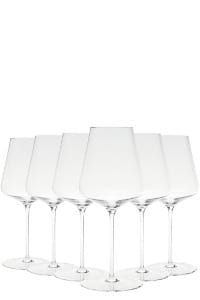
Sophienwald Bordeaux Glasses (Set of 6) 228 mm/570 ml
Chianti wine region: rolling hills and wines to remember
Chianti takes its name from the land where it was born, a place full of history in the heart of Tuscany, between Florence and Siena. Today, the Chianti Italy wine region covers about 70,000 hectares of vineyards, making it one of Italy’s largest and most important wine areas.
Wine from Chianti comes with an important distinction between zones:
- Chianti Classico area: the historic core, famous for its strict quality and the Black Rooster label.
- Chianti DOCG area: covers the Chianti Classico zone and the surrounding areas.
Let’s dive into the most famous communes known for producing wines from Chianti:
- Greve in Chianti: known for its rolling hills and historic markets, it’s the commercial heart of Chianti.
- Radda in Chianti is famous for producing elegant, high altitude Chianti Classico wines with bright acidity, fine tannins, and strong ageing potential.
- Gaiole in Chianti: famous for bold, rich Chianti wines with great ageing potential.
- Castelnuovo Berardenga: produces refined, complex Chianti Classico with smooth tannins.
Barberino Tavarnelle: offers fresh, vibrant Chianti with a good mix of tradition and modern style.
Wines like Chianti: comparing Brunello, Barolo and Amarone
If you enjoy bright acidity, medium body and signature cherry and herbal flavours, you’ll probably want to try some wines like Chianti. Styles like Brunello di Montalcino, Barolo and Amarone are great alternatives!
Below are some examples of wine similar to Chianti that you might want to try, with a description of their styles and what makes them different (or similar):
| Wine / Main Grape | Wines Like Chianti | Tasting Notes | Wine style |
|---|---|---|---|
| Brunello di Montalcino vs Chianti | Brunello di Montalcino – Col d’Orcia 2020 – Tuscany, Italy | Balanced and pleasantly fresh on the palate, with ripe tannins, hints of berries, spice and a long, fruity aftertaste. | Brunello di Montalcino wines are generally more tannic, age worthy and more complex than Chianti wines. |
| Barolo vs Chianti | Barolo – Villa da Filicaja 2021 – Piedmont, Italy | Structured and harmonious, with polished tannins and aromas of violets, small red fruits and leather, along with lingering impressions of sweet spices and subtle vanilla notes. | Barolo is bold, full bodied and structured, with intense dried fruit notes that may not be present in Chianti. |
| Amarone vs Chianti | Amarone della Valpolicella – Casalforte 2020 – Veneto, Italy | Clear hints of cherry jam, cinnamon, vanilla and coffee lead to a full and rounded sip with smooth tannins and a long lasting finish. | Amarone is rich, higher in alcohol and fuller bodied than Chianti. |
3 Simple tricks to serve Chianti wine like a pro
To truly appreciate every nuance of your glass of Chianti, serving it the right way makes all the difference. It only takes 3 simple tricks to bring out the best aromas of this wine:
- Store Chianti in a cool, dark place at around 13°C.
- Serve at 16-18°C to highlight its flavour.
- Decant mature Chianti for 1/2 hours to reveal deeper aromas.
A small additional detail: hold the glass by the stem, not the bowl: your hand’s heat can alter the wine’s temperature!
Chianti wine food pairing: the soul of Italian dining
If you are looking for a wine that pairs well with Italian food, Chianti is the best choice. But it’s not limited to that! Thanks to its natural freshness and lively acidity, it pairs beautifully with a wide range of dishes, from classic Italian recipes to simple everyday meals.
Our top pairings include:
- Tuscan specialities such as Bistecca alla Fiorentina, chicken liver crostini and roasted wild boar.
- Savoury stews, including cacciucco, rustic vegetable stews
- Meat: T-bone steak, grilled pork loin, roast lamb with rosemary
For some more delicious ideas of Chianti wine food pairing, take a look at the table below:
| Chianti Wine Food Pairing | Best Chianti Bottle | Aged & ABV | Type & Structure |
|---|---|---|---|
| Bistecca alla Fiorentina, chicken liver crostini and roasted wild boar | Vigneto La Casuccia Chianti Classico Gran Selezione – Castello di Ama 2020 – Tuscany, Italy | 2-3 years 14% | Full bodied, polished tannins, ripe red and dark fruits |
| Cacciucco, Tuscan Peposo, Spezzatino, Beef stew with porcini mushrooms. | Vigneto Bellavista Chianti Classico Gran Selezione – Castello di Ama 2020 – Tuscany, Italy | 2-3 years 13% | Full bodied, compact and structured, velvety tannins |
| T-bone steak, grilled pork loin, roast lamb with rosemary, wild boar | San Lorenzo Chianti Classico Gran Selezione (1.5L Magnum) – Castello di Ama 2020 – Tuscany, Italy | 2-3 years 13.5% | Medium bodied, fruity, silky, firm yet delicate tannins |
| Aged Cheese, aged Pecorino, Parmigiano Reggiano, aged Gouda | Montebuoni Chianti Classico Riserva (1.5L Magnum) – Castello di Ama 2020 – Tuscany, Italy | 2-3 years 13.5% | Medium bodied, ultra fine tannins, chalky finish |
| Ragu alla Bolognese, Lasagna al Forno, Cinghiale, Pasta alla Norma | Colonia Chianti Classico Gran Selezione – Fèlsina 2019 – Tuscany, Italy | 2-3 years 13.5% | Bold and spicy, firm tannins, tobacco, berry notes |
How we rate Chianti wine
Every Chianti wine that earns a place on our list has been tasted and scored by our editorial team independently, with no exception. We are deliberately selective: our recommendations rarely fall below 4.6 out of 5 and every bottle that makes the cut has earned its place on merit alone.
We work with a 50 point scoring system under the hood, which we translate into a clean 5 point scale for you:
- 5 = Exceptional
- 4 = Excellent
- 3 = Very Good
- 2 = Good
- 1 = Fair
What actually goes into the score?
- Appearance (up to 5 points): does the wine look alive? We’re assessing clarity, depth of colour and brightness, the first clues about what’s coming.
- Aroma & bouquet (up to 15 points): this is where a wine starts to tell its story. We’re looking for intensity, layered complexity and a clean, flaw free nose that makes you want to keep going back.
- Flavour & palate (up to 20 points): the heart of the score. Acidity, tannin, alcohol and mouthfeel all need to be pulling in the same direction: a great red wine feels balanced, not like a tug of war
- Overall impression (up to 10 points): how does it all come together? We’re thinking about harmony, typicity, the length of the finish and whether this is a wine that still has somewhere interesting to go.
Scores of 4 and above signal something genuinely worth seeking out. Anything below 4 didn’t make the cut.
We also hold every Chianti wine to these additional standards that we think matter as much as the numbers:
- Structure: high acidity should feel refreshing and not harsh, working with the tannins to offer a delicious mouthfeel.
- Aromatic profile: complexity is the goal. A vinous scent with strong notes of violet, fresh red cherry, tart cranberry and sometimes, earth, leather or cedar.
One last thing from us: numbers are useful but they don’t tell the whole story. The scores we assign are a reflection of our palates, tasting conditions and honest opinions on a given day, nothing more, nothing less. The tasting notes are where the real picture lives and we’d always encourage you to read those first. Finding a Chianti red wine you love is the only result that matters.
FAQs on Chianti wine
What is the top rated Chianti?
The top rated Chianti wine often varies by vintage, but one standout is the Chianti 2007 from Cantina di Montalcino. Known for its depth, balance and mature tannins, this vintage showcases rich cherry notes, earthy complexity and refined structure. It is a true expression of aged Sangiovese and a favourite among collectors and Italian wine lovers alike. These wines consistently receive high scores from critics all over the world
What is the highest level of Chianti?
The highest level of Chianti is Chianti Classico Gran Selezione. This appellation, introduced in 2014, requires longer ageing (at least 30 months) and comes from only the best Chianti grapes owned by the producer. It is one step above Chianti Classico Riserva and is created to show the pinnacle of quality in the region. Wines at this level often show complexity and exceptional ageing potential.
Where is the best Chianti made?
The best Chianti is made in the Chianti Classico area, which lies between Florence and Siena. This historic area includes such famous towns as Greve, Radda, Gaiole and Castellina in Chianti. Wines from these areas benefit from higher altitudes and ideal soils, producing wines that are structured, elegant and worthy of ageing. The Black Rooster seal on the bottle when you buy Chianti guarantees provenance from this fine production area.
Is Chianti a dry wine?
Yes, Chianti is a dry wine. It is made primarily from the Sangiovese grape, which produces wines with bright acidity, moderate tannins and flavours of cherry, plum, herbs and sometimes earthy. Although it has fruity notes, a true Chianti has little or no residual sugar, making it a food friendly dry red wine, ideal for accompanying Italian cuisine such as pasta with tomato sauce or roasted meats.
Is Chianti wine sweet?
No, Chianti is not a sweet wine. It is a dry red wine with fresh acidity and a firm structure. Although some fruit notes, such as cherry or strawberry, may give a sense of sweetness to the nose, the wine itself is fully fermented, leaving little or no residual sugar. If you are looking for a sweet Italian red, options such as Lambrusco or Brachetto d'Acqui might be more suitable.
How to pronounce Chianti wine?
Chianti is pronounced “kee-AHN-tee.” The “ch” in Italian is always a hard “k” and the accent falls on the second syllable. It takes its name from the Chianti region of Tuscany, Italy, where this iconic wine has been produced for centuries. Knowing the correct pronunciation not only shows respect for the wine's Italian heritage but also helps you communicate confidently when discussing or ordering it.
What kind of wine is Chianti?
Chianti is a dry red wine made primarily from Sangiovese grapes. It typically has a medium body, bright acidity and flavours of red fruits, dried herbs and earthy notes. Chianti is one of the most popular and food friendly Italian wines, ranging from young and fruity to complex and age worthy, especially when labelled as Chianti Classico Riserva or Gran Selezione.
What are some good wines like Chianti?
If you enjoy Chianti, you may like other wines like Chianti that share similar acidity and versatility for pairing with foods. Some great alternatives are Brunello di Montalcino and Vino Nobile di Montepulciano, both made from Sangiovese. You might also try Barolo or Amarone. These wines have ABV levels comparable to Chianti and similar Italian charm.
Is Chianti white or red?
Chianti is a red wine made primarily from Sangiovese grapes. It has a bright ruby colour and typically presents flavours of cherry, plum and dried herbs. Although Italy is known for its red and white wines, Chianti definitely belongs in the red wine category, often enjoyed with pasta, grilled meats and aged cheese. There is no official white version of Chianti.
What is Chianti ABV?
Chianti ABV (Alcohol by Volume) usually ranges from 12% to 15%, depending on the subregion and ageing. Chianti Classico, especially Riserva or Gran Selezione, tends to be slightly higher in alcohol, often around 13.5%-14%, due to longer ageing and riper grapes. The balanced alcohol level contributes to Chianti’s versatility and makes it a great companion to rich, savoury foods.
What are the best Chianti producers?
Some of the best Chianti producers are located in the Chianti Classico region and include historic names like Castello di Ama, Fontodi, Felsina, Marchesi Antinori and Castello di Monsanto. These wineries consistently deliver high quality wines that reflect the unique terroir of Tuscany and have earned global acclaim for their dedication to tradition and innovation.
Is Chianti wine produced only in Italy?
Yes, Chianti wine is produced only in Italy, specifically in the region of Tuscany. The name “Chianti” is legally protected by the DOCG classification, which means it must be produced within designated Chianti areas, using approved methods and grape varieties. While other countries can produce Sangiovese based wines, only Italian wines from this area can officially be called Chianti.
Should Chianti be chilled?
Chianti should not be served too cold, but slight cooling helps. The ideal serving temperature is about 16-18°C. If served too hot, the alcohol can overpower the flavours and if too cold, the acidity becomes too strong. You can chill it briefly (10-15 minutes in the refrigerator) before serving, especially for younger Chianti, to enhance its freshness.
